


Alexandrite






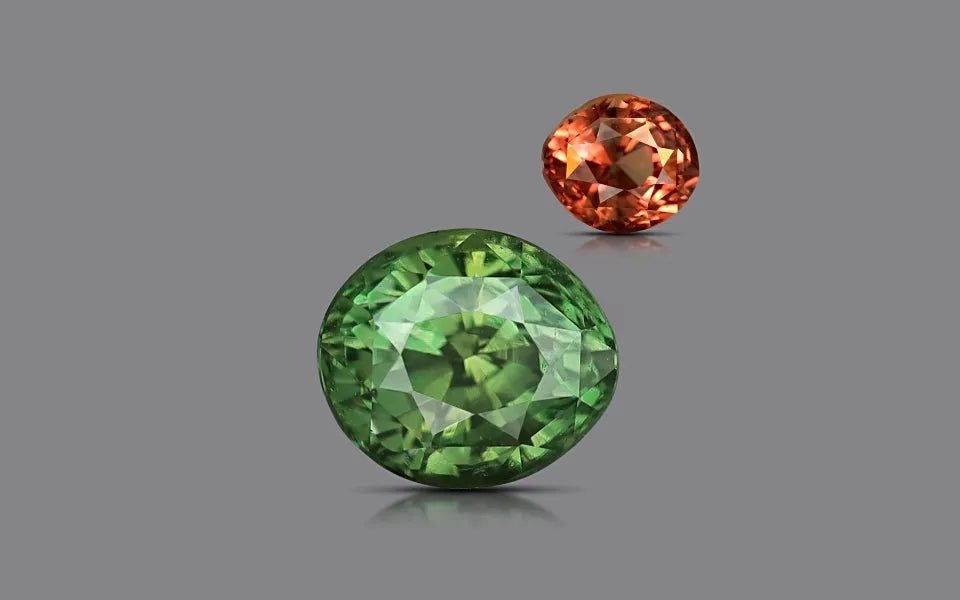
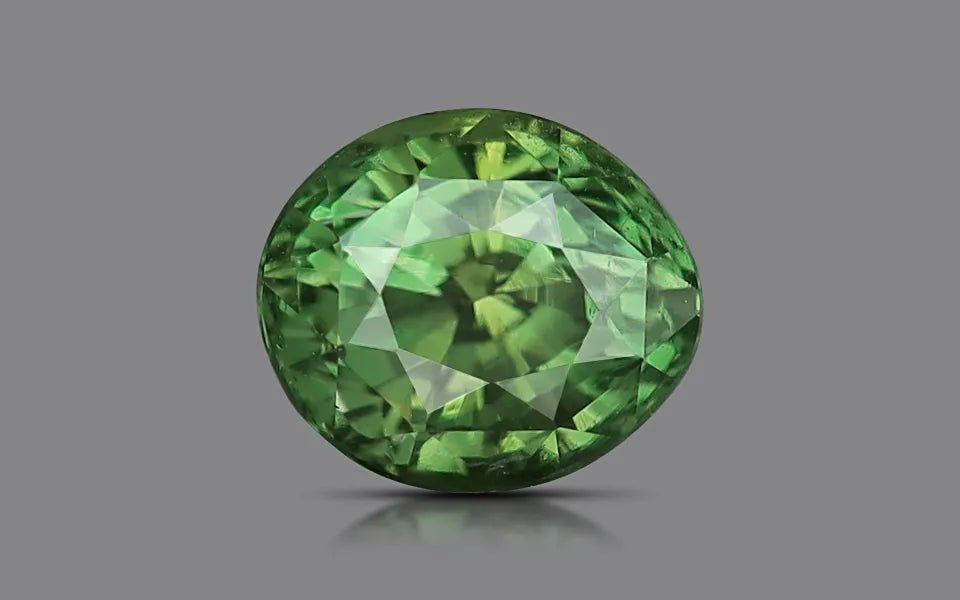
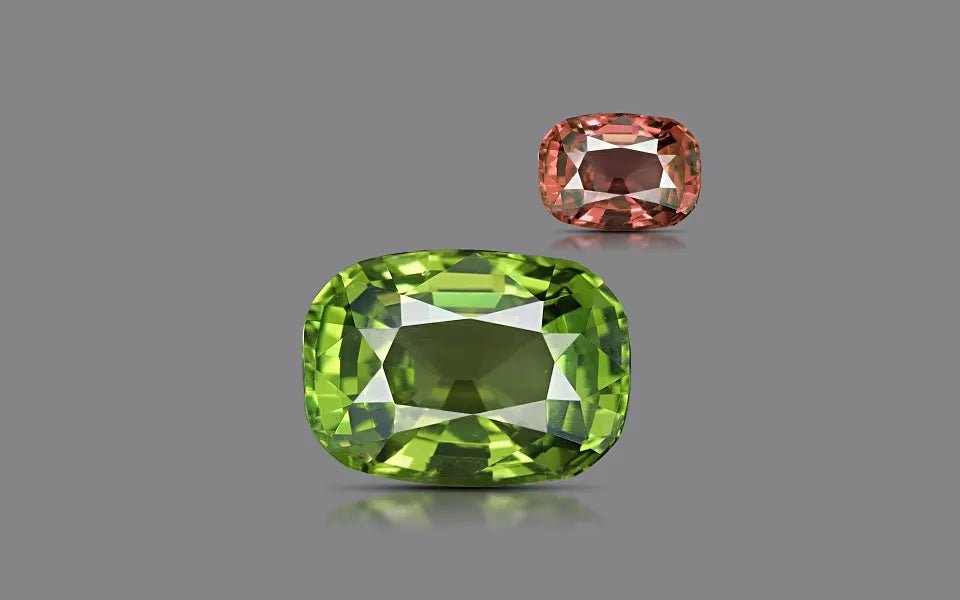
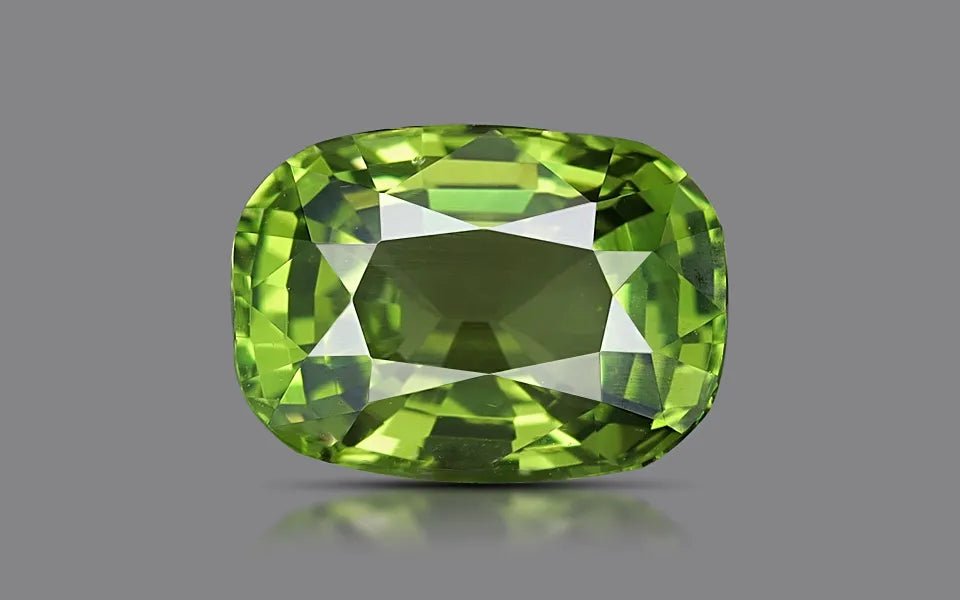
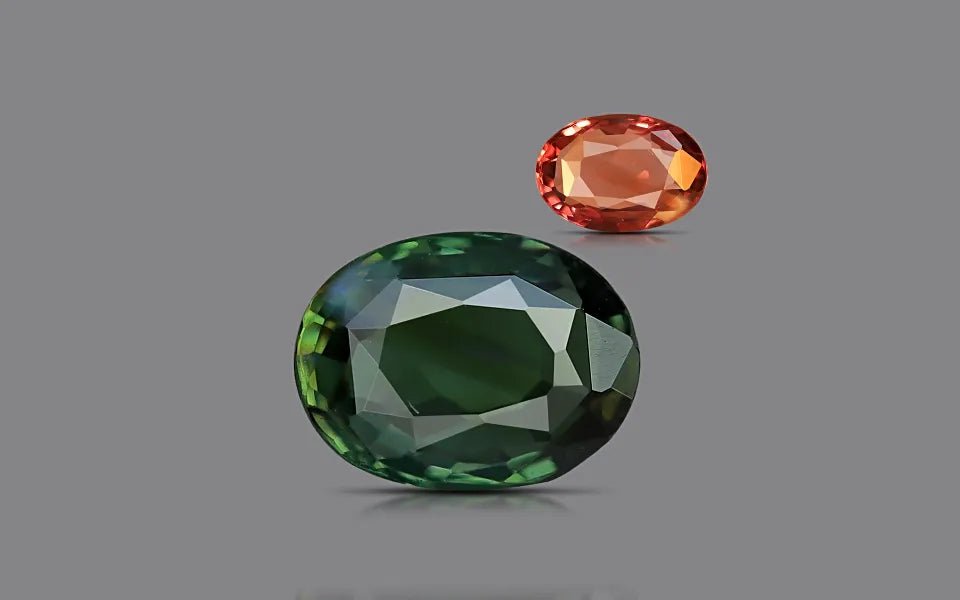
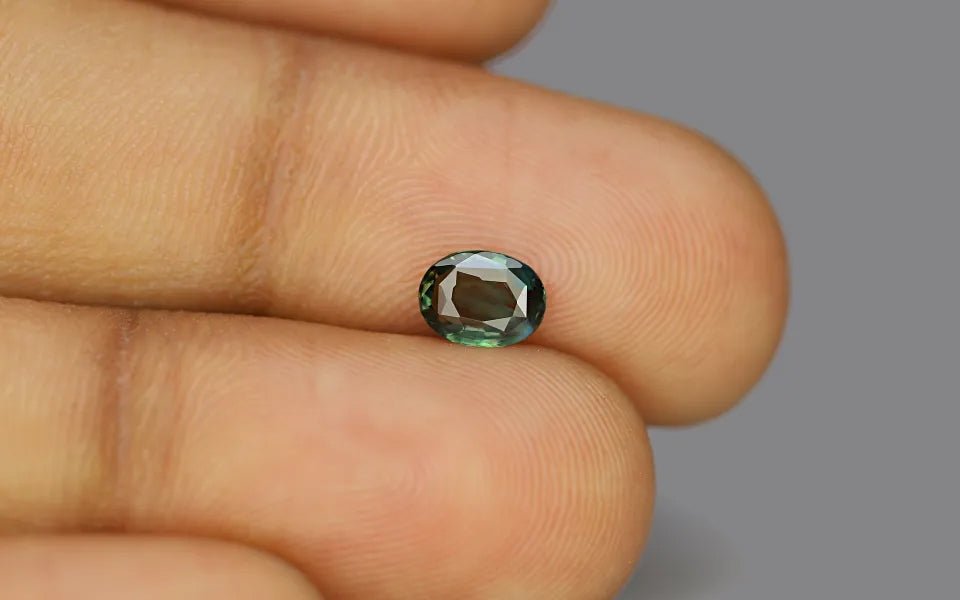
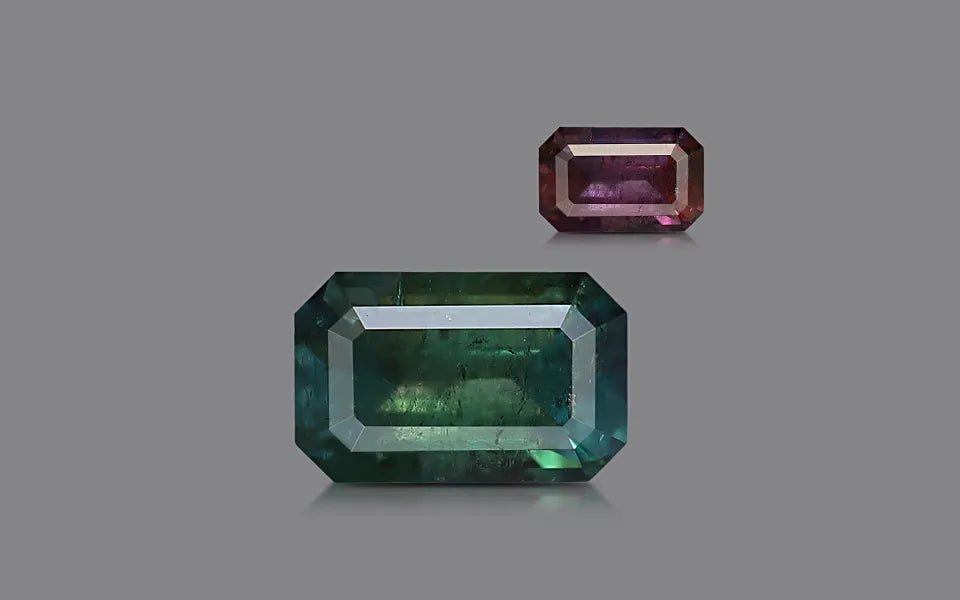

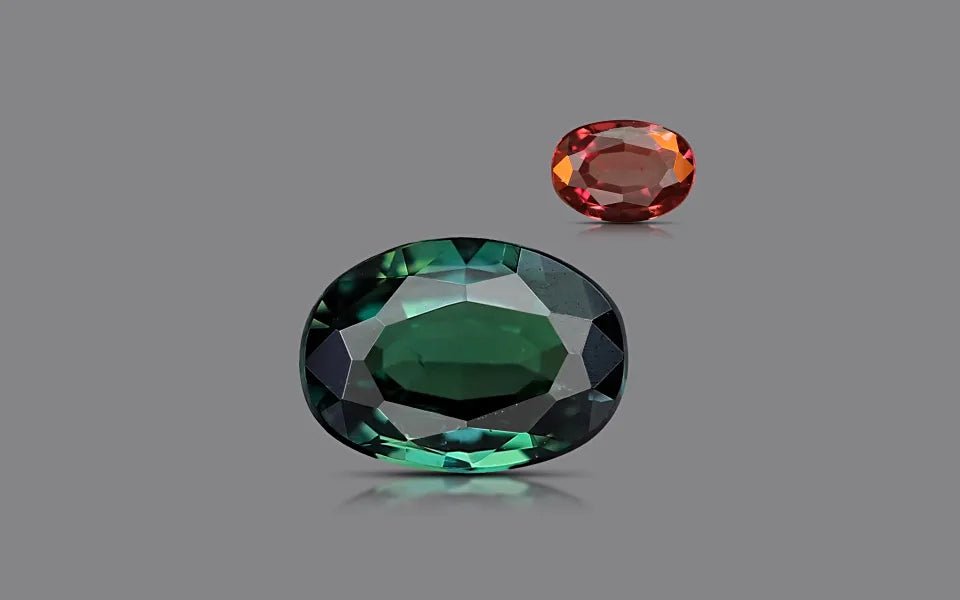
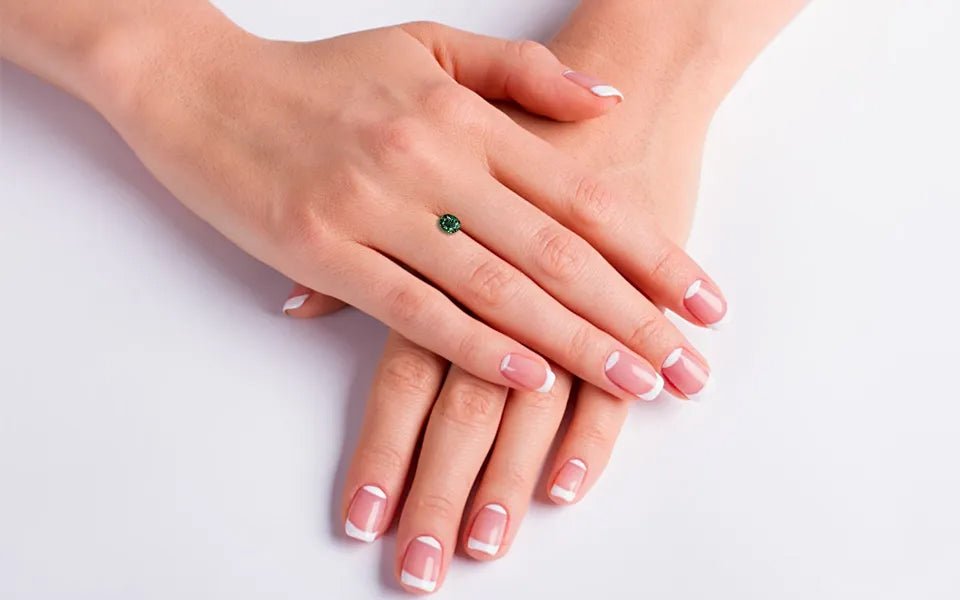
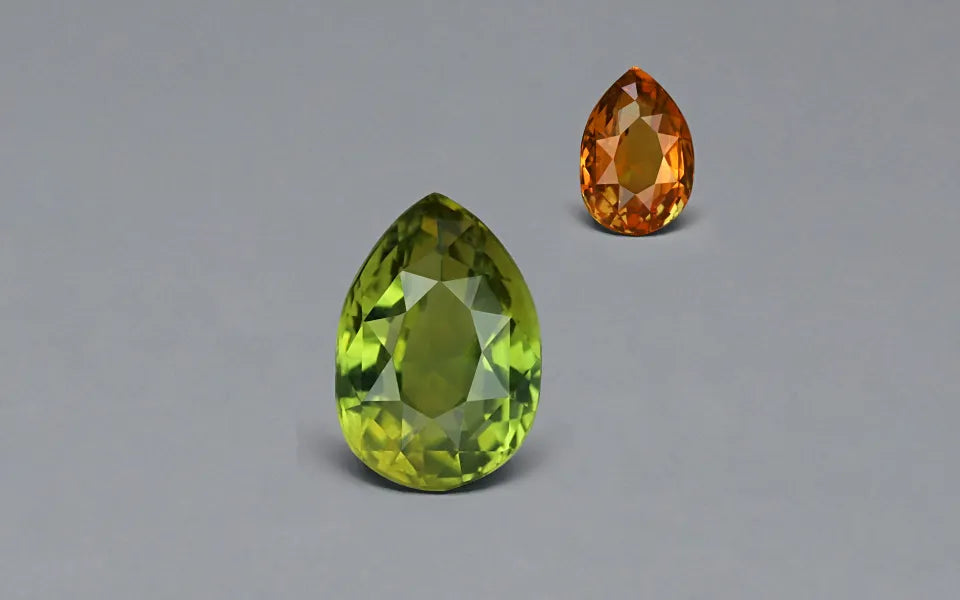
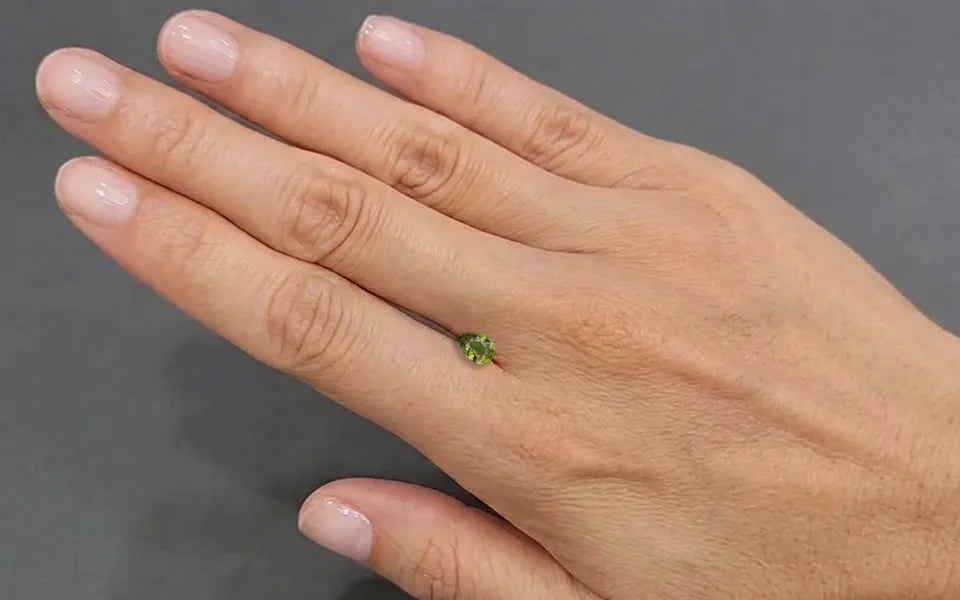
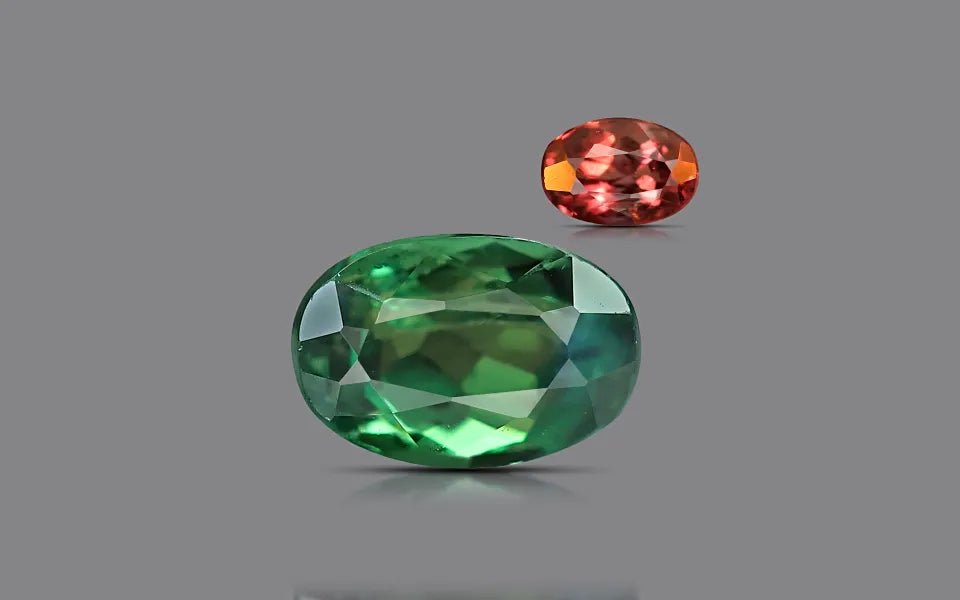
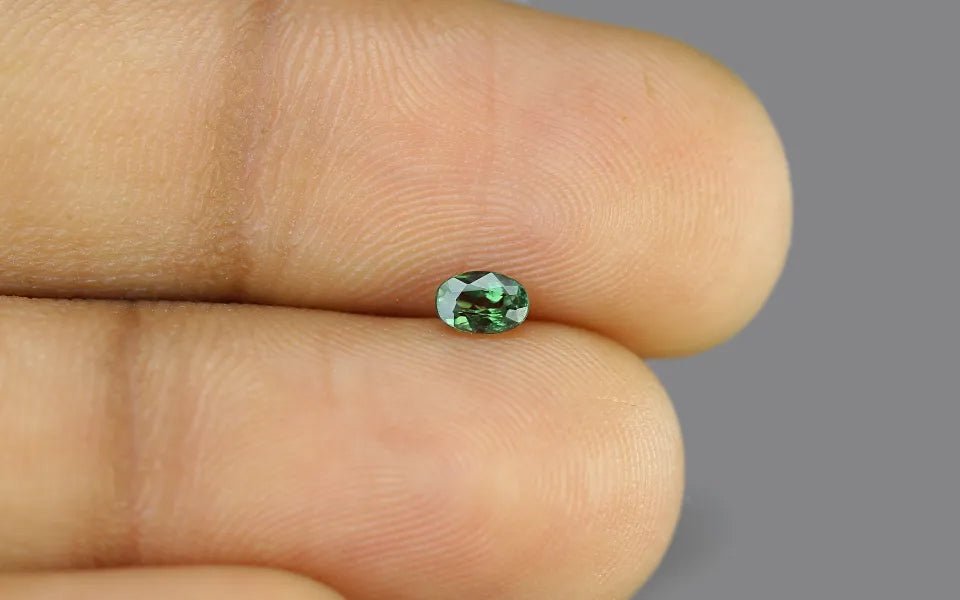
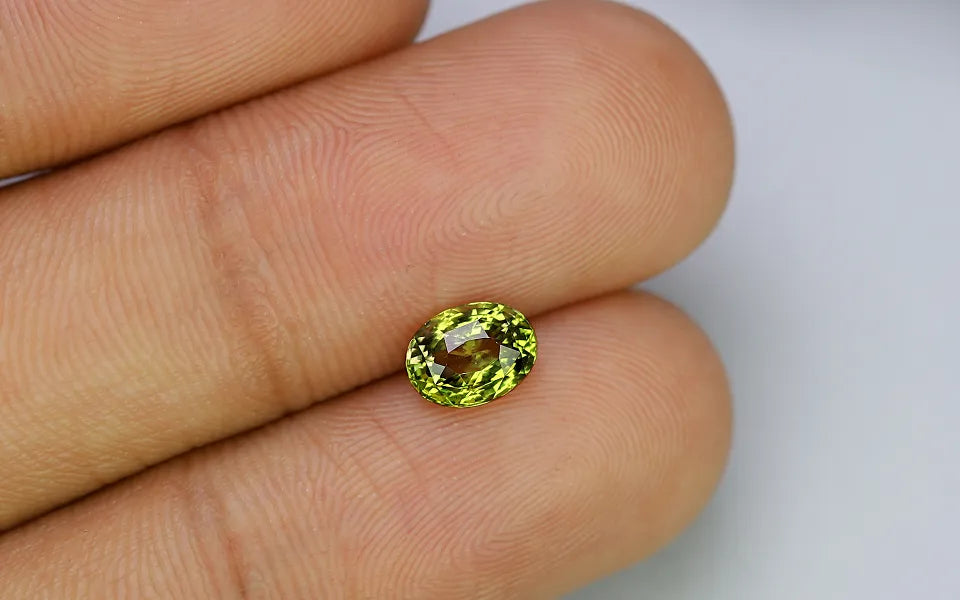
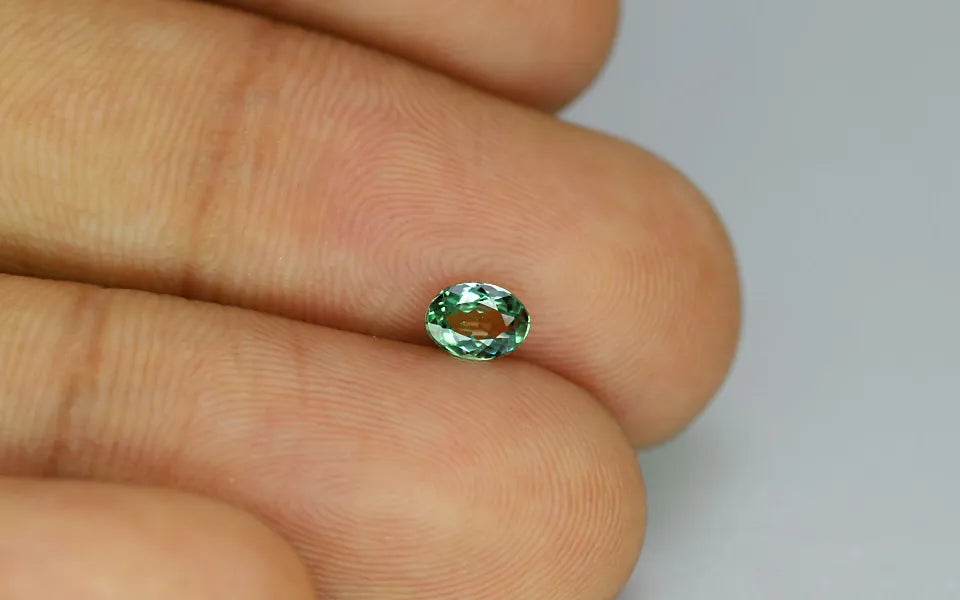
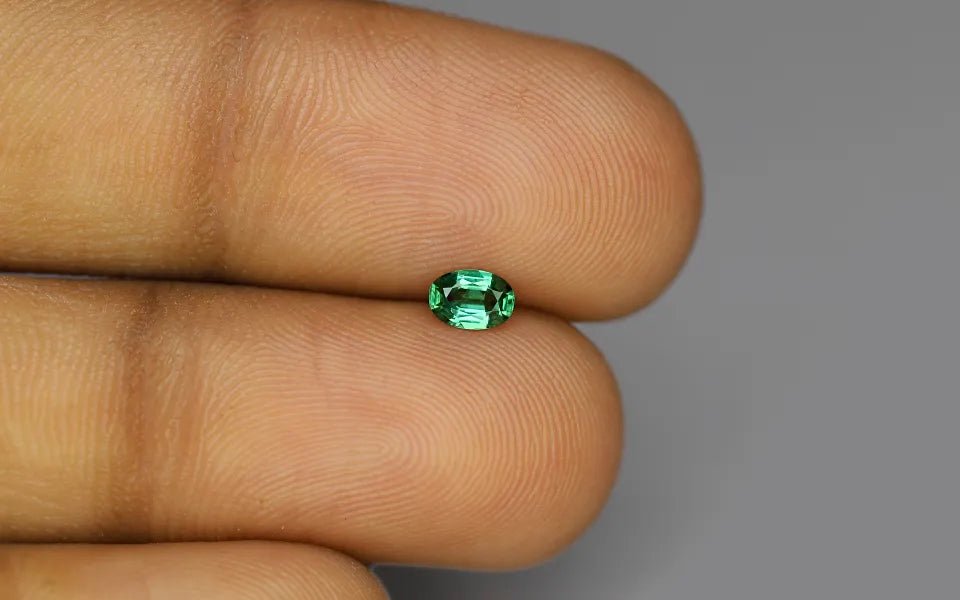
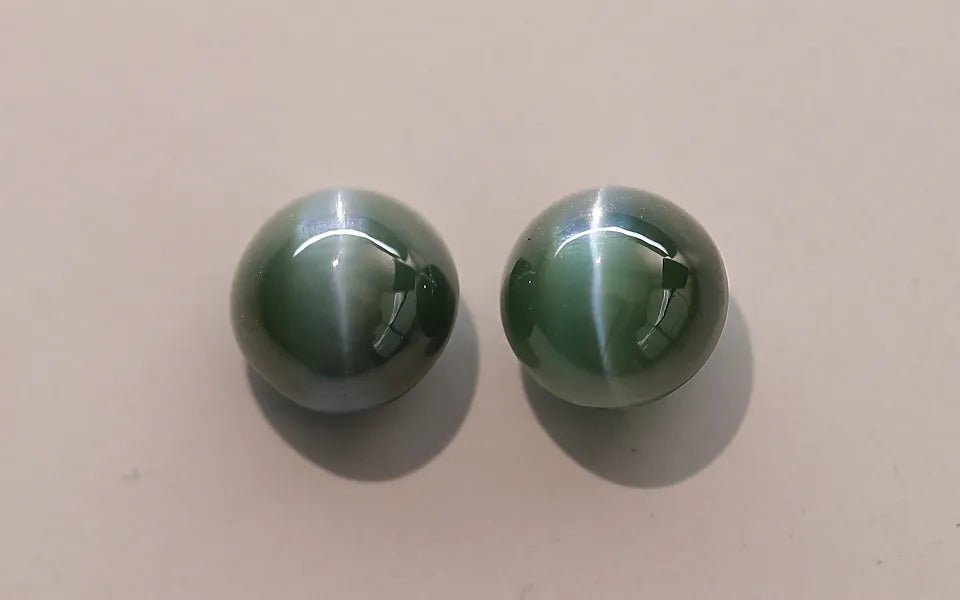
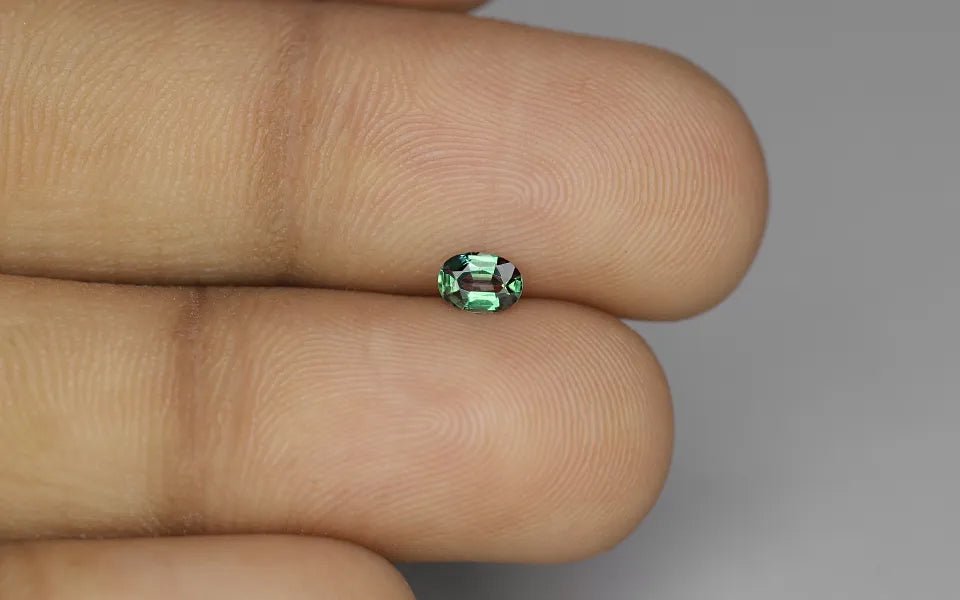


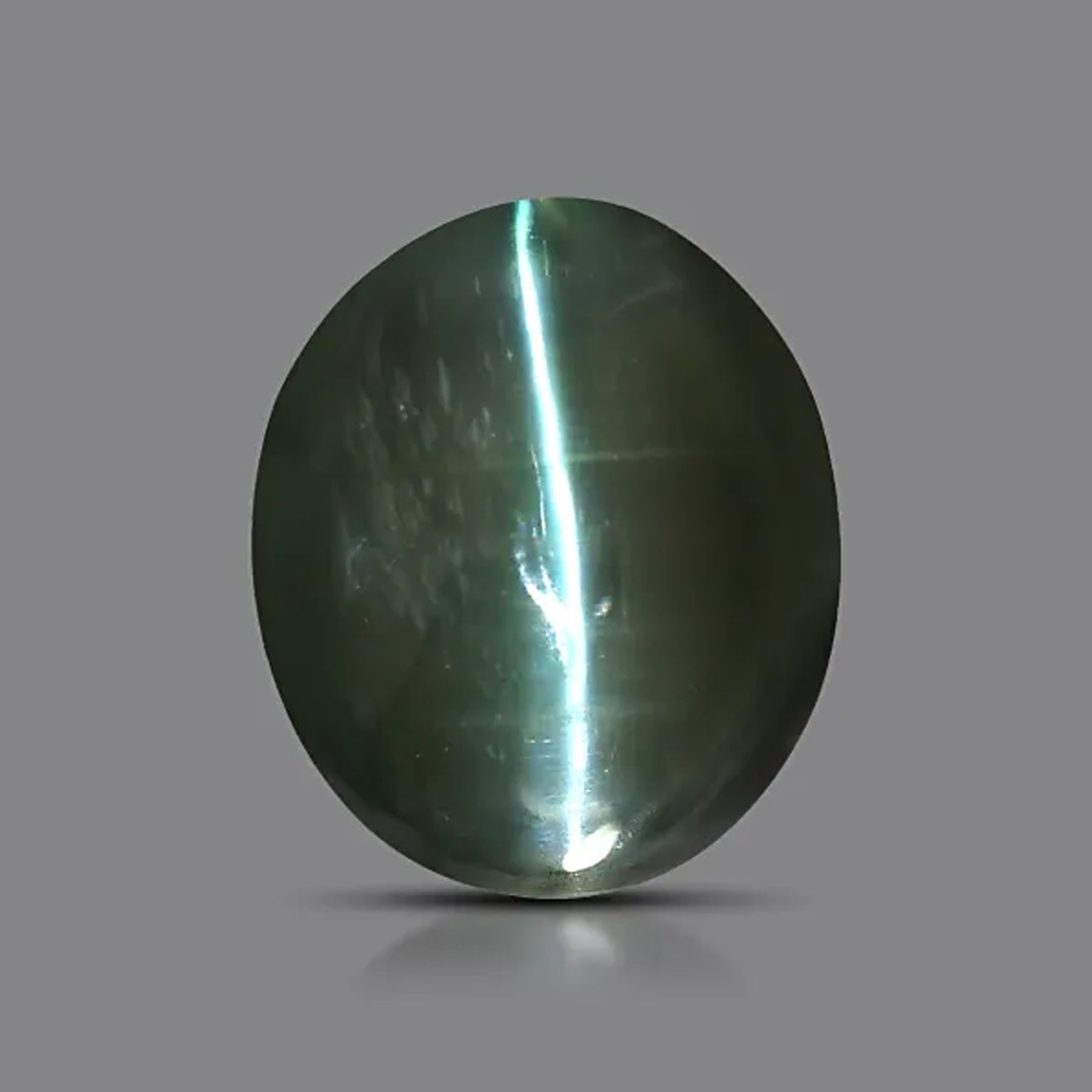
The online selection is only part of our sourcing reach.
Certain gemstones are acquired individually for clients and never appear in public collections.
Enquire about a stone you don’t see hereFrequently Asked Questions
What is alexandrite?
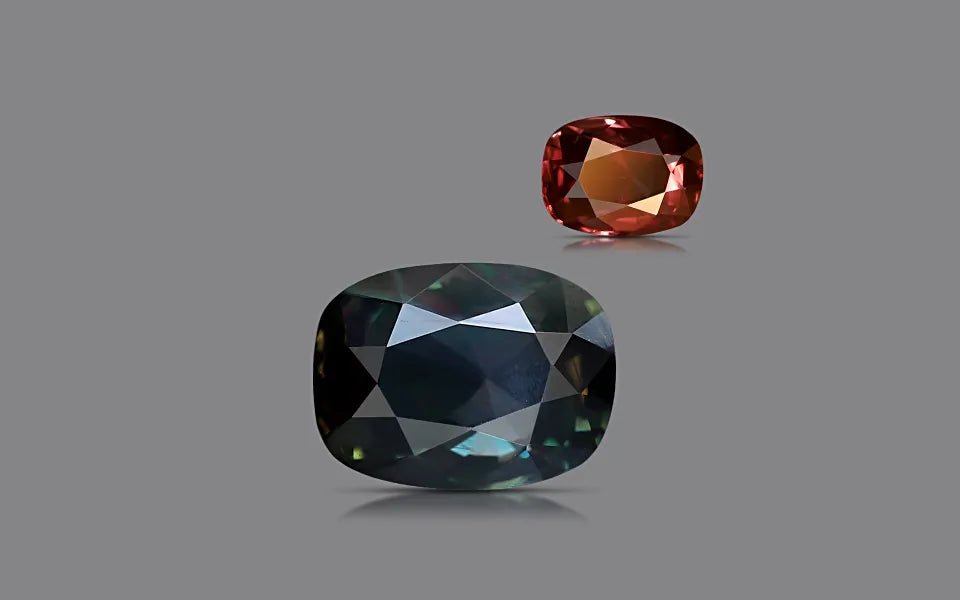
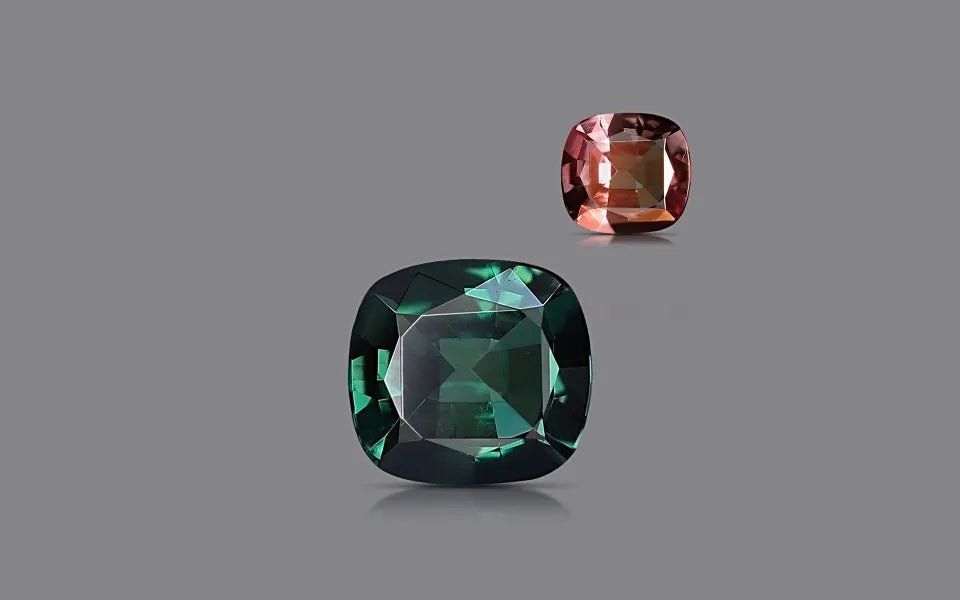
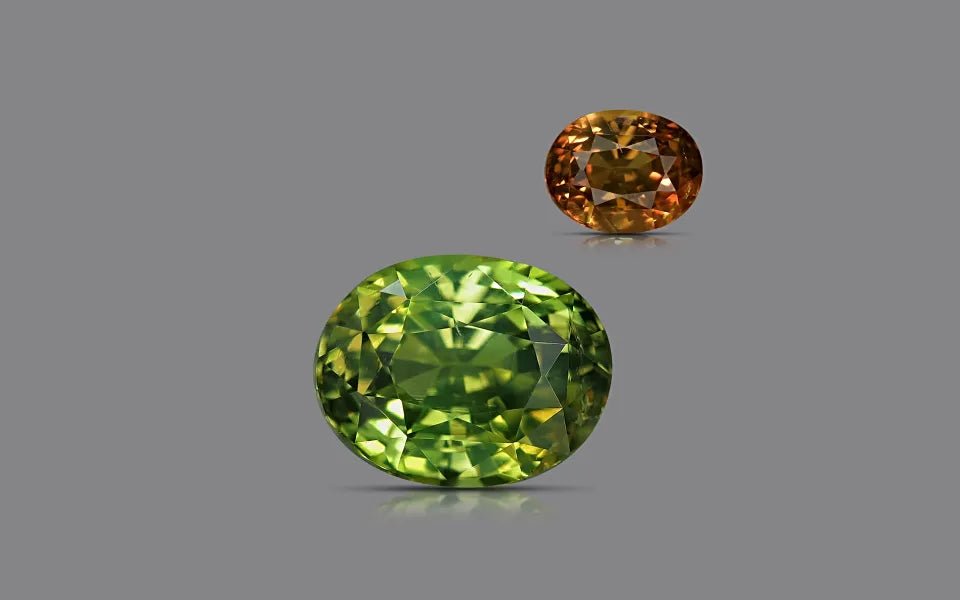
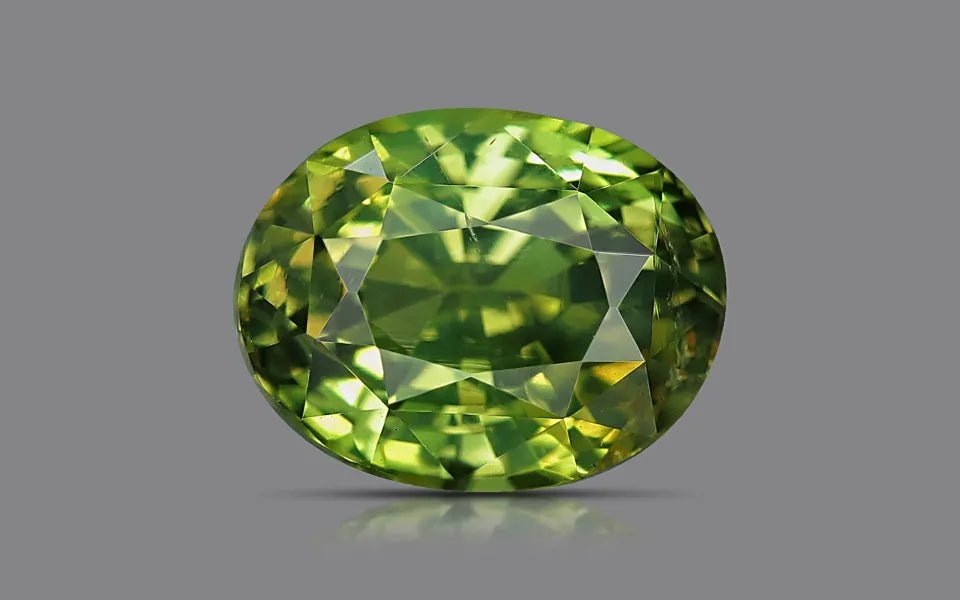
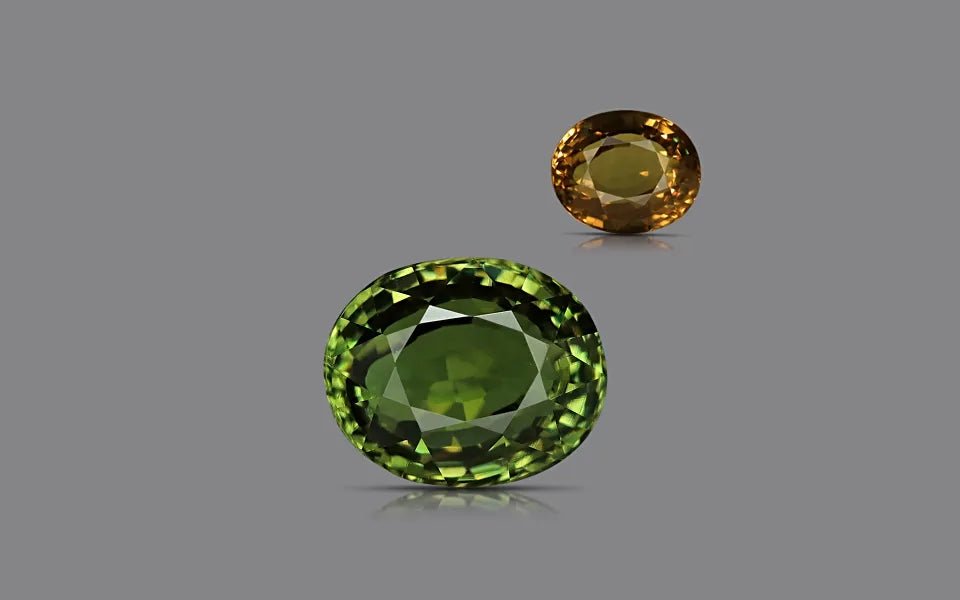
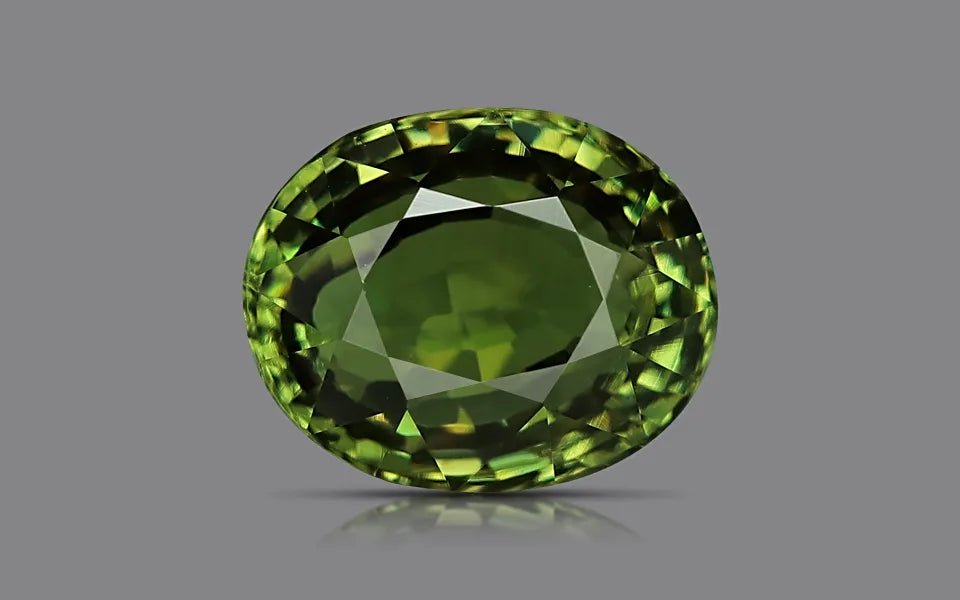
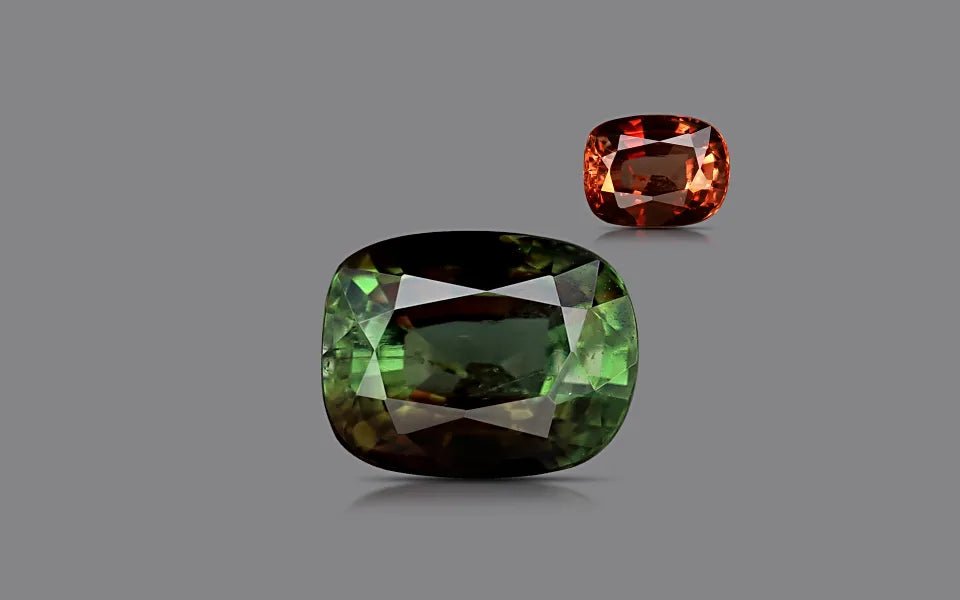
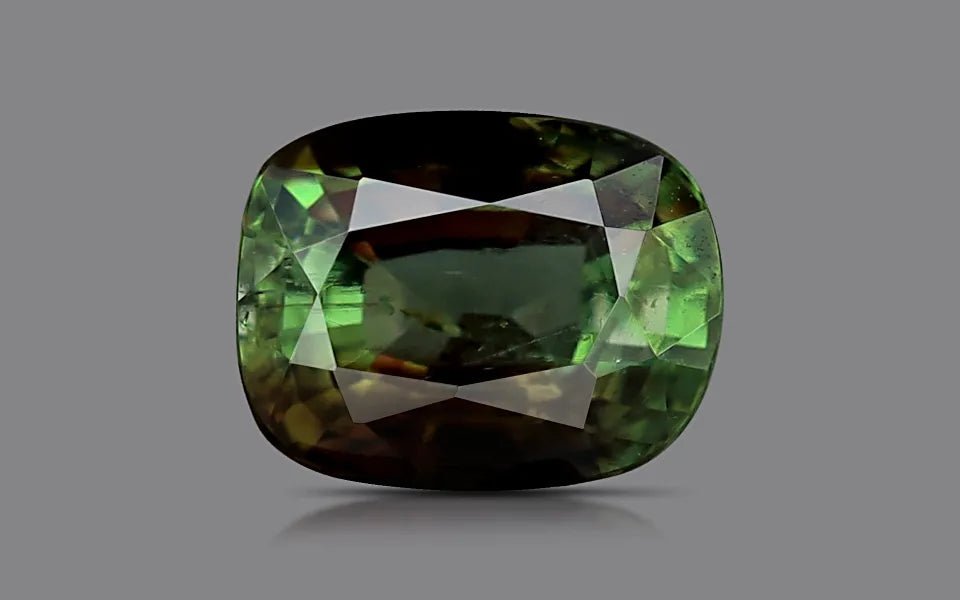
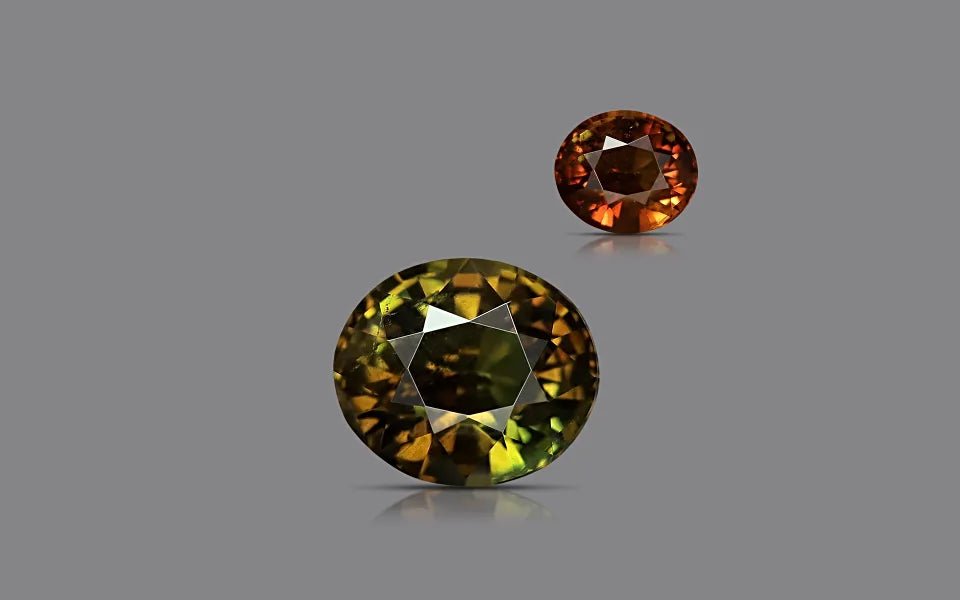
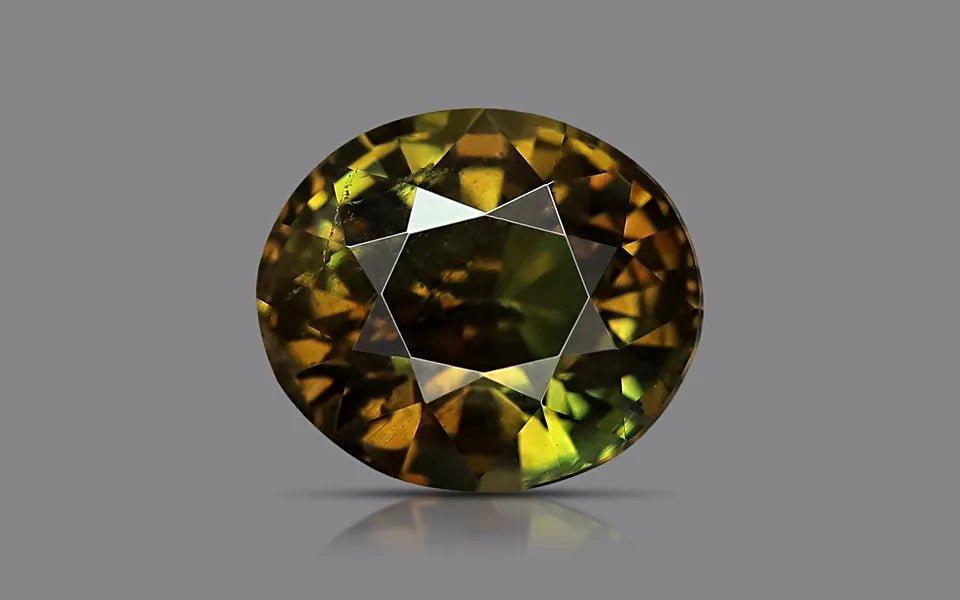
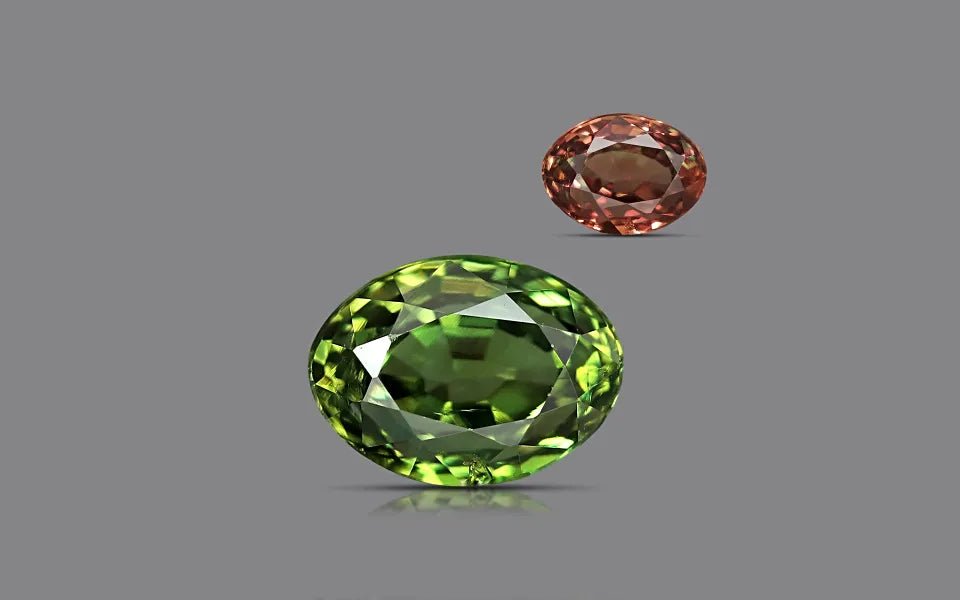
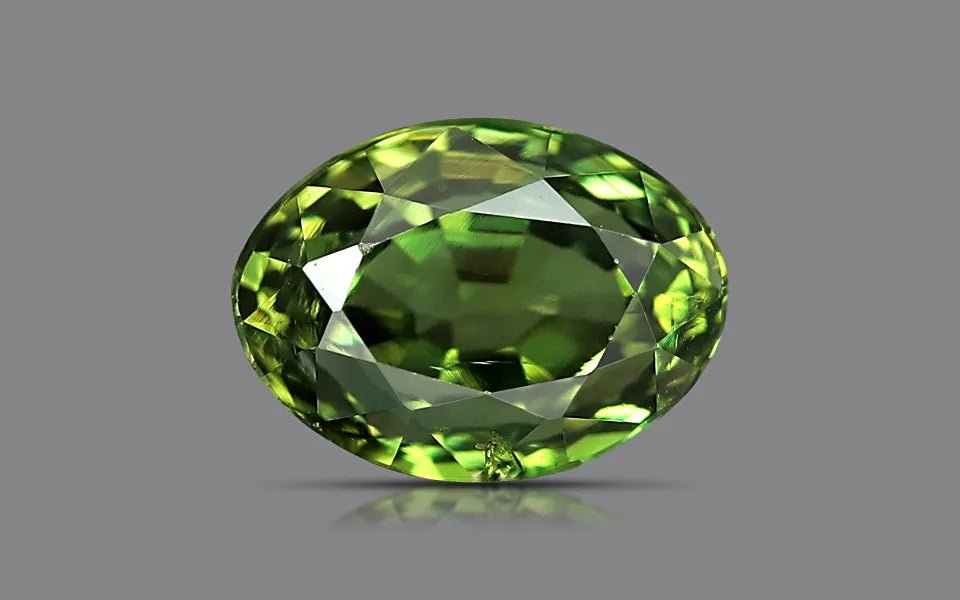
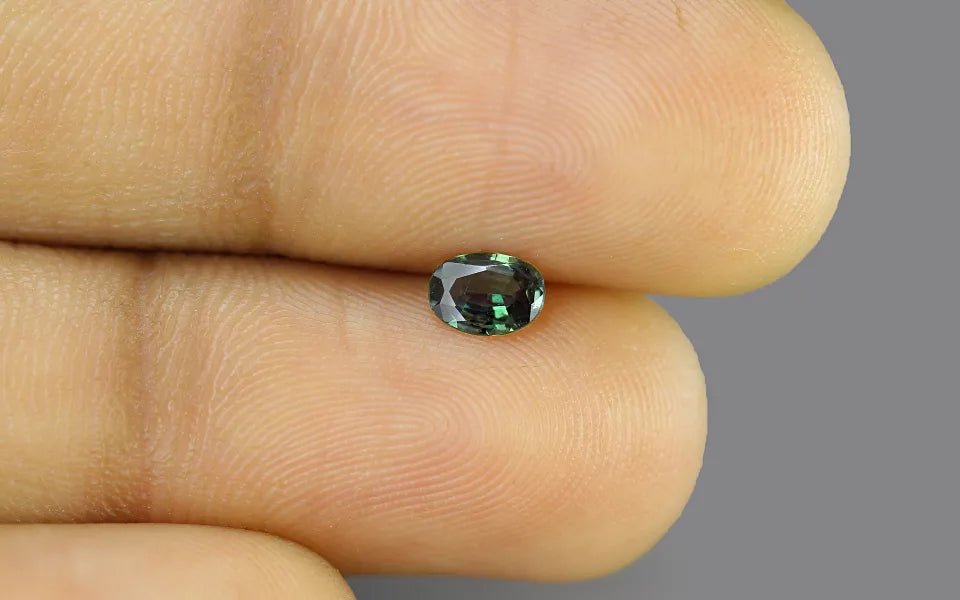
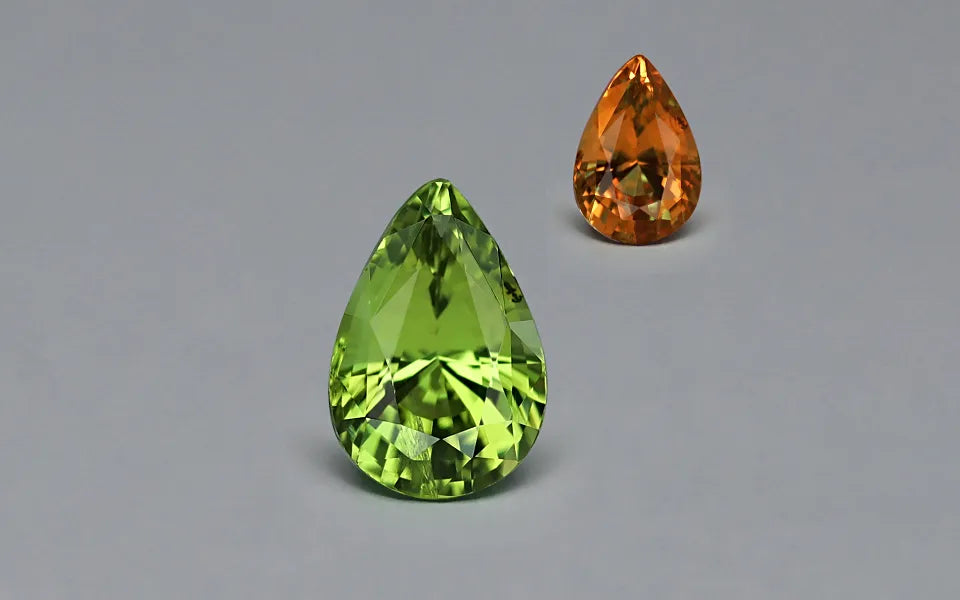
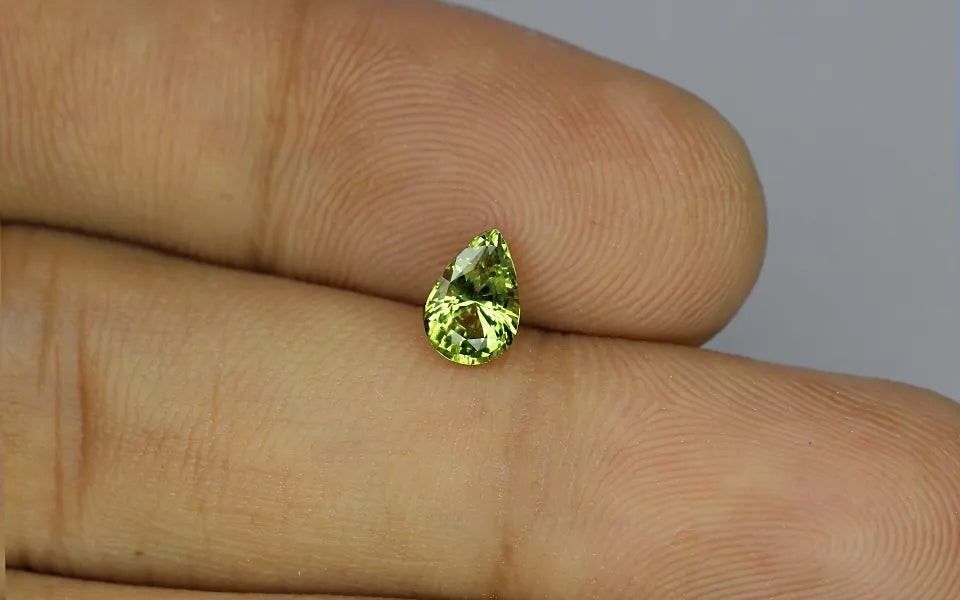
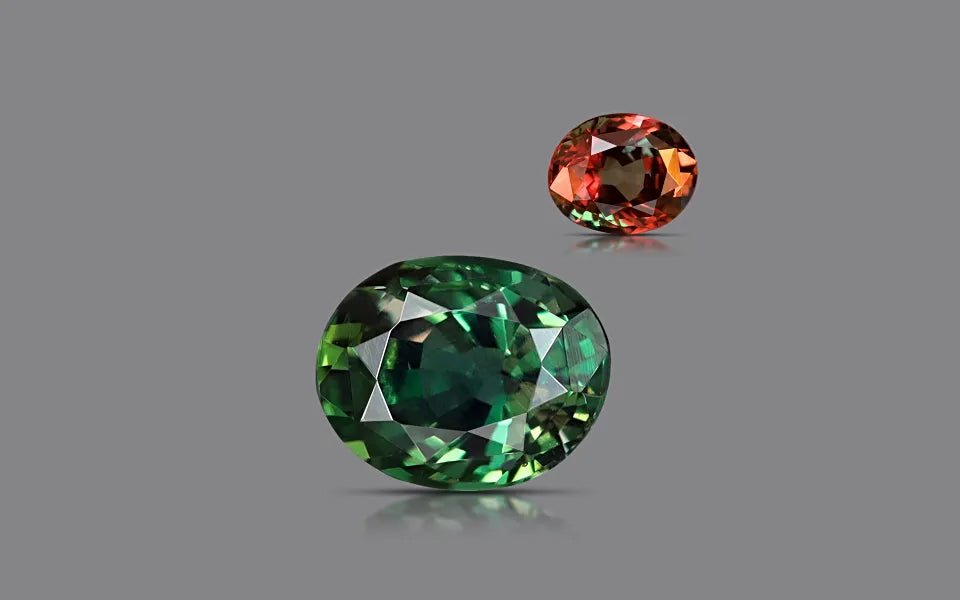
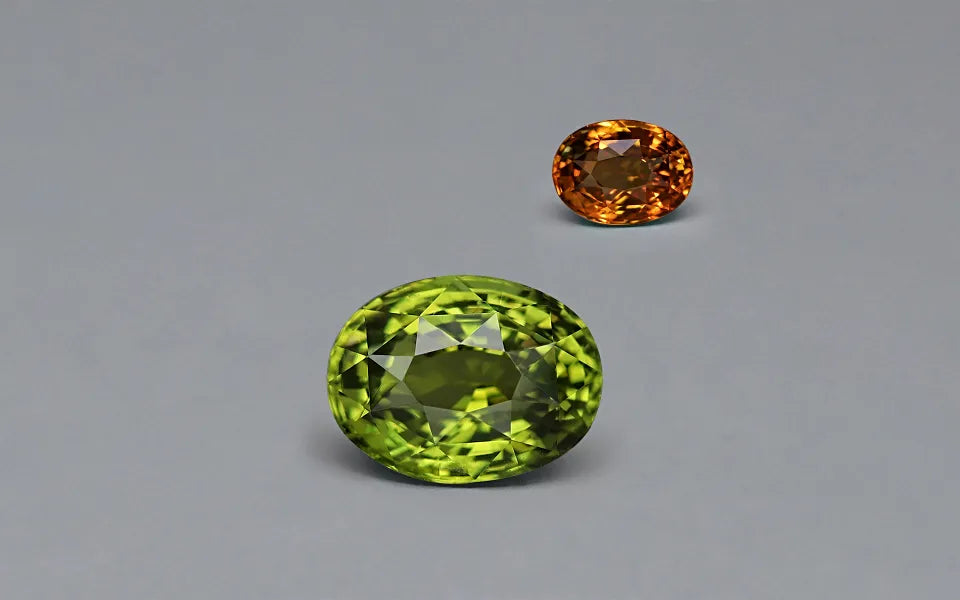
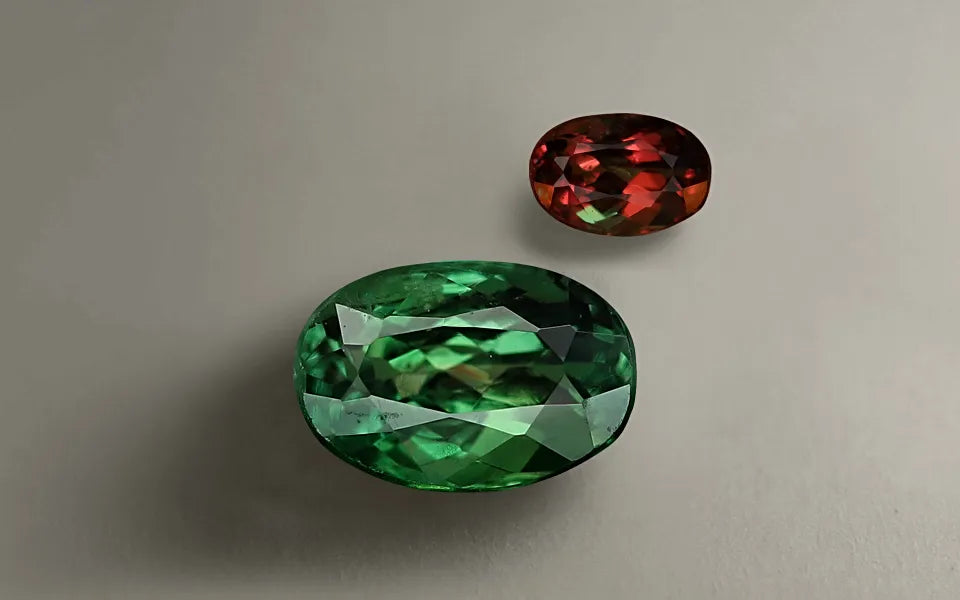
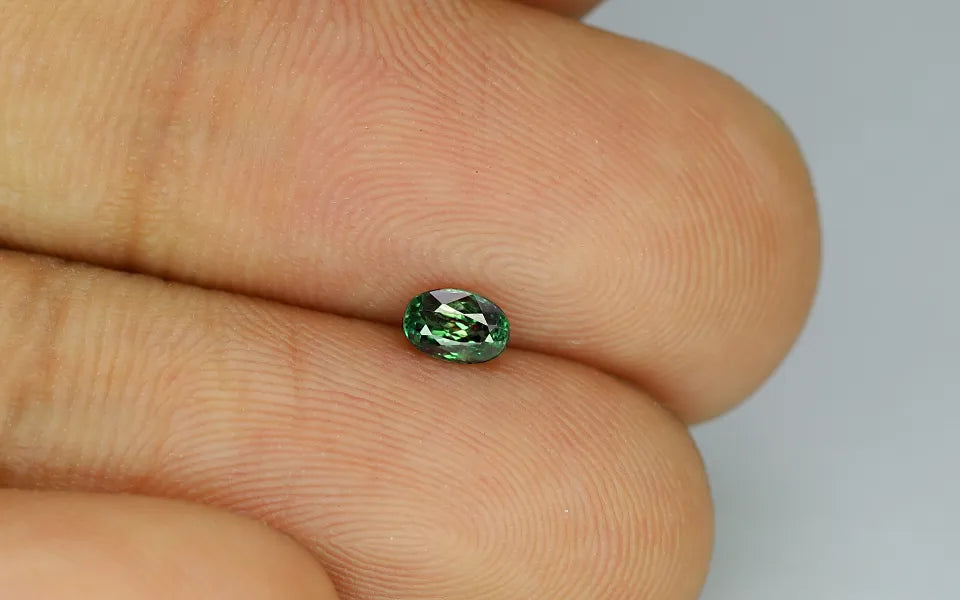
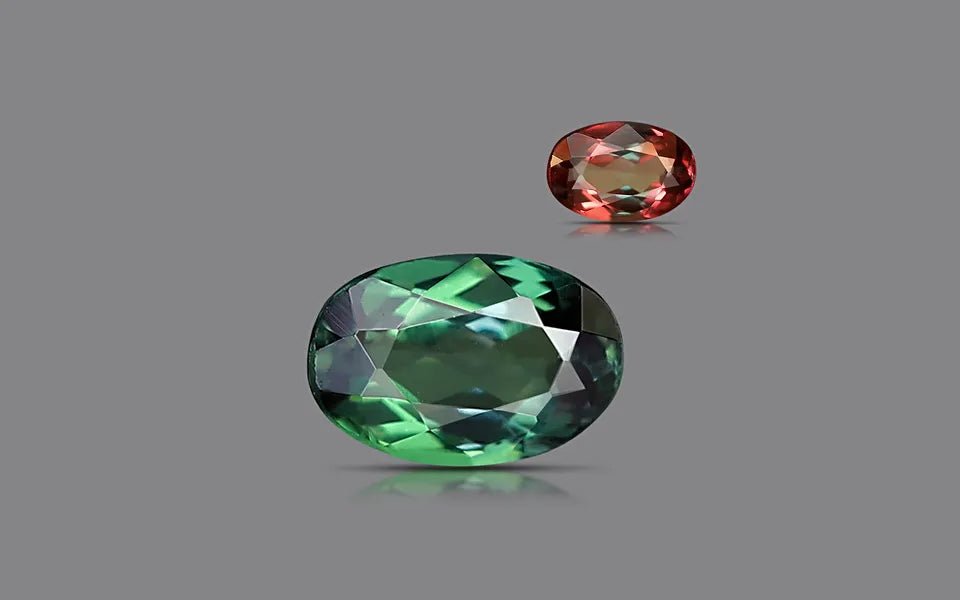
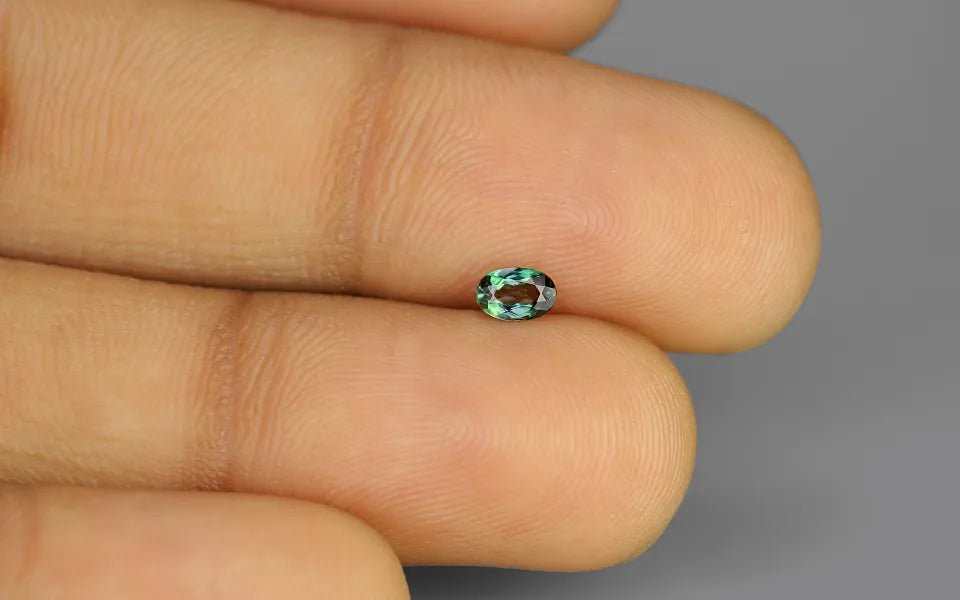
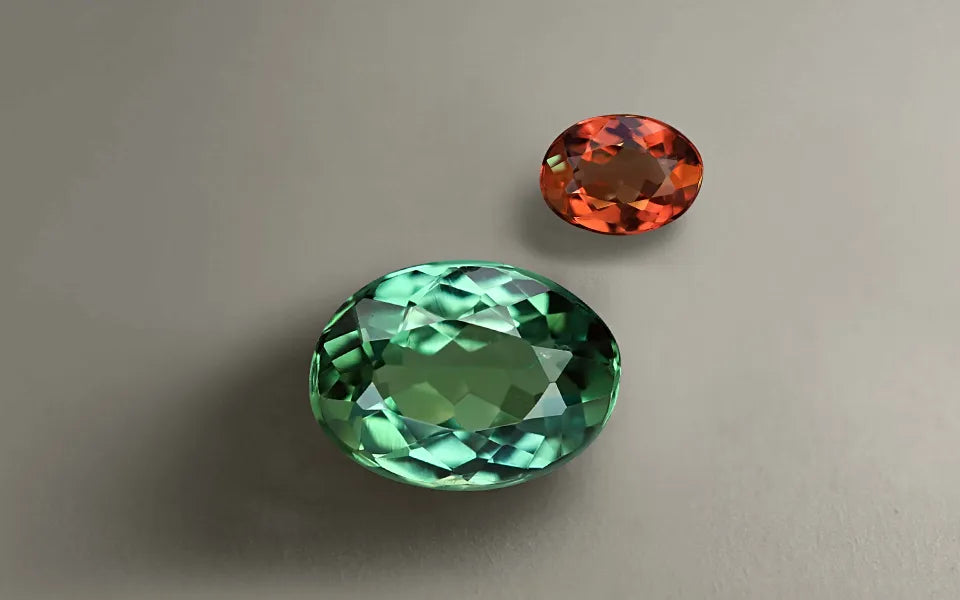
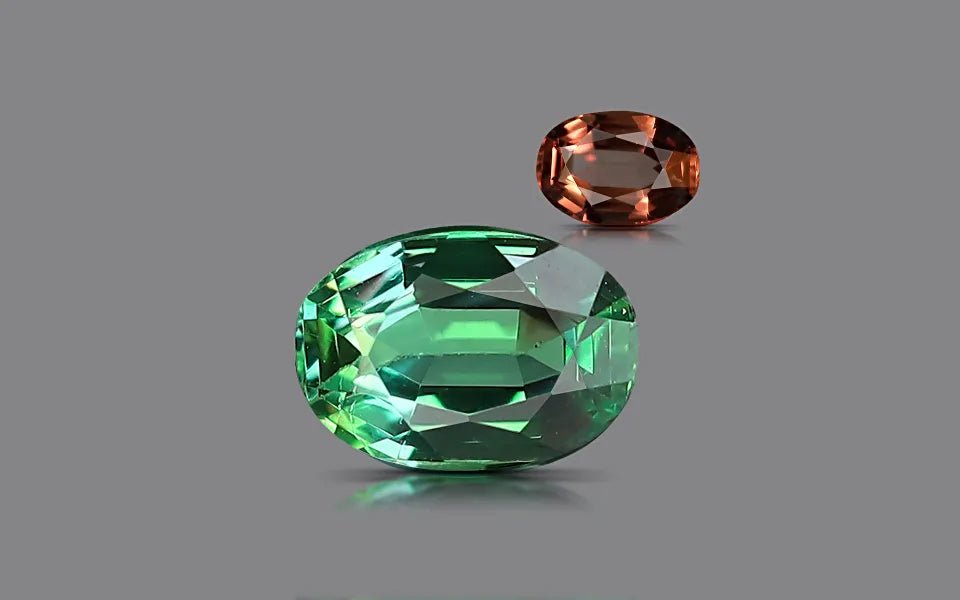
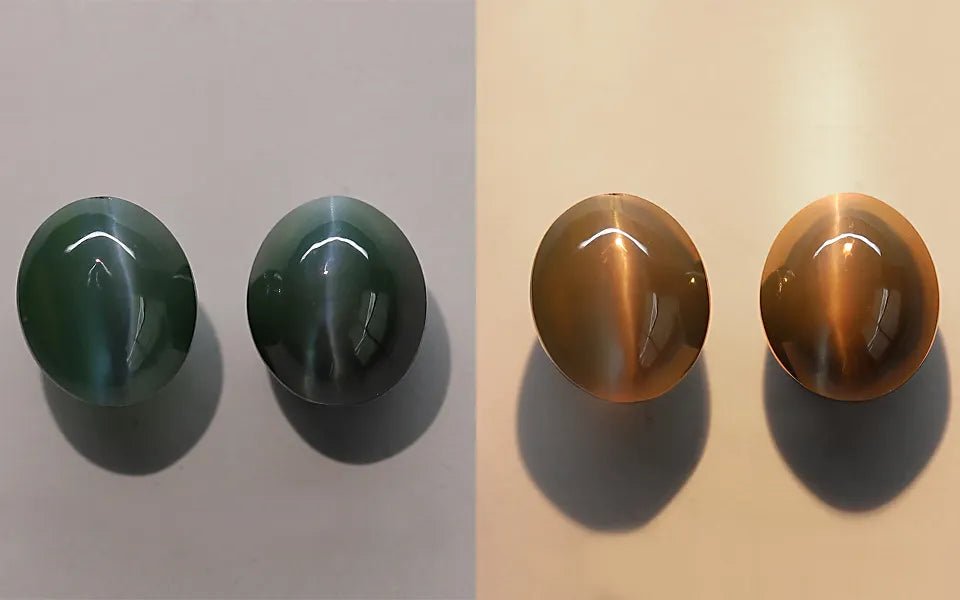
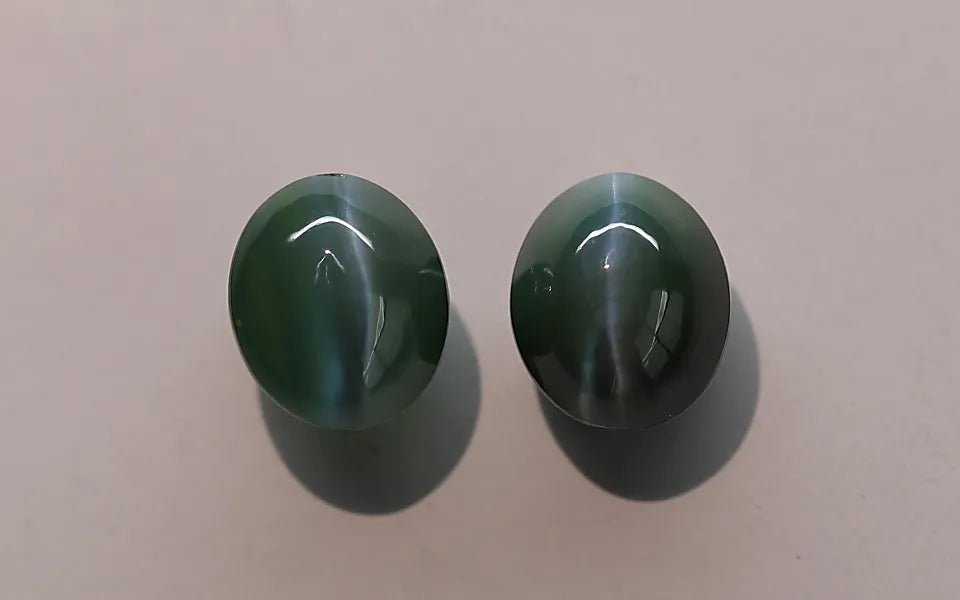
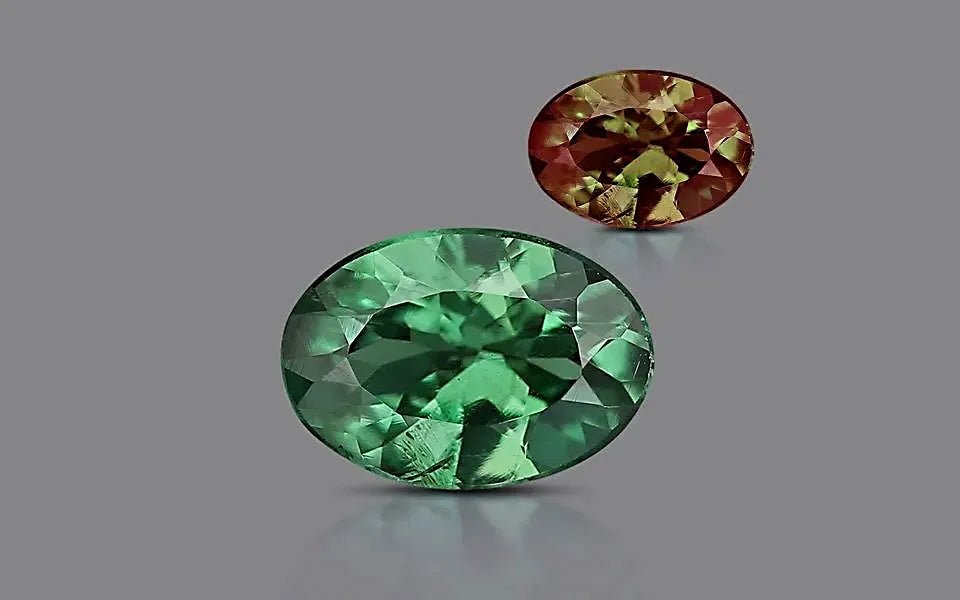
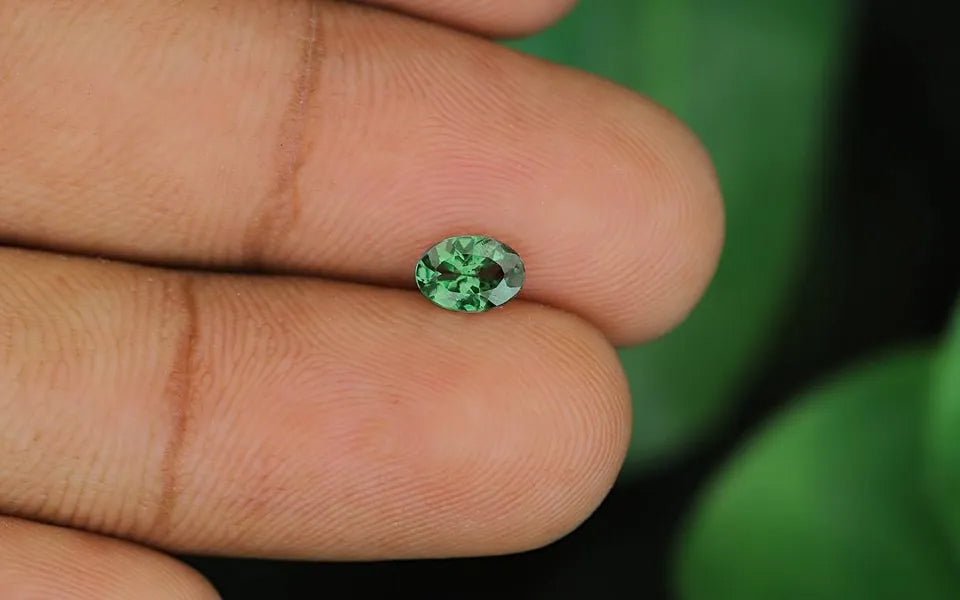
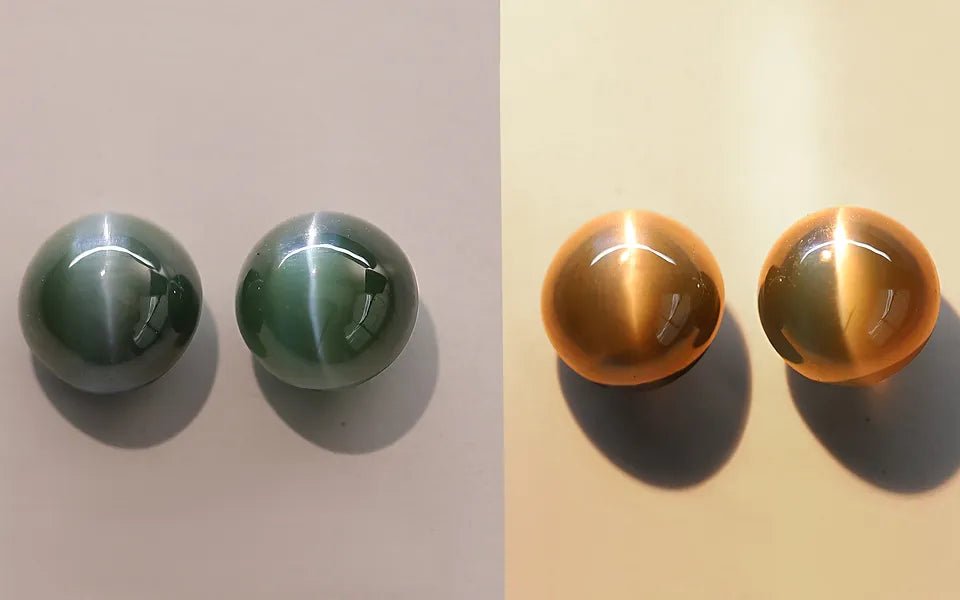
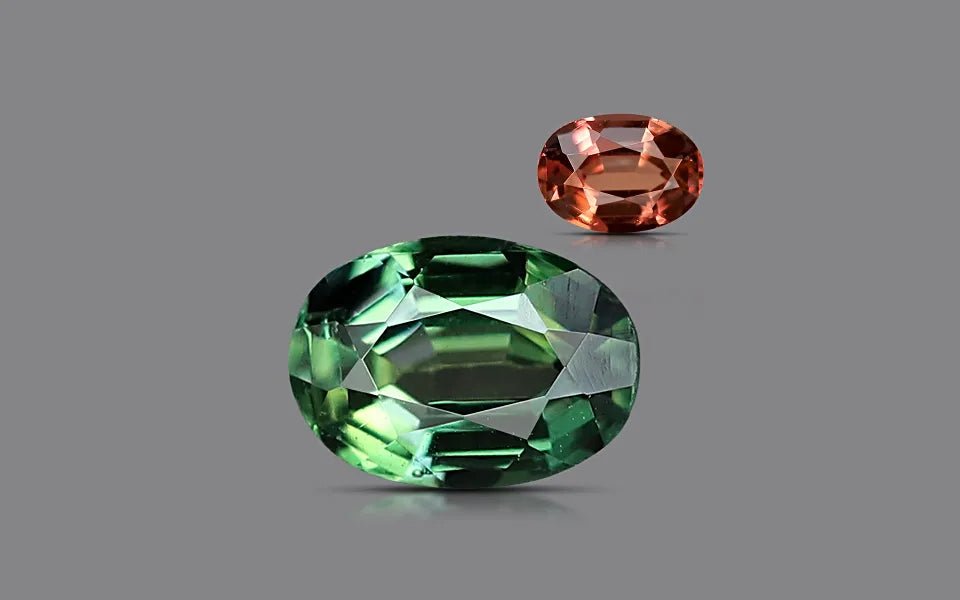
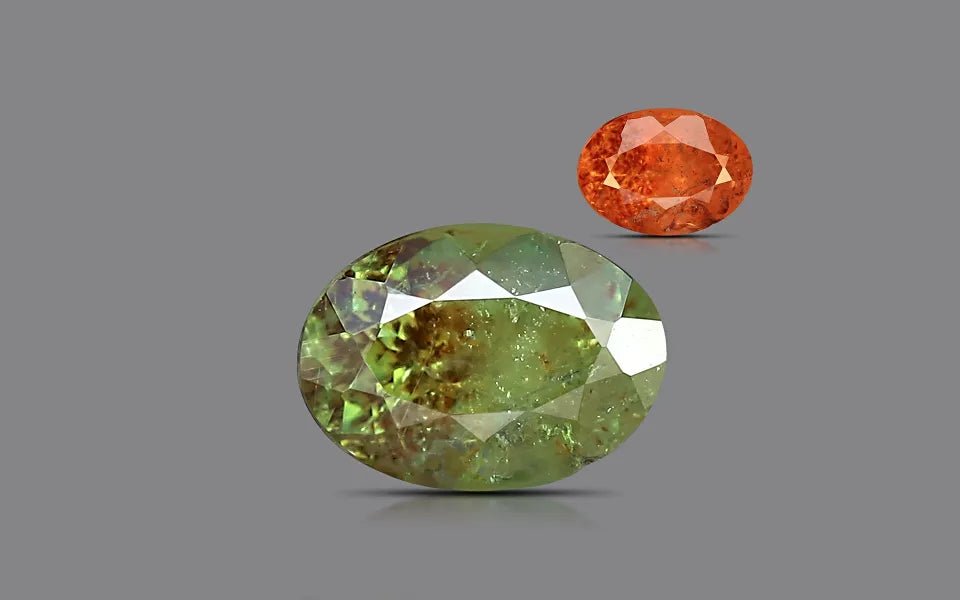
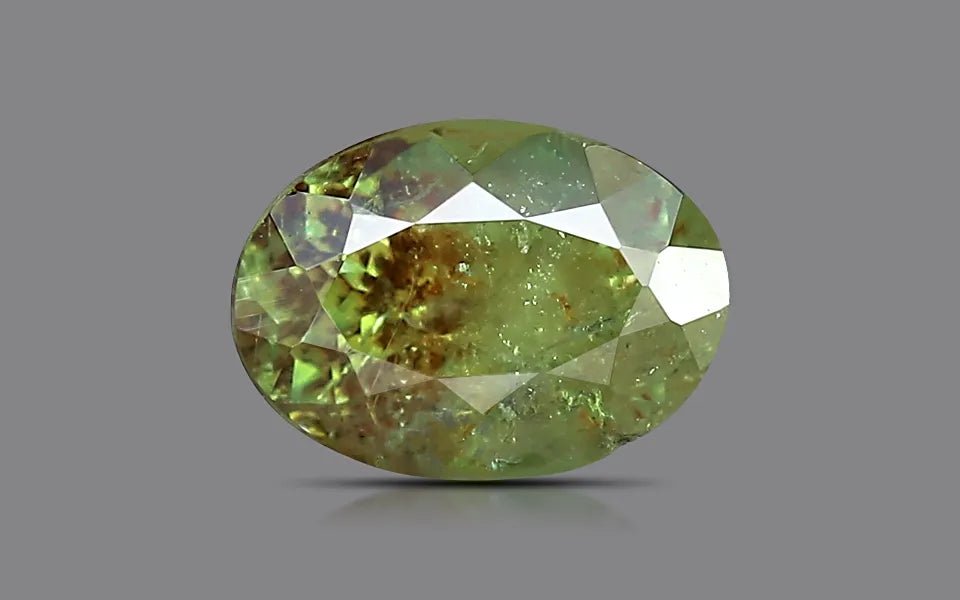
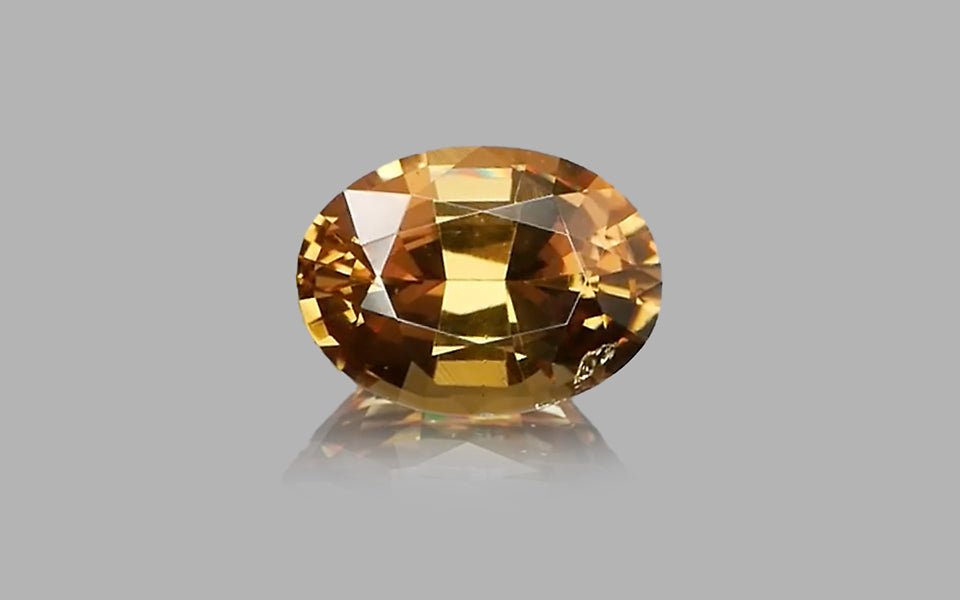
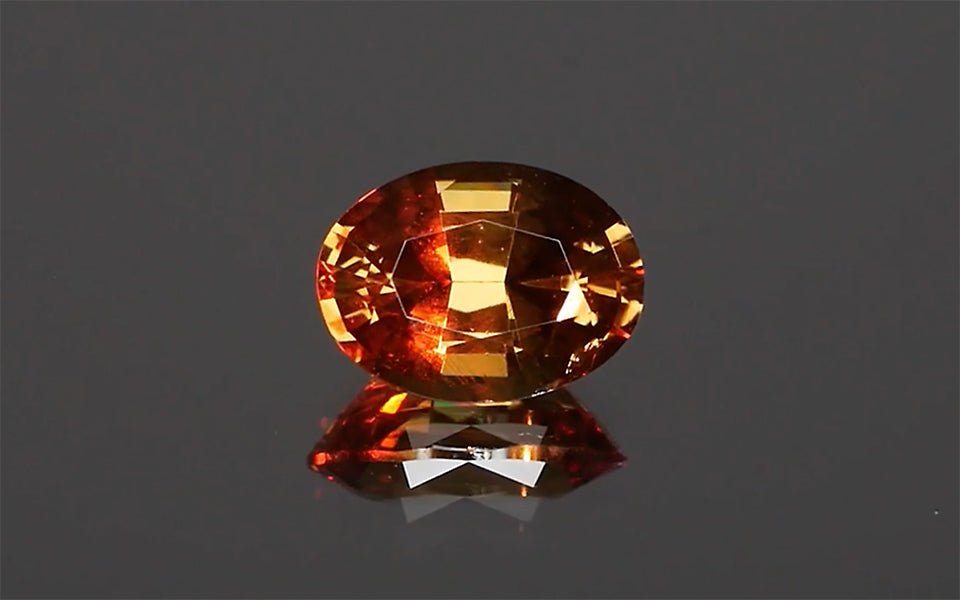
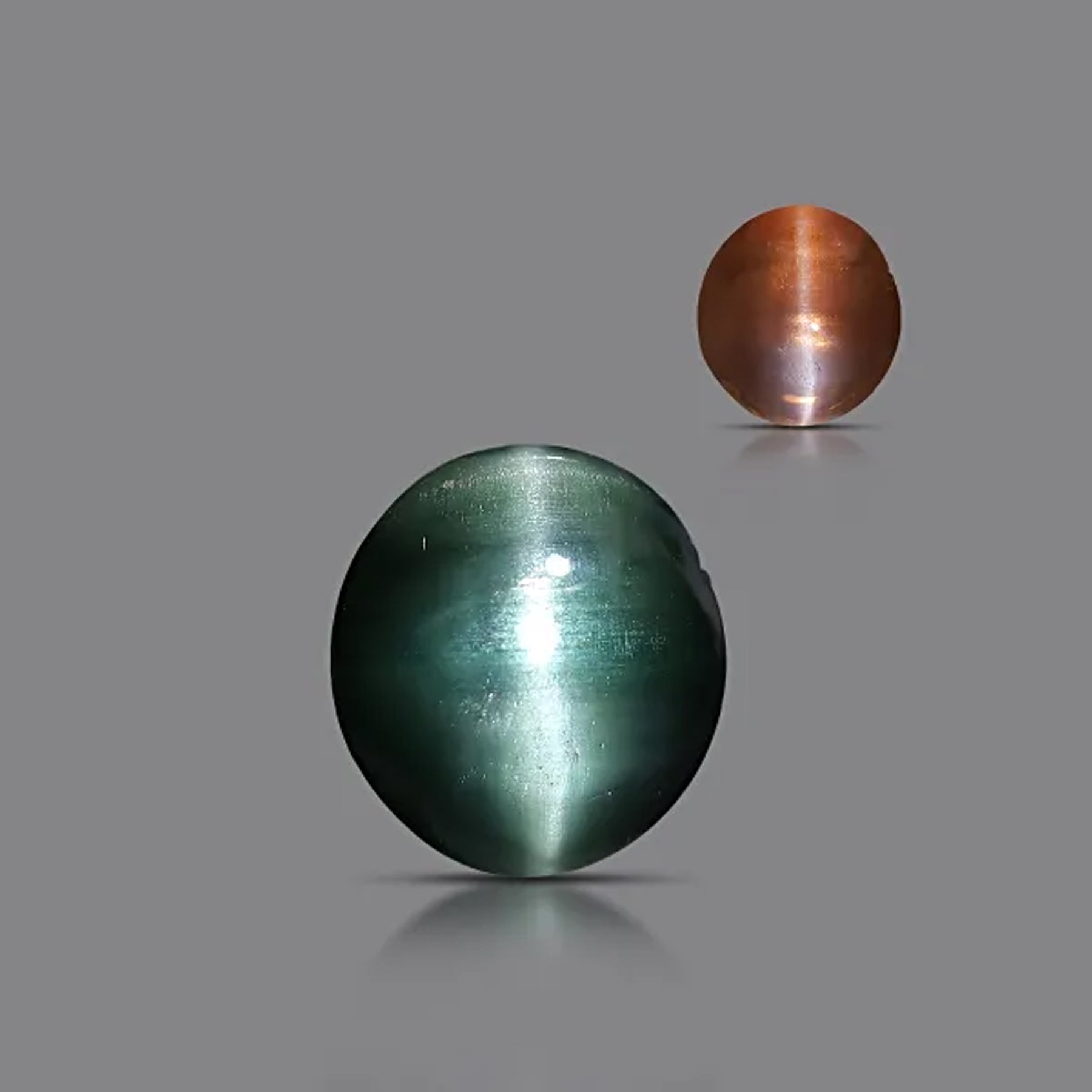
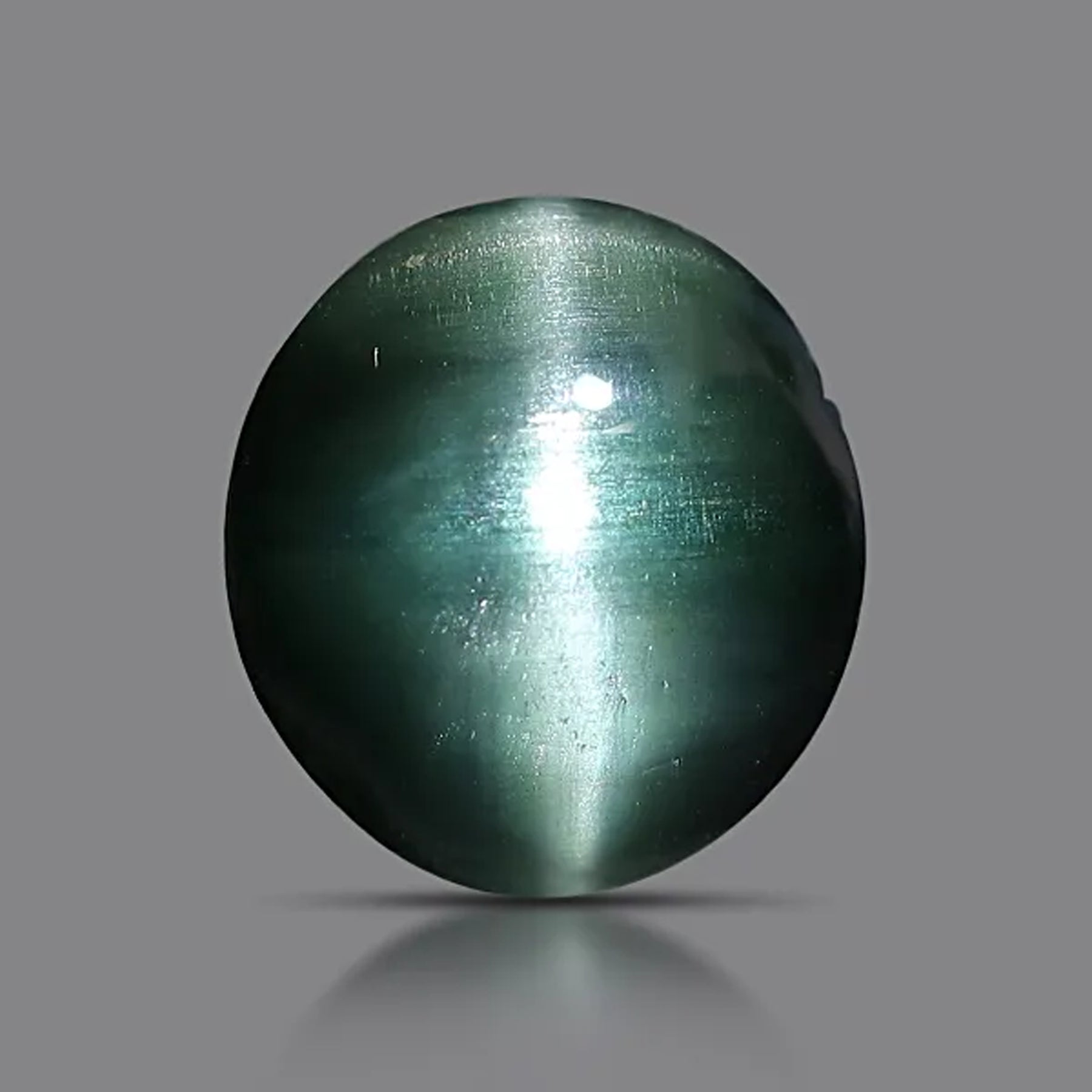
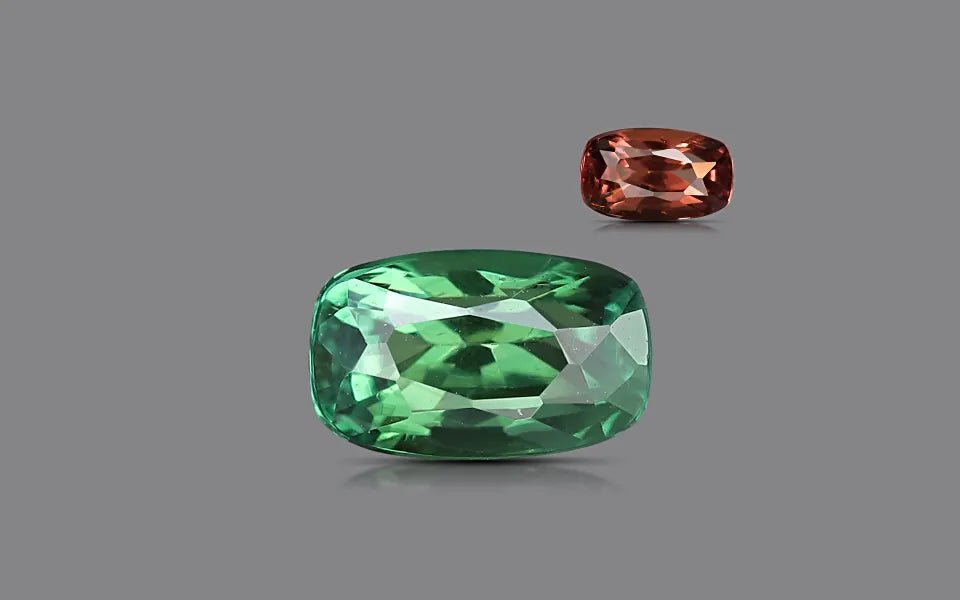
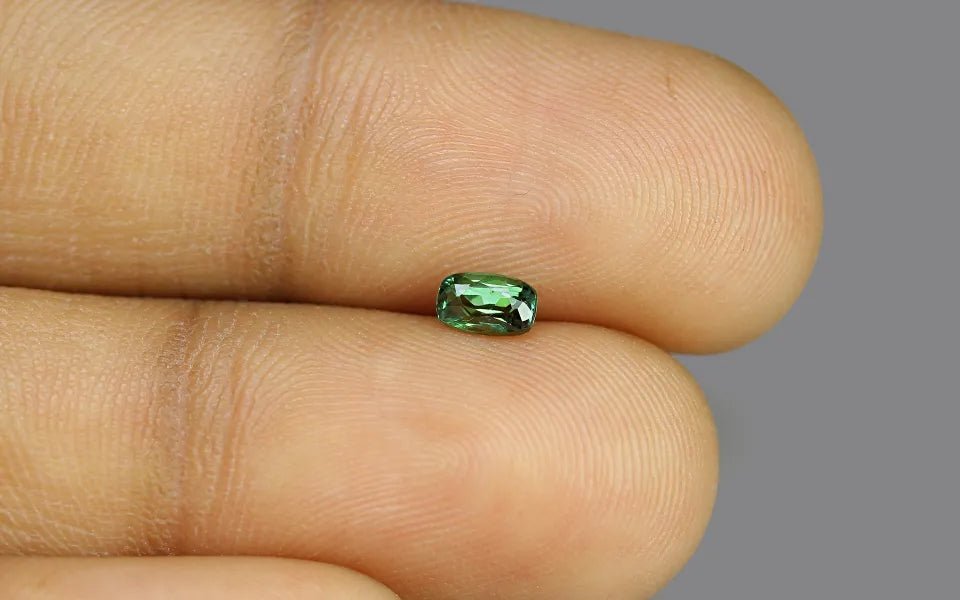
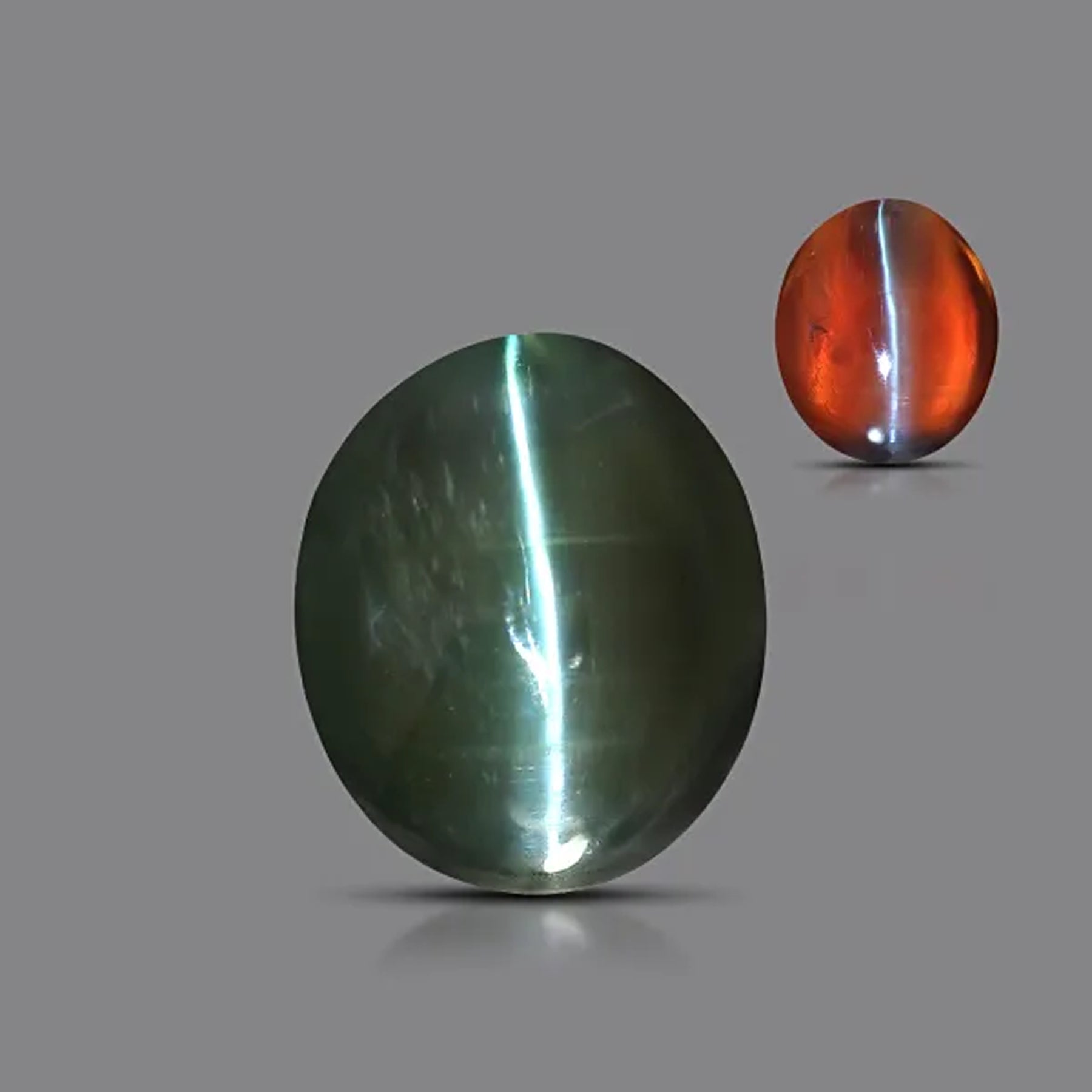
Alexandrite is the color-change variety of chrysoberyl, shifting from green or bluish green in daylight to red or purplish red under incandescent light. The change is caused by chromium in the crystal, not by any treatment.
Is the color change real?
Yes, and it is the defining test of the species. Chromium absorbs light so that daylight favors the green side and warm lamplight the red side. The stronger and more complete the change, the finer the alexandrite.
Why is alexandrite so rare?
Its formation requires chromium and beryllium in the same rock, a combination geology rarely delivers. Historic Russian stones are museum territory, and fine material from Brazil, Sri Lanka, and East Africa remains scarce at every size.
Is alexandrite treated?
Alexandrite is typically untreated, and the status is stated on every listing. The color change is a property of the crystal itself and cannot be created in natural stone by treatment.
How is alexandrite quality evaluated?
The change comes first: completeness, and the strength of both the green and red states. Clarity, cut, and size follow. A strong change in a smaller stone outranks a weak change in a large one.
Is alexandrite durable enough for daily wear?
Yes. At 8.5 on the Mohs scale, chrysoberyl is harder than any gem except corundum and diamond, and alexandrite suits daily rings without special caution.
What documentation comes with a stone?
Every alexandrite ships with the Sosna Gems Colored Stone Report, our internal documentation. Independent laboratory certification can be arranged on request, and for alexandrite we recommend it as standard practice.
Can you source an alexandrite beyond the visible selection?
Yes, and with this species it is the usual route: fine alexandrites often change hands before being advertised. Contact us with your parameters and we will search through our channels.
How do I choose between two similar alexandrites?
Test the change yourself: daylight window, then a warm lamp. The stone that commits to both colors instead of hovering between them is the better alexandrite, whatever the paperwork says about the rest.