


Sapphire
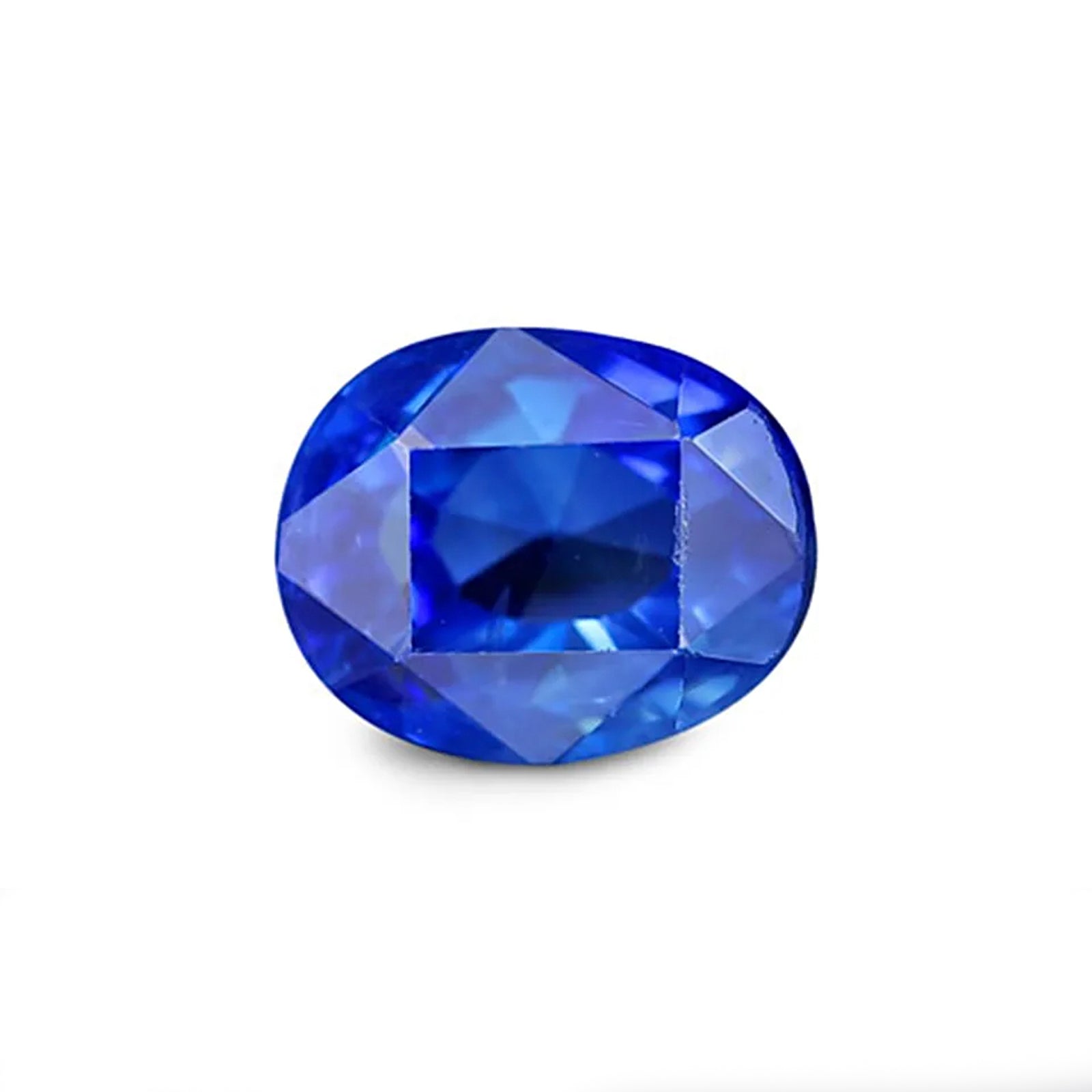
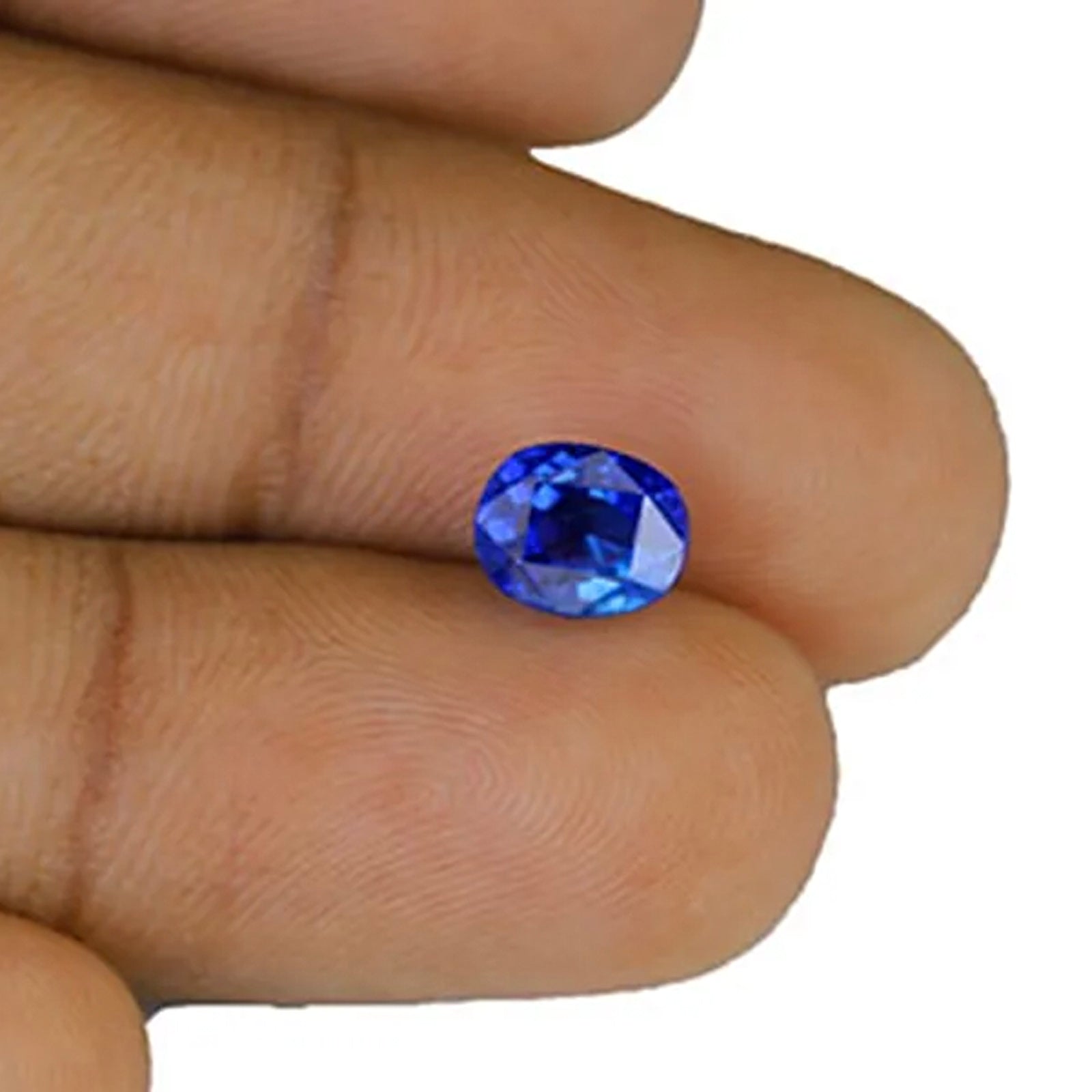


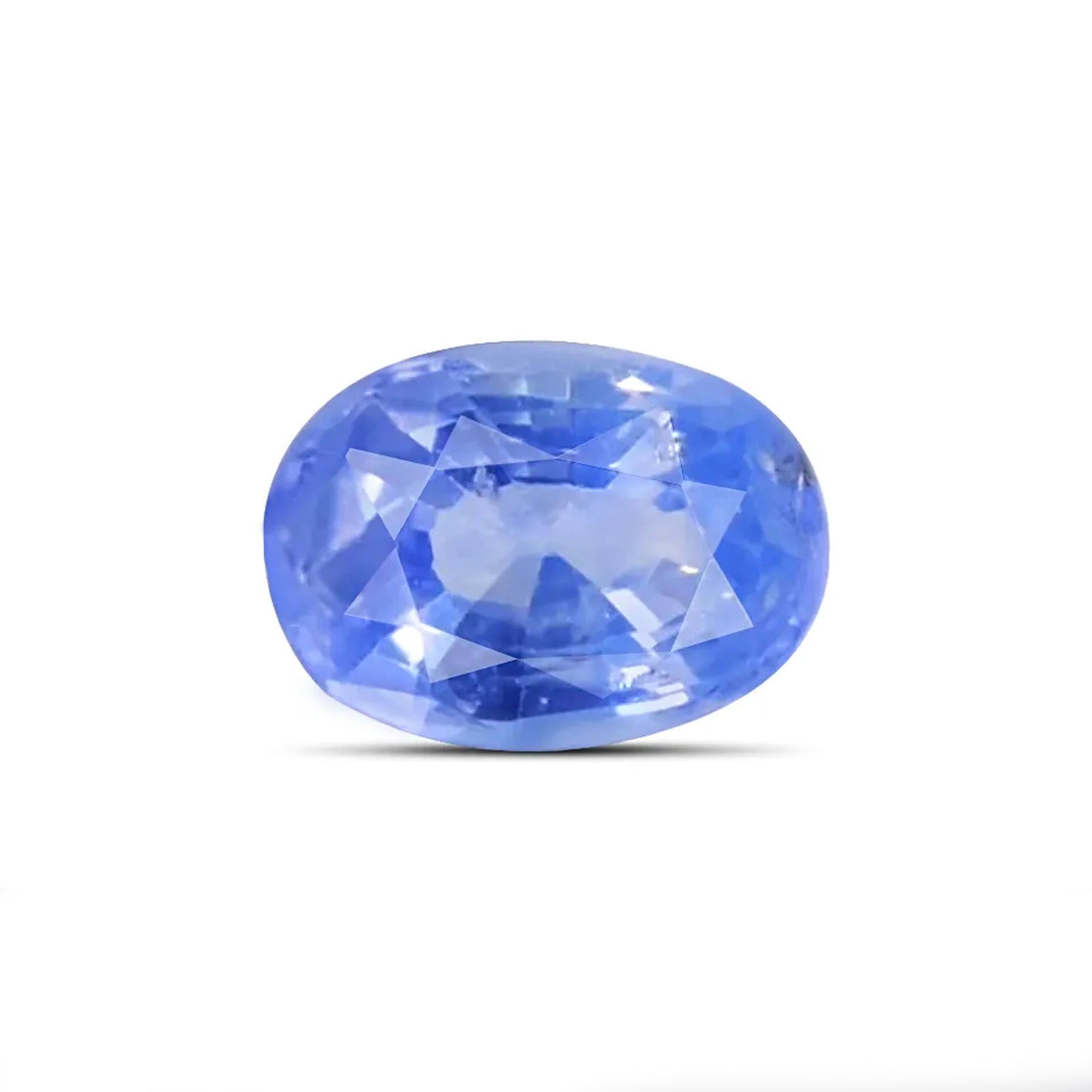
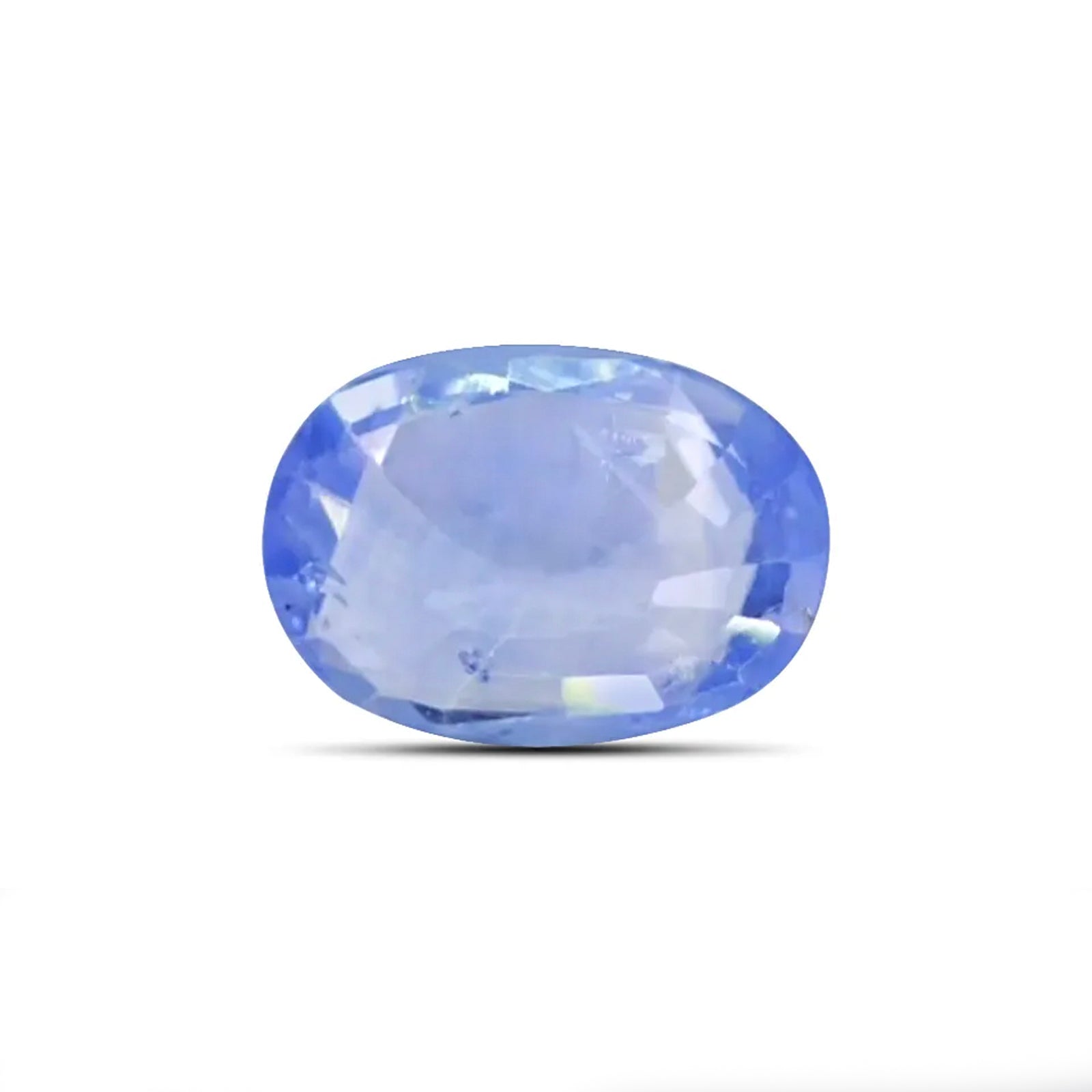


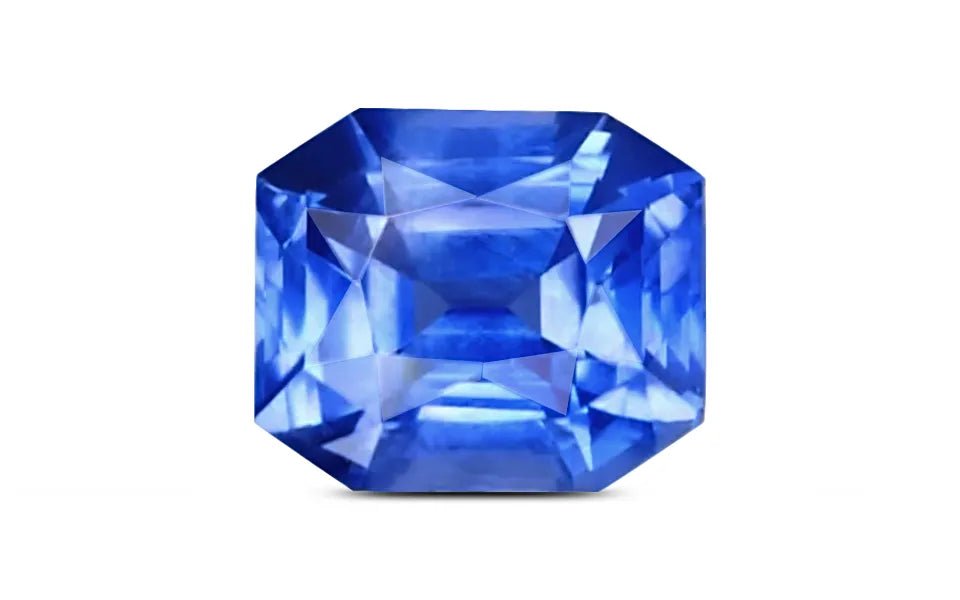
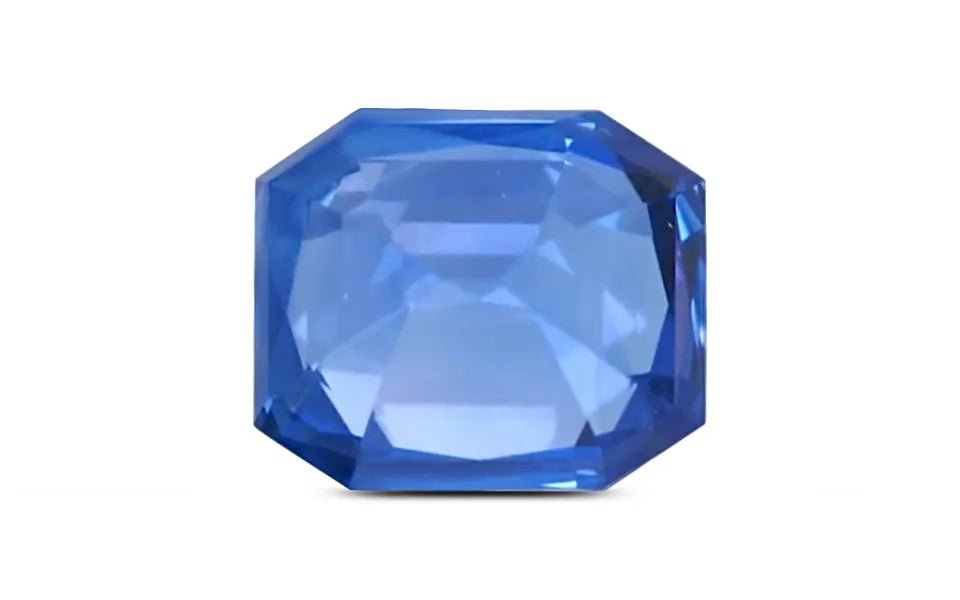
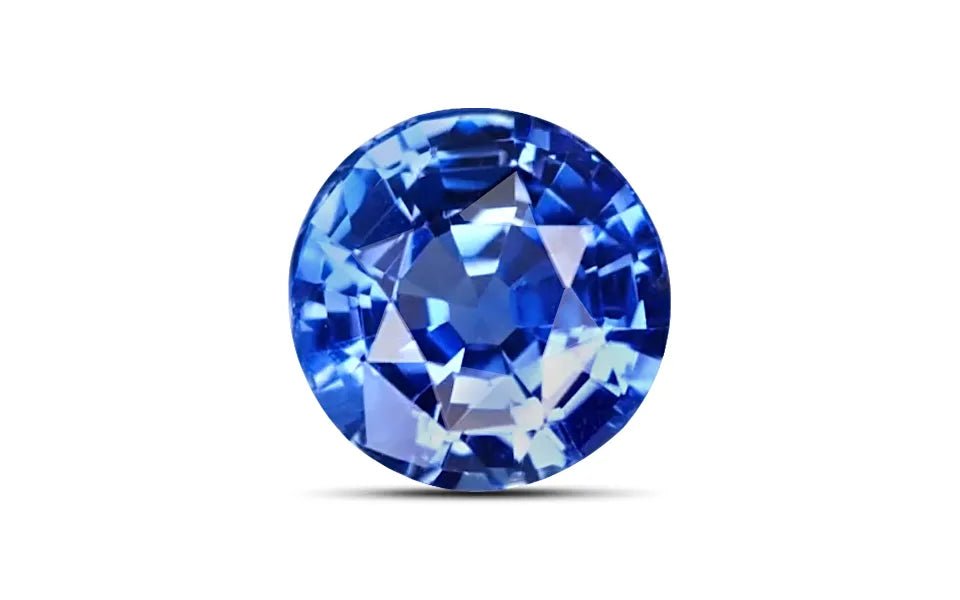
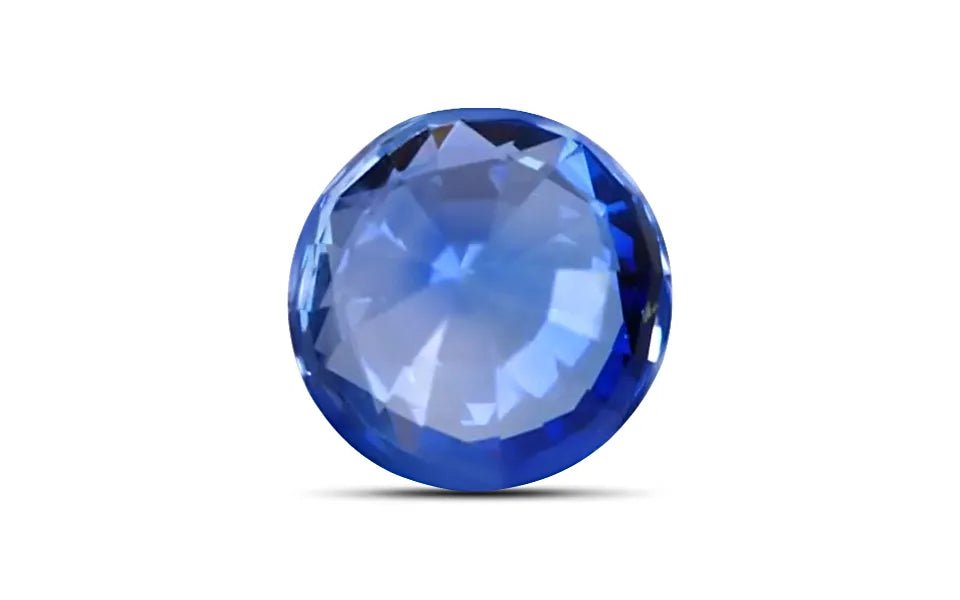
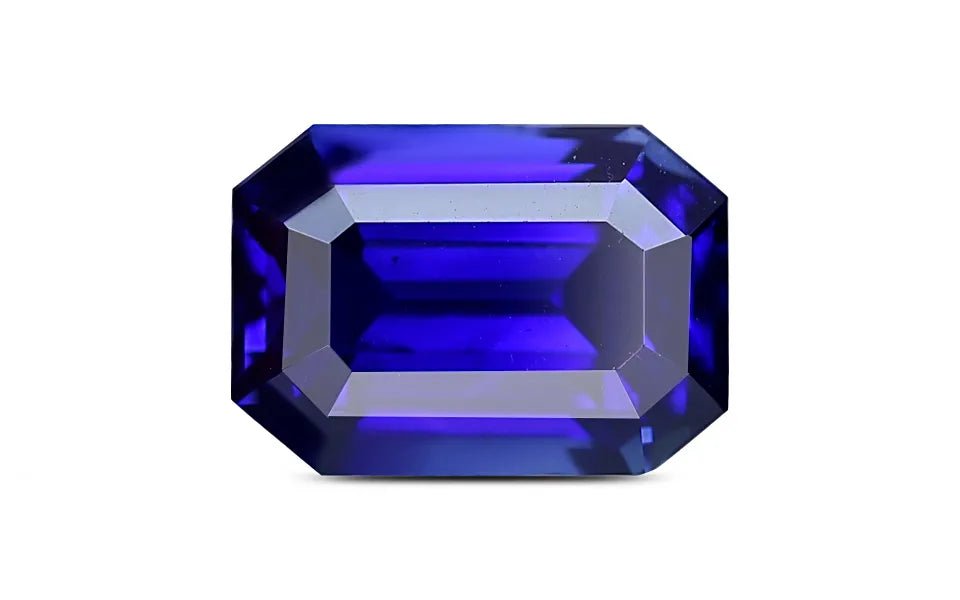
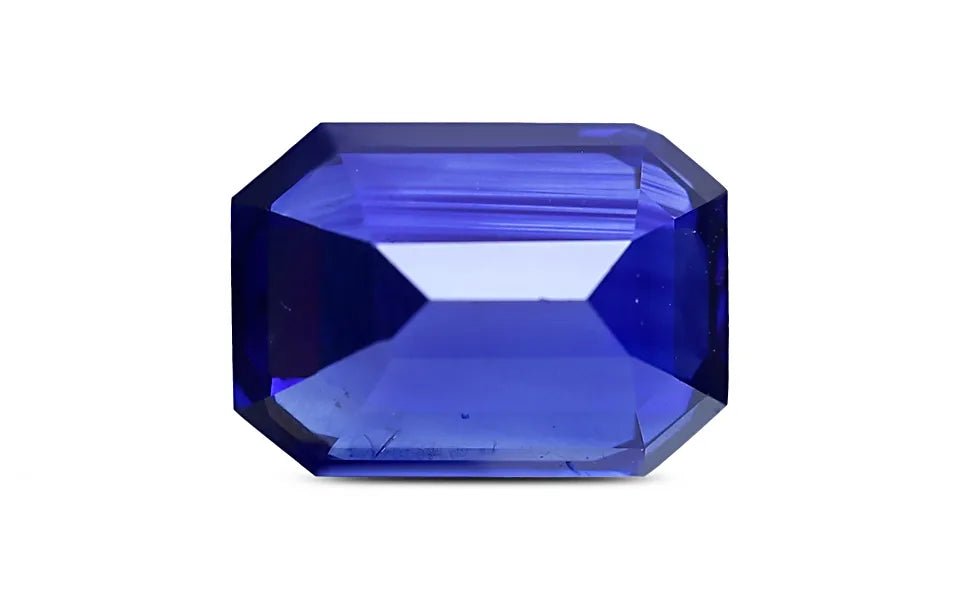
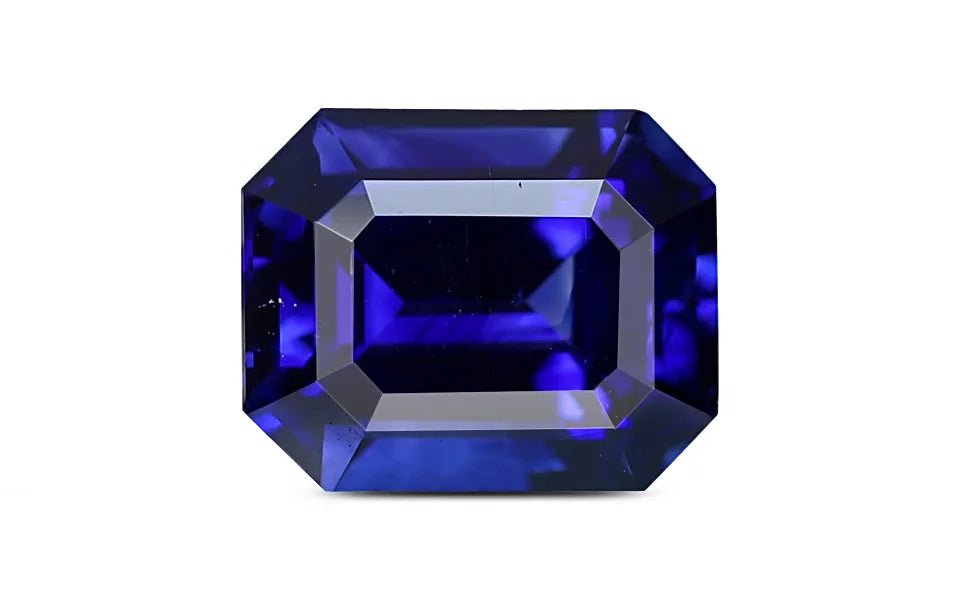
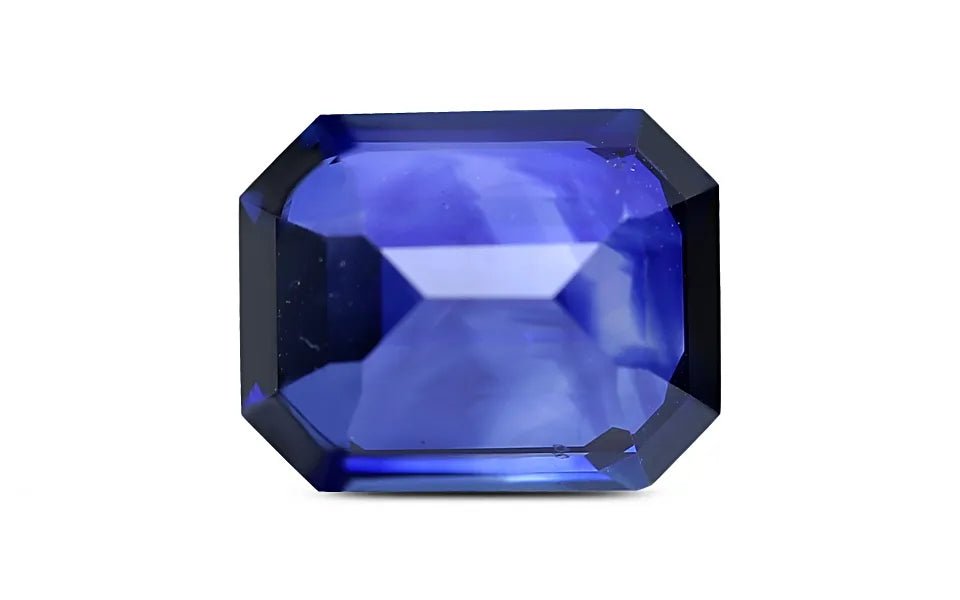
The online selection is only part of our sourcing reach.
Certain gemstones are acquired individually for clients and never appear in public collections.
Enquire about a stone you don’t see hereFrequently Asked Questions
What is sapphire?
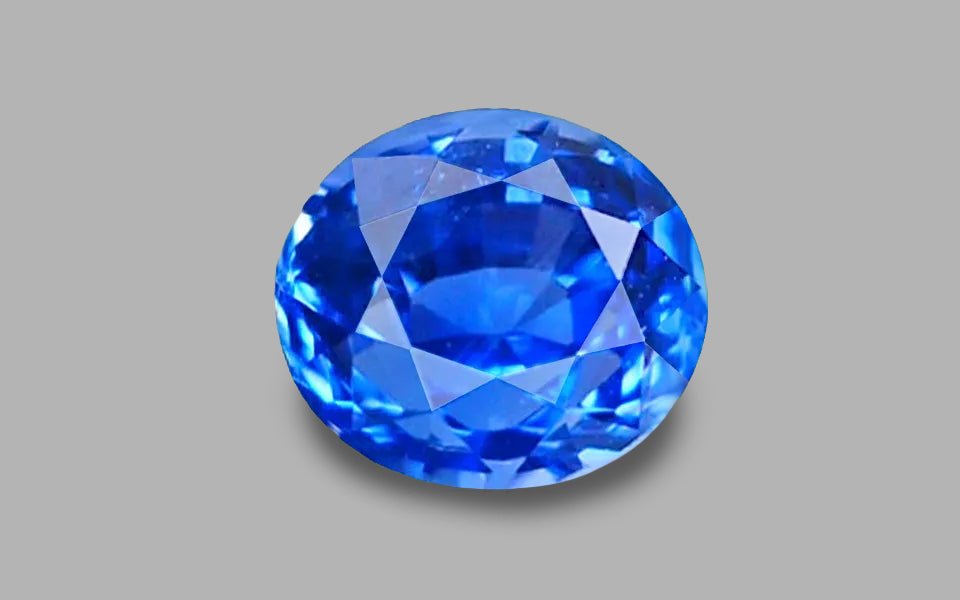
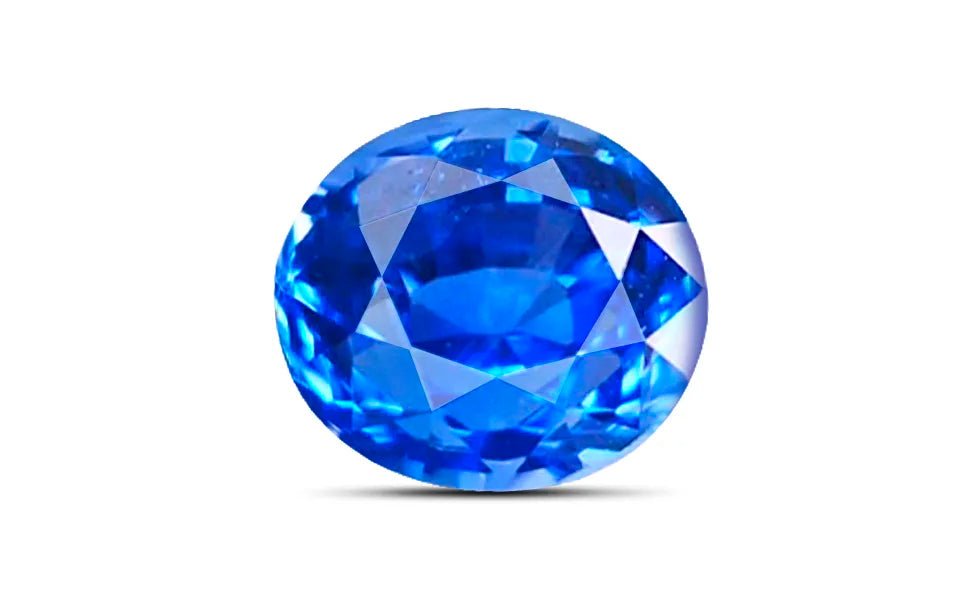
Sapphire is gem-quality corundum in every color except red, which is classified as ruby. Blue leads the market, followed by pink, yellow, green, purple, and the rare orange-pink padparadscha.
Is sapphire heat treated?
Most sapphires on the market are heated, a stable practice accepted for centuries. Unheated stones confirmed by a laboratory command a substantial premium. We state the status on every listing.
Why does origin matter in sapphire?
Documented origin moves sapphire prices by multiples: Kashmir, Burma, and Ceylon stones carry historic premiums over other sources even at matching color grades. We name origin where documented and never invent it.
How is sapphire quality evaluated?
Color first: depth without darkness, even saturation, and life in low light. Then clarity, cut, and size. In blues, a velvety medium-deep tone outranks both pale and inky stones.
Is sapphire durable enough for an engagement ring?
Yes, better than any colored stone. At 9 on the Mohs scale, sapphire is second only to diamond in hardness and handles daily wear for a lifetime.
What is padparadscha?
The rare pink-orange sapphire named after the lotus blossom, historically associated with Ceylon. Fine examples are among the most valuable fancy sapphires.
What documentation comes with a stone?
Every sapphire ships with the Sosna Gems Colored Stone Report, our internal documentation. Independent laboratory certification can be arranged on request, and stones with existing laboratory reports have the laboratory named on the listing.
Can you source a sapphire beyond the visible selection?
Yes. Sapphires are the category where we source individually most often, including unheated and origin-documented stones that never reach the public collections. Contact us with your parameters.
How do I choose between two similar blue sapphires?
Compare them at dusk or under warm indoor light. Commercial stones go ink-dark or gray while fine sapphires keep a living blue, and that behavior predicts long-term satisfaction better than a certificate number.