


Amethyst


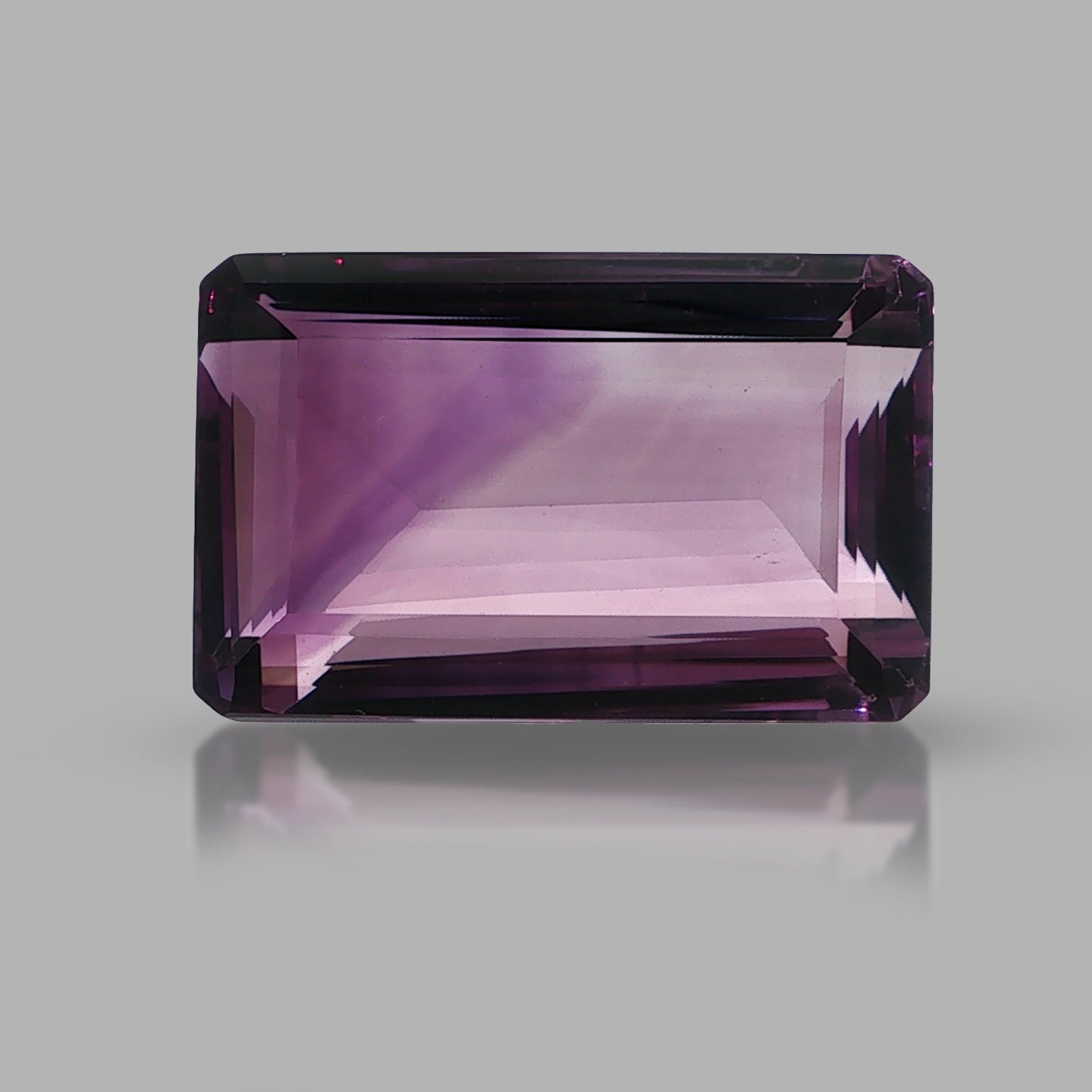


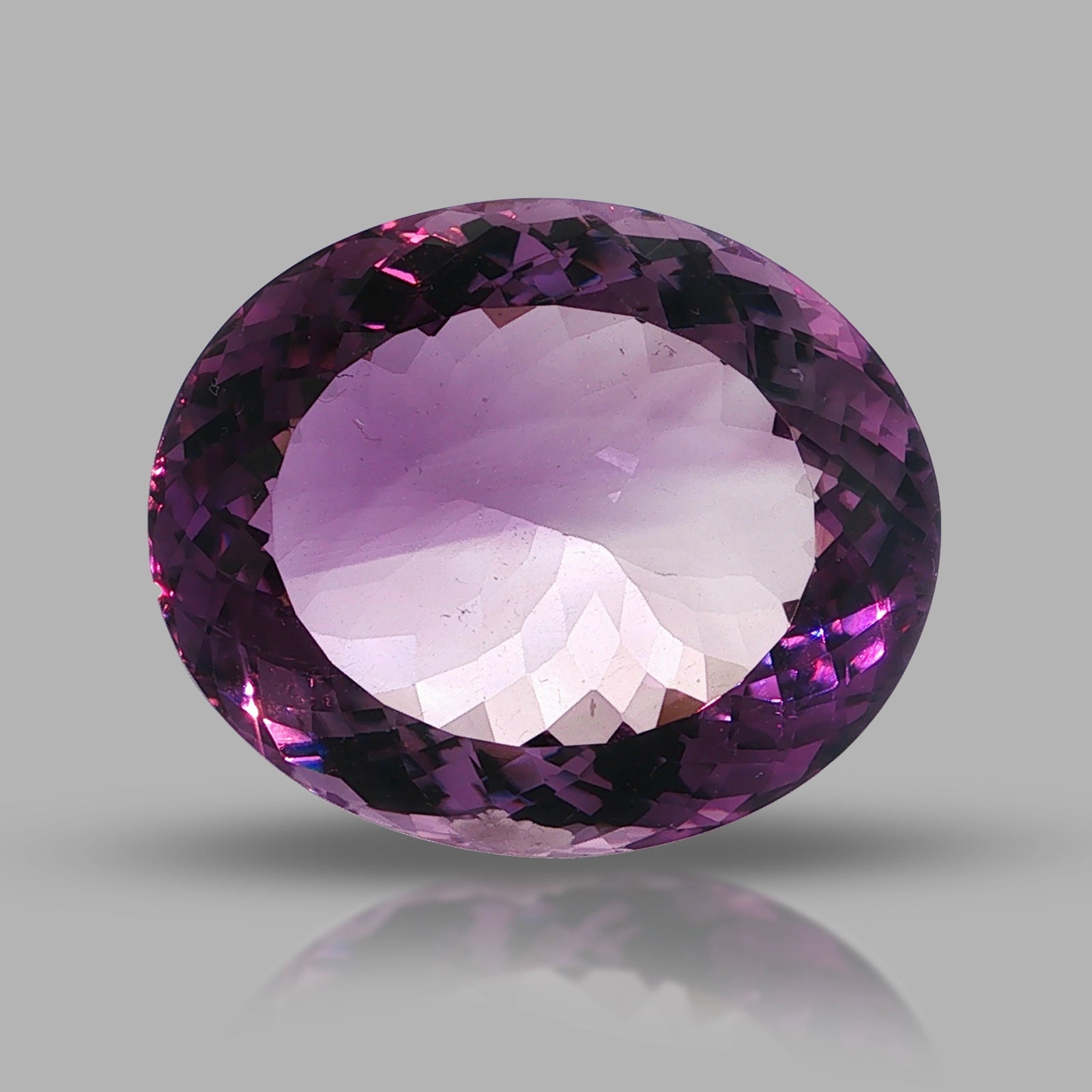


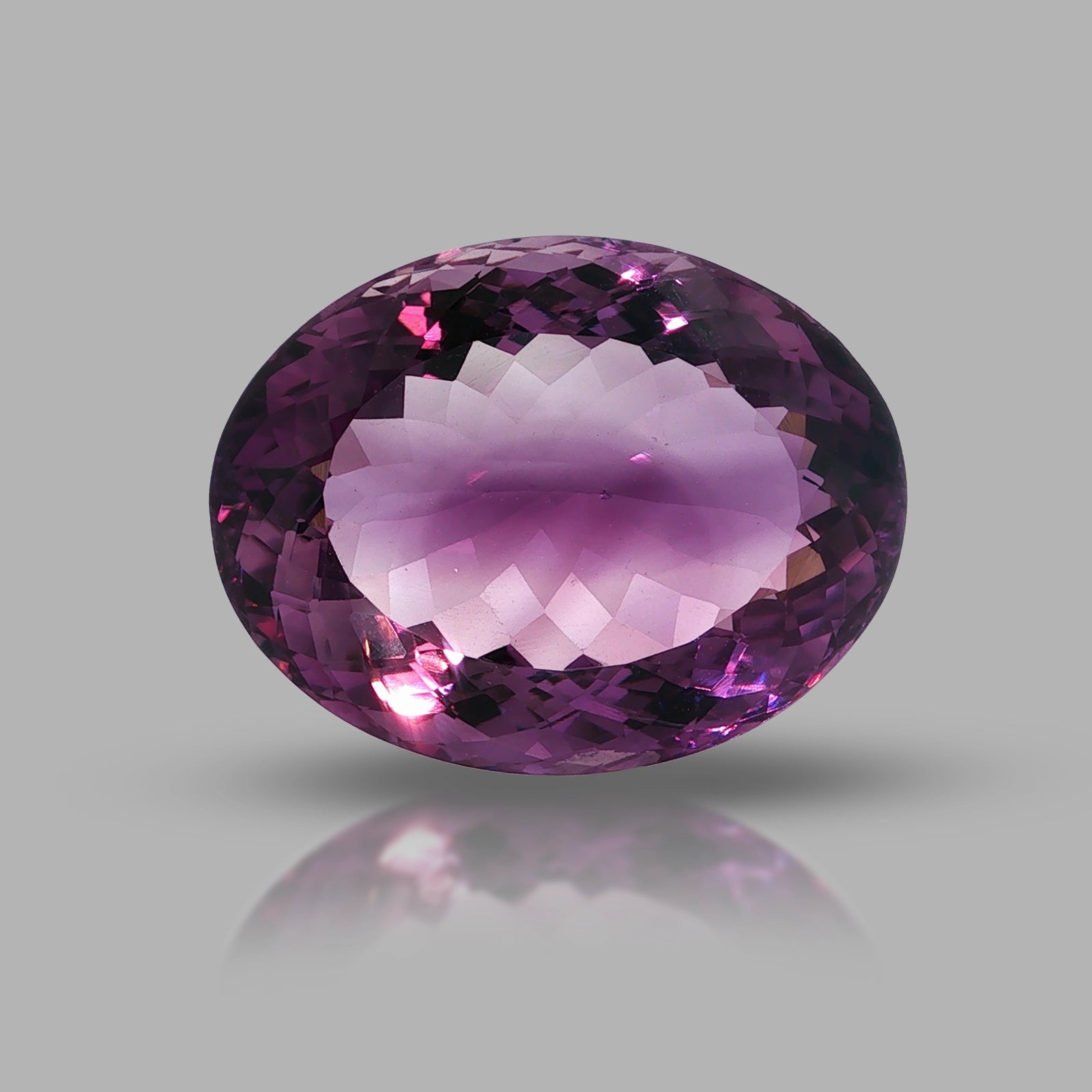

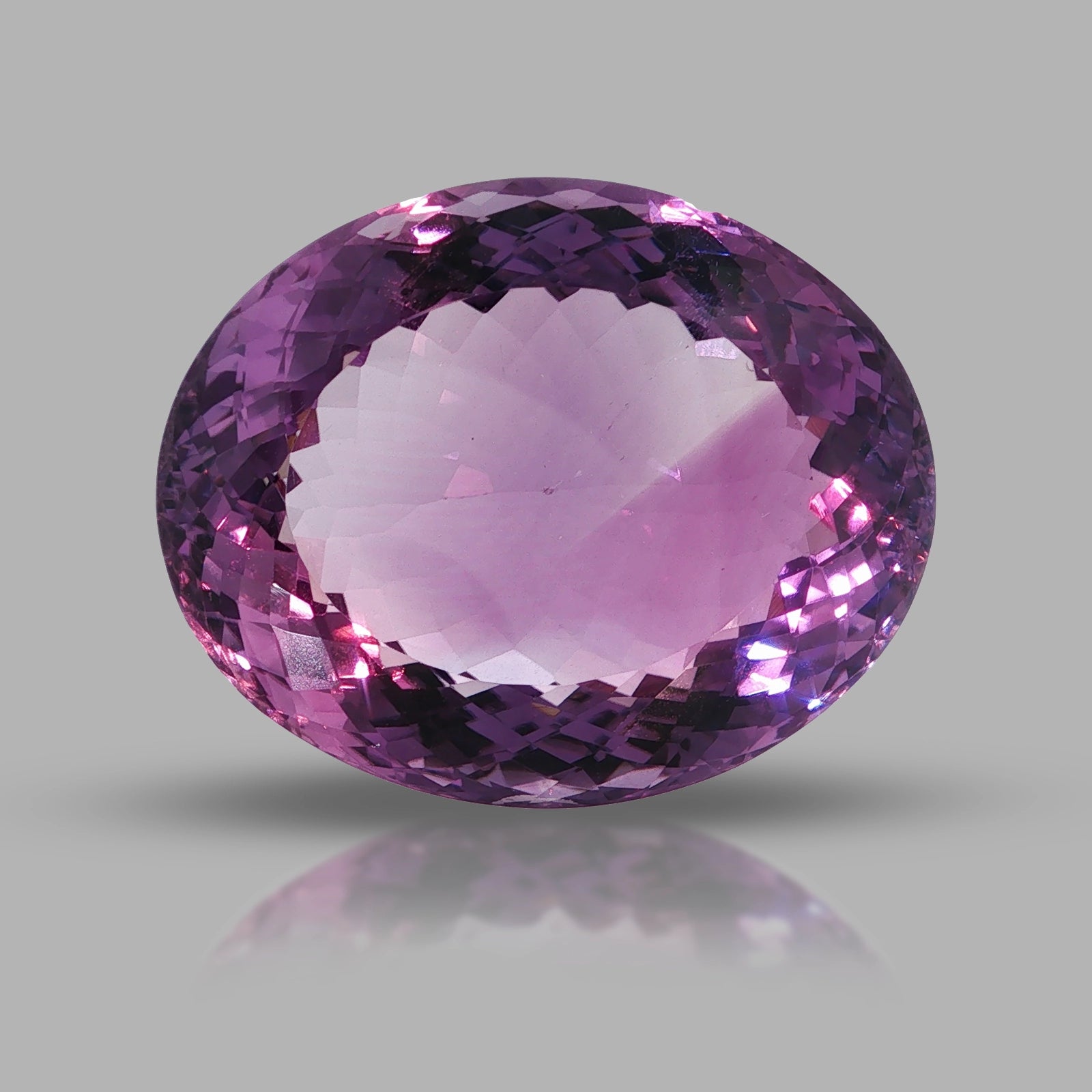

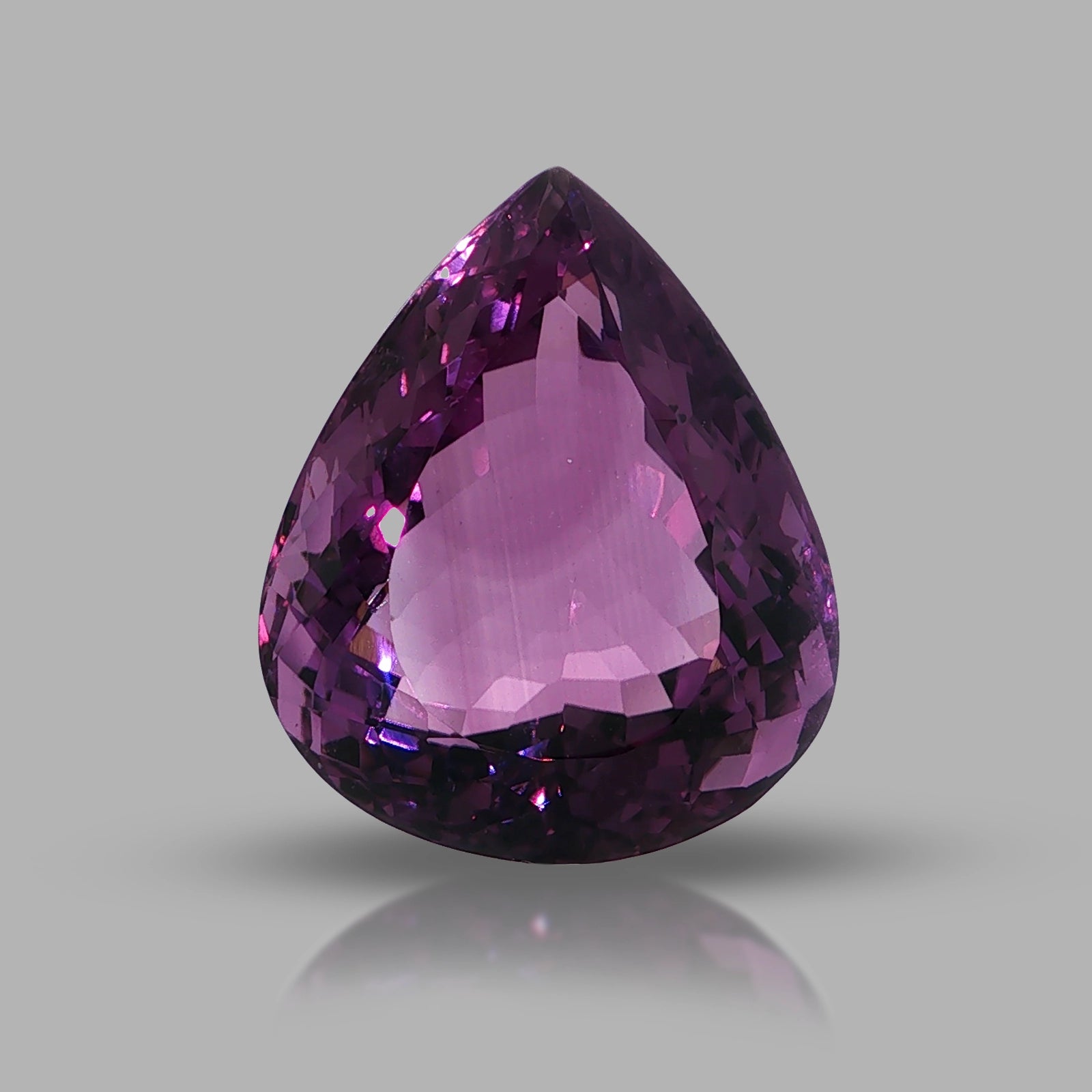

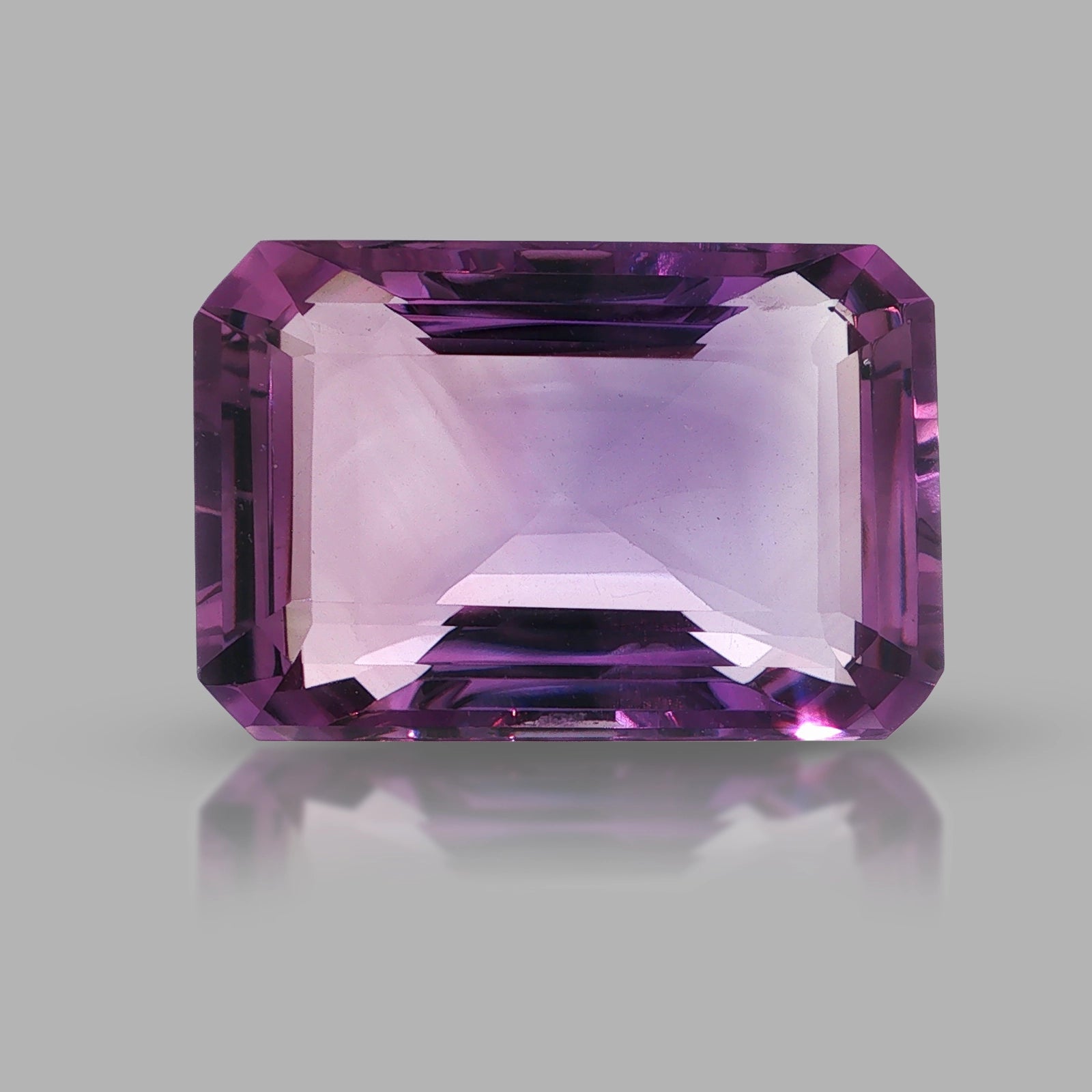


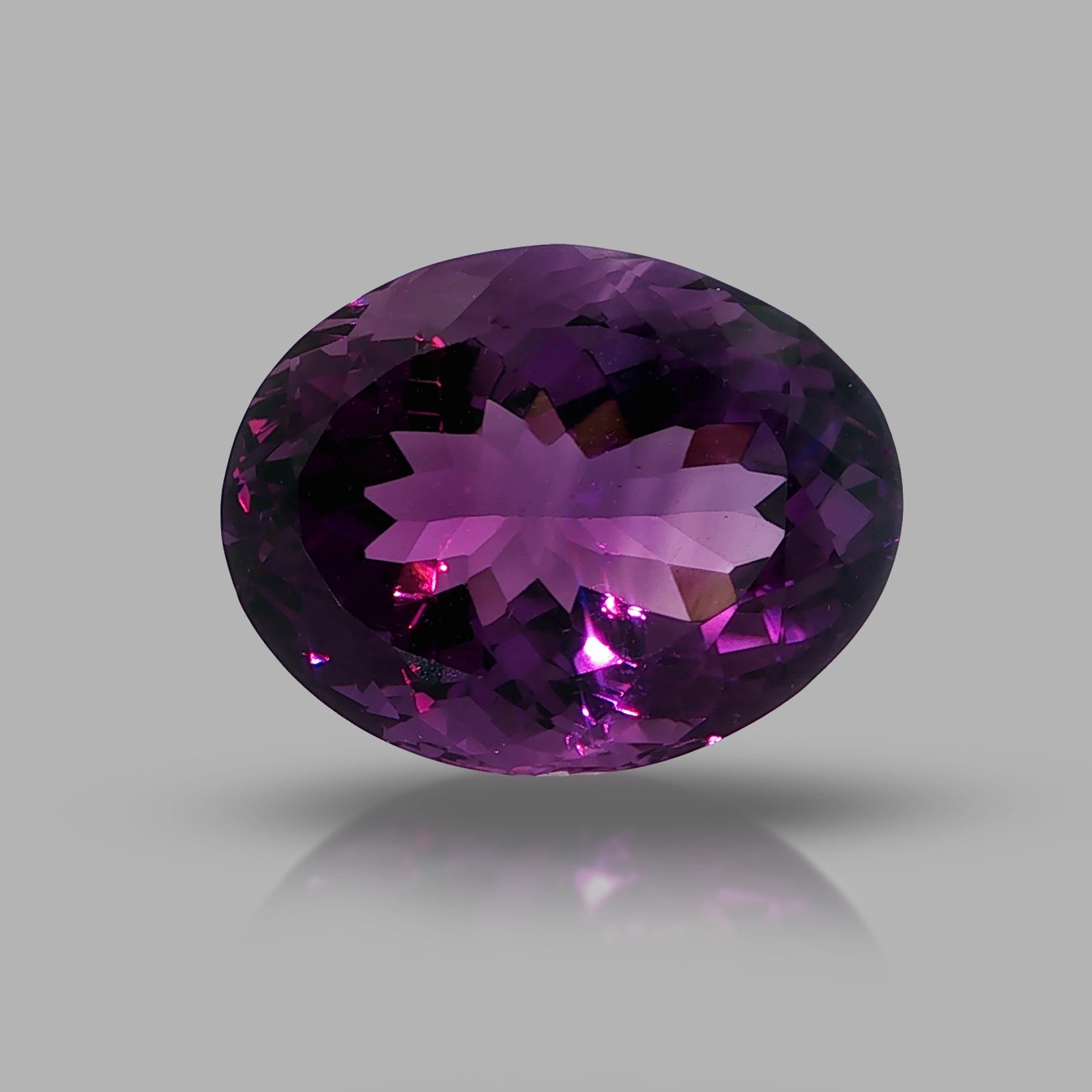



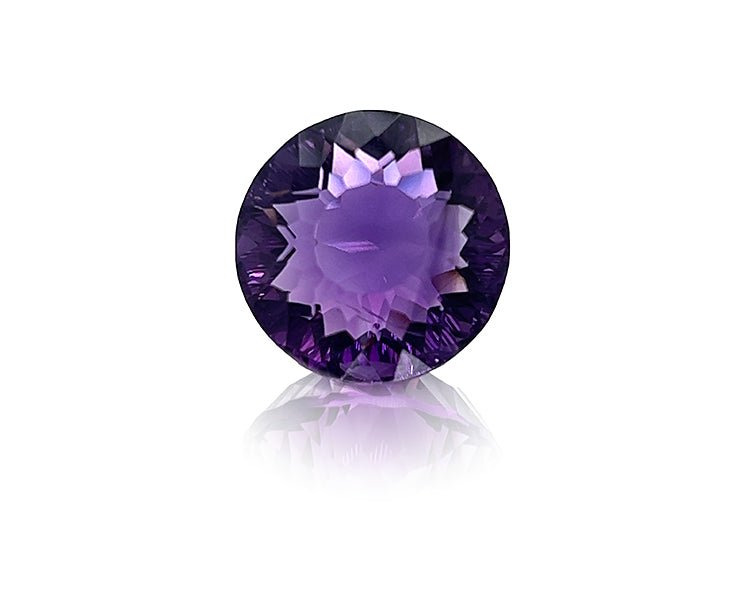

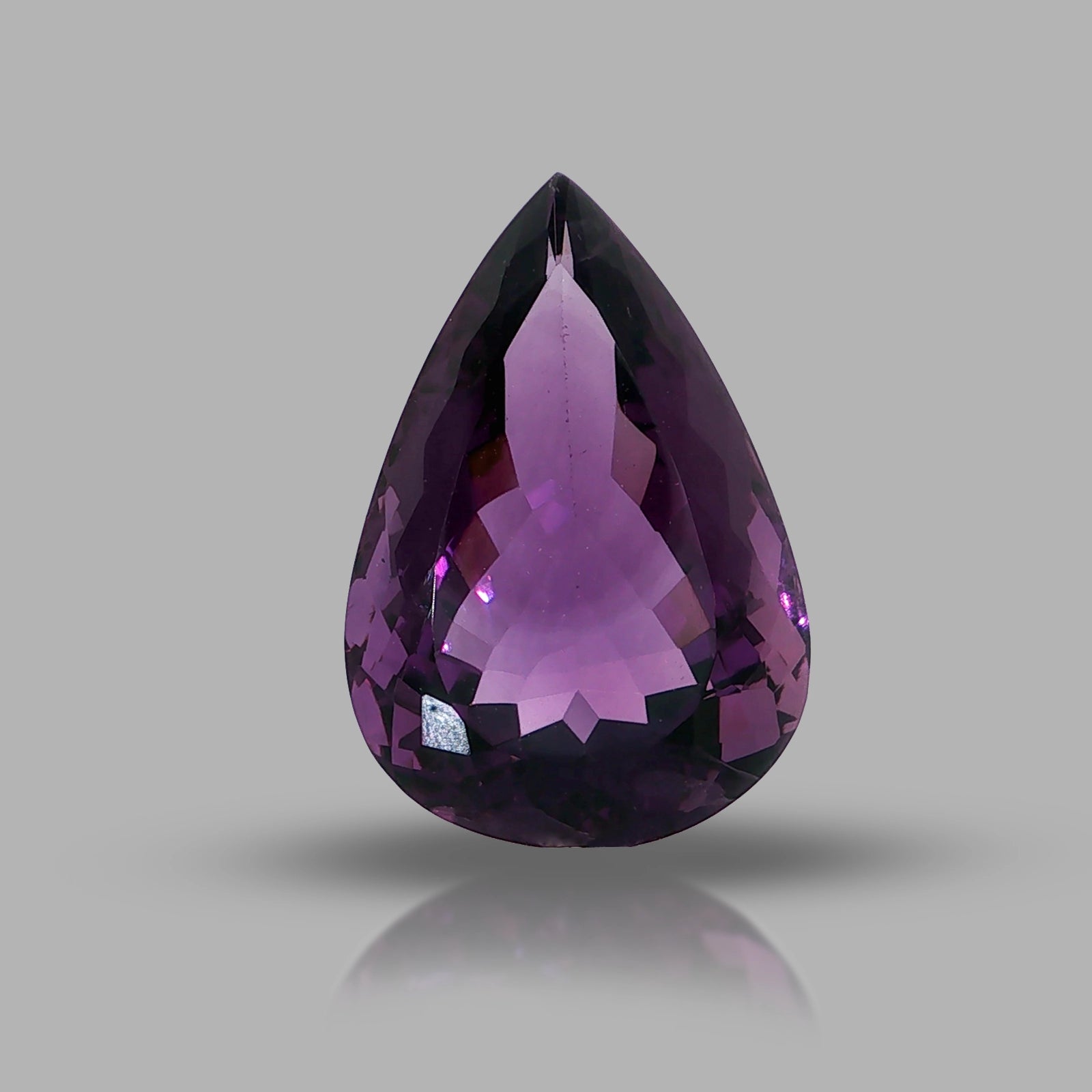

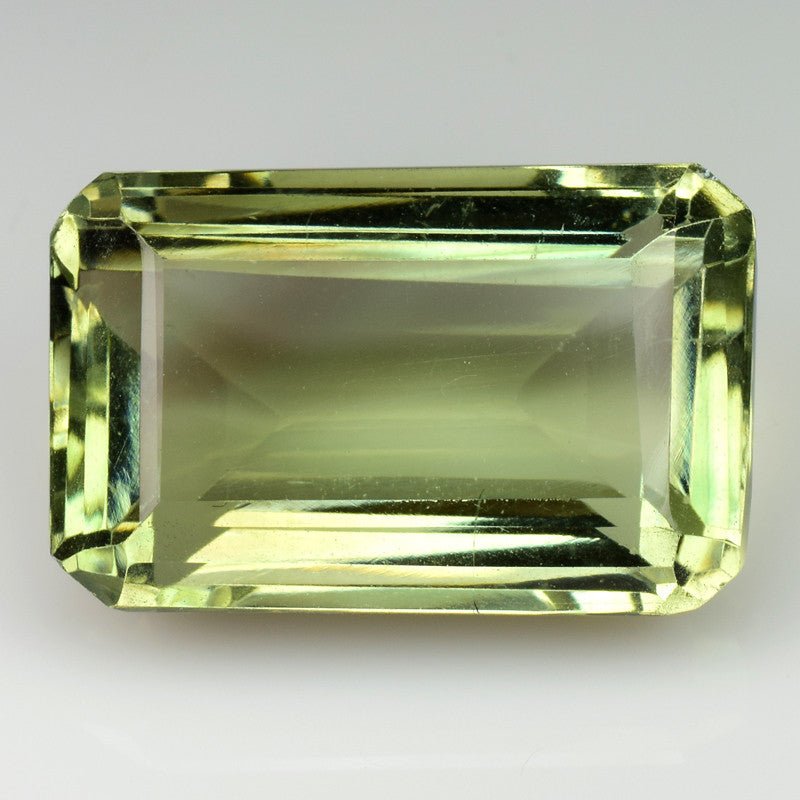

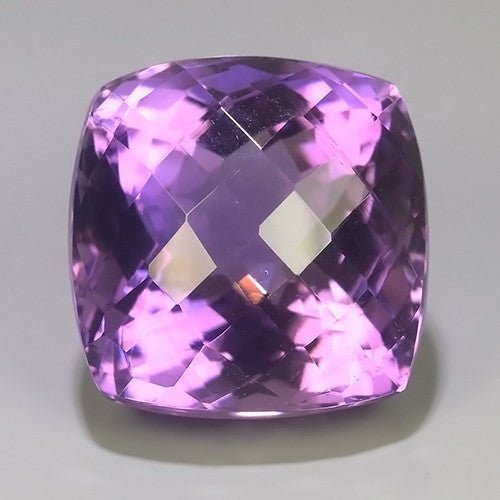
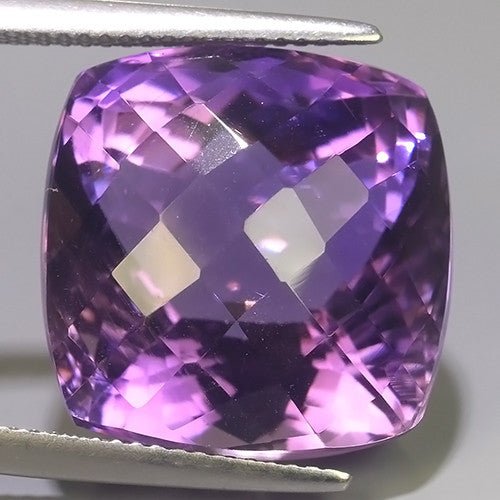
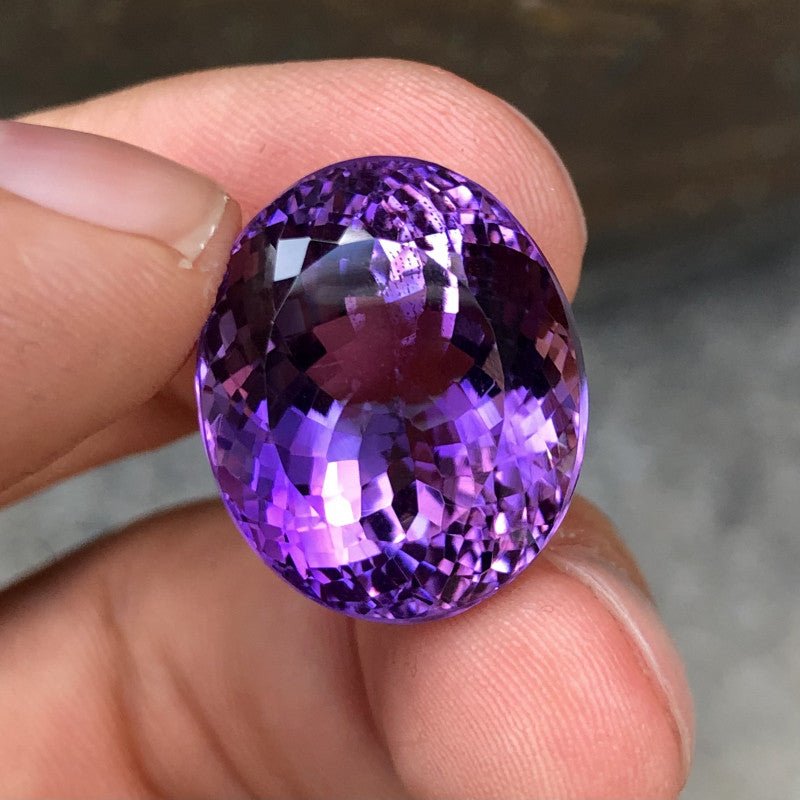
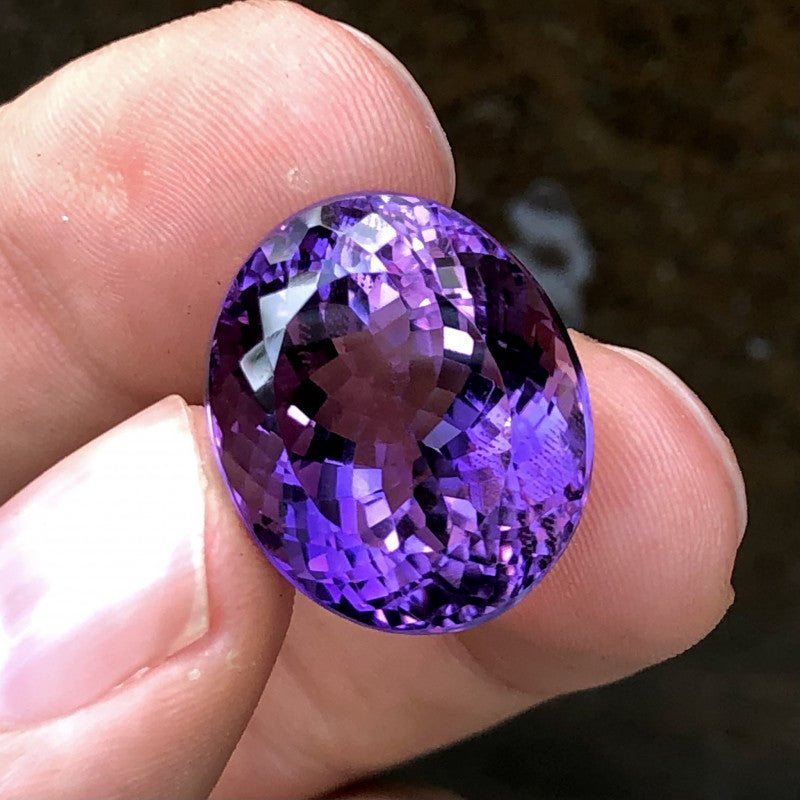
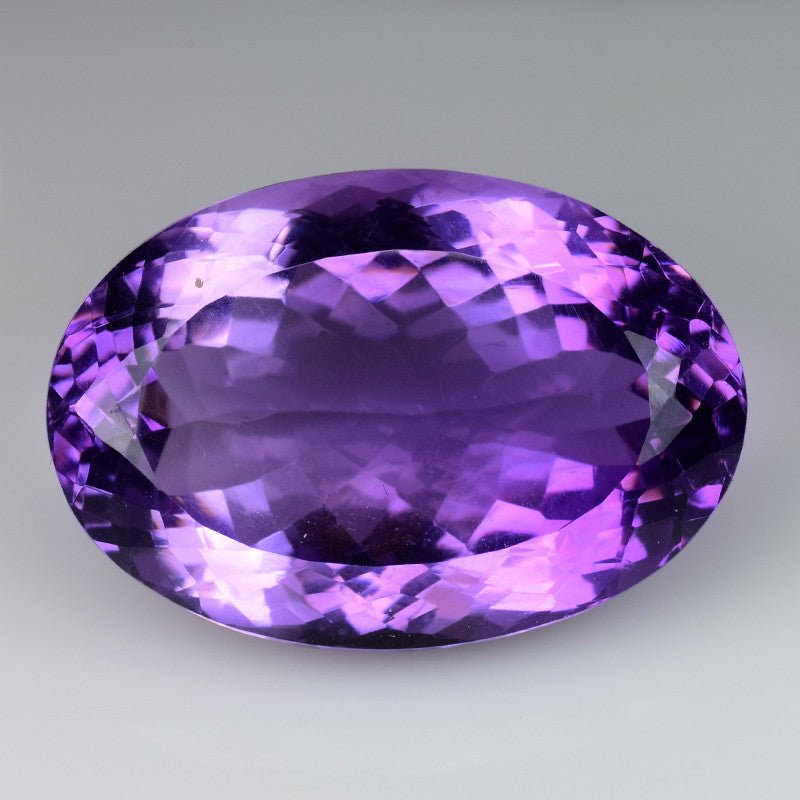

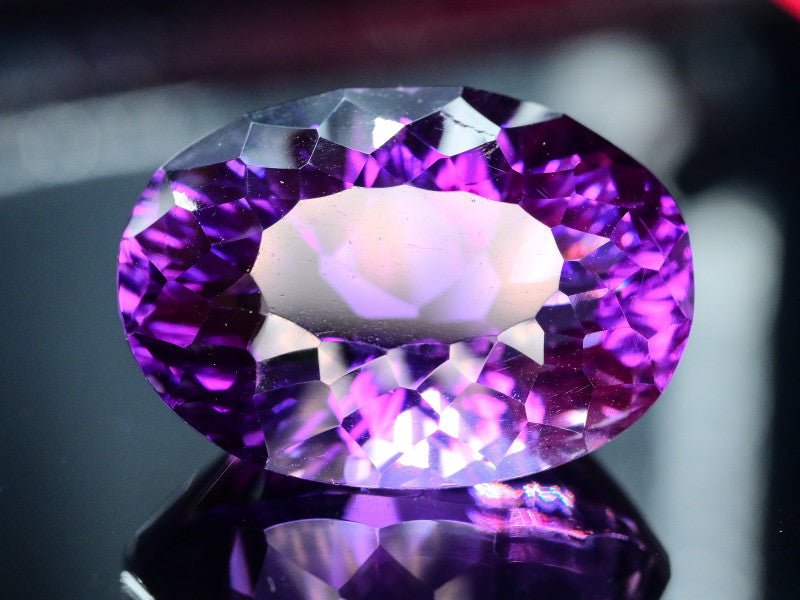
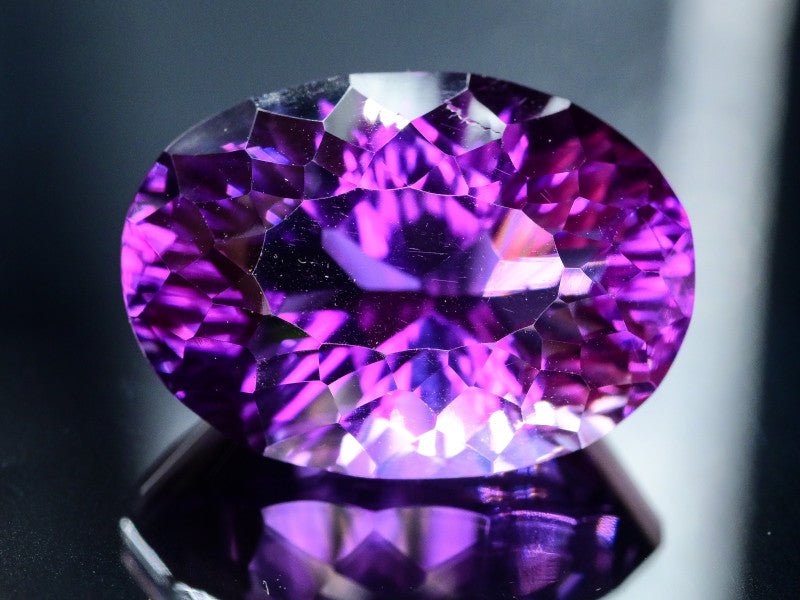


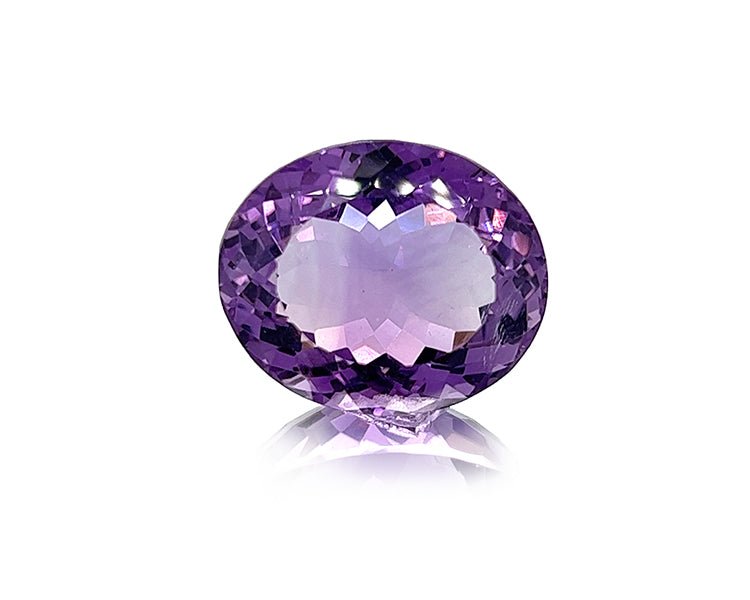
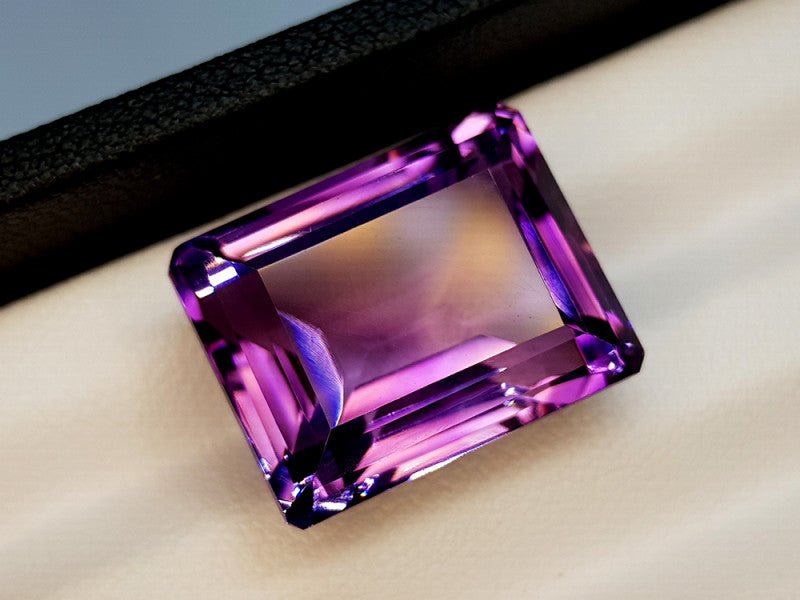
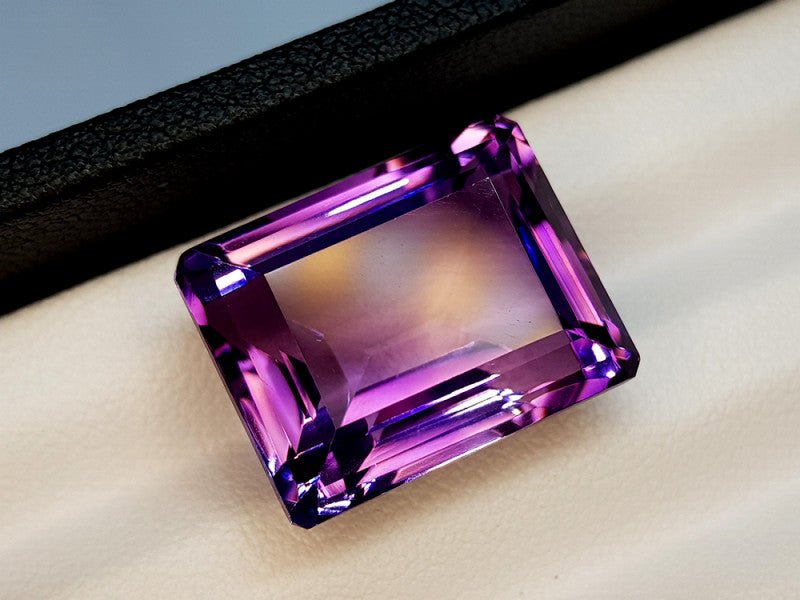
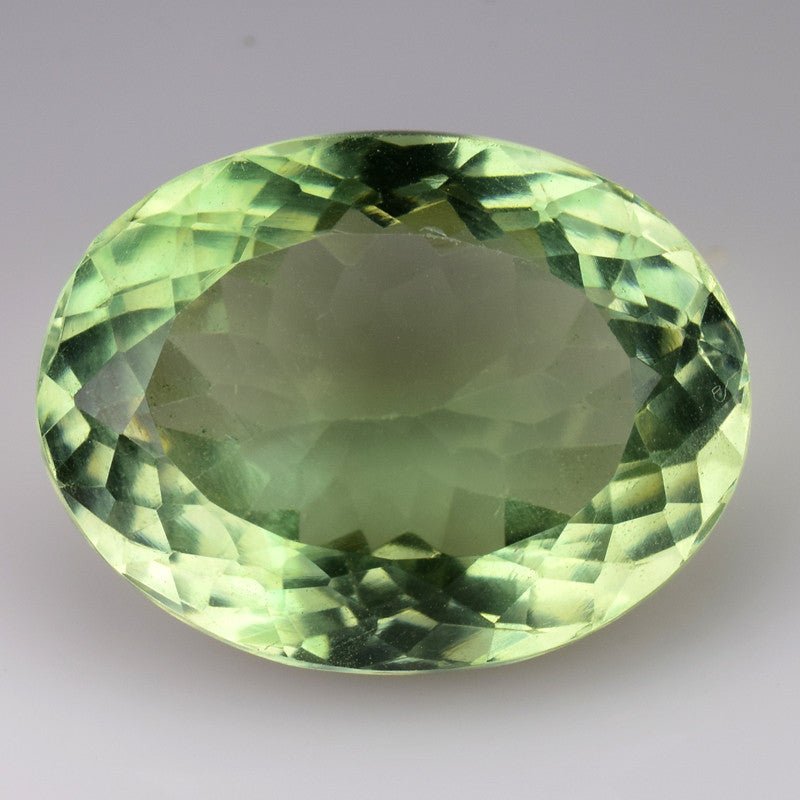

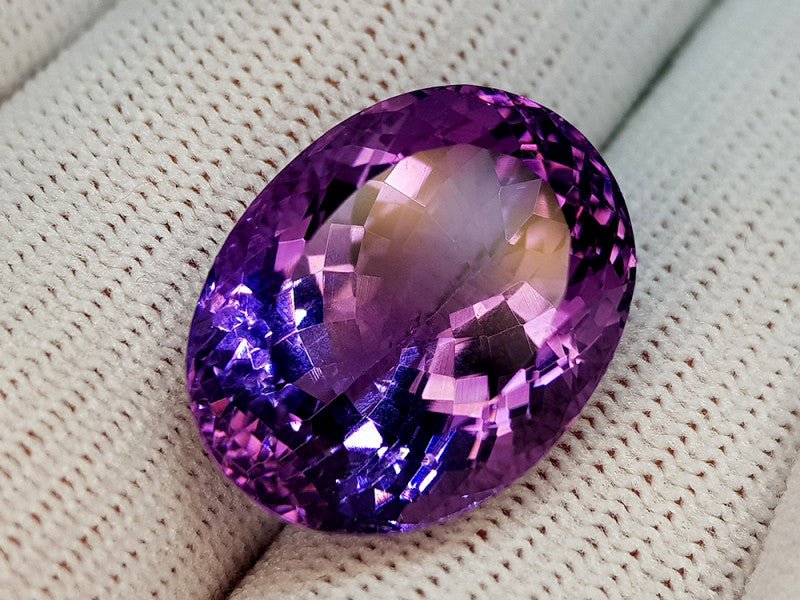
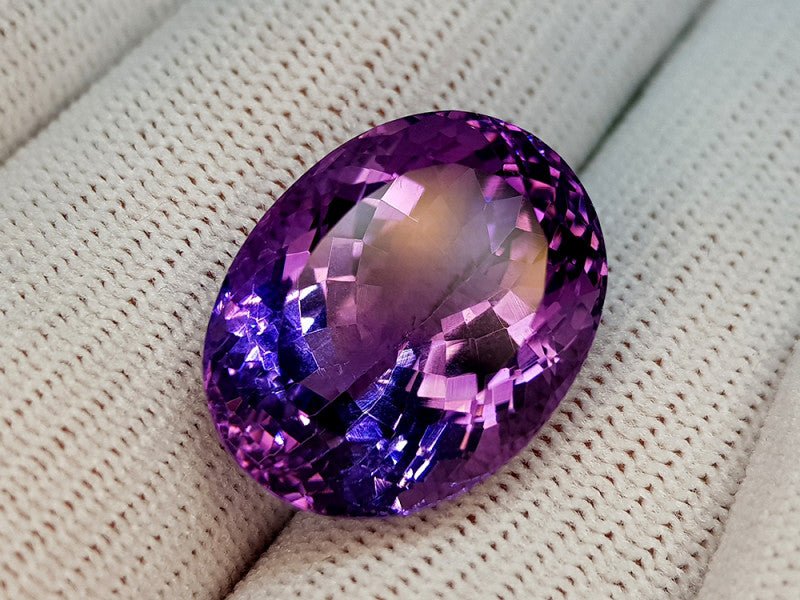
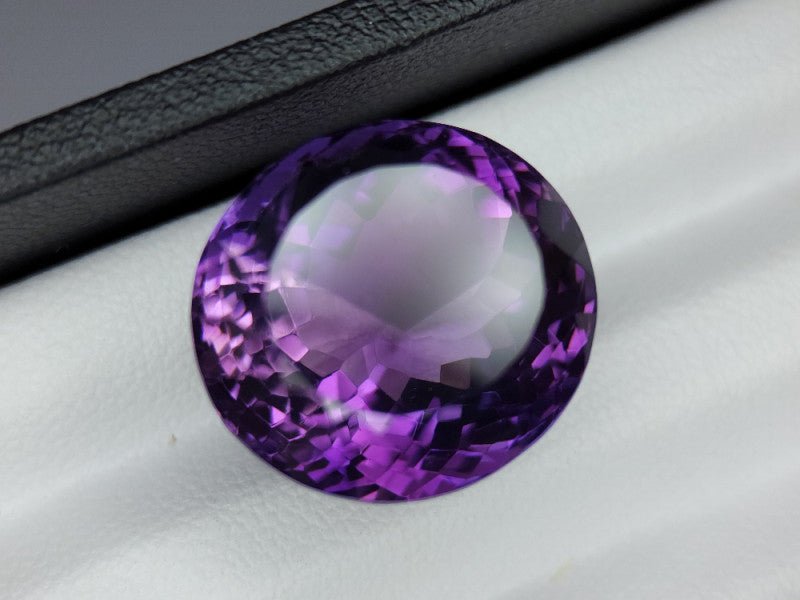
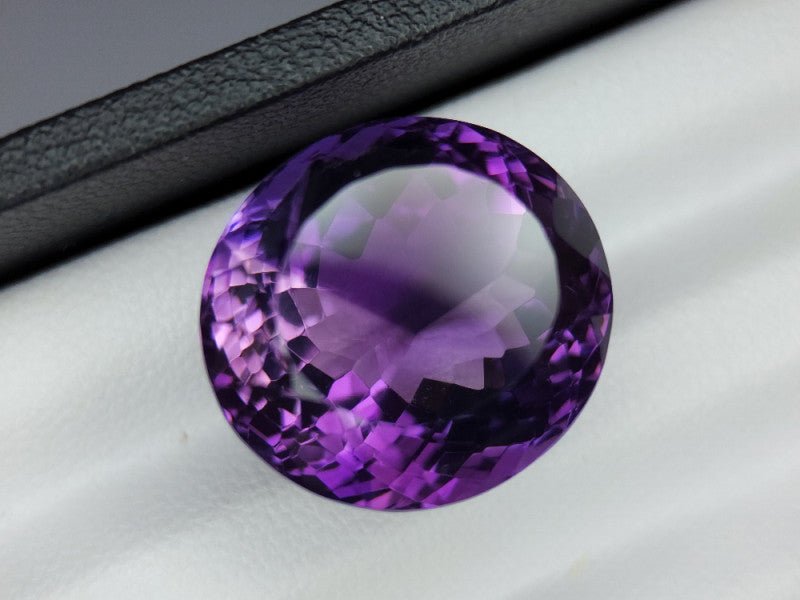
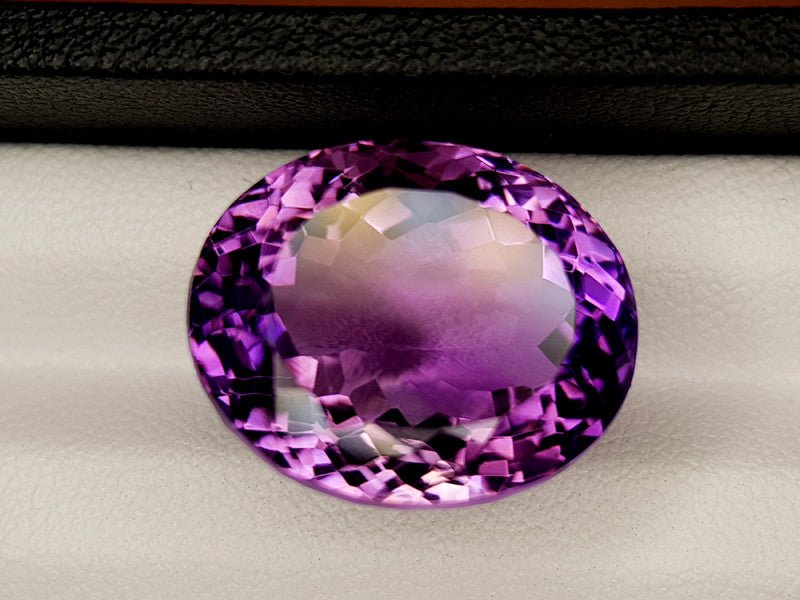
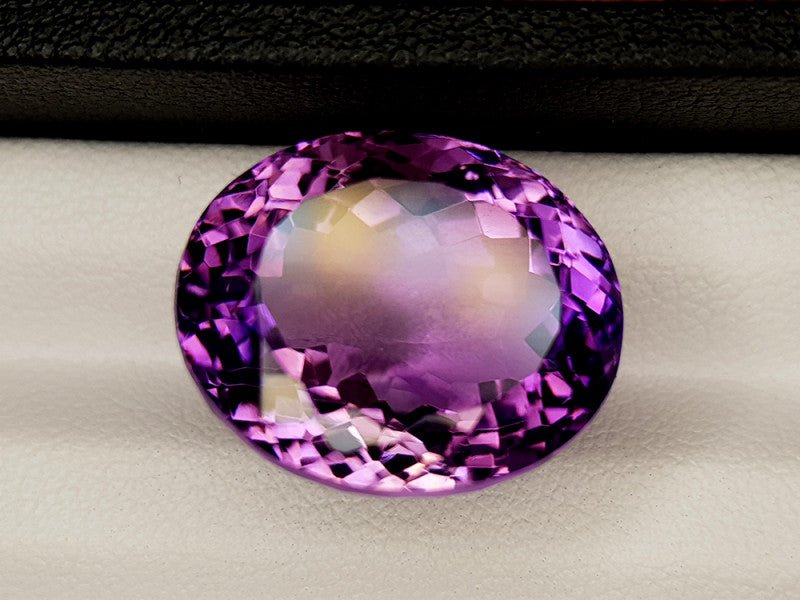

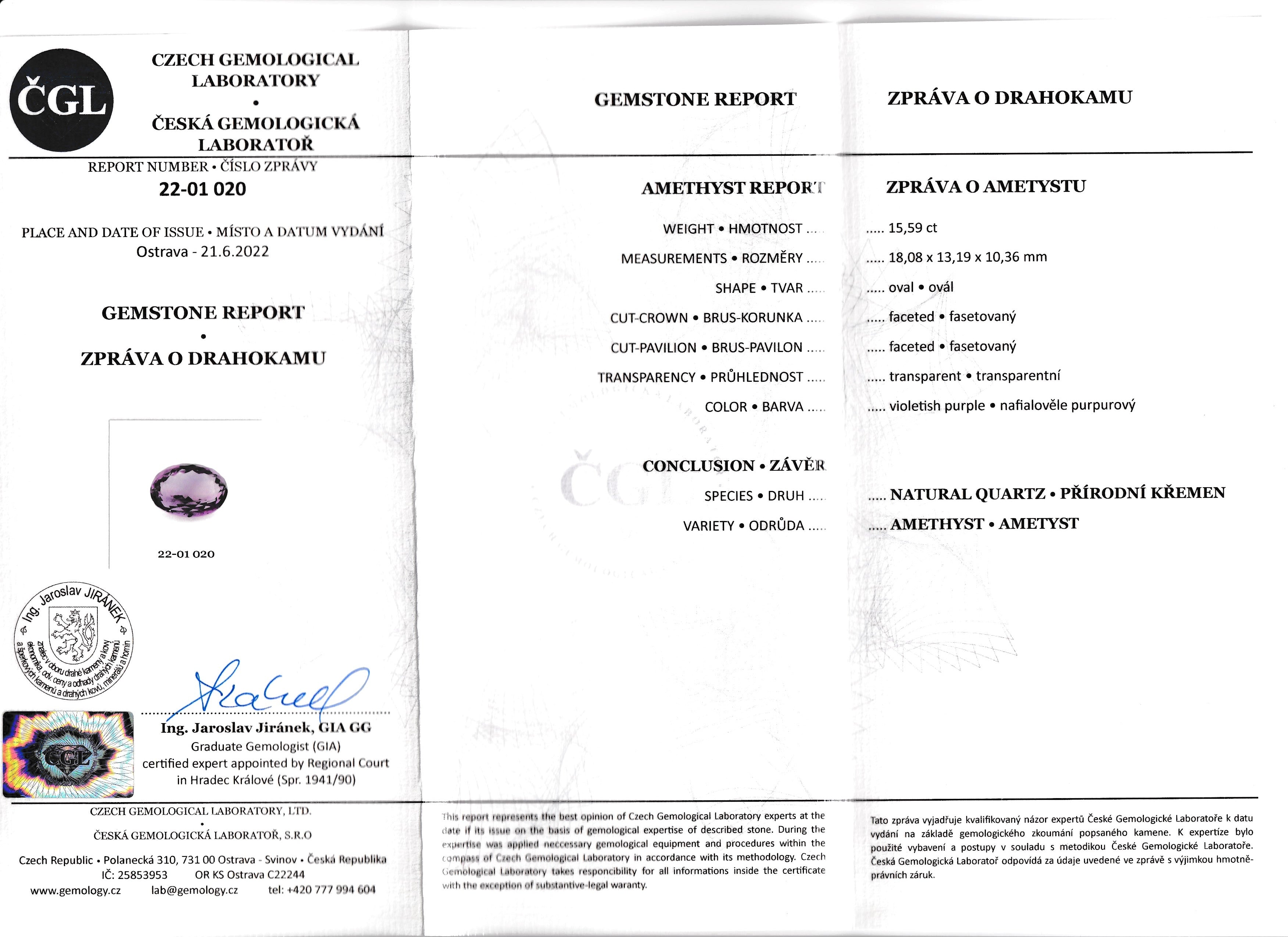
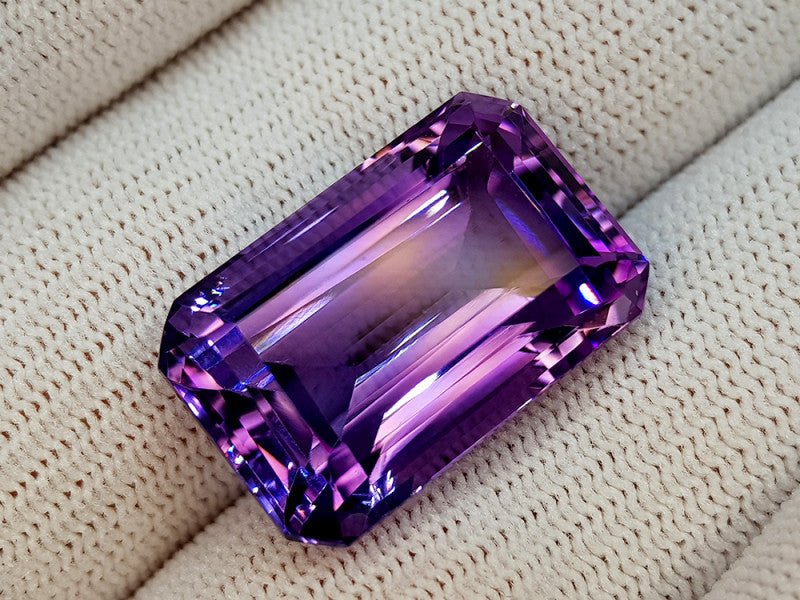
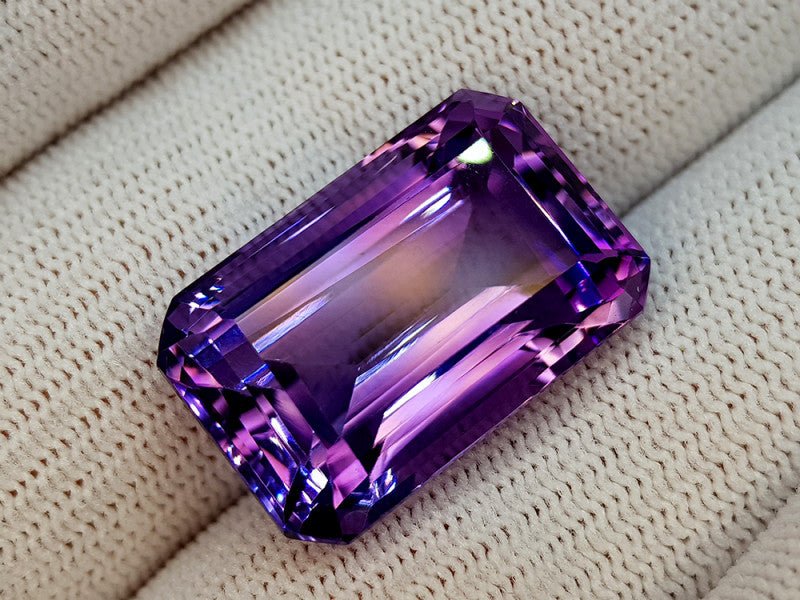
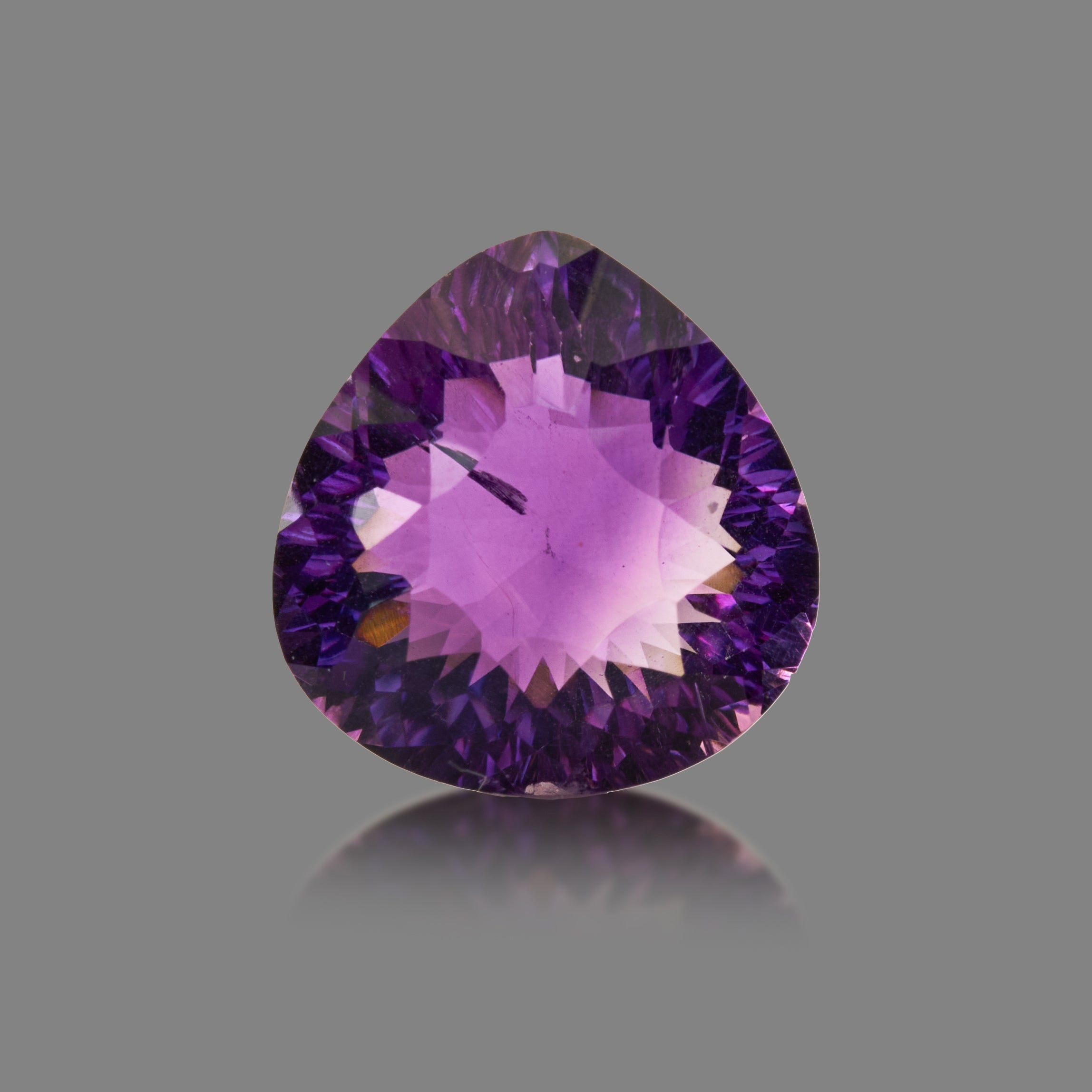
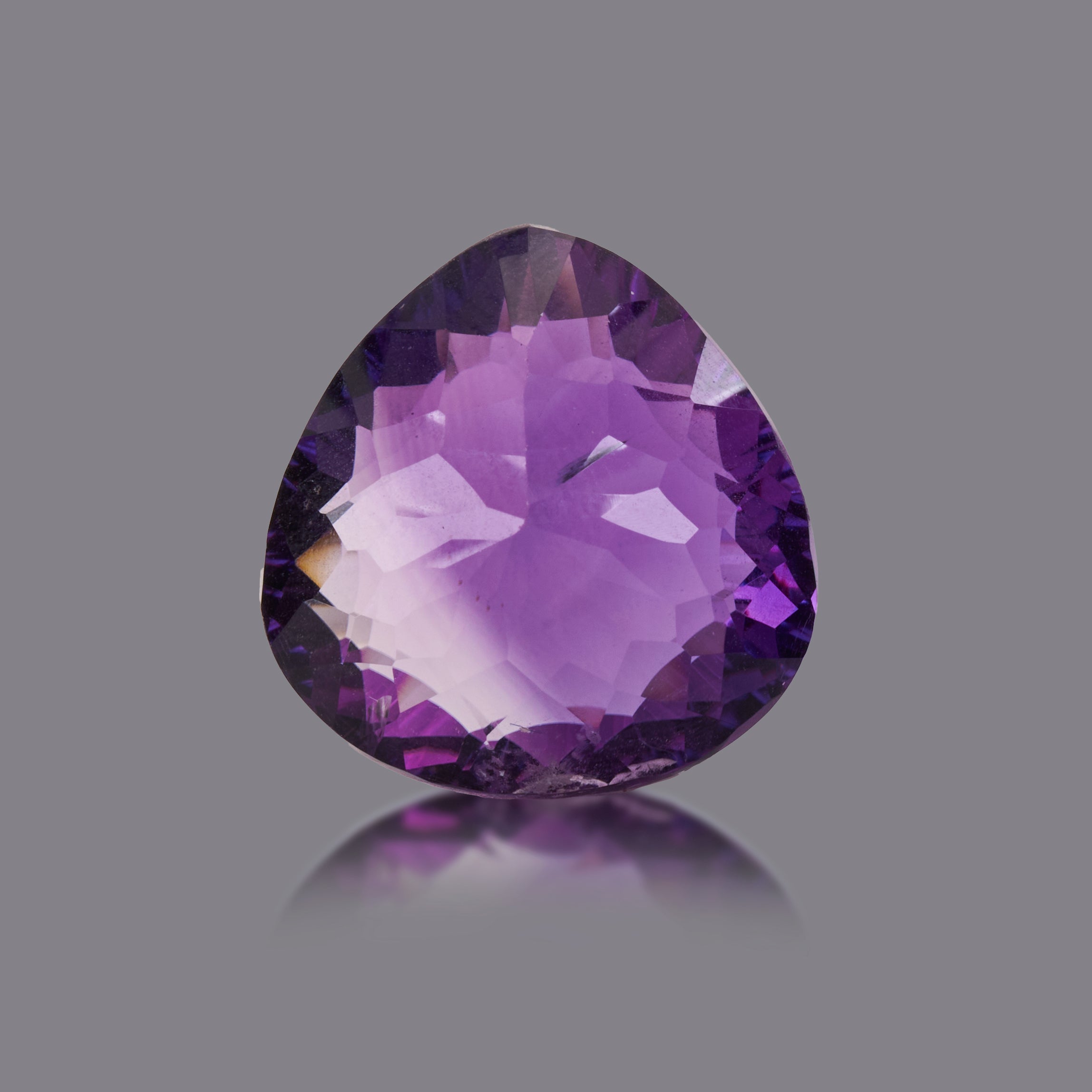
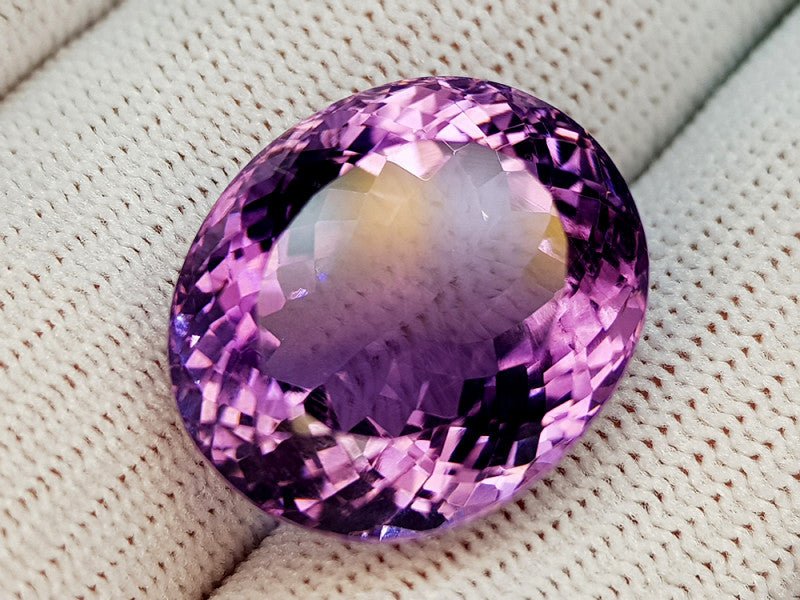
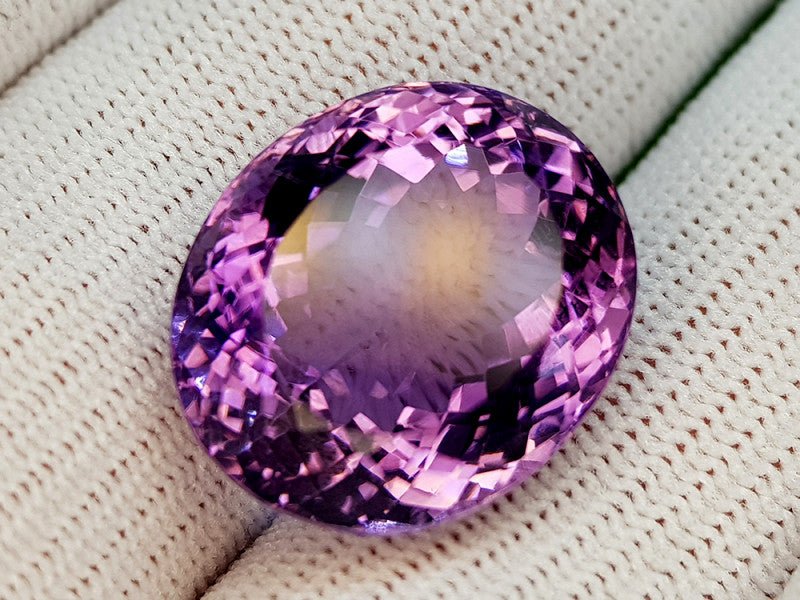


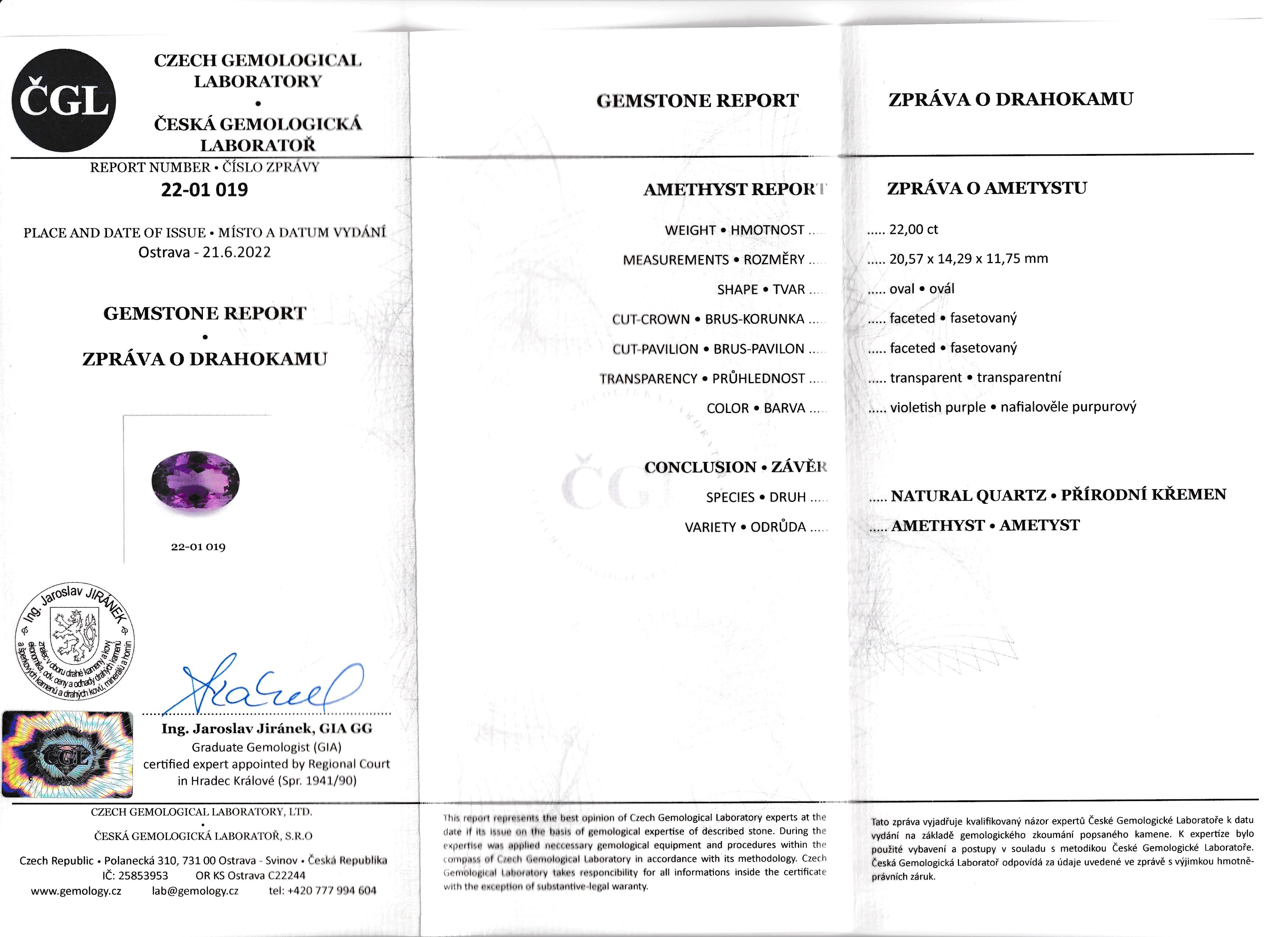


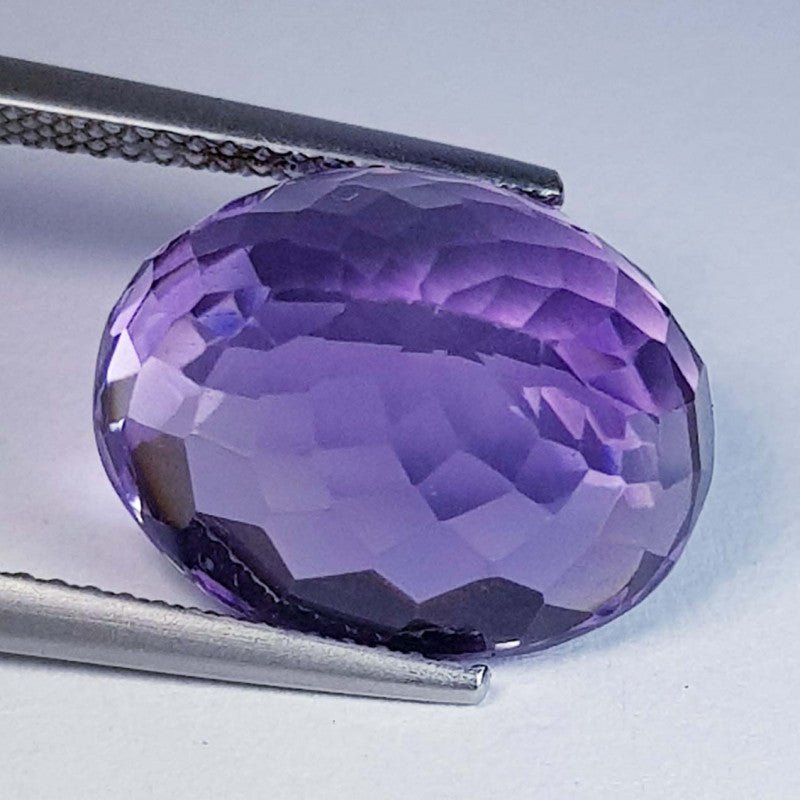
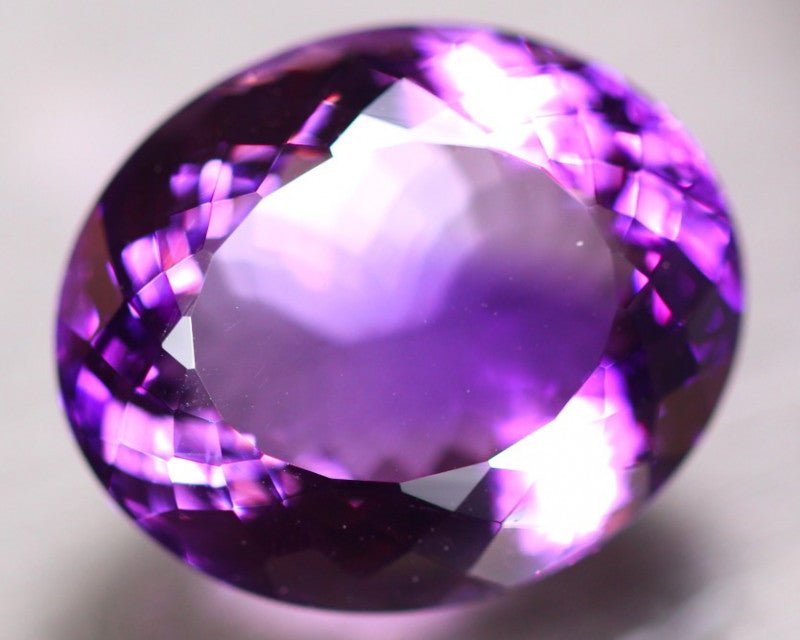
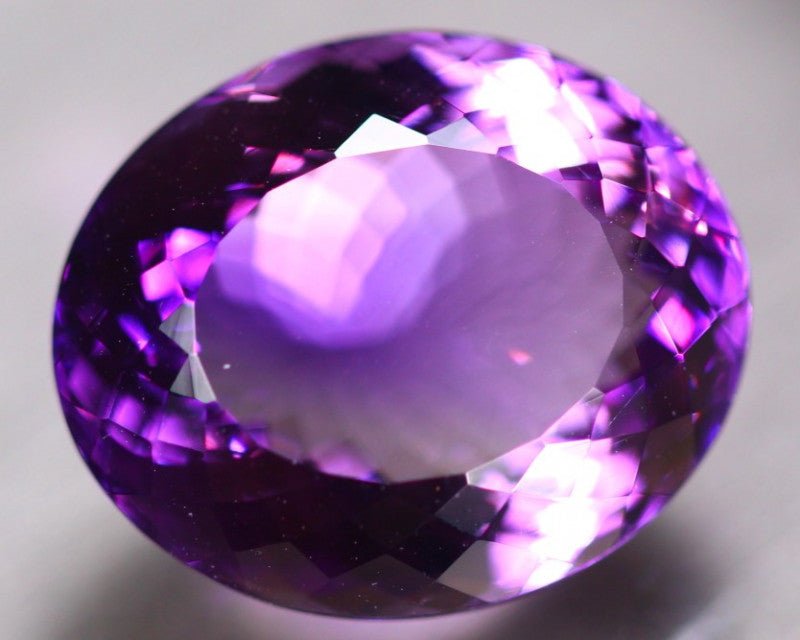
The online selection is only part of our sourcing reach.
Certain gemstones are acquired individually for clients and never appear in public collections.
Enquire about a stone you don’t see hereFrequently Asked Questions
What is amethyst?
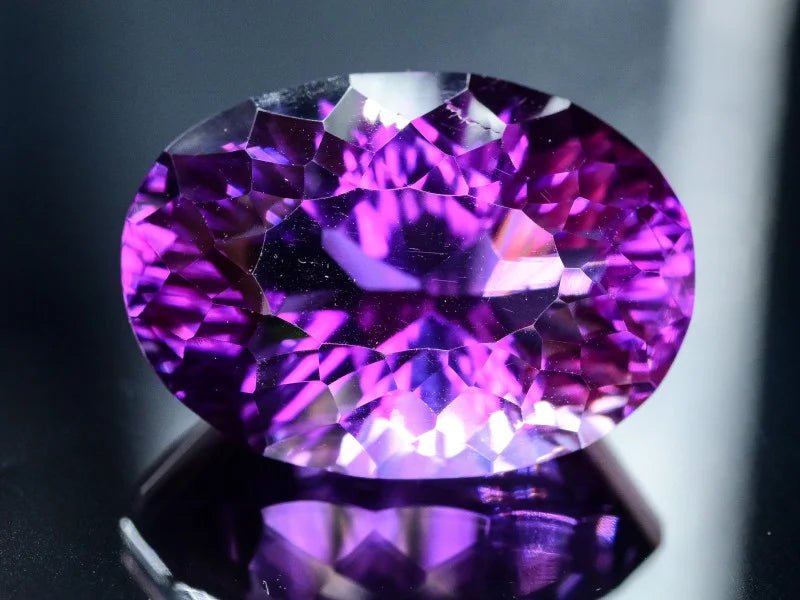
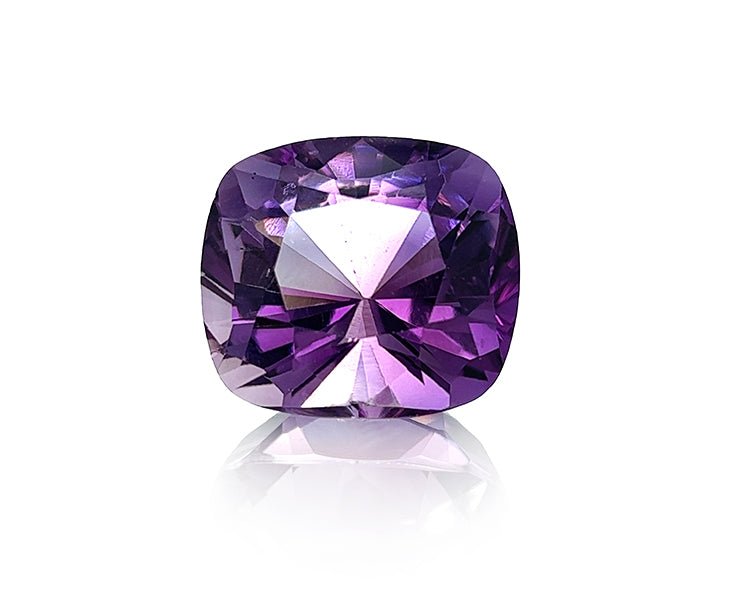
Amethyst is the purple variety of quartz, colored by trace iron and natural irradiation. It has been used as a gem for thousands of years and remains the most valued quartz variety.
Is amethyst treated?
Amethyst in our collection is untreated as standard. Heat changes amethyst into citrine or prasiolite, so an amethyst that has been heated is no longer sold as amethyst. Any exception is stated plainly on the listing.
Which amethyst color is most valuable?
Deep, evenly saturated purple with red and blue flashes, often graded as „Siberian“, commands the highest prices. Lighter lavender stones, known as Rose de France, are valued for their pastel elegance rather than intensity.
Does „Siberian“ mean the stone is from Siberia?
No. On the modern market Siberian is a color grade, not an origin. Most fine amethyst today comes from Brazil, Uruguay, and Zambia, and we state the documented origin for each stone.
Is amethyst durable enough for daily wear?
Amethyst measures 7 on the Mohs scale and suits rings, pendants, and earrings worn regularly. Avoid prolonged direct sunlight, which can slowly fade the color, and hard knocks against other jewelry.
How should I care for amethyst?
Clean with warm water, mild soap, and a soft cloth. Keep the stone away from strong heat and long sun exposure, and store it separately from harder gems such as sapphire or topaz.
What documentation comes with a stone?
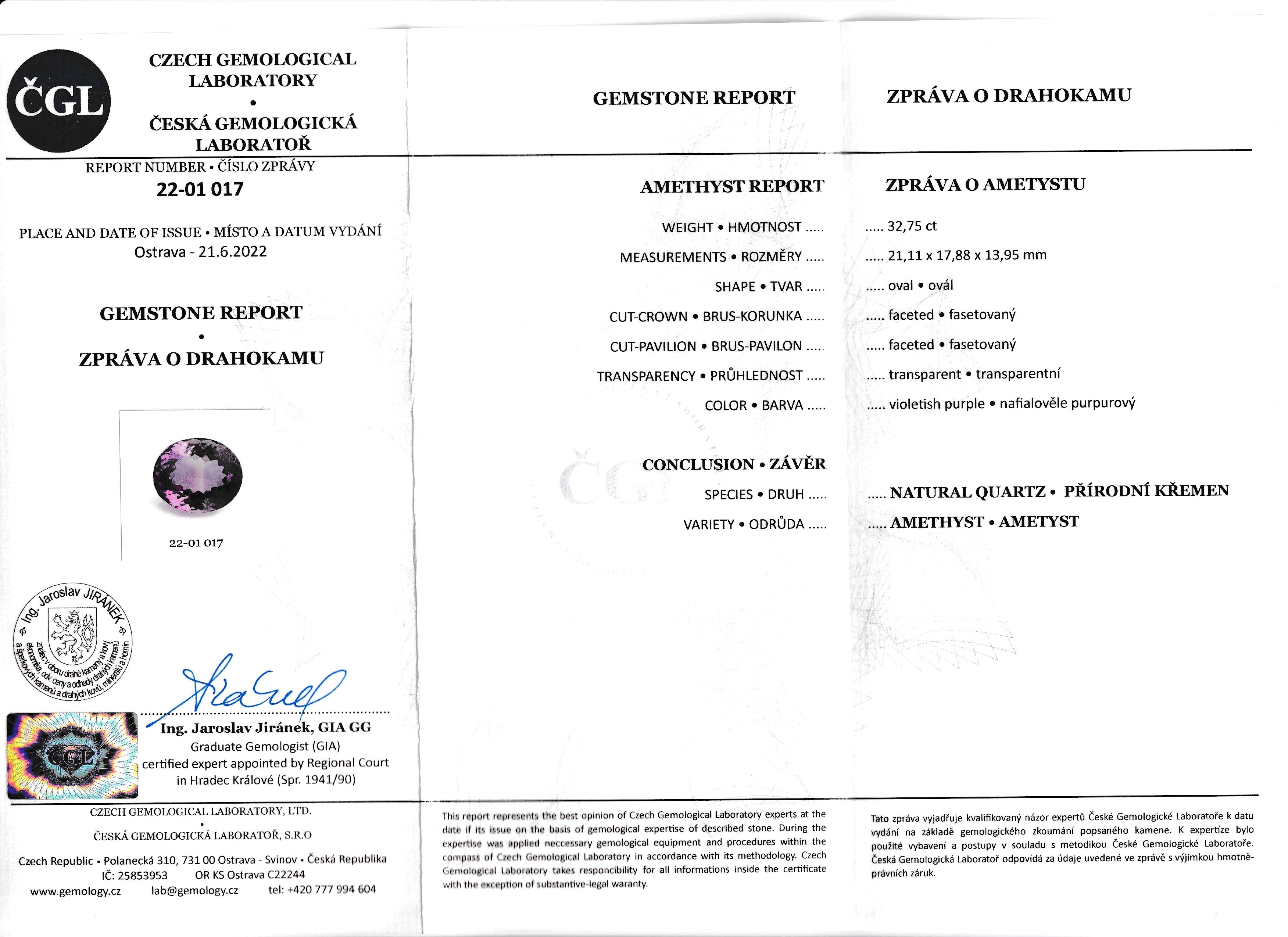
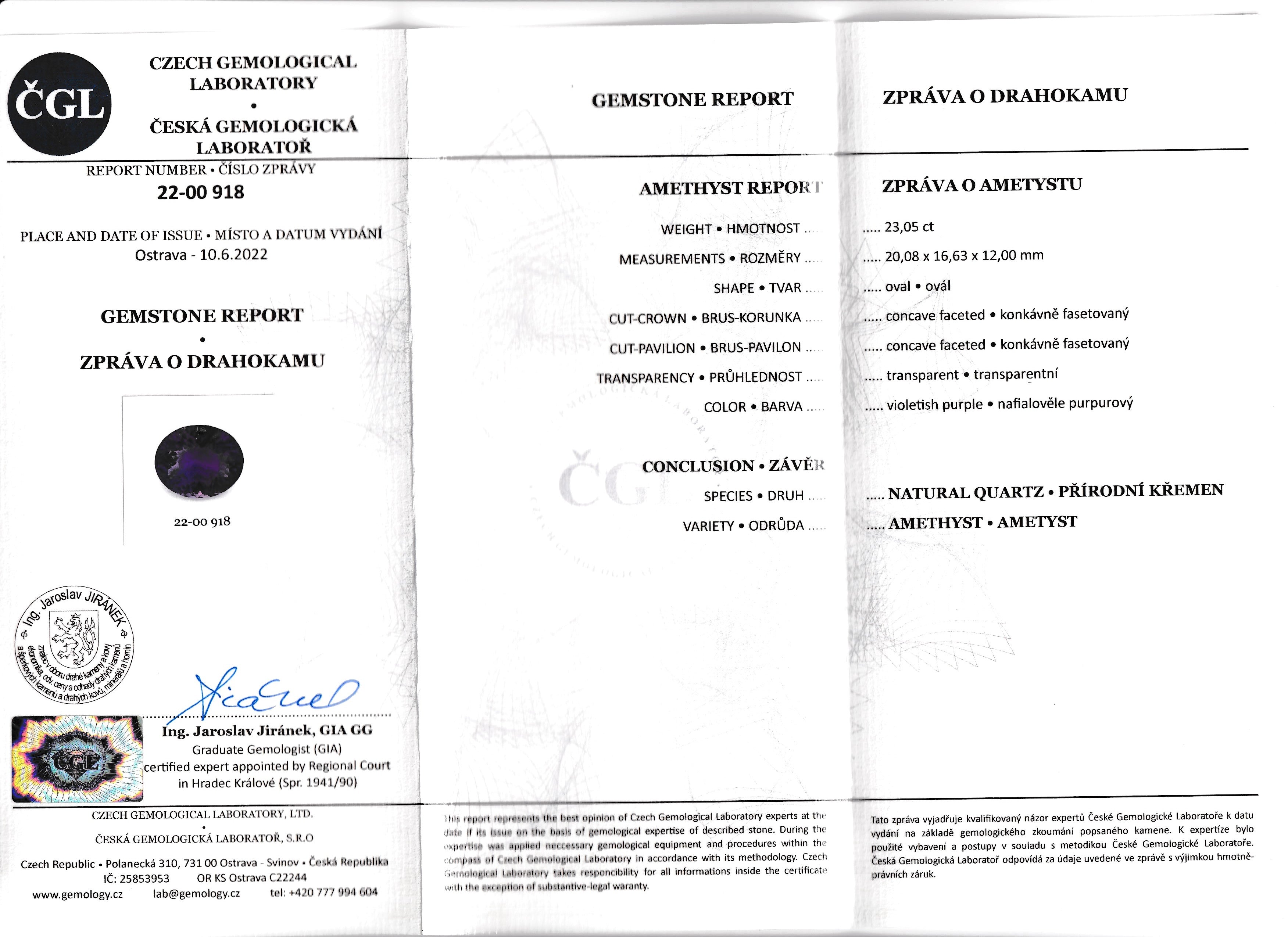
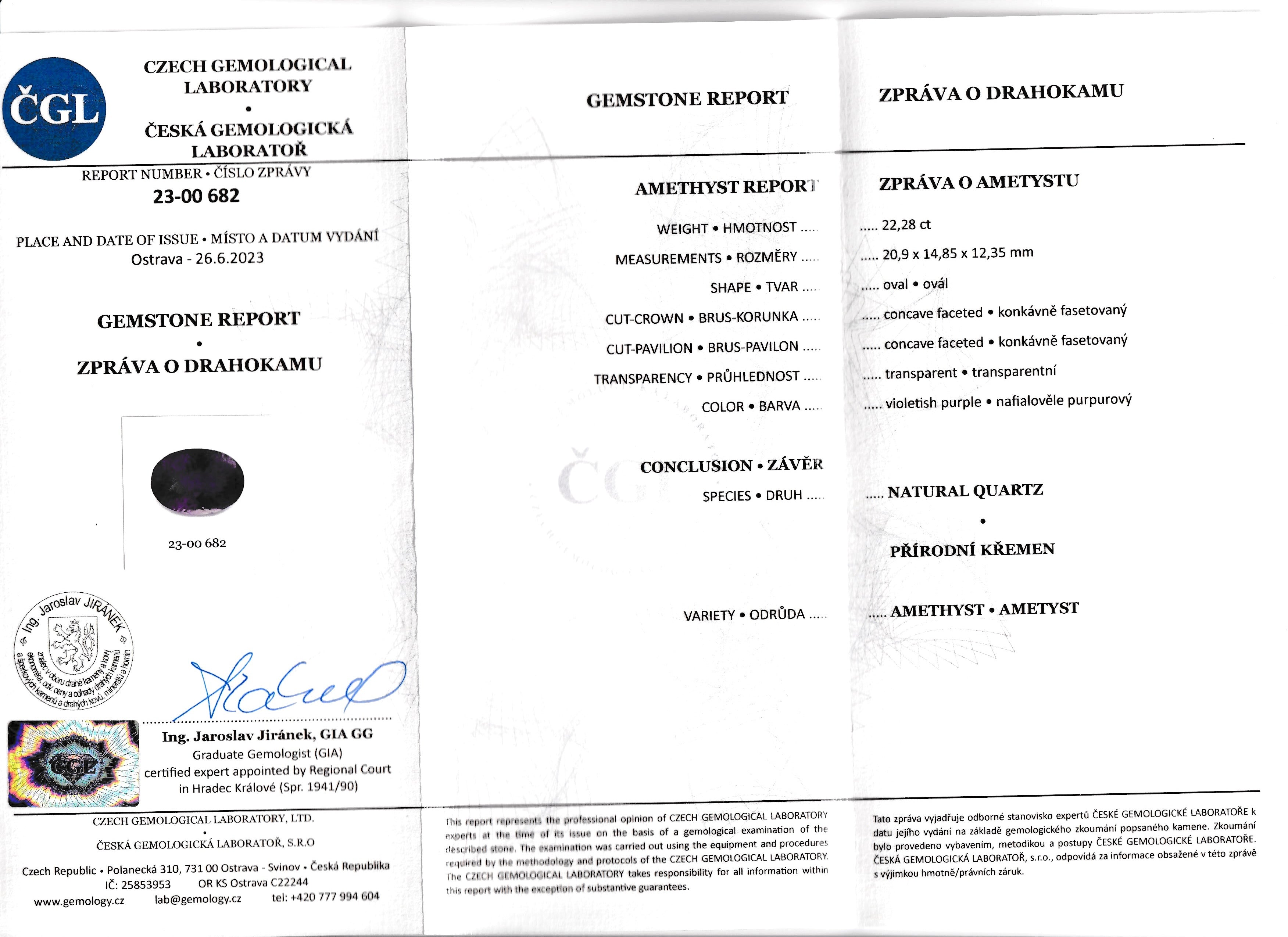
Every amethyst ships with the Sosna Gems Colored Stone Report, our internal documentation. Independent laboratory certification can be arranged on request for any stone.
Can you source an amethyst beyond the visible selection?
Yes. The online collection is only part of our sourcing reach. Contact us with your parameters for color, size, and budget, and we will look for options individually.
How do I choose between two similar amethysts?
Look at the stone in dim light first. Fine amethyst keeps a living purple where weaker material turns gray or muddy. Even color without zoning matters more than an extra carat.