GIA, IGI HRD and Other Labs – Who to Trust When It Comes to Your Gemstone
The Same Stone, Two Reports, Two Answers
Send a fine ruby to two respected laboratories and you can receive two different reports. One may call the color "pigeon's blood" and place the origin in Burma; the other may decline the trade name, describe the color in technical terms, and note that the origin cannot be conclusively determined. Both laboratories are honest. Both are competent. They simply apply different standards.
This is the fact the gem trade discusses quietly and rarely explains to buyers, and it is the key to reading any certificate: a laboratory report is an expert opinion, not a measurement. Knowing which laboratory issued it, and how that laboratory thinks, matters as much as the words printed on the page.
The Laboratories That Matter
GIA: Gemological Institute of America
The GIA created the modern grading system, invented the 4Cs, and remains the global reference. It is deliberately conservative: it grades strictly, it avoids romantic trade names, and its origin calls are cautious. A GIA report carries weight in every market on earth, which is why auction houses, insurers, and serious collectors default to it. If you buy one report for a valuable stone, this is the safe choice.
SSEF: Swiss Gemmological Institute
A research-led laboratory with an academic reputation, SSEF is a reference for origin determination in ruby, sapphire, and emerald, and for confirming that a stone is unheated. Its reports on important colored stones sit at the top of the market's trust hierarchy, and it is a standard choice for auction-level material in Europe.
Gübelin Gem Lab
Founded in Lucerne in 1923, Gübelin built the science of reading inclusions to determine origin, and its reference collection of stones from documented mines is among the world's most complete. It is the laboratory of choice for provenance work on elite stones, and its reports carry particular weight where origin drives price.
GRS: GemResearch Swisslab
GRS specializes in high-end colored stones and is known above all for its willingness to use trade color names, "pigeon's blood" for ruby, "royal blue" for sapphire. Those names carry real money in Asian markets, where GRS reports are the trade standard for fine rubies and sapphires. The laboratory is respected and its grading is more liberal in this specific respect than GIA's, which is a difference to understand rather than a flaw to condemn.
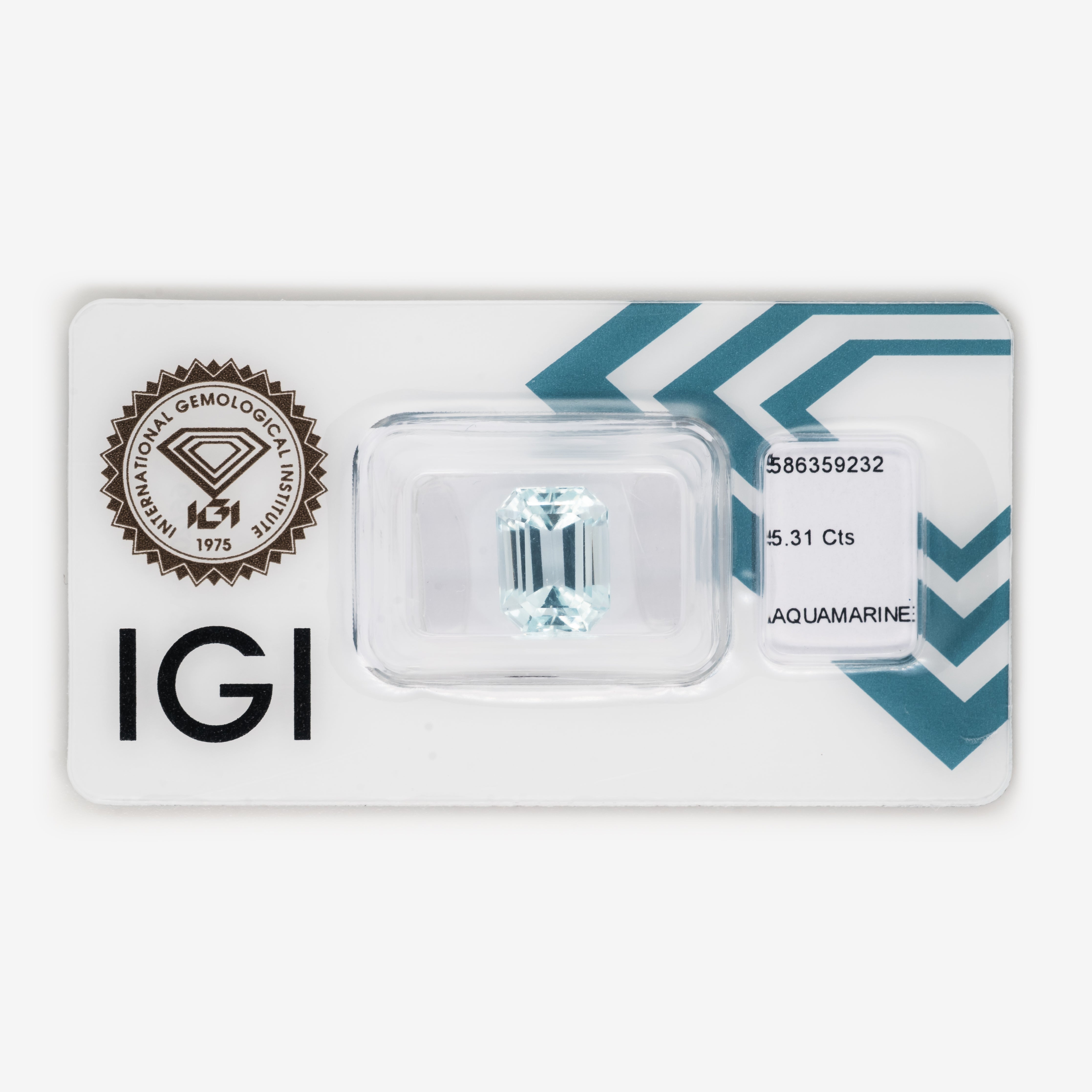
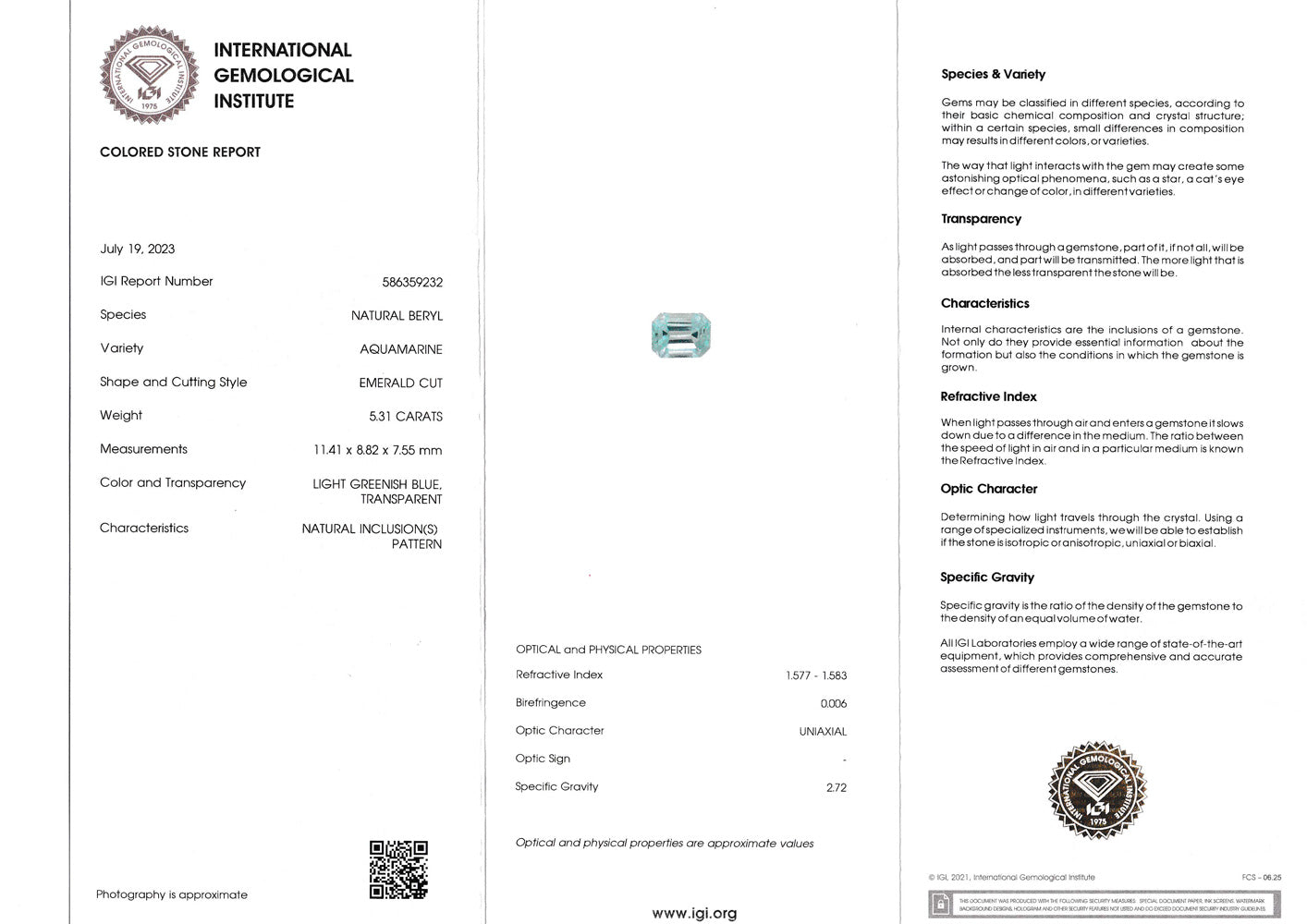
IGI: International Gemological Institute
The largest laboratory by volume, with a global network and fast, accessible service. IGI is widely used in retail and wholesale, including for colored stones, and is the practical choice for jewelry-grade material where a full research report would cost more than it adds.
AGL: American Gemological Laboratories
A specialist colored-stone laboratory in New York, respected for detailed treatment analysis and its distinctive numerical quality grading, which few laboratories attempt. A common choice in the American collector market.
HRD Antwerp
Founded by the Antwerp diamond trade, HRD is a diamond laboratory first and foremost, and a recognized alternative to GIA in Europe for diamond reports.
ČGL: Czech Gemological Laboratory
For the Czech market, ČGL provides recognized local gemological reporting, a practical option for stones where sending material to Switzerland or America is disproportionate to their value.
Which Laboratory for Which Stone
| Laboratory | Strongest at | Best used for |
|---|---|---|
| GIA | Conservative grading, global recognition | Diamonds and any high-value stone; the universal default |
| SSEF | Origin, unheated confirmation, research depth | Fine ruby, sapphire, emerald at collector level |
| Gübelin | Inclusion-based provenance | Elite stones where origin drives the price |
| GRS | Trade color names, colored stone expertise | Fine ruby and sapphire, especially for Asian markets |
| AGL | Treatment analysis, numerical quality grading | Colored stones in the American collector market |
| IGI | Speed, coverage, accessibility | Jewelry-grade stones and everyday fine jewelry |
| HRD | Diamond grading | Diamonds, particularly in Europe |
| ČGL | Local reporting | Mid-value stones in the Czech market |
Why Reports Disagree, and What It Means for You
Two areas of genuine judgment separate laboratories, and both are worth understanding before you pay for a report.
Origin determination is an opinion. Laboratories identify geographic source by comparing a stone's trace element chemistry and inclusion patterns against reference collections of stones from documented mines. Where the geological signatures of two sources overlap, and they often do, a conservative laboratory will say the origin cannot be conclusively determined. A more assertive one may make the call. Neither is dishonest, and the difference can be worth a great deal of money, because Burmese, Kashmiri, and Colombian origins command large premiums.
Trade color names are judgments, not measurements. "Pigeon's blood" and "royal blue" are awarded by a laboratory's assessment of color, and different laboratories draw the line in different places. A stone that earns the name from one laboratory may not earn it from another, and the name itself can move the price significantly.
The consequence for buyers is uncomfortable but useful to know: because these calls vary, some dealers submit a stone to several laboratories and keep the most favorable report. The practice is legal, and it is one more reason to note which laboratory issued the paper in your hand, and to read the actual wording rather than the headline.
The Auction Room Hierarchy: Where GIA Stops Being the Default
Here is a distinction that surprises most buyers, and it matters enormously above a certain price level: the laboratory that dominates the American retail market is not the one that dominates the international auction market for colored stones.
GIA built the modern diamond grading system and its authority in diamonds is unchallenged anywhere on earth. In the United States, a GIA report is what retail, insurance, and appraisal all expect, and for most transactions it is the right and sufficient answer.
Colored stones at the top of the market run on a different convention. When a Burmese ruby or a Kashmir sapphire crosses the block at Christie's or Sotheby's, the reports accompanying it are typically from Gübelin, SSEF, or GRS, and it is common for an important stone to carry two or three reports rather than one. The reason is specialization rather than superiority.
Why the Swiss Laboratories Lead on Colored Stones
Origin determination is the hinge on which high-value colored stones swing, because a Kashmir sapphire can be worth many times an identical-looking Ceylon stone, and Burmese ruby carries a comparable premium over Mozambican material. Determining origin requires reference collections of stones physically taken from documented mines, decades of accumulated inclusion research, and analytical chemistry, and the Swiss laboratories built exactly that infrastructure over generations.
Gübelin has been reading inclusions to identify provenance since the 1920s and holds one of the world's deepest reference archives. SSEF is research-led and academically respected, and its calls on origin and on unheated status are treated as authoritative at auction level. GRS combines colored-stone expertise with the trade color names, pigeon's blood and royal blue, that Asian buyers price against directly.
GIA does determine origin for colored stones, and its reports are respected everywhere. It is simply more conservative in its calls, less willing to attach trade color names, and it entered origin work later than the Swiss houses did. For a high-value ruby or sapphire, the market has settled on the laboratories that specialized in exactly that problem the longest.
What This Means in Practice
| Situation | Report the market expects |
|---|---|
| Diamond, anywhere in the world | GIA, with HRD a recognized European alternative |
| Colored stone, US retail or insurance | GIA |
| Fine ruby or sapphire, Asian market | GRS, frequently alongside GIA or SSEF |
| Auction-level ruby, sapphire, emerald | Gübelin and SSEF, often both, sometimes with GRS |
| Unheated status on a major stone | SSEF or Gübelin |
Two consequences follow for anyone buying at the upper end.
First, the same stone can be worth measurably more with the right paper. A fine Burmese ruby offered without a Gübelin or SSEF report will meet resistance at auction level, and a stone with two concurring reports from top laboratories sells more easily than one with a single report, because concurrence removes doubt.
Second, a report from a laboratory unknown in a given market carries little weight there, however competent that laboratory may be. Documentation is partly a technical matter and partly a matter of which names the buyers on the other side of the table recognize.
For stones below the auction tier, none of this applies, and a GIA or IGI report is entirely sufficient. The hierarchy described here begins to matter where origin and treatment premiums run into the tens of thousands, and it is precisely there that the choice of laboratory becomes a financial decision rather than an administrative one.
Red Flags: Certificates That Prove Nothing
A document can look official and mean nothing at all. Watch for these:
- An unfamiliar laboratory. Elaborate seals, holograms, and gold borders cost nothing to print. If you have not heard of the issuer and the stone is expensive, the report proves very little.
- A report issued by the seller. A seller's own document may be honest and useful, and it is not independent verification. It must never be presented as a laboratory report.
- A valuation printed on the report. Gemological laboratories describe stones; they do not price them. A document mixing identification with a price tag is an appraisal wearing a laboratory's clothes.
- A report number that cannot be verified. Major laboratories maintain online databases where a report number can be checked in under a minute. If the number does not resolve, the report is worthless.
- Measurements that do not match the stone. Reports are reused and stones are swapped. Weigh and measure before you buy.
Our guide on how to read a gem certificate walks through every line of a report, in the order that matters.
When a Laboratory Report Is Worth the Cost
Certification costs from tens to several hundred dollars depending on the stone, the laboratory, and the tests requested, and origin determination costs more than identification alone. That changes the calculation across price levels, and honest advice says so.
| Stone value | Recommended documentation |
|---|---|
| Under about $500 | A competent written gemological description with full treatment disclosure |
| $500 to $2,000 | Laboratory report worth considering, particularly for treatment status |
| $2,000 to $10,000 | Independent report from a recognized laboratory, as standard |
| Above $10,000 | Report from a top laboratory, including origin where the species and market reward it |
The principle is proportionality: documentation should match what is at stake. A three-hundred-dollar garnet needs an honest description rather than a Swiss research report. A thirty-thousand-dollar sapphire without one should never be bought at all. Why certification matters, and what it can and cannot prove, is covered in our companion guide on why certification matters.
How Sosna Gems Handles Certification
We match the laboratory to the gem, and we never leave a stone undocumented.
High-value gemstones carry independent certification from internationally recognized laboratories such as GIA and IGI, and for the most significant stones we source reports that include origin determination. Every certified stone comes with a report number that you can verify yourself on the issuing laboratory's website.
Stones where an external laboratory fee would consume an unreasonable share of the price are examined and identified by our specialists and travel with the SOSNA Gems Colored Stone Report, which states identification, weight, measurements, color, clarity, cut, and treatment status, and carries a unique SGI reference number and a QR code linking to its online record. The report says plainly on its own page that it represents our professional opinion rather than a laboratory grading report, and that where an independent laboratory report exists, that report takes precedence over ours.
Independent certification can be arranged on request for any gemstone in our collection.
Explore our certified gemstone collection, each stone documented, every treatment disclosed.
Frequently Asked Questions About Gemological Laboratories
Which gemological laboratory is the best?
No single laboratory is best for everything. GIA is the conservative global reference and the safe default for high-value stones. SSEF and Gübelin lead on origin determination for ruby, sapphire, and emerald. GRS is the trade standard for fine rubies and sapphires in Asian markets. IGI serves jewelry-grade material efficiently. Choose the laboratory to match the stone and the market.
Why do two laboratories give different results for the same stone?
Because origin determination and trade color names are expert judgments rather than measurements. Where geological signatures overlap between sources, a conservative laboratory declines to call the origin while a more assertive one may make it, and laboratories draw the line for names such as pigeon's blood in different places.
What is a pigeon's blood ruby?
It is a trade color name for the finest, most saturated red in ruby, awarded by a laboratory's judgment rather than by a measurement. GRS uses it prominently, GIA does not, and the name can add substantially to a stone's price where the market recognizes it.
Why do auction houses prefer Gübelin and SSEF over GIA for colored stones?
Because origin determination drives value at that level, and the Swiss laboratories built the reference collections and inclusion research for it over generations. Gübelin has read inclusions for provenance since the 1920s, and SSEF's calls on origin and unheated status are treated as authoritative at auction. GIA remains the unchallenged authority in diamonds and the standard in US retail; the difference is specialization rather than superiority.
Does the choice of laboratory affect a gemstone's price?
At the top of the market, yes. A fine Burmese ruby offered without a Gübelin or SSEF report meets resistance at auction level, and a stone with two concurring reports from top laboratories sells more easily than one with a single report. Below the auction tier, a GIA or IGI report is entirely sufficient.
How do I verify a gemstone certificate?
Major laboratories maintain online databases where the report number can be checked against their records in under a minute. Verify the number, then match the report's weight and measurements against the stone itself. If the number does not resolve, the report proves nothing.
Is a seller's own certificate worthless?
No, but it is not independent verification, and it must never be presented as a laboratory report. An honest in-house report from a competent seller has real value for mid-priced stones, provided it states its own limits and discloses treatment fully.
Does a certificate tell me what my gemstone is worth?
No. Laboratories describe stones and do not price them. A document that states a monetary value is an appraisal, a different instrument with a different purpose, and a price printed on what claims to be a laboratory report is a warning sign.
How much does gemstone certification cost?
Typically from tens to several hundred dollars, depending on the stone, the laboratory, and the tests requested. Origin determination costs more than identification alone, which is why documentation should be proportionate to the value of the stone.