


Spodumene

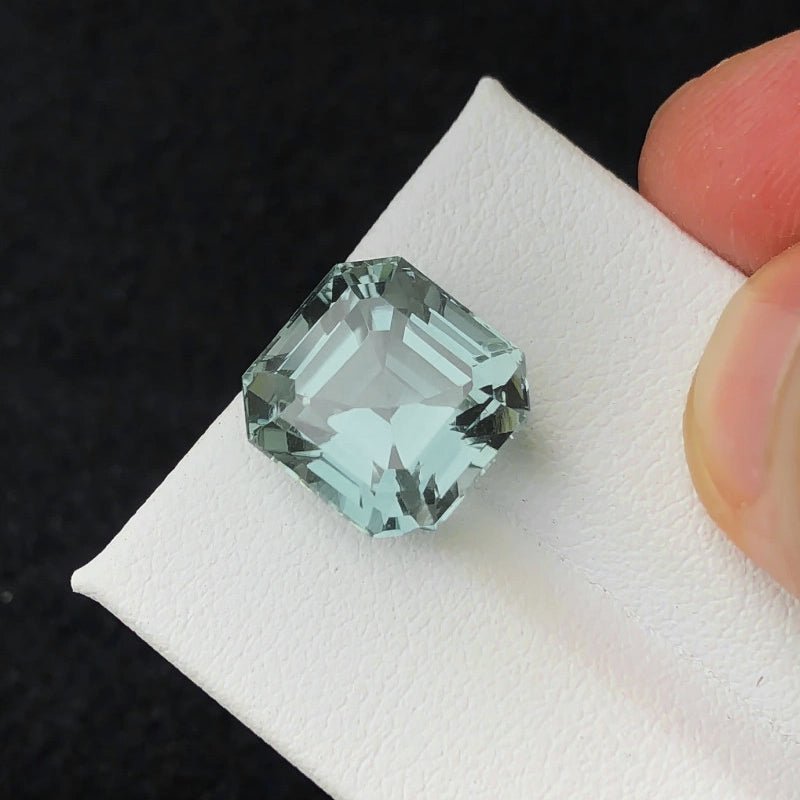
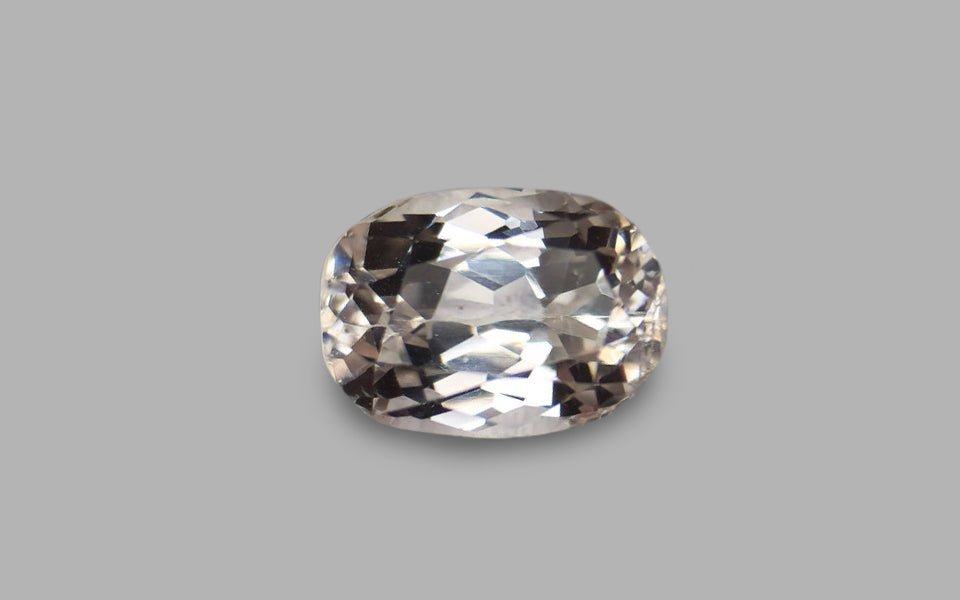
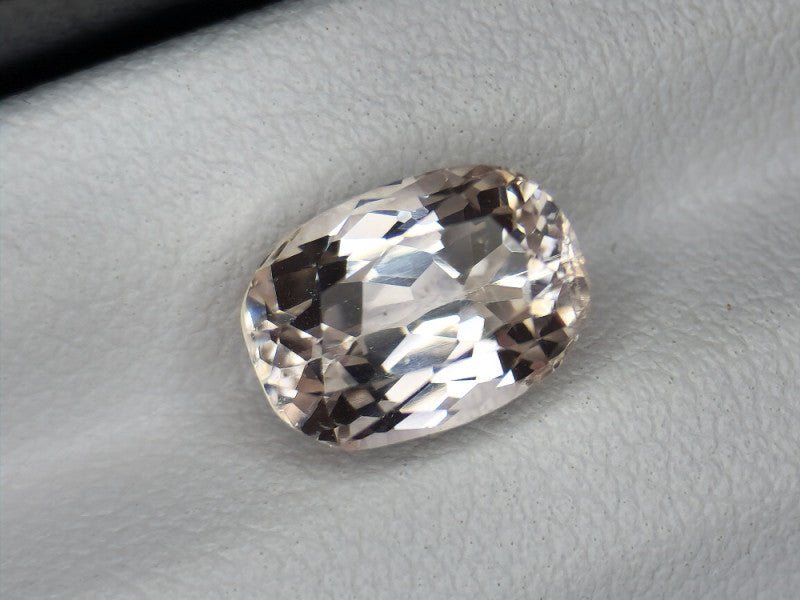
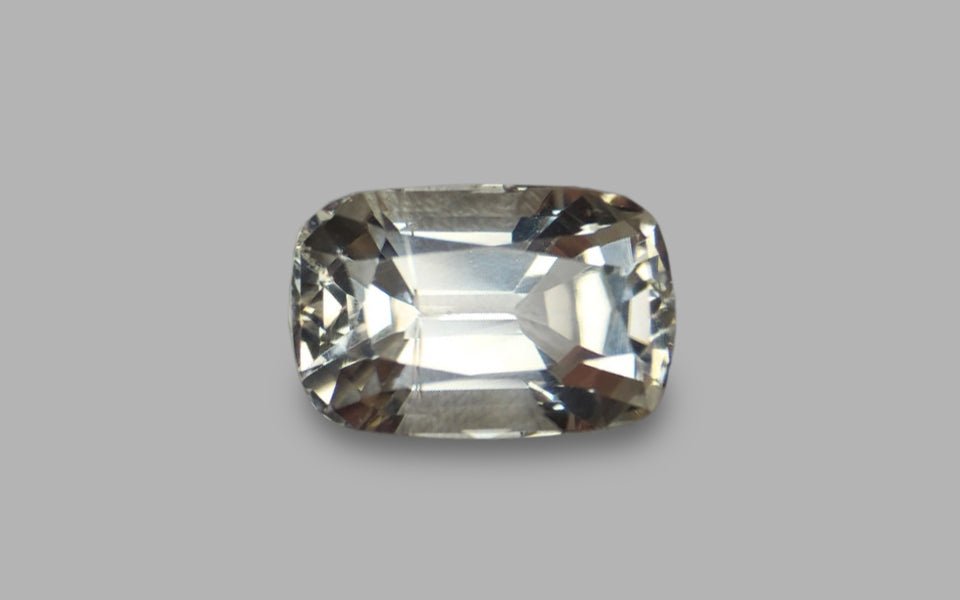
The online selection is only part of our sourcing reach.
Certain gemstones are acquired individually for clients and never appear in public collections.
Enquire about a stone you don’t see hereFrequently Asked Questions
What is spodumene?
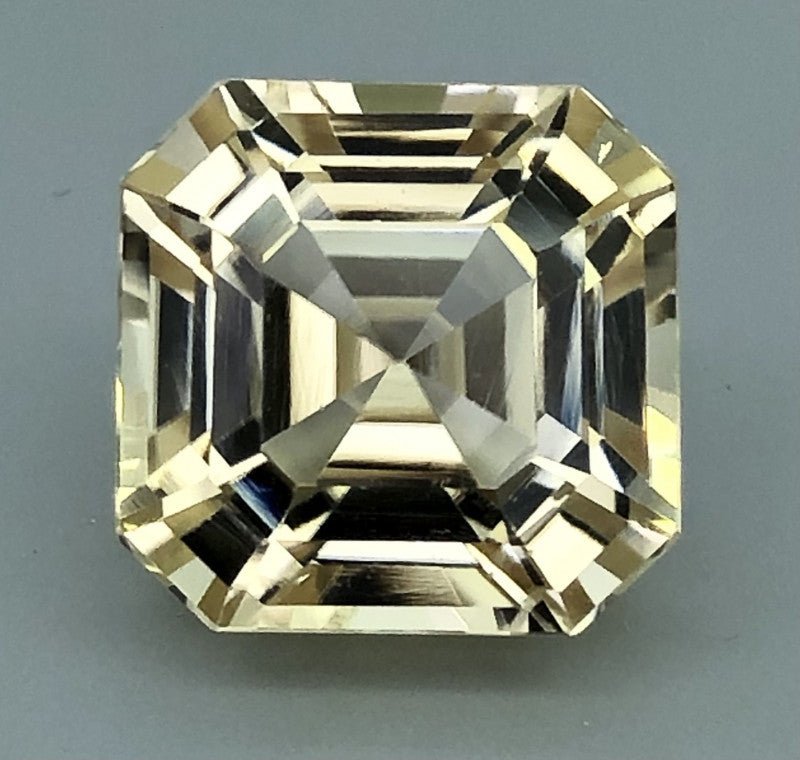
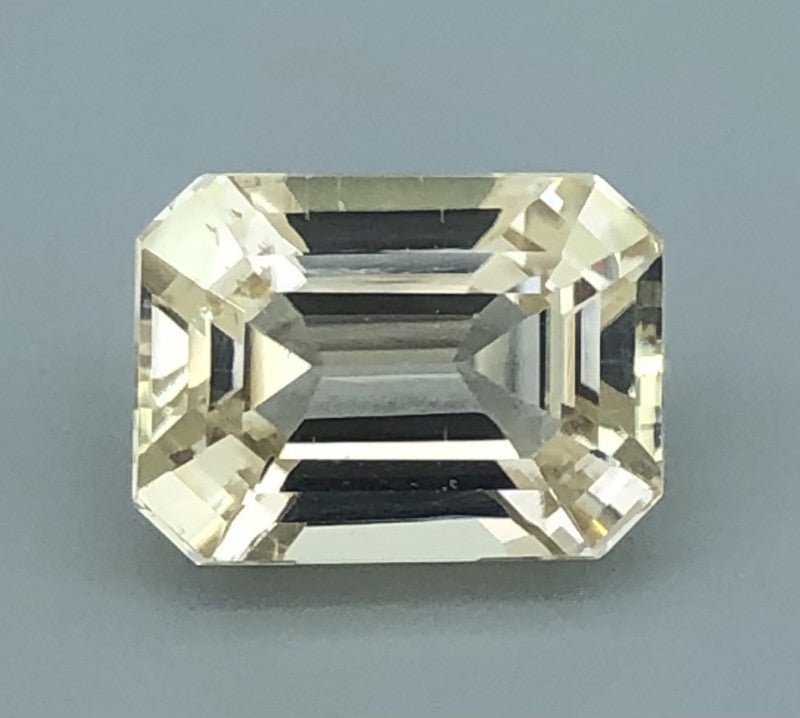
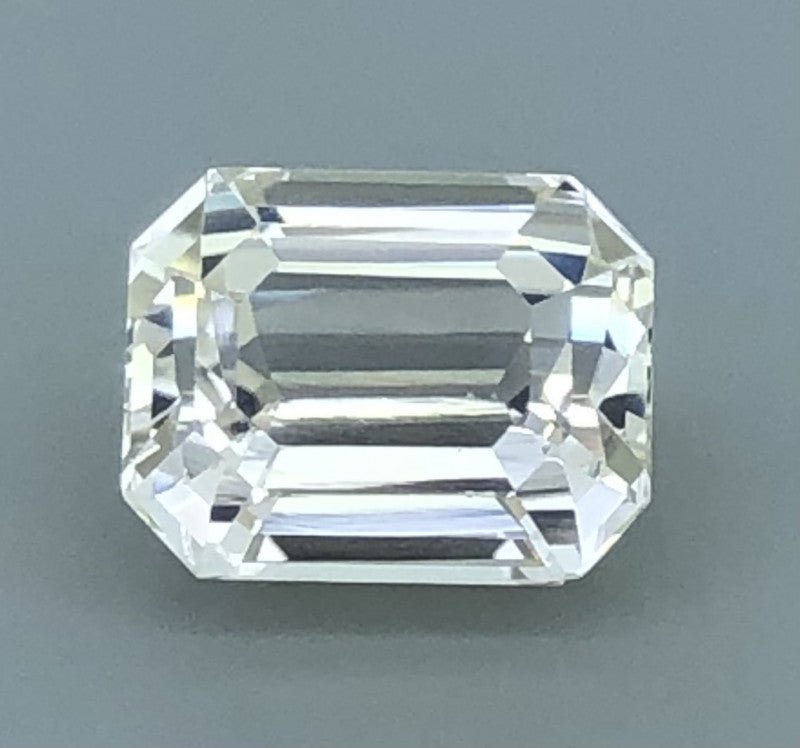
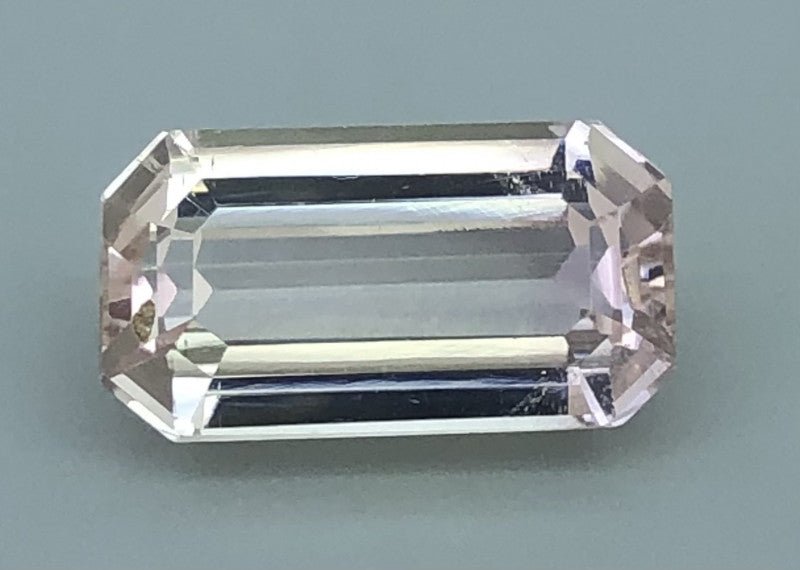
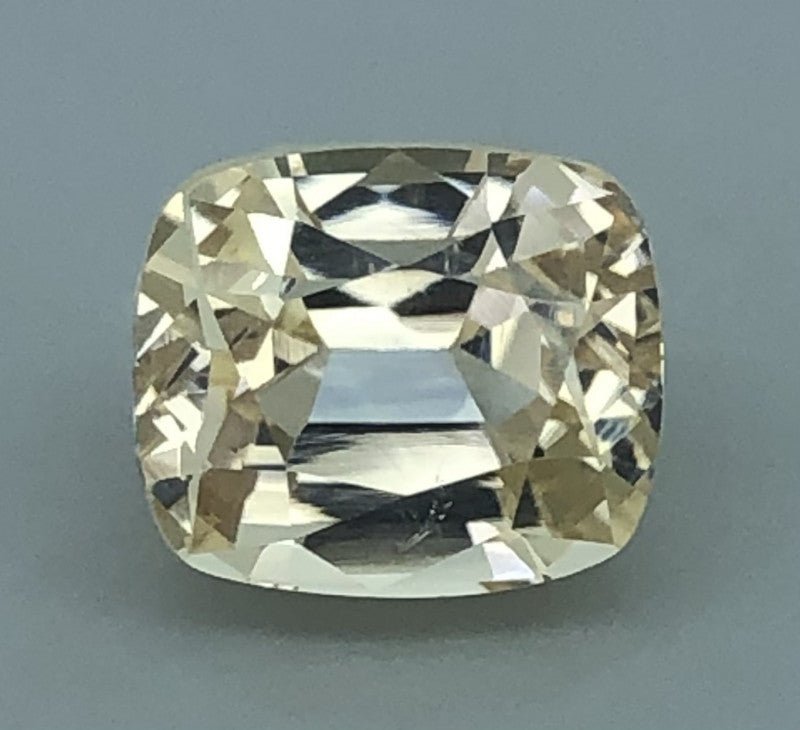
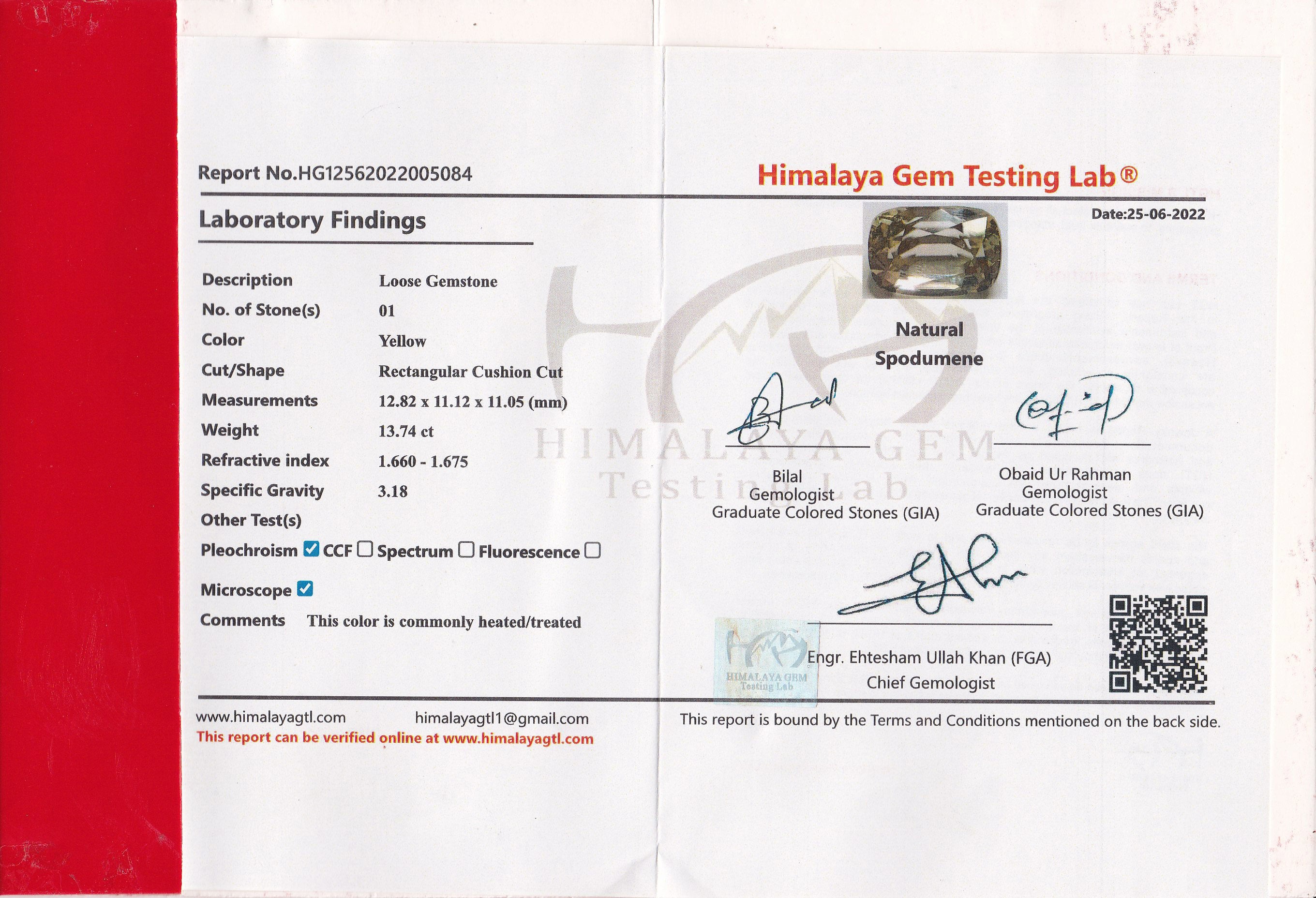
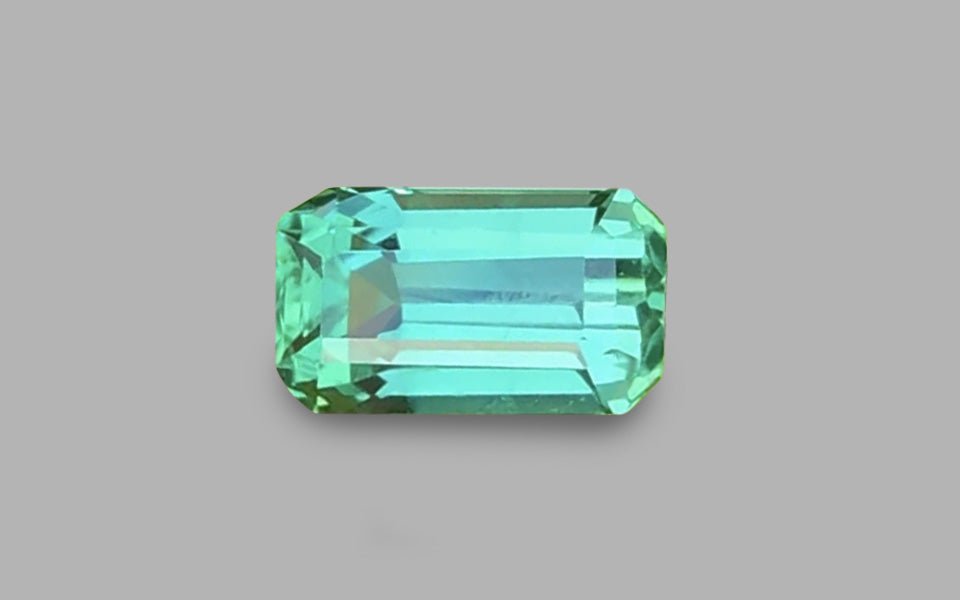
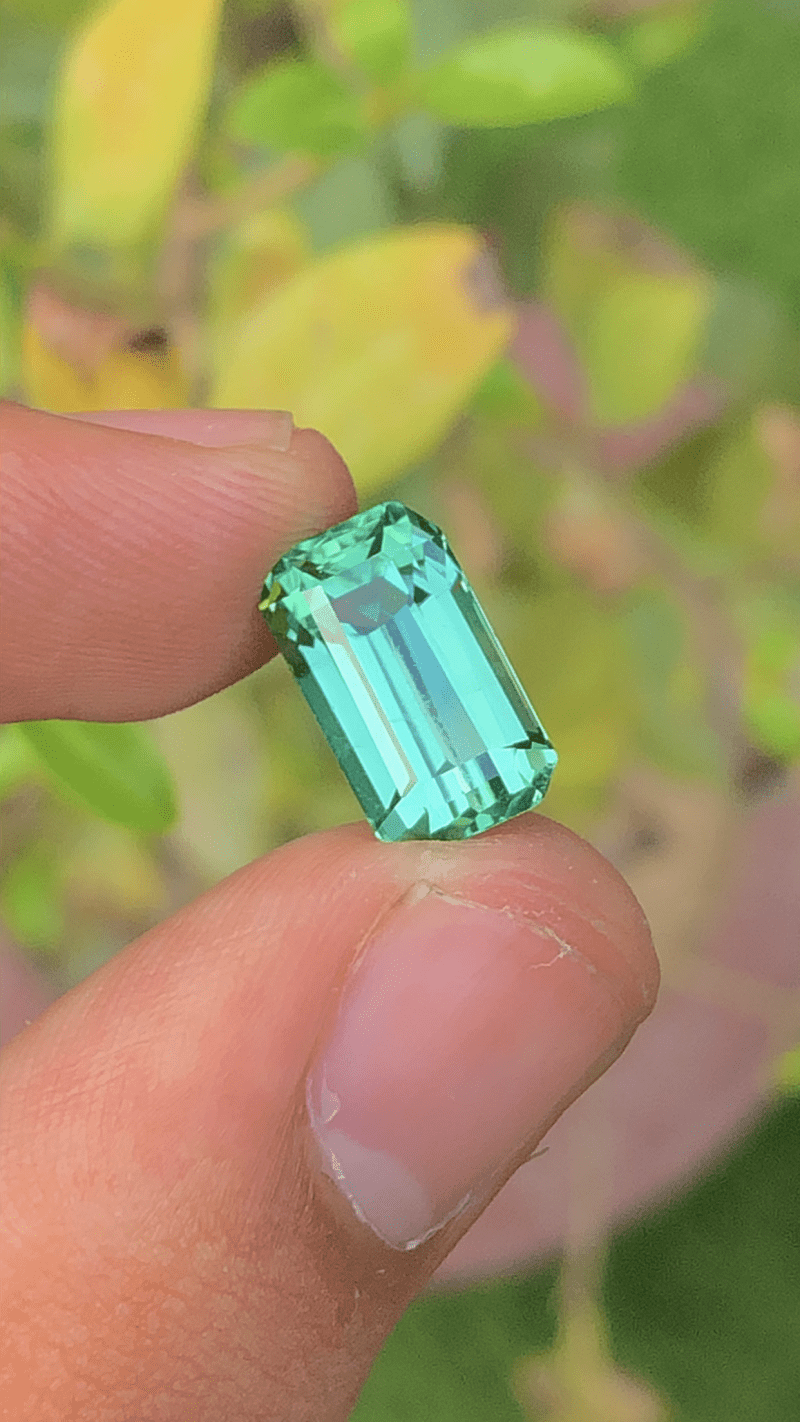
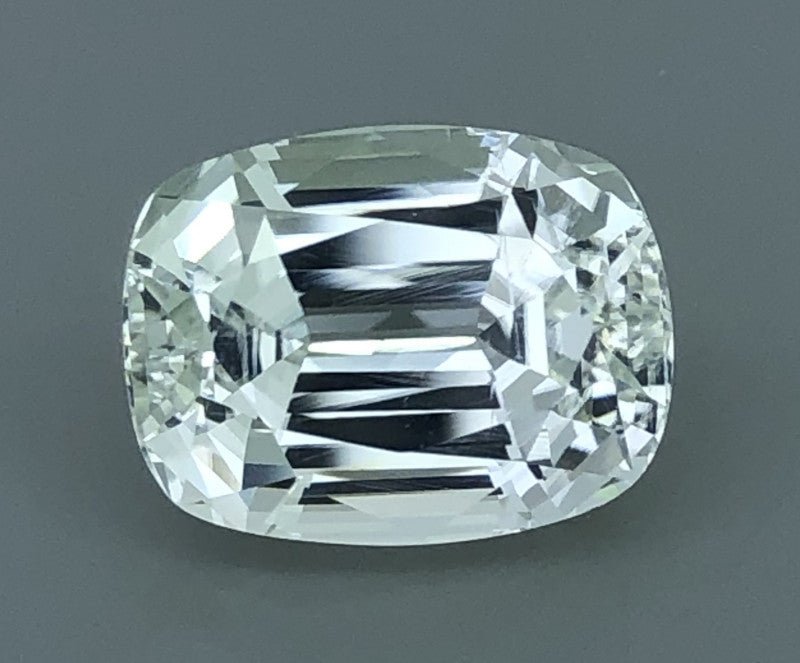
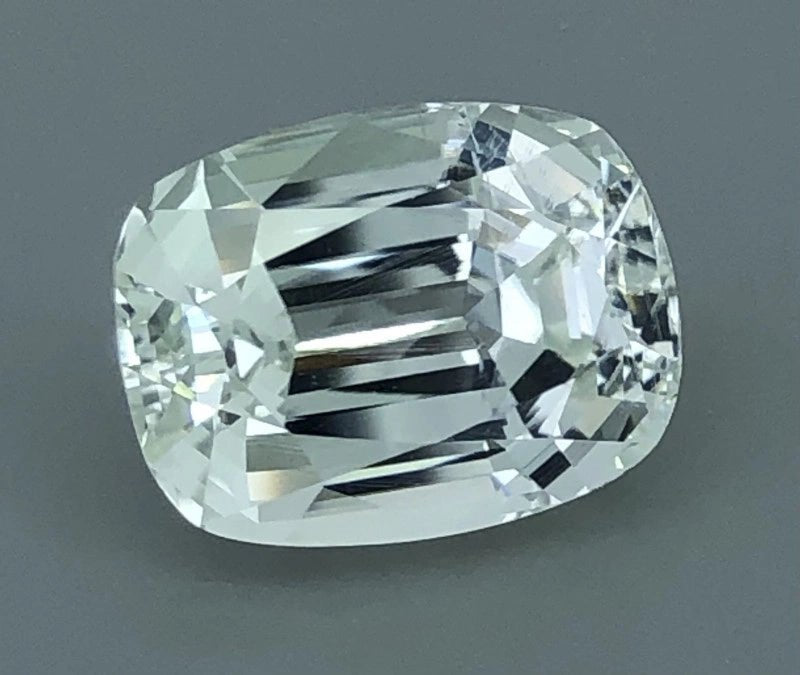
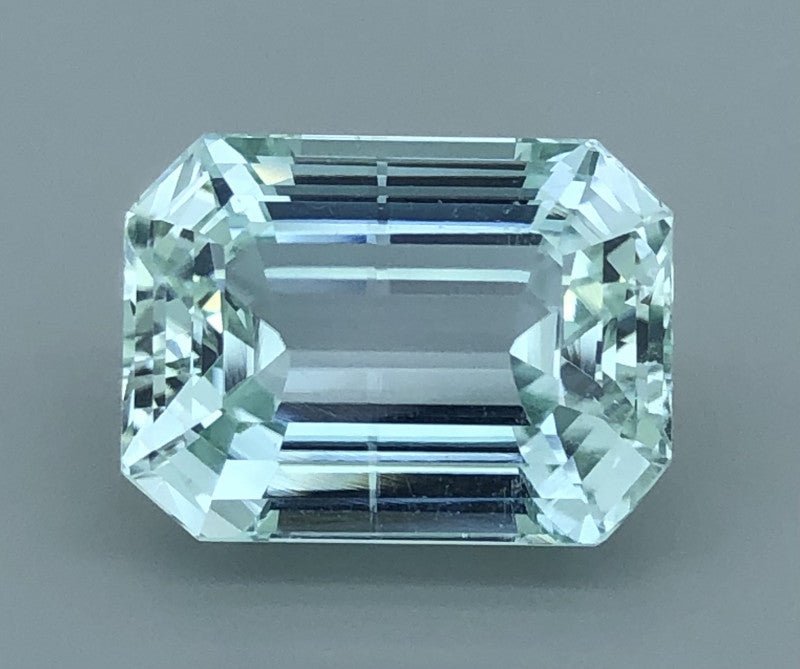
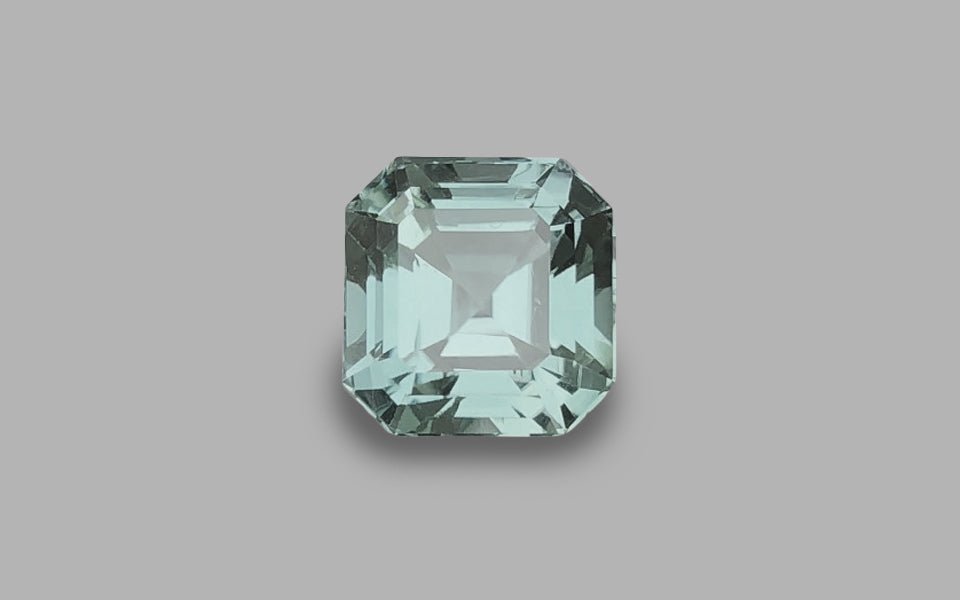
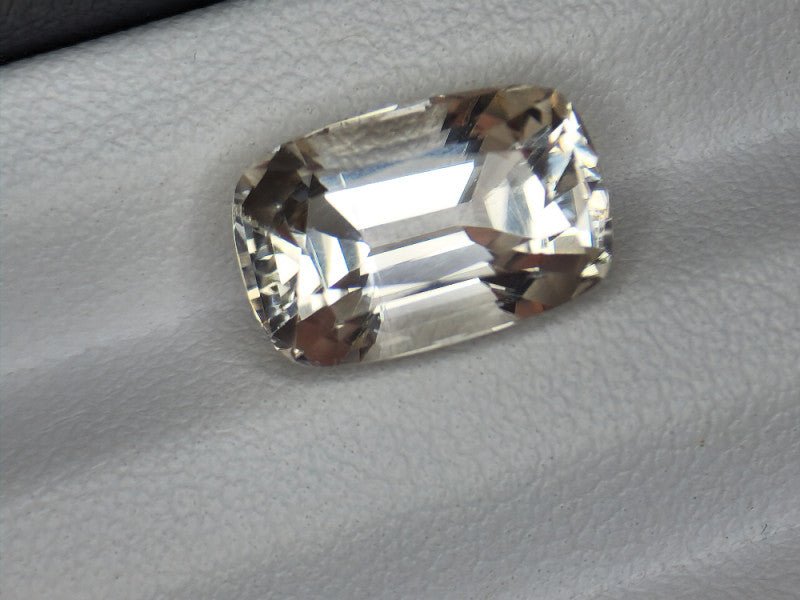
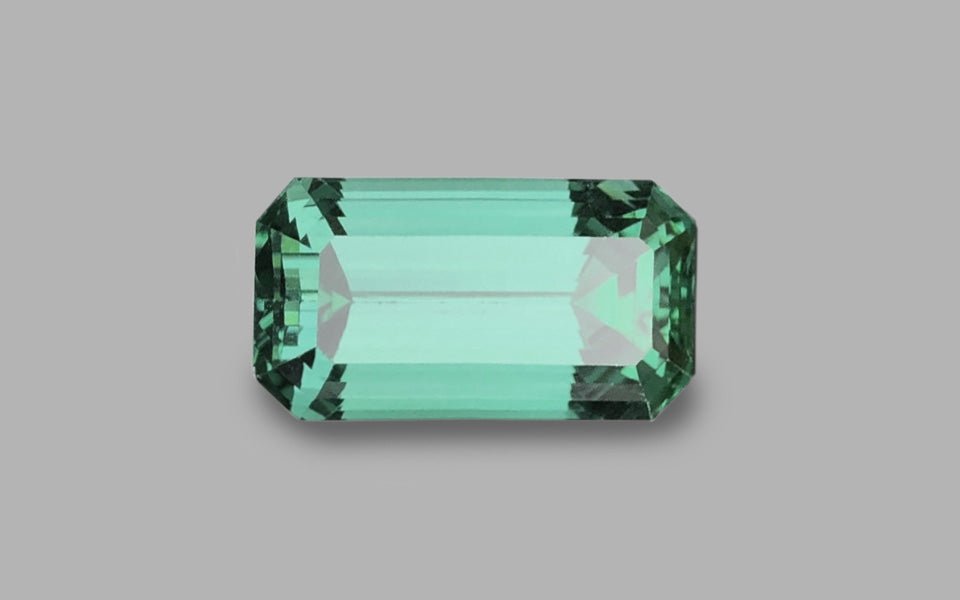
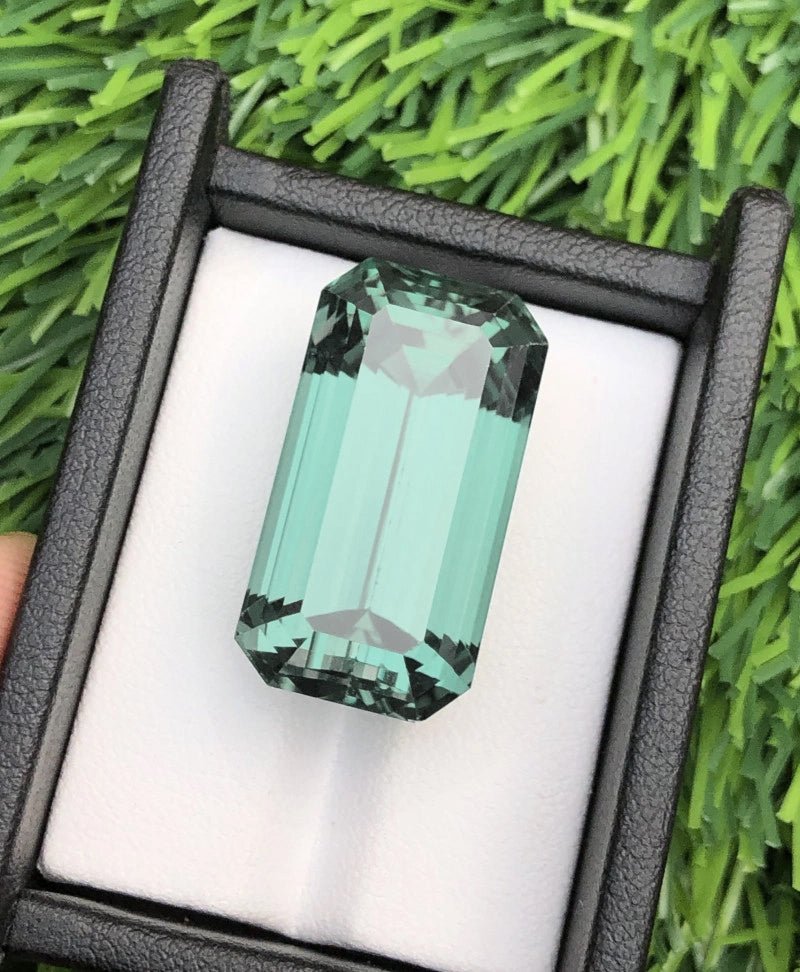
Spodumene is a lithium aluminum silicate that produces some of the largest clean gem crystals known. Its lilac-pink variety is kunzite; yellow stones are traded as triphane, and fresh green material as green spodumene.
What is the difference between spodumene and kunzite?
Kunzite is simply the lilac-pink variety of spodumene. Yellow and green stones carry the species name or the trade name triphane, and share the same optical character and care rules.
Does spodumene fade?
Spodumene colors can soften with prolonged exposure to strong sunlight, a property of the species. Treated as an evening and indoor gem, the stones keep their character for generations, and we say this before purchase, not after.
Is spodumene treated?
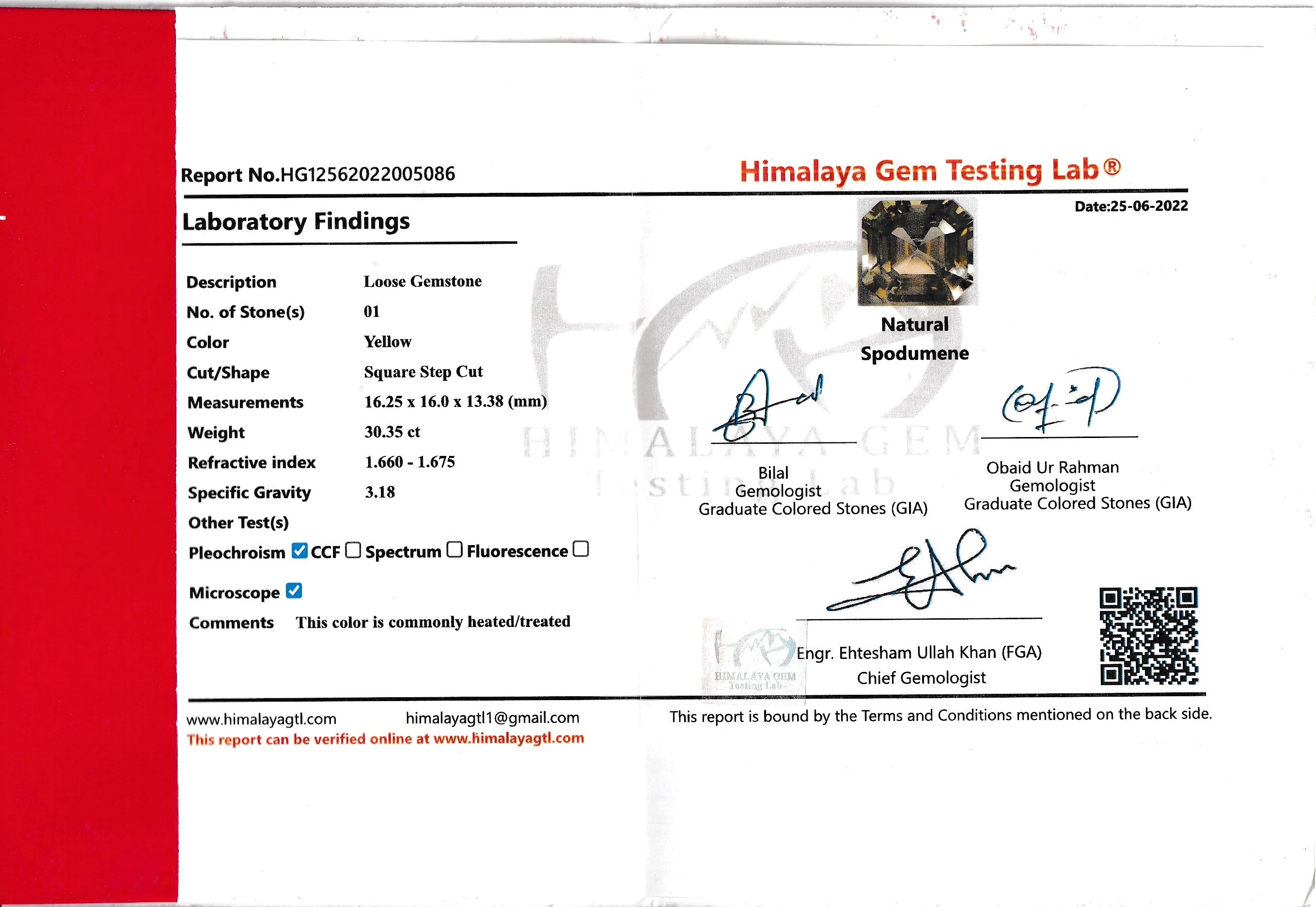
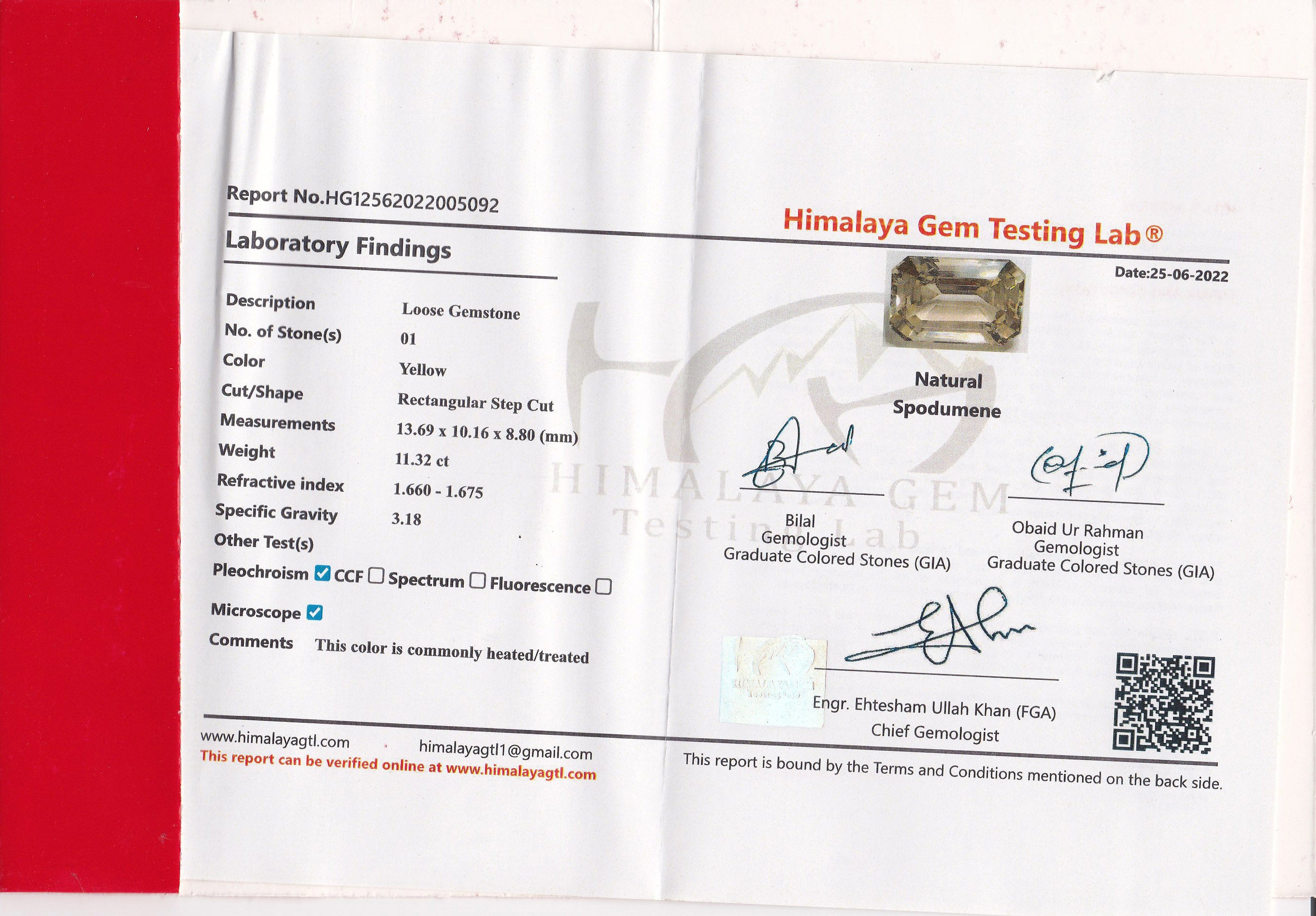
Some spodumene on the wider market is irradiated or heated to deepen color. We state the treatment status individually on every listing.
How is spodumene quality evaluated?
Definite color carries the value, and it depends on the cutter orienting the strongly pleochroic crystal correctly. Clean material is the baseline, and stones combining size, clarity, and real color are the collector's target.
Is spodumene durable enough for daily wear?
It measures 6.5 to 7 on the Mohs scale but carries perfect cleavage, so it belongs in pendants, earrings, and occasional-wear rings with protective settings rather than daily rings.
How should I care for spodumene?
Lukewarm water, mild soap, and a soft cloth only. No ultrasonic or steam cleaners, no display in direct sunlight, and storage away from harder stones.
What documentation comes with a stone?
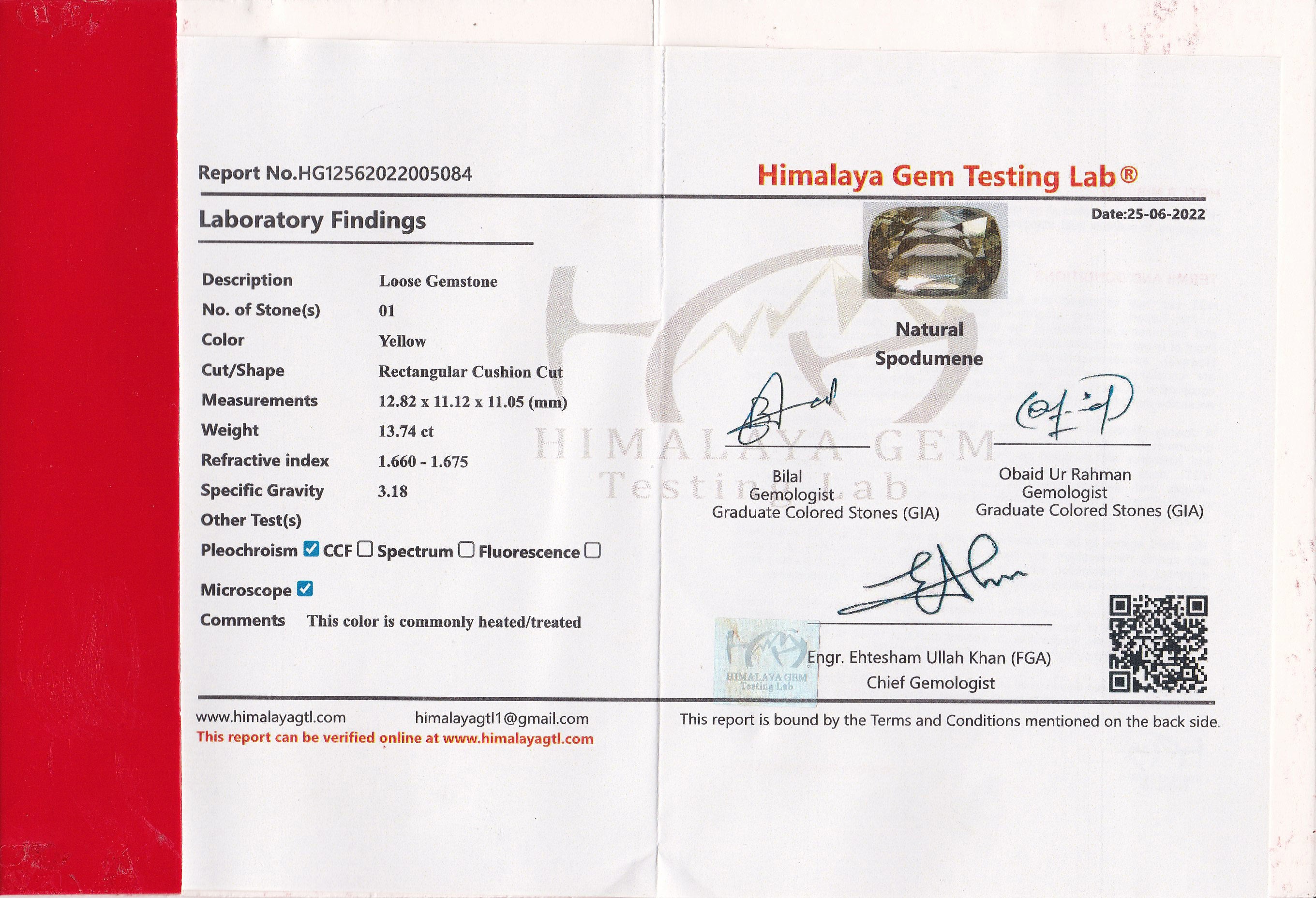
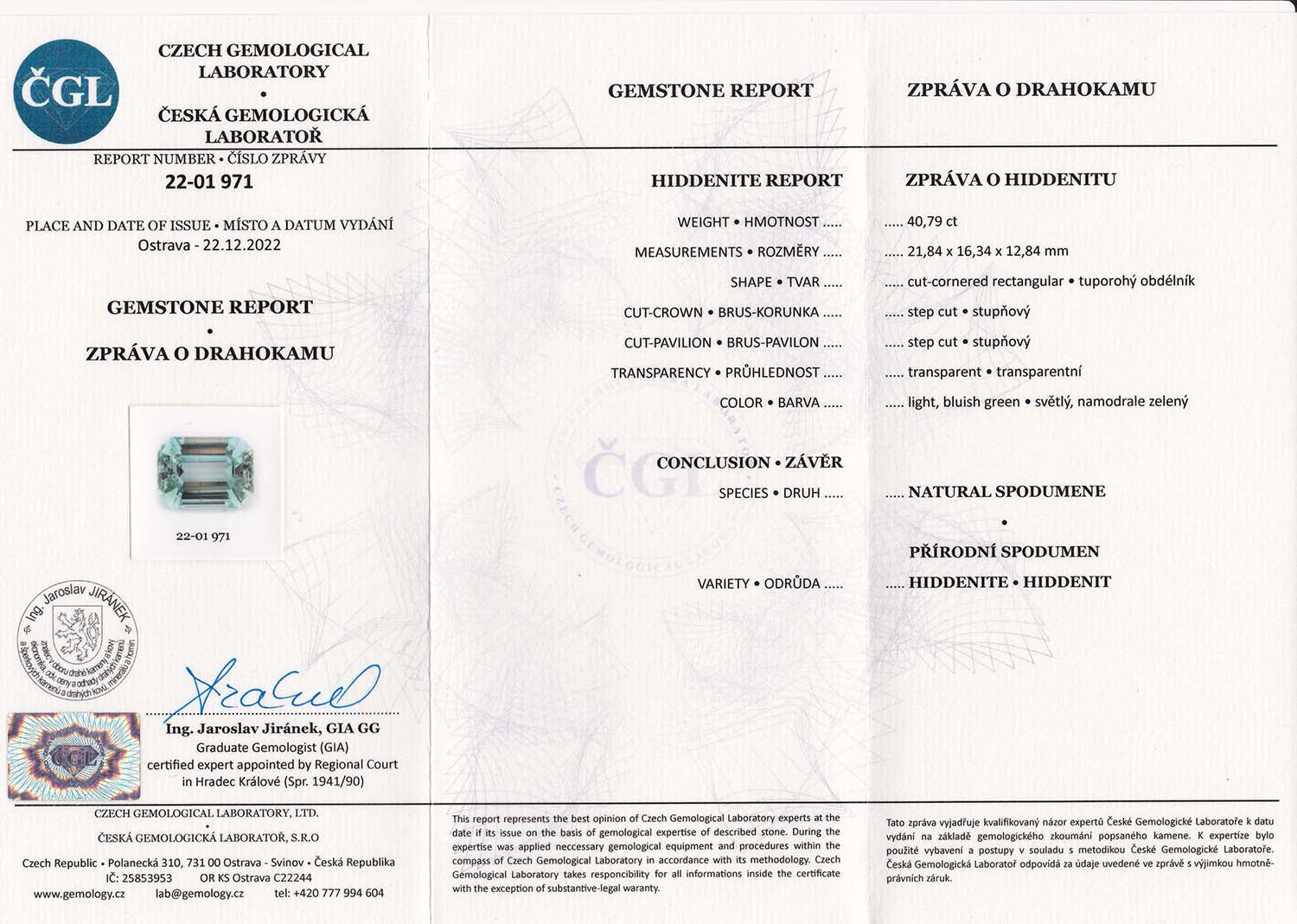
Every spodumene ships with the Sosna Gems Colored Stone Report, our internal documentation. Independent laboratory certification can be arranged on request for any stone.
Can you source a spodumene beyond the visible selection?
Yes. The online collection is only part of our sourcing reach. Contact us with your preferred color and size and we will search individually.