


Tanzanite


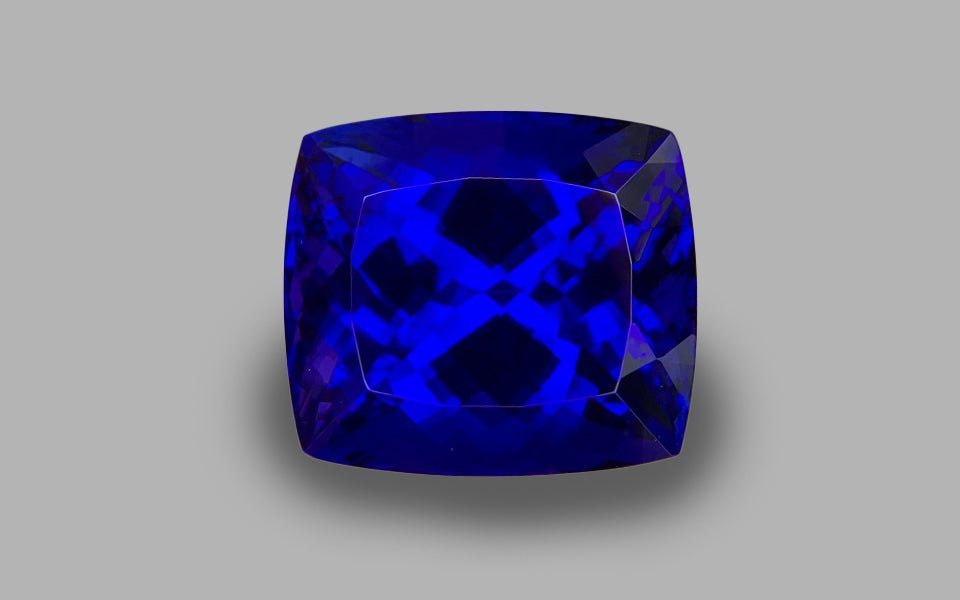
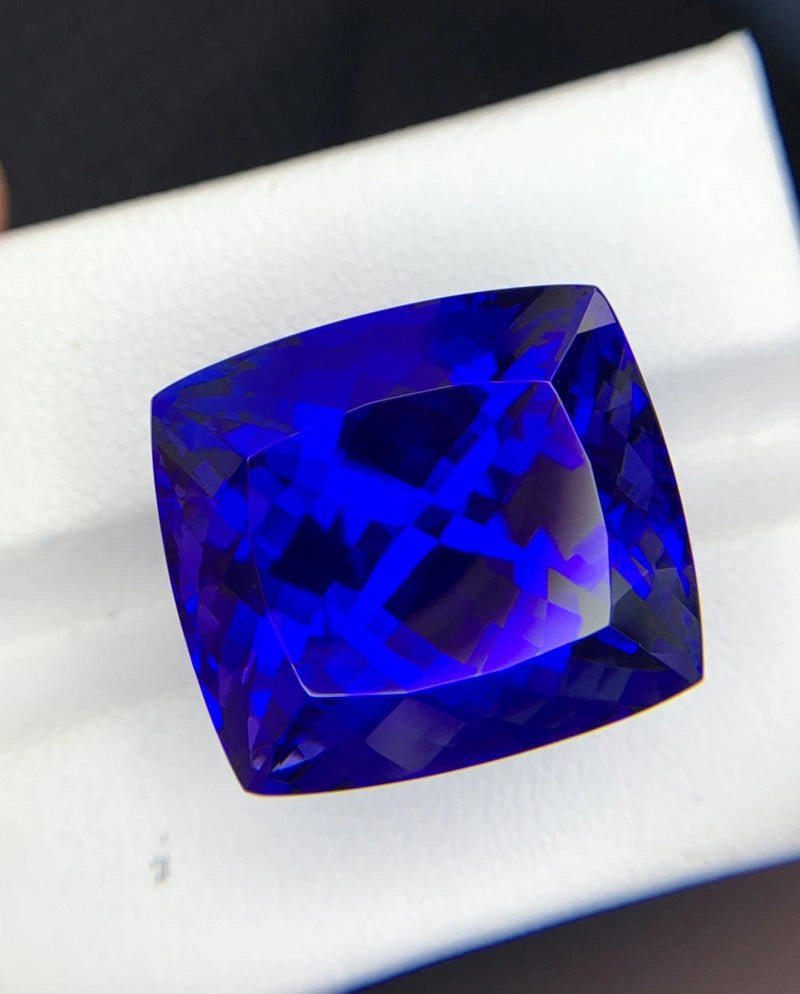
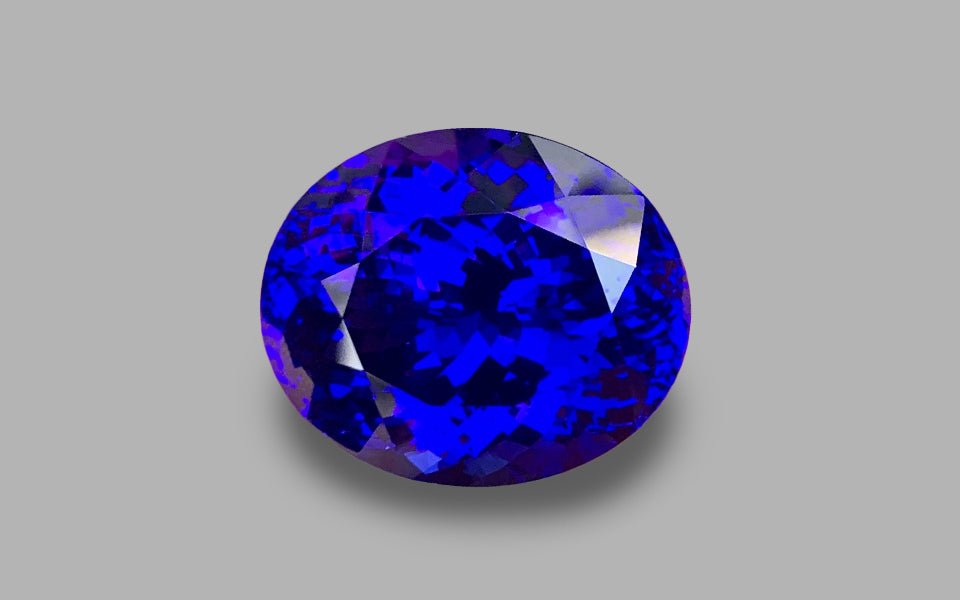
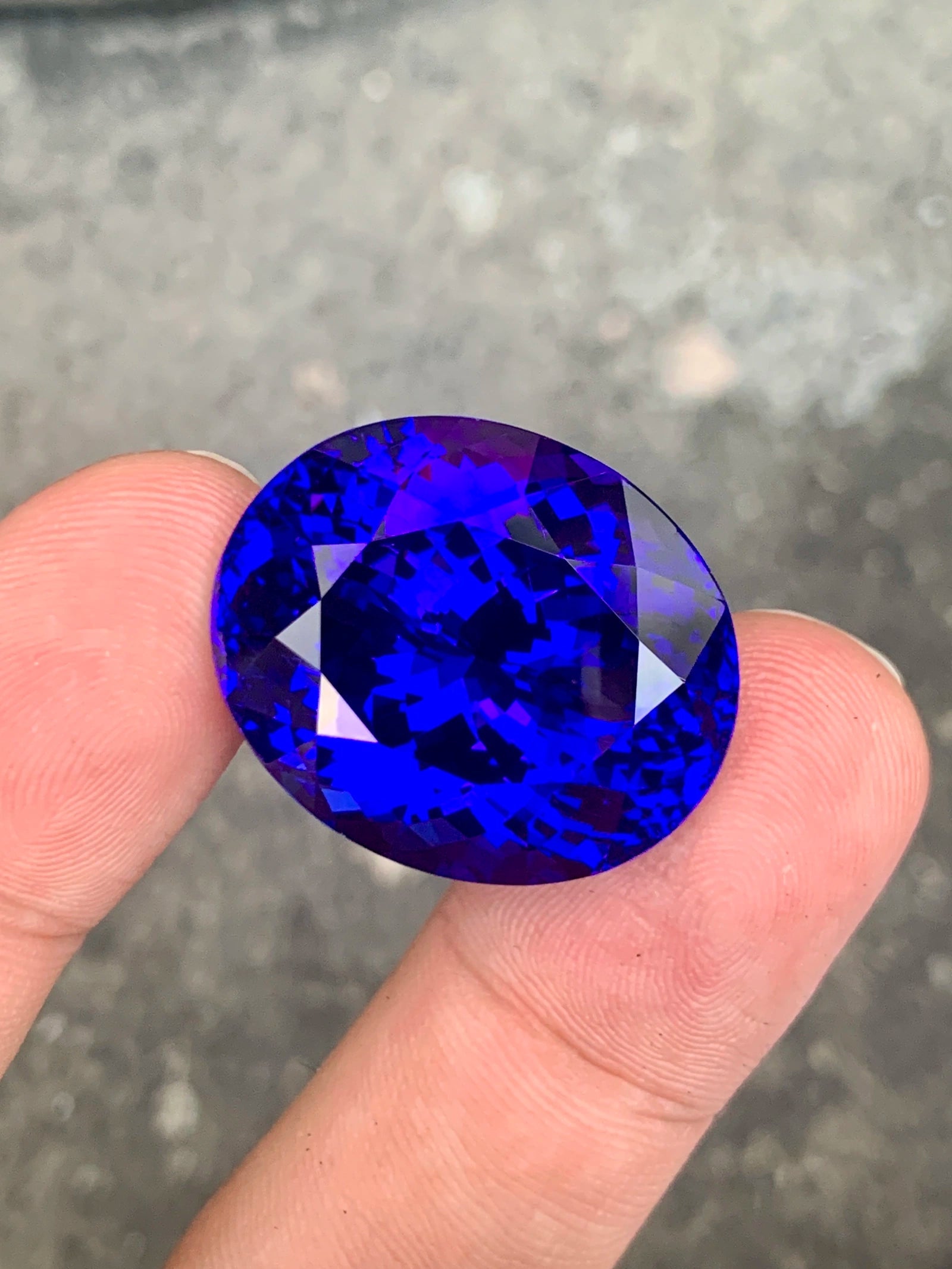
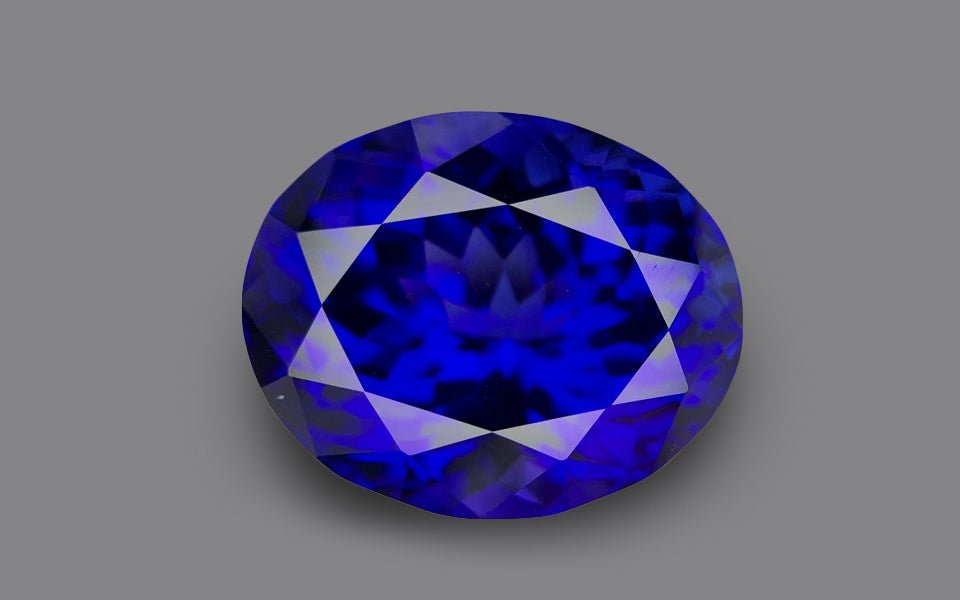
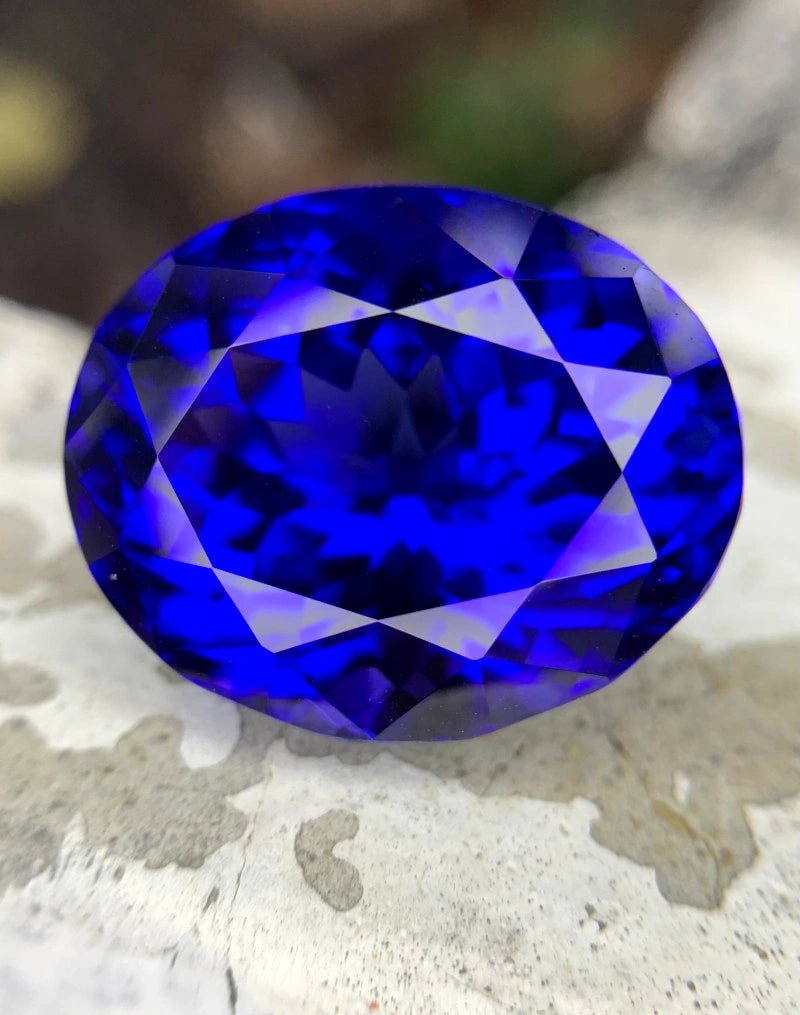
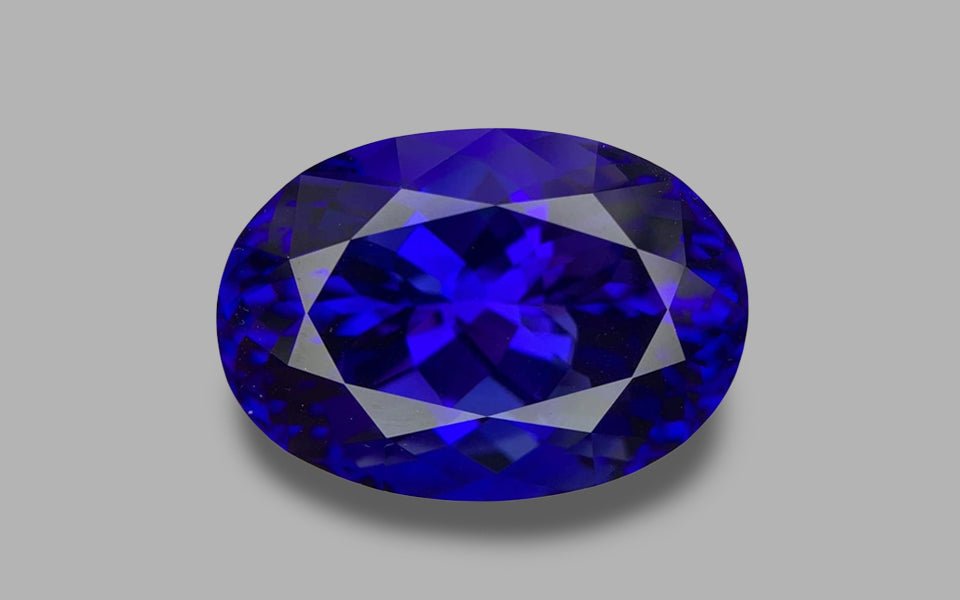
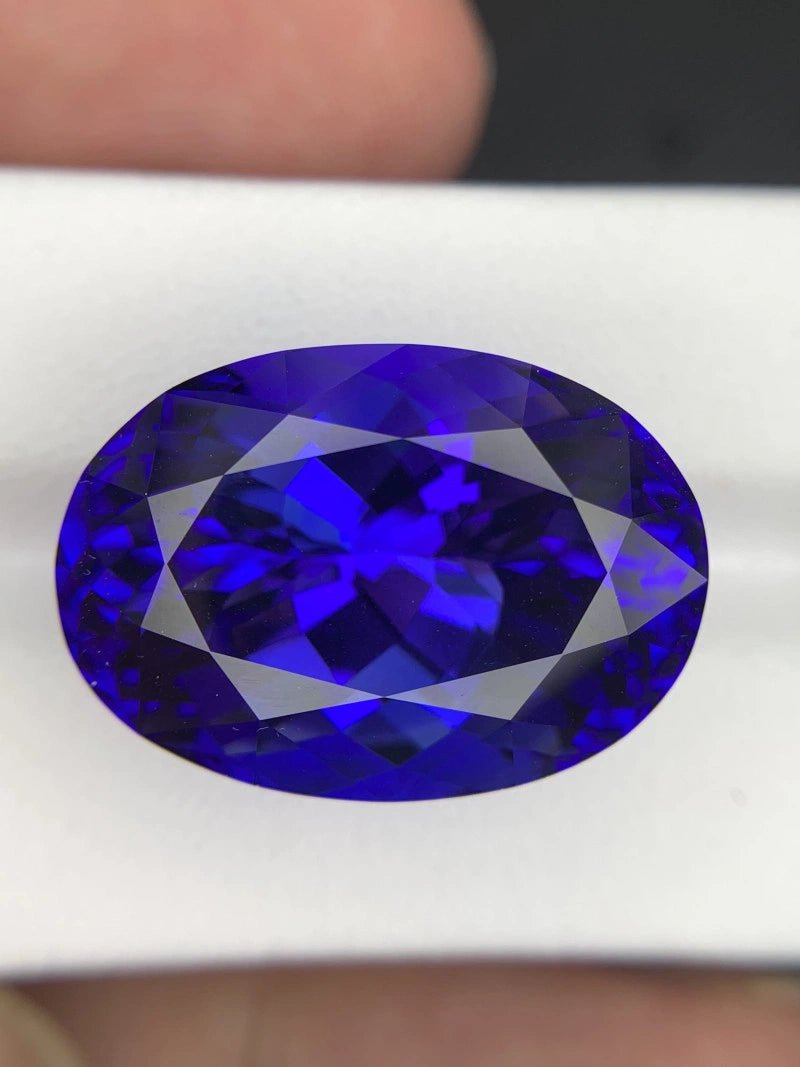
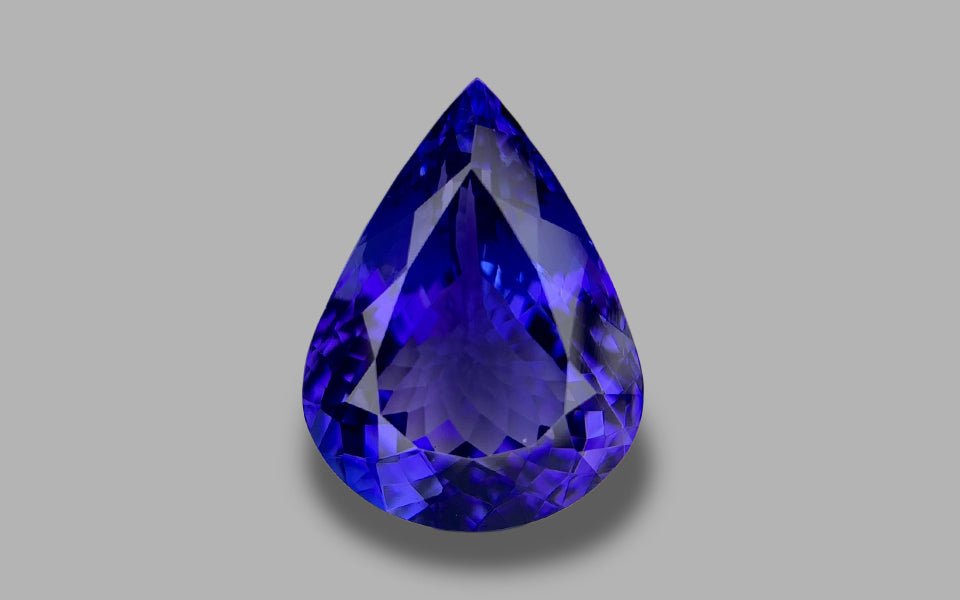
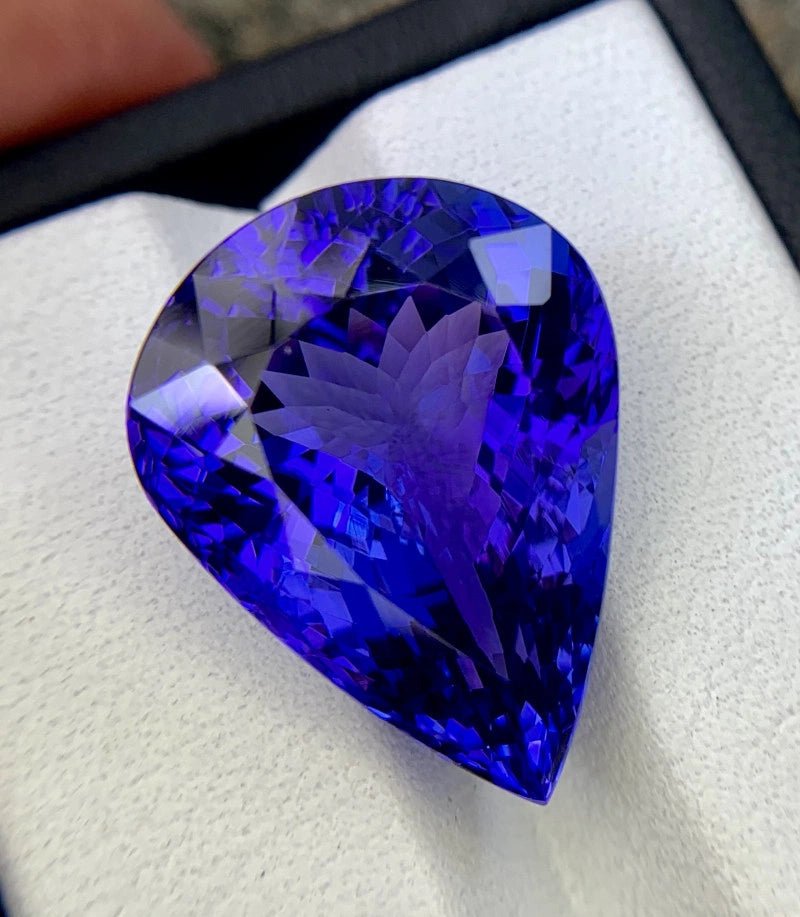
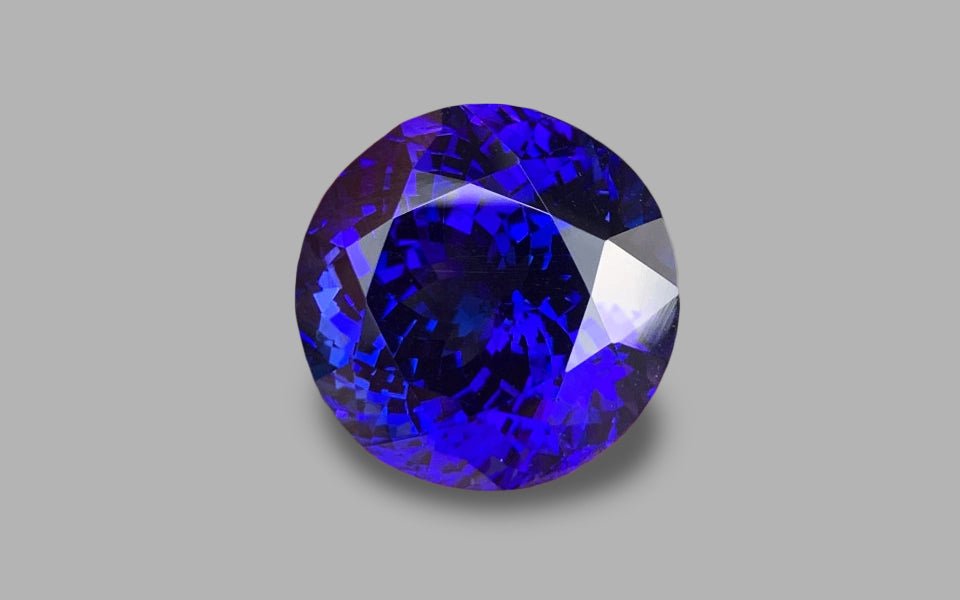
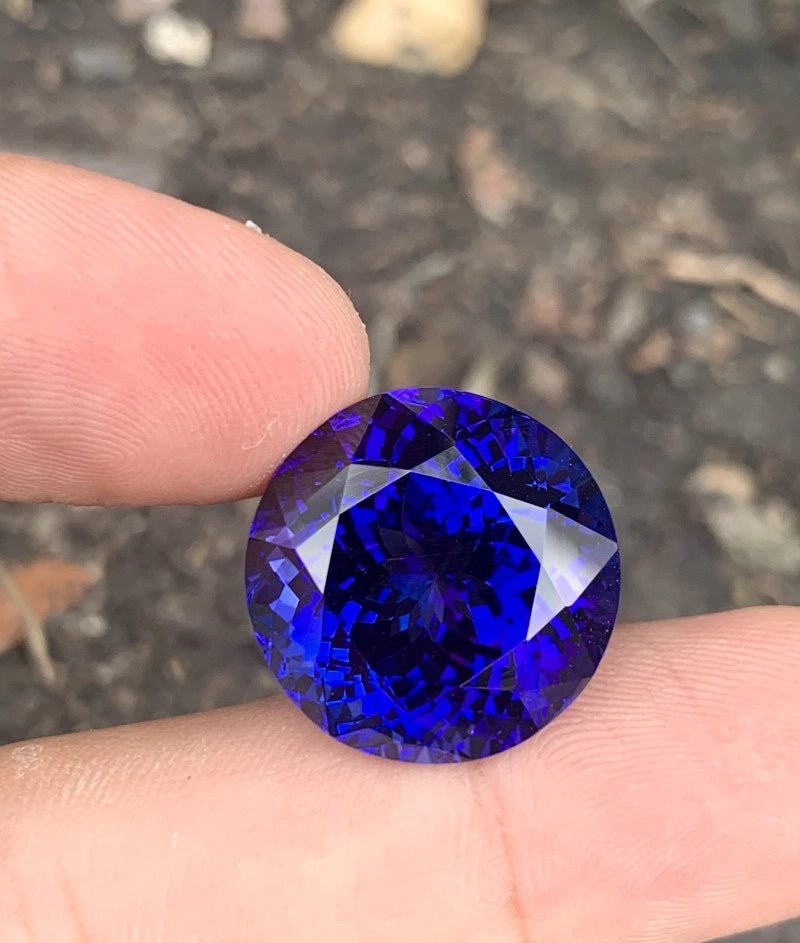


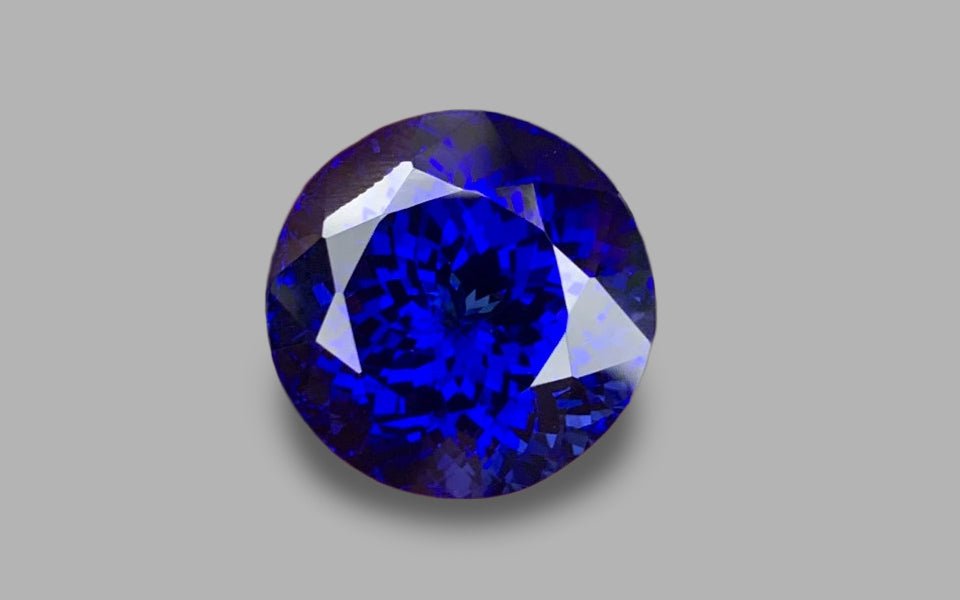
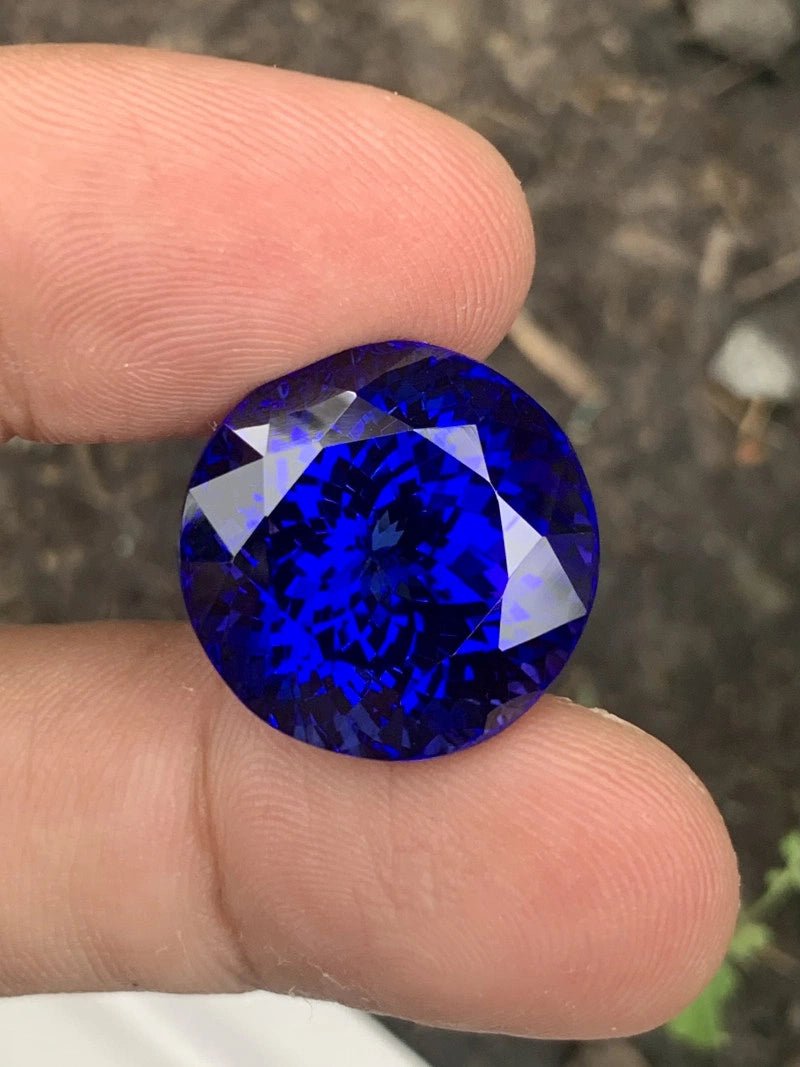
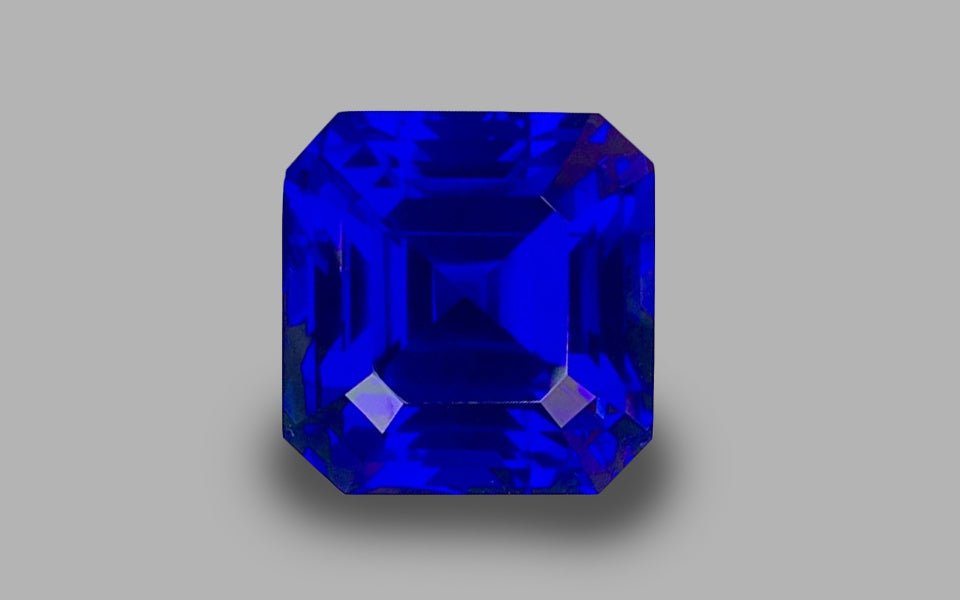
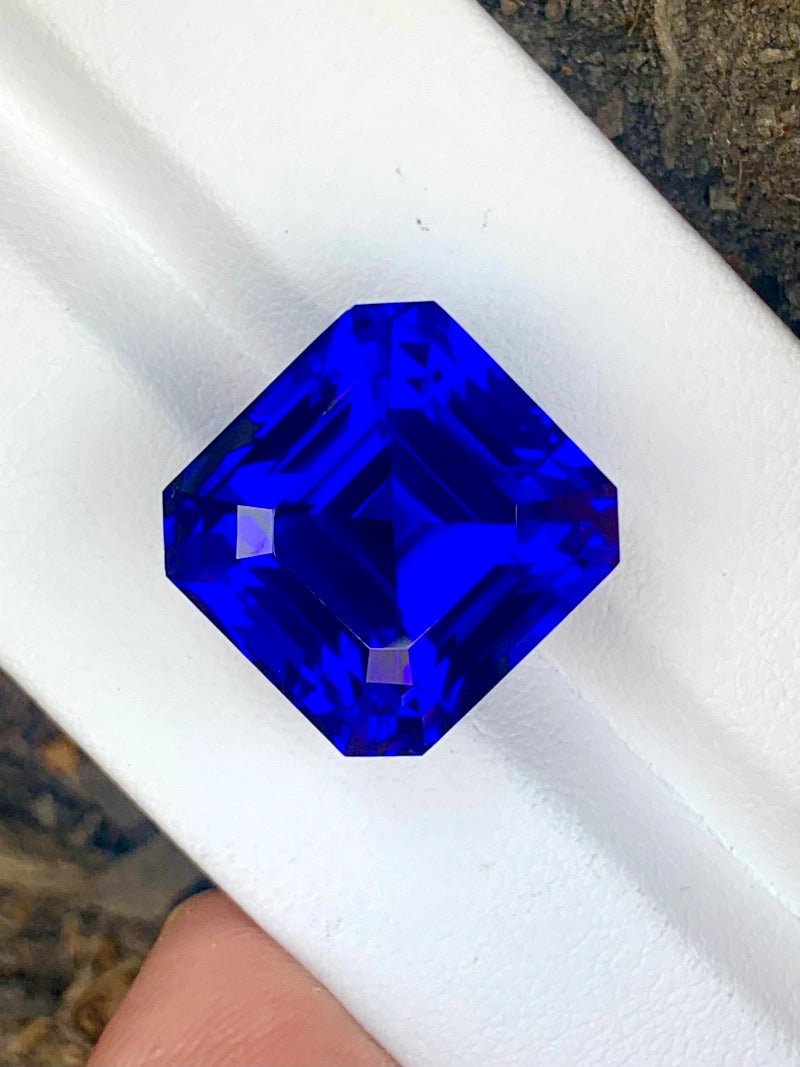
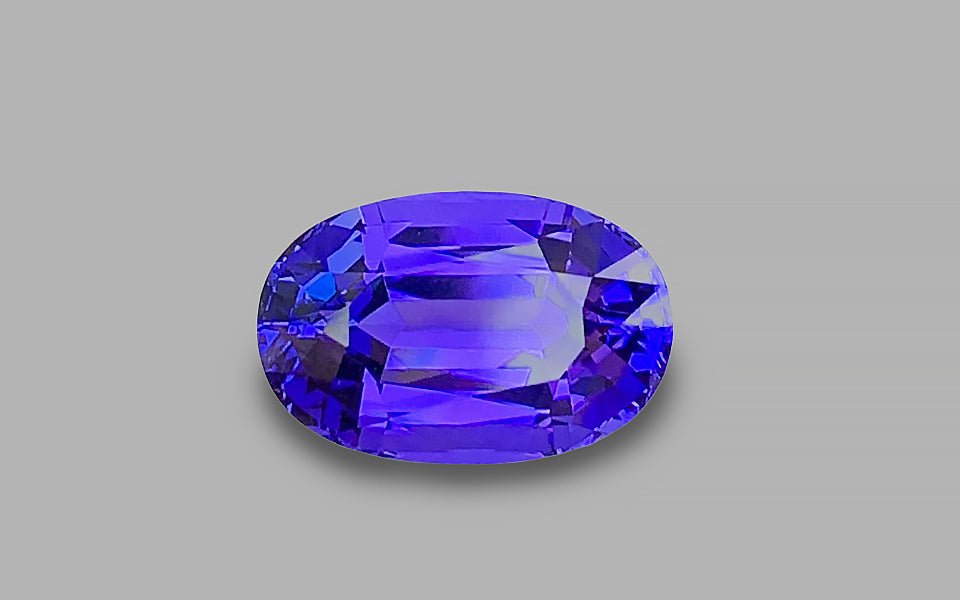

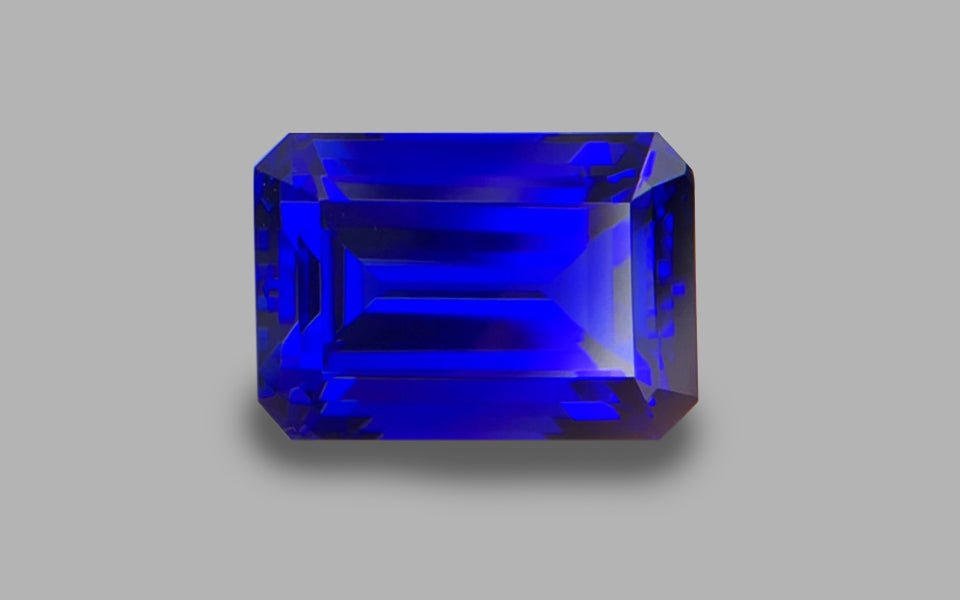
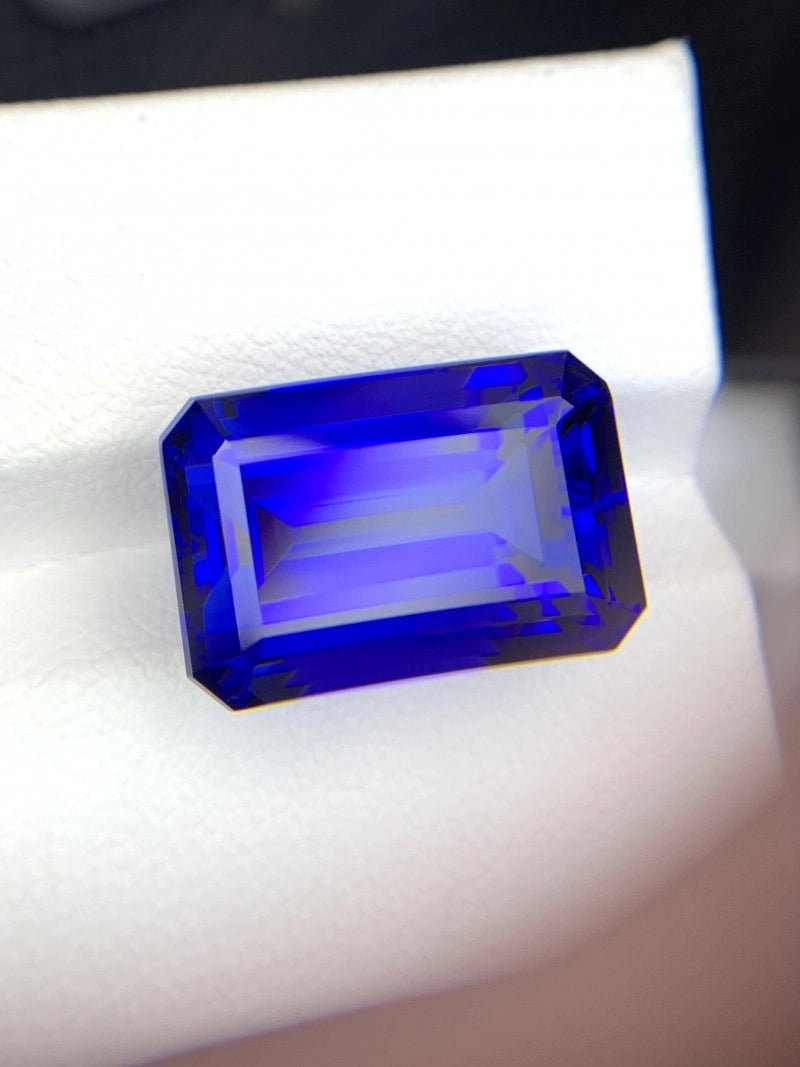
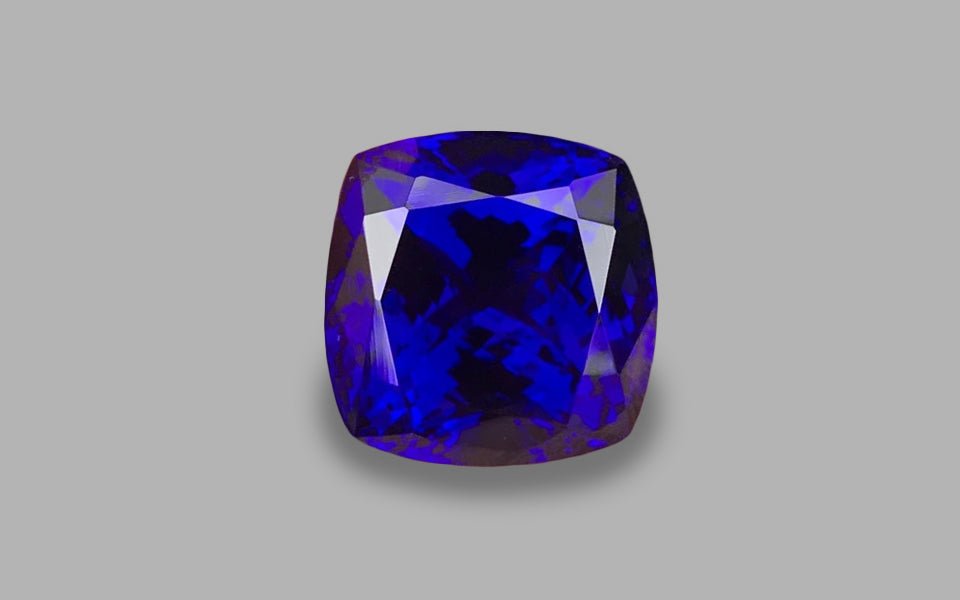
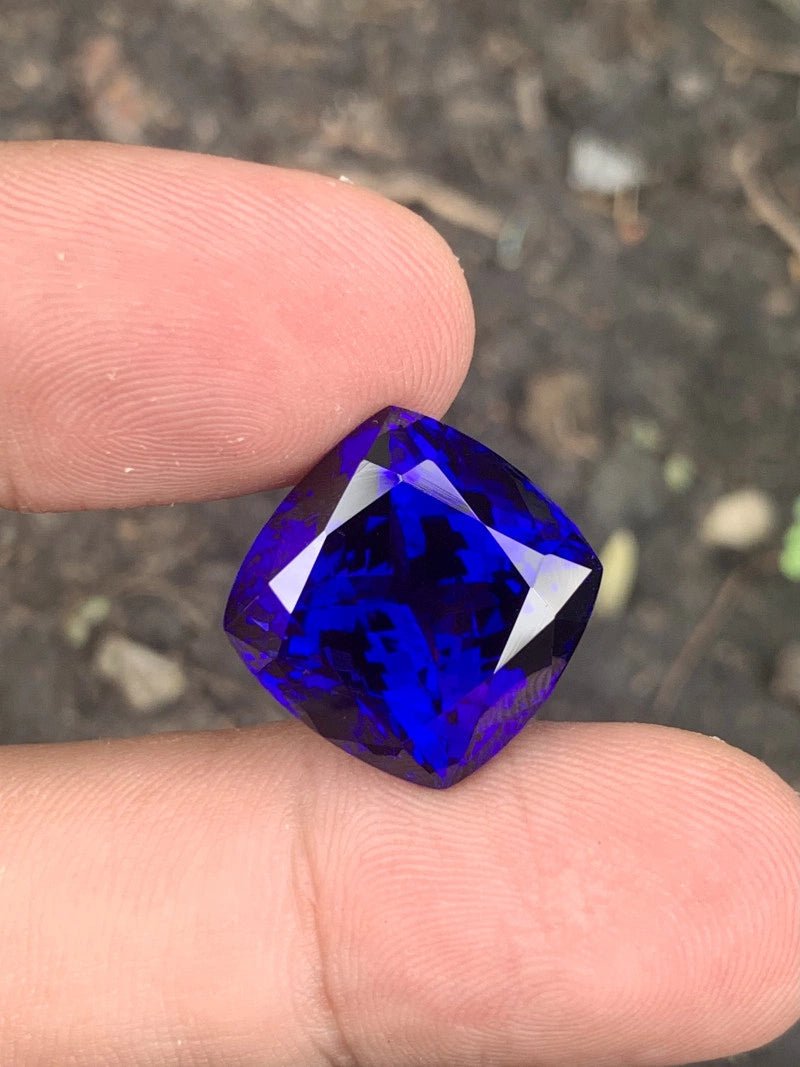
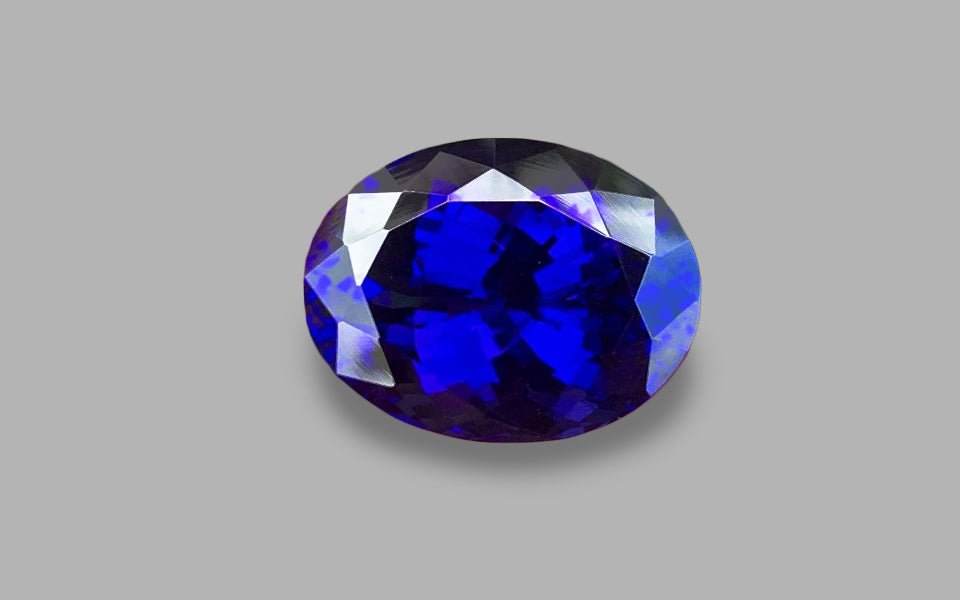
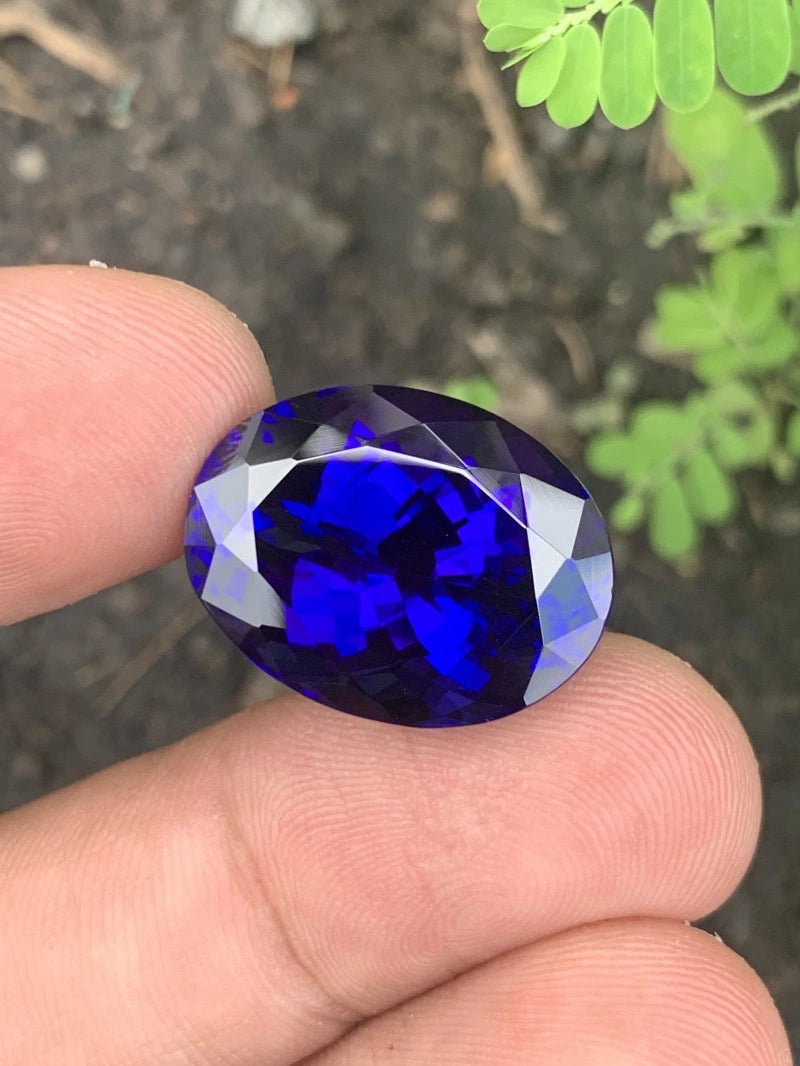
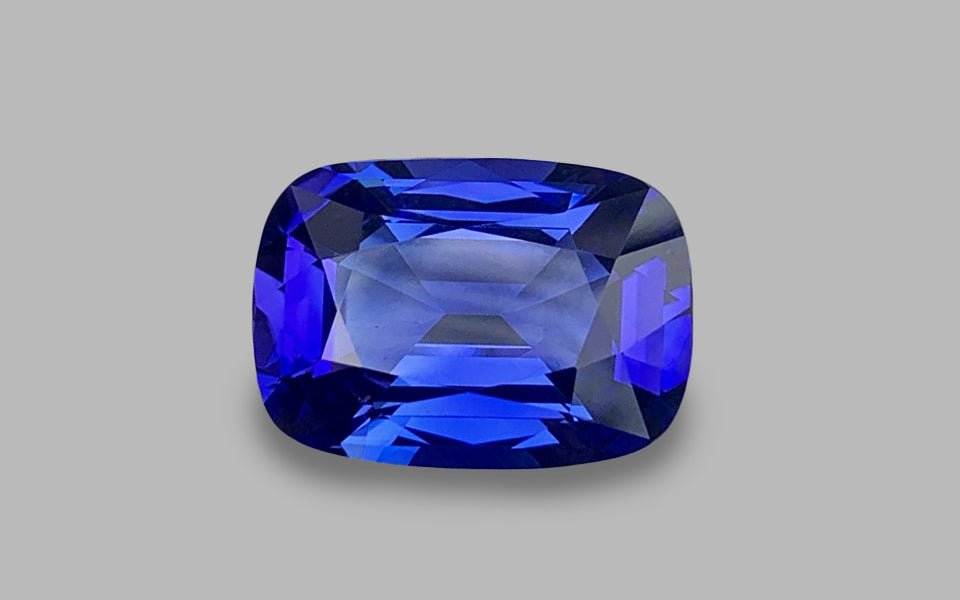
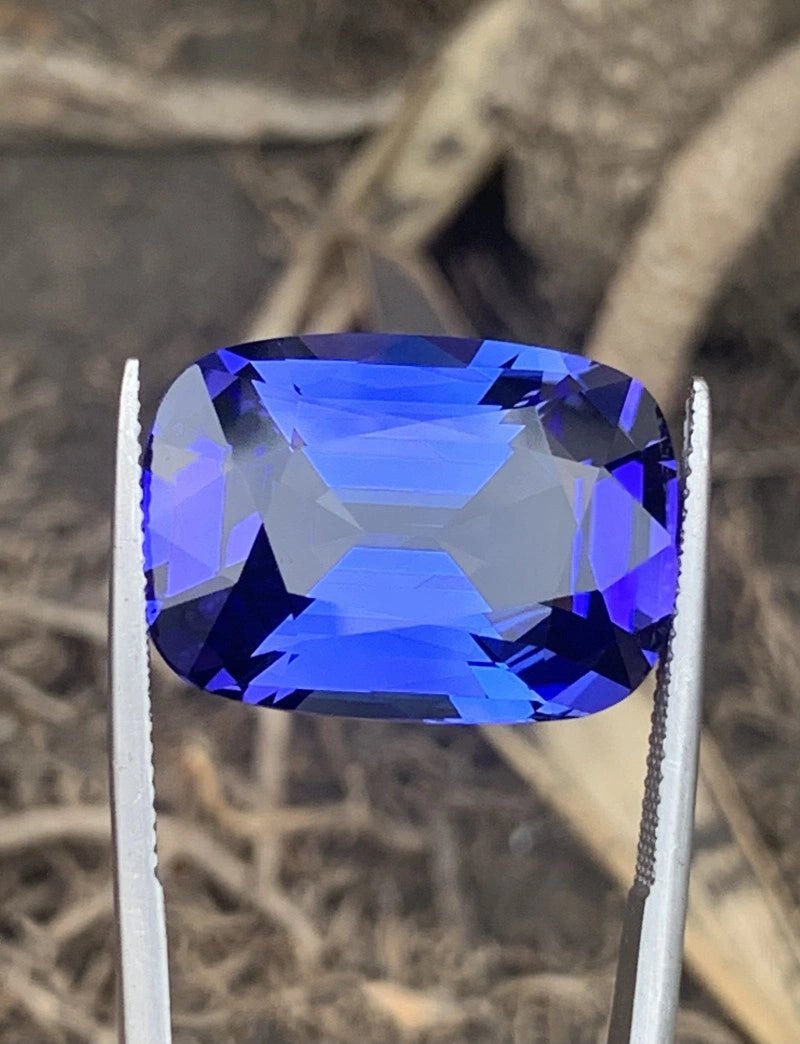
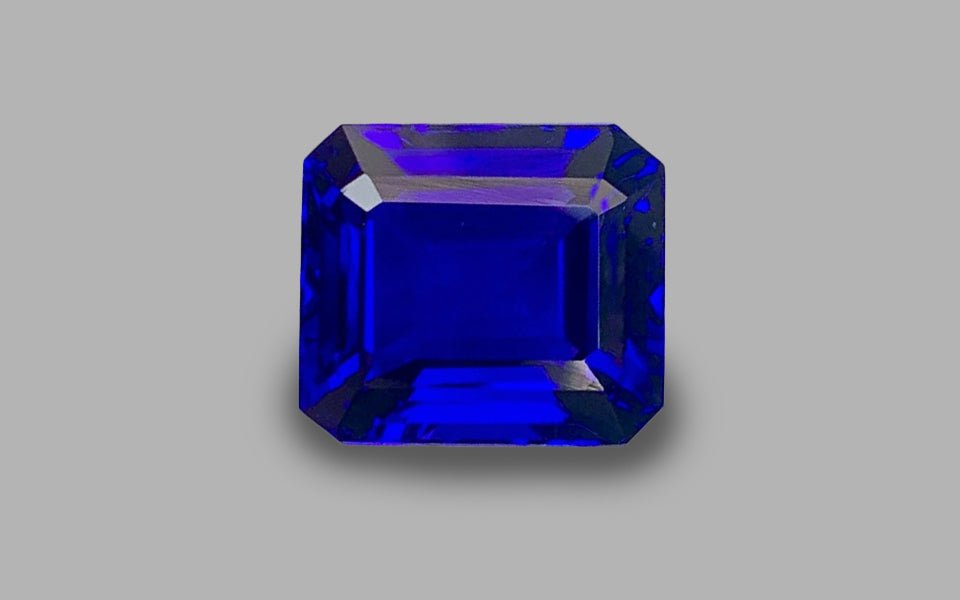
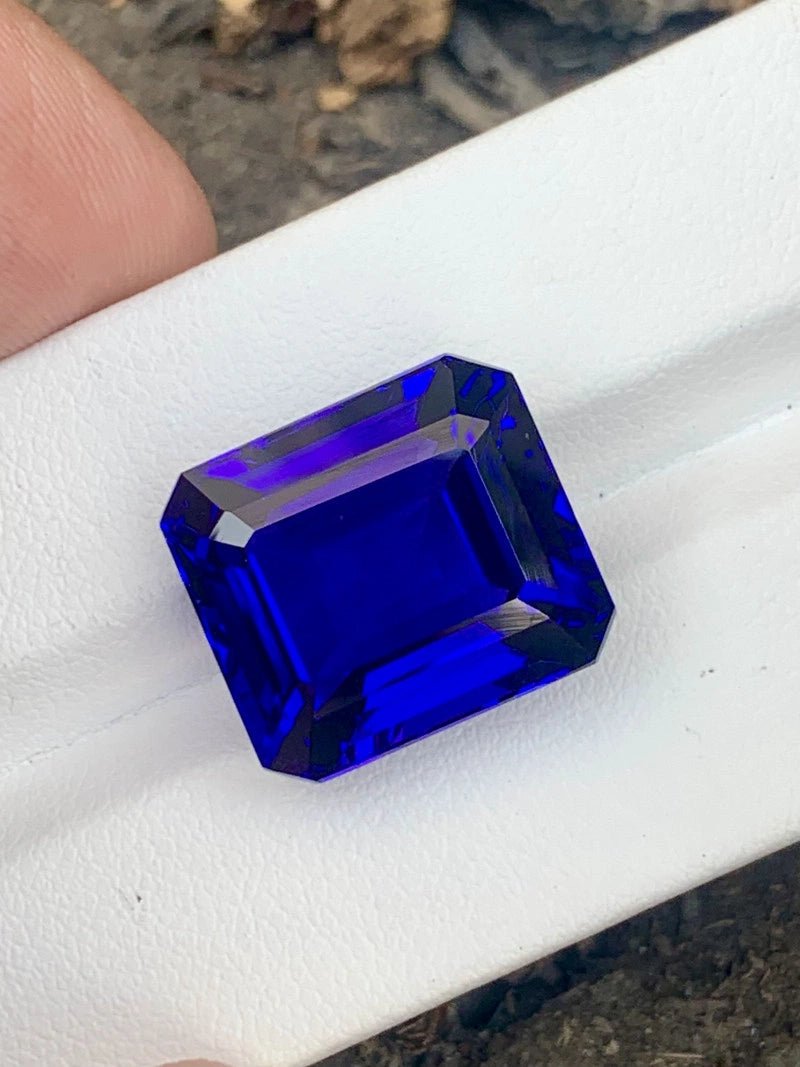
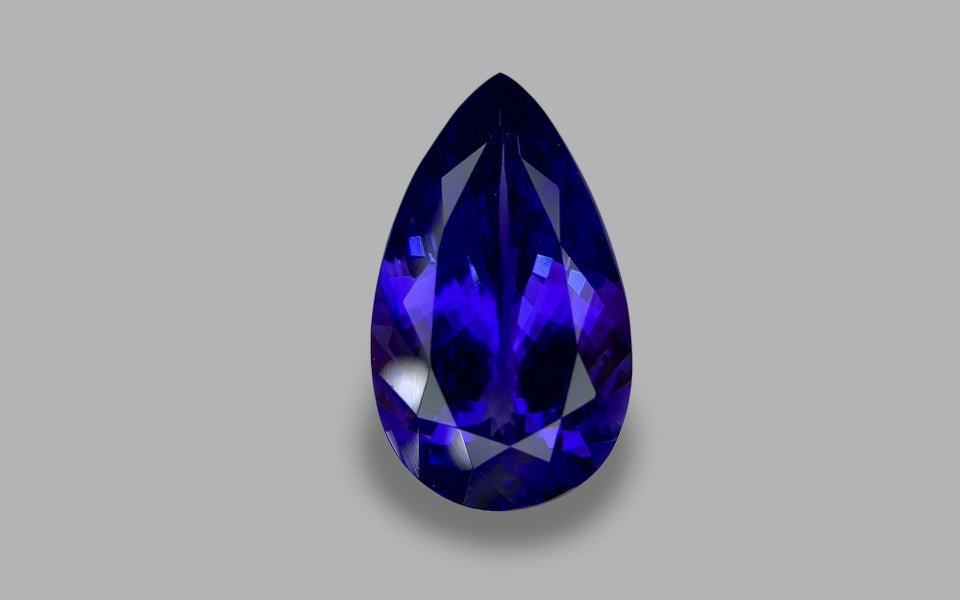
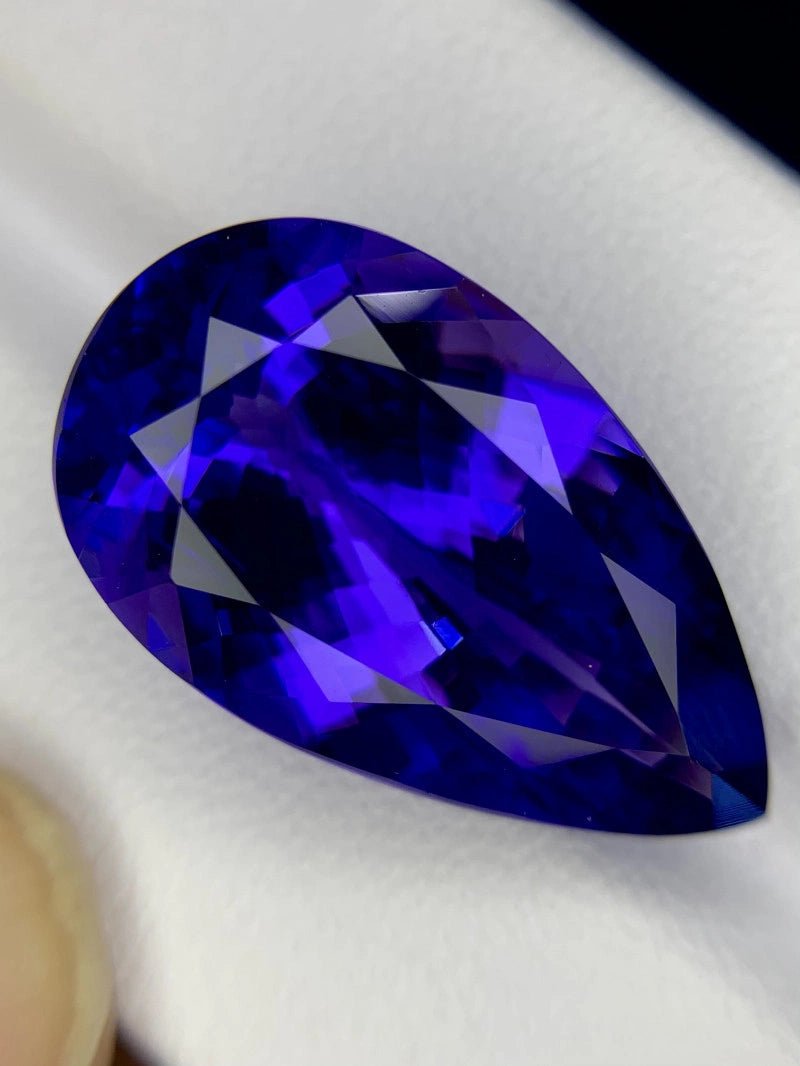
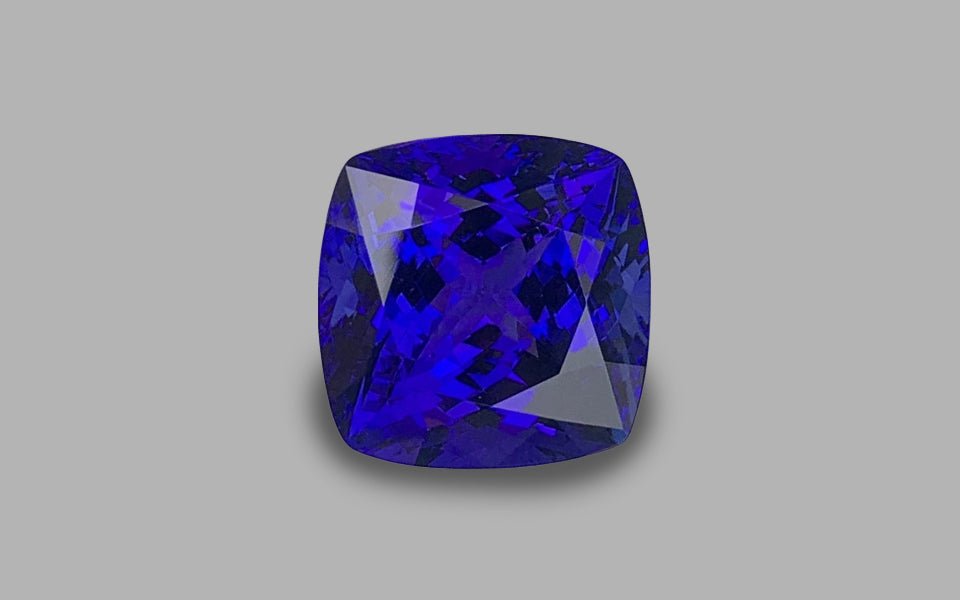
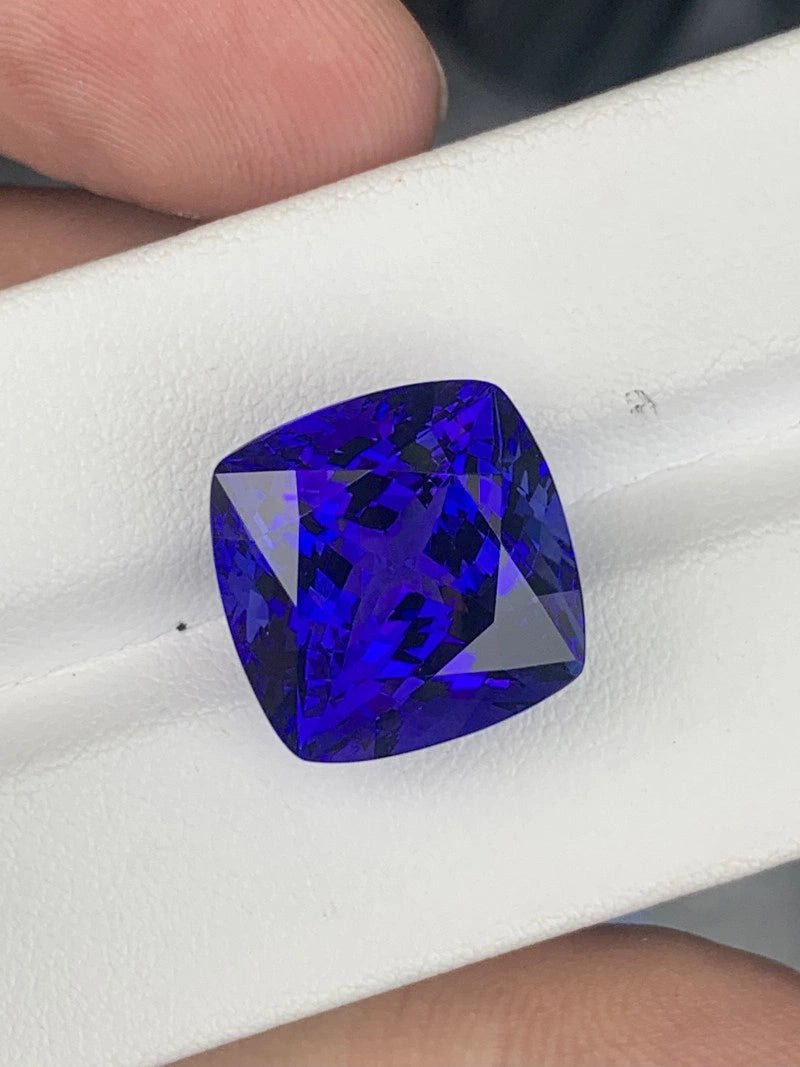
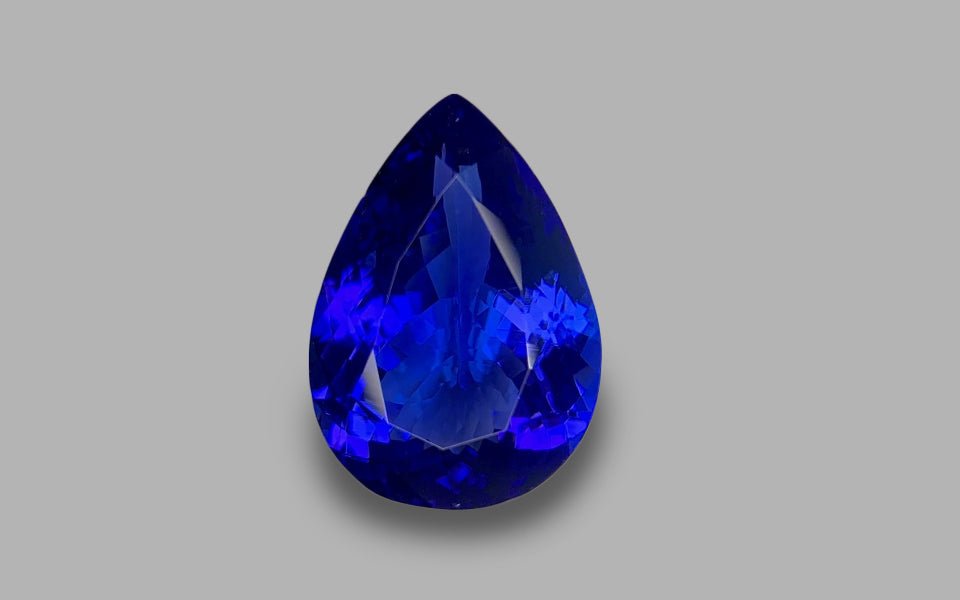
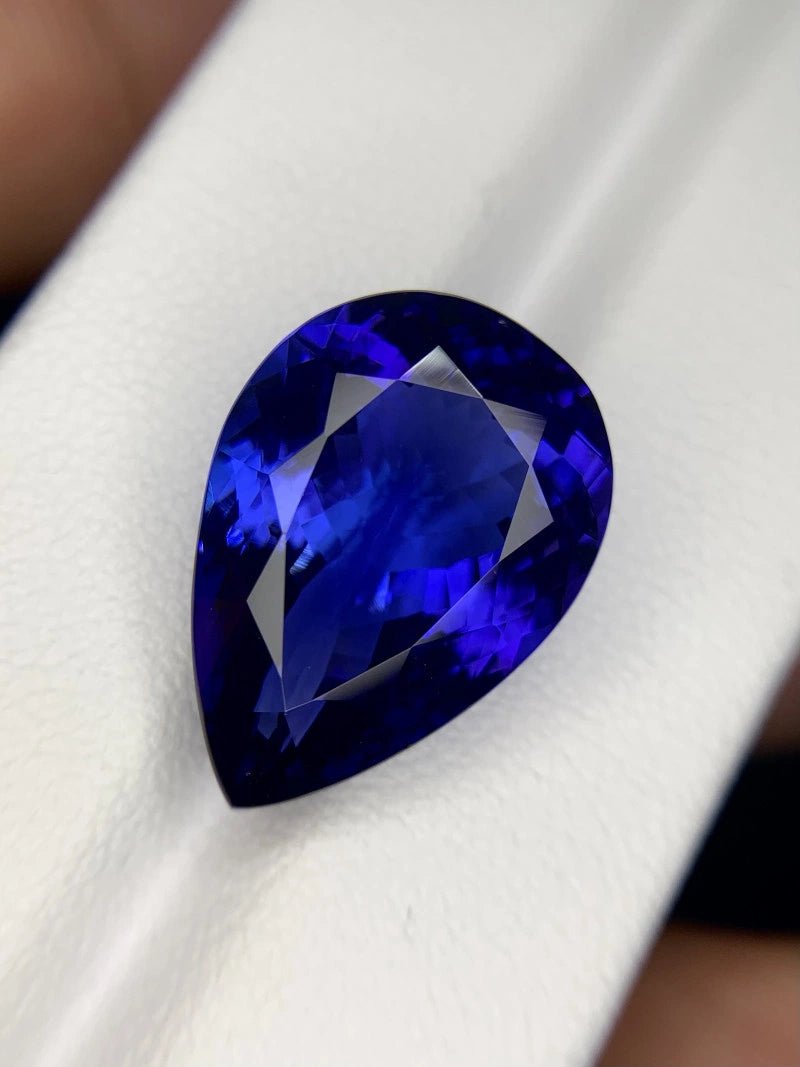
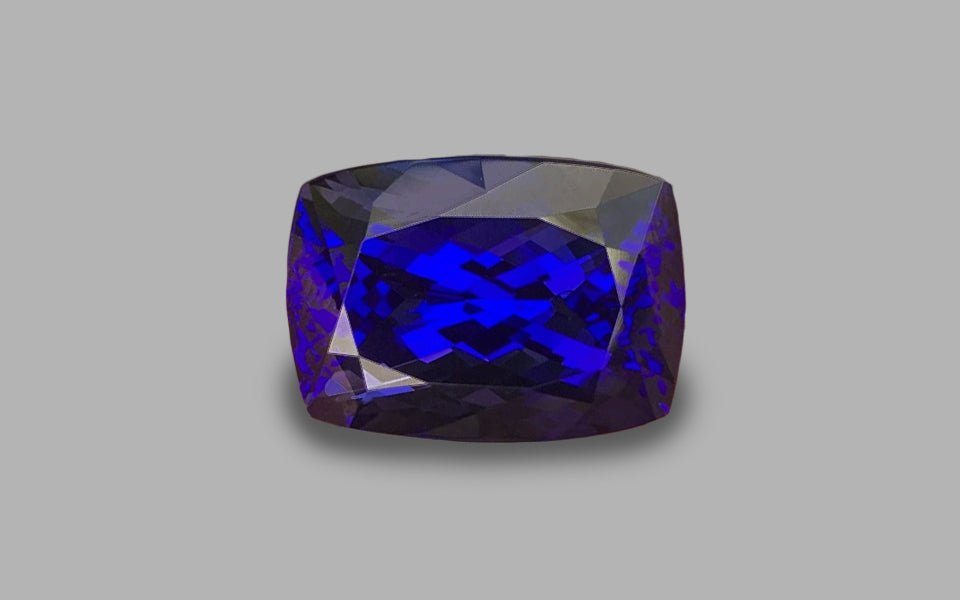
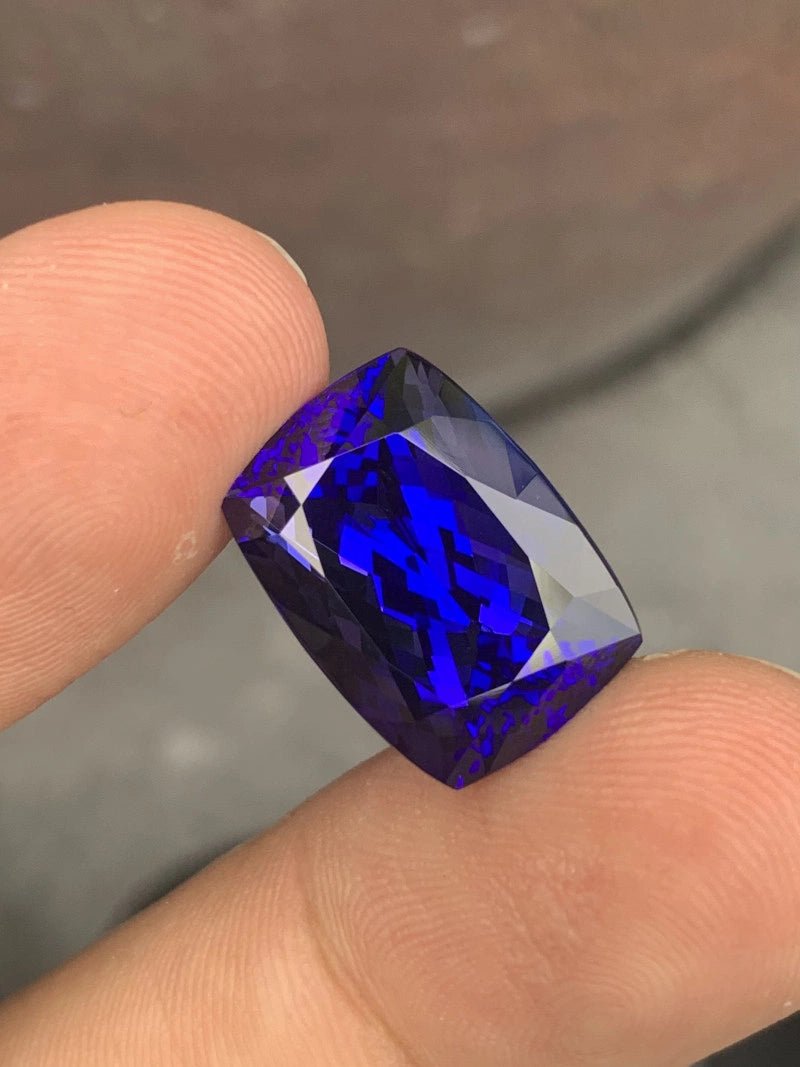
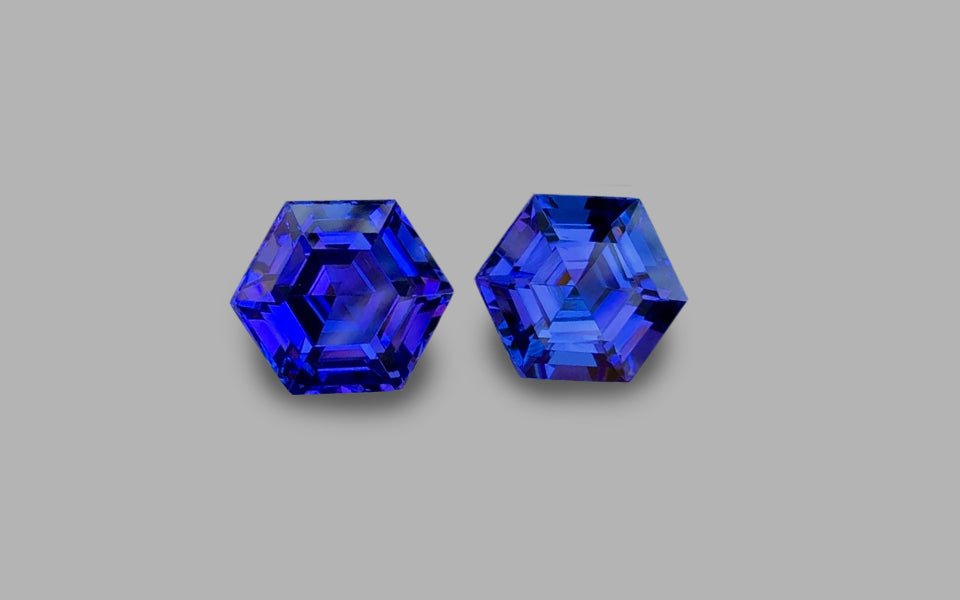
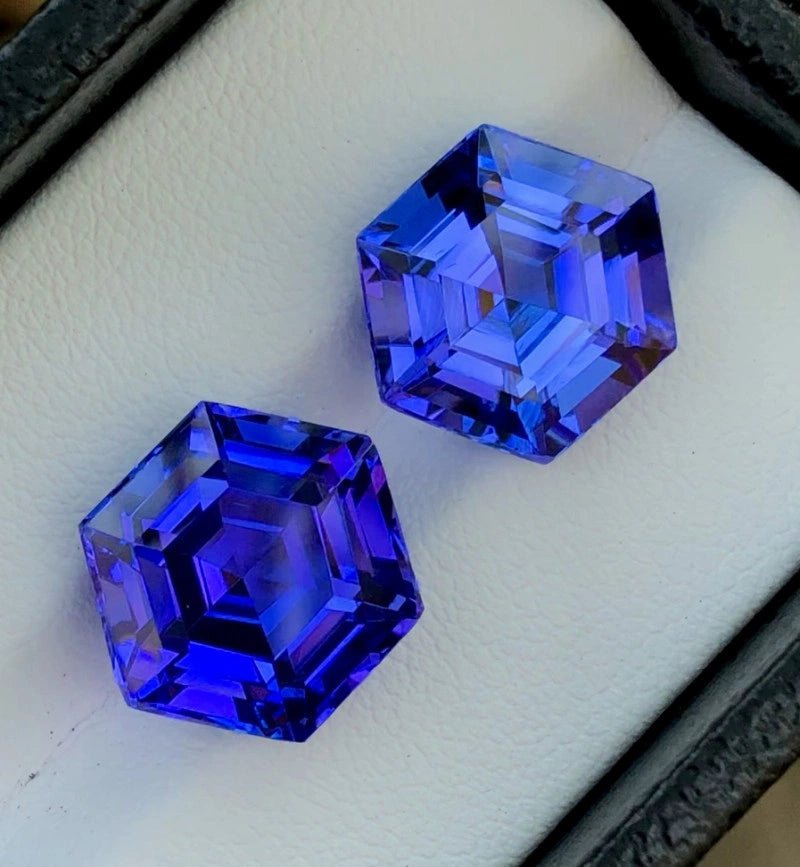
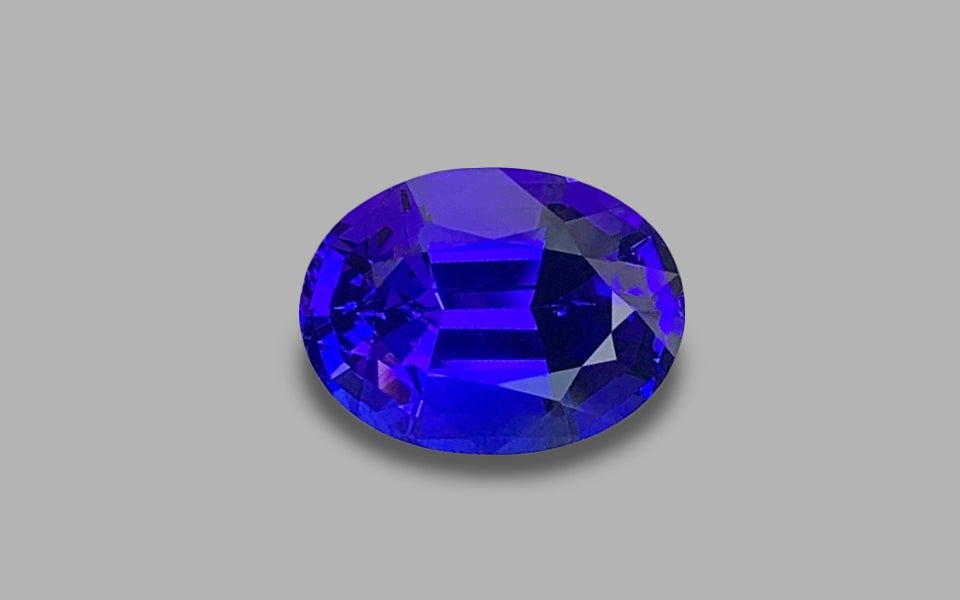
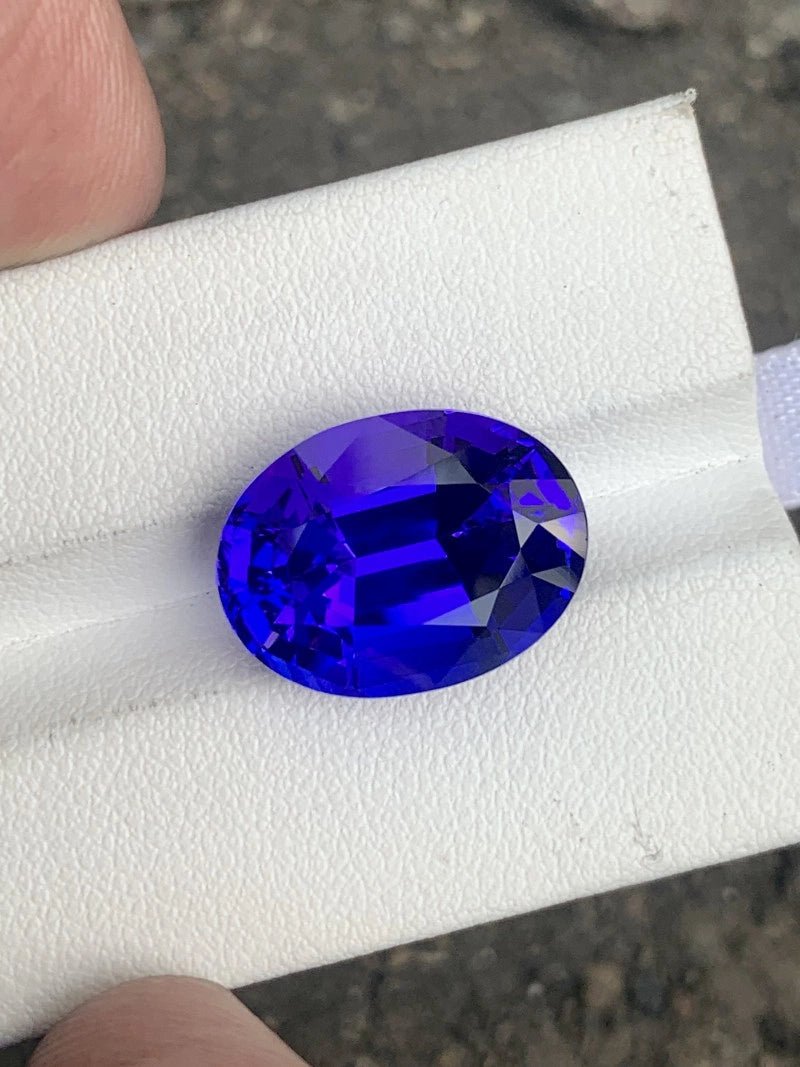


The online selection is only part of our sourcing reach.
Certain gemstones are acquired individually for clients and never appear in public collections.
Enquire about a stone you don’t see hereFrequently Asked Questions
What is tanzanite?
Tanzanite is the blue-to-violet variety of the mineral zoisite, colored by trace vanadium. It is strongly trichroic, showing blue, violet, and sometimes burgundy hues depending on the viewing angle.
Where is tanzanite found?
All commercial tanzanite comes from one small mining area in the Merelani Hills of northern Tanzania, near Mount Kilimanjaro. No other commercial deposit is known.
Is tanzanite heat treated?
Nearly all tanzanite on the market is heated to remove brownish modifiers and reveal the blue-violet color. The treatment is stable, permanent, and standard gemological practice. Treatment status is disclosed on every stone we list.
How is tanzanite quality evaluated?
Color comes first: saturation, tone, and the balance of blue to violet, with minimal gray or brown. Clarity, cut quality, and size follow. Stones that stay vividly blue-violet in mixed lighting are the most sought after.
Is tanzanite durable enough for a ring?
Tanzanite measures 6 to 6.5 on the Mohs scale, softer than sapphire or spinel. It suits rings worn with care, ideally in protective settings, and is fully at home in pendants and earrings.
What documentation comes with a stone?
Every tanzanite ships with the Sosna Gems Colored Stone Report, our internal documentation. Independent laboratory certification can be arranged on request, and we match the laboratory to the stone: GIA, IGI, the Czech Gemological Laboratory or another recognised name, with high-value stones going to the report that carries the widest international weight.
Is tanzanite a collectible asset?
Tanzanite's supply depends entirely on one deposit with declining output, which makes fine, saturated stones geologically finite. Collectors value that scarcity, though quality and documentation decide how an individual stone holds up over time.
How should I care for tanzanite?
Clean tanzanite with warm water, mild soap, and a soft cloth. Avoid ultrasonic and steam cleaners, sudden temperature changes, and hard knocks against other jewelry.
Can you source a tanzanite beyond the visible selection?
Yes. The online collection is only part of our sourcing reach, and some stones are acquired individually for clients without ever being listed. Contact us with your parameters for color, weight, and budget.
How do I choose between two similar tanzanites?
Compare them in more than one kind of light. Daylight favors the blue component, warm indoor light brings out the violet, and the stone that keeps its character in both is the better choice. Depth of color usually matters more than a fraction of a carat.