


Ruby
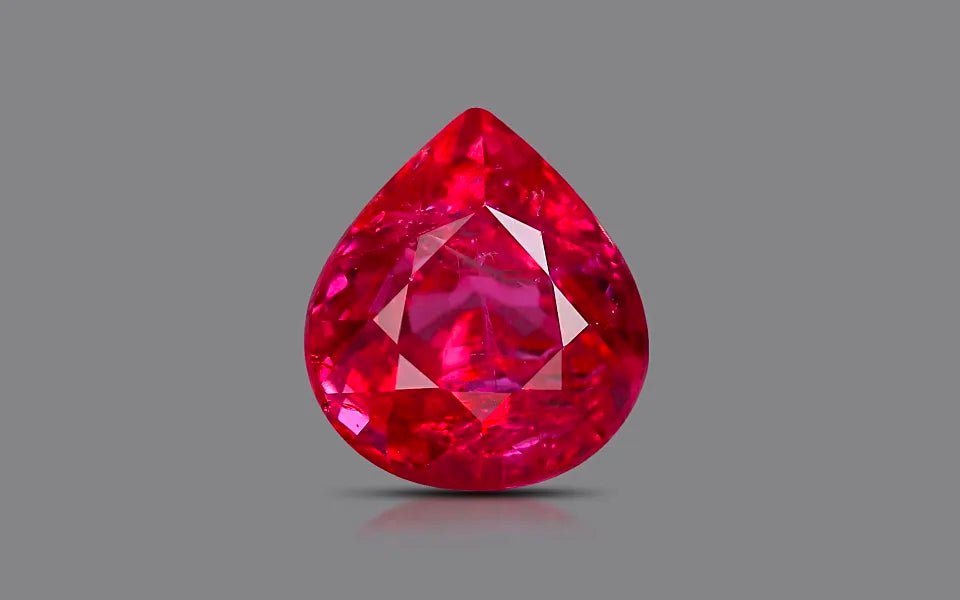
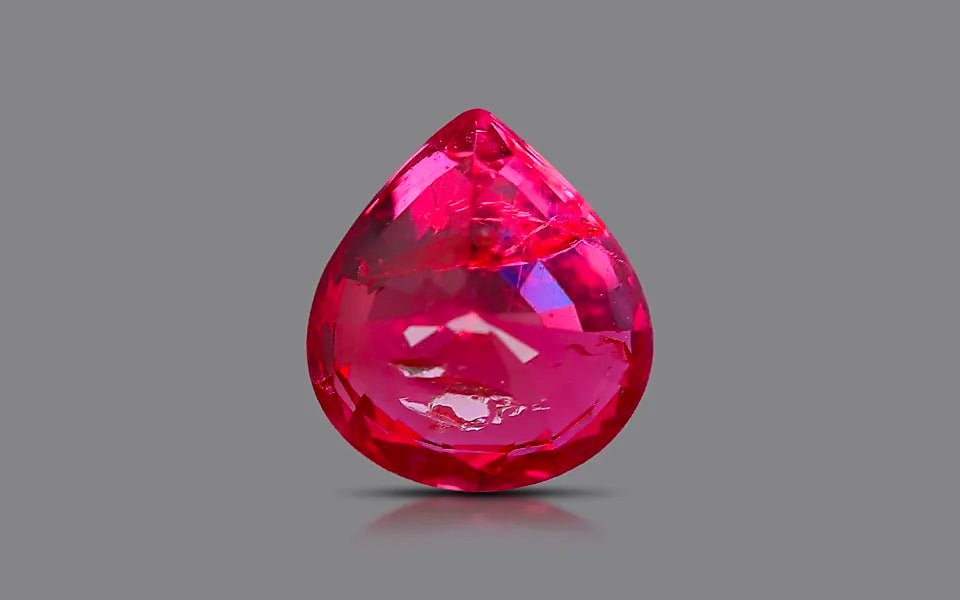
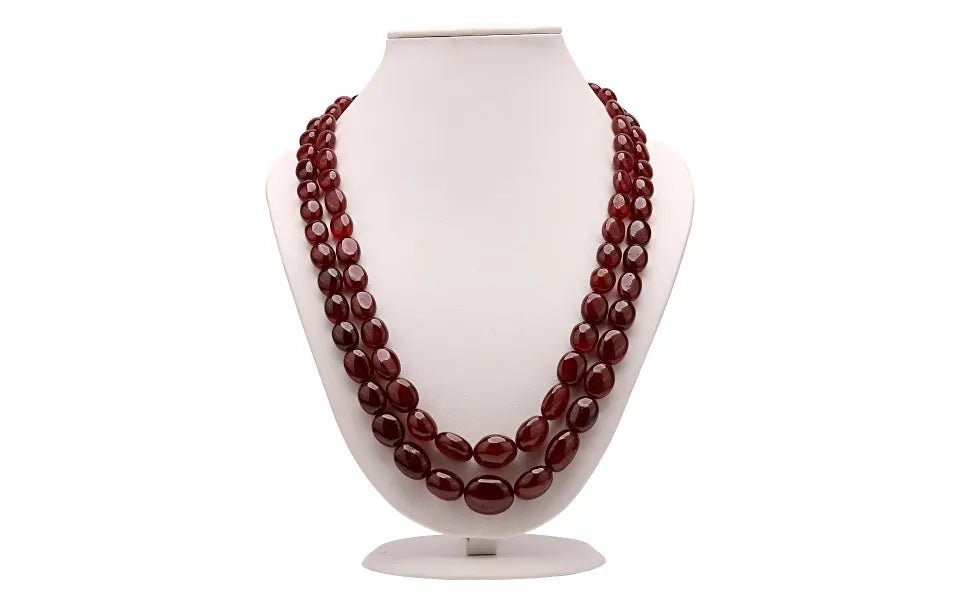
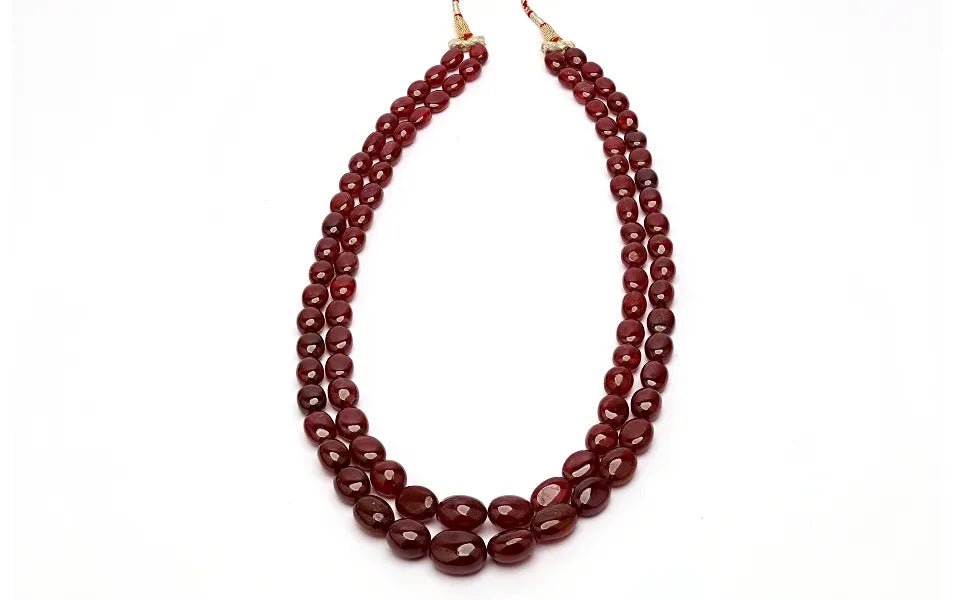
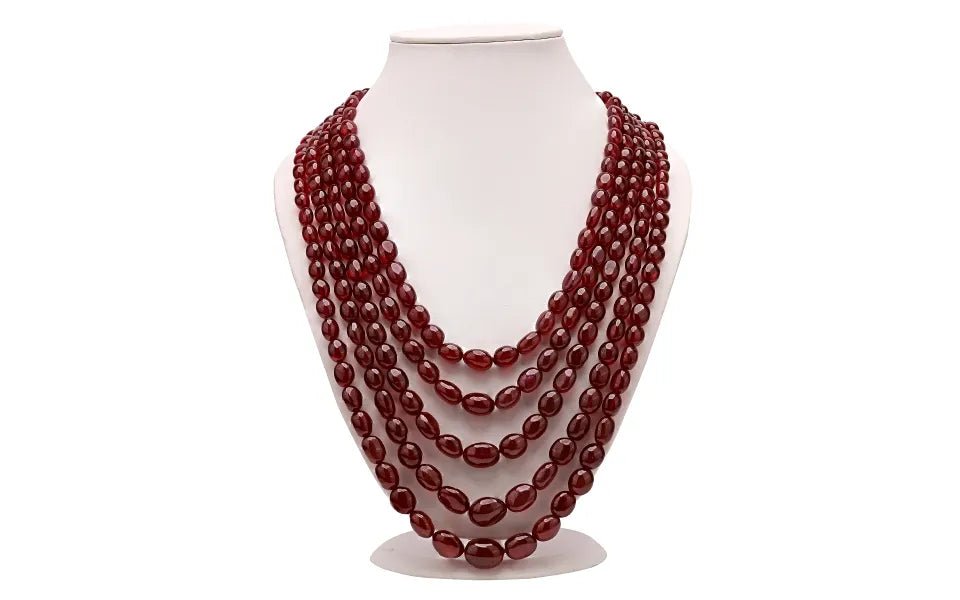
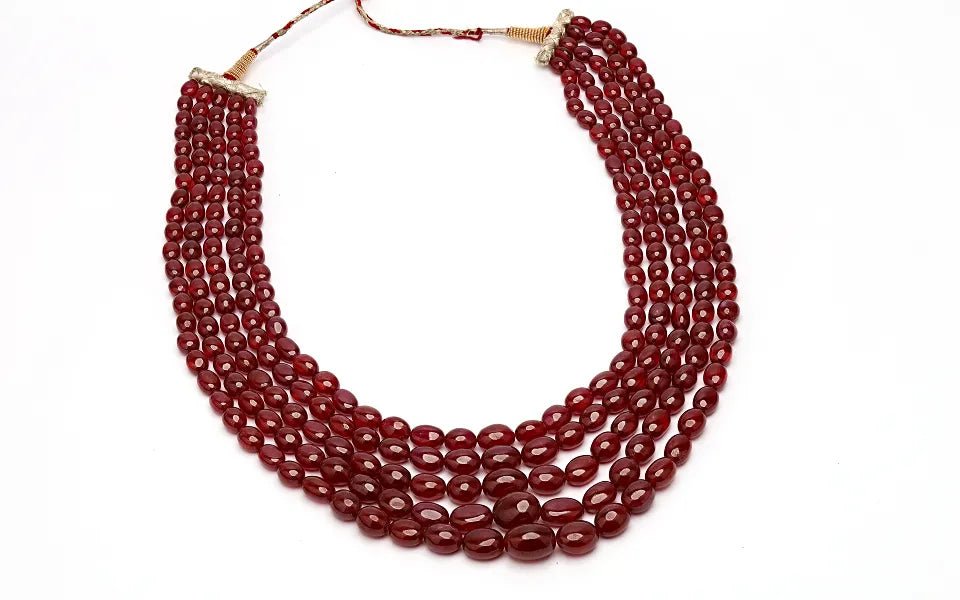
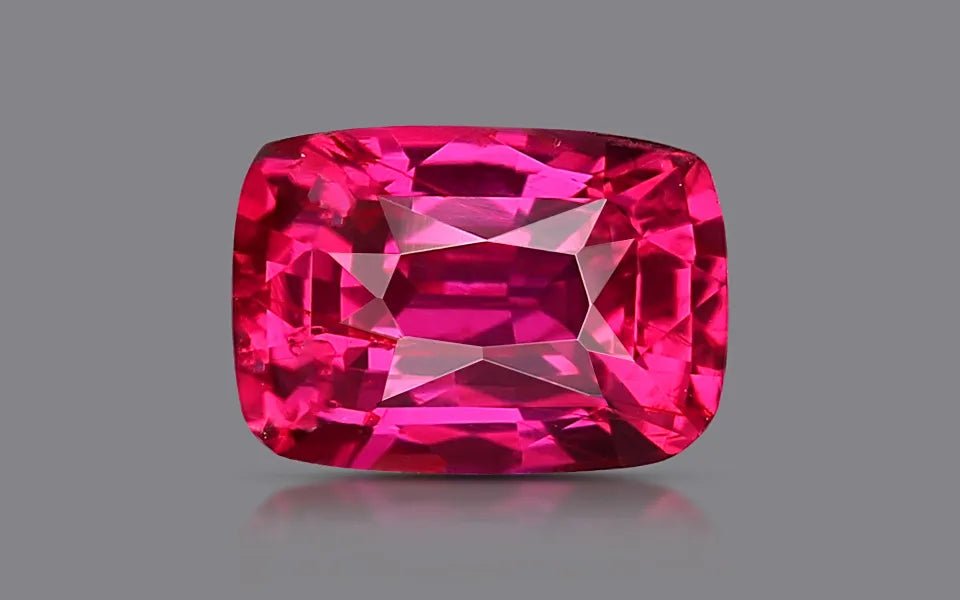
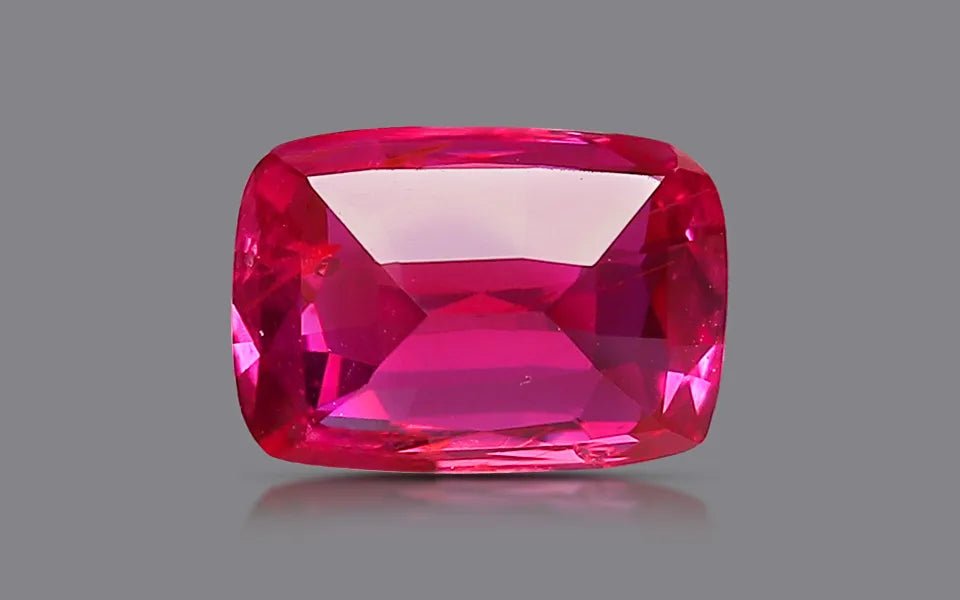
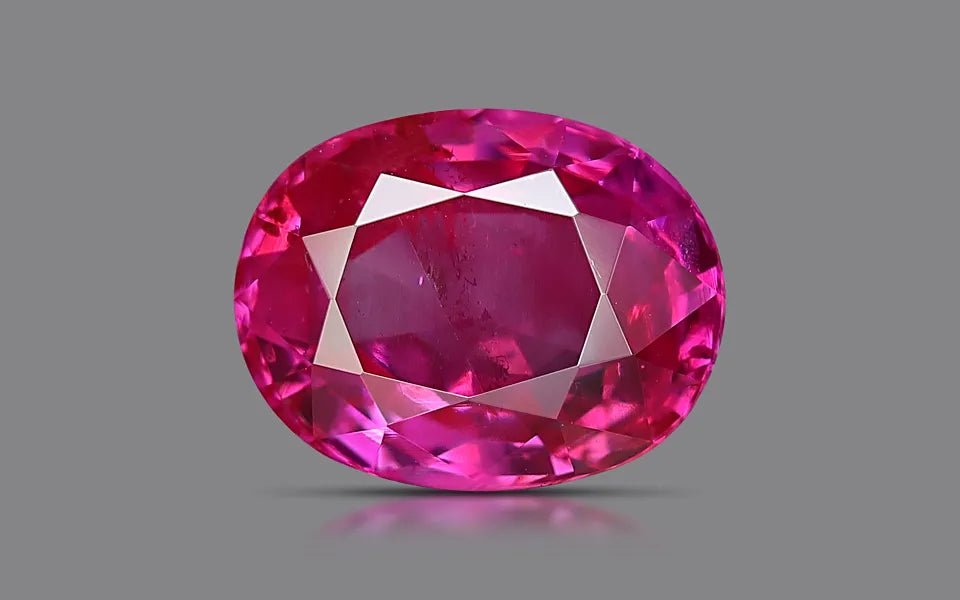
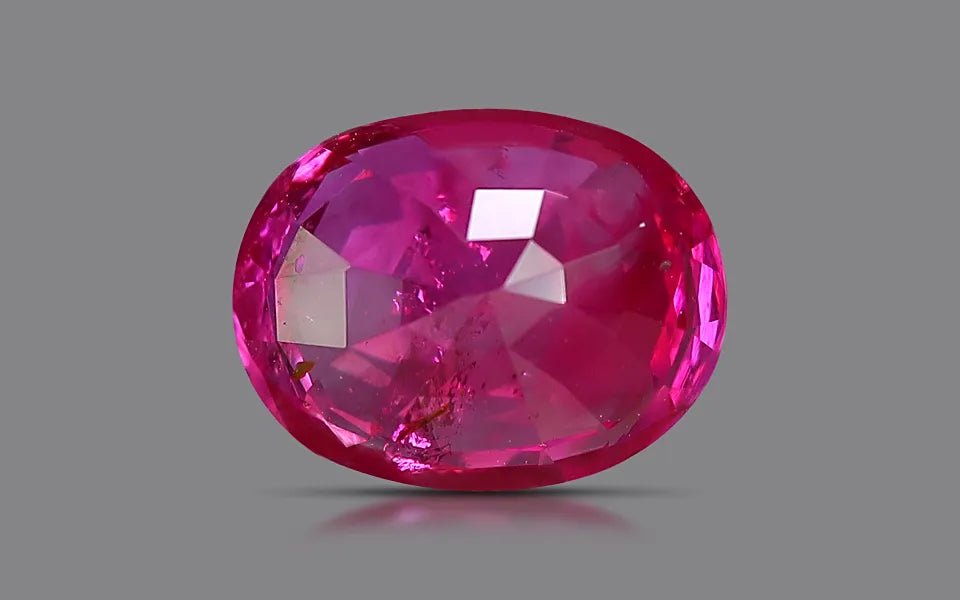
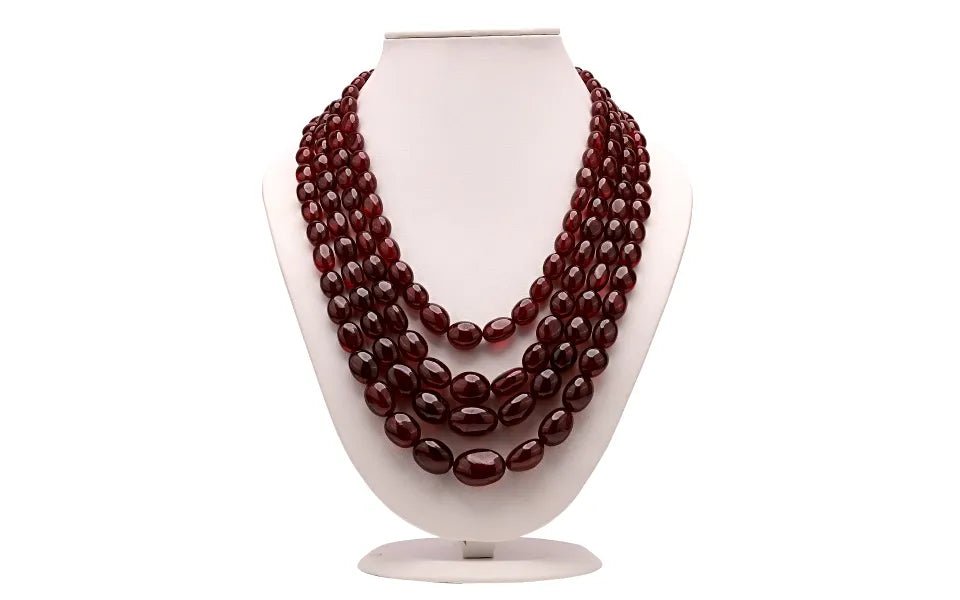
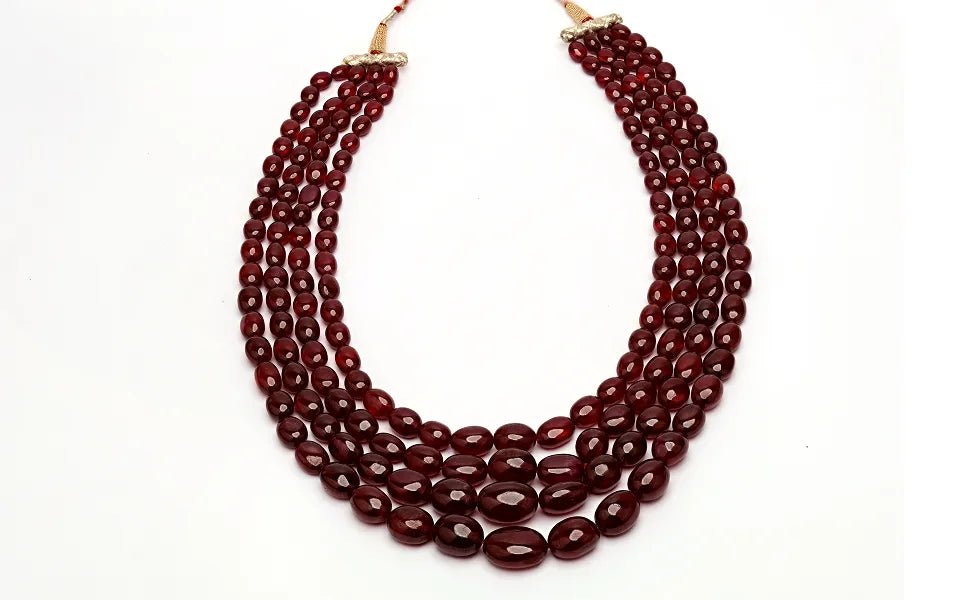
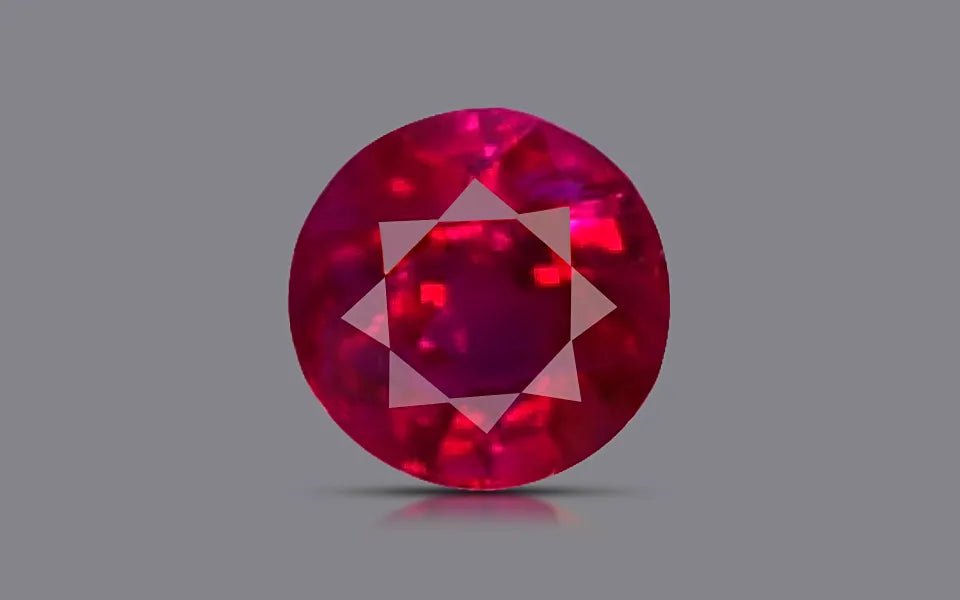
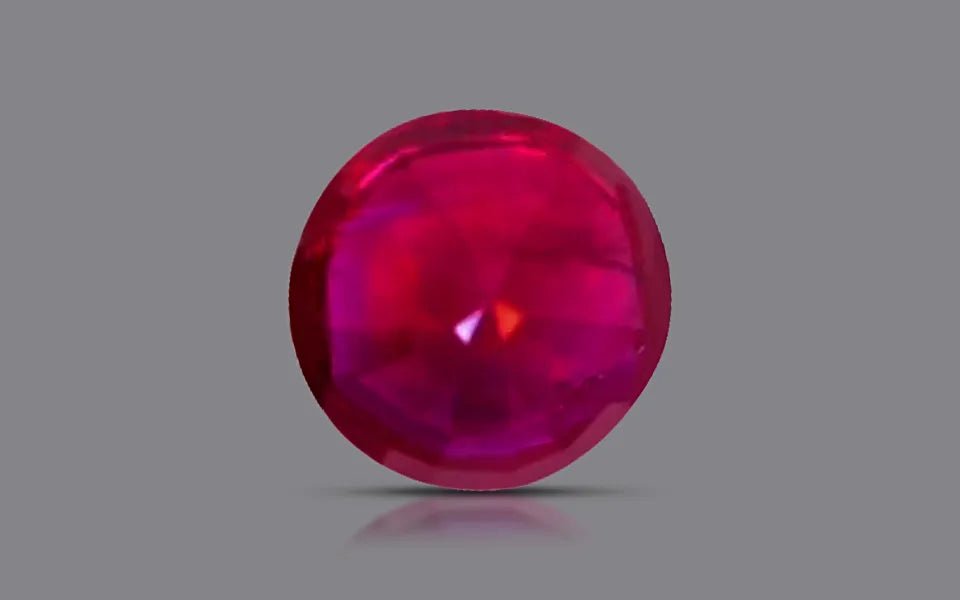
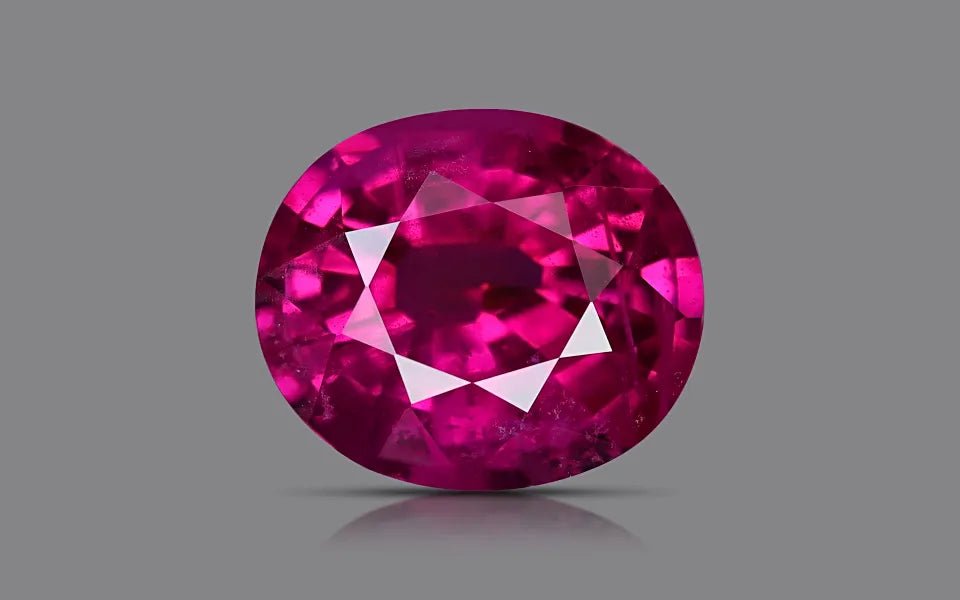
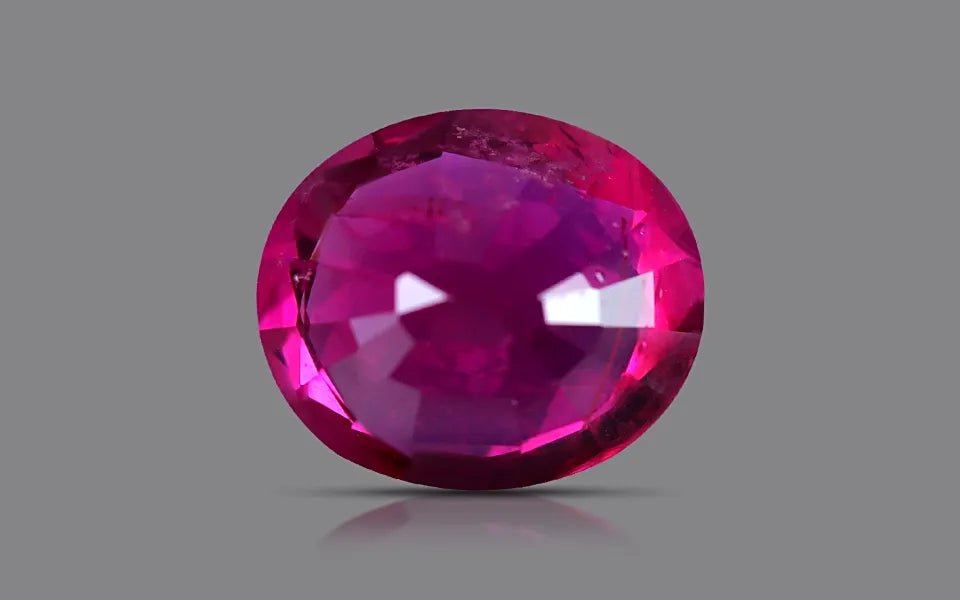
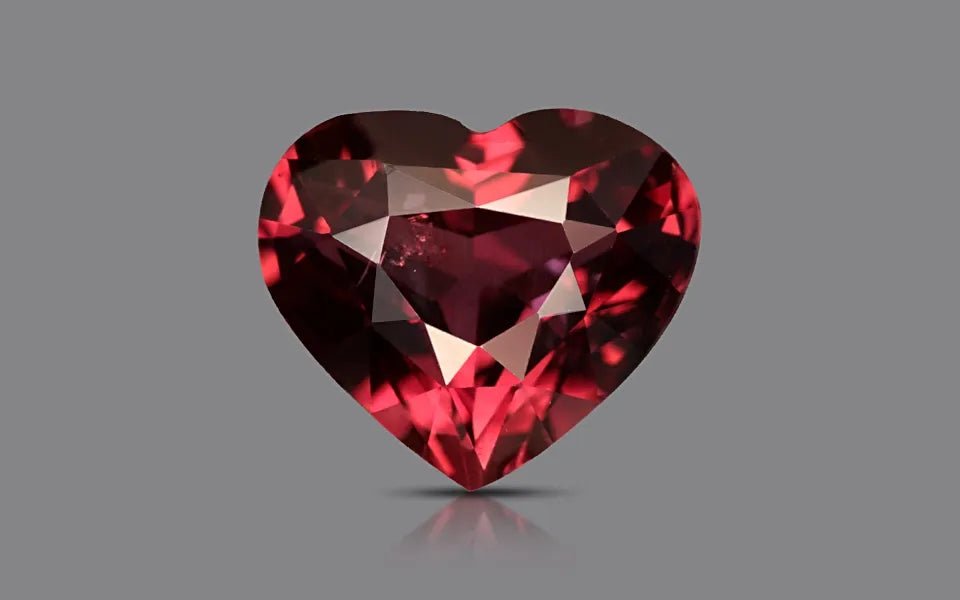
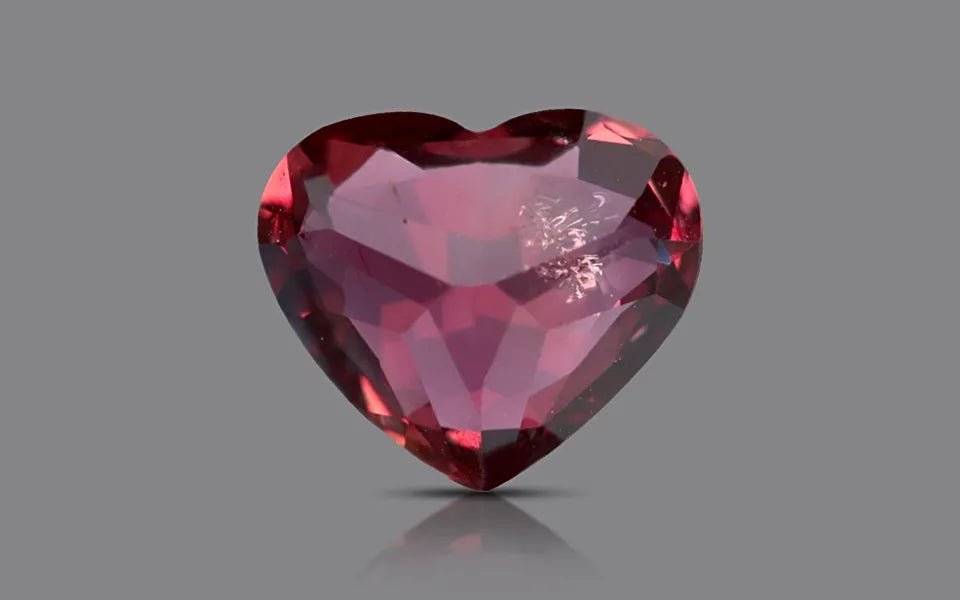
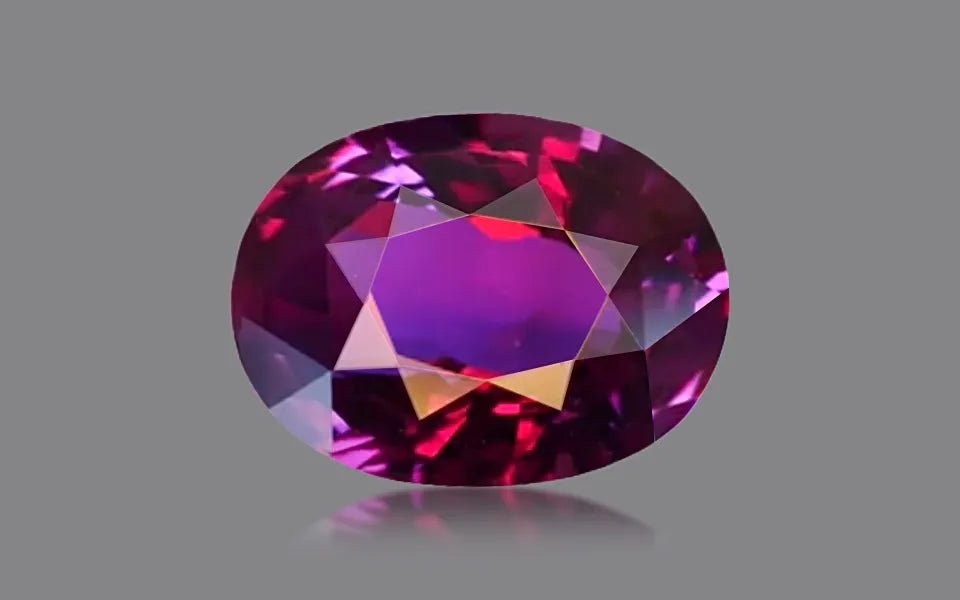
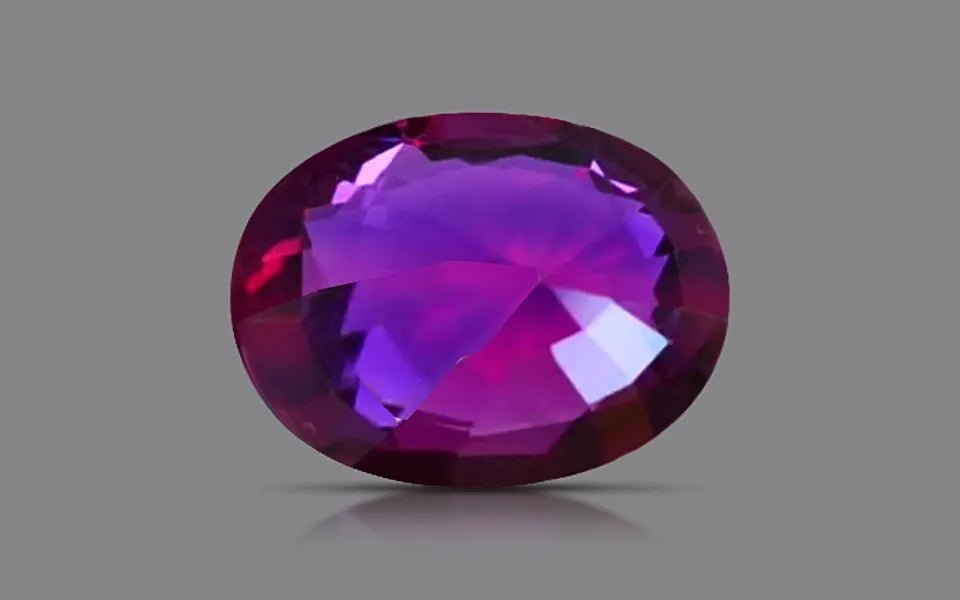
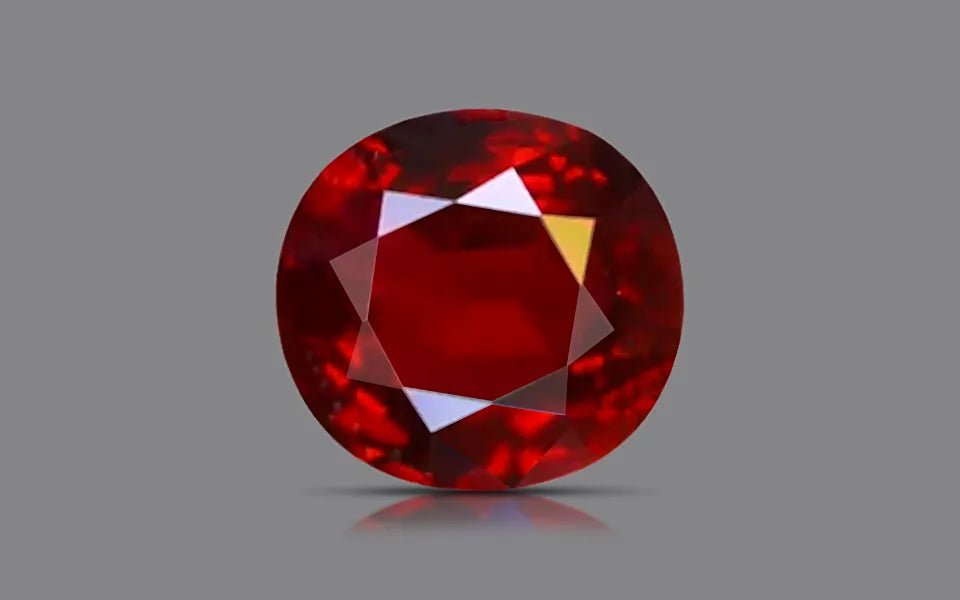
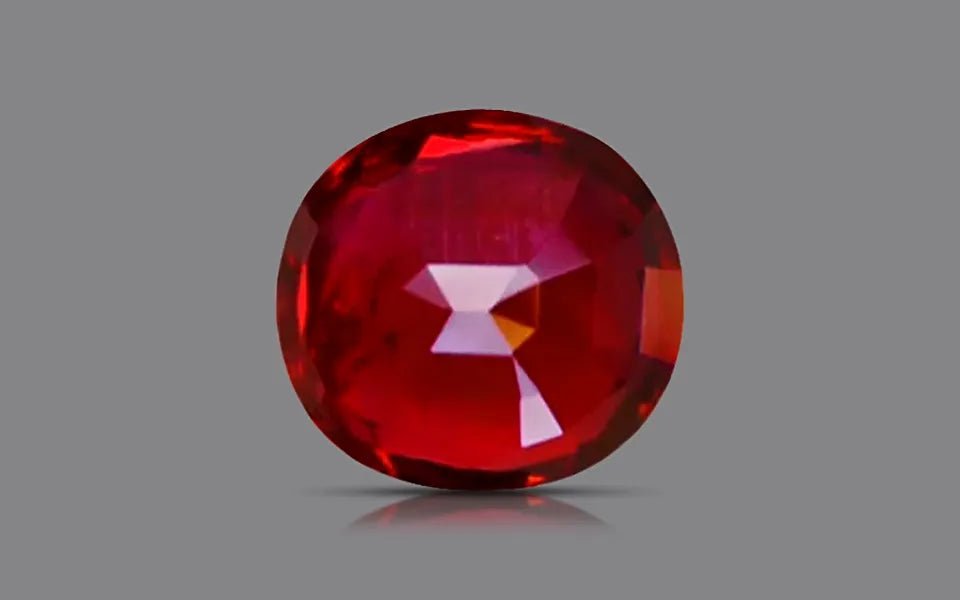
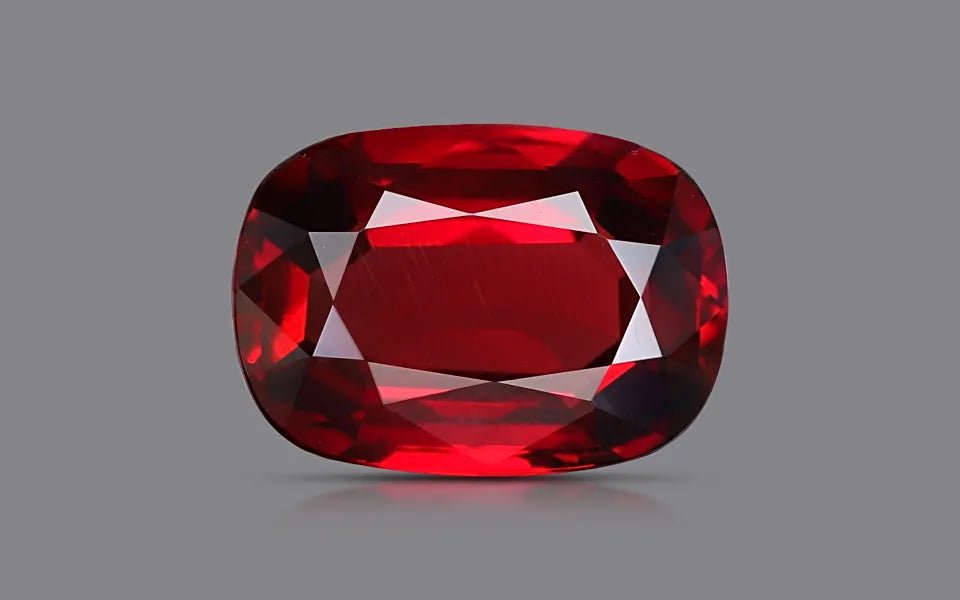
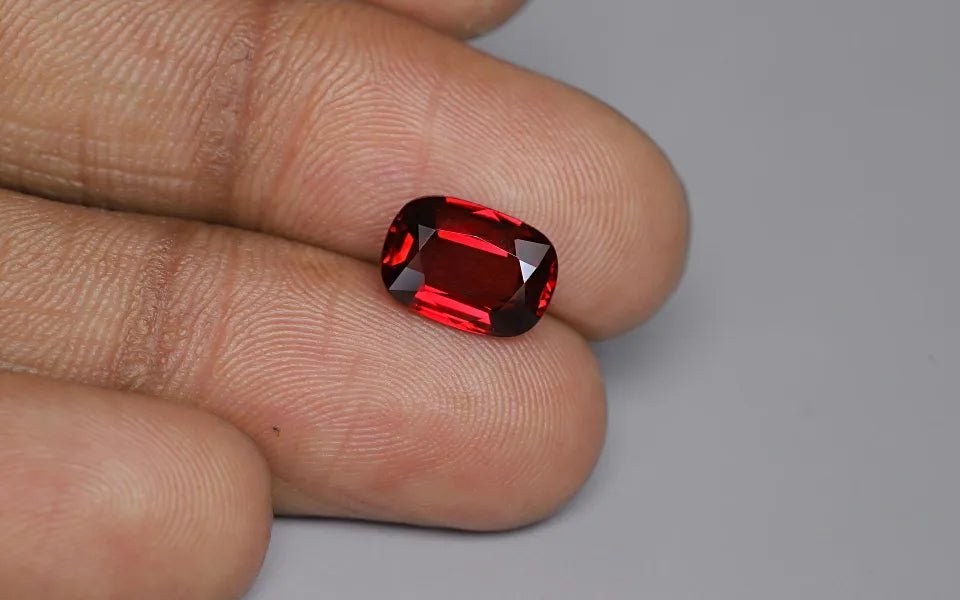
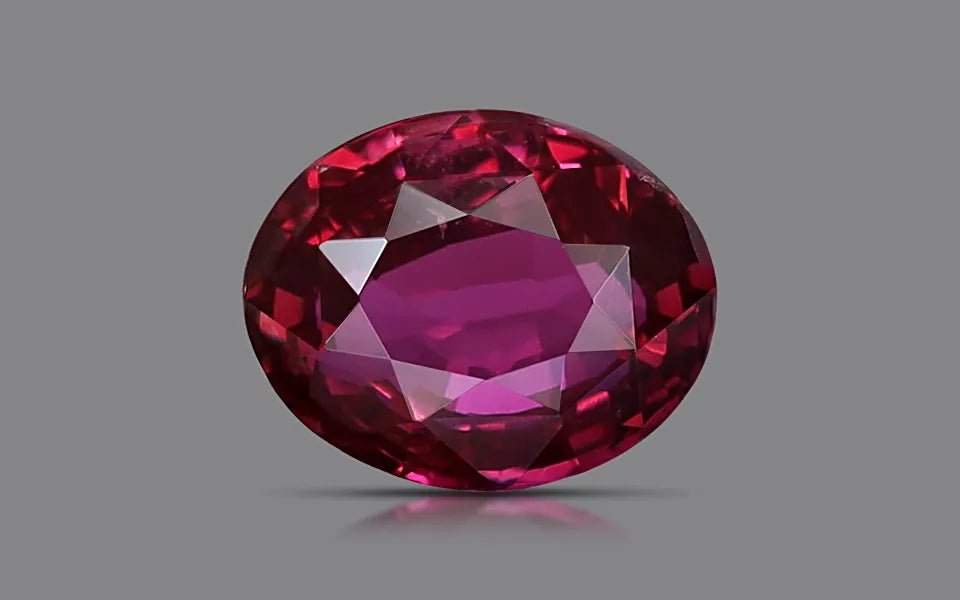
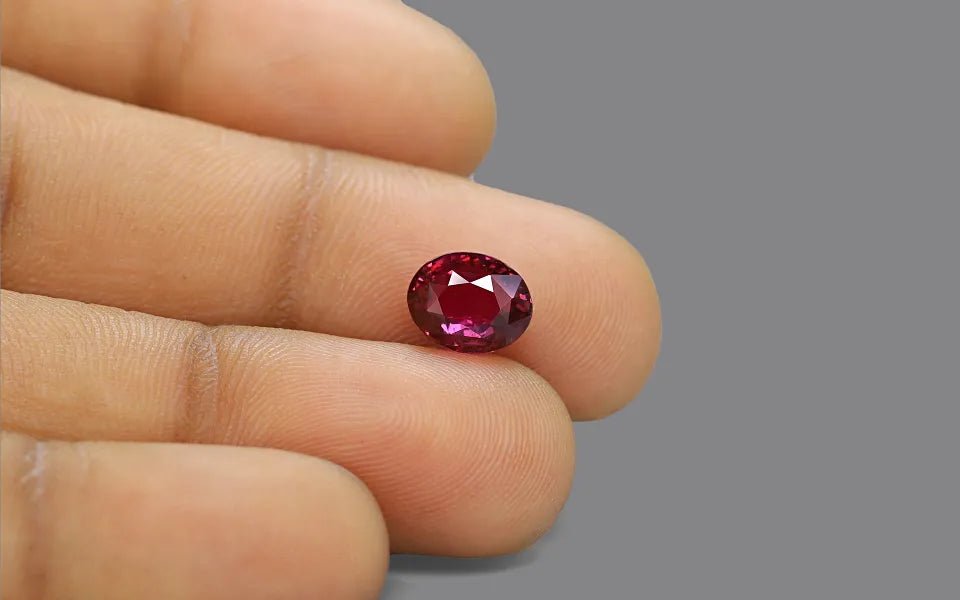
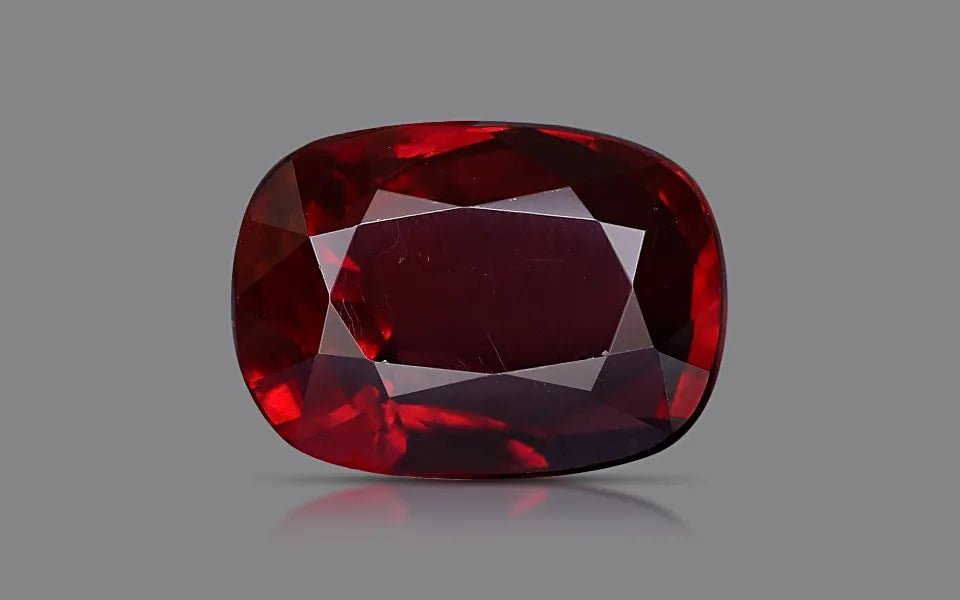
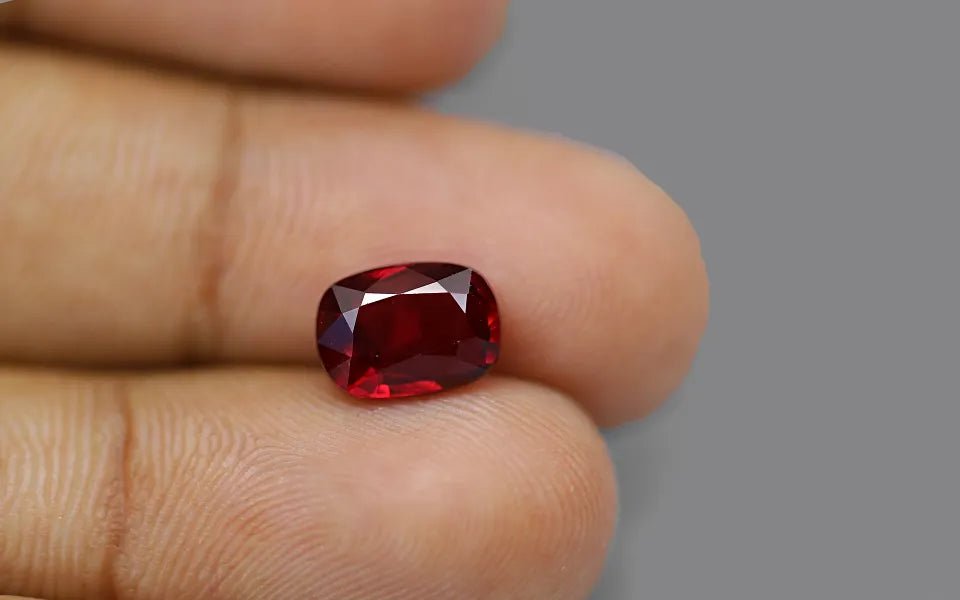
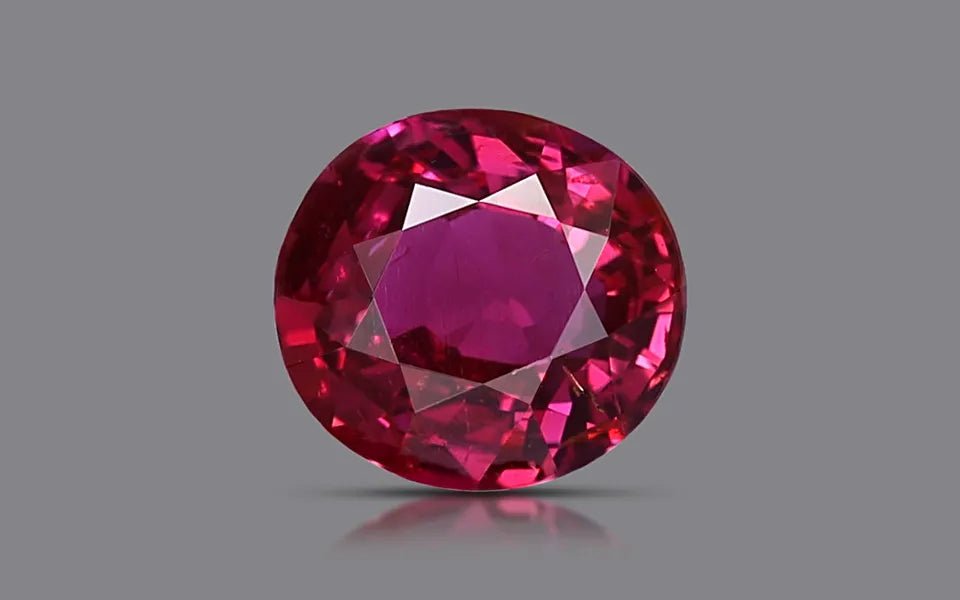
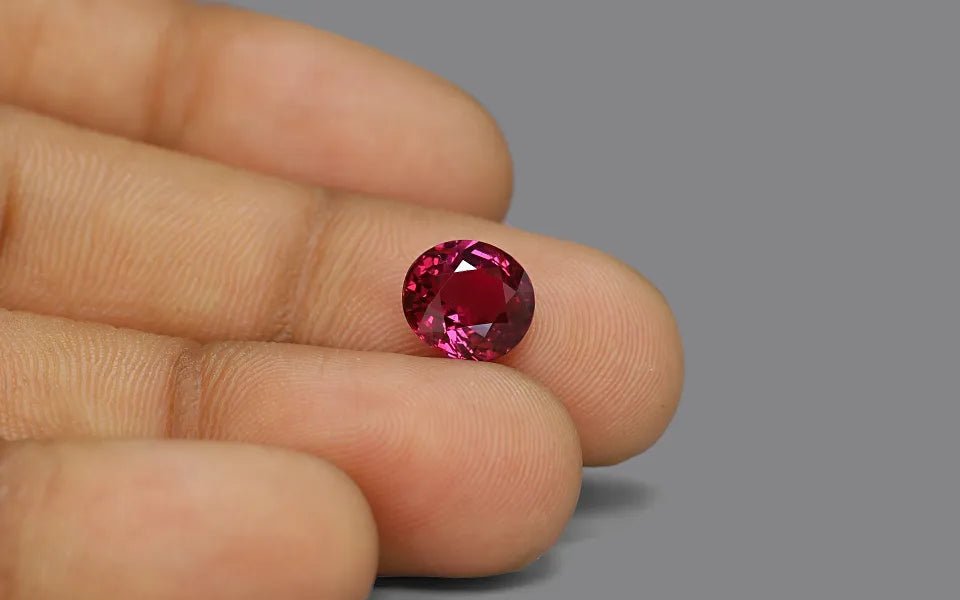
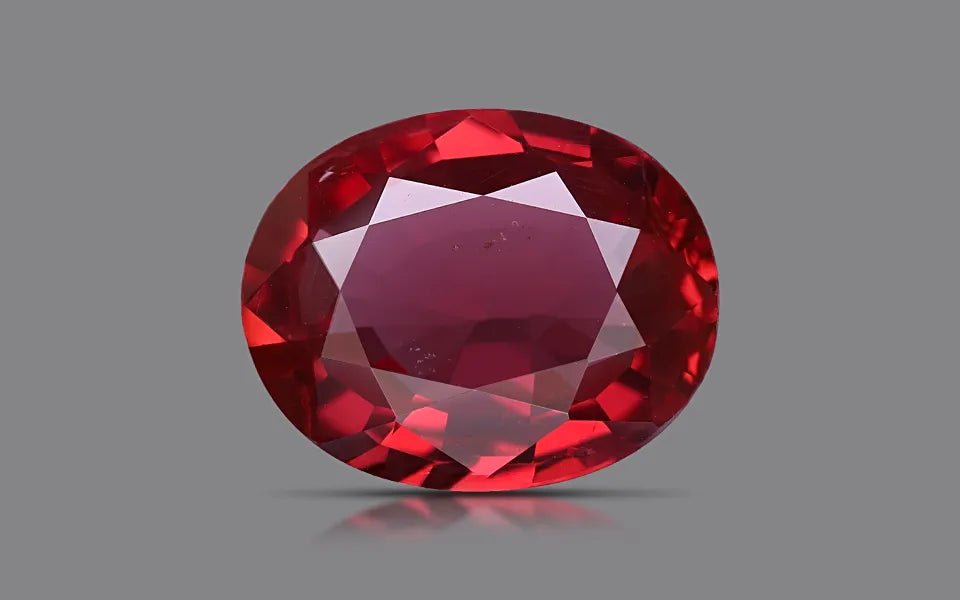
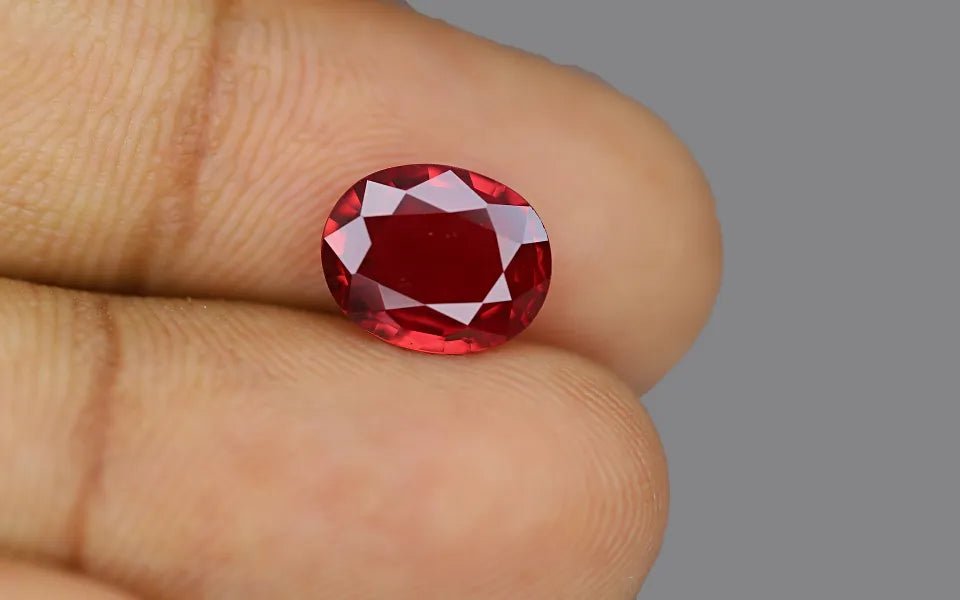
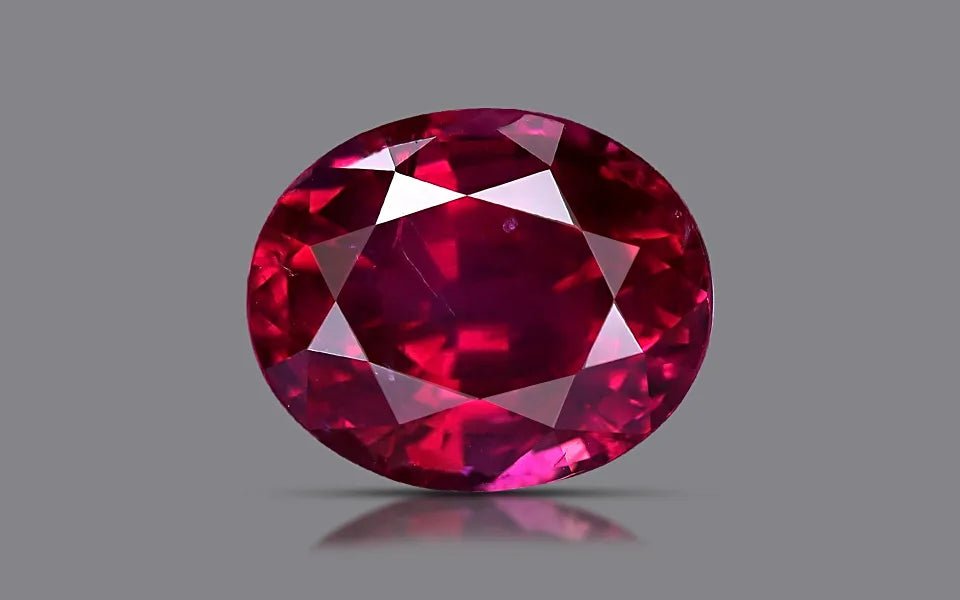
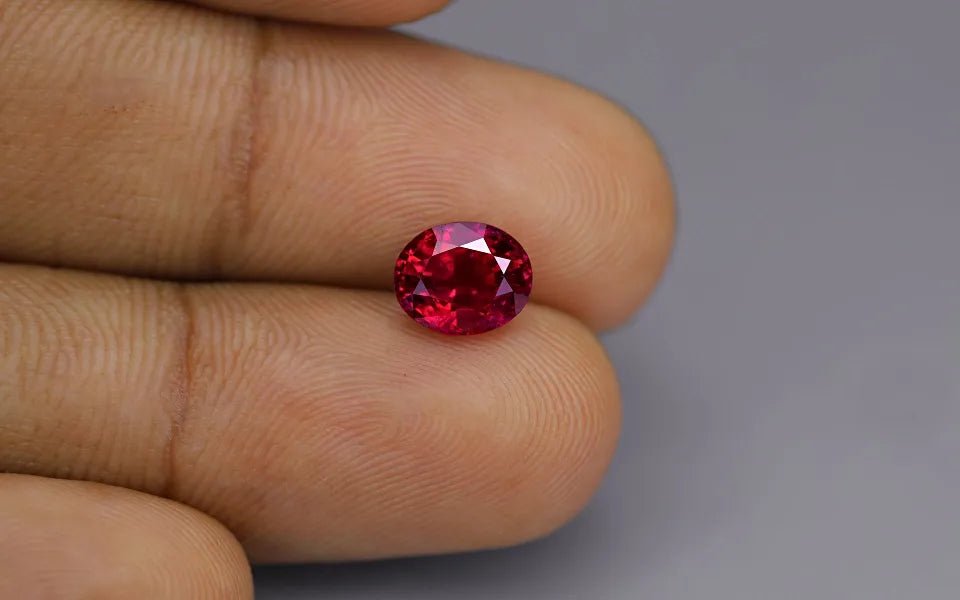
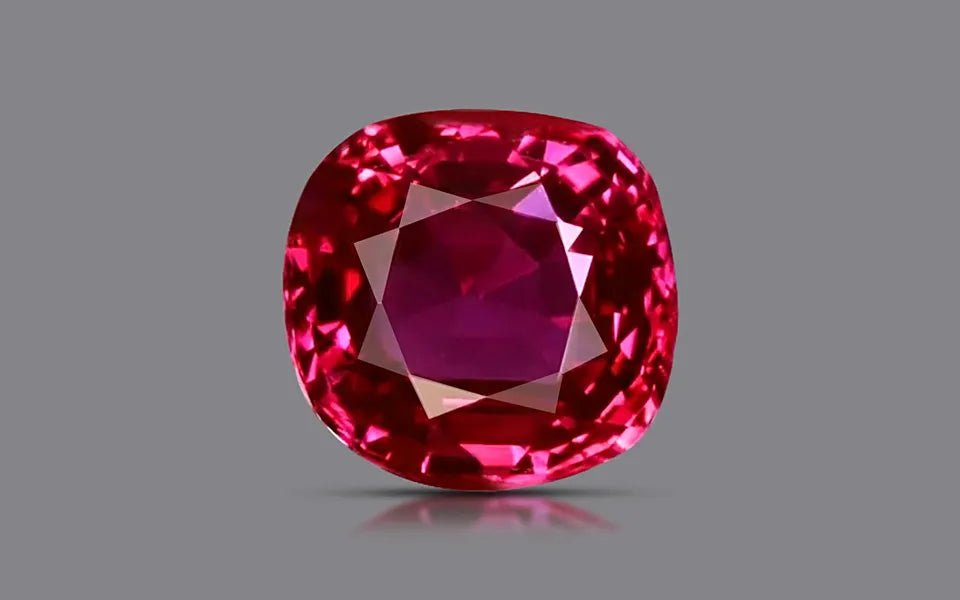
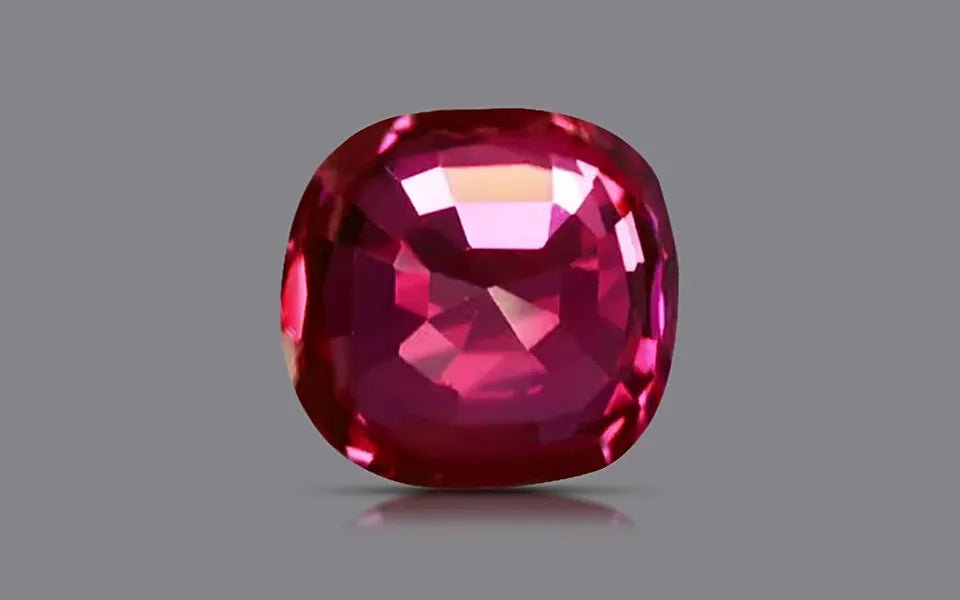
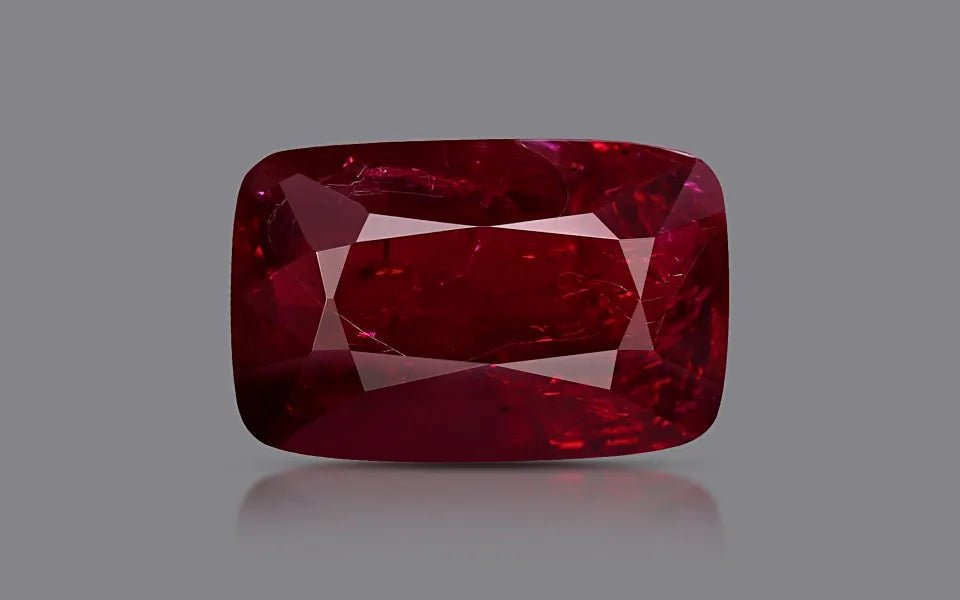
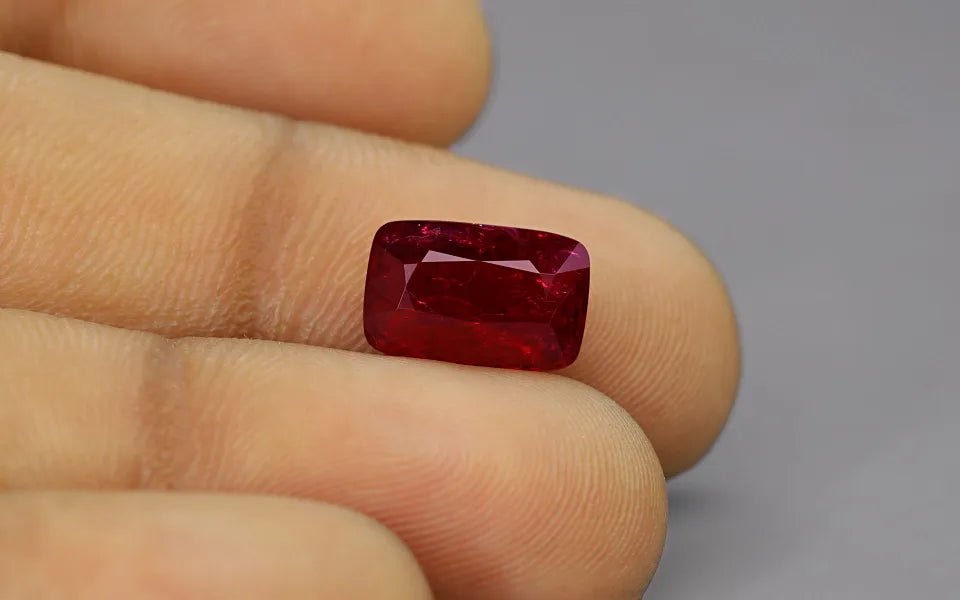
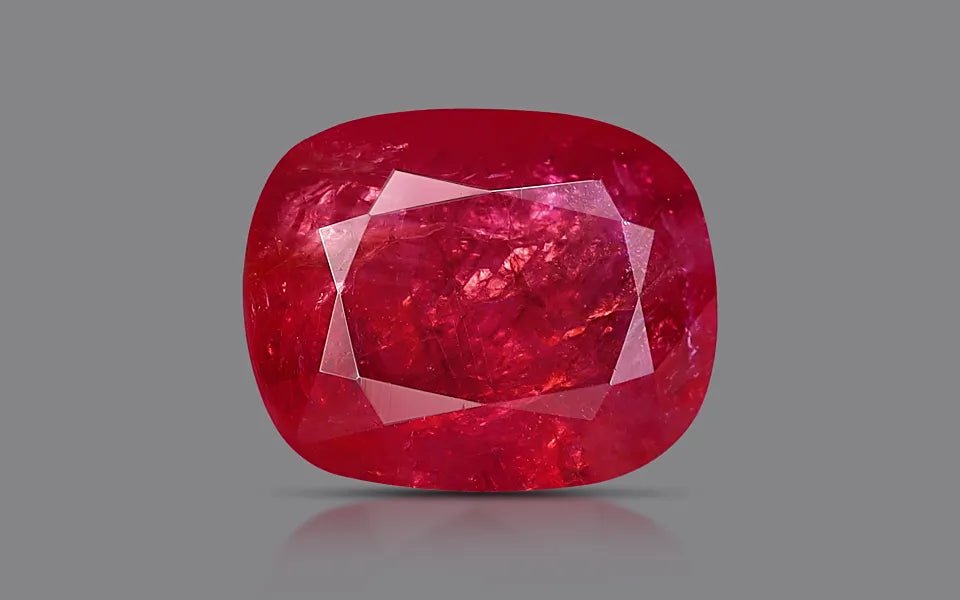
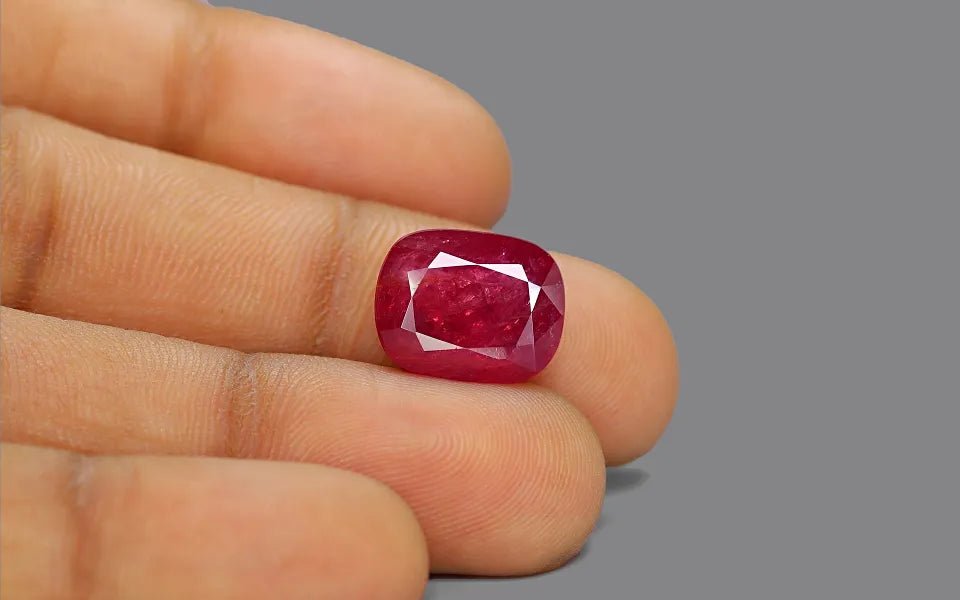
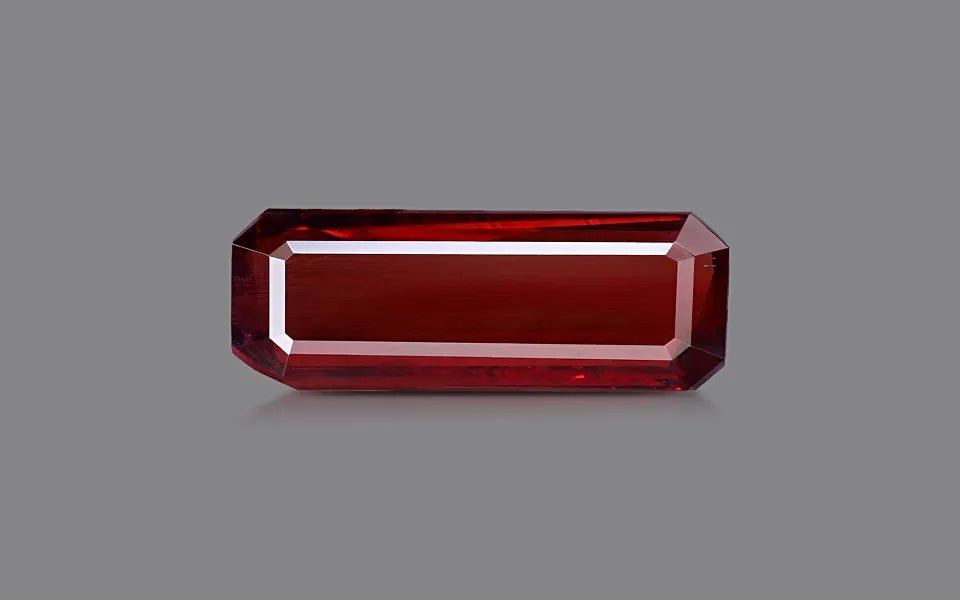
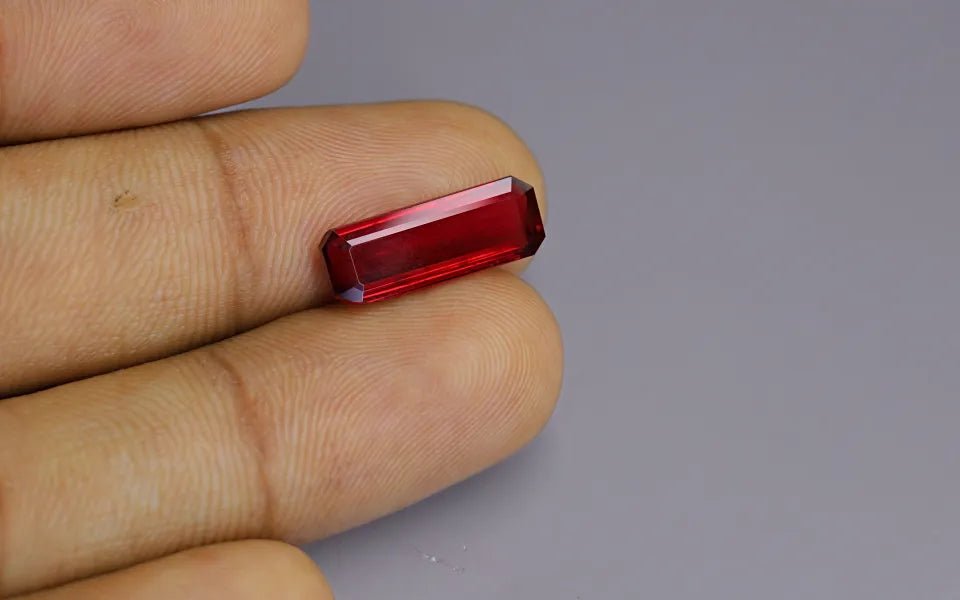
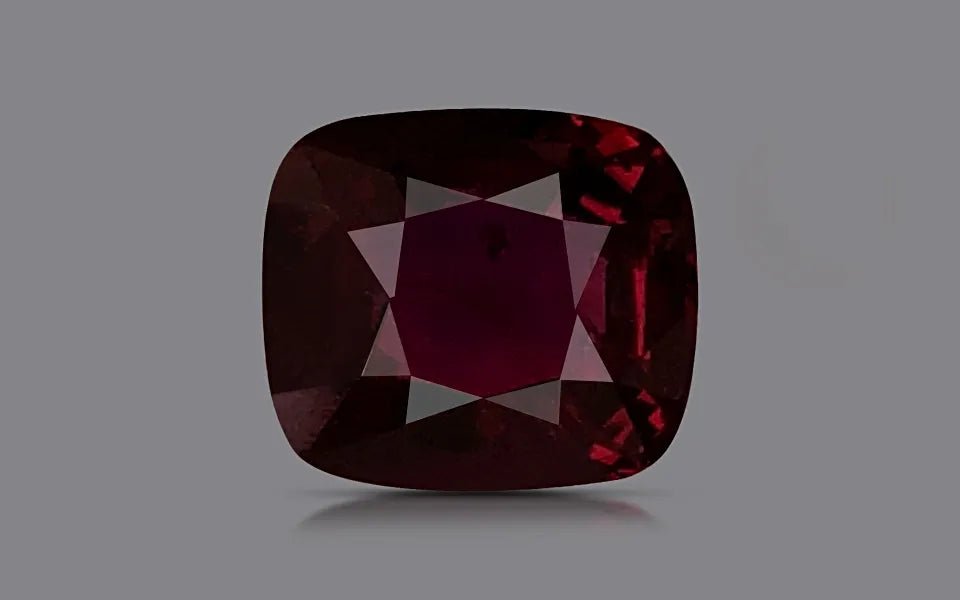
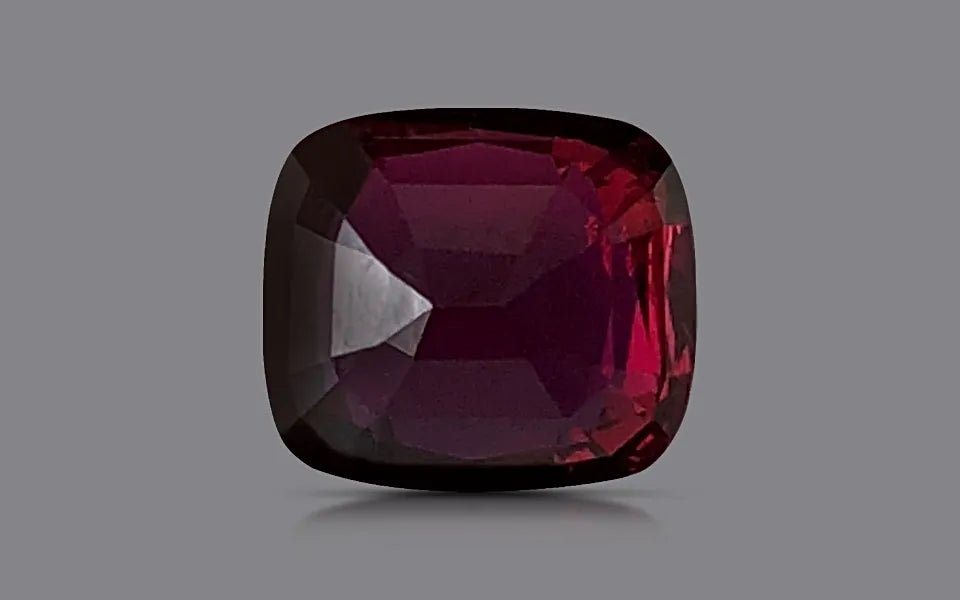
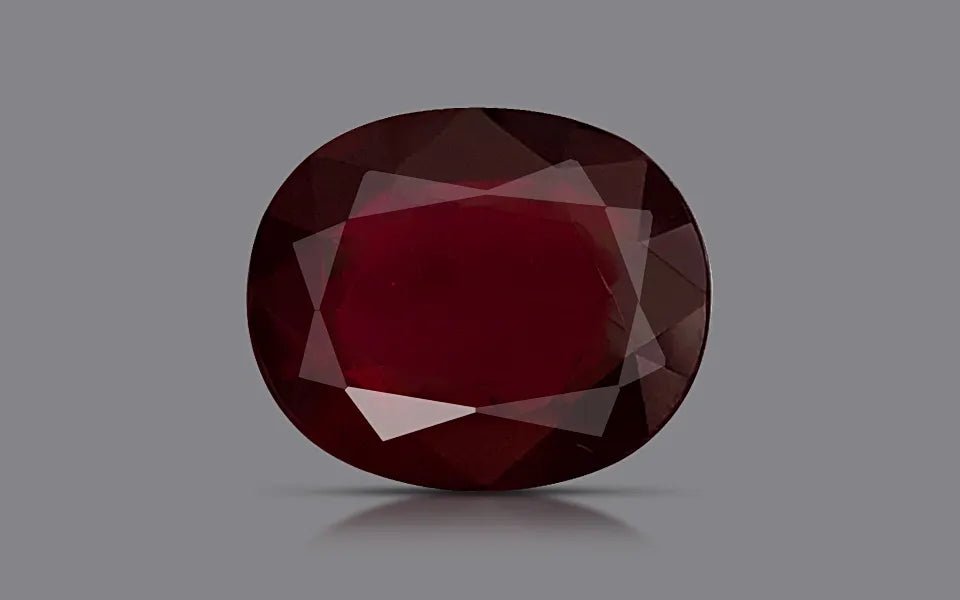
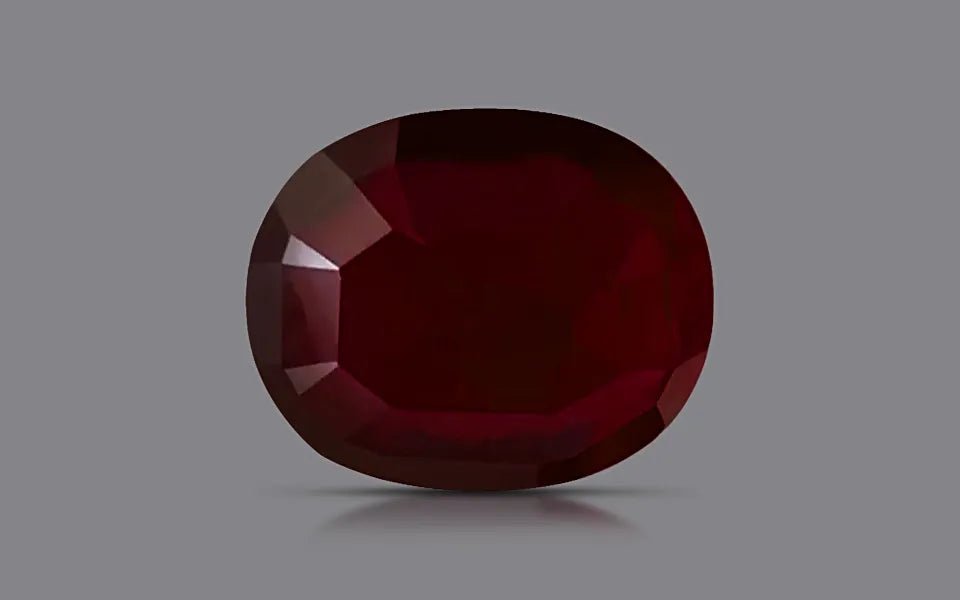
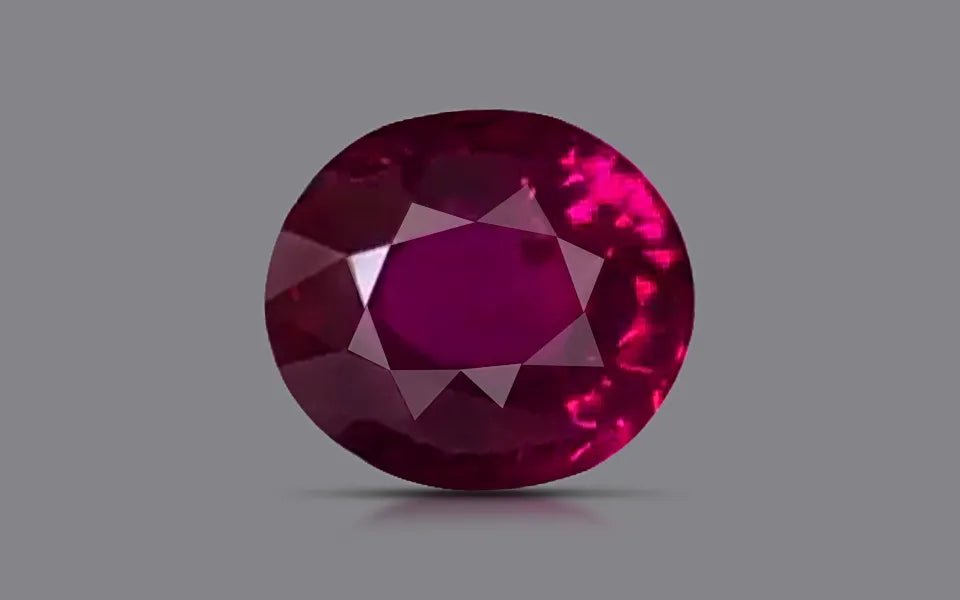
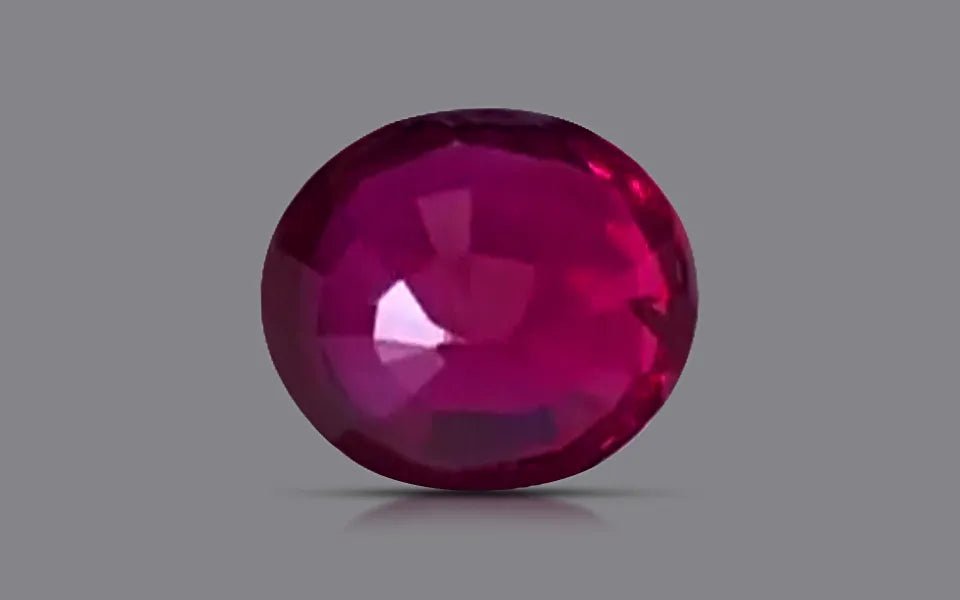
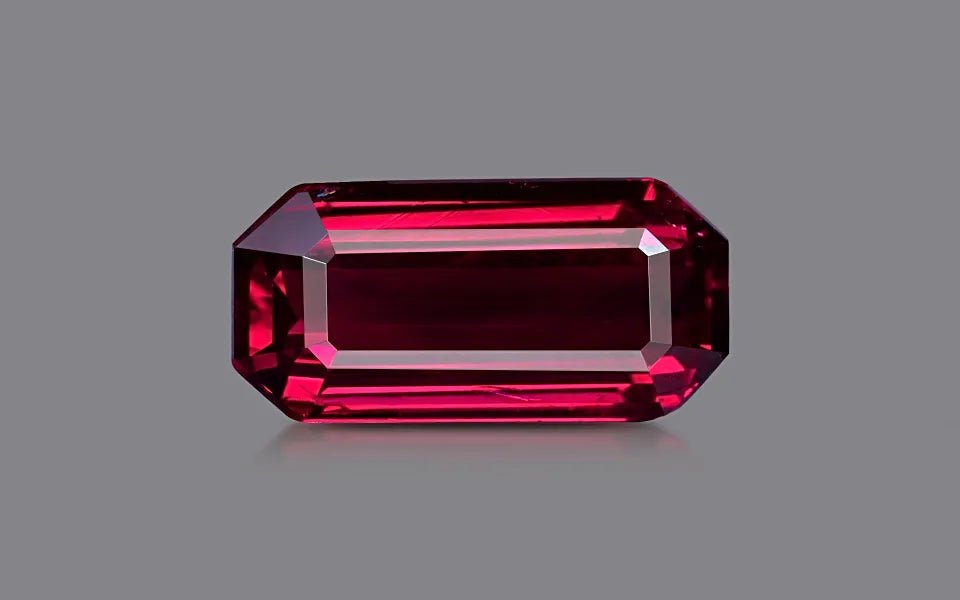
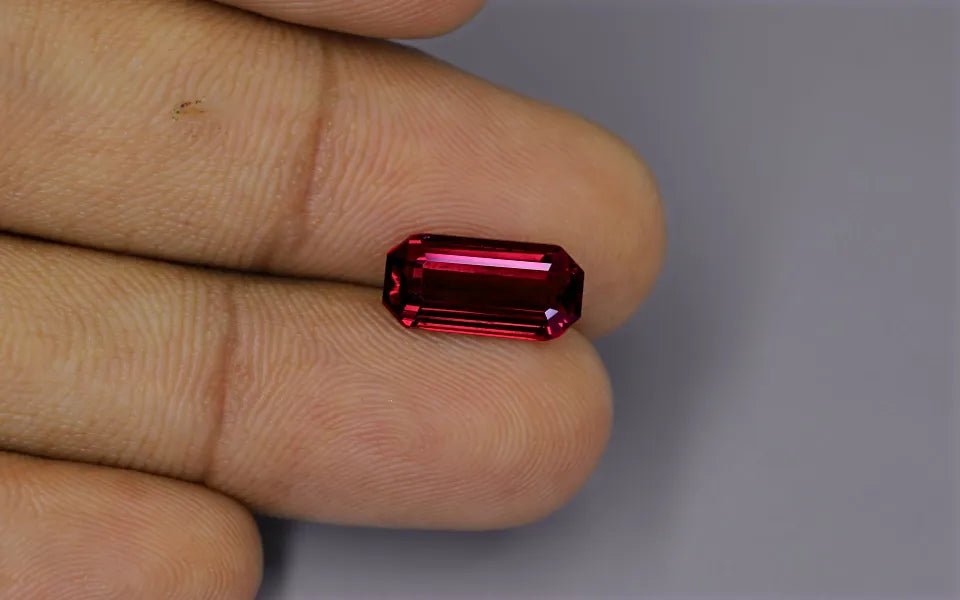
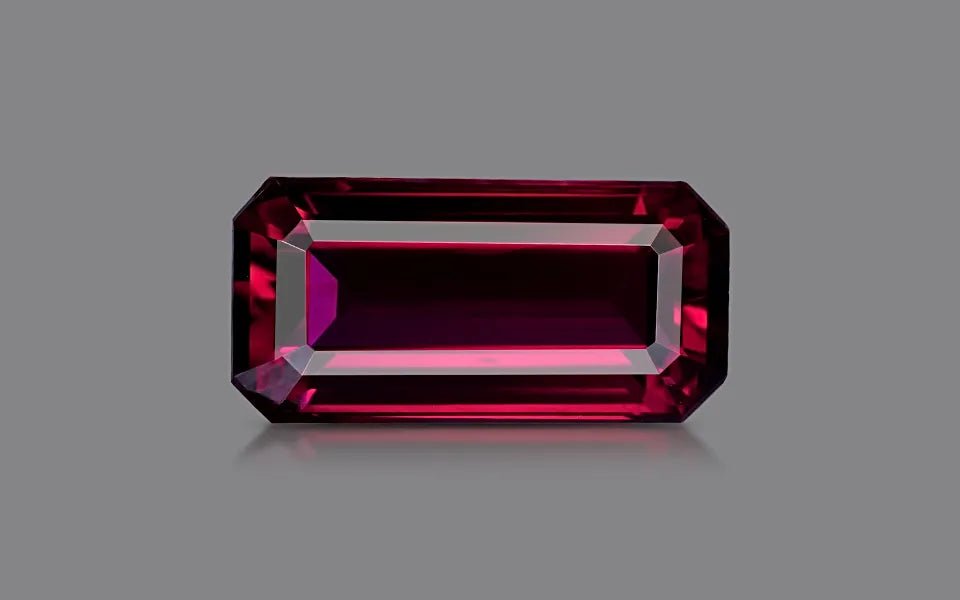
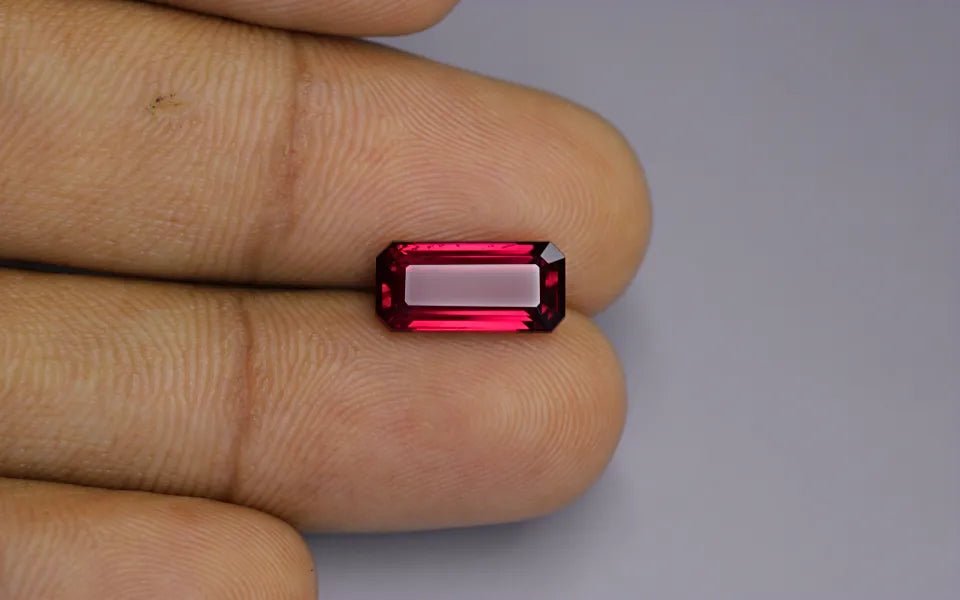
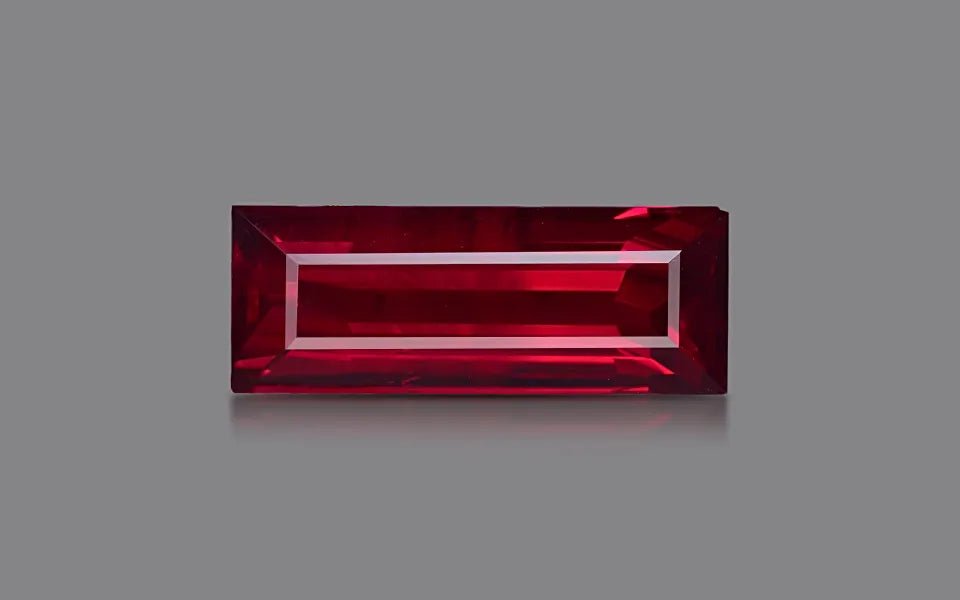
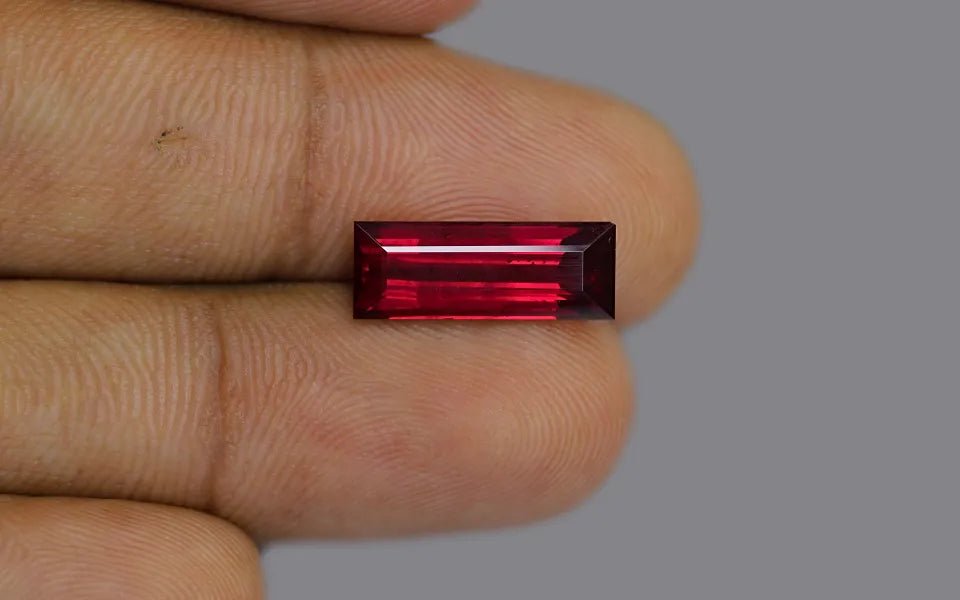
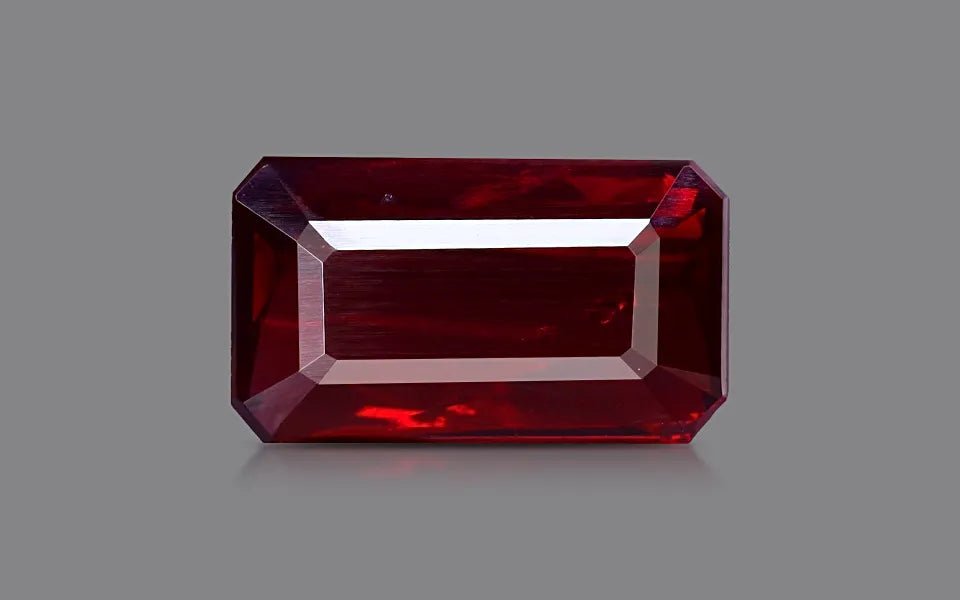
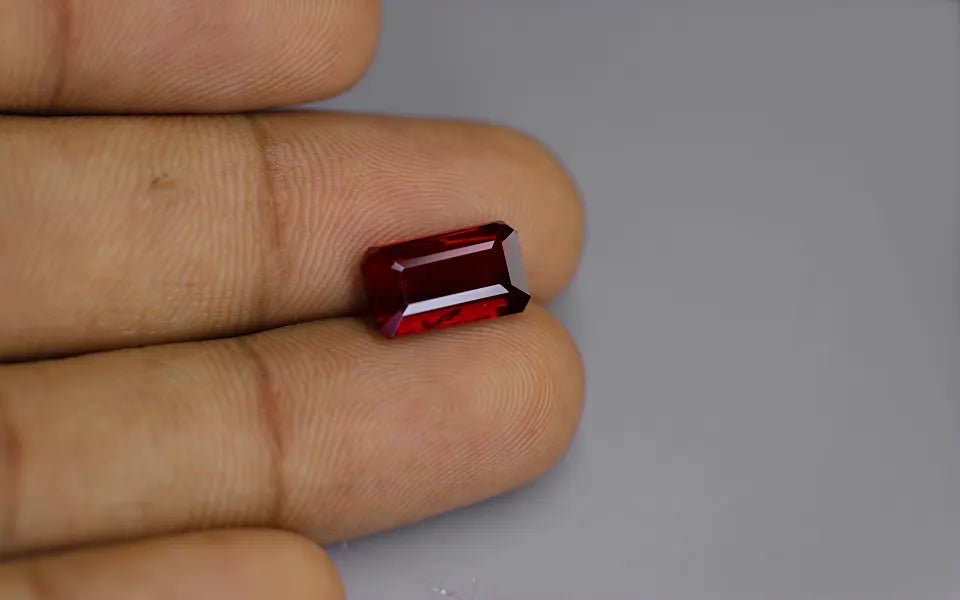
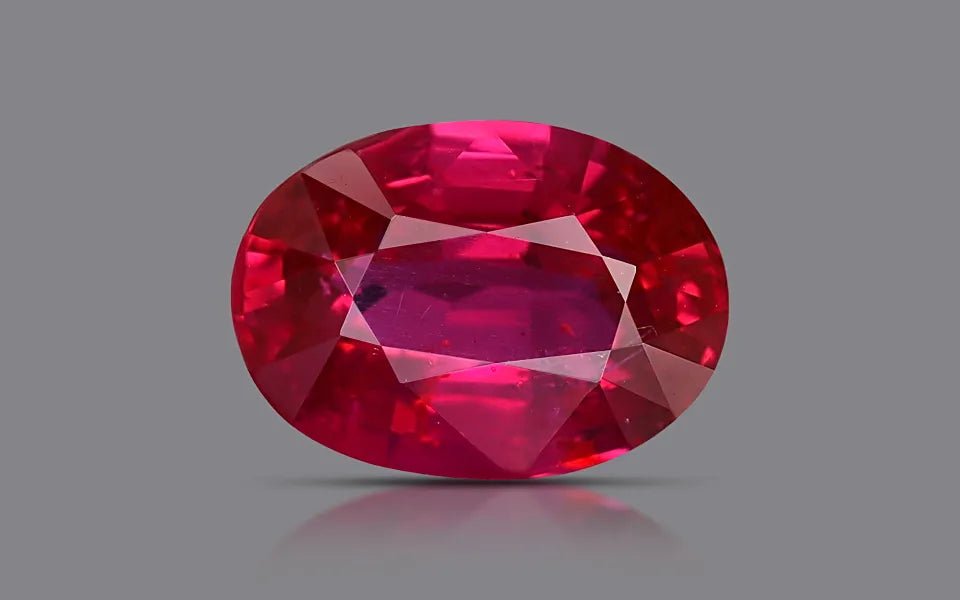
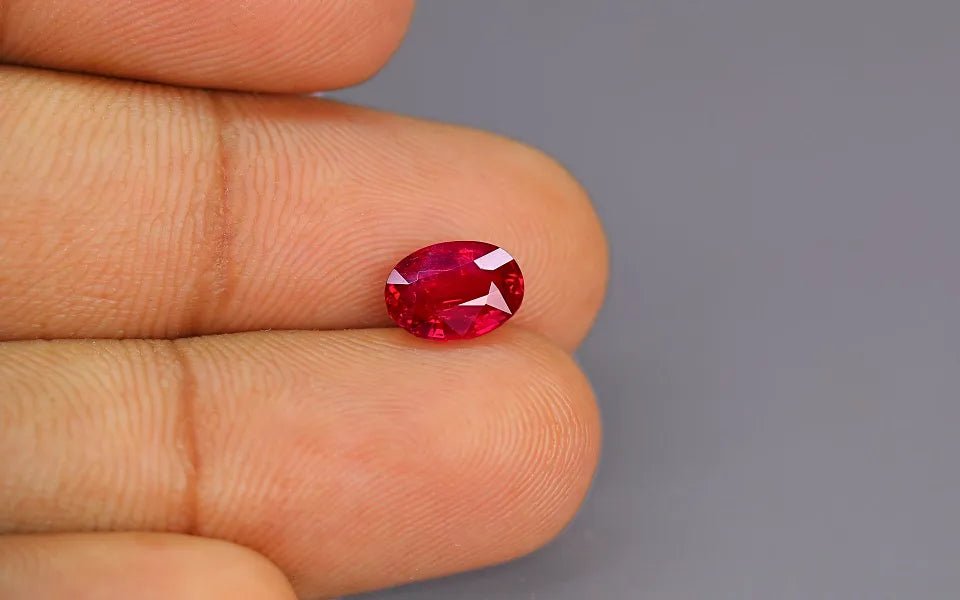
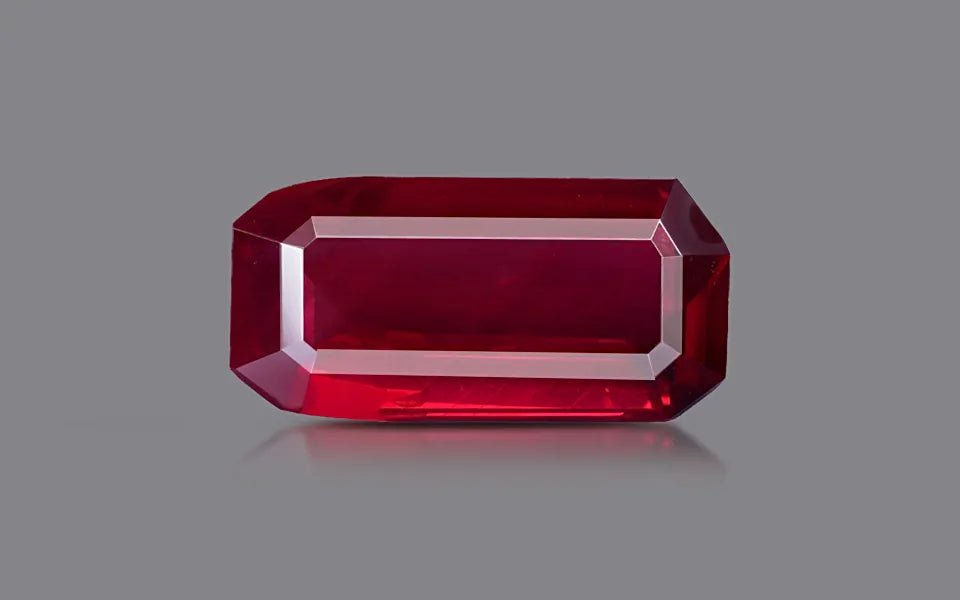
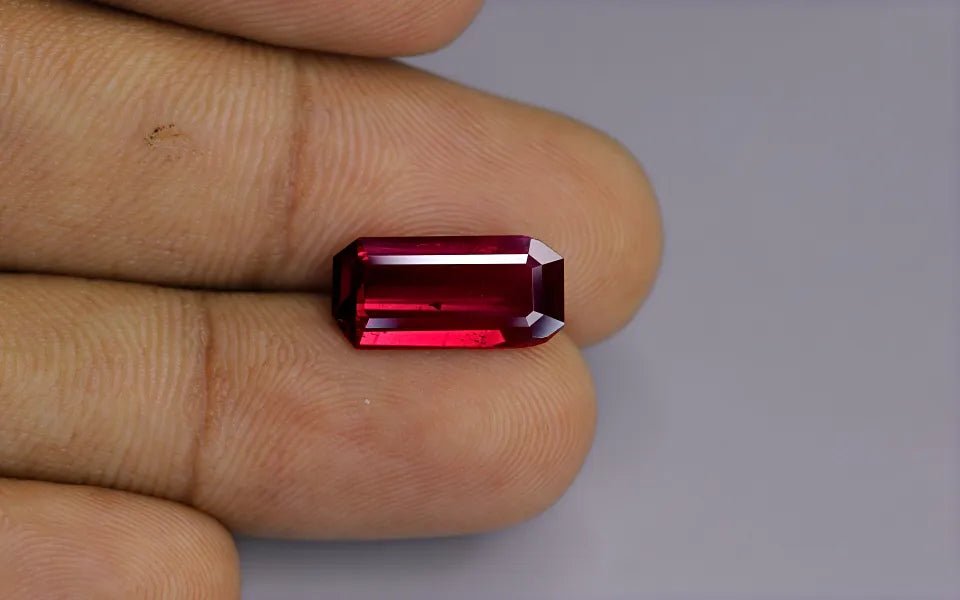
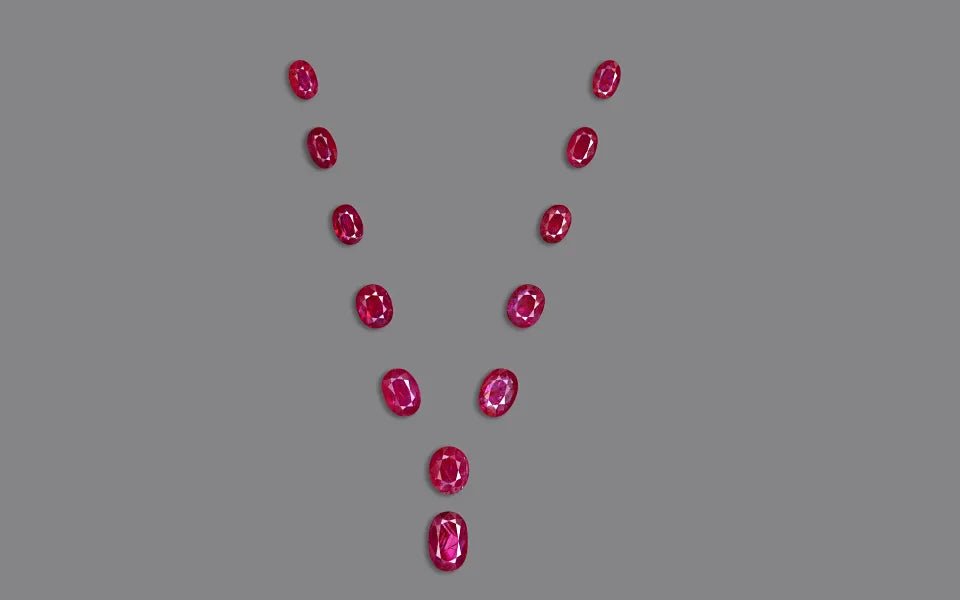
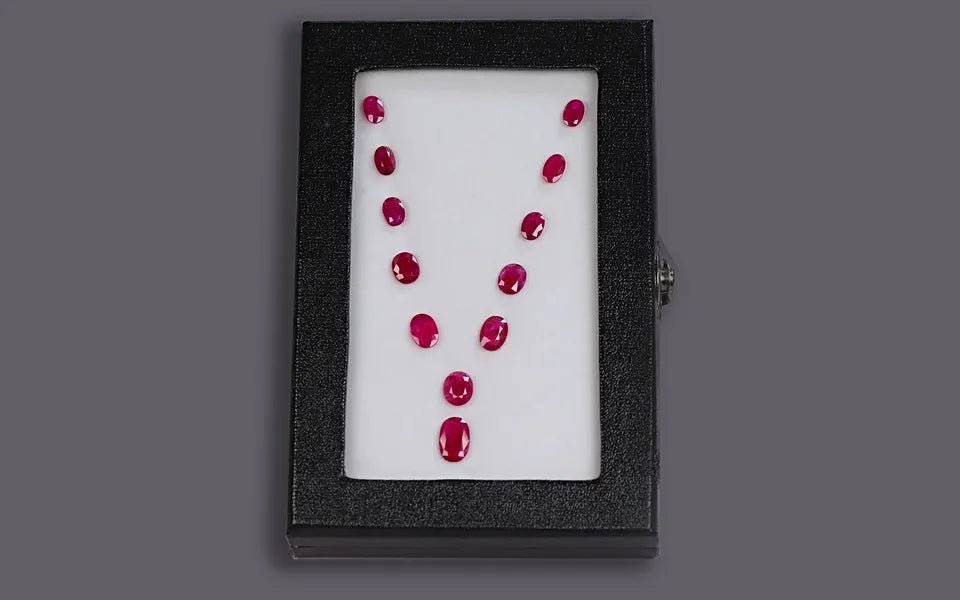
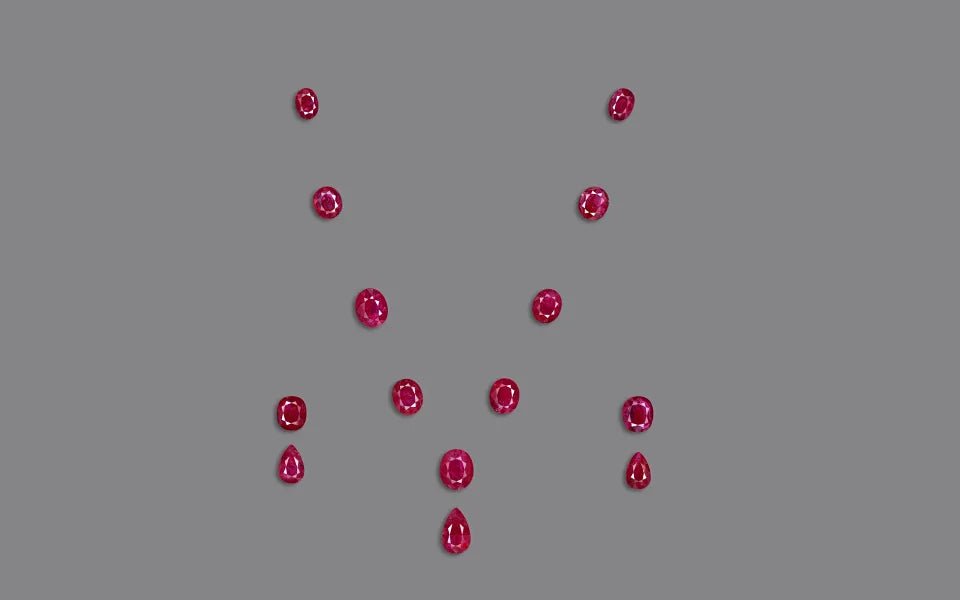
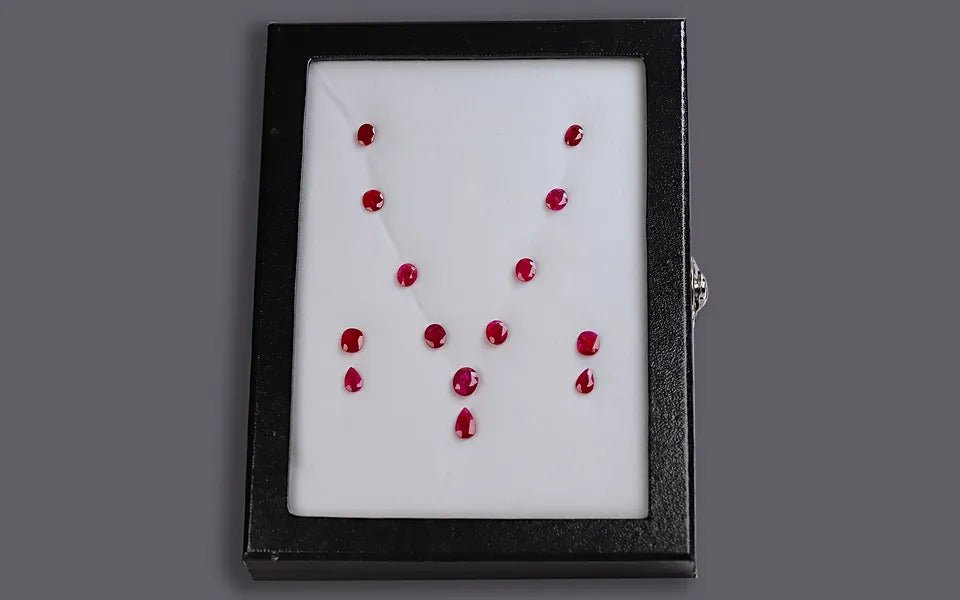
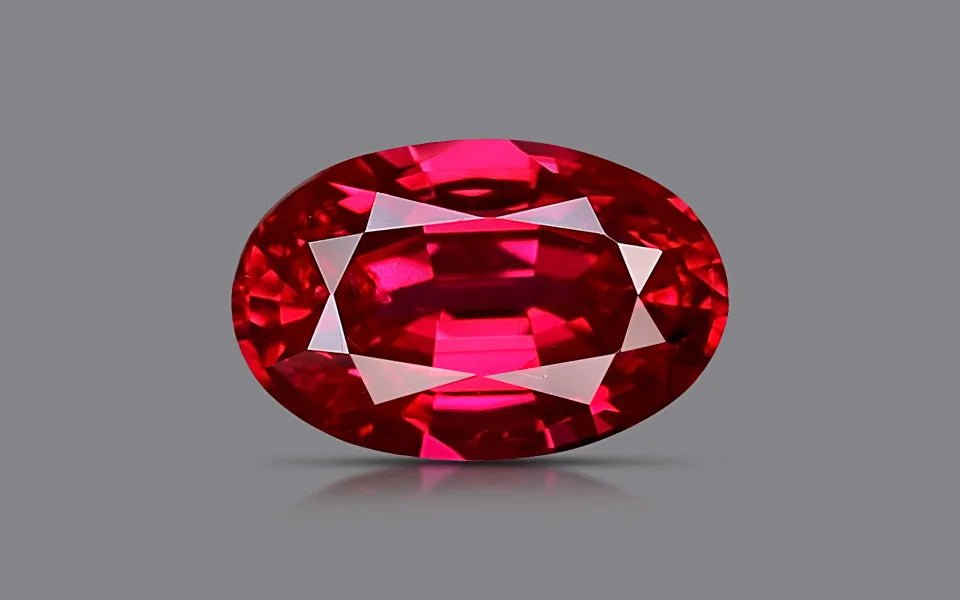
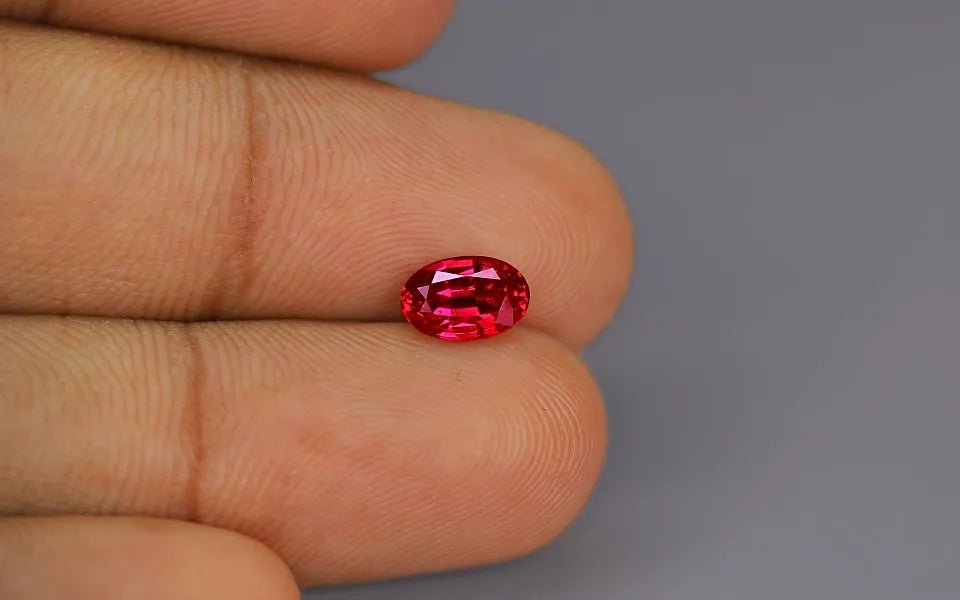


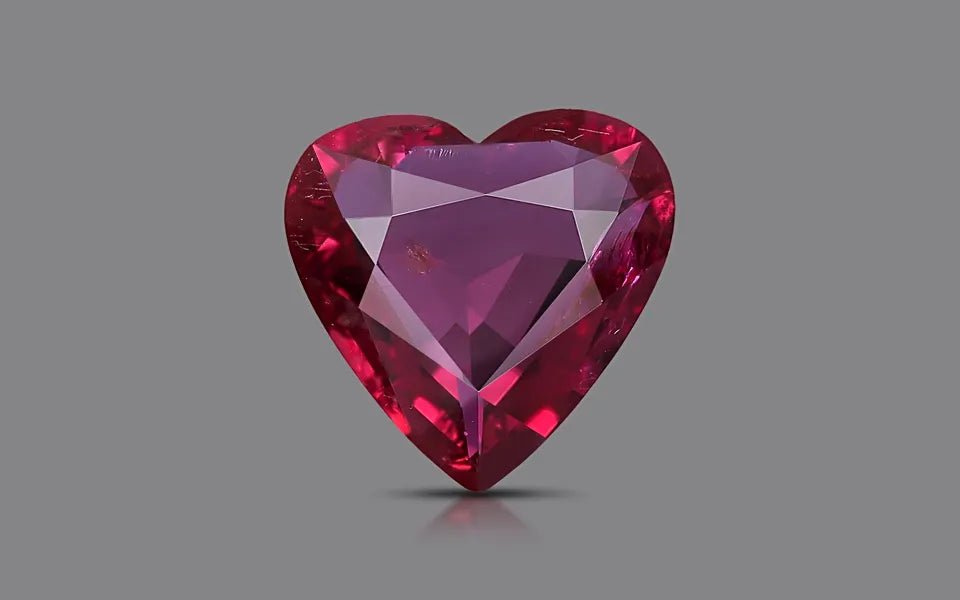
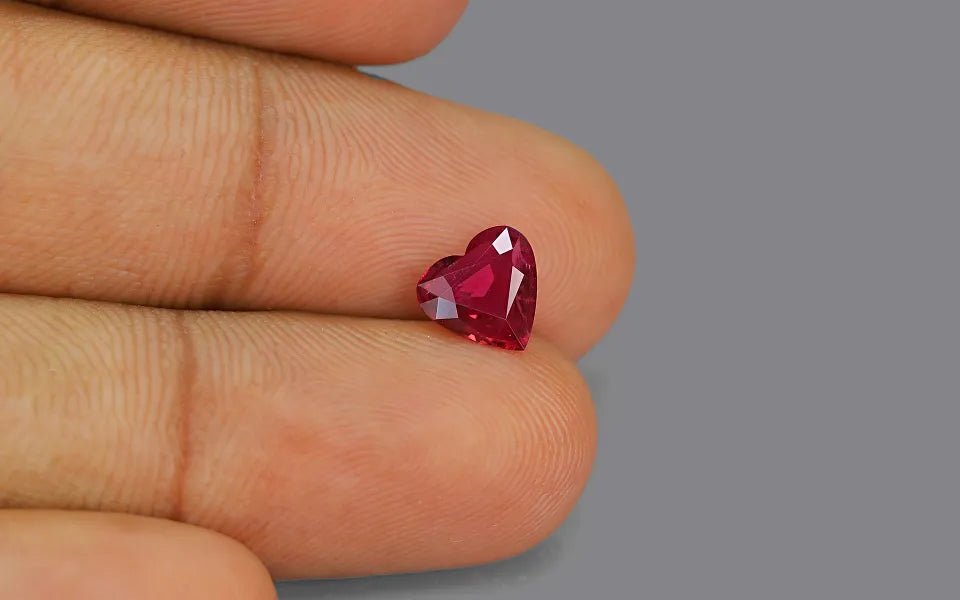
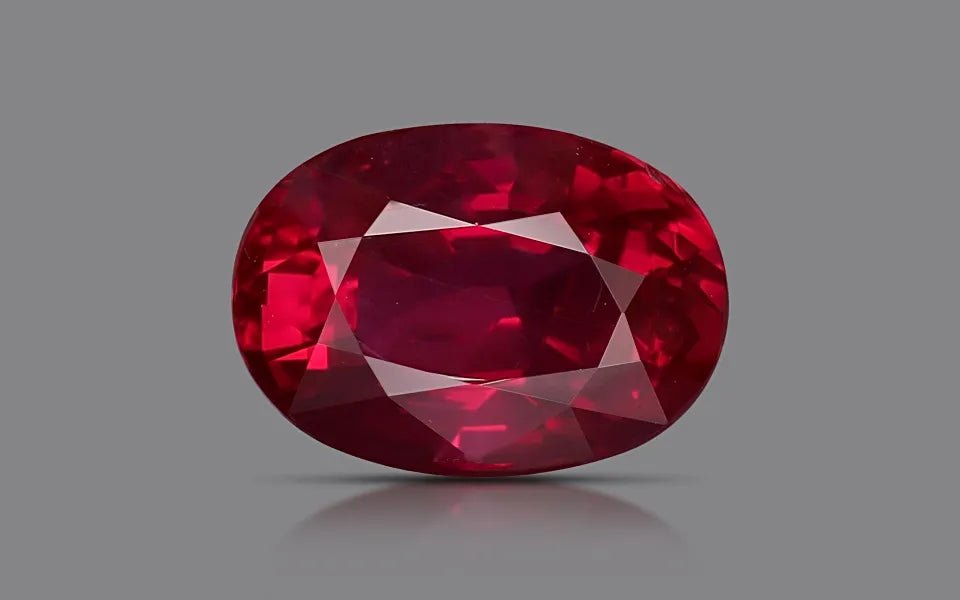
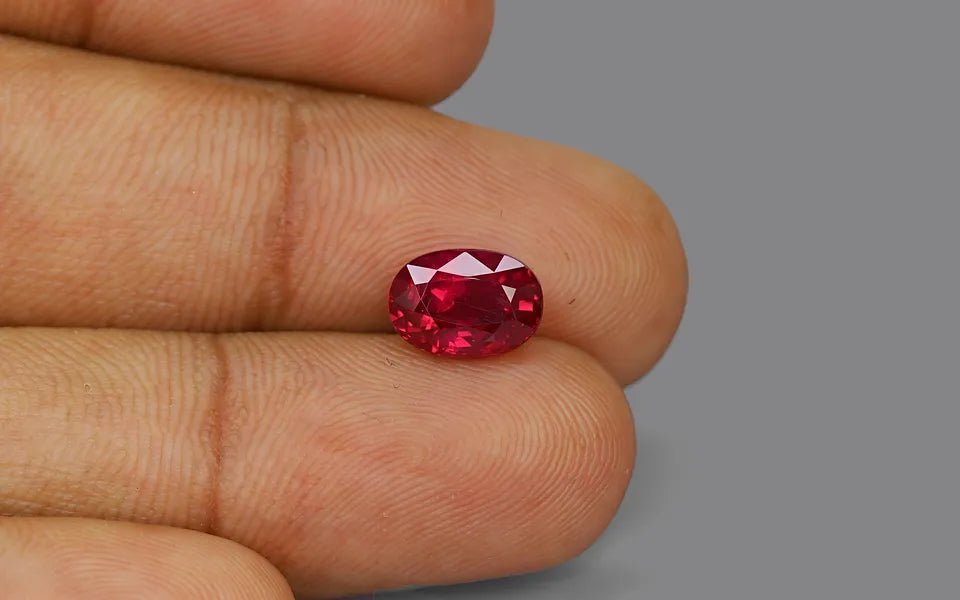
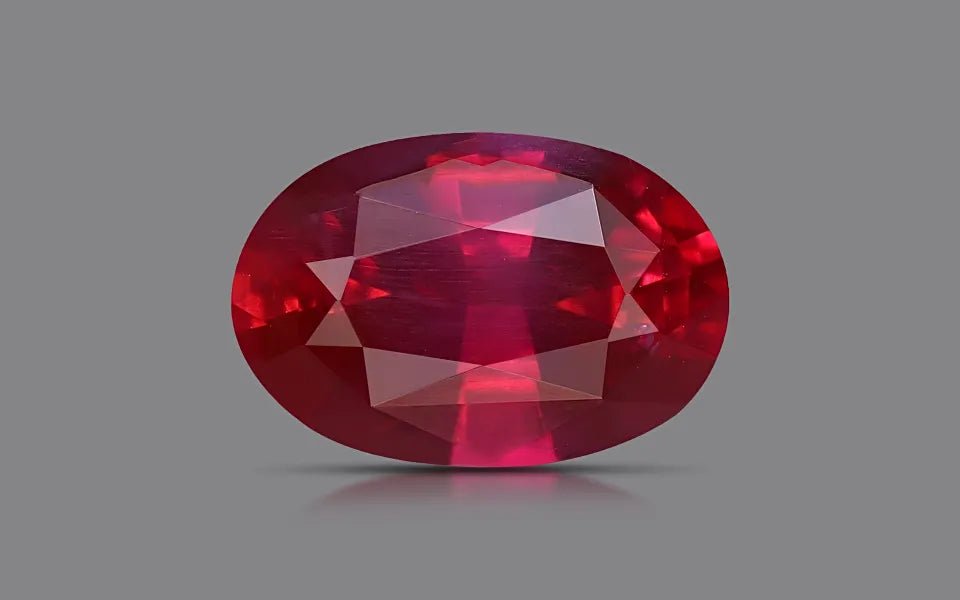
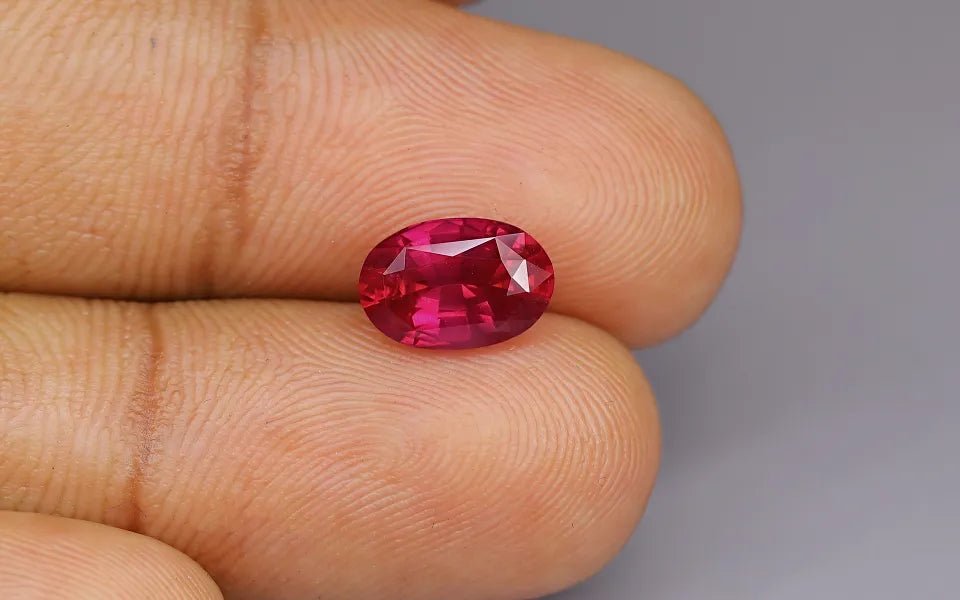
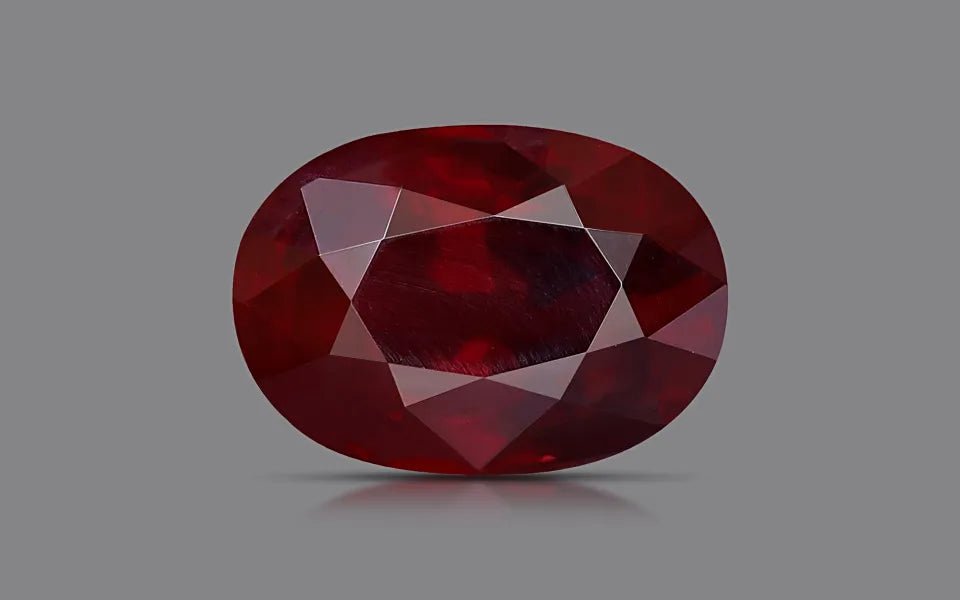
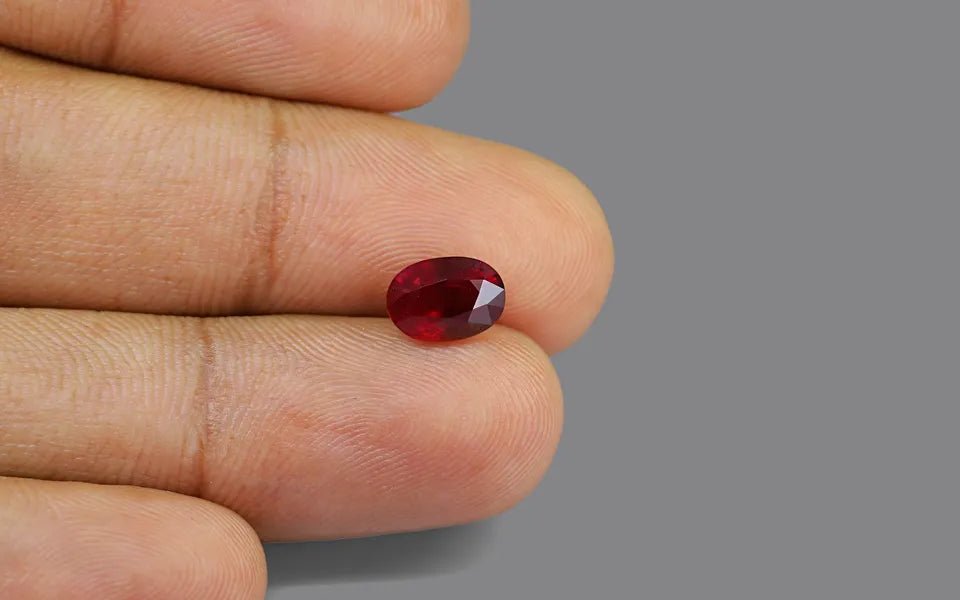
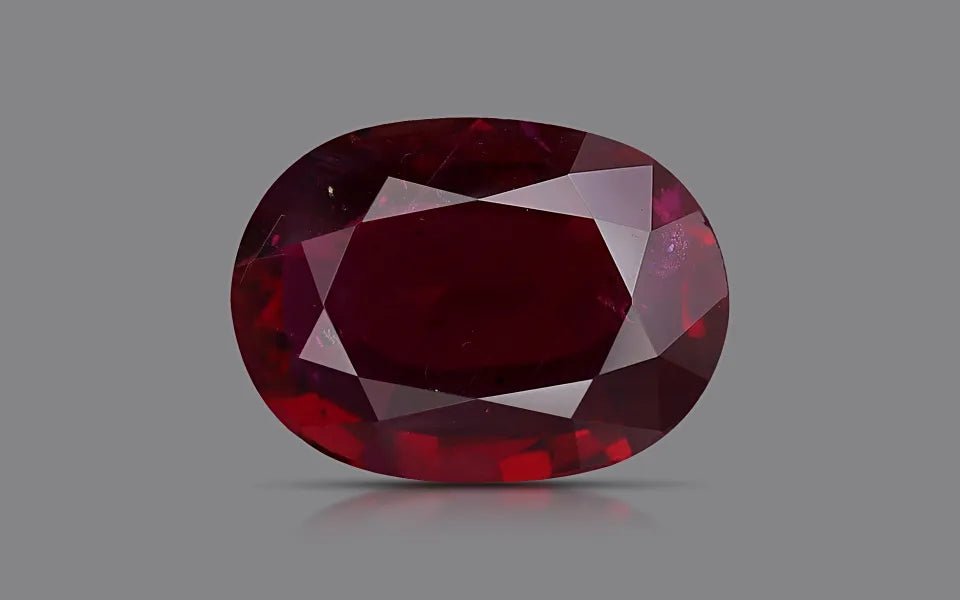
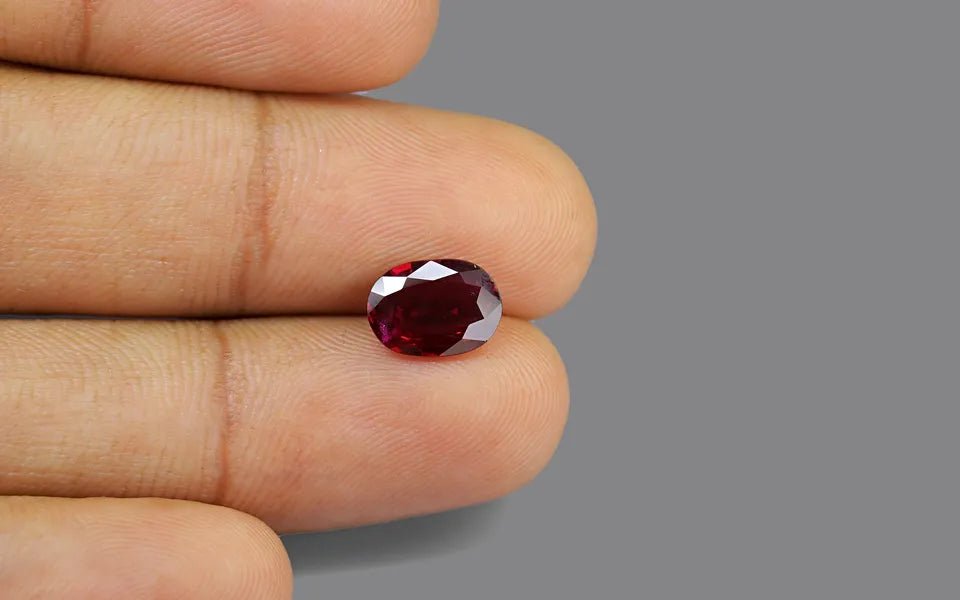
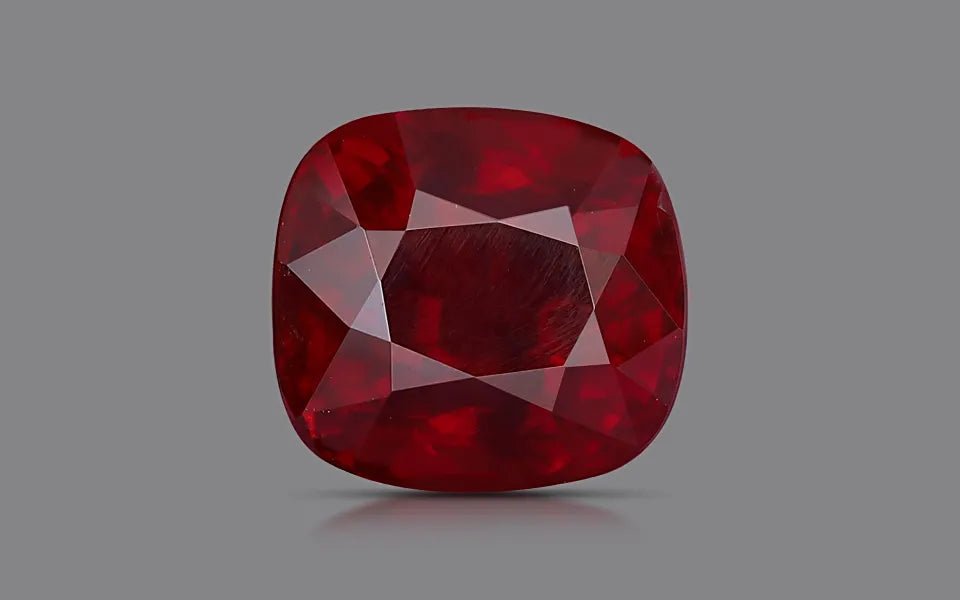
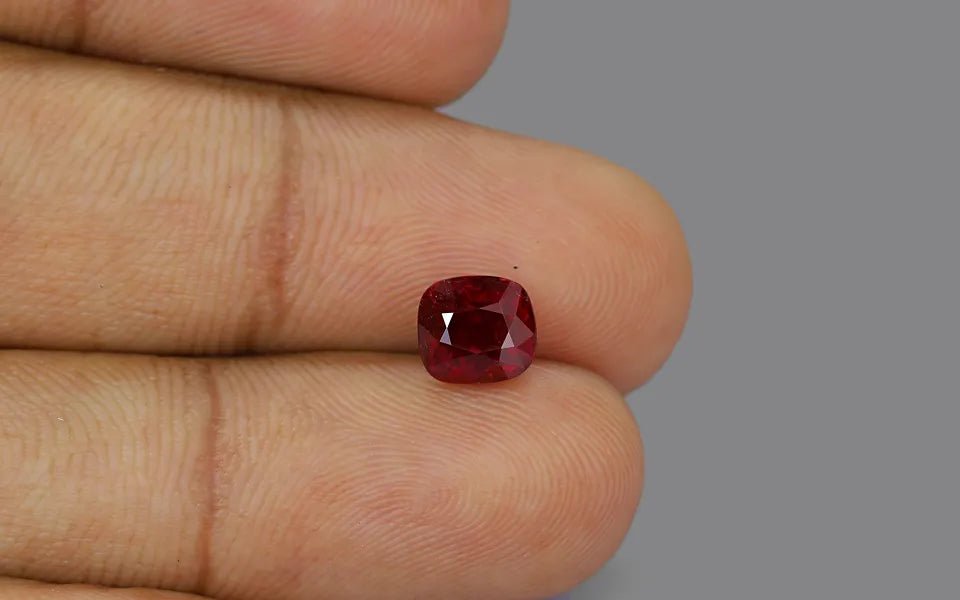
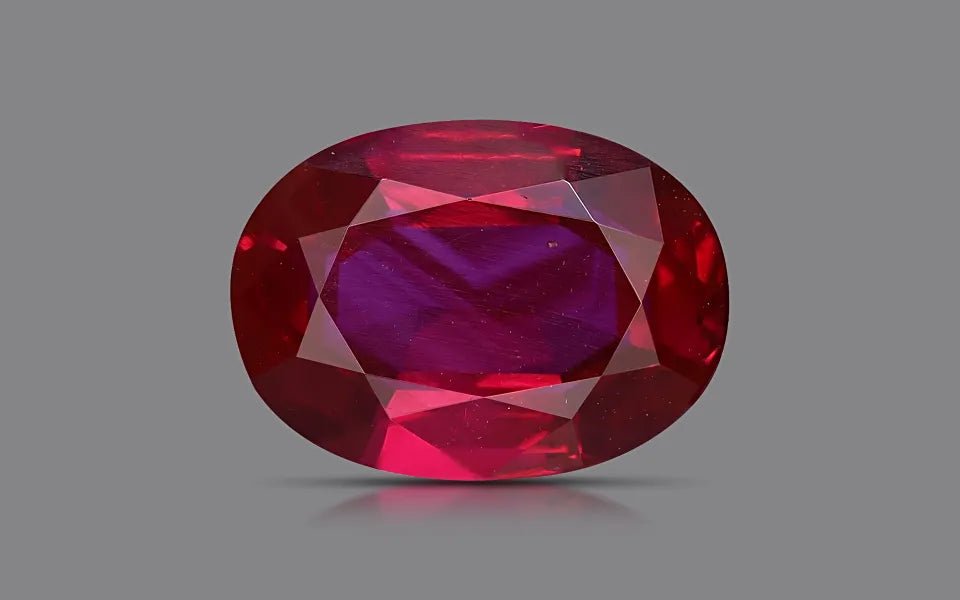
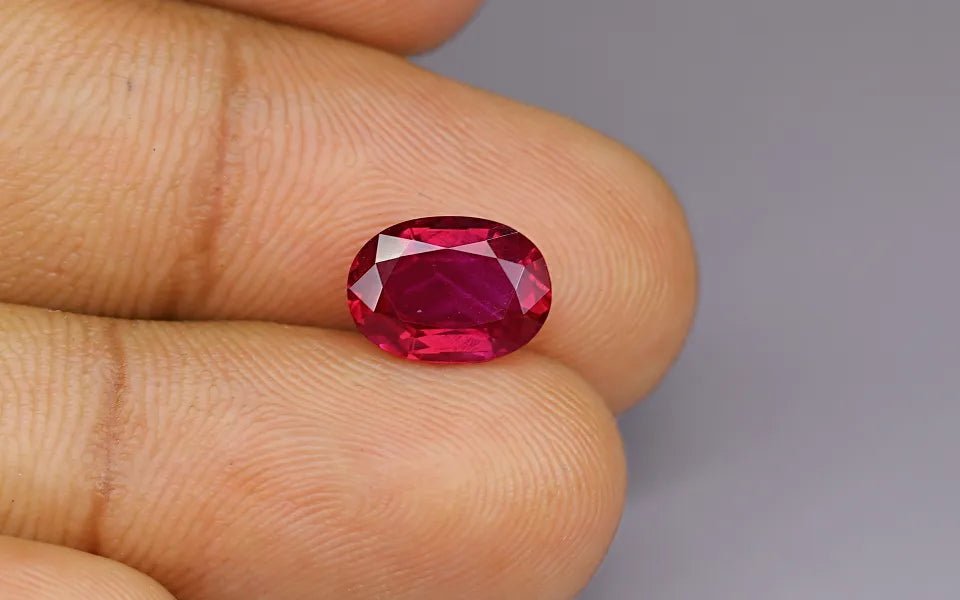
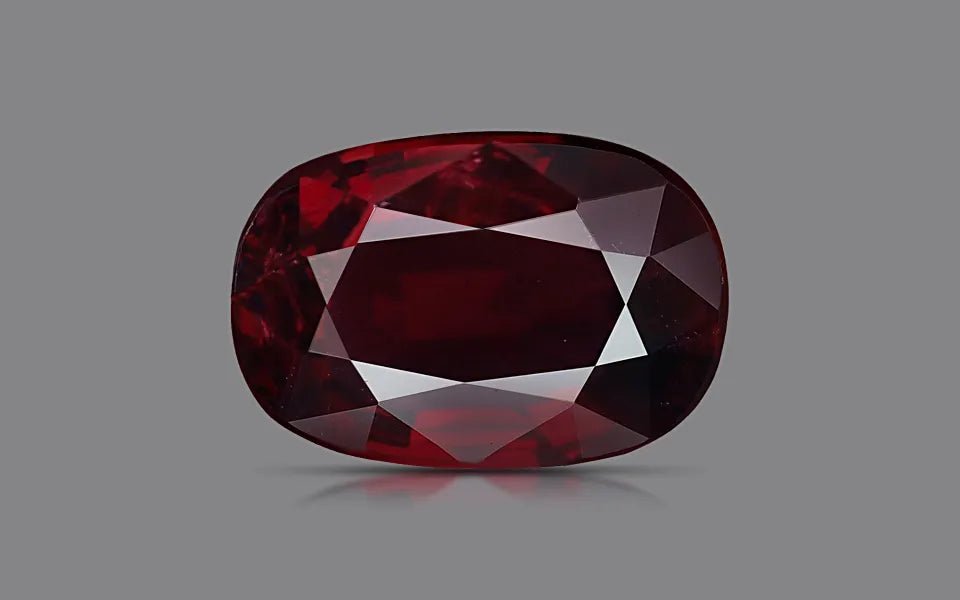
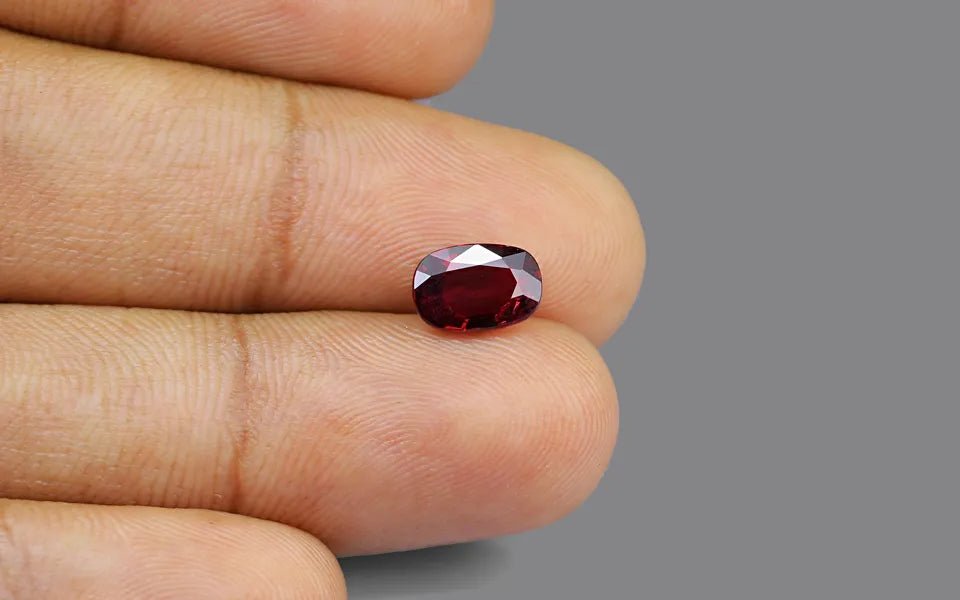
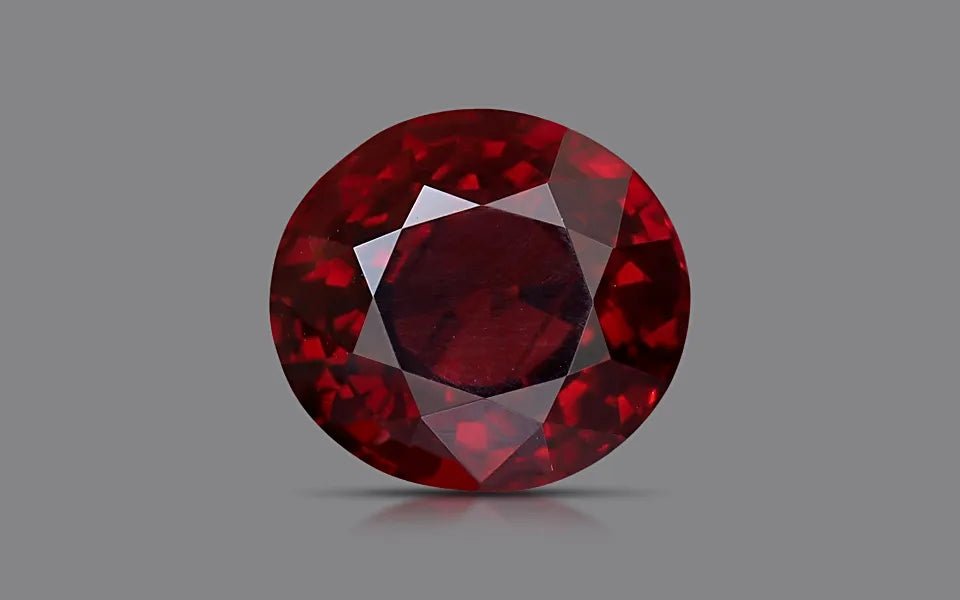
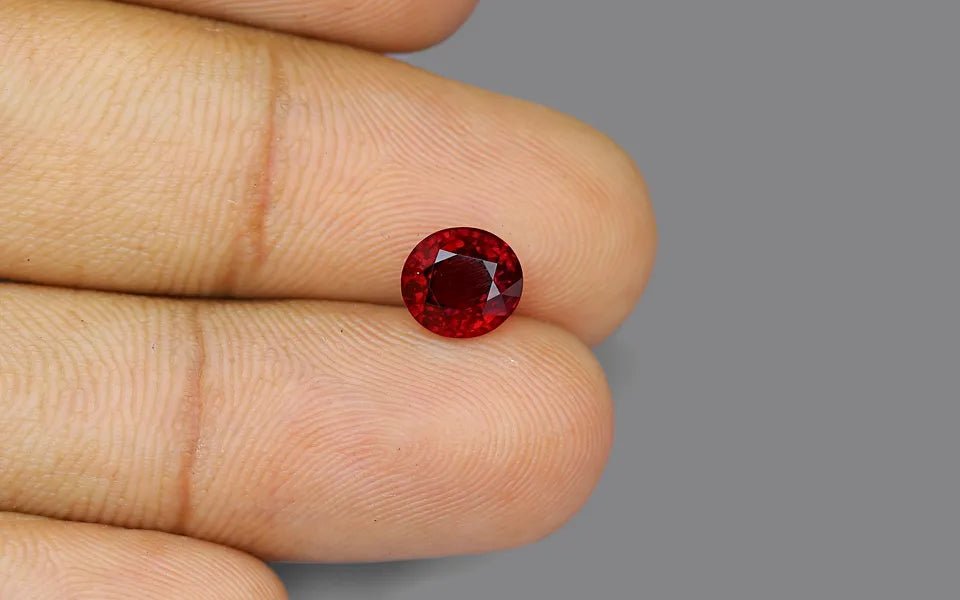
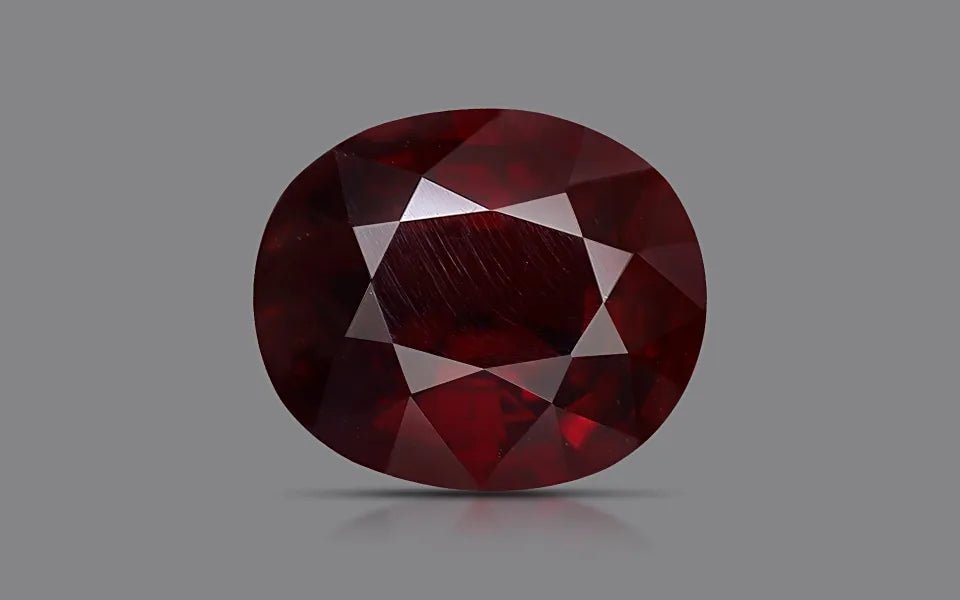
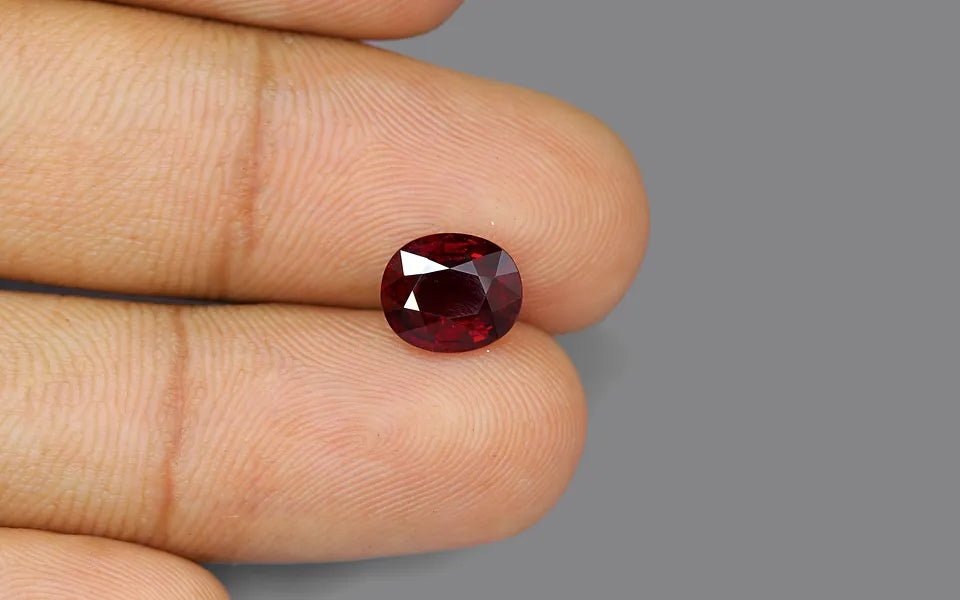
The online selection is only part of our sourcing reach.
Certain gemstones are acquired individually for clients and never appear in public collections.
Enquire about a stone you don’t see hereFrequently Asked Questions
What is ruby?
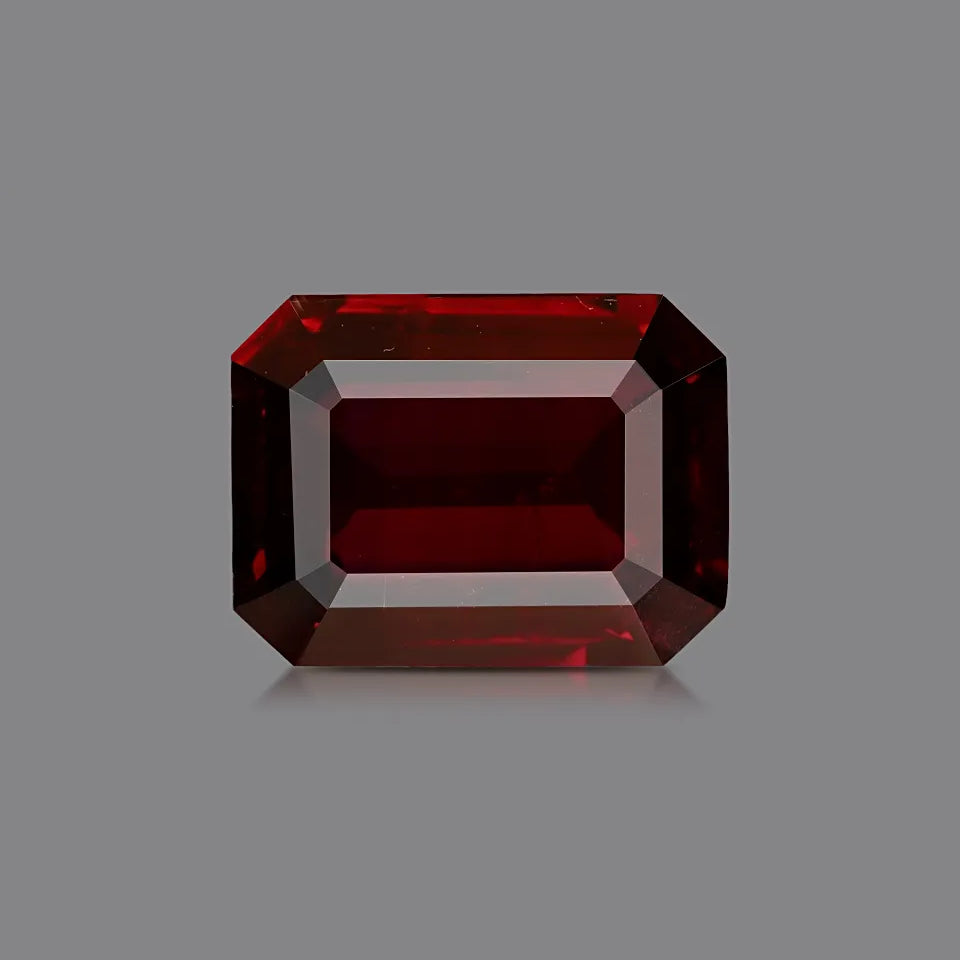
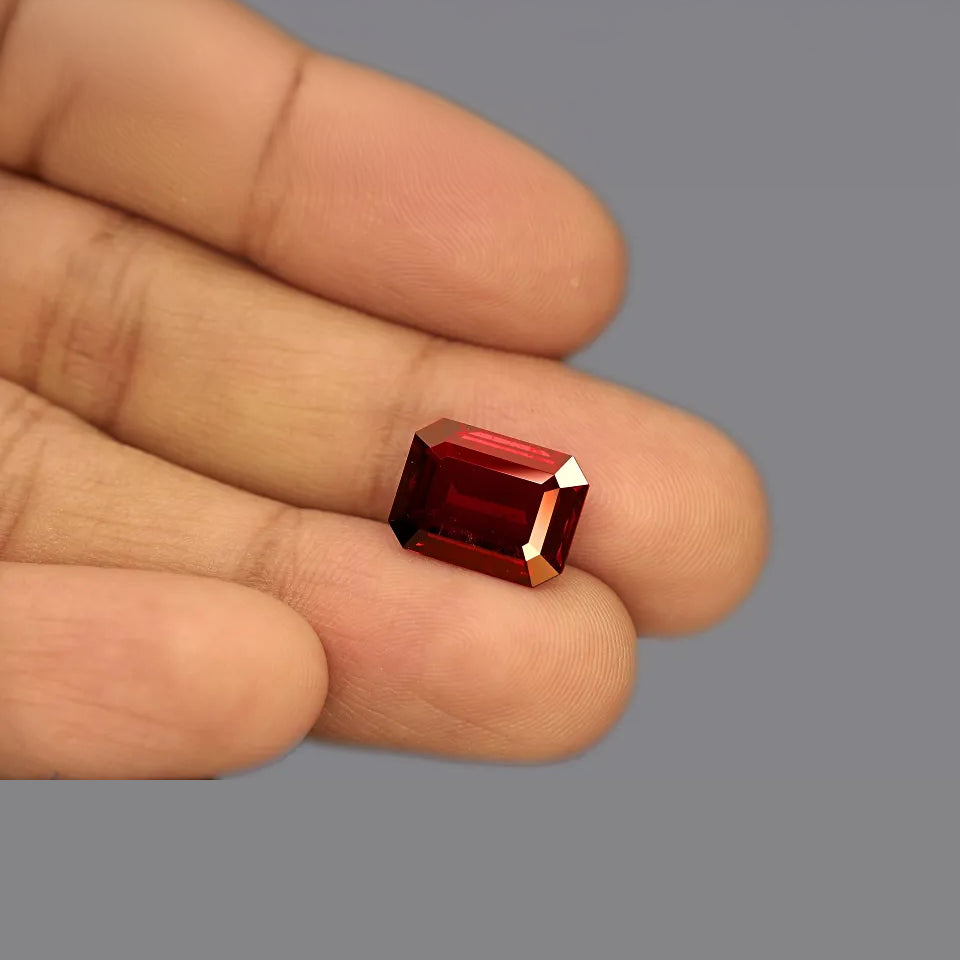
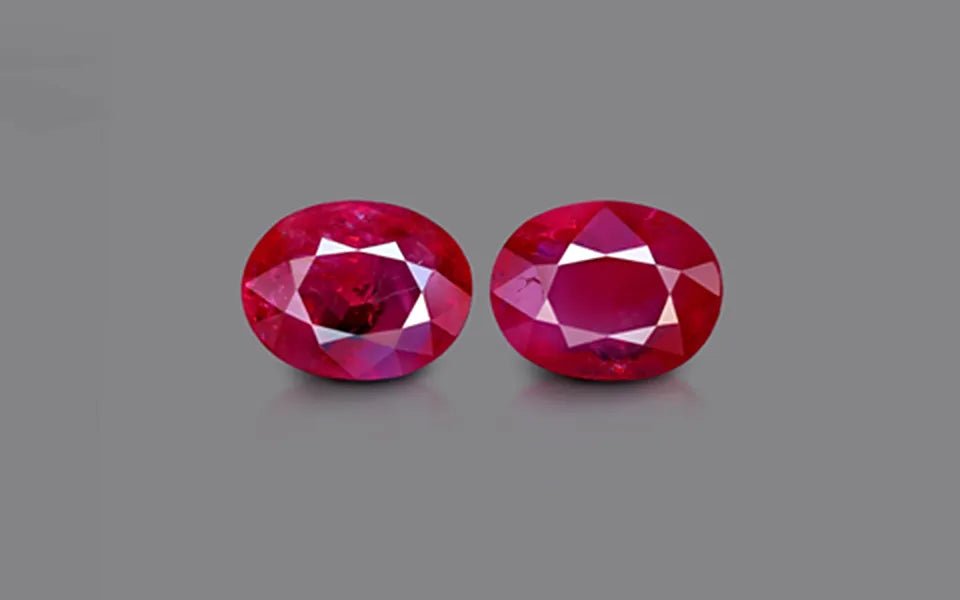
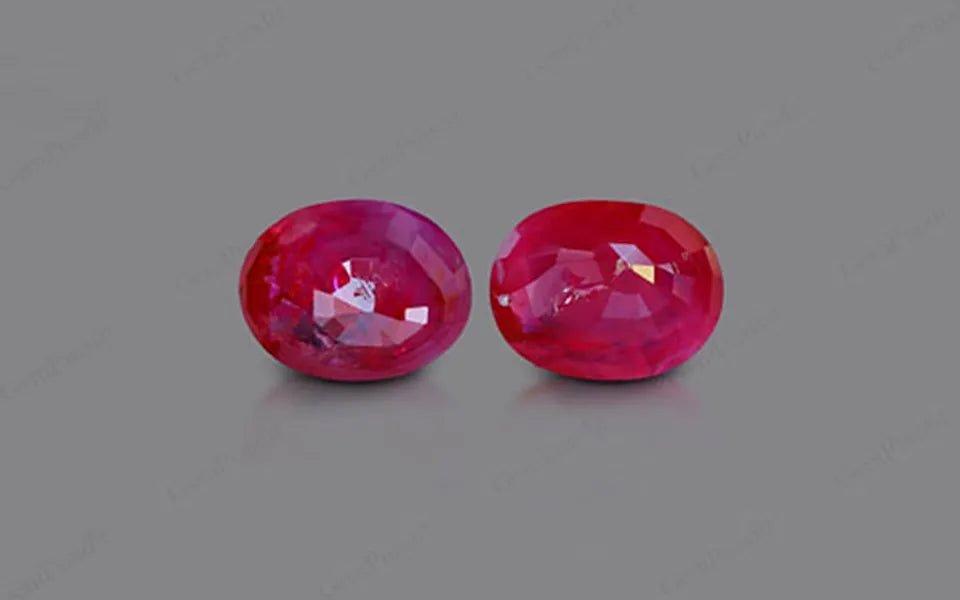
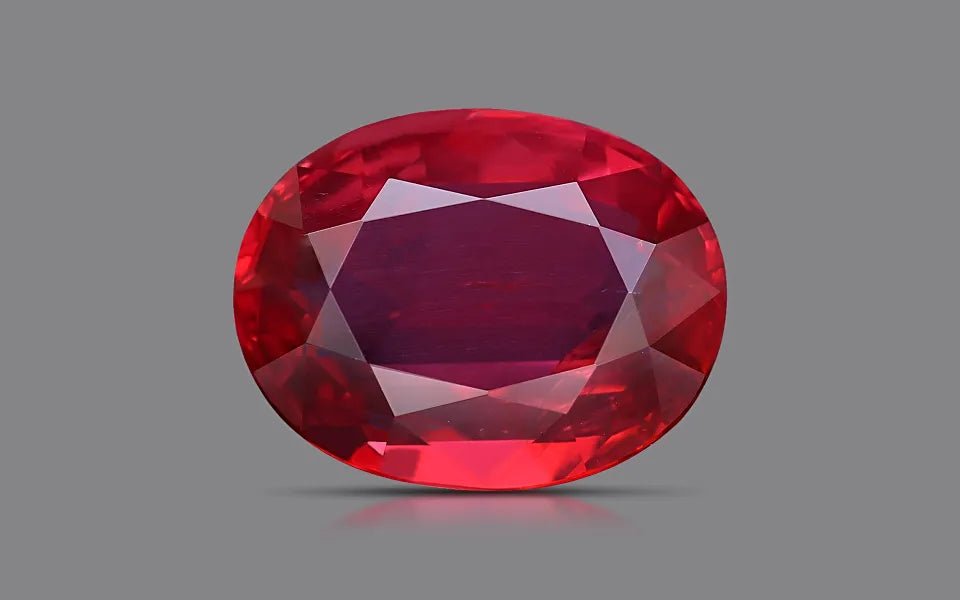
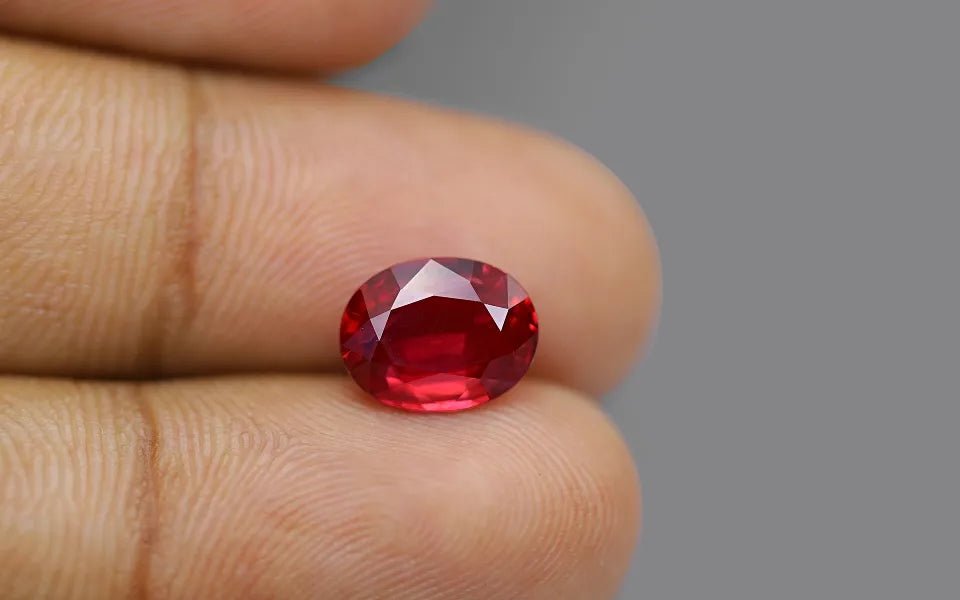
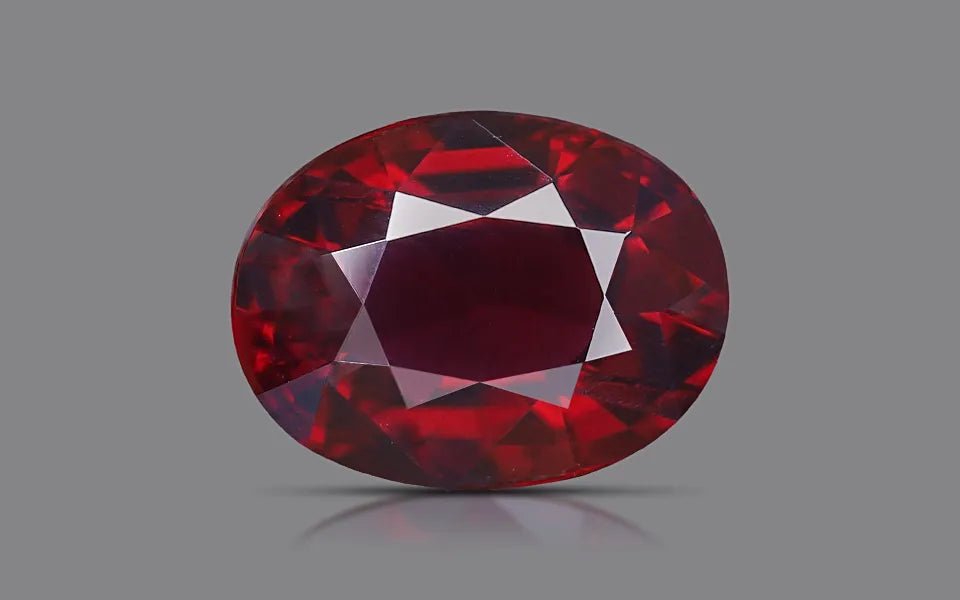
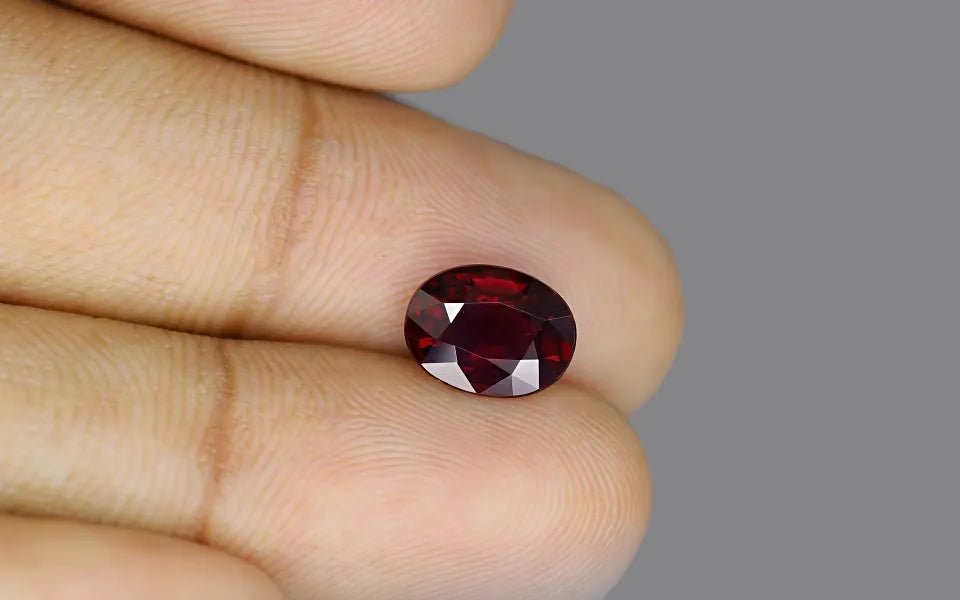
Ruby is the red variety of corundum, colored by chromium. All other corundum colors are classified as sapphire, making ruby the rarest expression of the species and the most storied red stone in history.
Is ruby heat treated?
Most rubies on the market are heated to improve color and clarity, an accepted practice centuries old. Unheated stones confirmed by a laboratory command a substantial premium, and we state the status plainly on every listing.
What does pigeon blood mean?
Pigeon blood describes a vivid, pure red with strong fluorescence, historically tied to Burmese stones. We use the term only where a laboratory report has applied it, never as a sales flourish.
Why do Burmese rubies cost more?
Burma, today Myanmar, produced the stones that built ruby's legend, and its material carries strong fluorescence that gives the red an inner glow. That history and chemistry sustain a premium over Mozambique stones even at matching grades.
How is ruby quality evaluated?
Color first: saturated red that stays alive in low light, without brown or purple shadows. Clarity is judged more gently than in sapphire, since fine silk is natural to the species, and cut decides how much color reaches the eye.
Is ruby durable enough for daily wear?
Yes. At 9 on the Mohs scale, ruby is second only to diamond in hardness and handles a daily ring for generations.
What documentation comes with a stone?
Every ruby ships with the Sosna Gems Colored Stone Report, our internal documentation. Independent laboratory certification can be arranged on request, and stones with existing laboratory reports have the laboratory named on the listing.
Can you source a ruby beyond the visible selection?
Yes, and with ruby it is the usual path: fine stones, especially unheated and origin-documented ones, often reach clients without ever being listed. Contact us with your parameters for color, origin, and budget.
How do I choose between two similar rubies?
Take them to low light. A fine ruby keeps burning where a commercial stone goes dark or brownish, and that inner glow, driven by fluorescence, is what separates the stones people remember from the ones they merely own.