


Spinel
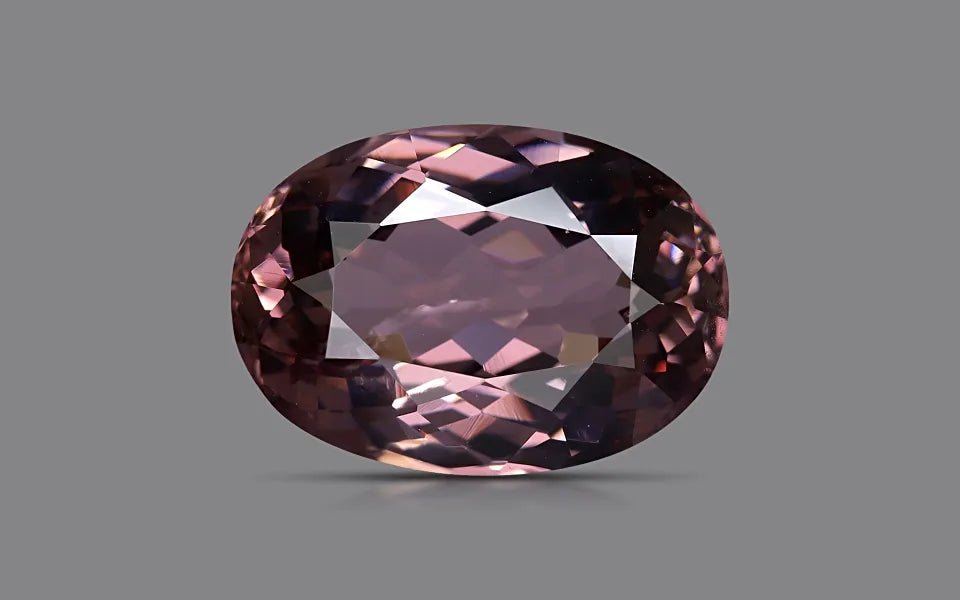
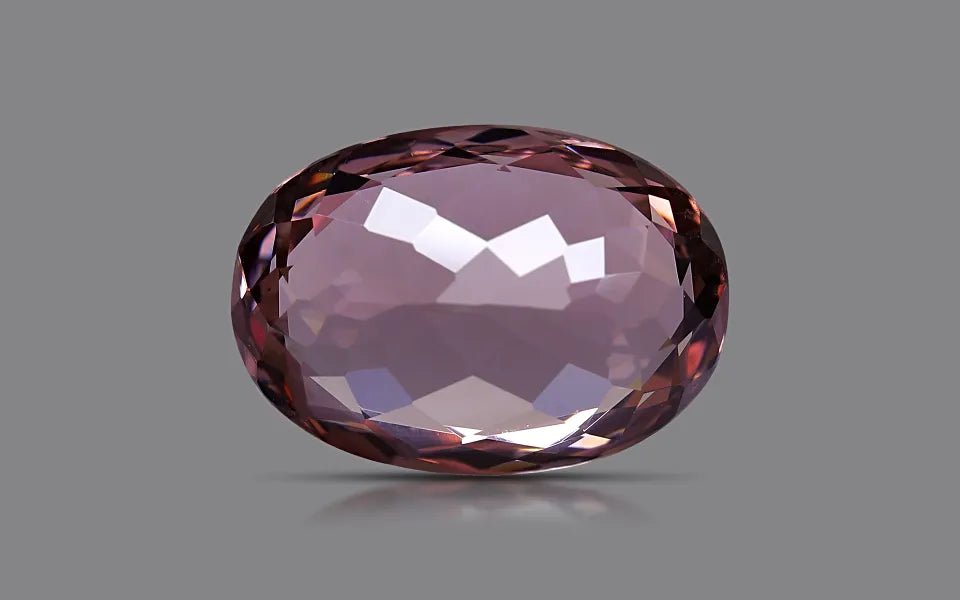
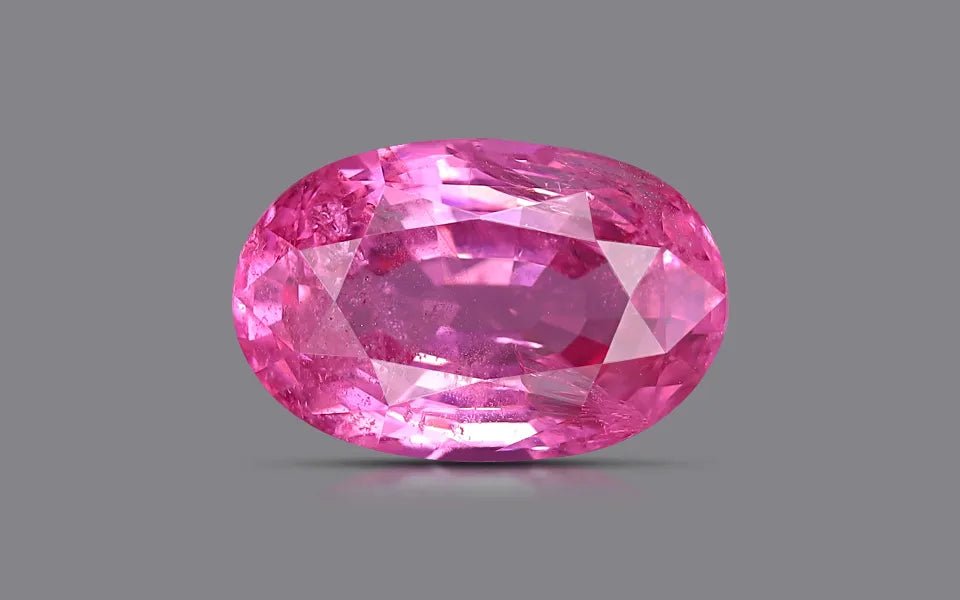
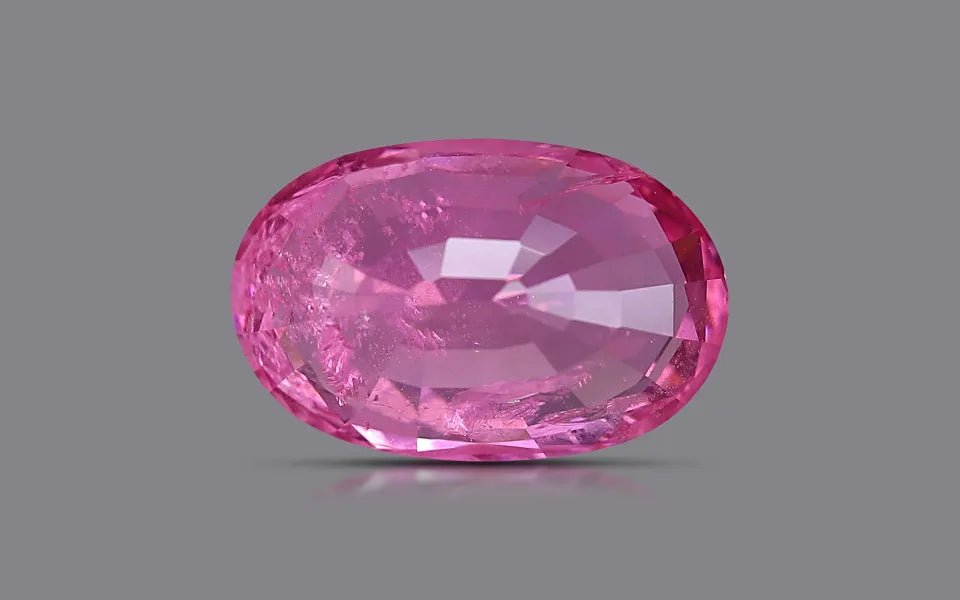
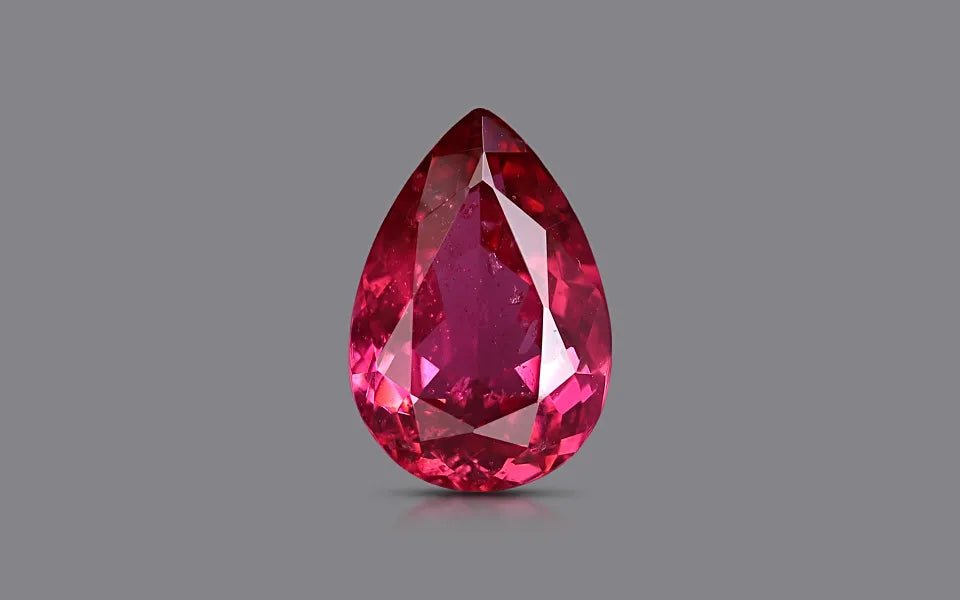
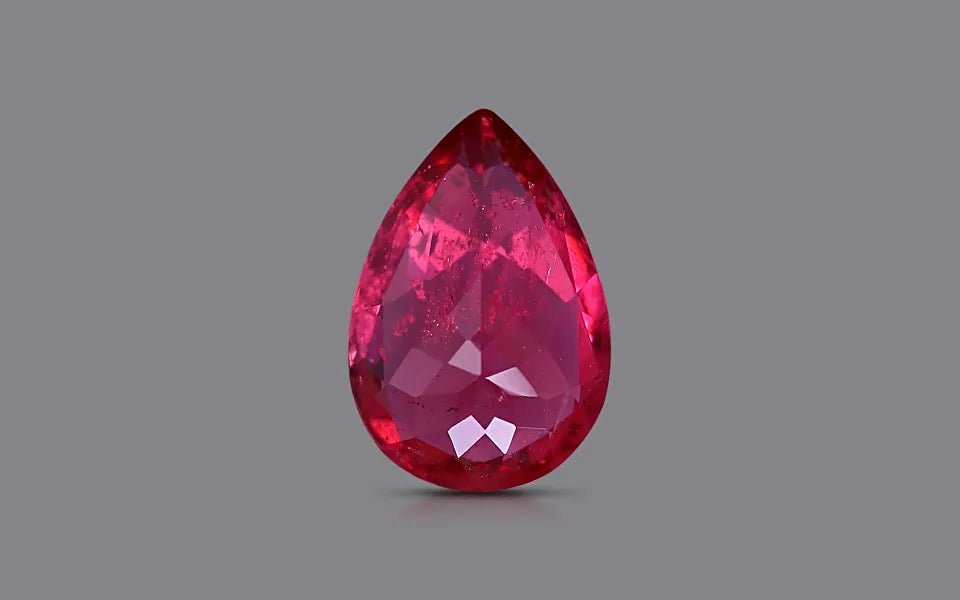
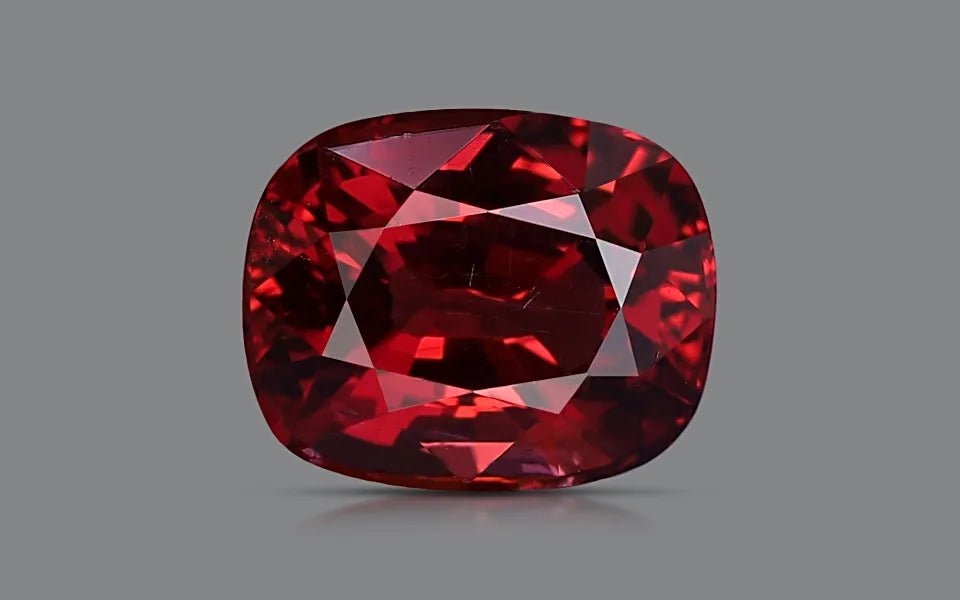
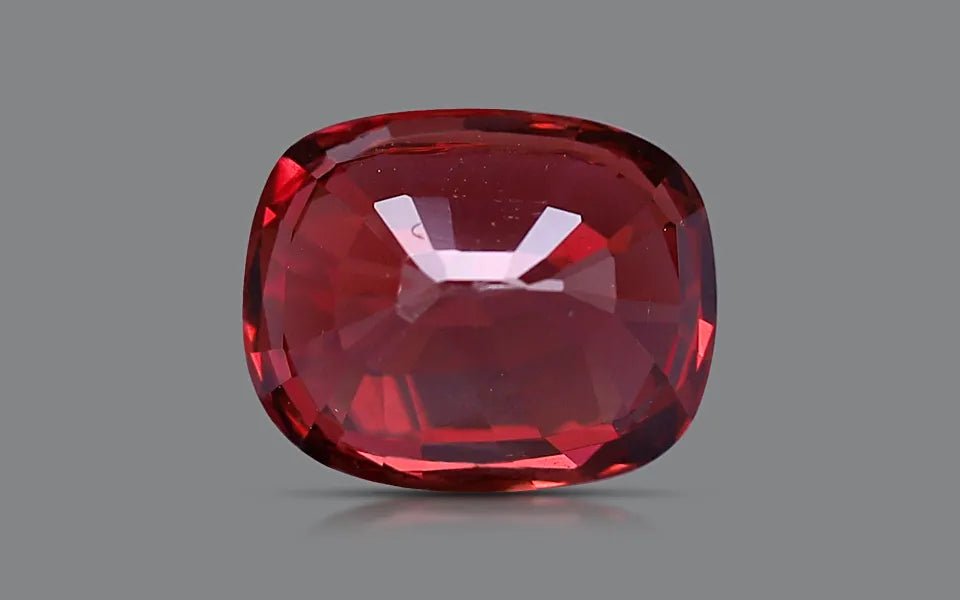
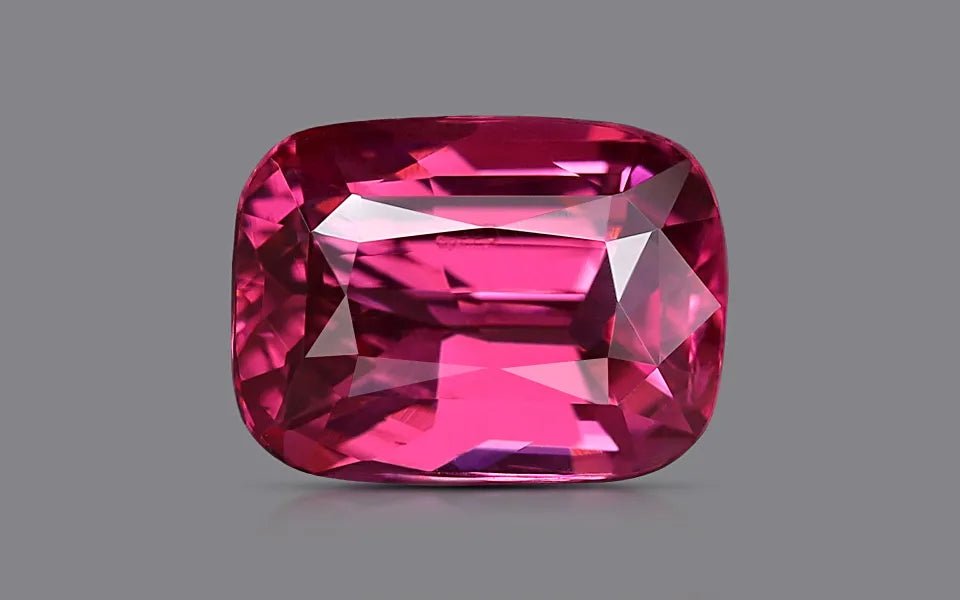
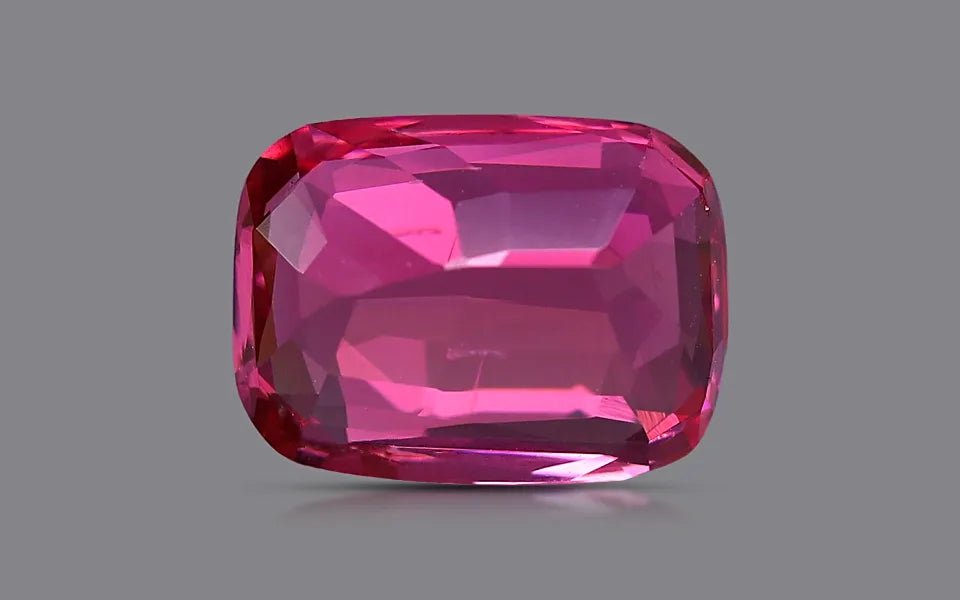
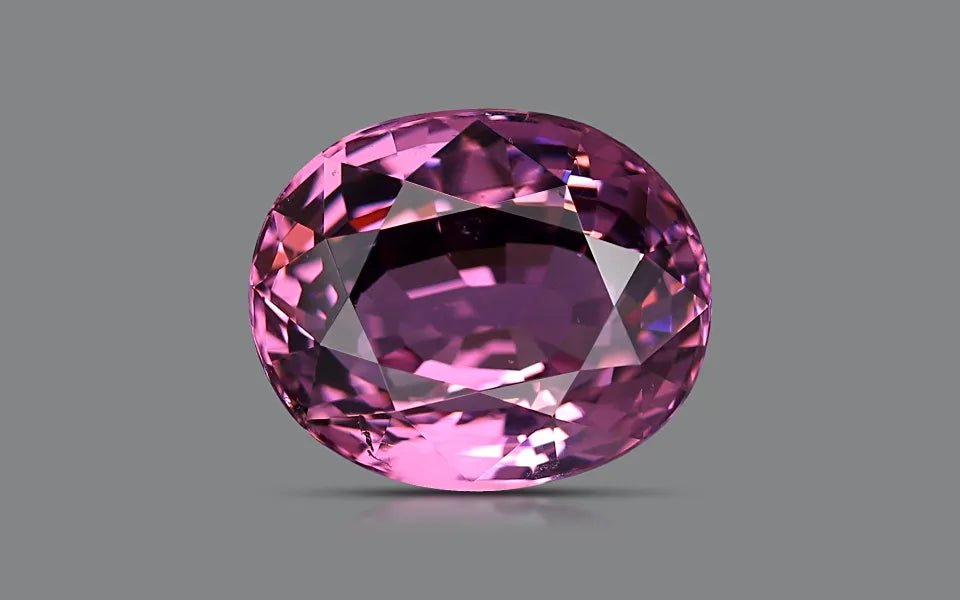
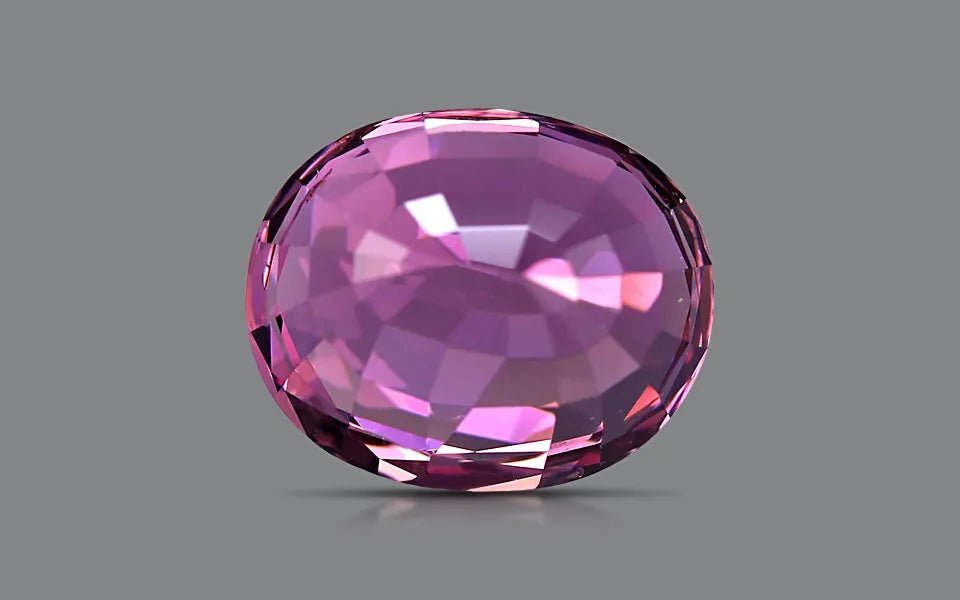
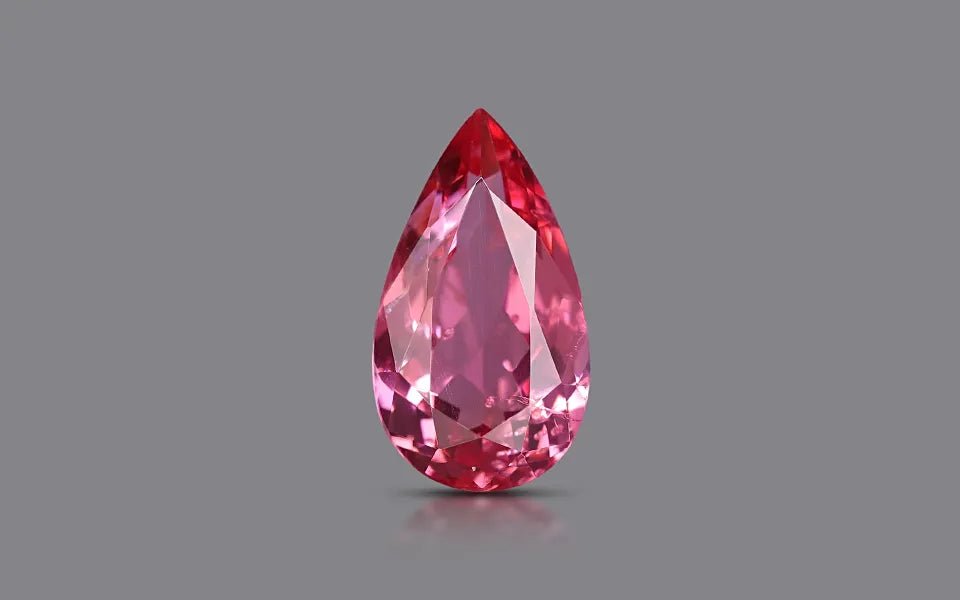
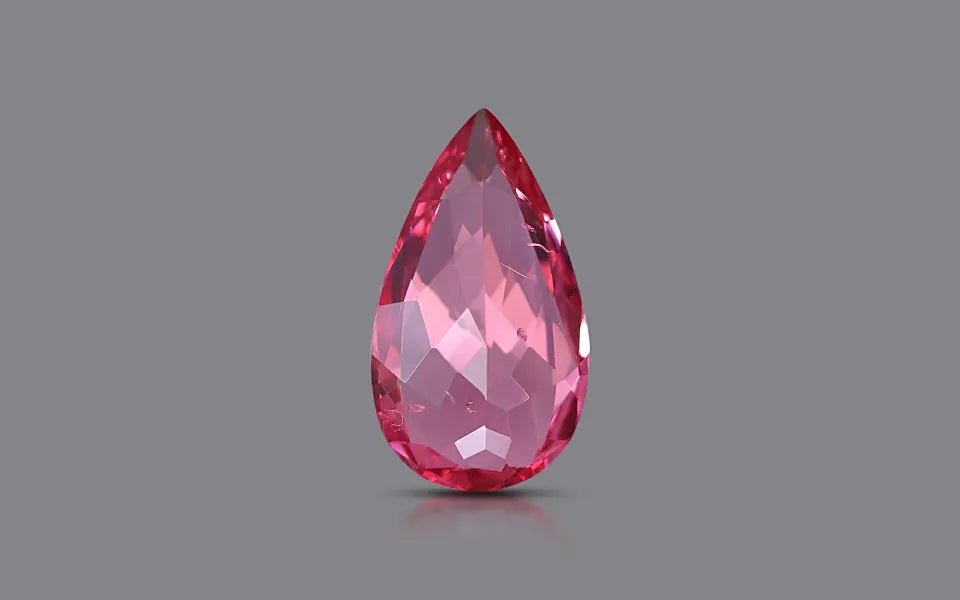


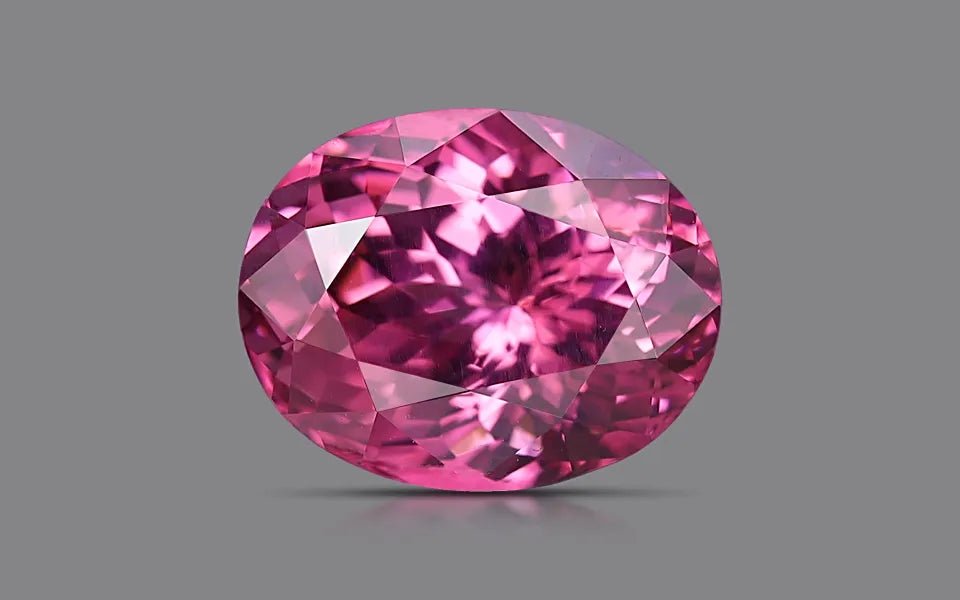
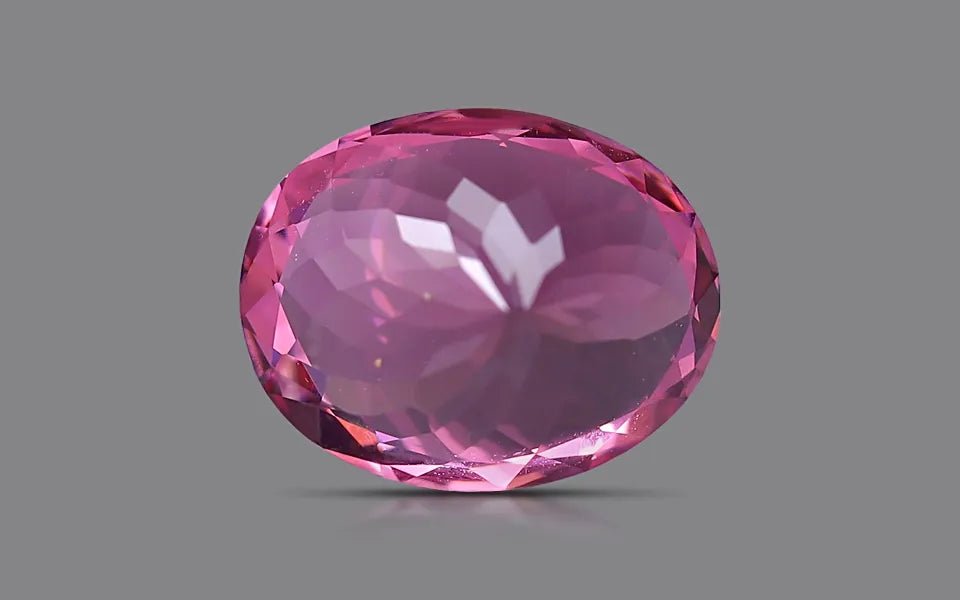
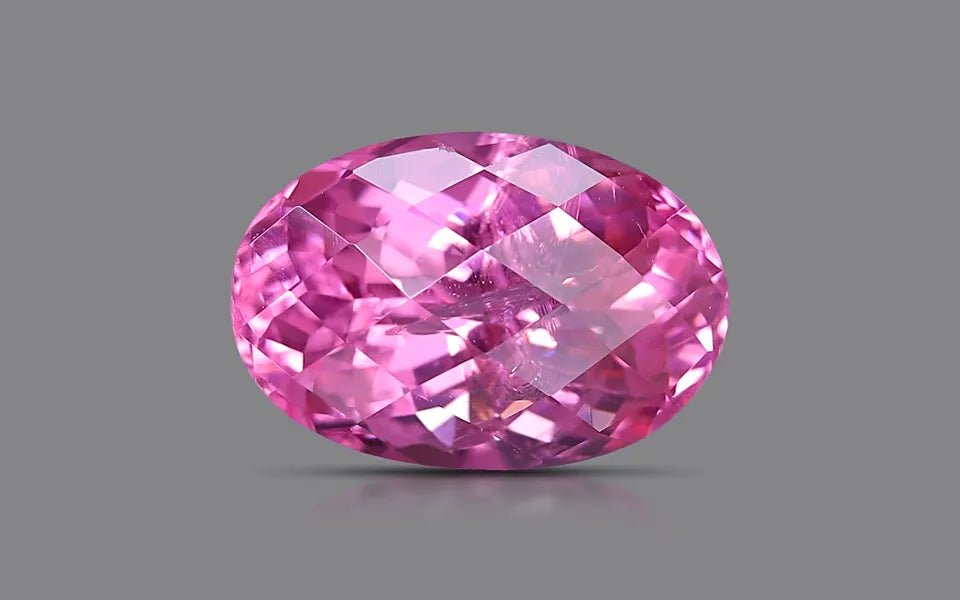
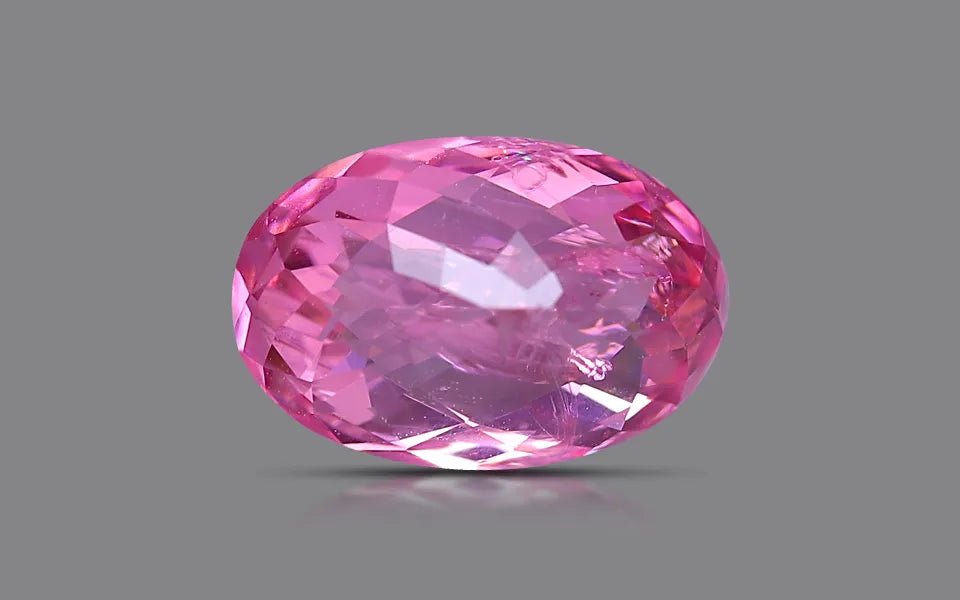
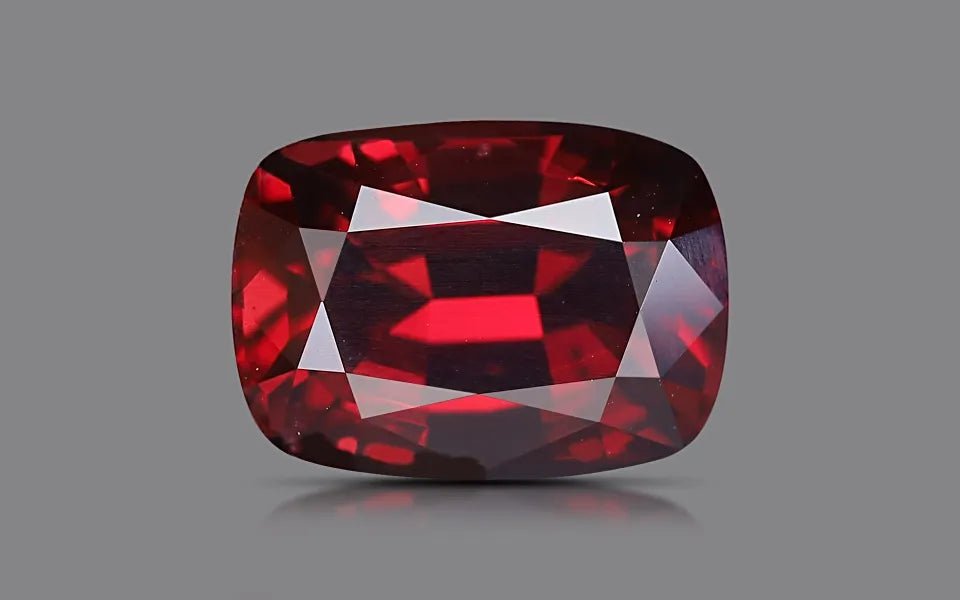
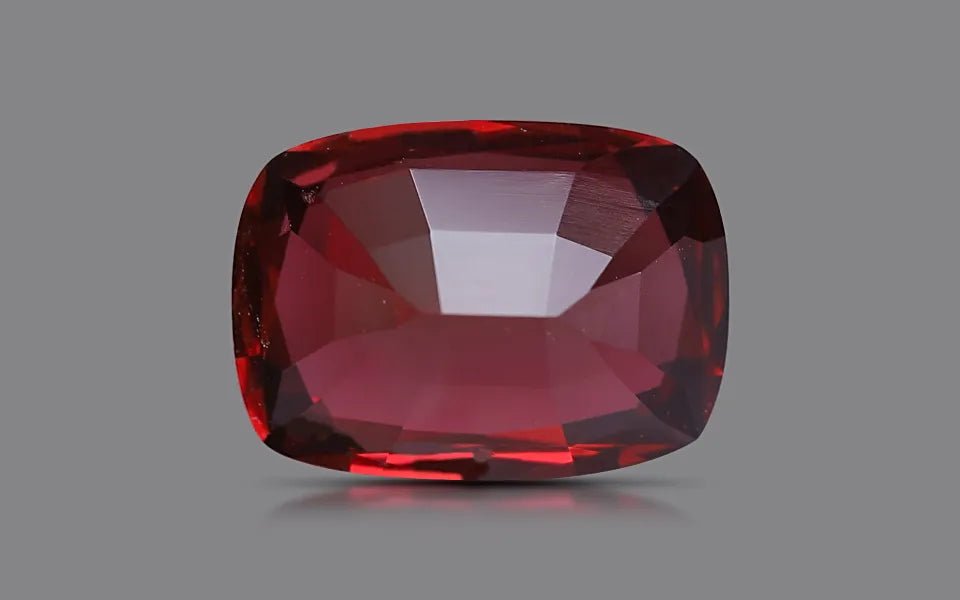
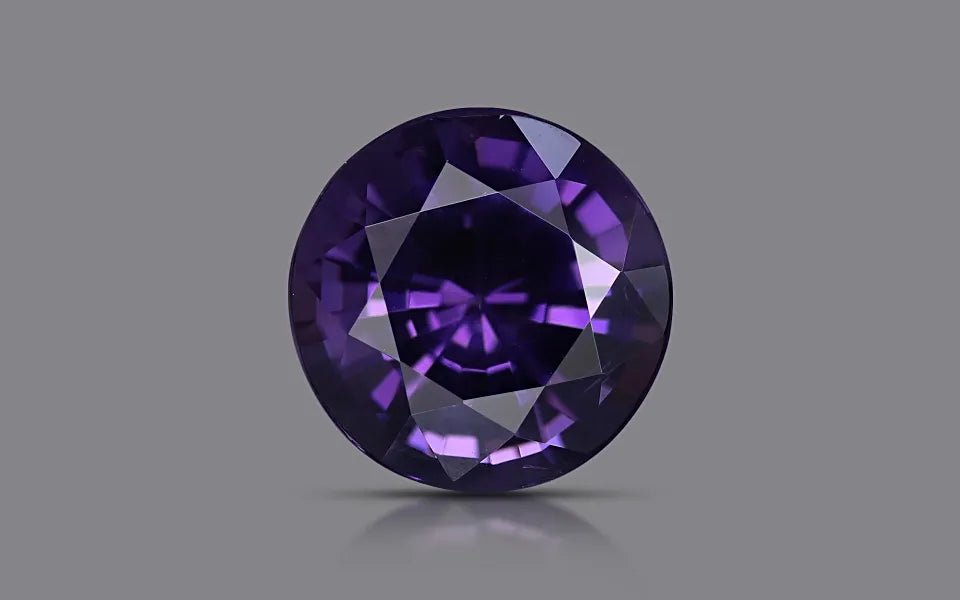
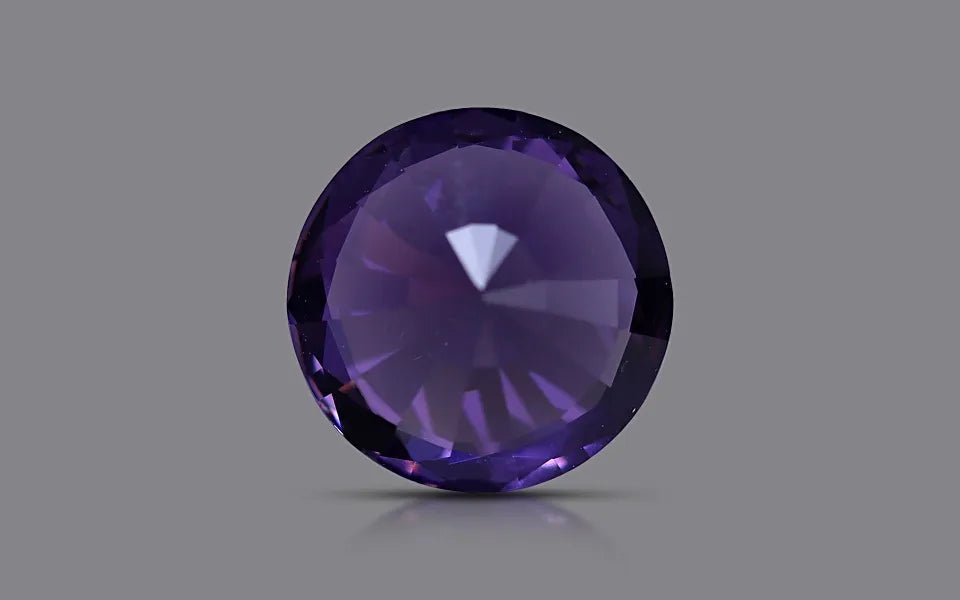
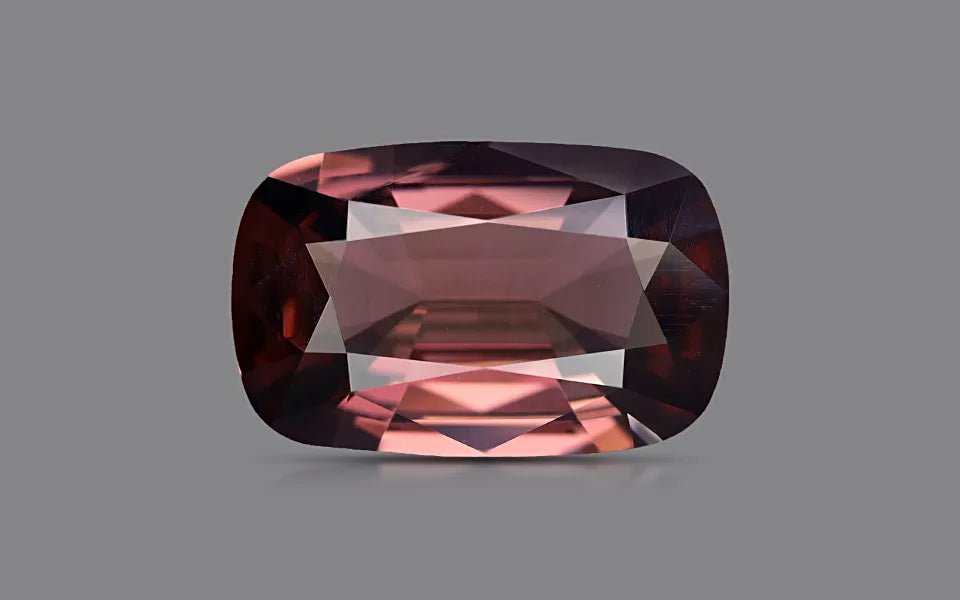
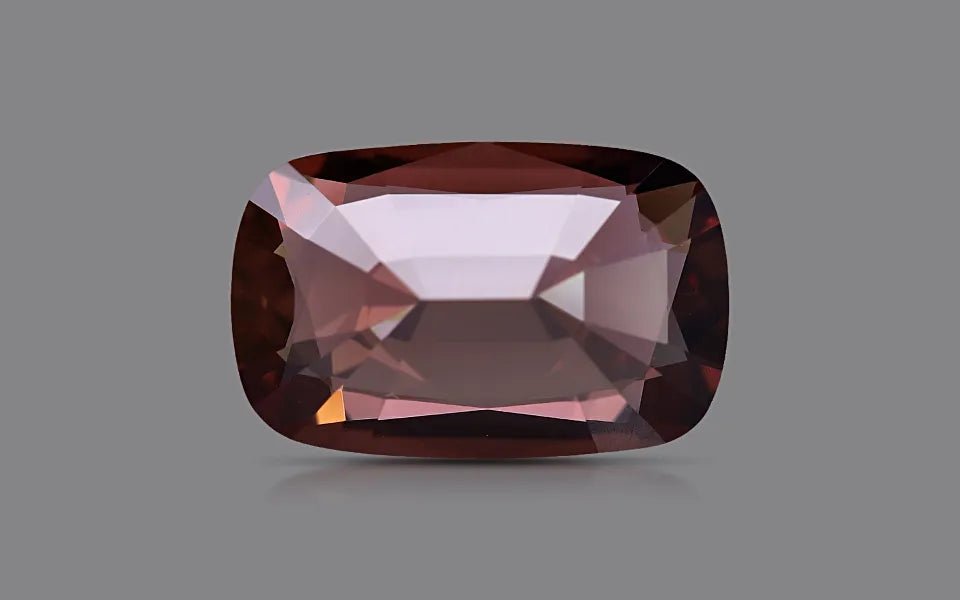
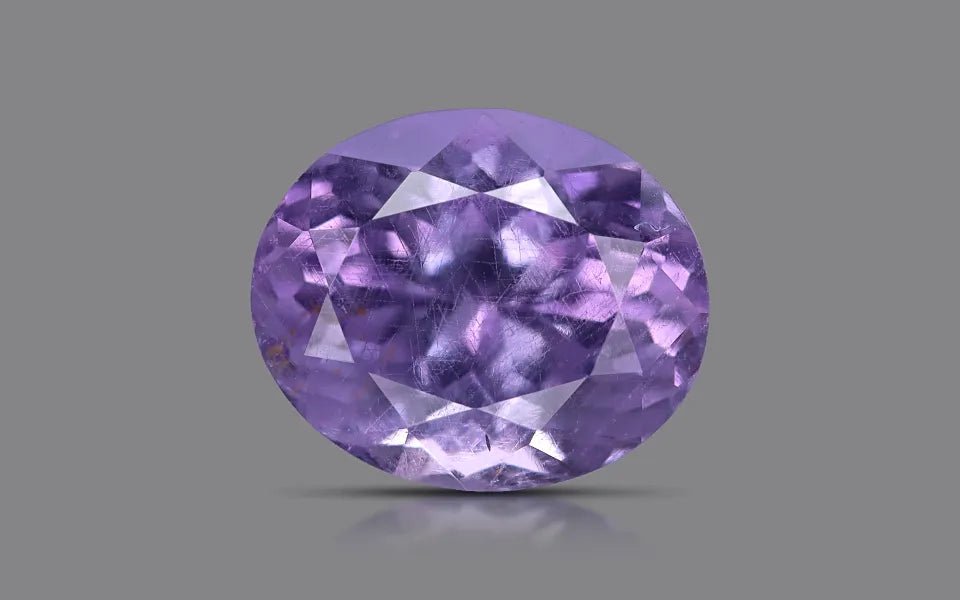
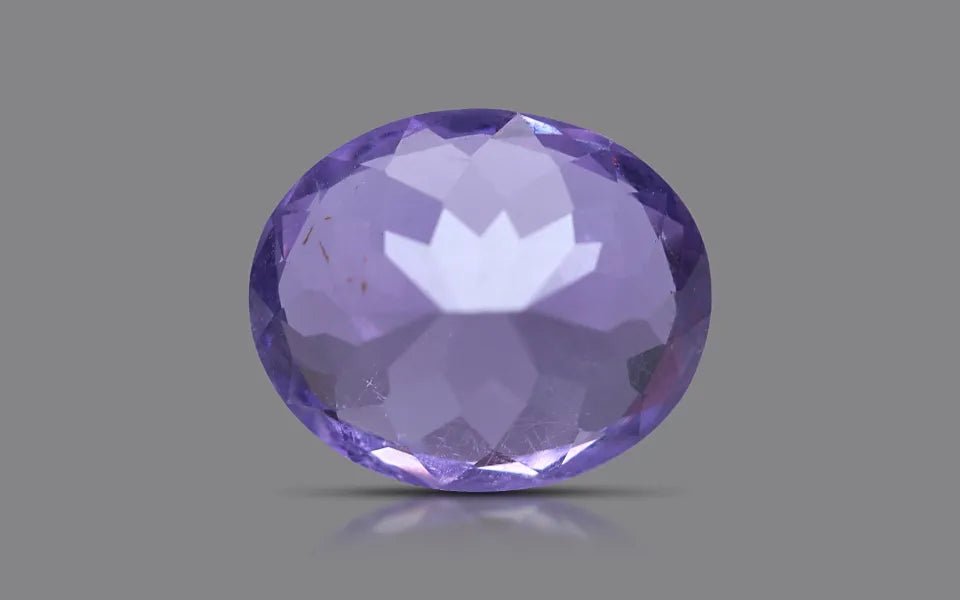
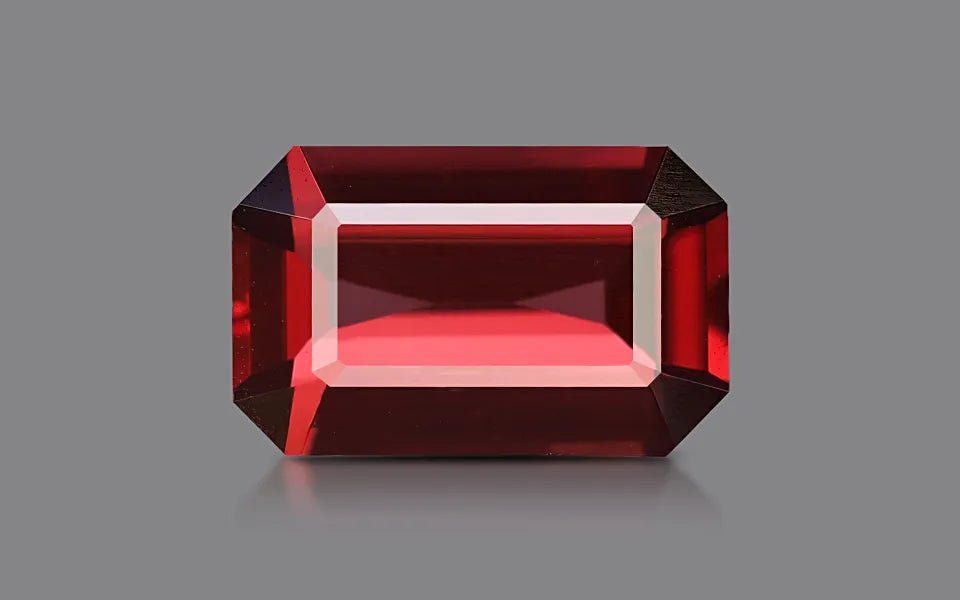
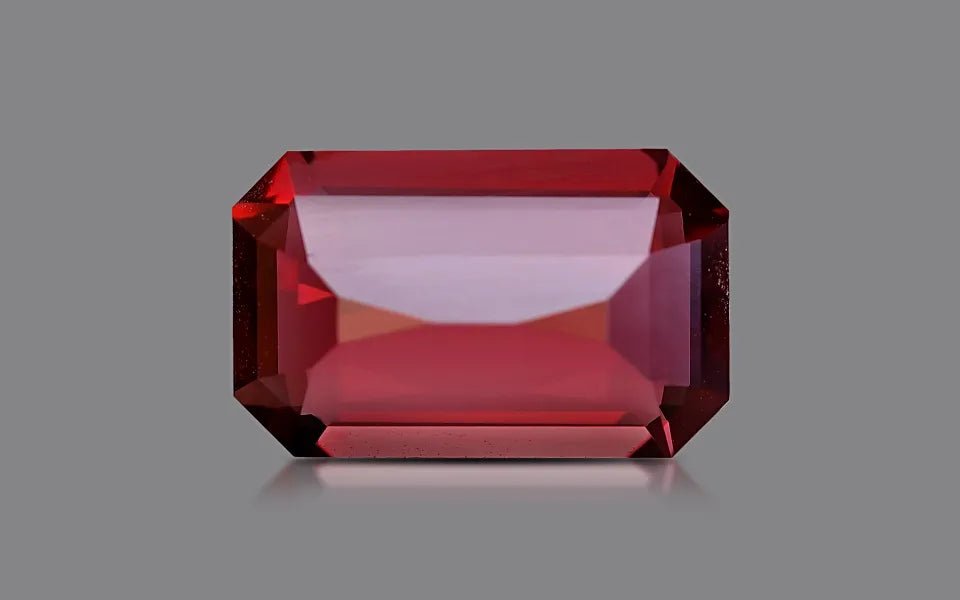


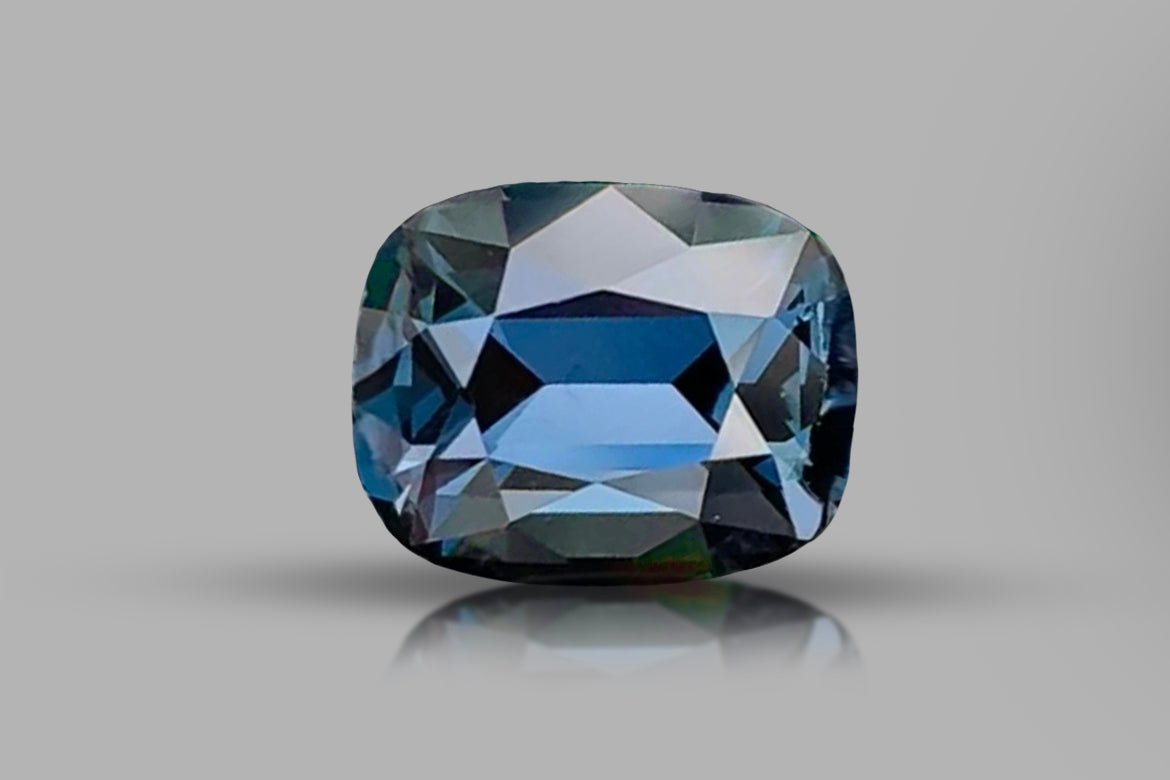


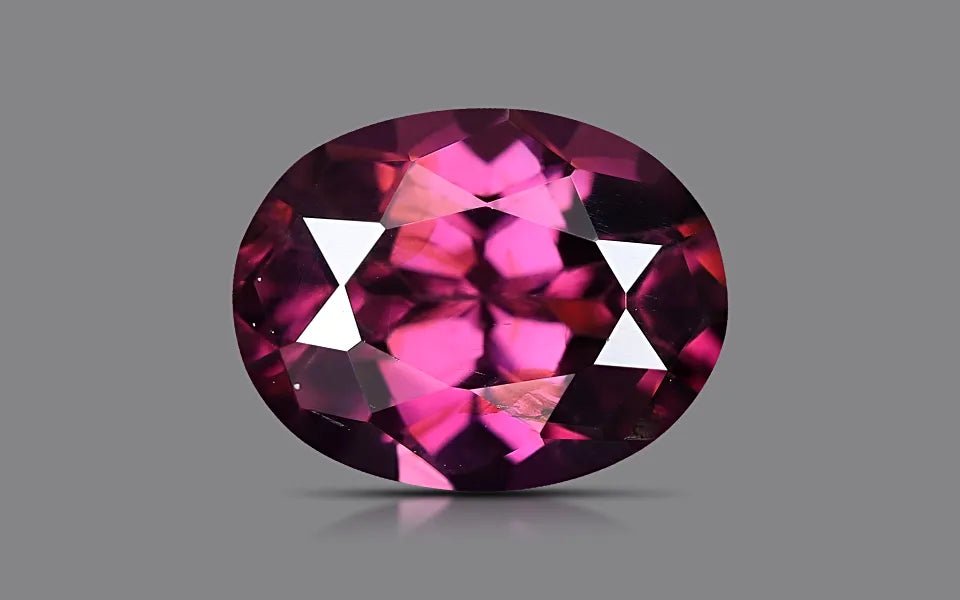
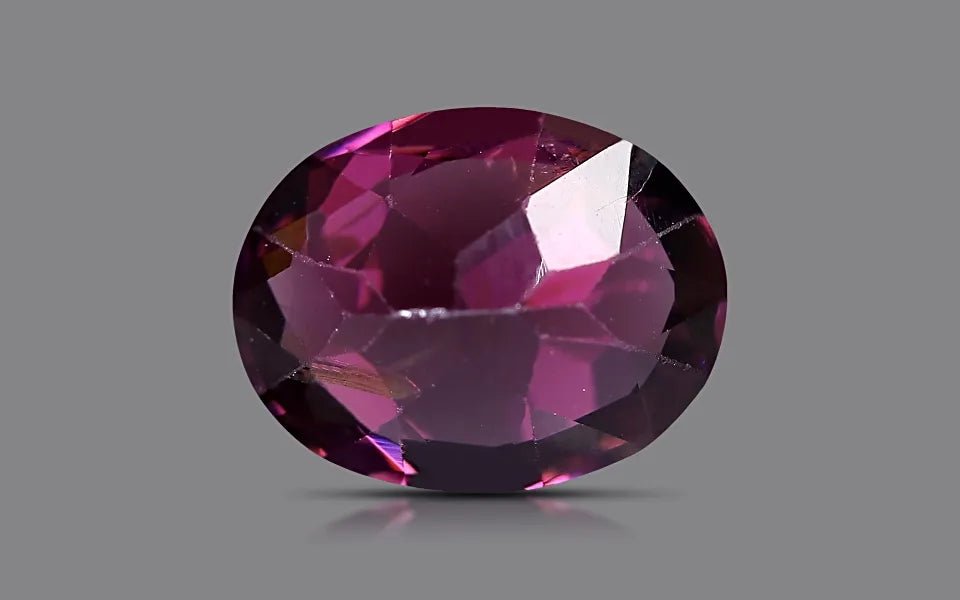
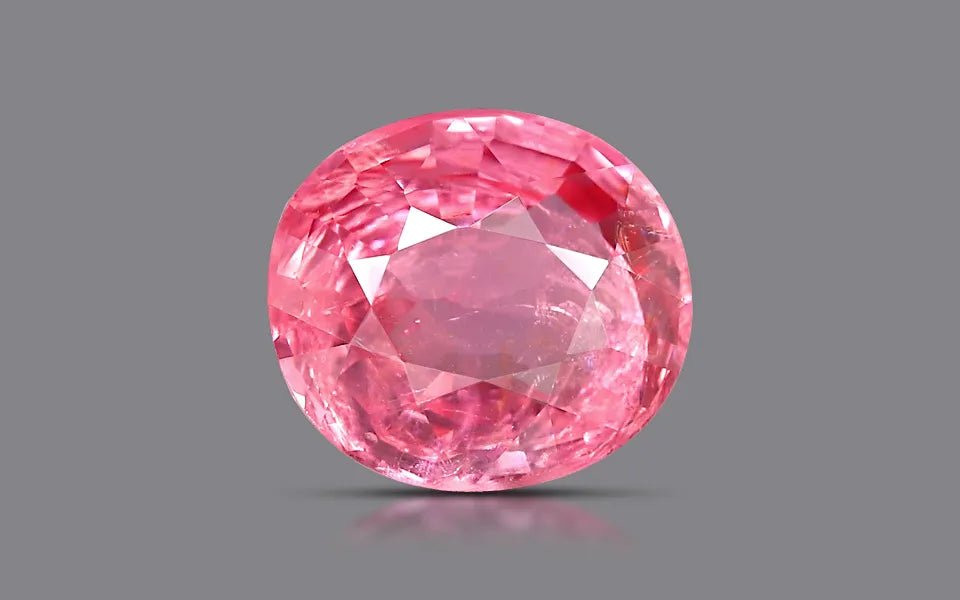
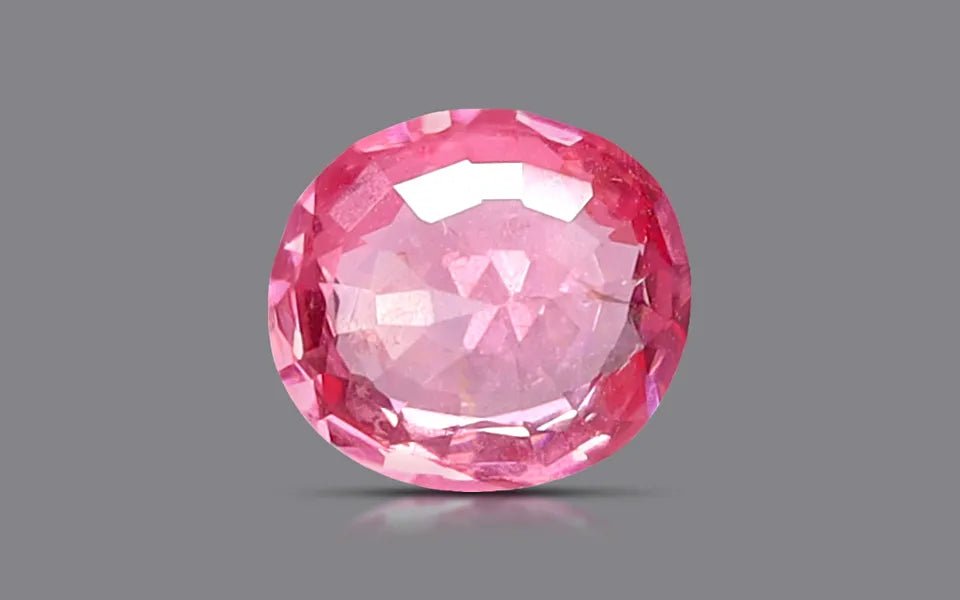


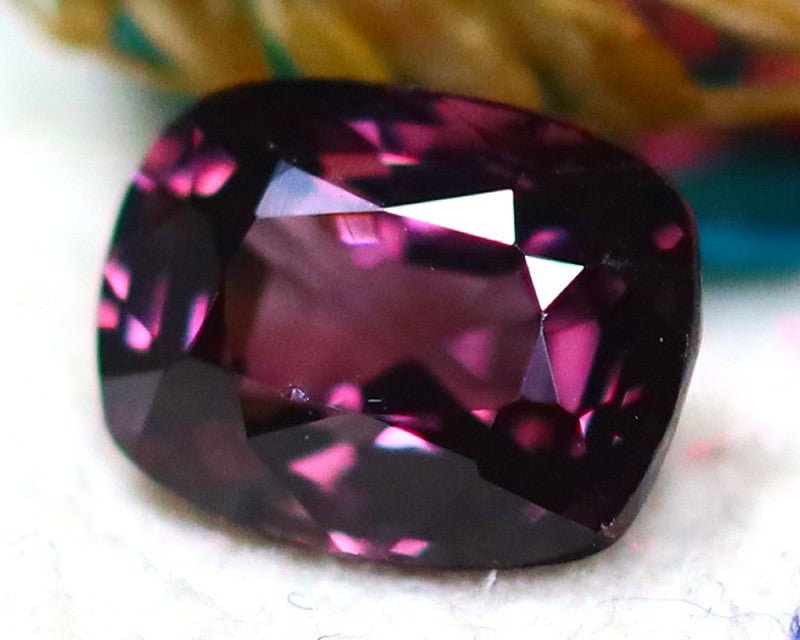
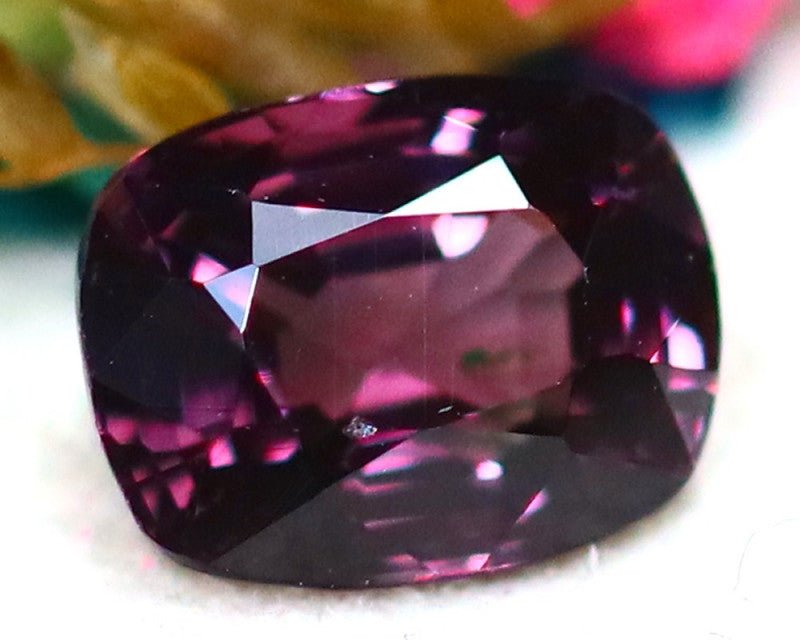


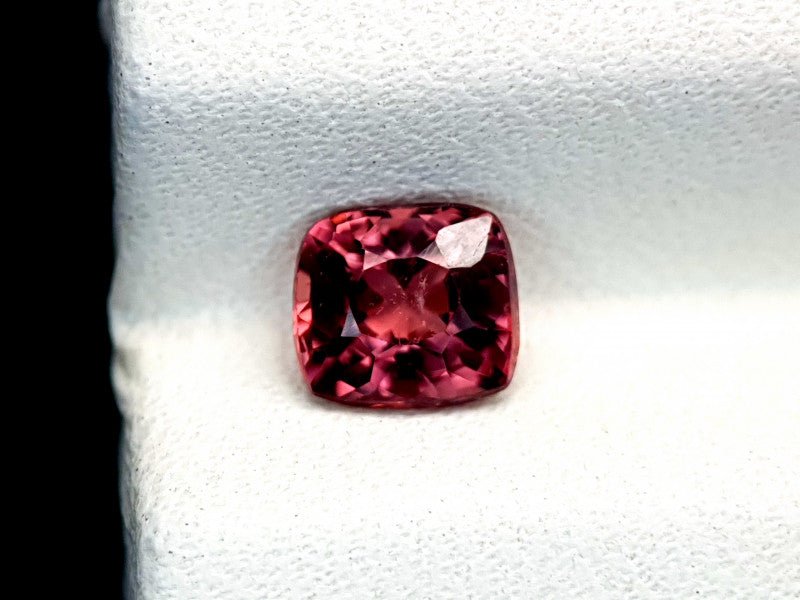
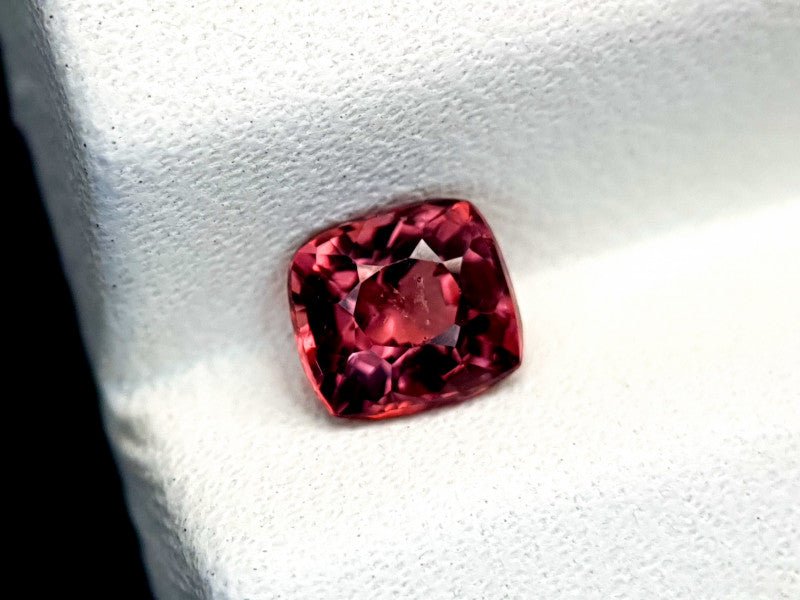
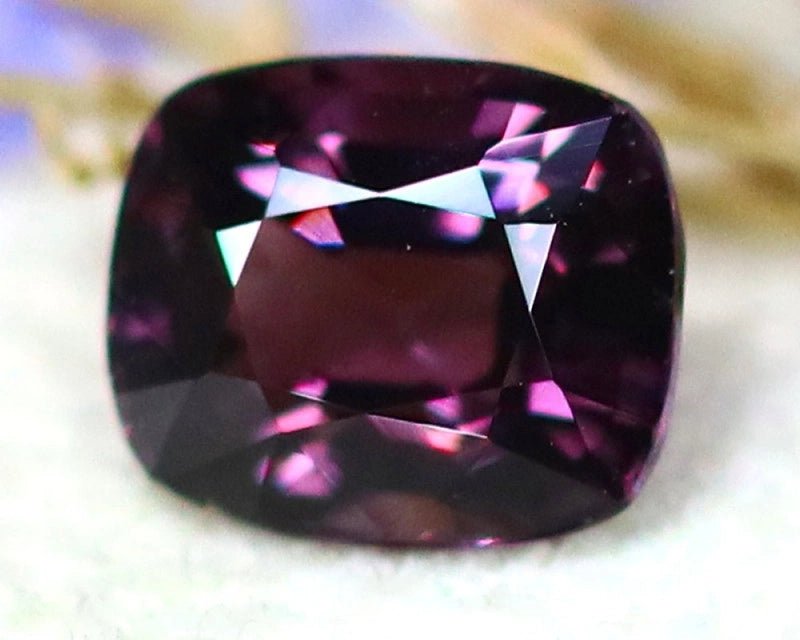
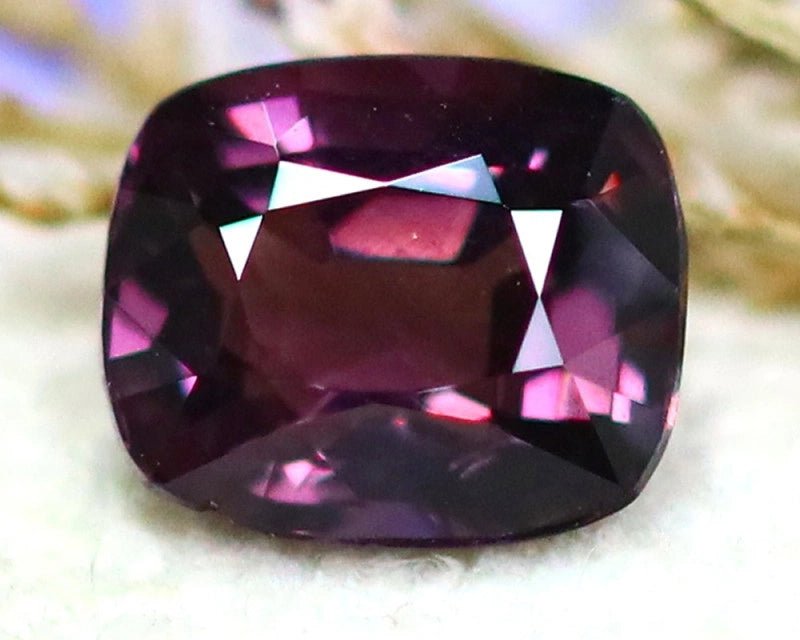
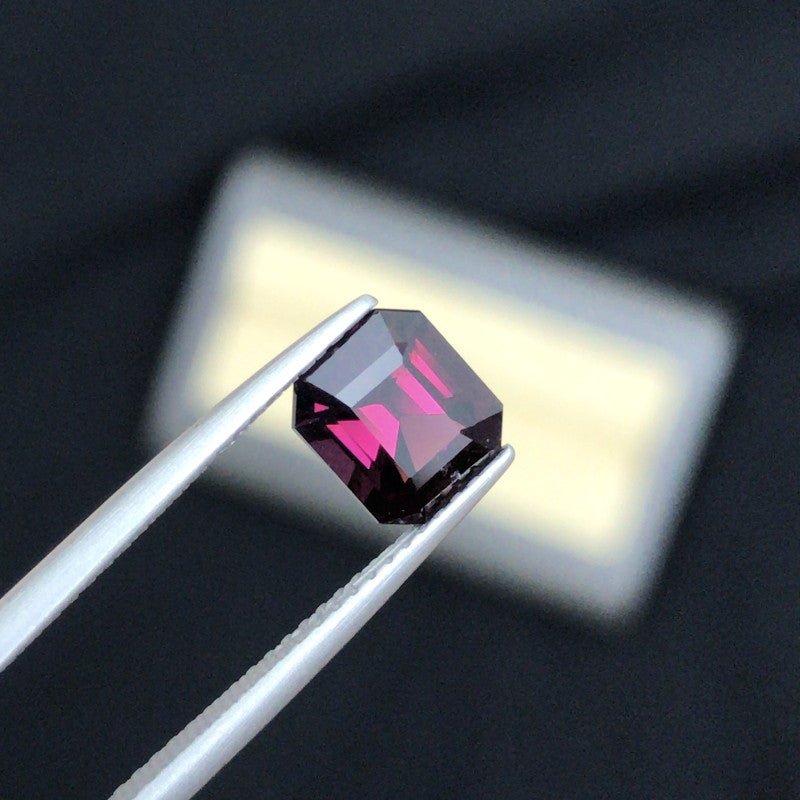


The online selection is only part of our sourcing reach.
Certain gemstones are acquired individually for clients and never appear in public collections.
Enquire about a stone you don’t see hereFrequently Asked Questions
What is spinel?
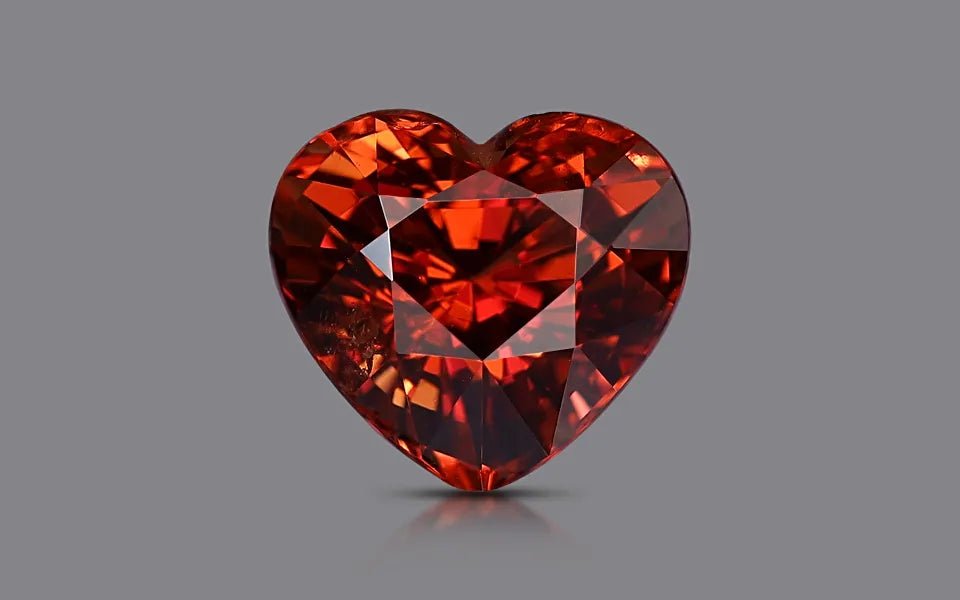
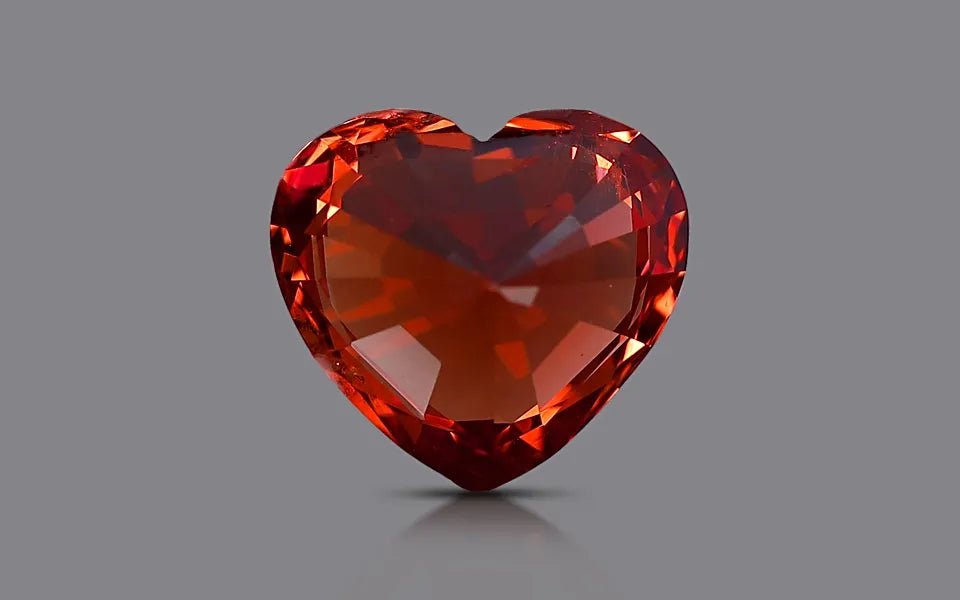
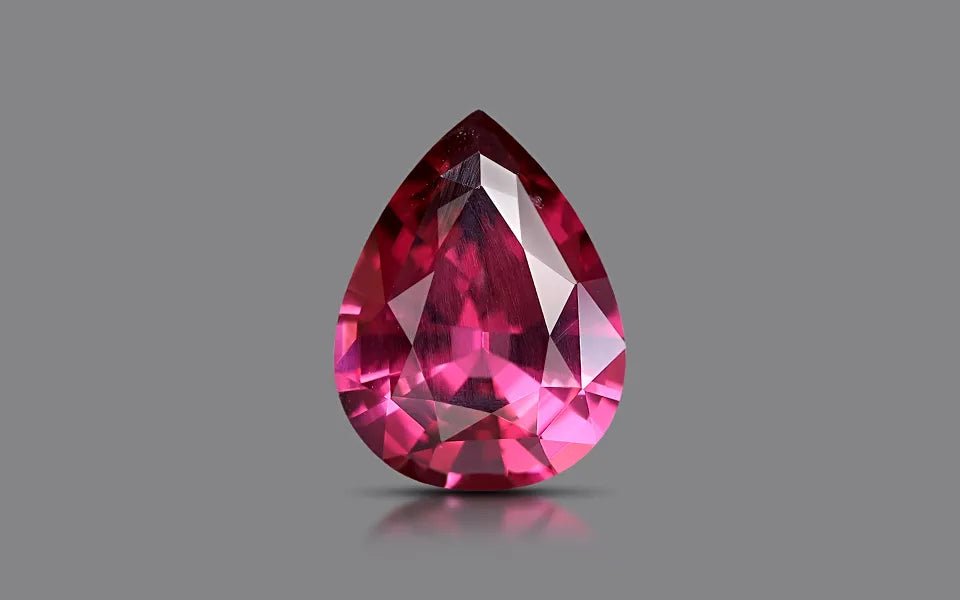
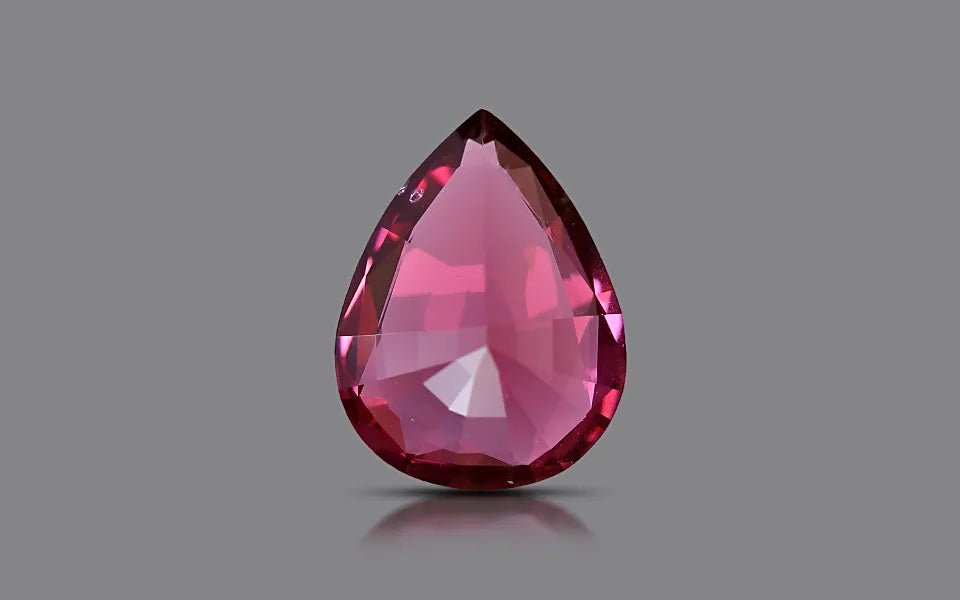
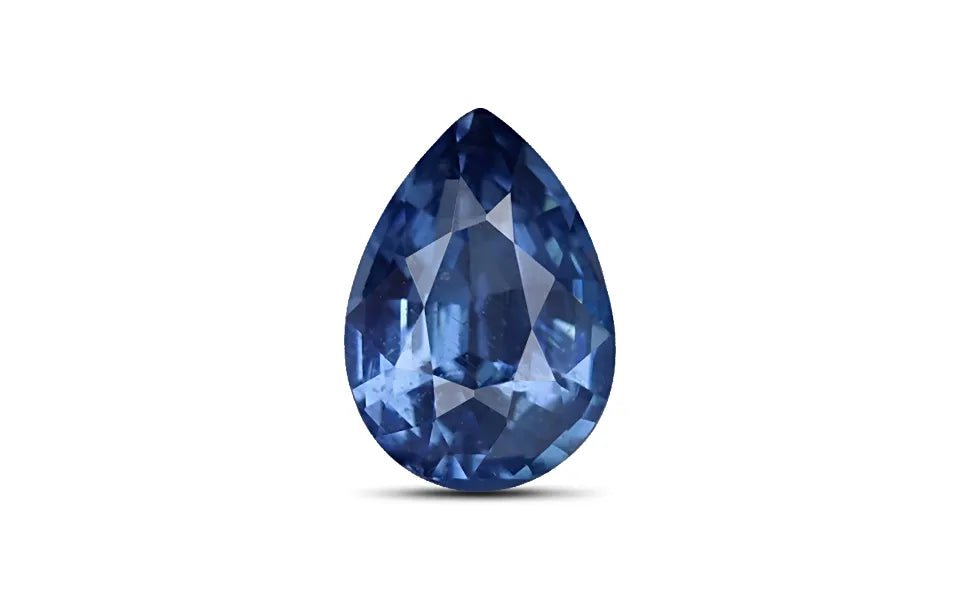
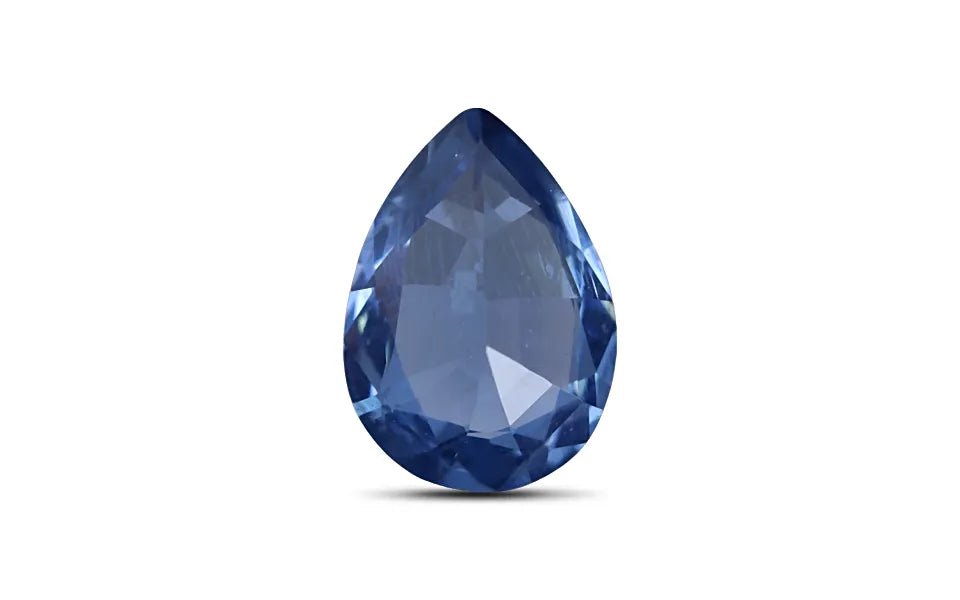
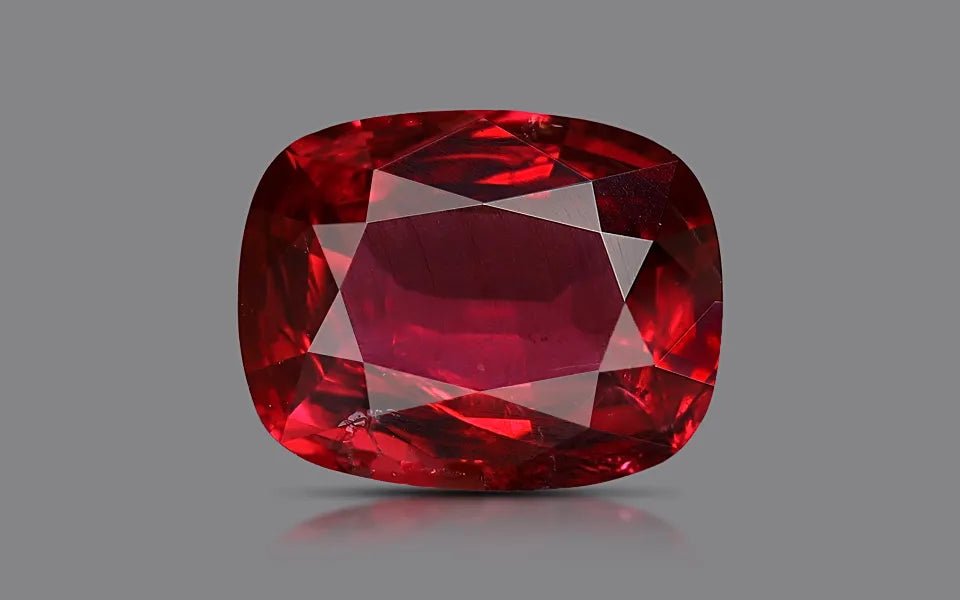
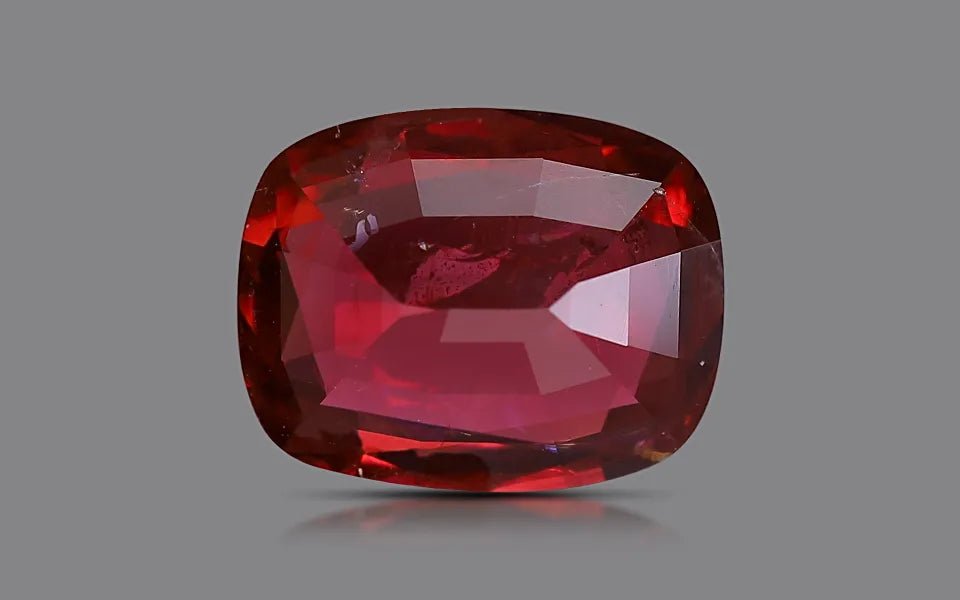
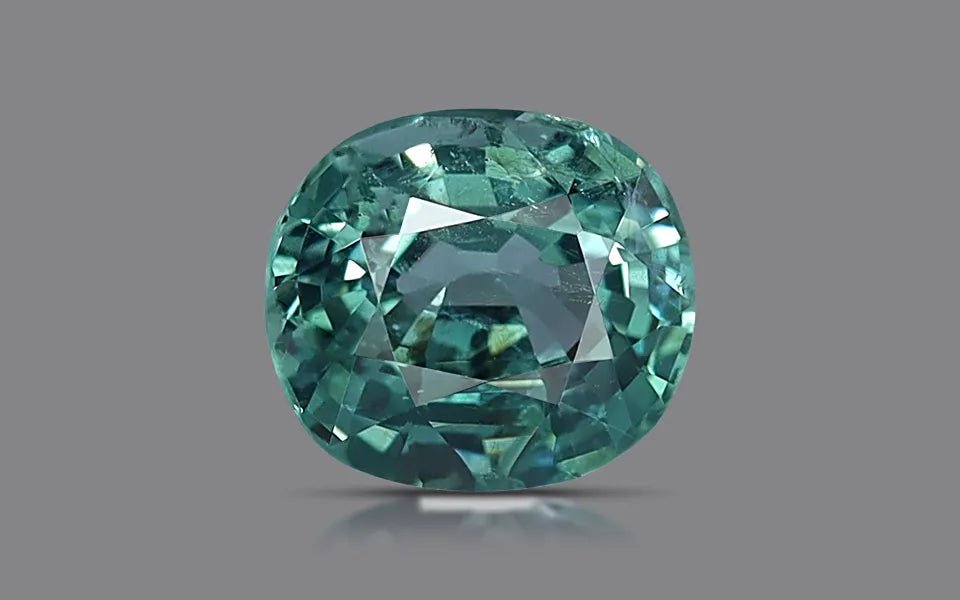
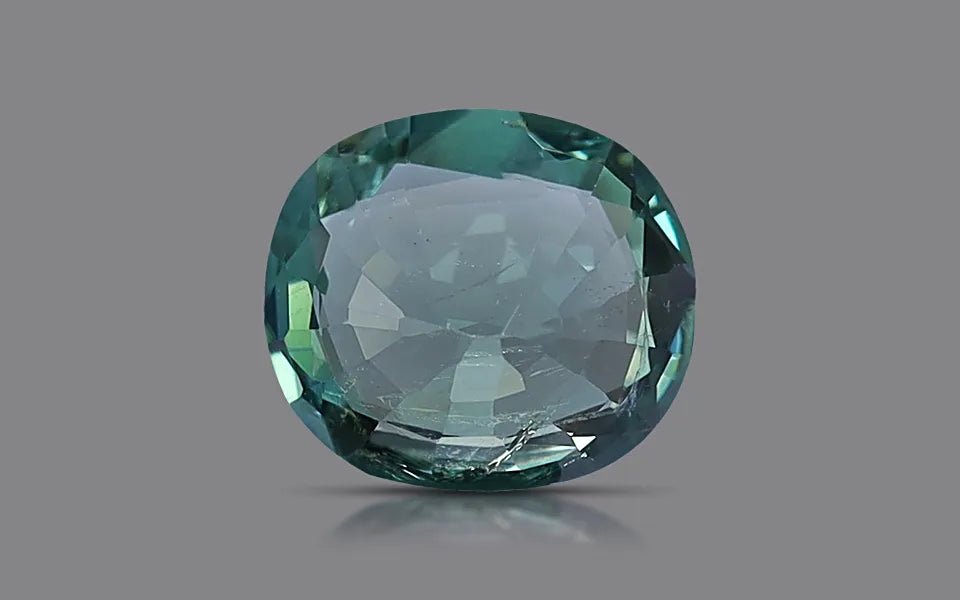
Spinel is a magnesium aluminum oxide gemstone that forms in reds, pinks, lavenders, violet blues, and greys. For centuries its finest reds were mistaken for ruby, including famous stones in royal regalia.
Is spinel treated?
No, and that is its quiet superpower. Spinel is one of the few major gems not routinely treated: no standard heating, no oiling. Our spinels are untreated with the status stated on every listing.
Which spinel colors are most valuable?
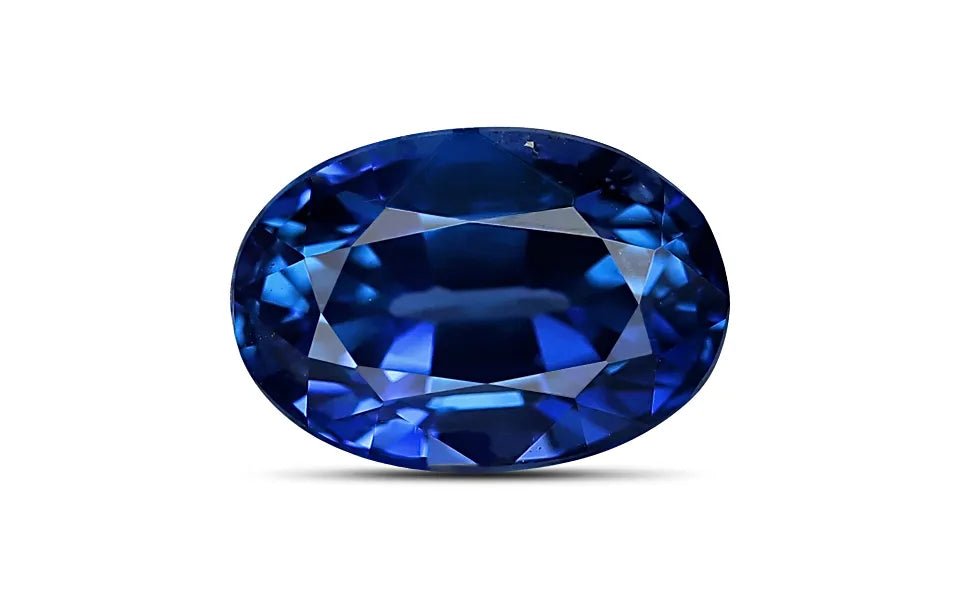
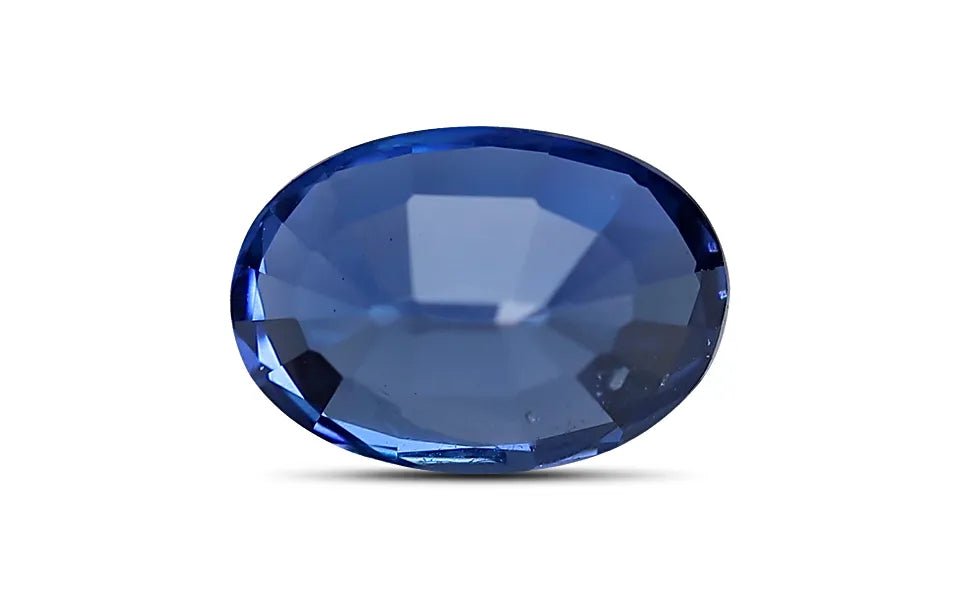
Flame red and cobalt blue stand at the top, followed by intense hot pinks. Lavenders and steel greys cost less and have built a strong modern following of their own.
Is spinel a good alternative to ruby?
Fine red spinel offers ruby-class color and better clarity at a fraction of the price, untreated. The trade-off is name recognition, which matters at dinner parties and not at all on the hand.
How is spinel quality evaluated?
Saturation and life under mixed light lead, followed by clarity, which is expected to be high because clean material exists. Cut quality shows more in spinel than buyers assume, since the stone's brilliance depends on it.
Is spinel durable enough for daily wear?
Yes. At 8 on the Mohs scale with no cleavage problem, spinel is one of the safest colored stones for an everyday ring.
What documentation comes with a stone?
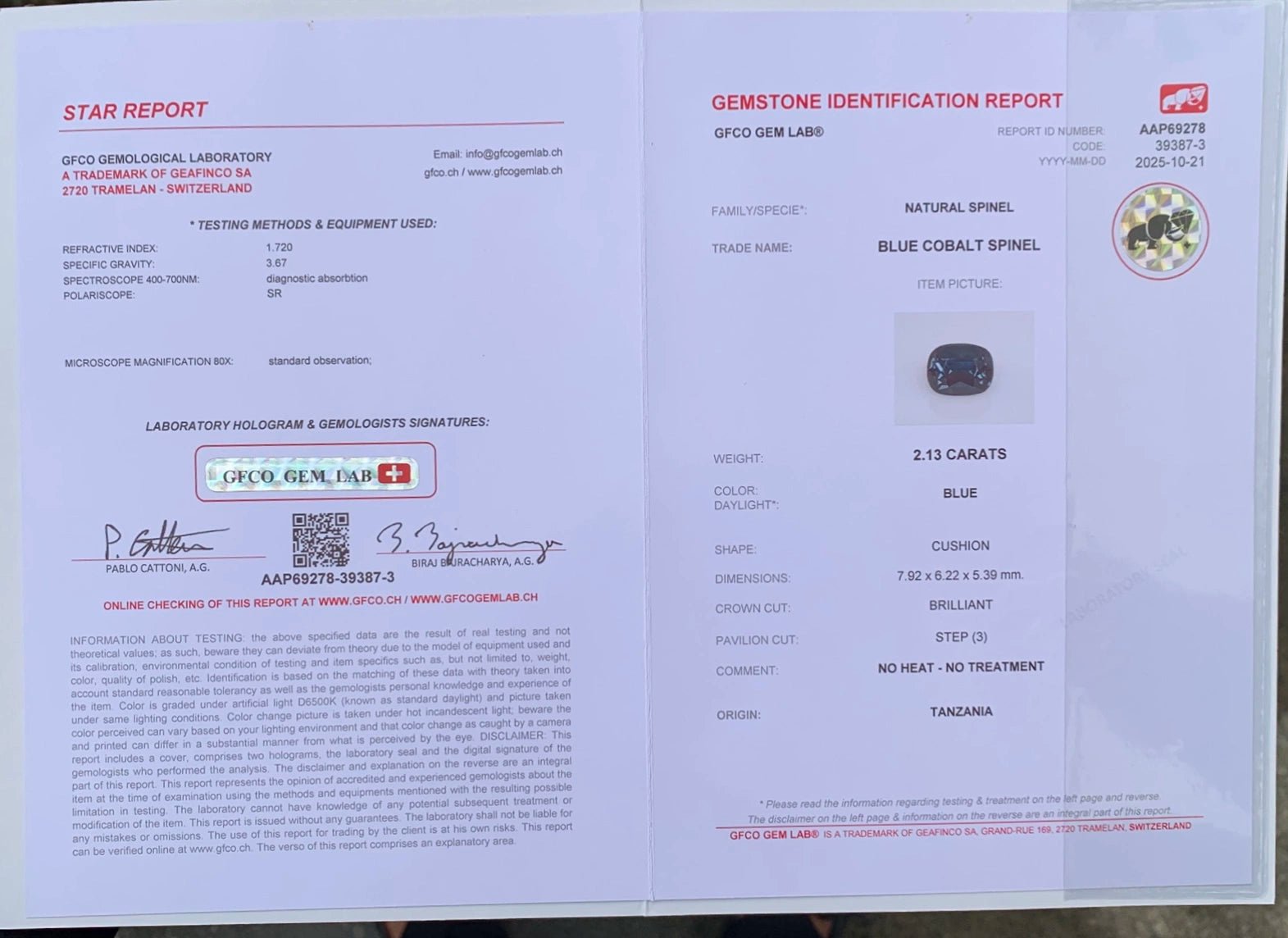
Every spinel ships with the Sosna Gems Colored Stone Report, our internal documentation. Independent laboratory certification can be arranged on request for any stone.
Can you source a spinel beyond the visible selection?
Yes. Spinel is a sourcing specialty of ours, and fine stones often go to clients before ever being listed. Contact us with the color and size you are looking for.
How do I choose between two similar spinels?
Watch them move. Spinel's single refraction gives fine stones a clean, open flash the eye reads as purity, and the stone that keeps that liveliness in dim light is the better buy.