


Citrine



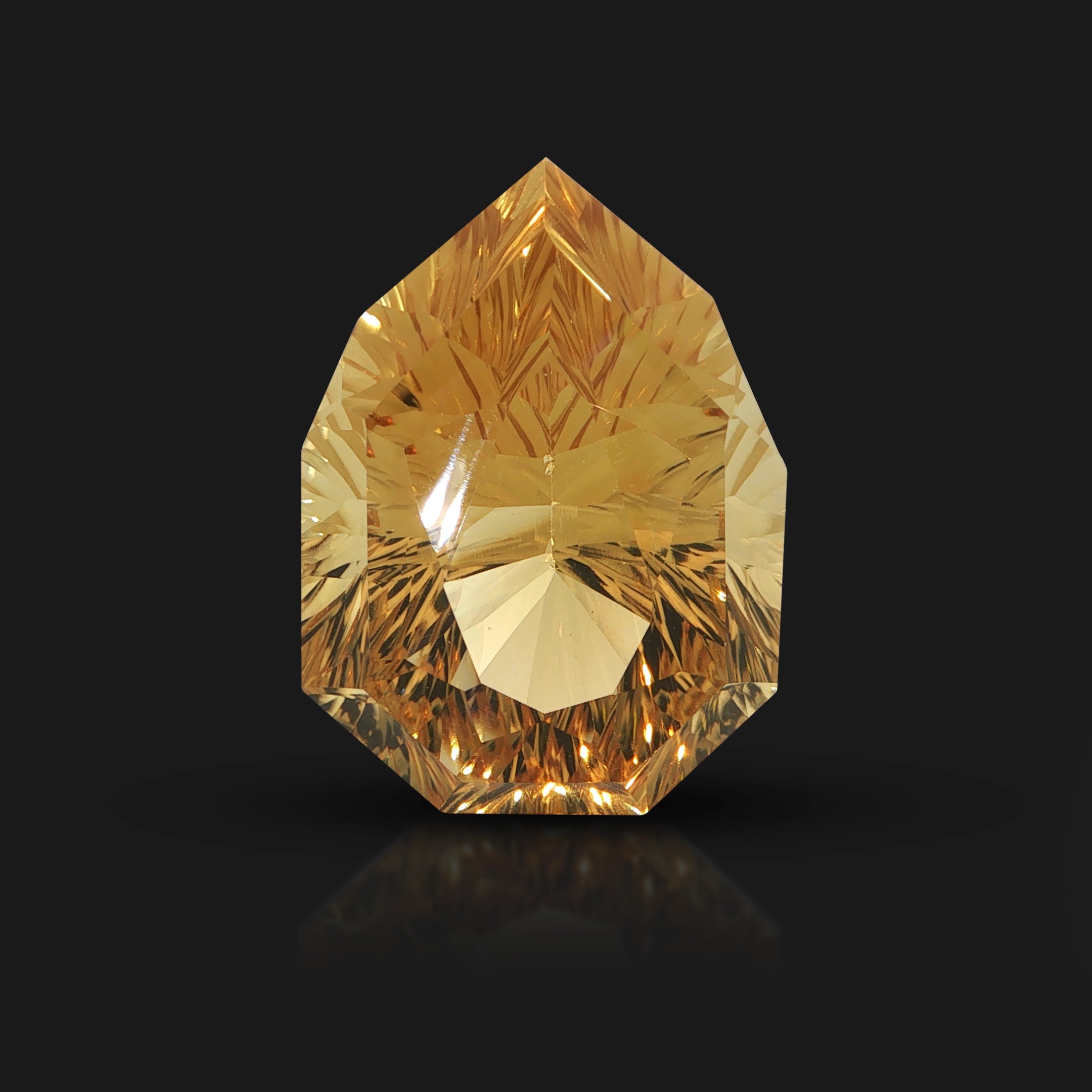


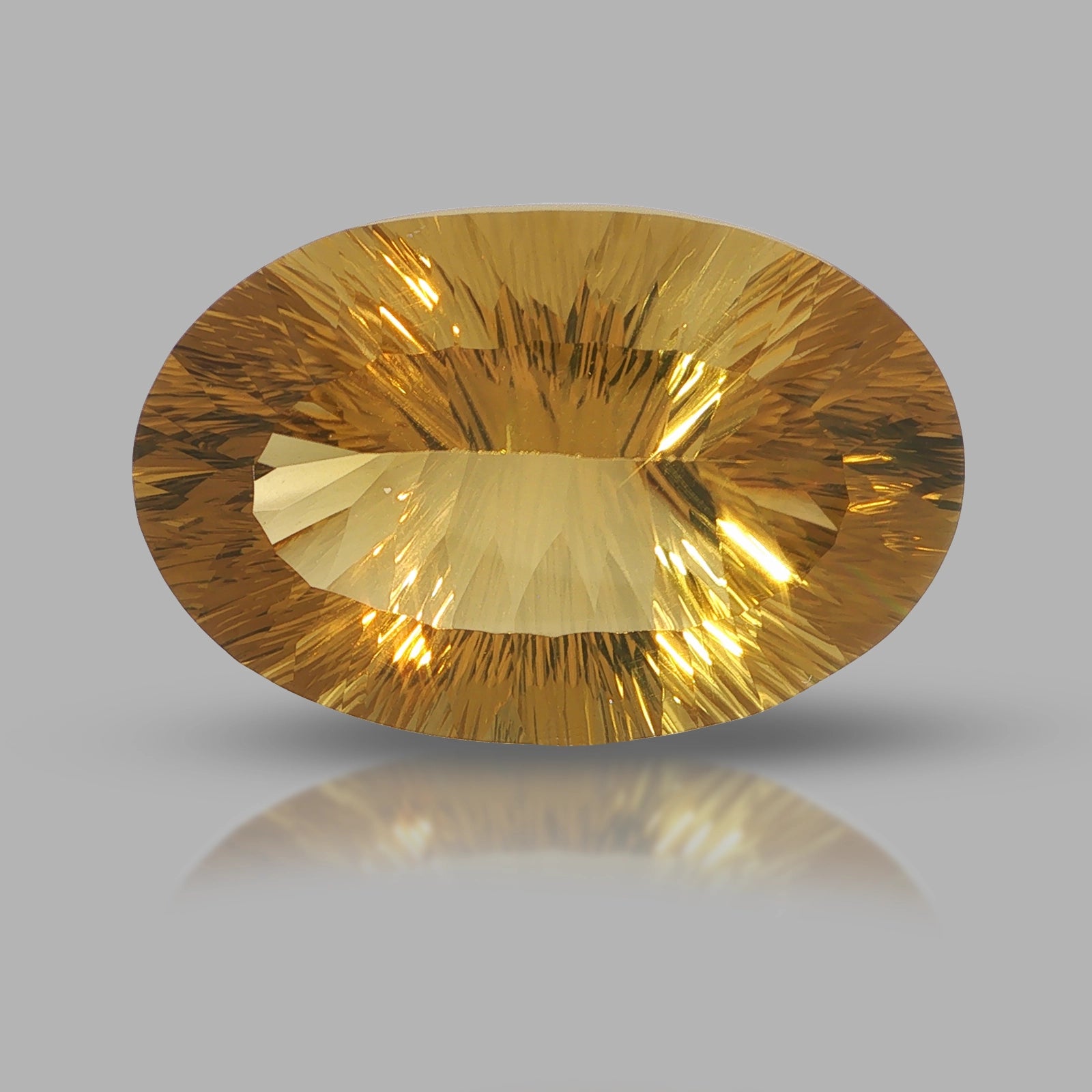
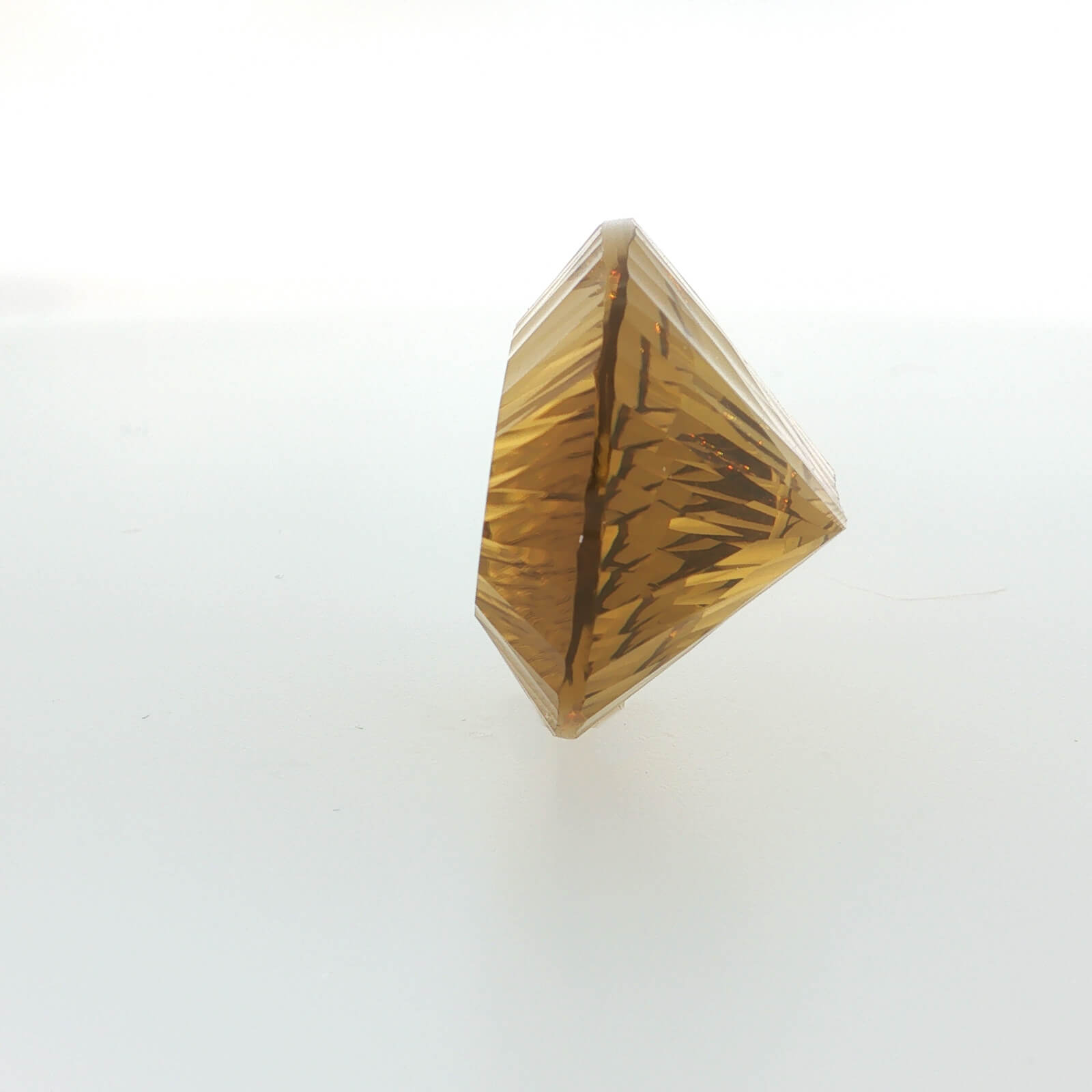


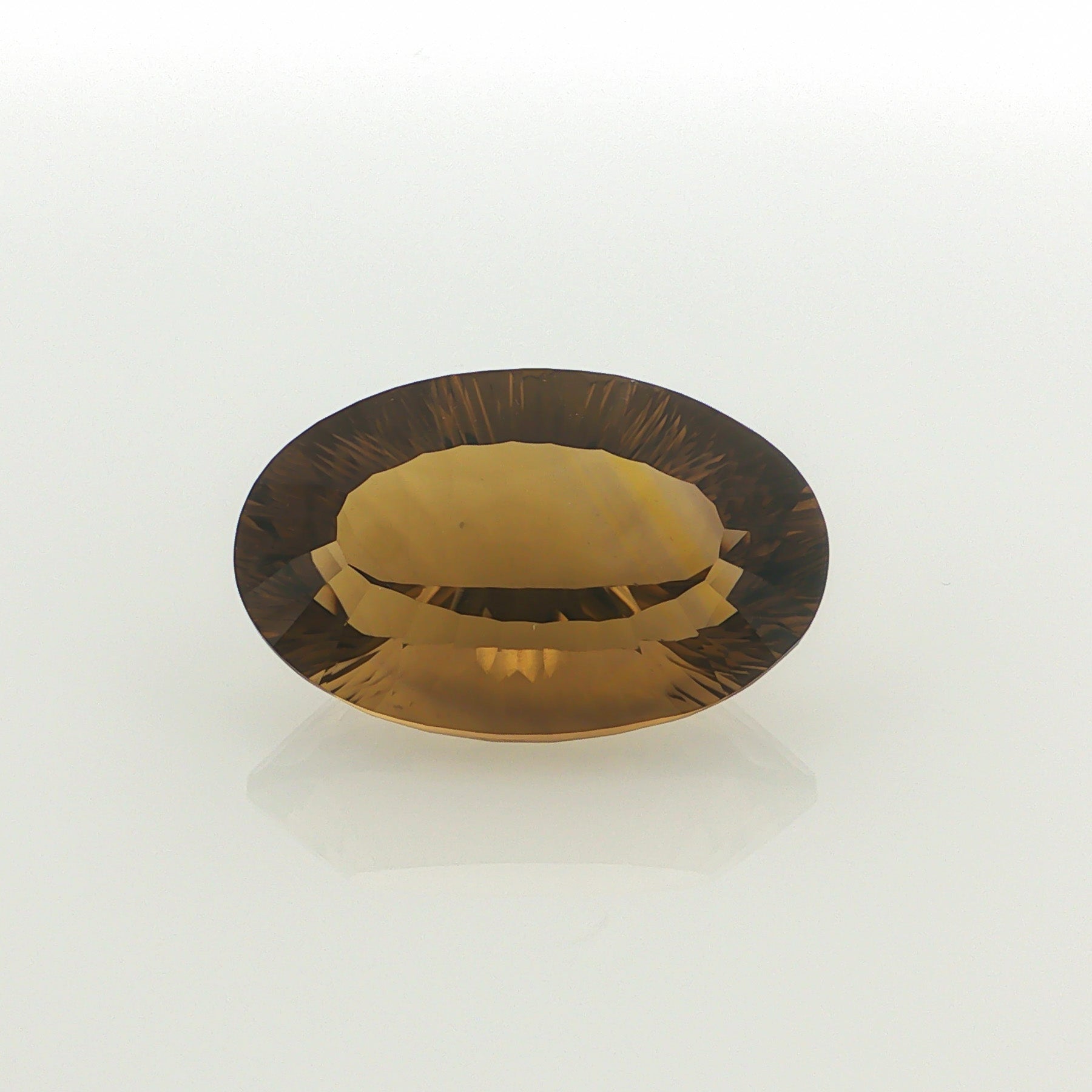
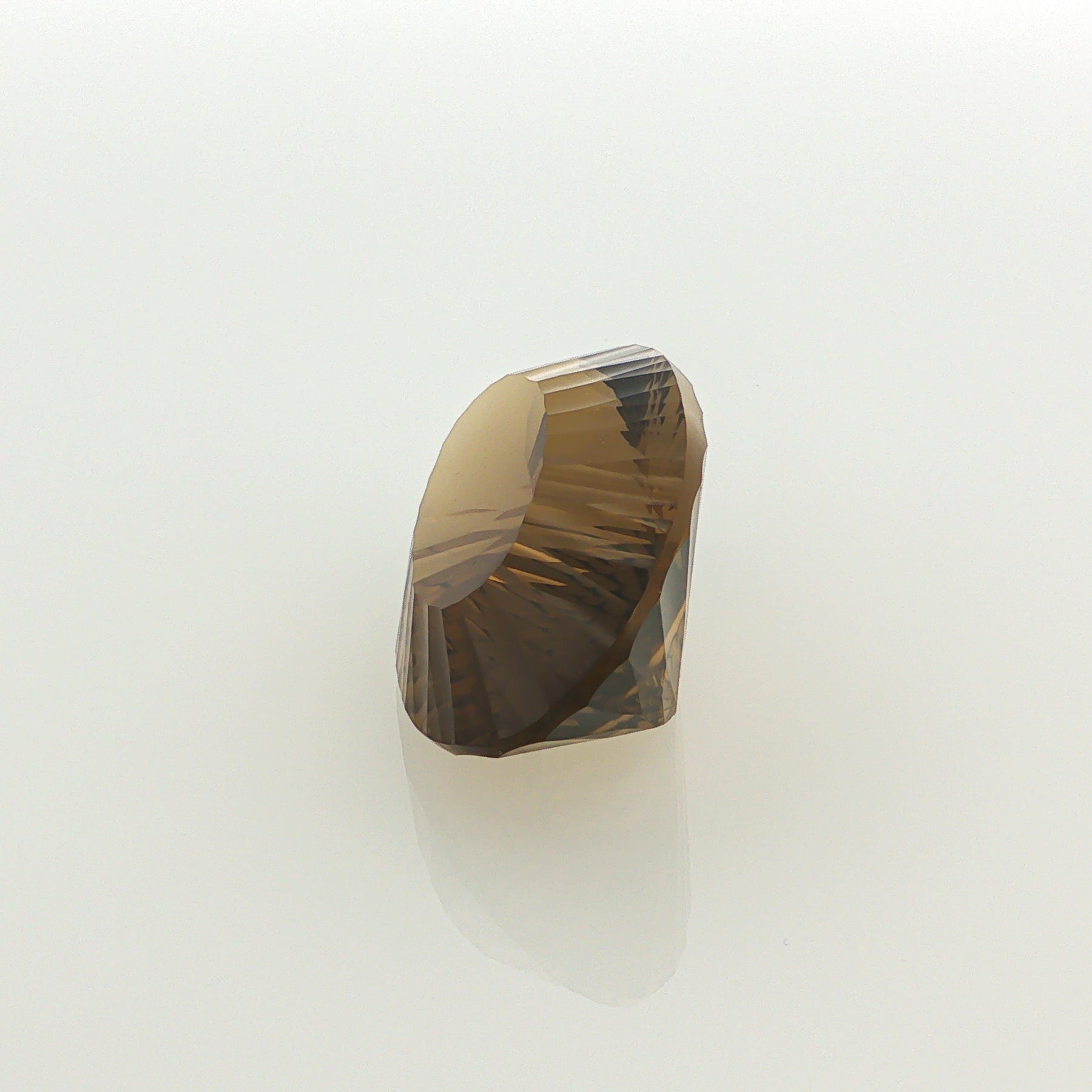


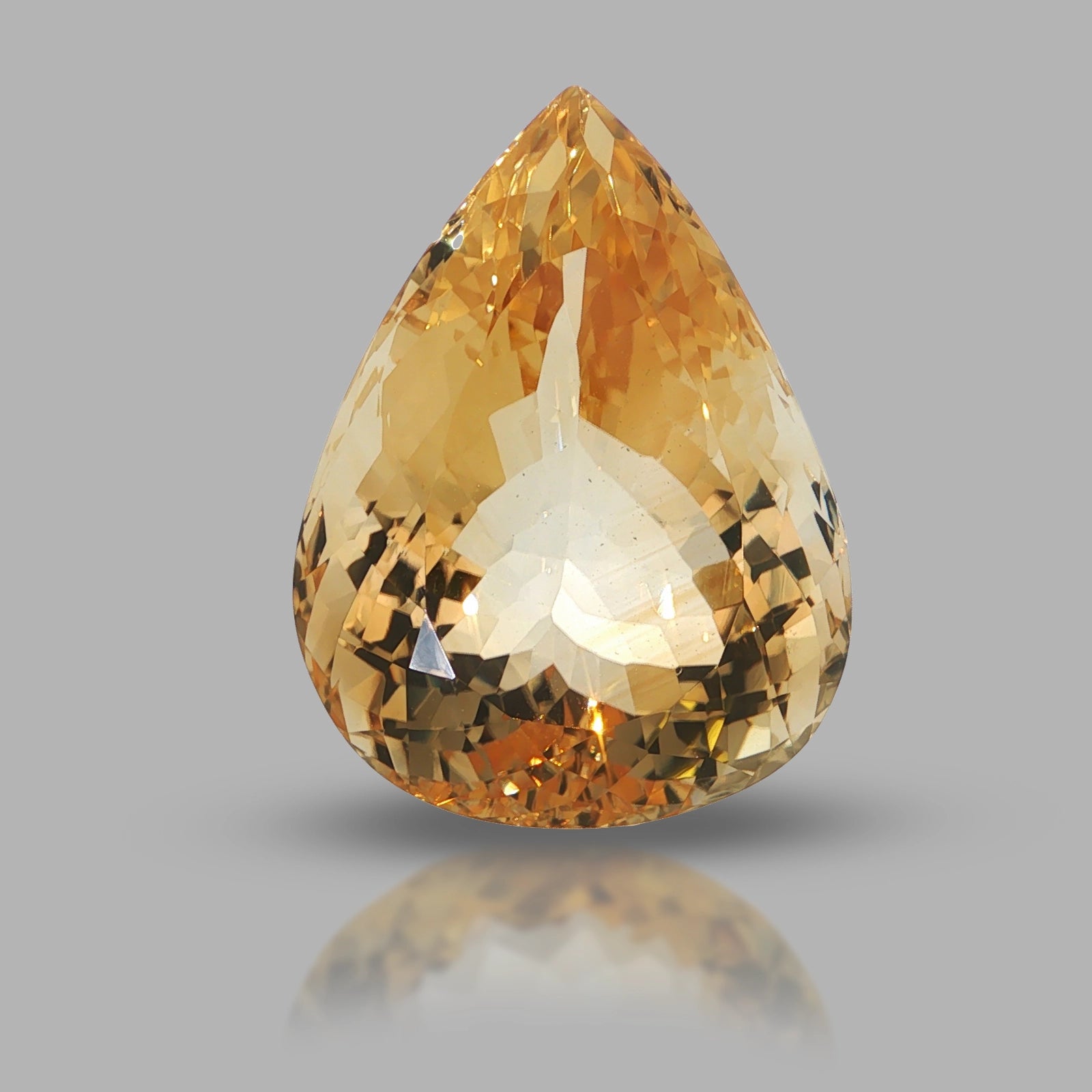
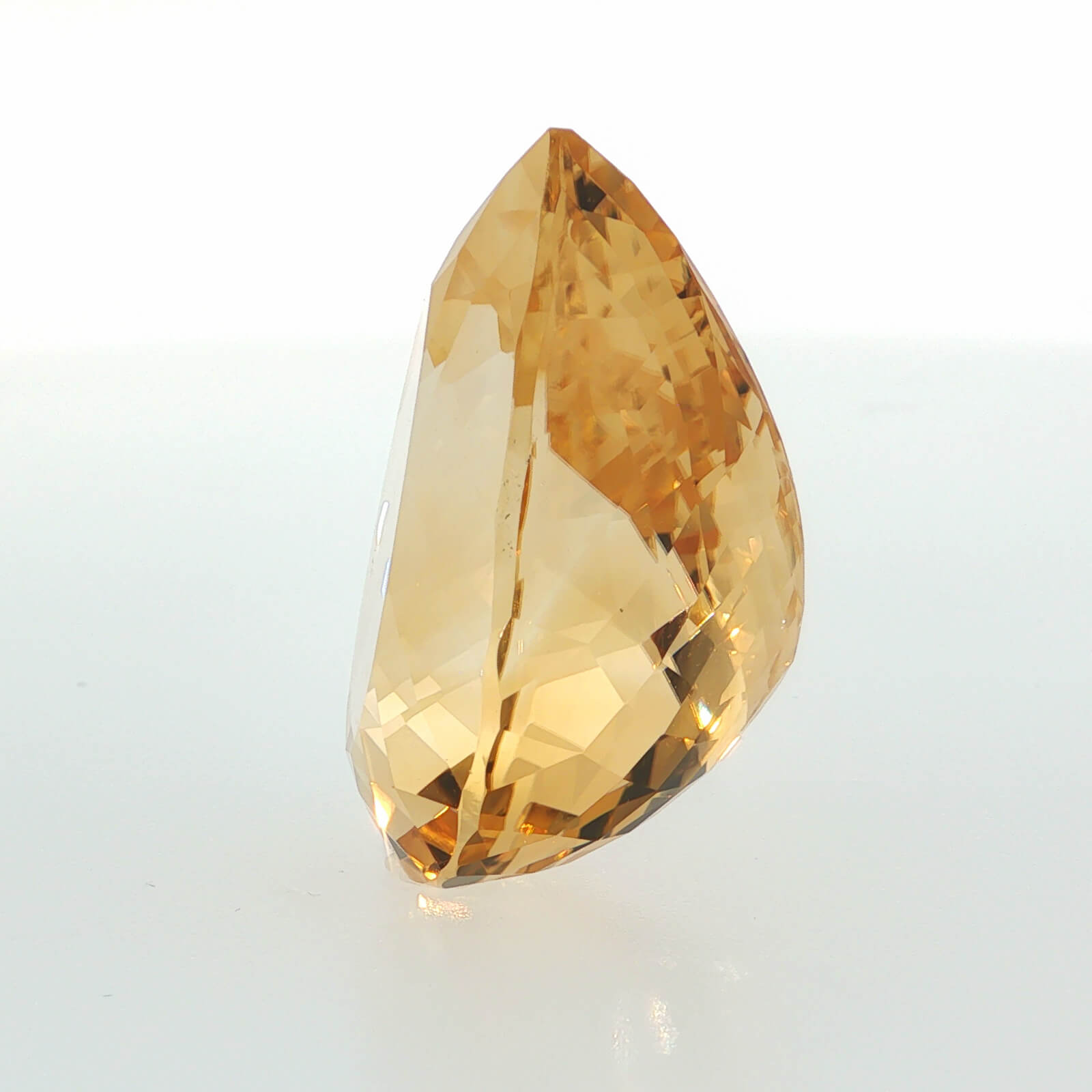
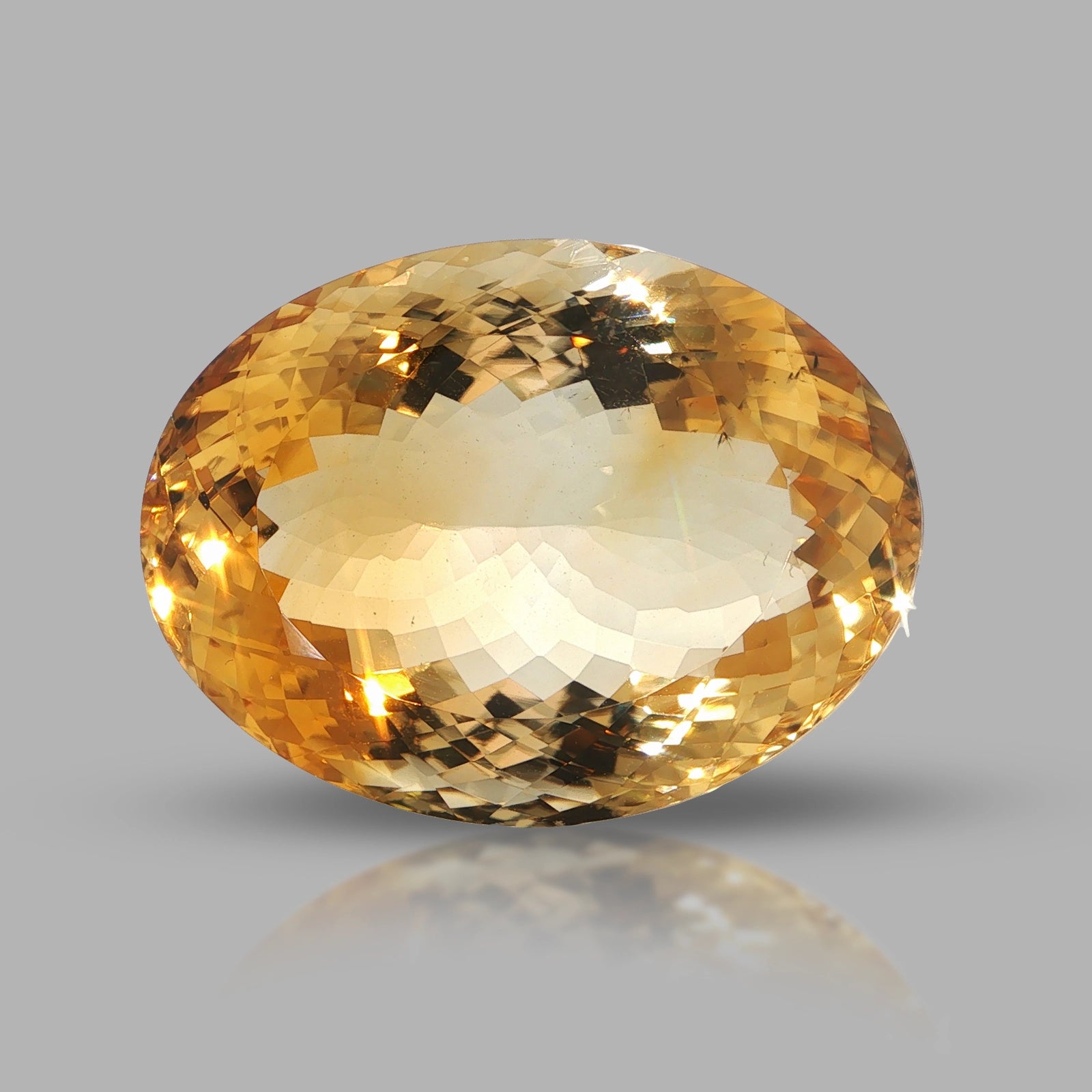
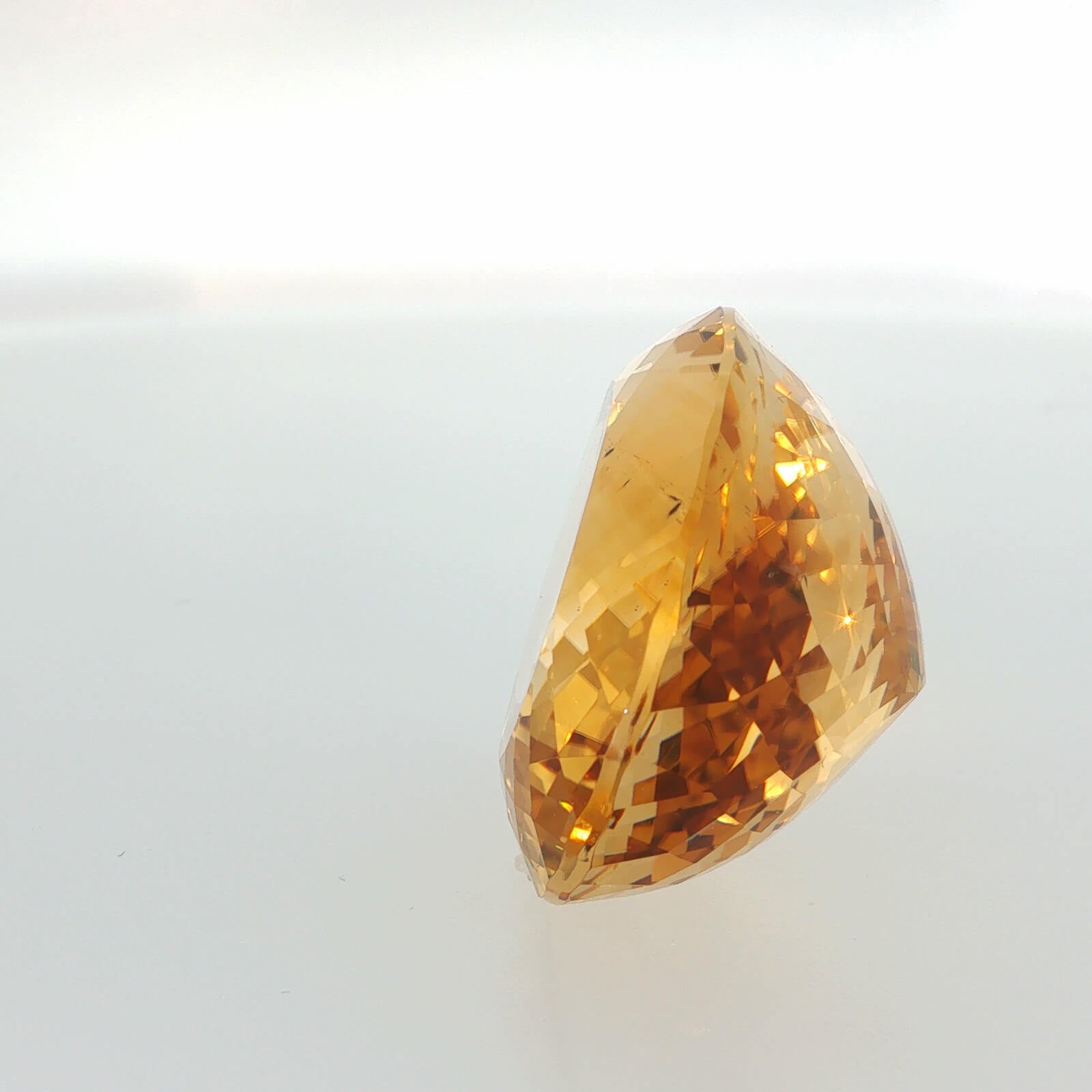


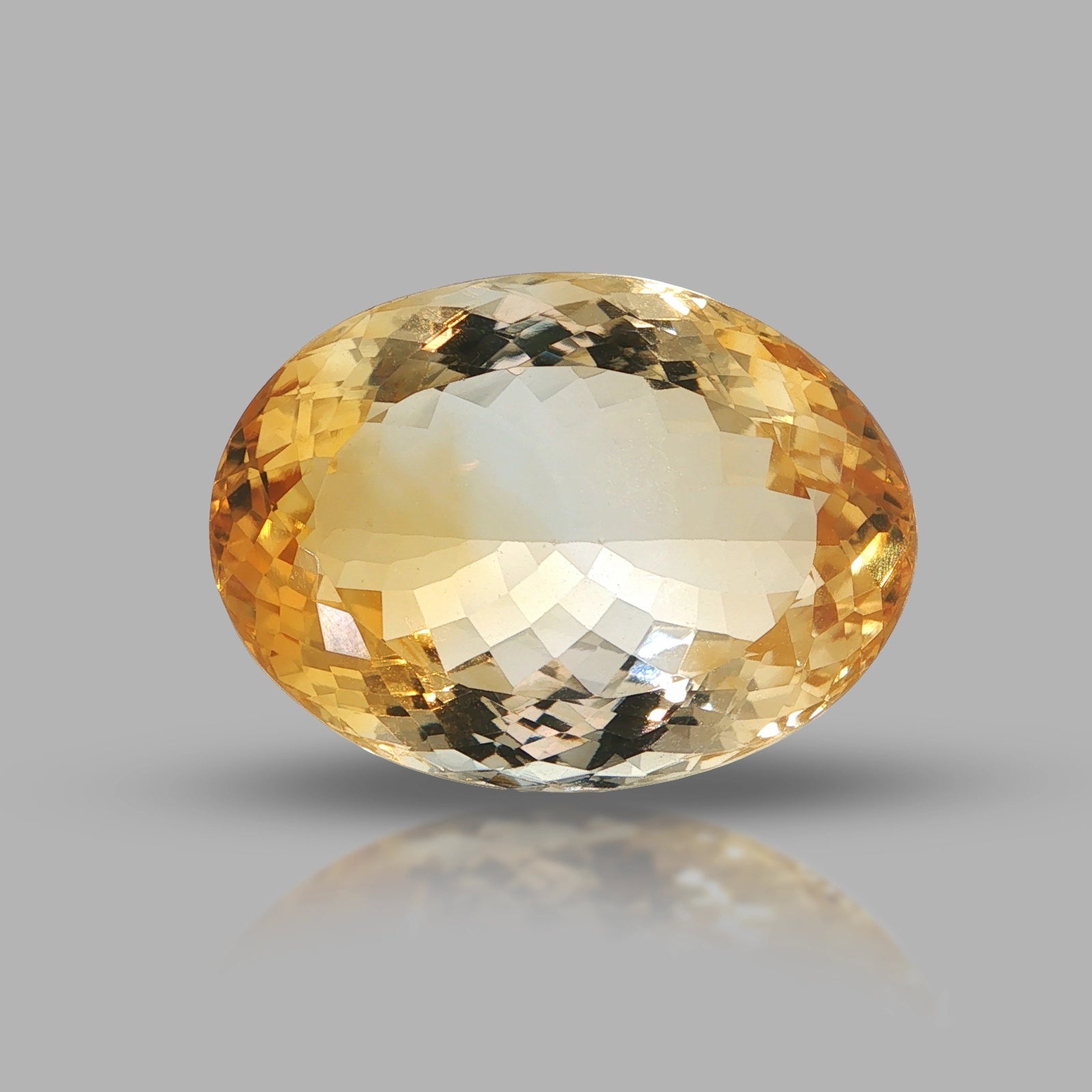
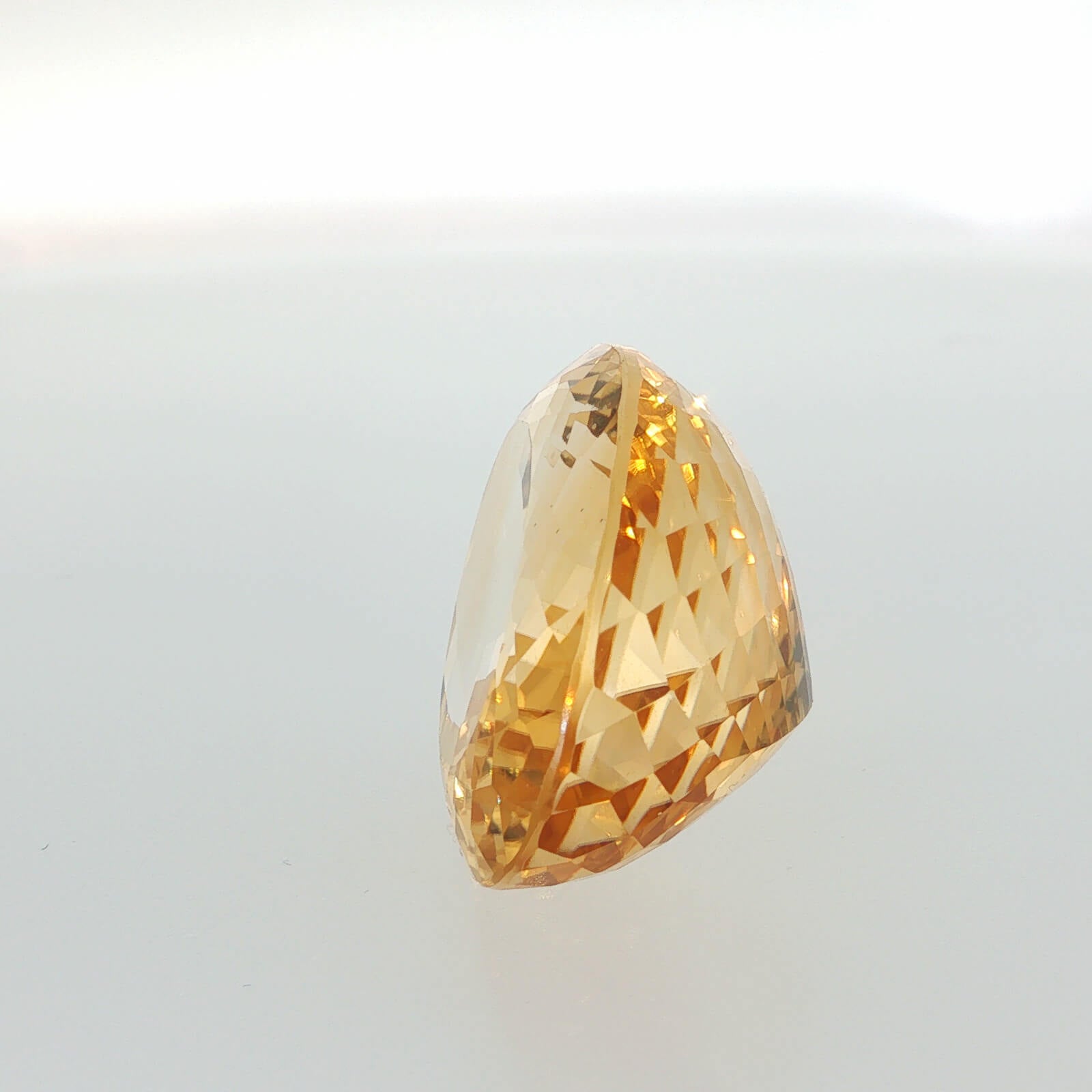


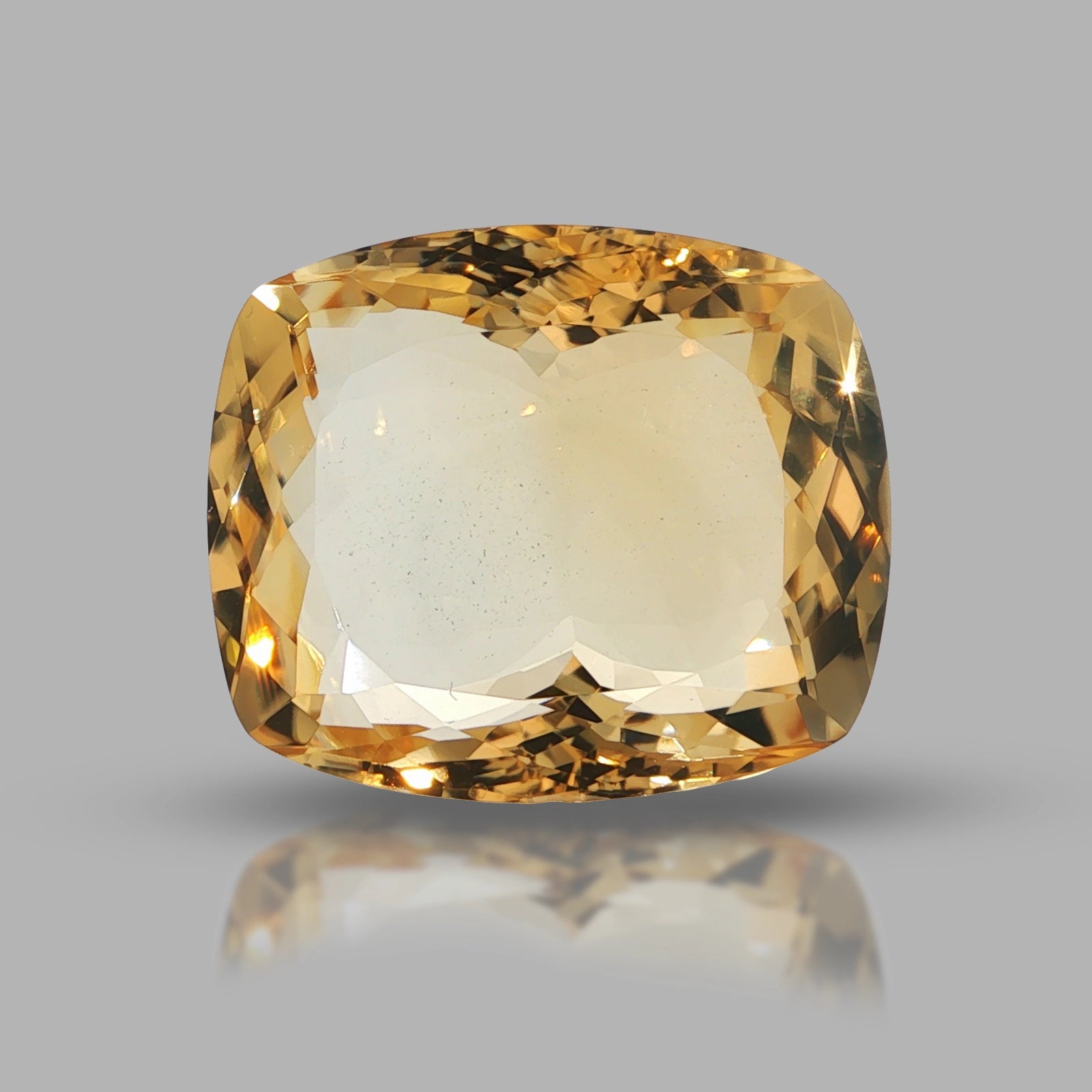




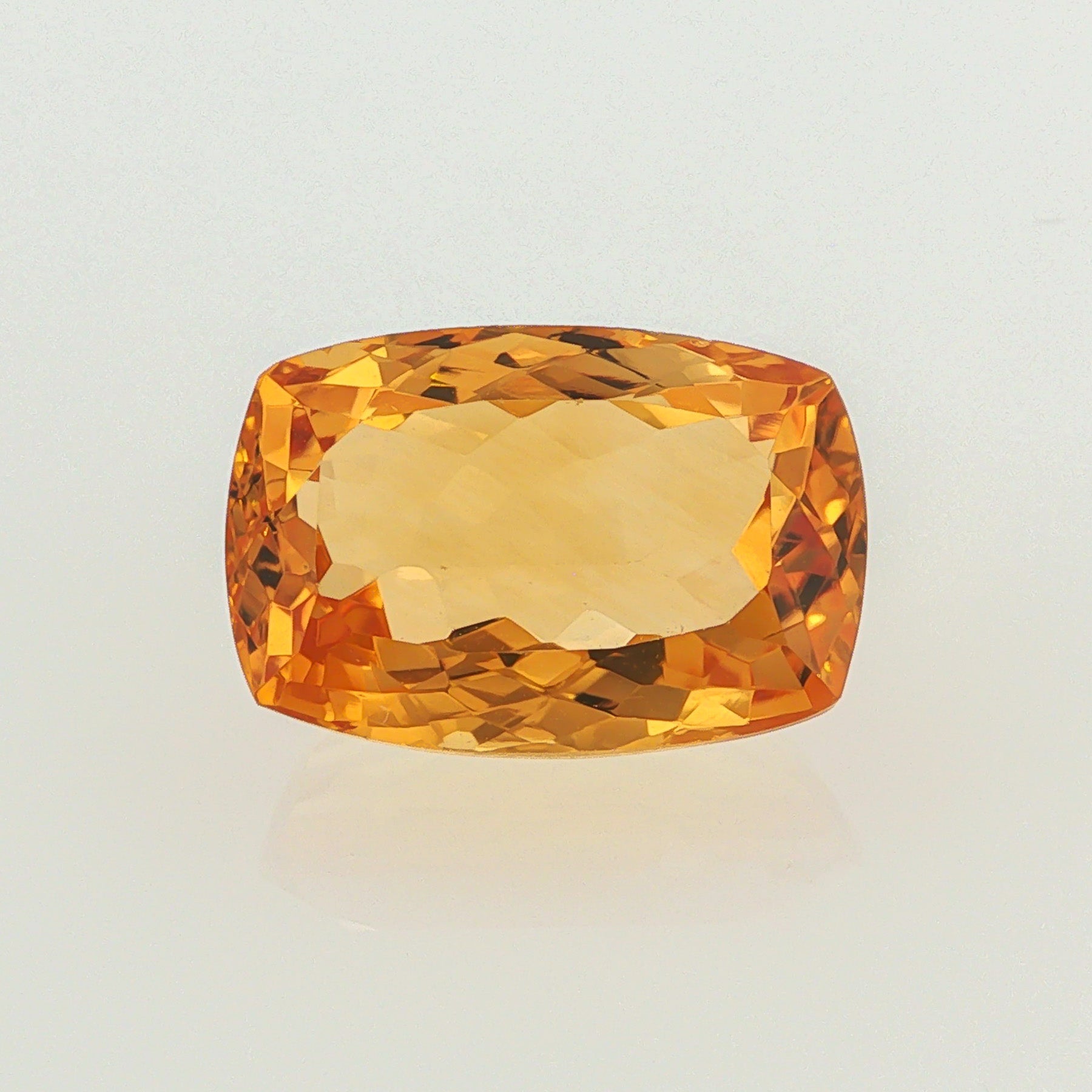
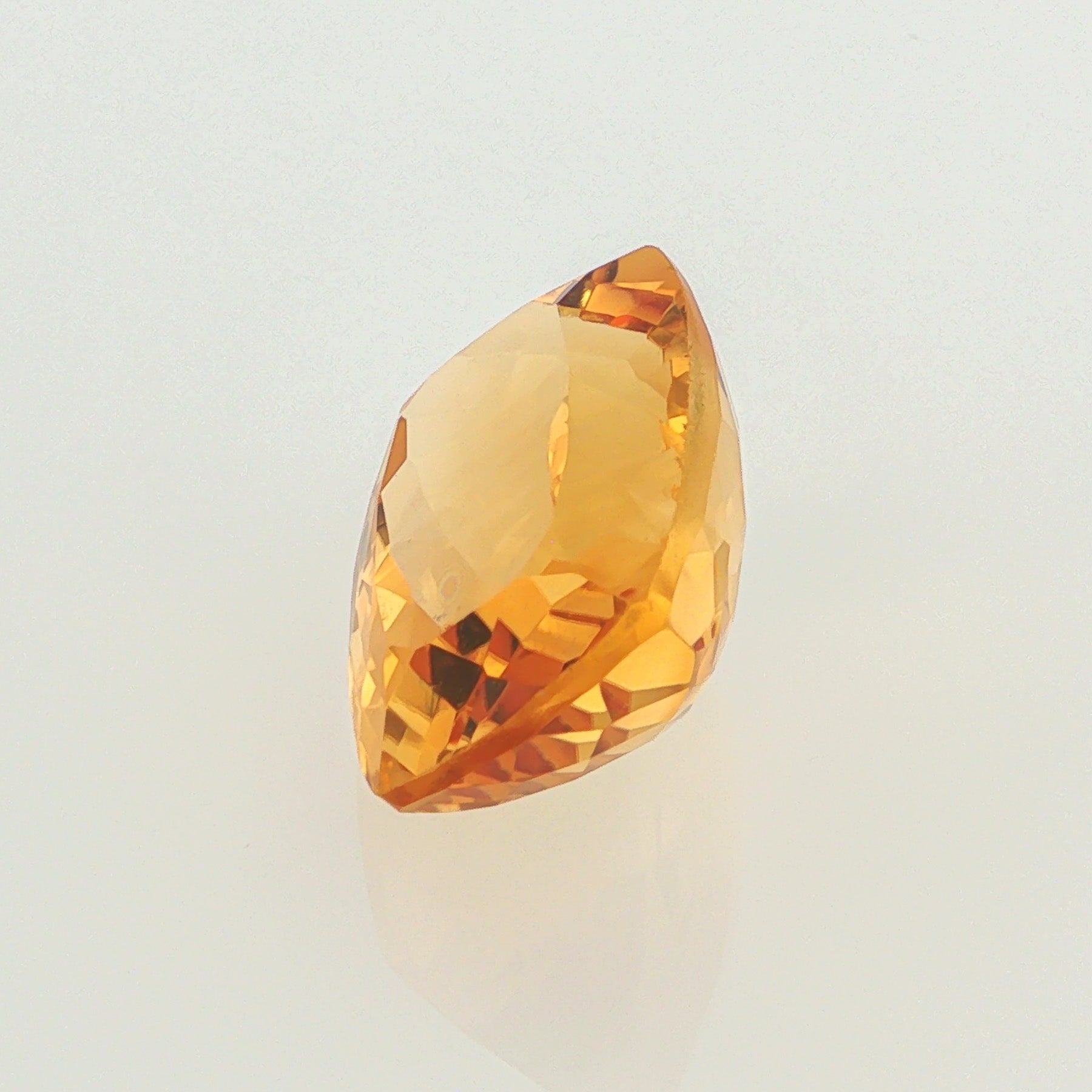
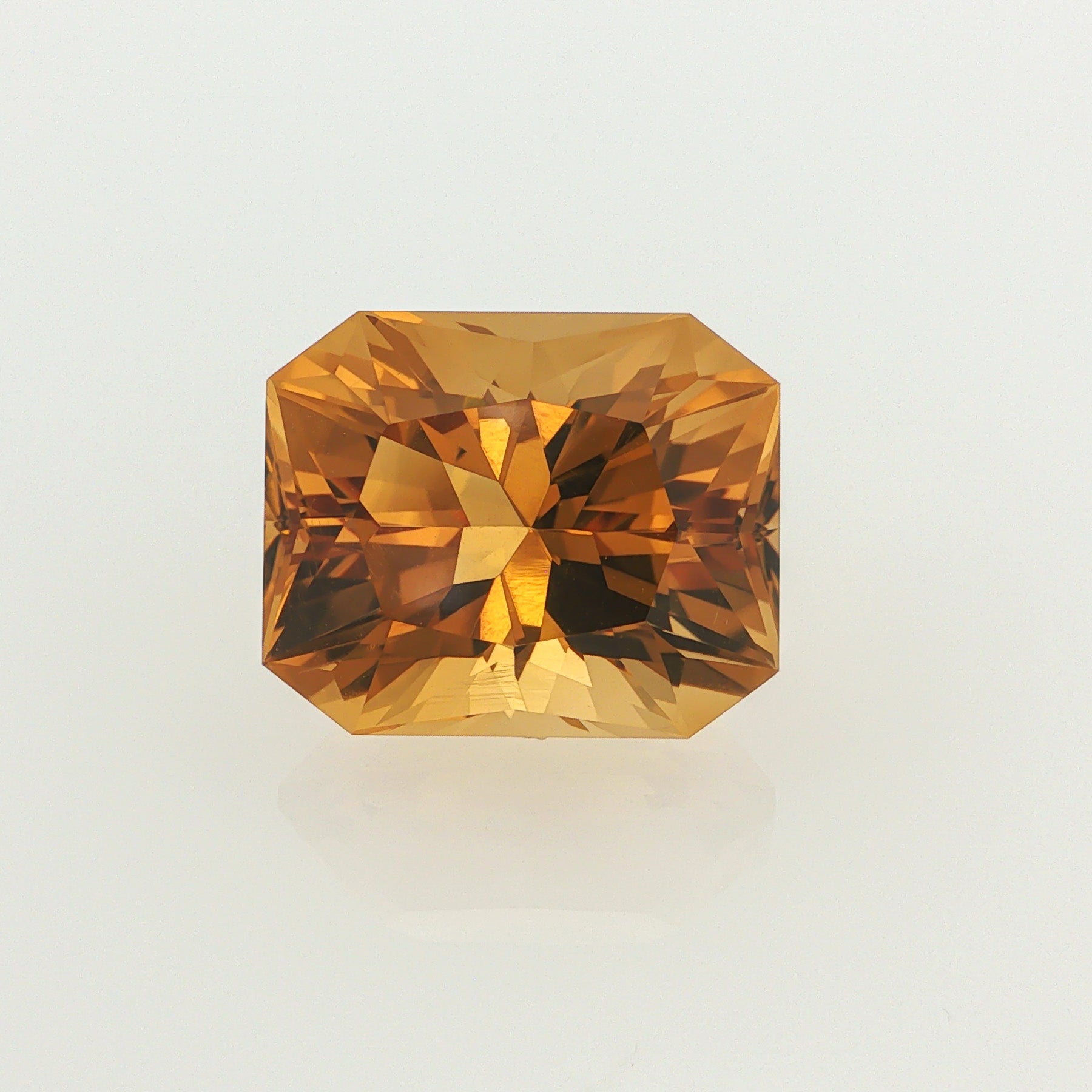
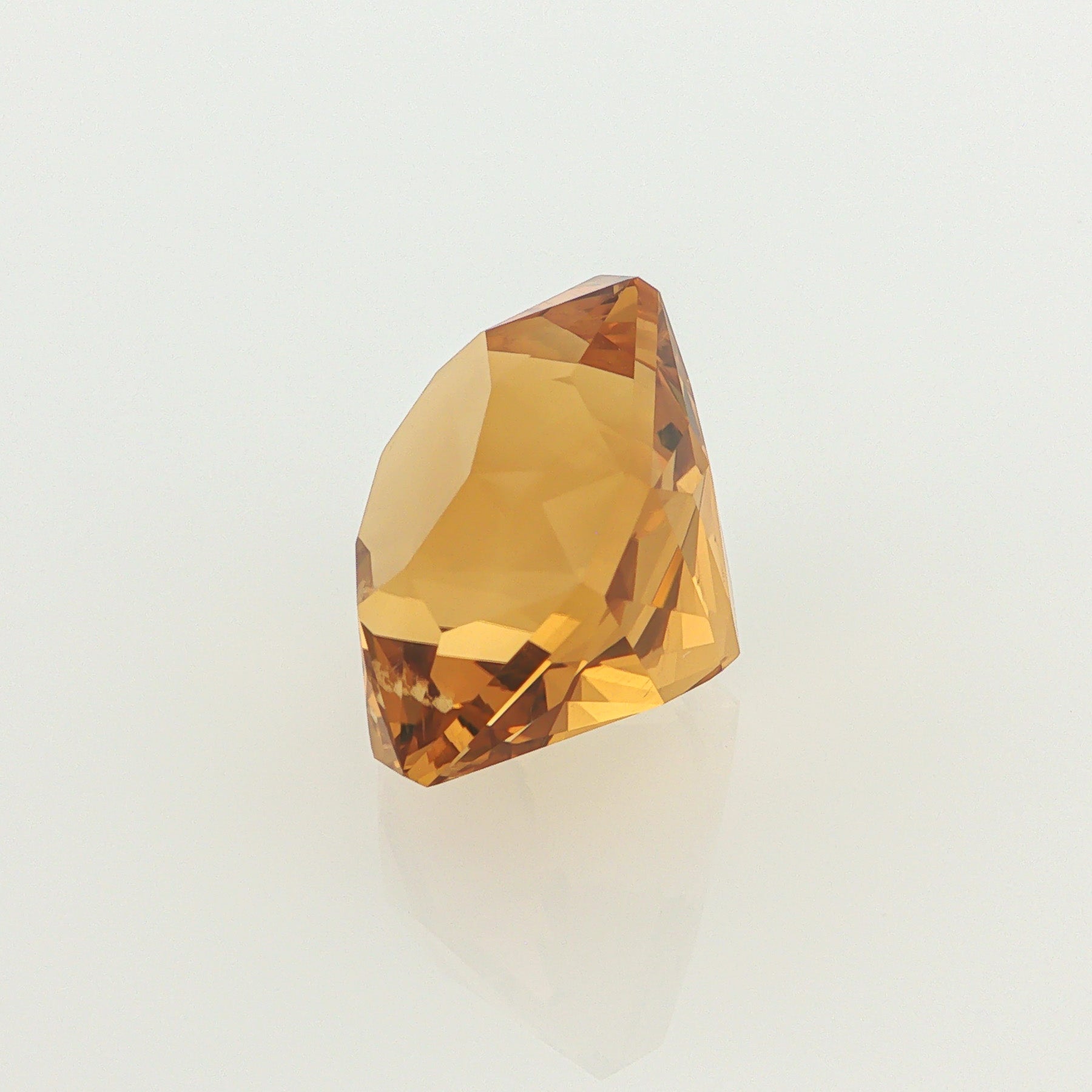
The online selection is only part of our sourcing reach.
Certain gemstones are acquired individually for clients and never appear in public collections.
Enquire about a stone you don’t see hereFrequently Asked Questions
What is citrine?
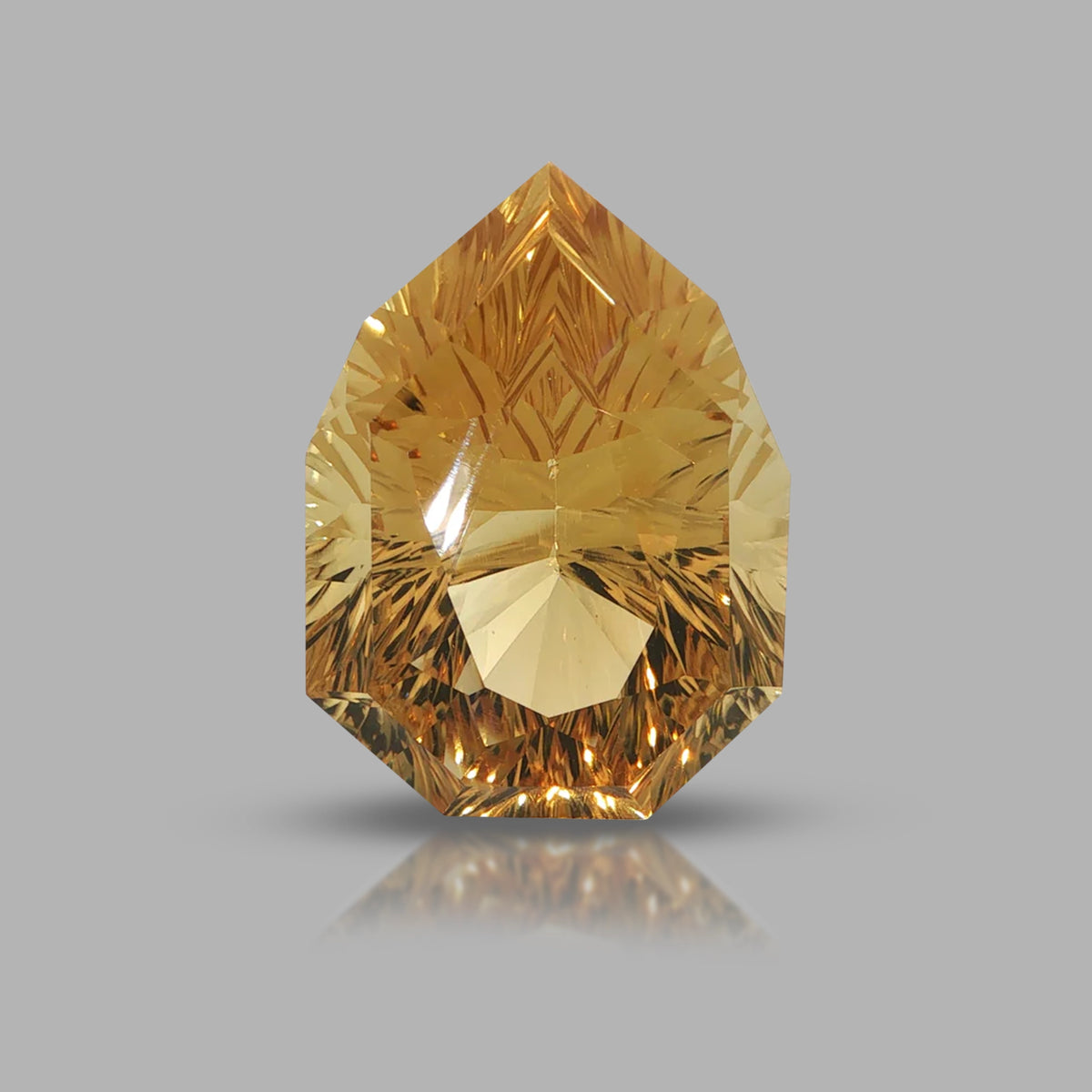
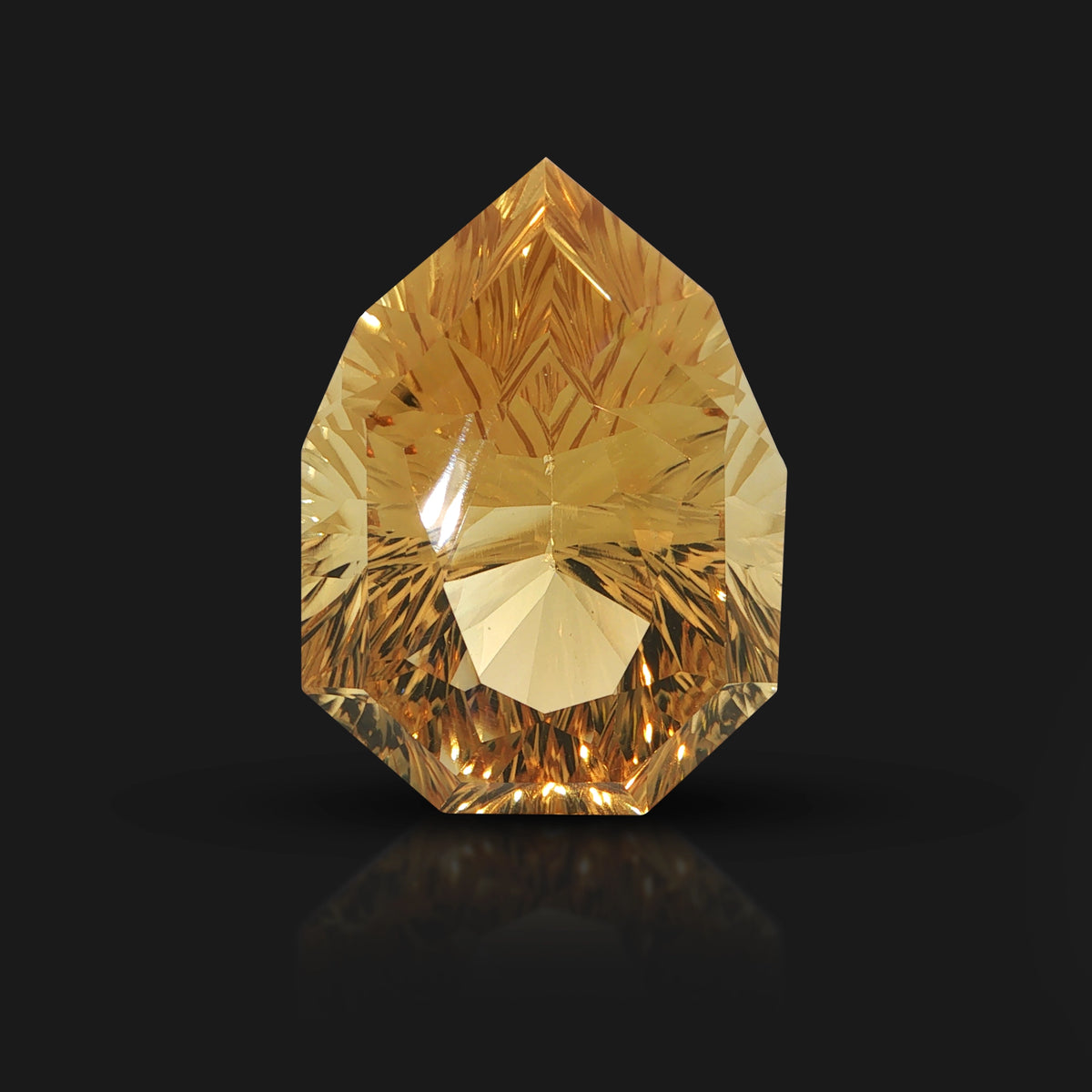
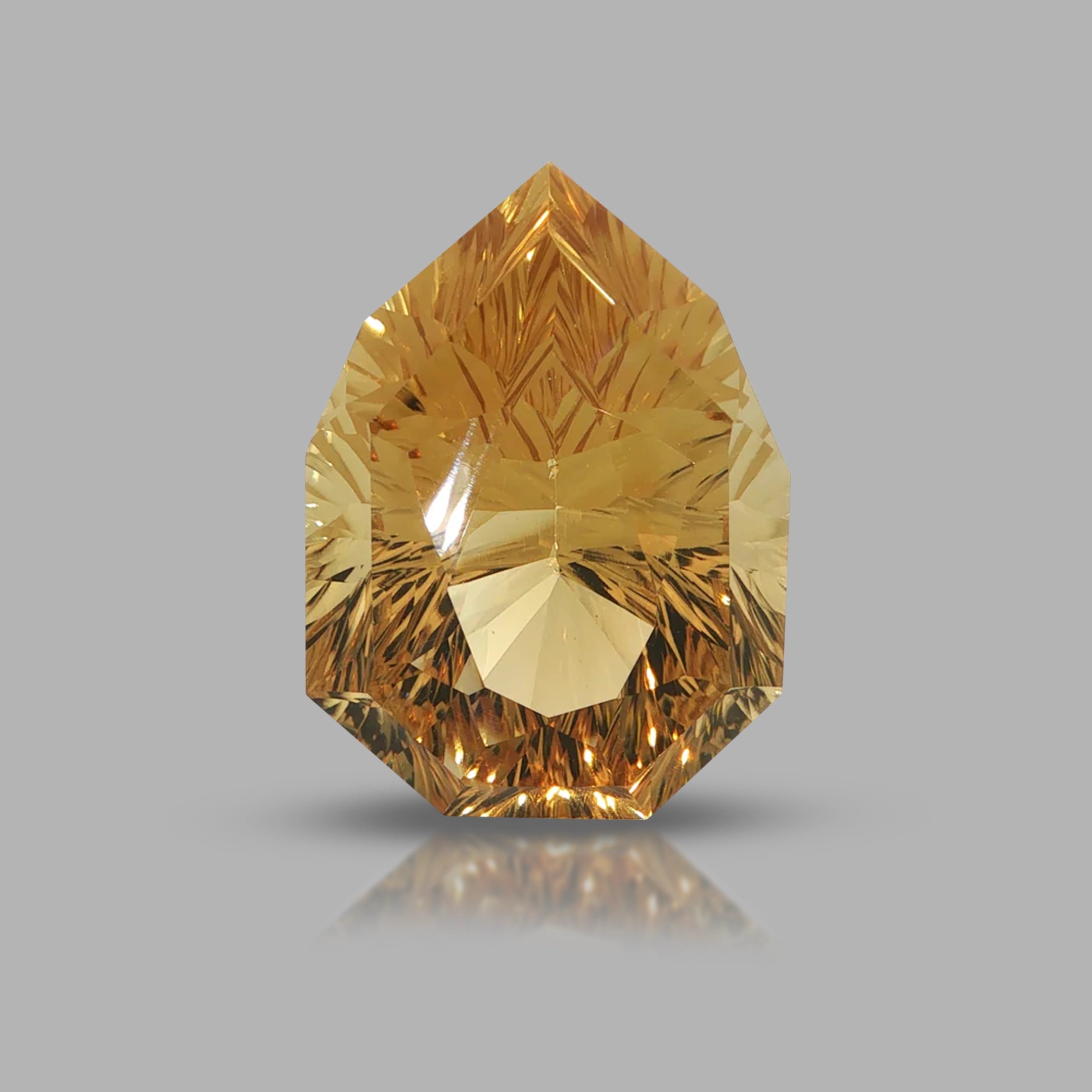
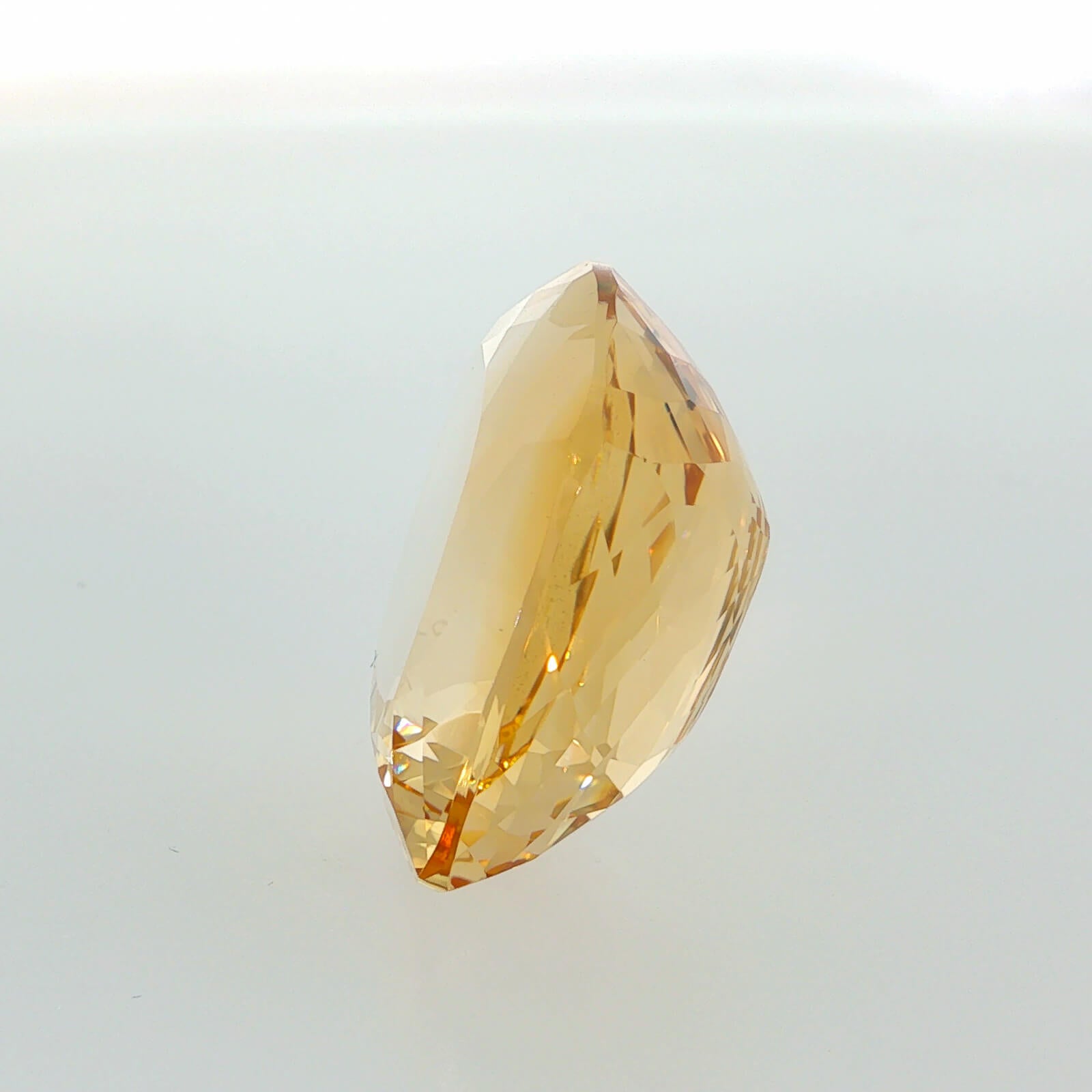
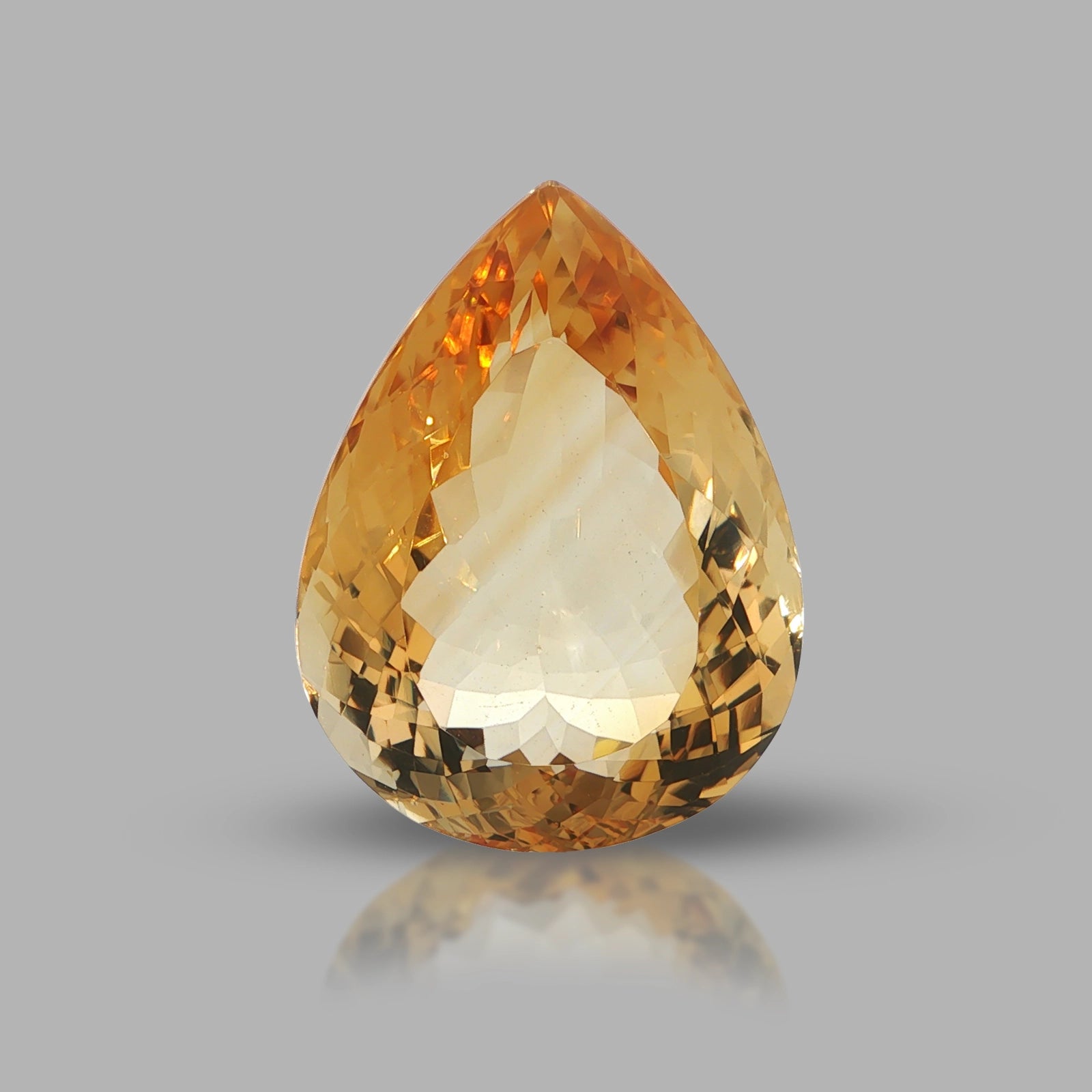
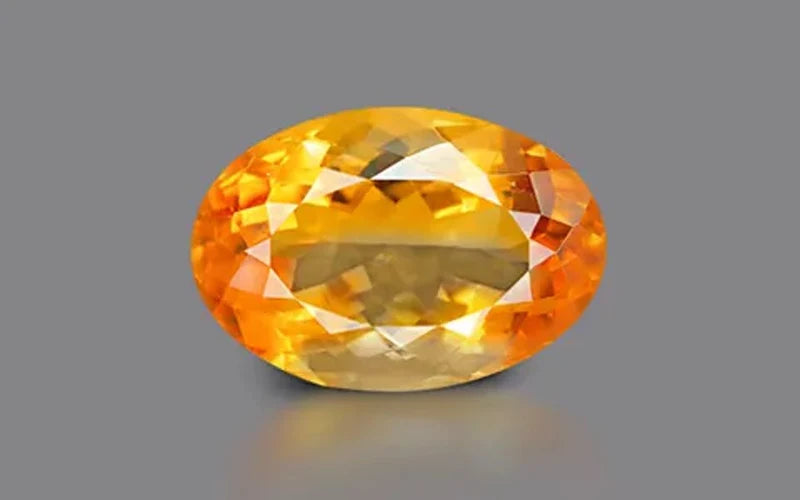
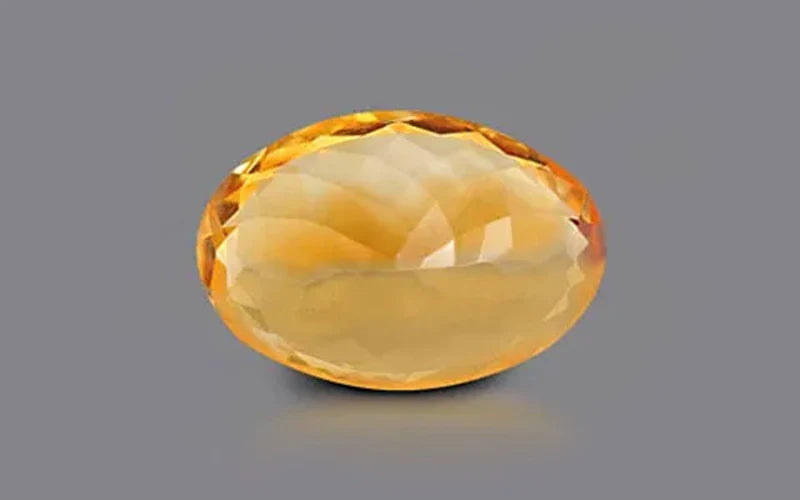
Citrine is the yellow to golden-brown variety of quartz. Its color ranges from pale lemon through honey gold to the deep brownish orange known on the trade as Madeira citrine.
Is citrine heat treated?
Much of the citrine on the world market is amethyst that was heated to yellow, a stable and accepted practice. We state on every listing whether a stone is of natural color or heated, so you know exactly what you are buying.
Which citrine color is most valuable?
Evenly saturated golden to Madeira tones without brown muddiness command the strongest prices. Natural-color citrine, typically a cooler lemon yellow, is scarcer than its price level suggests.
What is Madeira citrine?
Madeira describes a deep brownish-orange color grade named after the fortified wine, not a place of origin. Most Madeira-tone stones owe their color to heating, which is disclosed on our listings.
What is cat's eye citrine?
A rare form of citrine in which oriented inclusions reflect a moving band of light across a cabochon-cut stone, the same effect known from cat's eye chrysoberyl. Fine examples are genuine collector pieces.
Is citrine durable enough for daily wear?
Citrine measures 7 on the Mohs scale and handles daily wear in rings, pendants, and earrings well. Avoid prolonged direct sunlight and strong heat, which can alter the color over time.
What documentation comes with a stone?
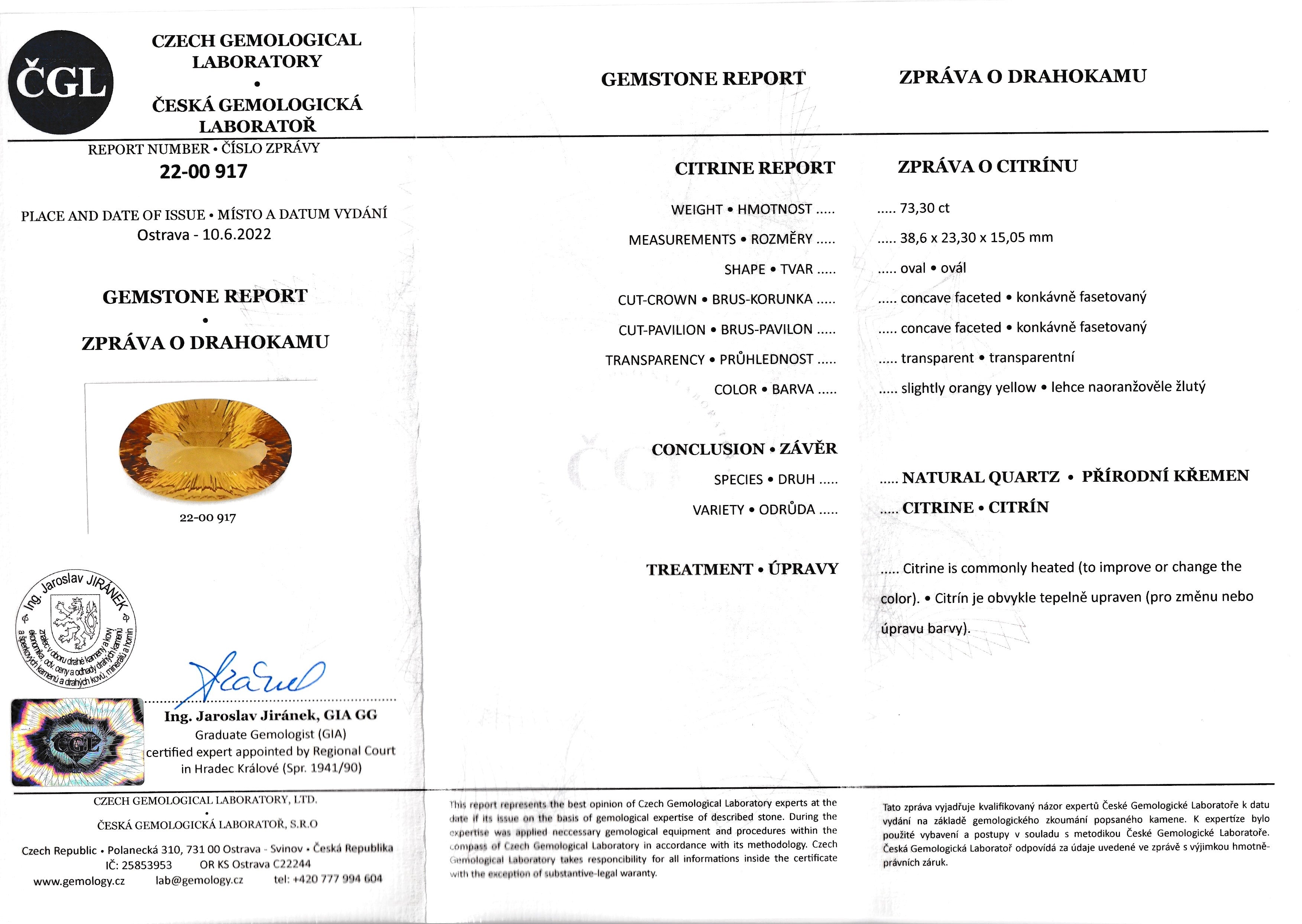
Every citrine ships with the Sosna Gems Colored Stone Report, our internal documentation. Independent laboratory certification can be arranged on request for any stone.
Can you source a citrine beyond the visible selection?
Yes. The online collection is only part of our sourcing reach. Contact us with your preferred tone, size, and budget and we will search individually.
How do I choose between two similar citrines?
Turn both stones face up in plain daylight and look for brown shadows. The finer citrine reads as a clean yellow or gold across the whole face, while lesser material shows muddy zones the eye registers before the mind does.