

Tips for First-Time Investors – How to Begin with Confidence and Clarity
Introduction – Every Investor Starts with One Stone
Every seasoned gemstone collector remembers their first stone. And no — it was rarely perfect. But it taught them what truly matters: quality over size, documentation over claims, and patience over impulse.
If you are considering your first step into natural gemstone investing, this guide is designed to help you start with clarity rather than uncertainty. Gemstones reward thoughtful decision-making, not speed. And a well-chosen first stone often becomes the foundation of a long-term relationship with this unique asset class.
First-time investors do not need encyclopedic knowledge or large budgets. What they need is a clear framework: how to define goals, which stones to prioritize, how to verify authenticity, and how to avoid common mistakes that limit long-term potential.
This article focuses on practical guidance for beginners — not to promise outcomes, but to help you make informed, confident decisions from the very beginning. Because in gemstone investing, the quality of your first choice often shapes everything that follows.
Step One – Define Your Goal Before You Buy
Before selecting a gemstone, the most important decision has nothing to do with color, carat weight, or price. It begins with clarity of intent. First-time investors who define their goal early tend to make more confident choices and avoid costly detours.
Store of Value vs. Wearable Asset
Some buyers approach gemstones primarily as a long-term store of value. Others want an asset they can also wear, enjoy, or gift while it quietly preserves worth. Both approaches are valid — but they lead to different selection criteria.
A stone chosen purely for value preservation may prioritize rarity, certification, and market desirability over versatility in jewelry. A wearable investment, by contrast, may balance beauty and durability with long-term relevance. Understanding which role your first gemstone should play helps narrow the field significantly.
Personal Milestone vs. Portfolio Diversification
It is equally important to consider context. Are you marking a personal milestone, such as an anniversary or achievement? Or are you beginning to diversify a broader portfolio with a tangible asset?
A milestone piece often carries emotional significance and may be held indefinitely. A diversification-driven purchase may emphasize liquidity, documentation, and alignment with established market demand. Neither choice is better — but each requires a different mindset.
Once your goal is clear, decisions about budget, gemstone type, and time horizon become far more intuitive. In gemstone investing, intention is not a constraint. It is a compass.
Step Two – Start with Proven Gemstone Categories
For first-time investors, restraint is an advantage. While the gemstone world offers extraordinary variety, not all stones benefit from the same level of global demand or historical confidence. Beginning with proven categories reduces risk and simplifies decision-making.
Primary Investment Stones
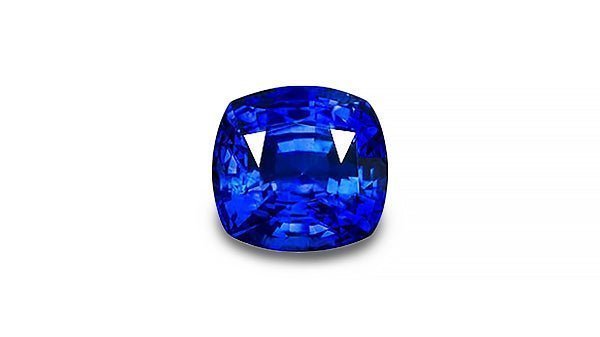
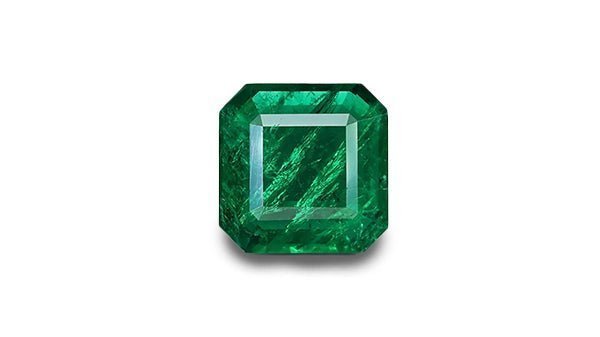
Certain gemstones have demonstrated enduring demand across cultures and decades. Rubies, sapphires, and emeralds form the core of the investment-grade market, supported by deep collector interest, established auction history, and well-documented rarity.
For beginners, these stones offer familiarity and liquidity. Their pricing structures are better understood, certification standards are clear, and long-term desirability is less dependent on short-lived trends.
Secondary Stones for Informed Beginners
Once the fundamentals are understood, select secondary gemstones may also be considered. Spinel, tanzanite, and alexandrite attract experienced buyers due to specific rarity factors such as limited origin, distinctive color phenomena, or historically constrained supply.
These stones can perform well when quality and documentation align, but they require a more selective approach. For first-time buyers, they are best chosen with guidance and a clear understanding of what drives demand.
An overview of gemstone categories that have historically shown appreciation can be found in our guide, Which Gemstones Appreciate in Value? – A Collector’s Guide to Rarity and Growth .
Step Three – Certification Is Not Optional
For first-time gemstone investors, certification is not a formality — it is a safeguard. No matter how beautiful or convincing a gemstone may appear, its investment relevance depends on independent verification.
What Certification Actually Protects
A recognized gemological report confirms the fundamental facts: that a gemstone is natural, which treatments (if any) it has undergone, and, in many cases, its geographic origin. This information cannot be reliably determined by eye alone.
Certification transforms a gemstone from a visual object into a documented asset. It allows buyers to compare stones objectively, protects against misrepresentation, and establishes a common language understood by collectors, dealers, and auction houses worldwide.
Why Uncertified Stones Are Illiquid
Without certification, a gemstone’s future marketability is severely limited. Even if the stone is genuine, lack of documentation introduces uncertainty that reduces buyer confidence and resale options.
Certified stones are easier to insure, easier to resell, and easier to evaluate years after purchase. For investors, certification is not about reassurance at the moment of buying — it is about preserving clarity and liquidity over time.
A deeper explanation of how rarity and certification work together can be found in our guide, What Makes a Gem Rare? Understanding the True Meaning of Rarity .
Step Four – Quality Always Matters More Than Size
One of the most common mistakes first-time gemstone investors make is equating size with value. In reality, a larger gemstone with weak color, poor cut, or heavy treatment can be far less desirable than a smaller stone of exceptional quality.
Why Smaller High-Quality Stones Perform Better
Gemstone markets reward rarity and visual coherence, not sheer carat weight. A smaller stone with vivid natural color, strong transparency, and minimal treatment occupies a far narrower supply category than a larger but mediocre example.
As a result, high-quality stones tend to attract stronger long-term demand, retain liquidity, and perform more consistently over time. This is especially true in rubies, sapphires, and emeralds, where exceptional quality becomes exponentially rarer as size increases.
The Role of Cut in Resale and Enjoyment
Cut plays a critical role in both beauty and value. A well-cut gemstone maximizes light return, enhances color, and improves overall visual balance. Precision cutting also increases durability and market appeal, which directly affects resale potential.
For first-time investors, the priority should be the best overall quality within budget — not the largest stone available. Choosing quality over size builds a stronger foundation for long-term appreciation and enjoyment alike.
Step Five – Buy From Someone You Can Speak To
One of the most underestimated factors in first-time gemstone investing is the quality of the relationship behind the purchase. Unlike commodities or financial products, gemstones are individual assets, and their value depends heavily on transparency, expertise, and trust.
Transparency vs. Marketplaces
Online marketplaces and anonymous sellers may offer convenience, but they rarely provide the depth of information required for confident investing. Listings often lack full context around origin, treatment stability, or long-term relevance — details that matter far more than price alone.
A knowledgeable dealer should be able to explain why a gemstone is priced as it is, how it compares to similar stones, and where its strengths and limitations lie. Clarity, not persuasion, is the hallmark of a trustworthy source.
Education Over Pressure
First-time investors benefit most from environments where questions are welcomed and decisions are not rushed. Pressure-driven sales tactics are incompatible with assets intended for long-term ownership and appreciation.
A reliable partner will encourage understanding, provide documentation, and respect the time required to make an informed choice. In gemstone investing, the ability to ask questions freely is often as valuable as the stone itself.
Step Six – Think Long-Term
A broader perspective on how gemstones fit into long-term investment thinking is explored in our comprehensive guide, Why Invest in Gemstones? – Rarity, Value, and Long-Term Growth .
Gemstones are not suited to short-term speculation. Their value does not fluctuate daily, nor does it respond to headlines or market sentiment. For first-time investors, understanding this long-term nature is essential to setting realistic expectations.
Realistic Time Horizons
Most gemstone appreciation unfolds gradually. Holding periods of five to fifteen years are common, particularly for stones chosen for rarity and quality rather than trend appeal. This timeframe allows scarcity to assert itself as comparable material is absorbed into private collections.
Patience is not a disadvantage in gemstone investing. It is the mechanism through which value preservation and appreciation occur. Stones selected with a long-term perspective tend to outperform those chosen with the intention of quick resale.
Storage, Insurance, and Re-Evaluation
Long-term ownership also requires practical considerations. Investment-grade gemstones should be stored securely, ideally insured, and protected from unnecessary handling. Proper documentation should always be retained alongside the stone.
Periodic re-evaluation is advisable. Market demand, origin recognition, and collector preferences evolve over time. Reviewing your gemstone every few years ensures that its positioning remains aligned with long-term goals — while still allowing you to enjoy its beauty in the present.
How Sosna Gems Supports First-Time Investors
For first-time gemstone investors, guidance matters as much as selection. At Sosna Gems, our role is not to push decisions, but to create clarity in a market that can otherwise feel complex or opaque.
We work exclusively with natural, certified gemstones that meet investment-grade criteria. Each stone is evaluated for rarity, treatment stability, origin, and long-term market relevance before it is ever presented to a client. This disciplined approach helps first-time buyers focus on quality, not volume.
Equally important is communication. We explain why a stone is suitable, how it compares to alternatives, and where its strengths and limitations lie. There is no pressure to buy quickly and no expectation to commit beyond your comfort level.
Our clients come with a wide range of starting points. Some begin with a modest budget and a single stone, while others are planning long-term diversification. In every case, advice is tailored to goals, time horizon, and personal perspective on value.
By emphasizing transparency, education, and patience, Sosna Gems helps first-time investors build confidence — not only in their first purchase, but in their understanding of gemstone investing as a whole.
Final Thought – Your First Stone Sets the Foundation
The first gemstone you choose as an investor carries more weight than its carat size or price tag. It shapes how you understand quality, rarity, and patience — and often defines how confidently you approach future decisions.
A well-chosen first stone does not need to be extraordinary. It needs to be correct. Correct in its documentation, honest in its quality, and aligned with your long-term intent rather than short-term excitement.
Gemstone investing rewards those who begin thoughtfully. When your first purchase is guided by clarity rather than impulse, it becomes more than an object of beauty. It becomes a reference point — a standard against which all future stones are measured.
In time, values may change and collections may grow. But the discipline learned from choosing the right first stone is what ultimately determines success in gemstone investing.
Frequently Asked Questions About First-Time Gemstone Investing
How much should I start investing in gemstones?
There is no universal “correct” starting amount. For most first-time buyers, the best approach is to choose a budget that allows for certification and strong overall quality rather than maximizing carat size. A smaller certified stone with strong color and minimal treatment is often a smarter first step than a larger stone chosen purely for size.
Which gemstones are best for beginners to buy?
Beginners are typically best served by proven categories with consistent global demand: ruby, sapphire, and emerald. For informed beginners who understand certification and treatment implications, select stones such as spinel, tanzanite, or alexandrite may also be appropriate, but they require a more selective approach.
How can I verify gemstone authenticity and certifications?
Authenticity and investment relevance should be confirmed through independent gemological certification. A recognized report verifies natural origin and treatment status, and may also include origin analysis. In addition, ensure that documentation matches the stone being offered and request clear written disclosure from the seller regarding any enhancement.
How do I build a diversified gemstone portfolio as a beginner?
Diversification in gemstones should be built gradually. A common beginner approach is to start with one cornerstone stone in a primary category (ruby, sapphire, or emerald), then diversify later by adding different gemstone types, origins, sizes, and treatment profiles. Rather than buying many stones quickly, focus on building a collection where each gemstone has clear documentation and distinct rarity characteristics.
What are the main risks of gemstone investing and how can I mitigate them?
The main risks include misrepresentation, unclear treatment history, paying for size over quality, and buying without reliable certification. These risks are reduced by choosing documented stones, working with transparent professionals, prioritizing quality and rarity, and maintaining a long-term perspective rather than expecting quick resale.