


Beryl


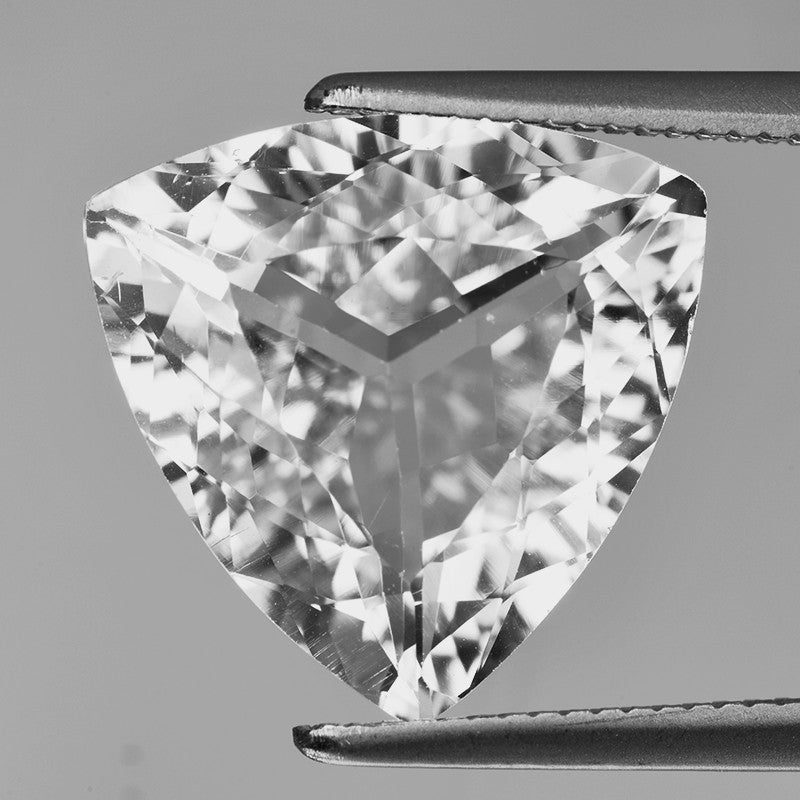

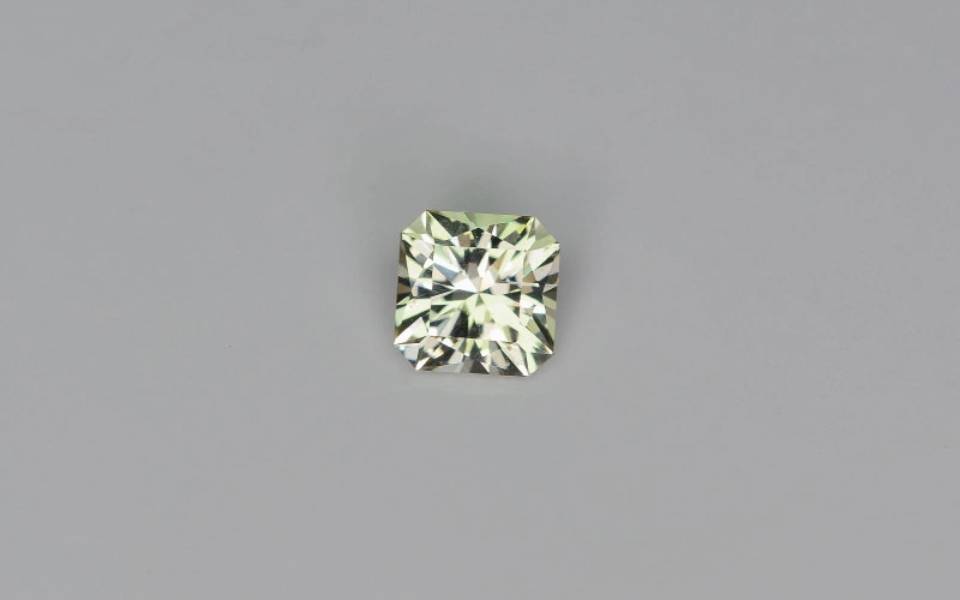
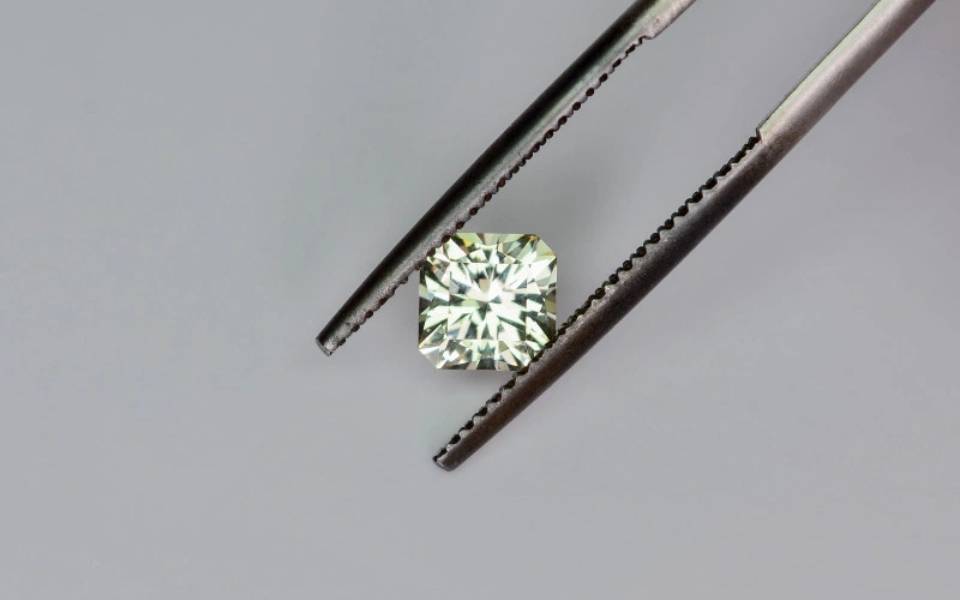
The online selection is only part of our sourcing reach.
Certain gemstones are acquired individually for clients and never appear in public collections.
Enquire about a stone you don’t see hereFrequently Asked Questions
What is beryl?
Beryl is the mineral family behind emerald, aquamarine, and morganite. Its other varieties include golden heliodor, green beryl, and colorless goshenite, all sharing the family's clarity and durability.
What is heliodor?
Heliodor is the golden to yellow variety of beryl, colored by iron. Fine stones hold a true warm gold with the glass-like transparency the family is known for, at prices far below the famous siblings.
What is the difference between green beryl and emerald?
Emerald is green beryl colored by chromium or vanadium to a defined depth; lighter or differently colored green stones are classified as green beryl. Laboratories draw the line, which is one reason certification matters in this family.
Is beryl treated?
Treatment is uncommon in these varieties, and the status is stated individually on every listing.
How is beryl quality evaluated?
Clarity is the baseline, because the material allows near-flawless stones, and definite color separates collectible pieces from pale goods. A heliodor with true gold or a green beryl with clean, even color is the target.
Is beryl durable enough for daily wear?
Yes. At 7.5 to 8 on the Mohs scale, beryl handles rings, pendants, and earrings in daily wear, the same durability that carries aquamarine through engagement-ring life.
What documentation comes with a stone?
Every beryl ships with the Sosna Gems Colored Stone Report, our internal documentation. Independent laboratory certification can be arranged on request for any stone.
Can you source a beryl beyond the visible selection?
Yes. The online collection is only part of our sourcing reach. Contact us with the variety, color, and size you are looking for and we will search individually.
How do I choose between two similar beryls?
Insist on both virtues at once. The family's gift is color carried in a clean stone, so pick the one that gives you definite color without visible inclusions rather than trading one for the other.