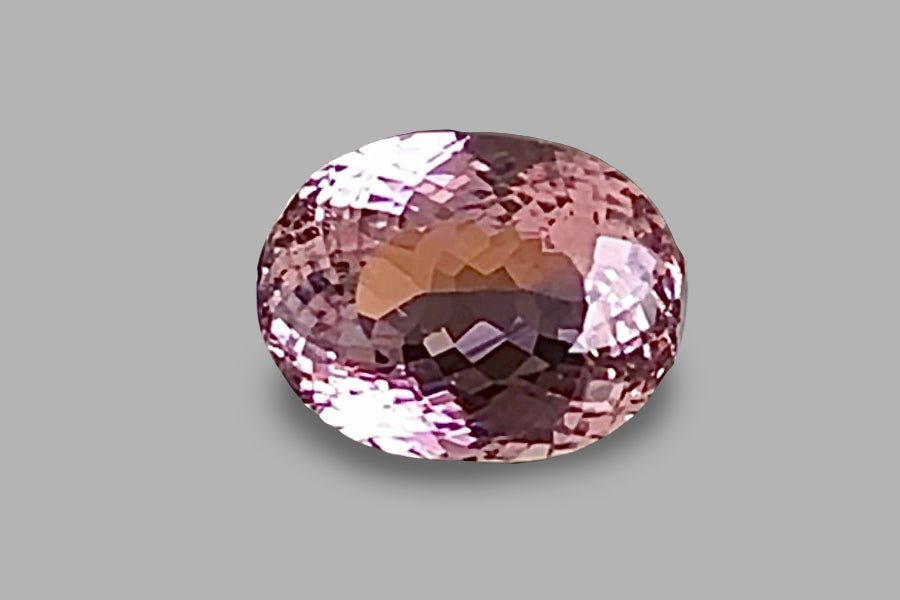
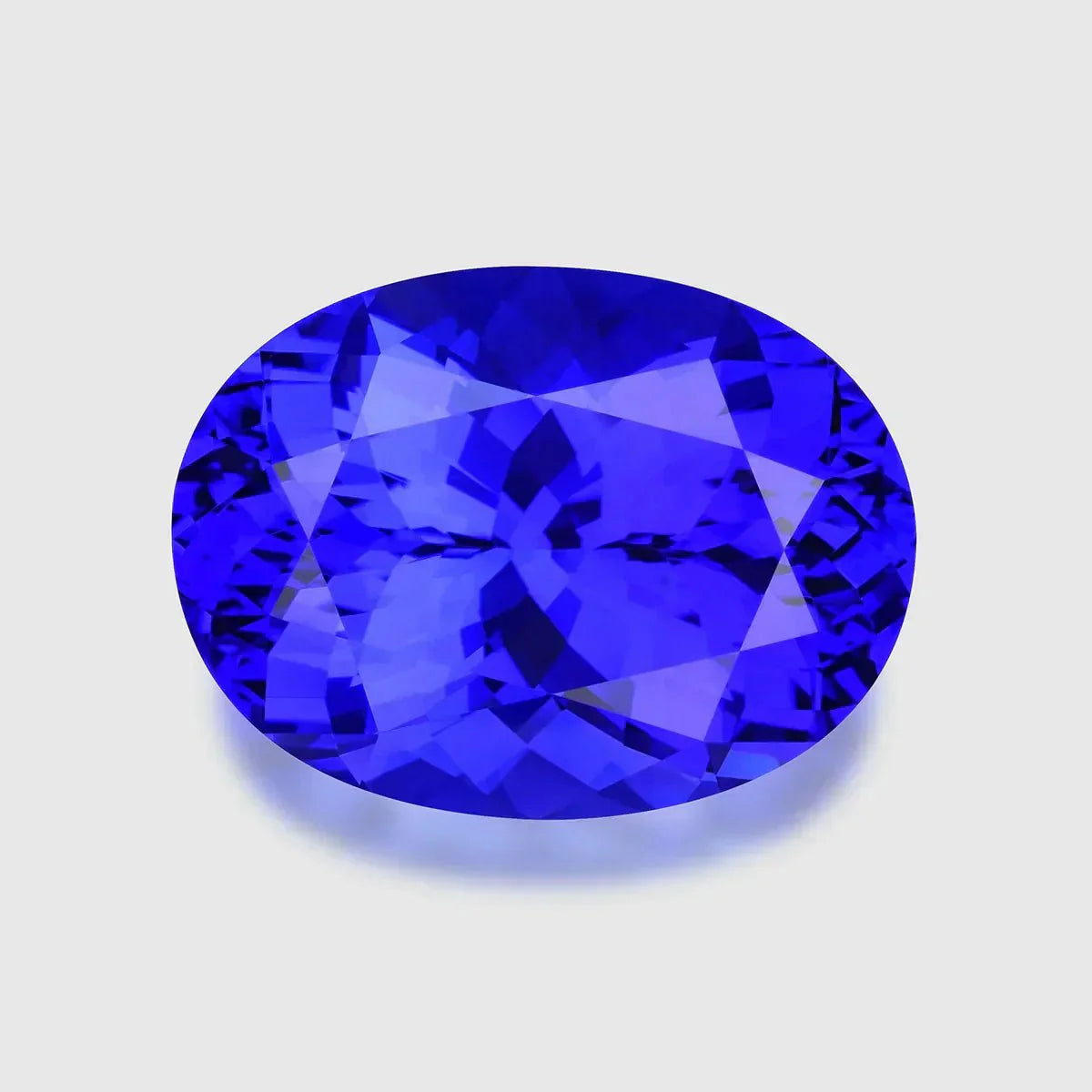
What is a Natural Gemstone?
The Most Slippery Word in the Jewelry Trade
A stone can be advertised as genuine, real, authentic, created, cultured, or semi-precious, and not one of those words tells you reliably what it is. Some are regulated terms with precise meanings. Some are marketing language designed to sound like the first group. And one of them, semi-precious, has been abandoned by gemology altogether.
"Natural" is the word that matters, and it has a specific definition. This guide sets out what it means, what the trade is legally required to disclose, and the categories of stone that sit outside the definition, including two that catch buyers off guard: organic gems that are natural but not minerals, and assembled stones that are natural in part.
The Definition
A natural gemstone is one that formed in the earth through geological processes, without human involvement in its creation. It was mined, cut, and polished. Nothing about its formation was engineered.
Two clarifications belong immediately beside that definition, because both are routinely misunderstood.
Natural does not mean untreated. A heated sapphire is a natural sapphire. An oiled emerald is a natural emerald. Treatment alters a stone's appearance after it has formed; it does not change where it came from. Roughly 95 percent of colored gemstones on the market have been treated in some way, and the practice is ancient and accepted. What matters is disclosure, a subject covered in full in our guide to treated versus untreated gemstones.
Natural does not mean flawless. The opposite, usually. Inclusions are the fingerprints of natural formation, and a stone with no inclusions at all is more likely to raise a gemologist's suspicion than their admiration. How that is judged species by species is set out in our guide to clarity grades.
The Four Categories
| Category | What it is | Example |
|---|---|---|
| Natural | Formed in the earth, mined, cut | Mined sapphire, heated or not |
| Synthetic (lab-grown) | Same chemistry and structure, grown by people | Lab-grown sapphire |
| Simulant (imitation) | A different material that merely looks similar | Cubic zirconia posing as diamond, glass posing as emerald |
| Assembled | Two or more pieces glued into one stone | Opal doublet, garnet-topped doublet |
The distinction between synthetic and simulant is the one buyers most often collapse, and it matters. A synthetic ruby is a ruby: identical chemistry, identical hardness, grown quickly instead of slowly. A cubic zirconia sold as a diamond is not a diamond at all. Our guide to natural versus lab-grown gemstones compares the first two categories in depth.
Assembled Stones: The Category Nobody Warns You About
An assembled stone is built from pieces, and the pieces can be genuine, which is exactly what makes them deceptive.
Doublets are two layers glued together. The opal doublet is the classic: a thin slice of genuine precious opal cemented to a backing of common opal, ironstone, or black glass, which makes a modest sliver look like a solid, valuable stone. Garnet-topped doublets, a Victorian trick that still surfaces in estate jewelry, fuse a thin slice of red garnet onto colored glass, producing something that reads as ruby, sapphire, or emerald depending on the glass beneath.
Triplets add a third layer, typically a clear quartz or glass dome over an opal doublet, protecting the fragile opal and magnifying its play of color. Opal triplets are common and legitimate when sold as triplets. They are worth a fraction of a solid opal, and our opal guide explains what a solid stone should show.
Reconstructed stones are made by fusing fragments of genuine material into a single mass. Reconstructed amber and turquoise both appear on the market.
None of these is fraudulent when disclosed, and all of them are fraudulent when not. The defense is simple: examine an opal or a suspect stone from the side, where the glue line and the change of material are usually visible, and ask directly whether a stone is solid.
Organic Gems: Natural, but Not Minerals
A quiet complication sits inside the word natural. Several of the most treasured gem materials were never rocks at all.
Pearl is produced by a living mollusk. Amber is fossilized tree resin, tens of millions of years old. Coral is the skeleton of a marine colony. Jet is fossilized wood. These are organic gems: natural, ancient, and entirely outside the mineral kingdom.
The distinction has practical consequences. Organic materials are softer, more porous, and more chemically vulnerable than minerals; pearls dissolve in acid, amber softens with heat, and both are damaged by perfume and cosmetics. They also carry their own terminology trap: a cultured pearl is a real pearl grown inside a real mollusk with human help starting the process, which makes it natural in a way lab-grown corundum is not, and the trade treats it accordingly. An imitation pearl is a glass or plastic bead, and no amount of romantic naming changes that.
The Words Sellers Use, and What They Mean
Terminology in the gem trade is regulated in most markets, and the rules exist because the words were abused for a century. In the United States, the Federal Trade Commission requires that any stone which is not natural be described clearly as synthetic, laboratory-grown, laboratory-created, or imitation, and that treatments be disclosed when they significantly affect value.
Read the following list as a translation guide.
- Natural: formed in the earth. The word that matters.
- Genuine, real, authentic: loosely used, weakly defined. A "genuine ruby" may be a genuine synthetic ruby. These words prove nothing on their own.
- Created, lab-created, laboratory-grown, synthetic: made by people. All four mean the same thing.
- Cultured: correct for pearls, where the mollusk does the work. Applied to any other gemstone, it is a euphemism for synthetic and should be treated as one.
- Simulated, imitation: a different material pretending to be the gem it resembles.
- Enhanced, improved: treated, with the specifics left conveniently vague. Ask which treatment, and how much.
- Semi-precious: abandoned by modern gemology, and rightly. The old division into precious (diamond, ruby, sapphire, emerald) and semi-precious (everything else) implies a hierarchy that prices contradict daily: fine spinel, Paraíba tourmaline, and alexandrite all outprice ordinary stones from the "precious" list. The term survives only in marketing.
One rule cuts through all of it: if a description avoids the word natural, ask why.
How to Be Sure
Three questions settle almost every purchase, and a seller who cannot answer all three in writing is telling you something.
- Is this stone natural or laboratory-grown?
- Has it been treated, and if so, how and to what extent?
- Is it solid, or is it assembled? Relevant above all for opal.
For any stone of significant value, insist on an independent laboratory report. Verify its number in the issuing laboratory's online database, and match the weight and measurements against the stone itself. Our guides on why certification matters, which laboratory to trust, and how to read a gem certificate cover exactly what the paper should say.
No home test is reliable. Fine synthetics look better than most natural stones precisely because they lack the flaws nature produces, and assembled stones are built to survive a casual glance. Suspicion is a poor substitute for a report.
Why Natural Matters
A natural gemstone carries two things no factory reproduces.
The first is individuality. Every natural stone records the conditions of its formation in its inclusions, its zoning, its trace chemistry. Those records are how laboratories determine geographic origin, and in several species they raise value rather than lowering it. A synthetic carries a record too, but of a factory: curved growth lines, flux residues, and the trace elements of a crucible, which is exactly how a laboratory recognizes one.
The second is scarcity. Natural supply is finite and geologically constrained, while laboratory production expands with manufacturing capacity. That difference is already visible in the record: lab-grown diamond prices have fallen sharply since the late 2010s as output grew, while fine natural material of the same description has not followed the same path. What any individual stone is worth still depends on its own quality and documentation. Our guide to what makes a gem rare examines where scarcity genuinely comes from.
None of which is an argument against synthetics. They are a legitimate product with legitimate uses, and they are beautiful. It is an argument for knowing which one you are buying, and for buying from someone who tells you plainly.
How SOSNA Gems Handles This
We sell natural gemstones exclusively. No synthetics, no simulants, no assembled stones, at any price point.
Every treatment is disclosed in plain language, including heating, oiling, and irradiation. Where a stone's origin is undetermined, we say so rather than implying otherwise. High-value gemstones carry independent certification from recognized laboratories, and every other stone travels with the SOSNA Gems Colored Stone Report, stating identification, weight, measurements, color, clarity, cut, and treatment status, with a unique SGI reference number. Photography and video are shown without filters or enhancement.
Explore our collection of natural gemstones, every stone documented, every treatment disclosed.
Frequently Asked Questions
What is a natural gemstone?
A stone that formed in the earth through geological processes without human involvement in its creation, then mined, cut, and polished. Natural does not mean untreated: a heated sapphire and an oiled emerald are both natural stones, since treatment alters appearance after formation rather than creating the gem.
Does natural mean the same as genuine or real?
No. Genuine, real, and authentic are loosely used and weakly defined, and a genuine ruby may be a genuine synthetic ruby. Only the word natural, or an explicit statement that a stone was mined, carries the meaning buyers assume.
What is the difference between a synthetic and a simulant?
A synthetic shares the chemistry, structure, and properties of the natural gem it corresponds to: a lab-grown ruby is a ruby. A simulant is a different material that merely resembles the gem, such as cubic zirconia standing in for diamond or glass posing as emerald.
What is an opal doublet?
An assembled stone: a thin slice of genuine precious opal glued to a backing of common opal, ironstone, or black glass, which makes a modest sliver look like a solid stone. Triplets add a clear dome on top. Both are legitimate when sold as such, and both are worth a fraction of a solid opal. Examine any opal from the side, where the glue line is usually visible.
Are pearls and amber natural gemstones?
They are natural, and they are not minerals. Pearl is produced by a living mollusk, amber is fossilized tree resin, and coral is the skeleton of a marine colony. These organic gems are softer, more porous, and more chemically vulnerable than mineral gems, and they require different care.
Is a cultured pearl natural?
A cultured pearl is grown by a real mollusk with human help starting the process, and the trade treats it as a real pearl. The word cultured is legitimate for pearls only. Applied to any other gemstone, it is a euphemism for synthetic.
Is semi-precious a real category?
Not in modern gemology. The old division into precious and semi-precious implies a hierarchy that the market contradicts daily: fine spinel, Paraíba tourmaline, and alexandrite outprice ordinary stones from the precious list. The term survives only in marketing.
Can a laboratory always tell a synthetic from a natural stone?
In practice yes, because synthetics record their own manufacture. Curved growth lines, flux residues, and trace elements from the crucible give them away under magnification and spectroscopy. No home test is reliable, which is why a report from a recognized laboratory is the answer for any stone of value.