


Gemstone Guides
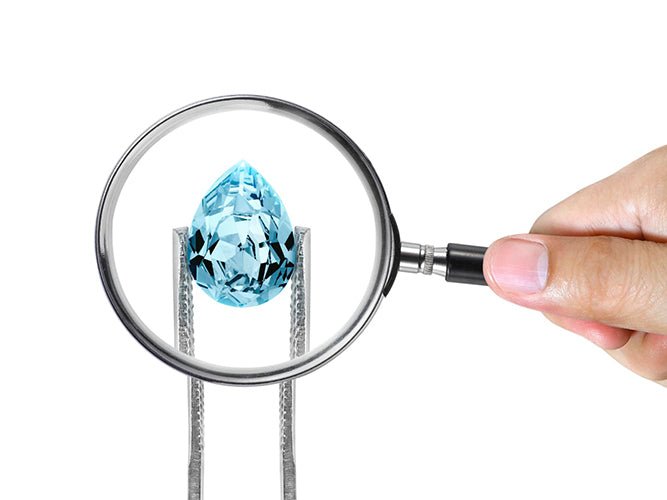
Clarity Grades: What They Mean and Why They Matter
Applying diamond logic to a colored gemstone is the fastest way to buy the wrong stone. Learn the Type I, II and III system laboratories actually use, why an inclusion can raise a gem's value, and ...
Read more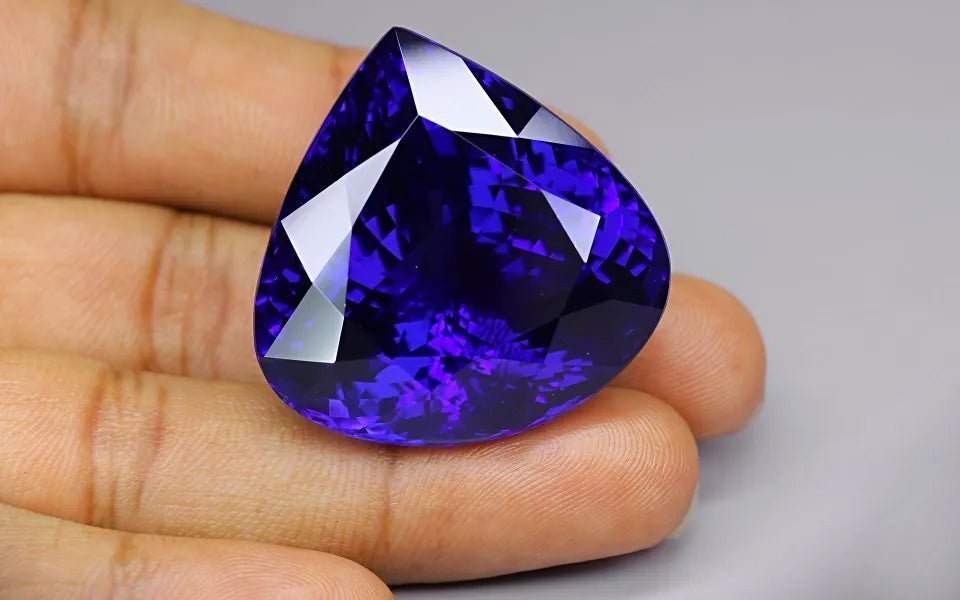
How to Choose a Tanzanite: A Complete Guide for Collectors and Investors
Tanzanite stands apart among colored gemstones as a geological phenomenon and a collector's dream. Discovered only in 1967 in the foothills of Mount Kilimanjaro, this rare blue-violet variety of th...
Read more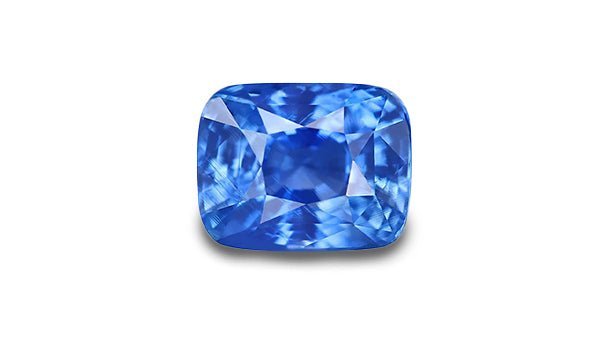
How to Choose a Sapphire: Complete Expert Guide
Most guides list sapphire quality factors in textbook order. This one follows the sequence professionals use, treatment first and carat last, including the seller tricks to watch for.
Read more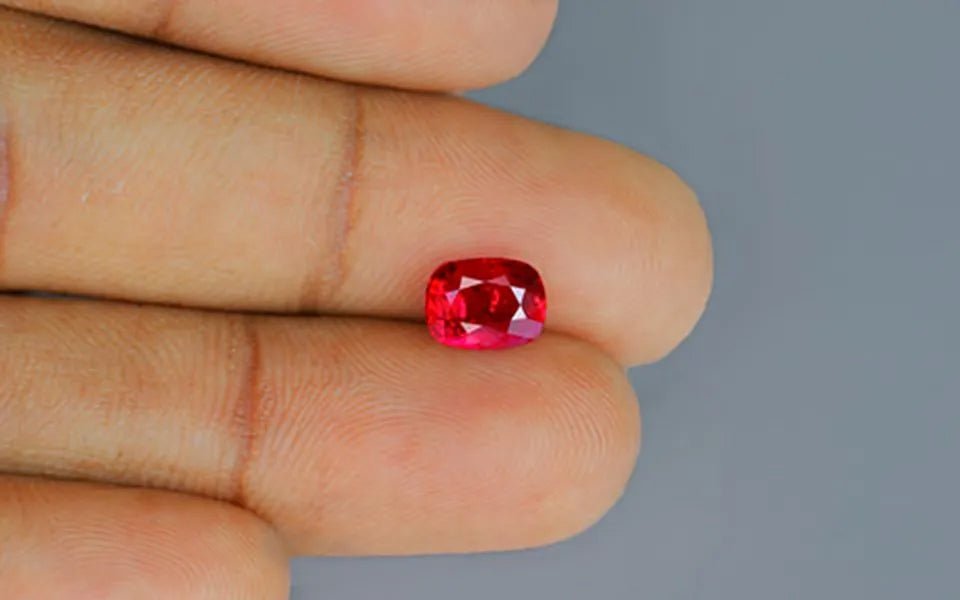
How to Choose a Ruby: Expert Guide for Collectors, Jewelers, and Investors
In the ruby trade, price travels on words: natural, untreated, Burmese, pigeon blood. Each claim multiplies the price, and each can be tested. This guide shows how.
Read more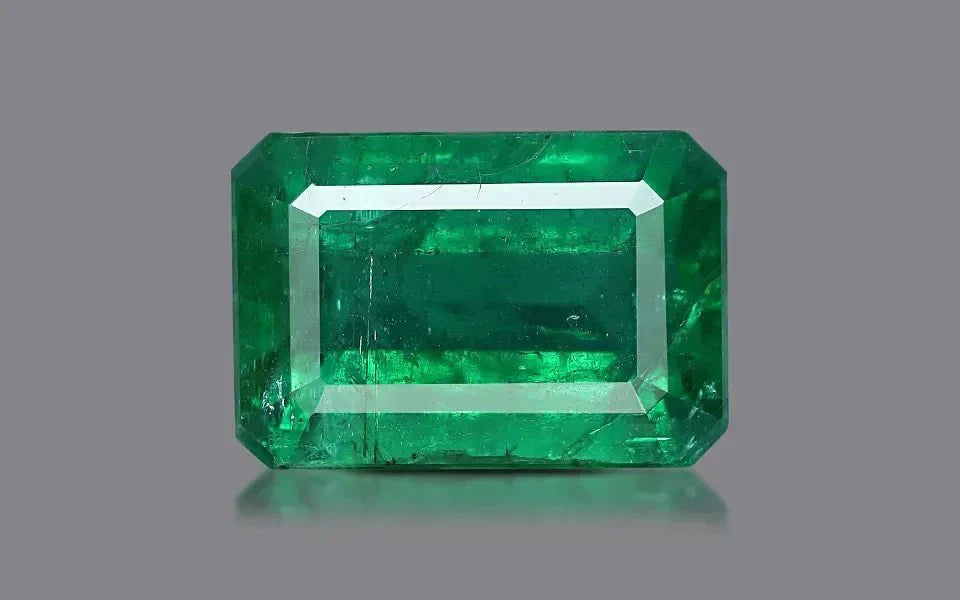
How to Choose an Emerald: Expert Guide for Discerning Buyers and Collectors
Emeralds have captivated civilizations for millennia. From the treasures of Cleopatra to modern fine jewelry houses, the deep green of emerald has symbolized luxury, renewal, and sophistication.
Read more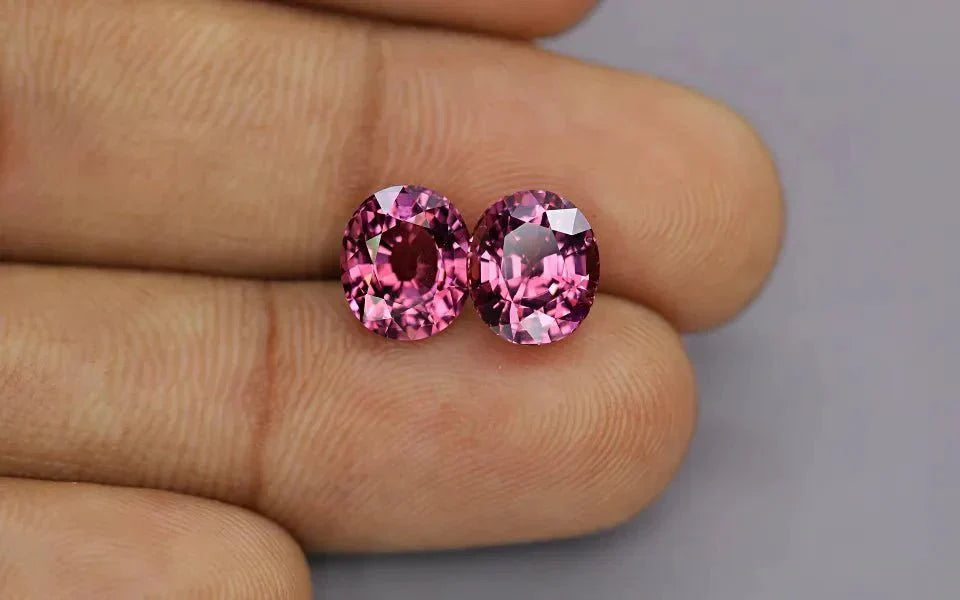
How to Choose a Spinel: Complete Expert Guide
For centuries the world's most famous ruby was a spinel. Today spinel is bought color first, and each color world has its own market, rarity and traps. This guide maps them.
Read more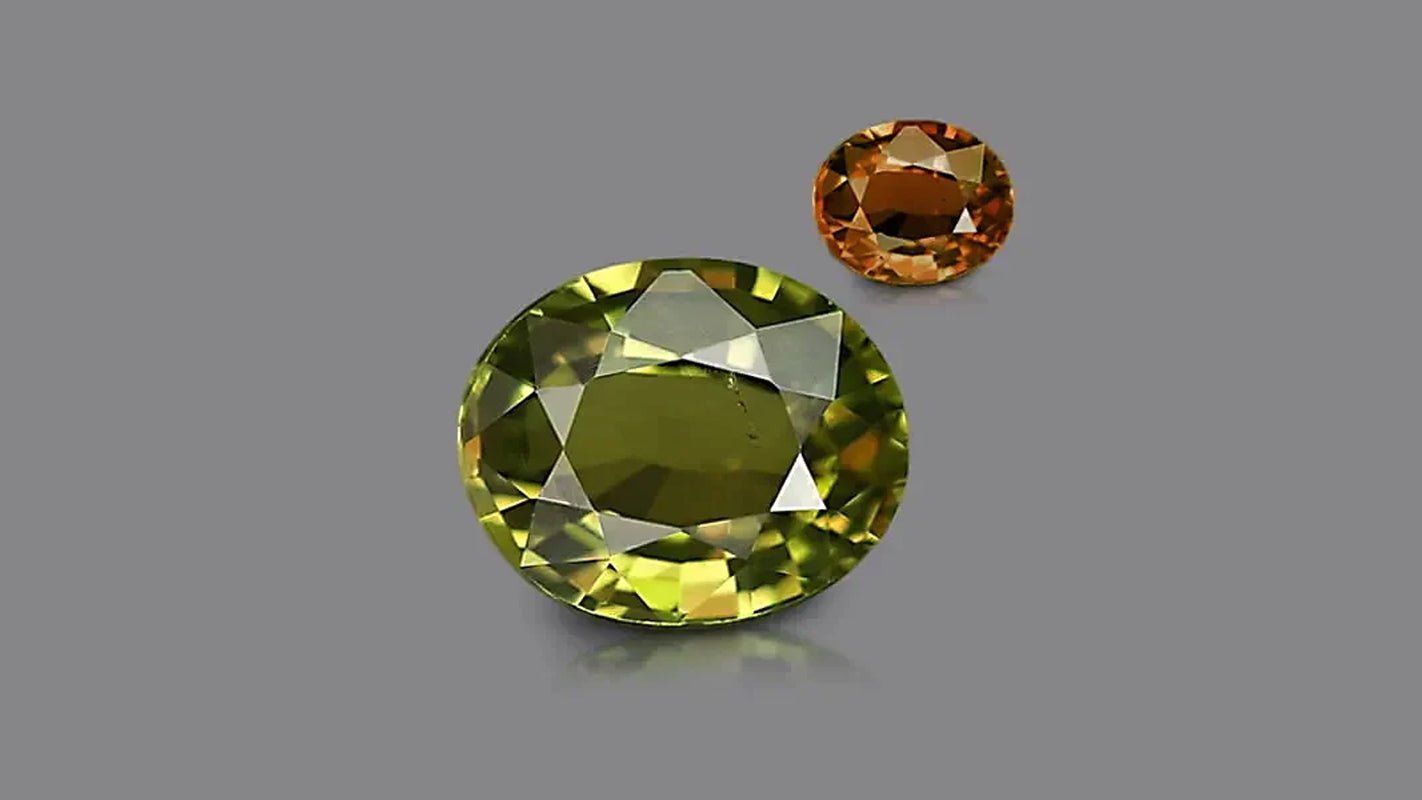
How to Choose an Alexandrite: Expert Guide
Alexandrite must be judged under two lights. Learn how color change is graded, why the stone is so rare, and how to avoid a century of imitations.
Read more
Natural vs Lab-Grown: Same Stone, Different History
A lab-grown sapphire is a real sapphire: same chemistry, same hardness, same blue. What differs is where it came from, and whether that history can be documented. This guide separates synthetics fr...
Read more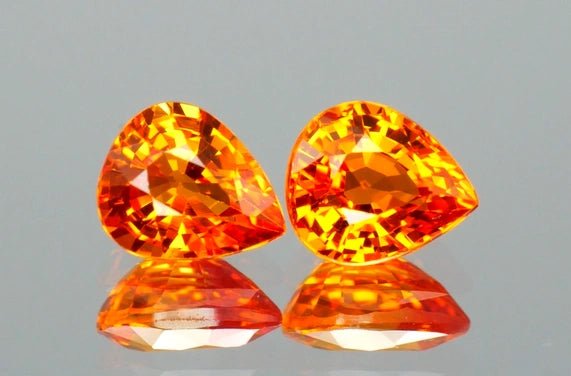
Pure corundum is colorless. Remove a few atoms of chromium and a ruby becomes a worthless crystal. Learn where gemstone color actually comes from, why blue sapphire is created by a conversation bet...
Read more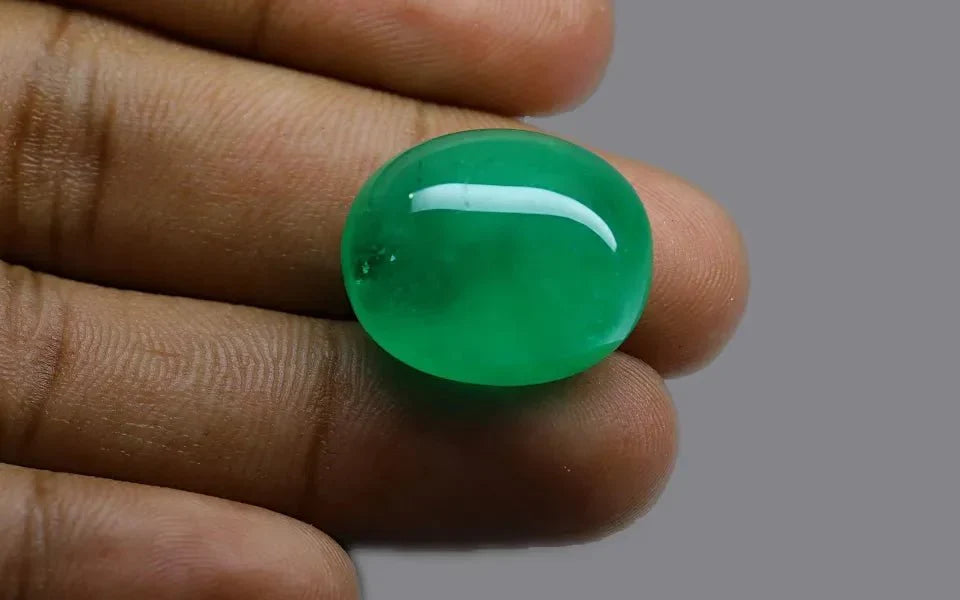
Gemstone Density: The Specific Gravity Chart and Why It Matters
Density is the one gemstone property that cannot be faked and cannot be improved. It explains why a one-carat sapphire faces up smaller than a one-carat diamond, how a glass imitation gives itself ...
Read more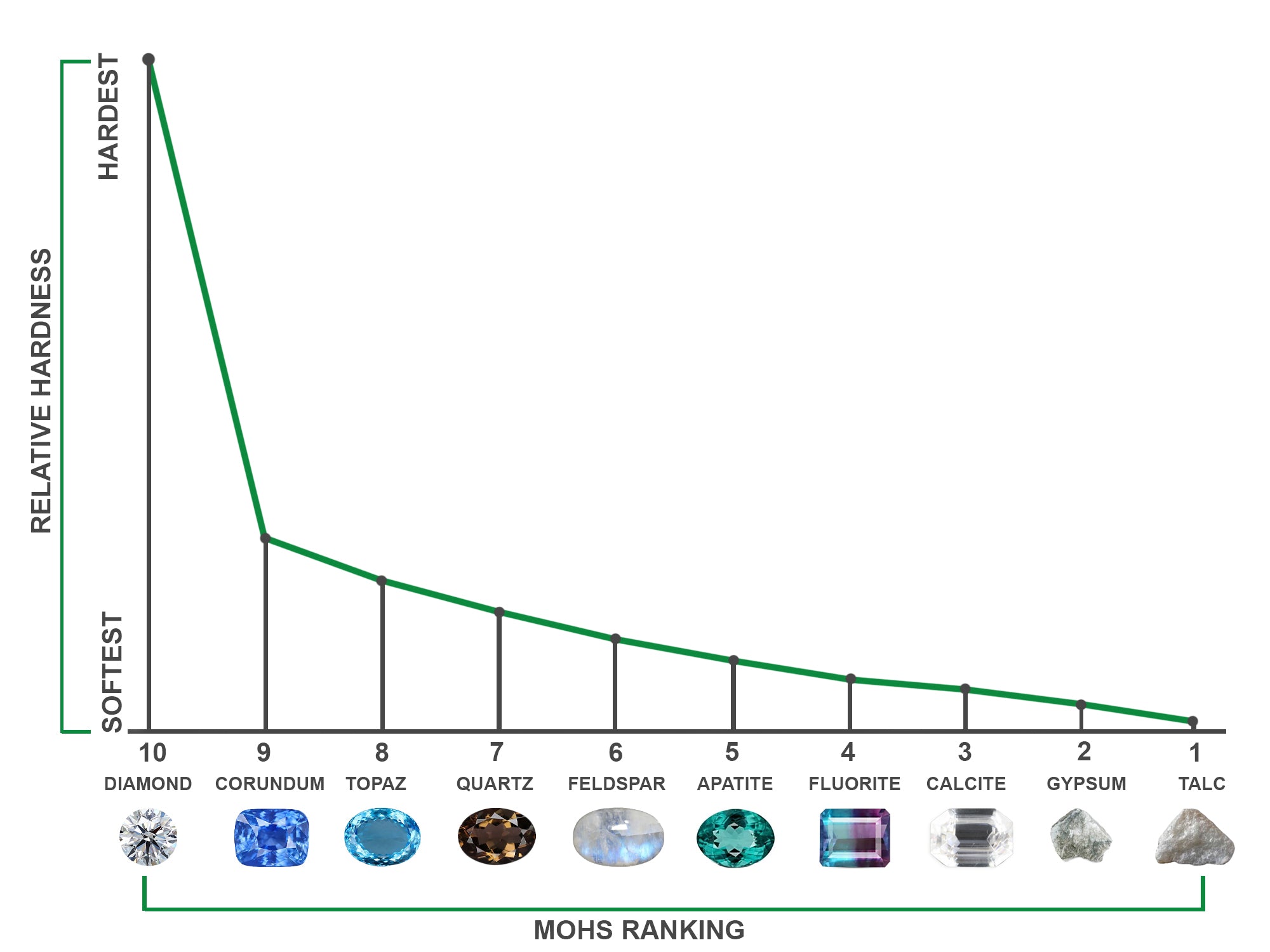
Understanding Gemstone Hardness – The Mohs Scale and Jewelry Durability
Household dust contains quartz, which means any gemstone softer than 7 slowly loses its polish just from being worn. Learn how hardness differs from toughness and stability, why topaz splits despit...
Read more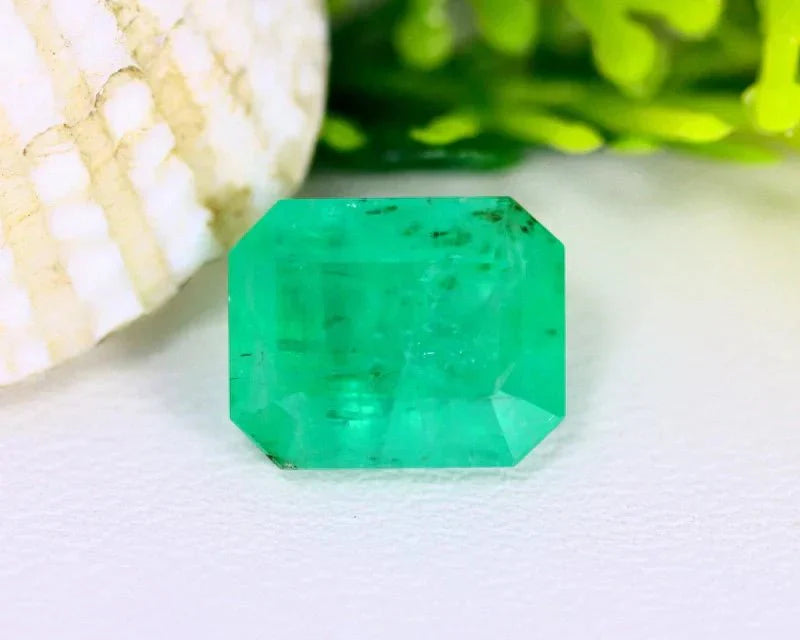
Gemstone Origins & Rarity – The Power of Place
Two blue sapphires, identical to any eye that is not a laboratory's, can differ tenfold in price because of a single word: Kashmir. Learn how laboratories actually determine origin, why it remains ...
Read more