Treated vs. Untreated Gemstones – What You Deserve to Know
Treatments Are Normal. Secrets Are Not.
Roughly 95 percent of the colored gemstones sold worldwide have been treated in some way, and the practice is thousands of years old: Pliny the Elder described gem enhancement in the first century, and heat treatment of corundum predates written records of the trade. A treated gemstone is still a natural gemstone. What separates an honest market from a dishonest one is a single word on the invoice.
The problem is that "treated" covers everything from a heating process the earth itself performs to a glass filling that turns a broken ruby into a composite. One adds nothing to the price of a fine stone. The other places it outside fine jewelry altogether. This guide explains the difference, stone by stone, in the exact language you will meet on a certificate.
The Treatment Hierarchy
Every treatment sits somewhere on a scale from universally accepted to commercially fatal. The position depends on three things: whether the change is permanent, whether it requires special care, and whether the market prices the stone lower for it.
| Treatment | What it does | Typical stones | Effect on value |
|---|---|---|---|
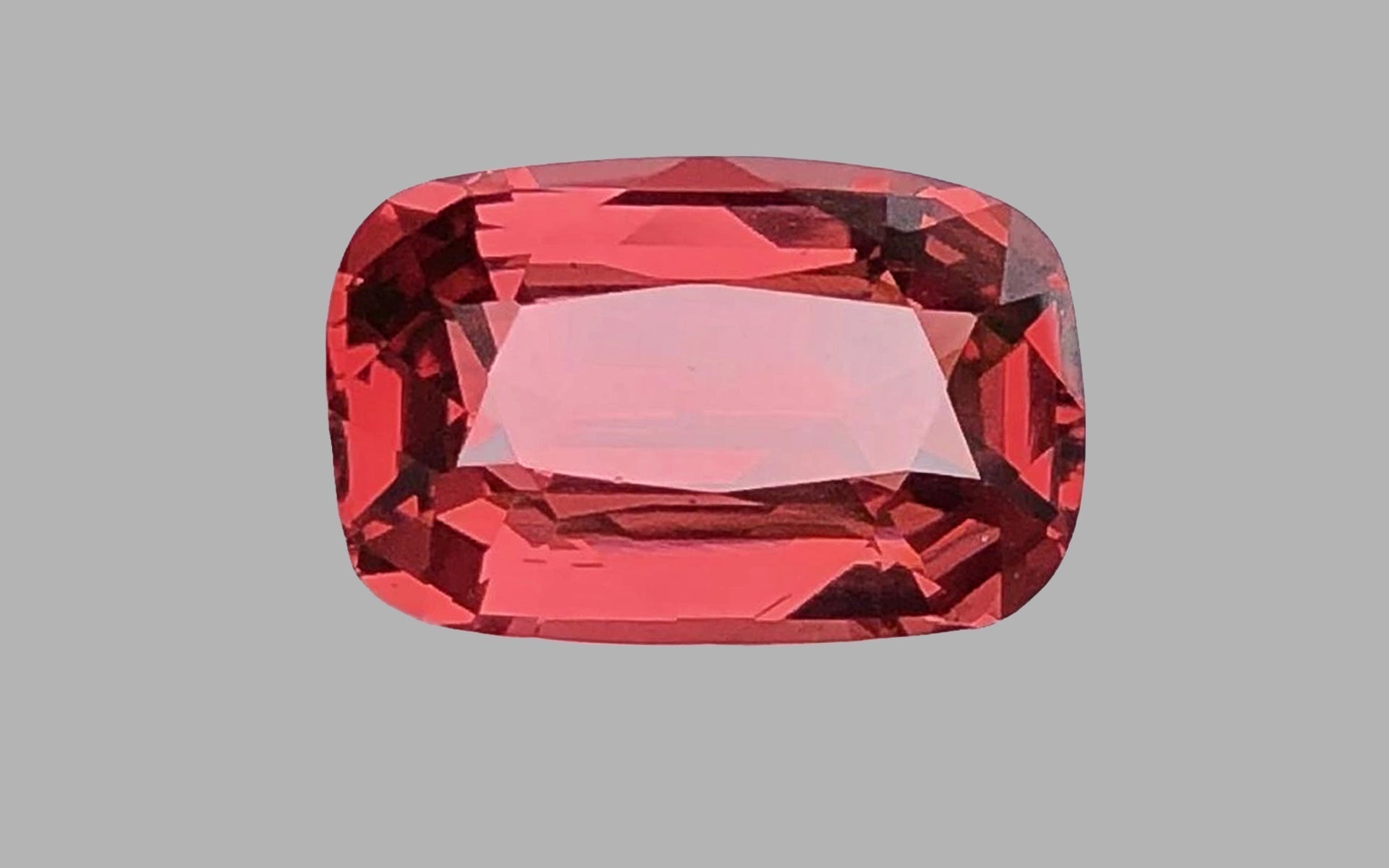
| None (untreated) | Nothing; color and clarity as formed | Spinel, garnet, and rare examples of any species | Premium, often substantial |
| Heat | Deepens or clears color permanently | Sapphire, ruby, tanzanite, aquamarine, citrine, zircon | Accepted standard; minimal impact when disclosed |
| Oiling | Reduces visibility of fissures | Emerald | Traditional; value falls as the amount rises |
| Irradiation | Induces color, then stabilized by heat | Blue topaz, some diamonds and pearls | Accepted with disclosure; the color is the product |
| Diffusion | Adds elements into the crystal to create color | Sapphire (beryllium), spinel (cobalt) | Priced far below heated equivalents |
| Fracture filling (glass, resin) | Fills breaks to disguise them | Ruby, emerald | Severe reduction; composite material |
| Dyeing and coating | Adds color to the surface or pores | Quartz, jade, low-grade material | Minimal value; often unstable |
SOSNA Gems sells no dyed and no coated stones at any price, and every treatment present in a stone we sell is stated in its description.
Heat: The Treatment Nature Also Performs
Heating is the oldest and most universally accepted enhancement, for one reason: it does what geology does, only faster. Corundum brought toward 1800 °C dissolves the fine rutile silk inside it and deepens its blue. Tanzanite warmed to around 600 °C loses its brown component and turns pure blue-violet. Amethyst heated to roughly 470 °C becomes citrine, which is why most citrine on the market began life purple. Aquamarine heated near 400 °C sheds its green cast.
In each case the change is permanent, stable, undetectable to the eye, and requires no special care afterward. The stone remains natural corundum, zoisite, quartz, or beryl. What heat cannot do is create a fine gem from a poor one: heating deepens color that is present and clears silk that is there. It gives nothing that the crystal did not already hold in latent form.
Because heating is so nearly universal, the market pays its premium the other way round. An unheated fine sapphire, ruby, or emerald, confirmed by a laboratory, commands a substantial multiple of an identical heated stone, precisely because untreated top color has become the exception.
Oiling: The Emerald Question
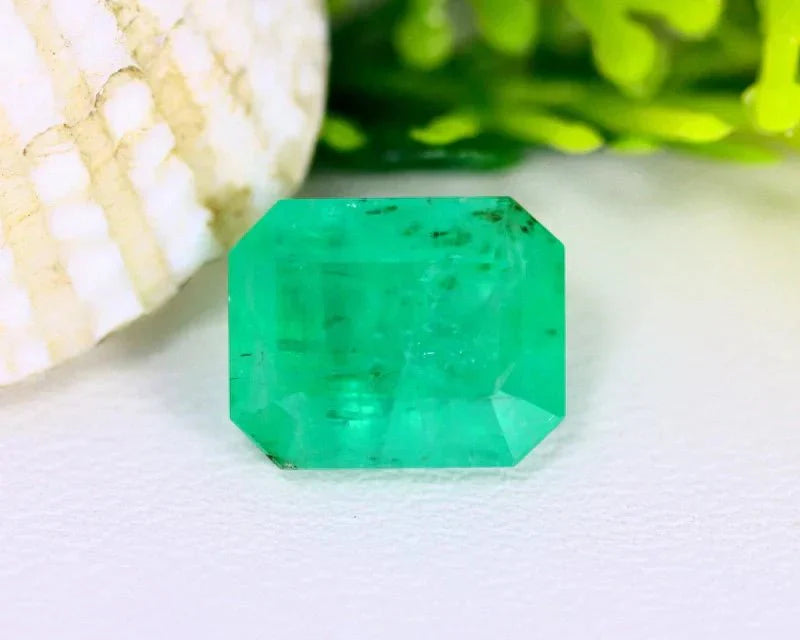
Emerald grows fissured, and the trade has filled those fissures with oil since antiquity, traditionally cedarwood oil chosen because its refractive index closely matches the stone's, which makes the fractures optically disappear.
What matters is the amount, and laboratories grade it: none, insignificant, minor, moderate, significant. Each step down the scale lowers value, and the difference between a "minor oil" Colombian emerald and a "significant" one can be several times the price. Some emeralds are filled with synthetic resins or polymers instead of oil; these are more permanent, less favored by collectors, and must be disclosed separately.
Oiling brings one practical obligation the buyer should know before purchase, rather than after. Oil can dissipate over years of wear, and heat, chemicals, and ultrasonic cleaning accelerate it. Professional re-oiling is a routine, accepted remedy rather than a sign of damage, but an oiled emerald must be hand-cleaned for life. Our emerald profile covers the species in full.
Irradiation: When Color Is Created, Not Revealed
Irradiation crosses a line the previous treatments do not: it produces color the crystal never had.
The clearest case is blue topaz, and the trade names describe recipes rather than origins. Colorless topaz is irradiated and then heated, and the intensity of the blue depends on the process: Sky Blue and Swiss Blue from electron or gamma irradiation, London Blue, the deepest and inkiest, from neutron irradiation in a nuclear reactor. Natural blue topaz exists but is pale and genuinely rare, which means one thing plainly: a vivid blue topaz described as natural is misdescribed.
The treatments are safe. Irradiated stones are held until residual radioactivity decays below strict regulatory limits before sale, and neutron-irradiated material moves through licensed channels in regulated markets. Regulation also requires the disclosure: irradiated stones must be described as irradiated, and at SOSNA Gems they always are.
Diffusion: The Treatment That Changes the Category
Diffusion heats a stone together with chemical elements that penetrate the crystal and generate color from outside its own chemistry.
Beryllium diffusion in sapphire, which appeared in commercial quantities in the early 2000s and briefly disrupted the trade before laboratories learned to detect it, can turn pale or unattractive corundum into vivid orange, yellow, or padparadscha-like color. Cobalt diffusion in spinel, a more recent development, produces vivid blue in pale material, a serious matter in a species whose reputation rests on being untreated.
Diffused stones sell for a fraction of comparable heated stones, remain valid gems when correctly described, and become fraud when they are not. The practical rule follows: a vividly colored stone at a friendly price, in a species where such color is rare, deserves a laboratory report before it deserves your money.
Fracture Filling: Where the Line Is Crossed
Glass-filled ruby is the treatment the trade regards most severely, and correctly so. Heavily fractured, low-grade corundum is impregnated with lead glass until the breaks become invisible, and the result can look like a fine ruby at a small fraction of the price.
The material has no place in fine jewelry. The glass is soft and chemically vulnerable: a jeweler's torch can damage it, household chemicals and even lemon juice can etch it, and ordinary repairs can destroy the stone. Reputable laboratories describe such stones as composite or lead-glass-filled rather than as ruby, and the distinction is not pedantry: it is the difference between a gemstone and a manufactured object built around gem fragments.
SOSNA Gems does not sell glass-filled or composite stones.
What Untreated Really Means
An untreated gemstone is mined, cut, and polished, and nothing else has been done to it. Its color and clarity are as the earth produced them.
Untreated status carries a premium in species where treatment is the norm, above all sapphire, ruby, and emerald, where a laboratory confirmation of no heat or no oil can multiply the price. It carries much less premium in species that are rarely treated anyway: spinel and garnet reach the market untreated as a matter of course, which is a large part of why collectors have moved toward them.
Two honest qualifications belong beside the word, because it is often oversold.
First, untreated does not mean beautiful. A pale, grayish untreated sapphire is worth far less than a fine heated one. Treatment status modifies value; it never replaces color, clarity, and cut as the drivers of it.
Second, untreated status must be proven rather than asserted. Only a laboratory can confirm the absence of treatment, and for stones where the premium is significant, an unverified claim is worth nothing. Our guide on how to read a gem certificate explains the exact wording to look for.
The Language of Disclosure
Treatment terminology is where honest sellers and evasive ones separate themselves. Learn to read both.
Clear and honest: "heated," "no indication of heating," "clarity enhancement: minor," "irradiated," "beryllium diffusion," "glass filled."
Evasive: "enhanced," "improved," "treated to bring out its natural beauty," or silence where treatment status should appear. Vagueness in this specific place is rarely accidental.
The buyer's protection is a single question, asked plainly: has this stone been treated, and if so, how? A seller who cannot answer directly, in writing, is telling you something regardless of the words used.
How SOSNA Gems Handles Treatment
Our approach fits on one line: if a stone is treated, we tell you how, and to what extent.
- Every product description states treatment status explicitly, including heating, oiling, and irradiation.
- High-value and untreated stones carry independent certification from GIA, IGI, or an equivalent laboratory, and laboratory certification can be arranged on request for any stone in our collection.
- Every other stone travels with the SOSNA Gems Colored Stone Report, which states identification, weight, measurements, color, clarity, cut, and treatment status, with a unique SGI reference number.
- We sell no dyed, coated, glass-filled, or composite stones at any price.
- Photography and video are shown without filters or enhancement, in real light.
Treatments are part of the gem trade and always have been. Concealment is the only thing we treat as unacceptable, which is why documentation accompanies every stone we sell.
Explore our natural gemstone collection: treated where tradition allows, untreated where rarity speaks for itself, and disclosed in every case.
Frequently Asked Questions
Are treated gemstones still natural?
Yes. A treated gemstone was formed in the earth and mined; a human process then improved its color or clarity. It remains natural corundum, beryl, or quartz. What must never happen is concealment of the treatment.
Does heat treatment reduce a gemstone's value?
Barely, because heating is the accepted standard across most species and roughly 95 percent of colored gemstones are treated in some way. The premium runs the other way: a laboratory-confirmed unheated sapphire, ruby, or emerald of fine color commands a substantial multiple of an identical heated stone, precisely because untreated top color is now the exception.
Is all blue topaz irradiated?
Effectively yes. Natural blue topaz exists but is pale and rare. Sky Blue, Swiss Blue, and London Blue are produced by irradiating colorless topaz and then heating it, and the stones are held until residual radioactivity decays below regulatory limits. A vivid blue topaz described as natural is misdescribed.
What is glass-filled ruby?
Heavily fractured, low-grade corundum impregnated with lead glass to hide the breaks. The material is soft and chemically vulnerable, can be damaged by a jeweler's torch or household chemicals, and laboratories describe it as composite rather than as ruby. It has no place in fine jewelry.
What does "clarity enhancement: minor" mean on an emerald report?
It means only a small amount of oil or resin is present in the stone's surface-reaching fissures. Laboratories grade enhancement as none, insignificant, minor, moderate, or significant, and value falls with each step down that scale.
How can I be sure a gemstone is untreated?
Only a laboratory can confirm the absence of treatment. For any stone where the untreated premium is meaningful, insist on a report from GIA, SSEF, Gübelin, GRS, or IGI. An unverified claim of untreated status is worth nothing.
Which treatments should I avoid?
Dyed, coated, glass-filled, and composite stones offer poor durability and minimal value. Diffused stones are legitimate when disclosed but sell far below heated equivalents, so any vividly colored stone at a friendly price should be verified by a laboratory before purchase.