

Clarity Grades – What They Mean and Why They Matter
Introduction: Why Clarity Means Something Different in Colored Stones
Applying diamond logic to a colored gemstone is the fastest way to buy the wrong stone. In diamonds, fewer inclusions almost always means a better gem. In colored stones, an eye-clean emerald raises a question rather than settling one, while a visible inclusion in a Kashmir sapphire can add value rather than subtract it.
Clarity is one of the four factors that define a gemstone's quality, alongside color, cut, and carat weight. Understanding it correctly means understanding one central idea: every species is judged against what nature typically gives it, not against an abstract standard of perfection.
What Clarity Actually Means
Clarity describes how free a gemstone is from internal and external features.
- Inclusions are natural features inside the gem: crystals, fractures, feather-like fissures, needles, fingerprints, or fluid-filled cavities.
- Blemishes appear on the surface: scratches, pits, abrasions, or polish marks.
Both form as the crystal grows underground or during cutting and wear. Almost every natural gemstone carries some of them, and their presence is normal.
Inclusions carry information as well as risk. They can confirm a stone is natural rather than synthetic, and in many species they identify geographic origin: the "horsetails" of Russian demantoid, the fine rutile silk of Kashmir sapphire, and the mossy jardin of Colombian emerald all serve as passports. A laboratory reading a stone's origin is, in large part, reading its inclusions.
How Clarity Is Assessed
Four practical rules govern any honest clarity call.
Clarity is judged on loose, unmounted stones under 10× magnification, viewed face-up at 90 degrees to the table. Once a gem is set, prongs and bezels can hide inclusions that a loose stone reveals, which is one reason serious buyers examine stones before setting.
Clarity grading applies to transparent gemstones. Opaque and translucent materials such as opal, turquoise, or lapis are described by transparency and character rather than by clarity grades.
The eye comes first. The working standard in colored stones is "eye-clean": no inclusions visible to normal, unaided vision at a comfortable viewing distance. What a microscope reveals matters far less than what a buyer sees.
Location beats quantity. An inclusion near the girdle, where a setting can cover it, costs little. The same inclusion under the table, where light must pass, costs a great deal. A fracture reaching the surface matters most of all, because it affects durability rather than only appearance.
The Type I, II, III System: The Key to Colored Stone Clarity
Gemological laboratories classify colored gemstones into three types according to how clean the species naturally grows. This single framework explains nearly every apparent contradiction in clarity expectations.
| Type | What nature gives | Market expectation | Examples |
|---|---|---|---|
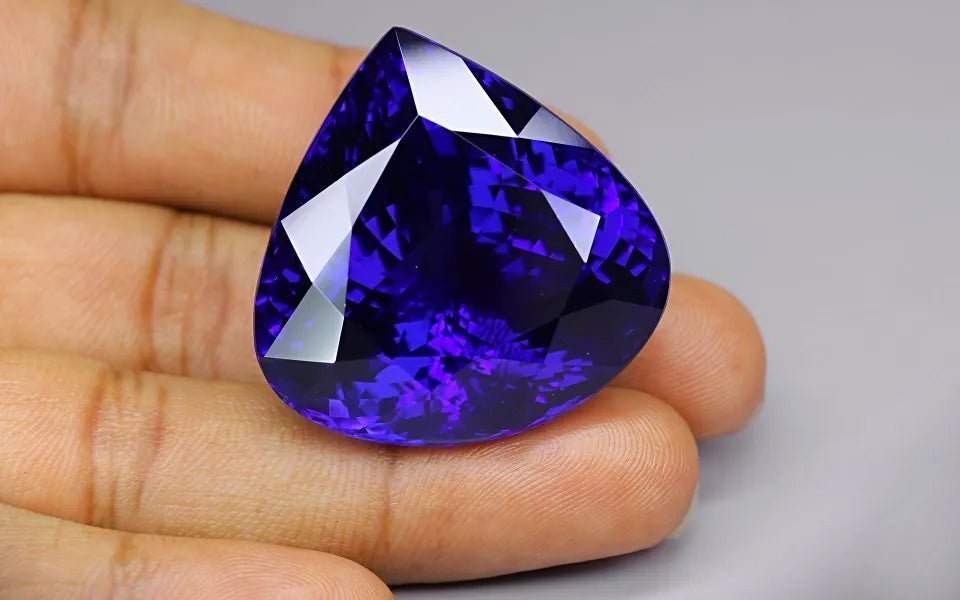
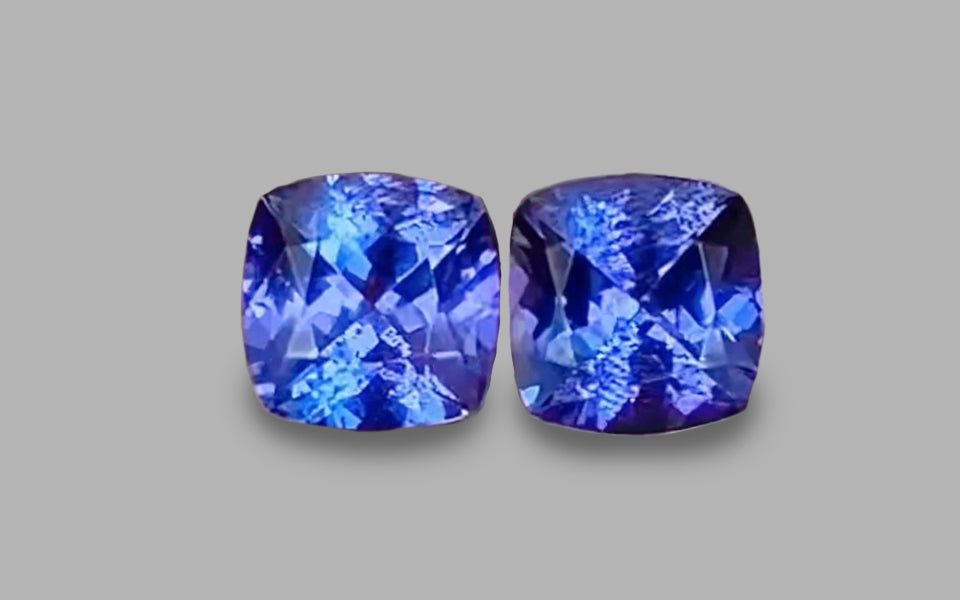
| Type I | Usually grows eye-clean | Visible inclusions penalized heavily | Aquamarine, morganite, blue topaz, citrine, tanzanite, zircon, kunzite |
| Type II | Usually grows with some inclusions | Minor visible inclusions accepted | Sapphire, ruby, garnet, spinel, peridot, iolite, alexandrite |
| Type III | Almost always heavily included | Visible inclusions expected and tolerated | Emerald, red beryl, rubellite and watermelon tourmaline |
The consequences are practical and immediate. A visible inclusion in an aquamarine is a defect, because clean aquamarine is normal and abundant. The same inclusion in an emerald is unremarkable, because emerald grows in tectonically violent conditions that leave a garden inside nearly every crystal. Judging an emerald by aquamarine standards would condemn almost every emerald ever mined, including the finest in the world.
This is why one universal clarity scale cannot serve colored stones. The correct question is never "is this stone clean," but "is this stone clean for its species."
Where the Diamond Scale Applies, and Where It Fails
Buyers frequently encounter the familiar diamond-style abbreviations in colored stone listings:
- IF (Internally Flawless): no inclusions visible at 10× magnification
- VVS (Very Very Slightly Included): minute inclusions, extremely difficult to detect
- VS (Very Slightly Included): minor inclusions, difficult to see with the unaided eye
- SI (Slightly Included): inclusions visible under magnification, possibly visible to the eye
- I (Included): inclusions noticeable to the eye, potentially affecting transparency and durability
These terms are useful shorthand, and they carry a warning label. The diamond scale was designed for a colorless, singly refractive stone graded under strict laboratory lighting, and its grades are applied to colored gemstones informally rather than as a certified standard. Two dealers can label the same tourmaline VS and SI in good faith. A GIA colored stone report describes clarity in words, notes the species type, and characterizes the inclusions, rather than assigning a letter grade.
The practical conclusion for buyers: treat letter grades in colored stone listings as a seller's opinion, not as a certified fact, and rely on the eye-clean standard, clear photographs, and honest description.

Clarity Expectations by Species
Within each type, individual species carry their own conventions, and knowing them prevents costly misjudgments.
Emerald. Inclusions are the norm and part of the identity; the trade calls them jardin. What matters is whether they cloud the stone or reach the surface as fractures. Nearly all emeralds are oiled to reduce the visibility of fissures, and the degree of oiling is graded on serious reports. Our emerald profile covers this in depth.
Ruby. Burmese rubies typically show more inclusions and internal silk than blue or yellow sapphires, and heavily included material may be glass-filled, which is a serious value issue requiring disclosure.
Sapphire. Fine silk can be an asset rather than a flaw: microscopic rutile needles create the velvety glow that made Kashmir legendary, and denser oriented silk produces star sapphires. Clarity here is judged for what it does to the color.
Aquamarine and morganite. Type I stones, expected to be eye-clean; visible inclusions push a stone down the price scale quickly.
Tourmaline. Rubellite and watermelon varieties are markedly more included than green or blue tourmalines, and the market prices them accordingly.
Demantoid garnet. The great exception: golden "horsetail" inclusions prove Russian Ural origin and raise the price. An inclusion functioning as a passport is worth more than clean material without it.
When Inclusions Threaten Durability
Most inclusions affect only appearance. A few affect survival, and these deserve separate attention from beauty.
Surface-reaching fractures are the primary concern, because they create a plane along which a stone can split under impact or thermal shock. Large included crystals can expand differently from the host under heat, and dense clouds of fractures weaken a stone structurally. Any of these argue for protective settings, no ultrasonic cleaning, and careful wear; our gemstone care guide explains how to handle included stones safely.
This is why an experienced buyer reads not only how many inclusions a stone has, but where they sit and what they do.
What Clarity Should You Choose?
Three questions settle the decision.
What species is it? Insist on eye-clean in Type I stones, accept minor visible inclusions in Type II, and expect them in Type III. Paying an emerald premium for an unusually clean stone is reasonable; refusing every emerald with visible jardin means refusing emerald altogether.
How will it be worn? A ring faces scrutiny at arm's length daily and takes impacts; earrings and pendants are viewed from farther away and struck less. The same stone can be right for one and wrong for the other.
Does it affect durability? This is the only clarity question with no room for taste. Surface-reaching fractures in a ring stone are a structural matter, whatever the price.
Beyond that, clarity is where personal preference legitimately enters. Many collectors prize a distinctive inclusion as evidence of natural origin and individual character; a stone with a story inside it can be more compelling than a flawless one.
Transparency You Can Trust
At Sosna Gems, clarity is assessed against gem-specific standards and described honestly in every listing. Every gemstone comes with a professional clarity description, certification from IGI, GIA, or another recognized laboratory where appropriate, and photographs and videos shown without filters or corrections.
Our commitment is simple: you see the stone as it is, and the description matches what you see when it arrives.
Explore our collection of natural gemstones, each described with honest clarity grading and full treatment disclosure.
Frequently Asked Questions About Gemstone Clarity
What does eye-clean mean?
Eye-clean means no inclusions are visible to normal, unaided vision at a comfortable viewing distance, typically around 15 to 30 centimeters. It is the working standard for colored gemstones and matters far more in practice than what appears under a microscope.
Are colored gemstones graded like diamonds?
No. Diamond clarity grades were designed for a colorless, singly refractive stone under strict laboratory conditions. Colored gemstones are classified into Type I, II, and III according to how clean each species naturally grows, and laboratory reports describe clarity in words rather than assigning a letter grade.
What are Type I, Type II and Type III gemstones?
Type I species usually grow eye-clean, such as aquamarine, morganite, and tanzanite. Type II species usually contain some inclusions, such as sapphire, ruby, and spinel. Type III species are almost always heavily included, such as emerald and rubellite tourmaline. Each type is judged against its own natural norm.
Do inclusions always lower a gemstone's value?
No. Inclusions can confirm natural origin and identify geographic source, and in some cases they raise value: horsetail inclusions prove Russian demantoid origin, and fine silk creates the velvety glow prized in Kashmir sapphire. Inclusions lower value when they cloud the stone, disturb its color, or reach the surface as fractures.
Why do emeralds have so many inclusions?
Emerald forms in tectonically violent conditions that fill nearly every crystal with internal features, known in the trade as jardin. Clean emeralds are exceptionally rare and priced accordingly, so emerald clarity is judged by its own standard rather than by aquamarine or diamond expectations.
Can inclusions make a gemstone fragile?
Yes, when they reach the surface as fractures or form dense clouds within the stone. Such inclusions create planes along which a gem can split under impact or thermal shock, which is why they call for protective settings, hand cleaning, and careful wear.
Should clarity be judged before or after setting?
Before. Clarity is assessed on loose, unmounted stones under 10× magnification, viewed at 90 degrees to the table. Once set, prongs and bezels can conceal inclusions that a loose stone reveals.