


Opal
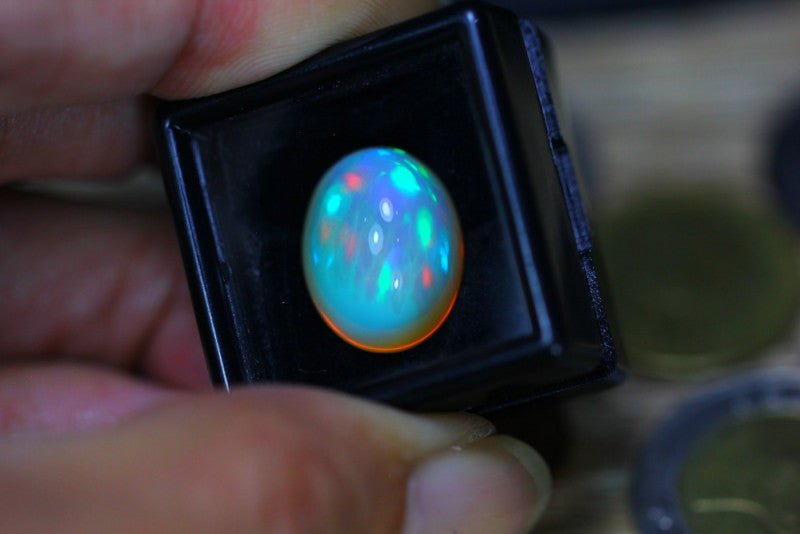
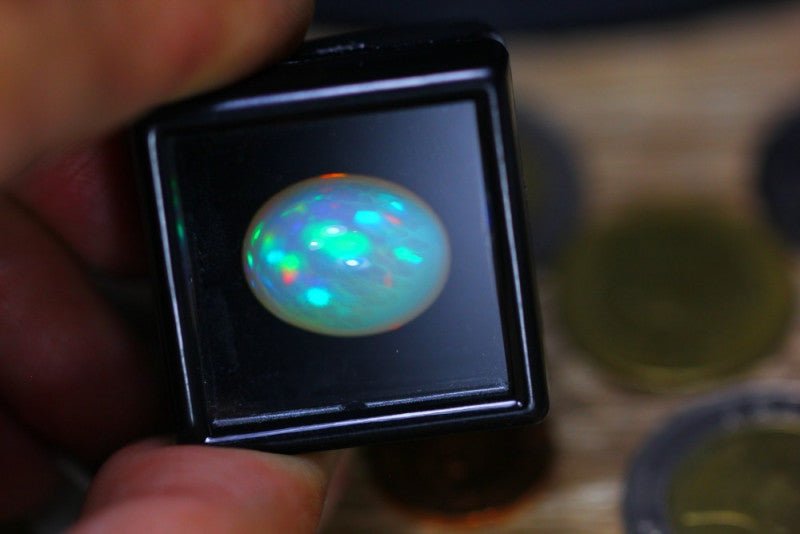
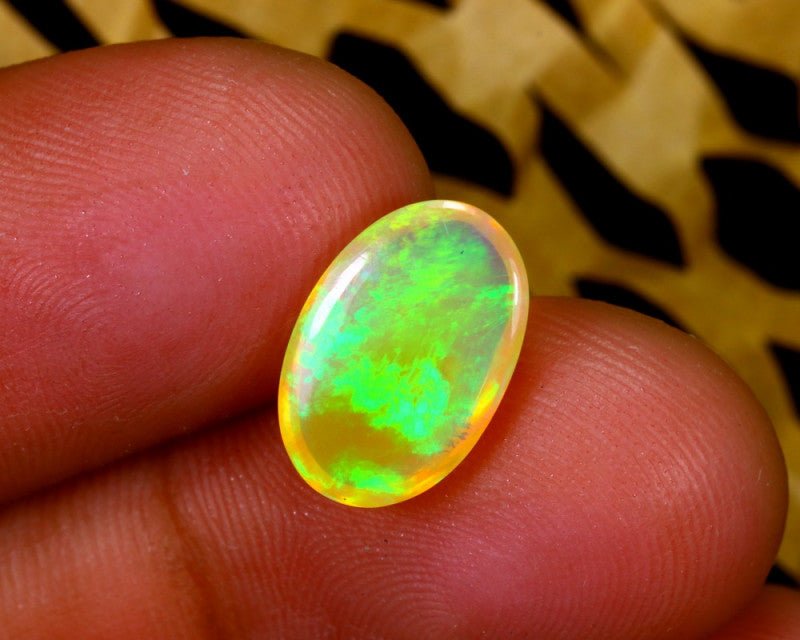
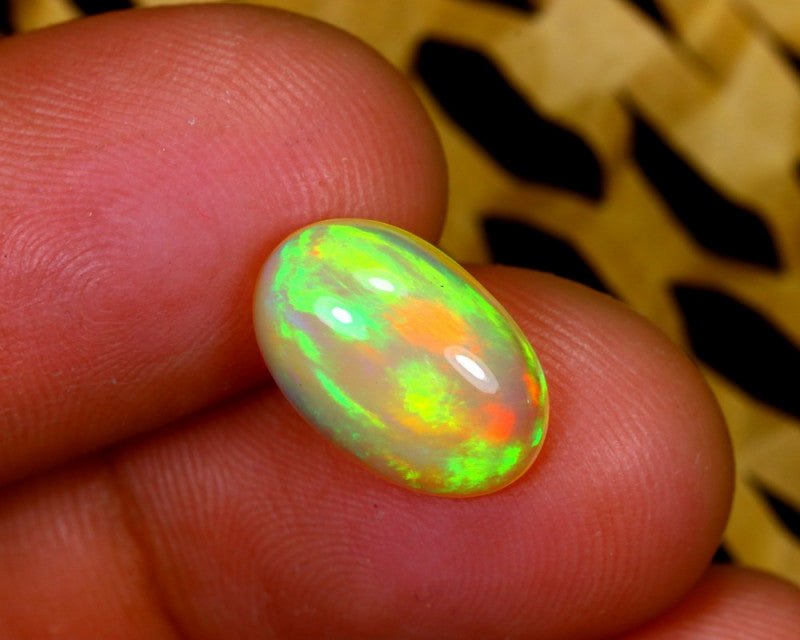
The online selection is only part of our sourcing reach.
Certain gemstones are acquired individually for clients and never appear in public collections.
Enquire about a stone you don’t see hereFrequently Asked Questions
What is opal?
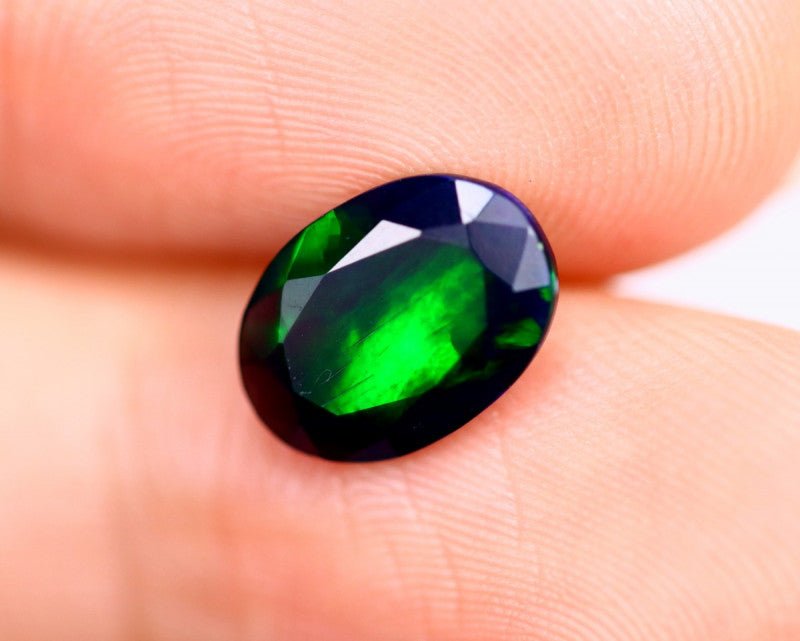
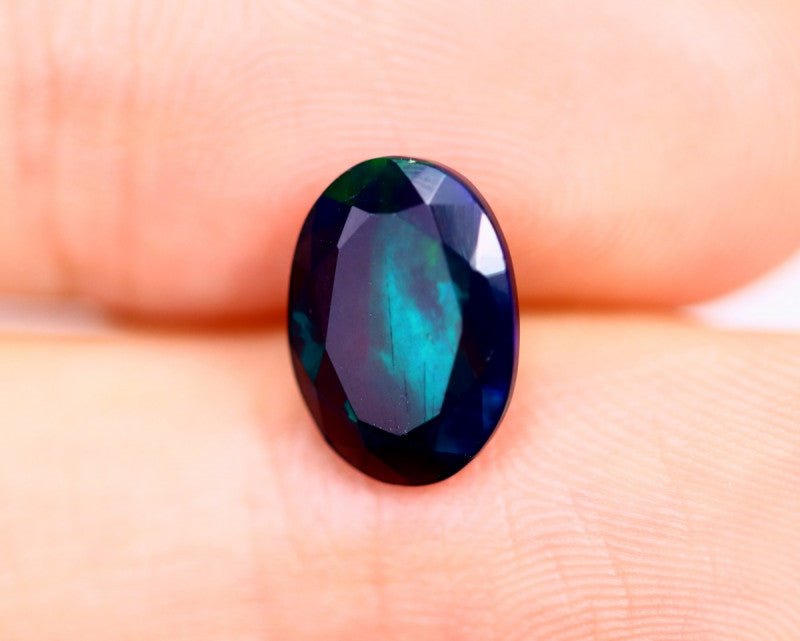
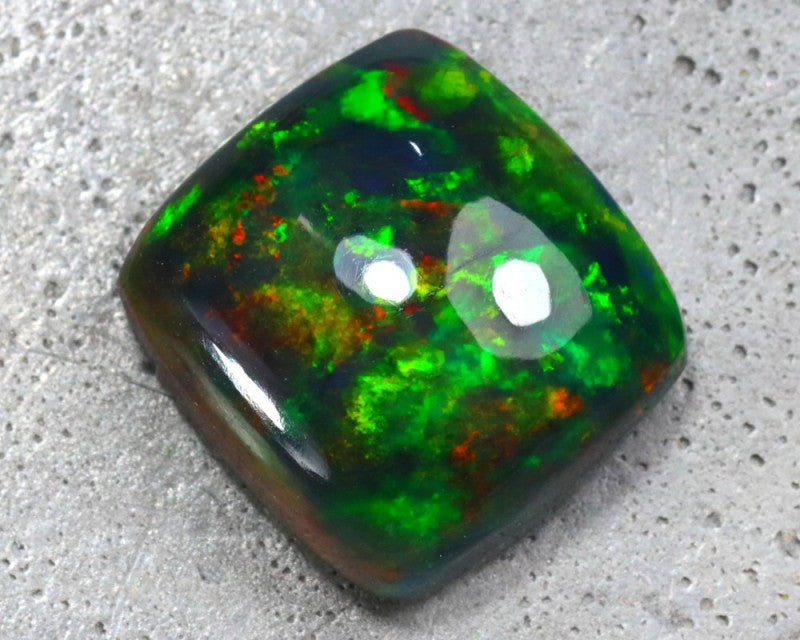
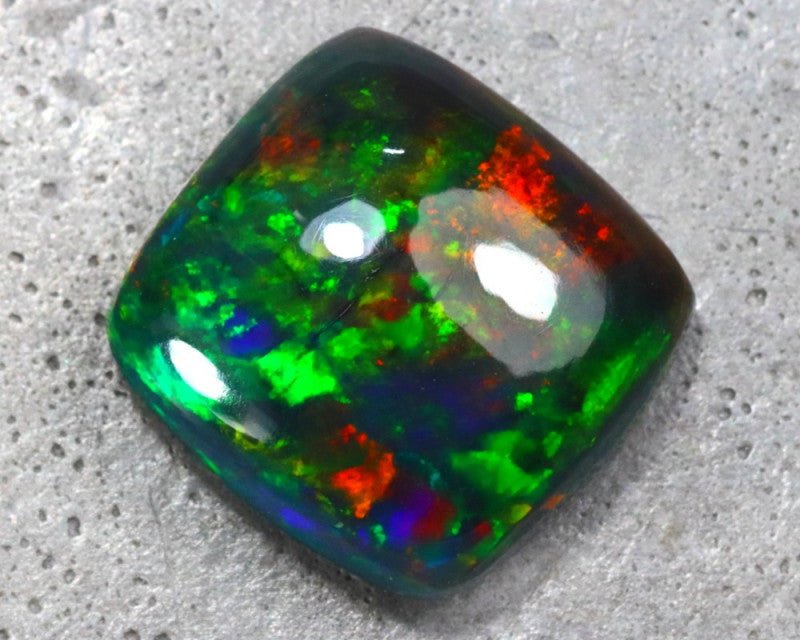
Opal is hydrated silica, built from microscopic spheres with a few percent of natural water. When the spheres stack regularly, they diffract light into the shifting flashes known as play-of-color; common opals trade on body color instead.
What is hyalite opal?
Hyalite is water-clear, colorless opal that glows neon green under ultraviolet light, caused by trace uranyl at levels safe to wear. Fine hyalite is a connoisseur's rarity and one of the most distinctive opals in existence.
Is the UV glow of hyalite safe?
Yes. The trace uranyl responsible for the fluorescence is present at levels safe for wear, and the glow appears only under UV light. In daylight the stone reads as a flawless drop of glass.
Are opals treated?
The wider market includes stabilized and composite opals, which is why we state on every listing exactly what the stone is. Our stones are natural opal with any treatment disclosed plainly.
How is opal quality evaluated?
In play-of-color opals: the coverage, brightness, and pattern of the color flashes. In common and hyalite opals: purity, transparency, and character. In every case the stone is judged as an individual, not against a grading chart.
Is opal durable enough for daily wear?
Opal measures 5.5 to 6.5 on the Mohs scale and contains natural water, so it belongs in pendants and earrings by preference and in protective ring settings for occasional wear.
How should I care for an opal?
Clean with lukewarm water, mild soap, and a soft cloth. No ultrasonic cleaners, no prolonged heat or dry display environments, and no solvents. Treated with that respect, opal lasts generations.
What documentation comes with a stone?
Every opal ships with the Sosna Gems Colored Stone Report, our internal documentation. Independent laboratory certification can be arranged on request for any stone.
Can you source an opal beyond the visible selection?
Yes. Opals are individuals, and finding the right one is a sourcing task we take on gladly. Contact us with the type and character you are looking for.