Collectible Value and Investment Quality Are Not the Same
Collectible Value and Investment Quality Are Not the Same
A collectible can be rare, culturally important, and expensive without being suitable for a buyer whose horizon is measured in decades. Fine art, vintage watches, wine, classic cars, and exceptional gemstones may all hold substantial value, but that value is created, verified, and transferred in different ways.
The distinction matters because the word investment is often attached to any scarce physical object. Scarcity is only one part of the test. A careful buyer also needs to consider documentation, condition, depth of demand, ownership costs, and the practical route to resale.
This article compares those factors without treating one category as universally superior. Collectibles can offer cultural meaning and personal enjoyment that a purely financial instrument cannot. Selected gemstones offer a different combination of portability, durability, and independently verifiable characteristics. Both categories carry risk.
A Note on the Term Investment Grade
Investment grade is a trade description, not an official grade issued by GIA, GRS, SSEF, Gübelin, or another gemological laboratory. A laboratory report can identify a stone, disclose detectable treatments, and, for certain gemstones, give an opinion on geographic origin. It does not set a market price, guarantee future appreciation, or promise that a buyer will be available when the owner wishes to sell.
At SOSNA Gems, we use the term for a narrow selection of natural stones that combine exceptional quality, meaningful rarity, appropriate independent documentation, and established collector demand. The label is a selection framework. It is not a forecast.
The criteria behind that framework are explained in our guide to investment-grade gemstones.
The Short Answer
Collectible value often depends on a mixture of rarity, provenance, cultural relevance, brand, condition, and taste. The balance changes from one category to another. A painting depends heavily on authorship and provenance. A watch may depend on reference, production history, originality, and brand demand. Wine depends on producer, vintage, storage, and remaining drinkability.
Exceptional gemstones are assessed stone by stone. Color, clarity, cut, carat weight, treatment status, and a laboratory origin opinion, when available, can all affect value, but their importance varies by species. A fine unheated ruby cannot be evaluated by the same priorities as a Colombian emerald with minor oil or a Paraiba gemstone, the trade term used here for copper-bearing tourmaline that meets the relevant gemological criteria.
The strongest difference is therefore not emotion versus geology. It is the way evidence is assembled. In gemstones, the physical specimen and an independent laboratory report provide part of that evidence. Marketability still depends on quality, price, timing, and access to informed buyers.
What Creates Collectible Value?
Rarity Must Be Relevant
Something can be scarce and still have little market value. Collectible value appears when limited supply meets sustained demand for the specific object, maker, period, or reference. A unique work by an unknown artist is technically rare, but uniqueness alone does not create a market.
The same principle applies to gemstones. Many mineral species are geologically rare, yet only a small number have a sufficiently established international buyer base to support high-value trading. Rarity matters when buyers understand it and continue to compete for it.
Provenance, Condition, and Cultural Context
Collectibles carry histories. Authorship, previous ownership, exhibition records, original components, storage, and restoration can alter value materially. These facts often need specialist verification, and their significance can change as scholarship or taste develops.
Cultural context is not a weakness. It is part of what collectors pay for. It does, however, introduce a source of uncertainty. A category can gain attention quickly and lose it when tastes, demographics, or institutional priorities change.
The Influence of Brands and Market Institutions
Auction houses, galleries, critics, specialist dealers, and established brands help create confidence and visibility. They also shape which objects receive attention. This is true in art and watches, and it has a parallel in gemstones: laboratories, auction houses, dealers, and respected trade names all influence confidence and access to buyers.
No serious market operates without trusted intermediaries. The relevant question is whether their opinion is supported by evidence and whether another qualified party can review it.
How a High-Quality Gemstone Is Assessed
The Stone Comes First
For colored gemstones, quality begins with the individual stone. Color is usually the dominant factor, followed by a species-specific assessment of clarity, cut, size, and treatment. Geographic origin can carry a premium when a qualified laboratory can issue an origin opinion and when buyers value that origin.
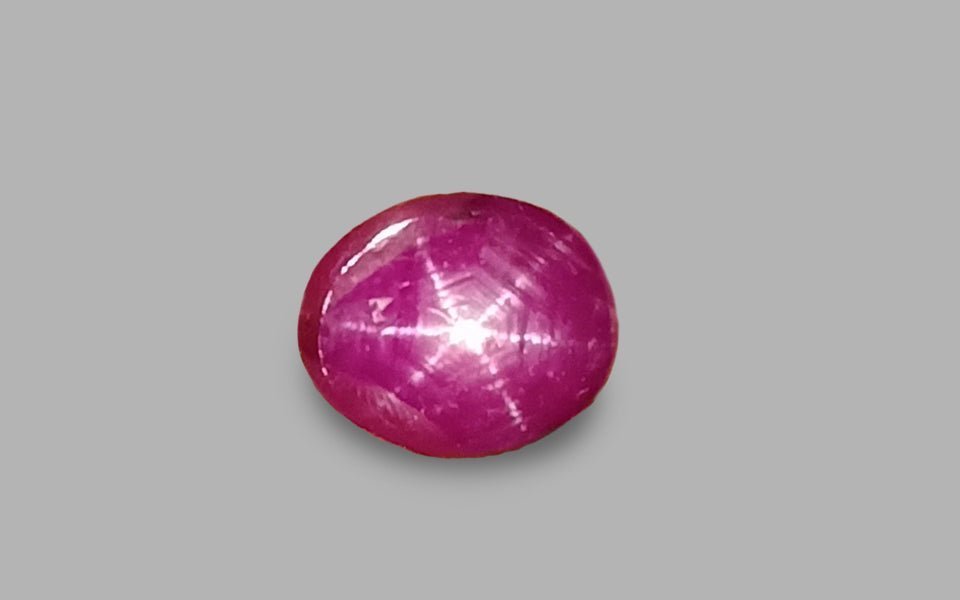
Two rubies of equal weight can belong to entirely different markets. One may have strong color, an attractive cut, no indications of heating, and a respected origin report. The other may be heavily treated, poorly cut, or too dark. Carat weight alone reveals very little.
What a Laboratory Report Does and Does Not Prove
An independent report can confirm whether a material is natural or laboratory-grown, describe detectable treatments, record weight and measurements, and, for eligible stones, provide an opinion on geographic origin. The exact scope depends on the laboratory and report type.
A report records the laboratory's findings and conclusions within the scope of that report. It does not judge beauty, establish a retail price, or guarantee a sale. Most experienced buyers use the report as the beginning of evaluation, not the conclusion. Our guide on how to read a gem certificate explains what individual reports contain, and our guide to gemological laboratories compares the major reporting options.
Natural Supply Is Constrained, Not Perfectly Fixed
A depleted historic deposit cannot be reproduced, and exceptional stones from a celebrated source may become harder to find as they move into long-term collections. Still, gemstone supply should not be described as absolutely fixed. New deposits can be discovered, mining output can change, and previously owned stones return to the market.
What cannot be scaled on demand is a particular combination of species, color, size, treatment status, clarity, and origin. That is the more useful definition of scarcity. We examine it in greater detail in what makes a gem rare.
The Differences That Matter in Practice
Price Formation
There is no single transparent price list for fine art, rare watches, wine, or exceptional colored gemstones. Each object has distinguishing features, and public auction results show only part of the market. Dealer margins, provenance, condition, timing, and buyer access can create wide differences between apparently comparable objects.
Gemstone pricing is anchored in observable characteristics, but it is not mechanical. Color, treatment, origin, cut, clarity, and size interact. An appropriate laboratory report can reduce uncertainty about the characteristics it covers; it does not turn a unique stone into a standardized commodity.
Liquidity and Resale
Both collectibles and high-value gemstones are illiquid. They do not trade like listed securities, and an owner may need time to find the right dealer, collector, broker, or auction house. The eventual selling price may be below the original retail price, particularly when a stone was bought without regard to wholesale market levels or likely resale channels.
Documentation improves the chance that informed buyers can assess a gemstone efficiently. It cannot create demand for a weak stone. Quality, rarity, market relevance, and the seller's access to suitable buyers remain decisive.
This is why the resale route should be considered before purchase. Ask who is likely to buy the object later, what evidence they will require, what fees may apply, and how long a sale could reasonably take.
Care, Storage, and Ownership Costs
Many collectibles require active stewardship. Cars and mechanical watches need servicing. Wine needs controlled storage and remains perishable. Works of art may require climate control, insurance, conservation, and careful transport.
Loose gemstones have a high value-to-volume ratio and can be stored securely in a small space. They are not indestructible. Durability varies by species, inclusions, and treatment. Heat, impact, chemicals, or unsuitable cleaning can damage certain stones, while fillers and oils may change over time. Secure storage, appropriate insurance, documented handling, and periodic inspection are sensible for valuable pieces.
Evidence and Comparability
For art, evidence may include provenance, catalogues raisonnés, exhibition history, and condition reports. Watches rely on reference numbers, serials, original parts, and service history. Wine requires an unbroken storage record and trusted provenance.
Gemstones rely on the physical stone, a laboratory report suited to that stone, a clear treatment disclosure, and credible ownership records. None of these systems removes judgment. They make informed judgment possible.
Art, Watches, Wine, and Gemstones Under the Same Test
Fine art may have genuinely fixed supply at the level of a specific artist or work. Its market depends on authorship, provenance, condition, scholarship, and cultural demand. Transaction costs and time to sale can be substantial.
Vintage watches combine craftsmanship with brand-led demand. Originality and condition matter, while servicing, replacement components, and changing preferences can alter value.
Fine wine has a declining supply because bottles are consumed. That scarcity is meaningful only when provenance and storage are beyond doubt. A storage failure can destroy the value of an otherwise important bottle.
Exceptional gemstones combine natural scarcity with portable physical form and laboratory-verifiable characteristics. Their limitations are an opaque market, specialist resale channels, non-standardized pricing, and no assurance of when or at what price a sale will occur.
When Each Category May Make Sense
A collectible may suit a buyer who has deep knowledge of a category and values the experience of ownership. Personal enjoyment can remain even when the market is quiet. That emotional return is real, although it should not be confused with financial performance.
A high-quality gemstone may appeal to someone who values discretion, portability, and a documented natural object. The strongest candidates are not simply beautiful or expensive. They combine an exceptional stone with transparent treatment disclosure, appropriate laboratory reporting, and a plausible international collector market.
Some buyers own both. The useful discipline is to judge each object by the standards of its own market and to avoid assigning an investment purpose after the purchase merely because the object is rare. The role of emotional attachment in long holding periods is discussed in why emotional value matters in long-term investing.
Questions to Ask Before Buying a High-Value Gemstone
- What exactly makes this stone scarce? Look for a specific combination of species, color, size, treatment, quality, and, where available, an origin opinion rather than a general claim of rarity.
- Which laboratory issued the report? Read the report itself and check its scope and conclusions. Identification, treatment findings, and an origin opinion are different kinds of conclusions.
- Is investment grade being used as a defined selection standard? Ask the seller to explain the criteria. The phrase alone proves nothing.
- What are the stone's limitations? A credible seller should discuss color zoning, inclusions, cutting compromises, treatment, origin uncertainty, or market limitations where relevant.
- Who could buy it later? Consider specialist dealers, collectors, or auction houses, along with likely fees, spreads, and time to sale.
- How should it be stored and insured? Care requirements depend on the gemstone and any treatment it has received.
Frequently Asked Questions
Are investment-grade gemstones safer than other collectibles?
No physical object is automatically safe. A well-selected gemstone may have advantages in portability, durability, and independent verification, but it remains exposed to pricing risk, limited liquidity, physical damage, misrepresentation, and changing demand.
Does a laboratory certificate guarantee value?
No. A laboratory report provides gemological information within the scope of that report. It does not guarantee market value, future appreciation, or resale. It records the laboratory's findings and conclusions; the market determines price.
What usually matters most in a colored gemstone?
Color is often the leading value factor, but the full assessment depends on the species. Treatment status, size, clarity, cut, rarity, and an origin opinion, where available, can all change the result. No single factor should be considered in isolation.
Are gemstone prices less dependent on trends?
Exceptional gemstones are supported by natural rarity and long-standing collector traditions, but they are not immune to trends. Preferences for origins, colors, sizes, and gem varieties can change. The most defensible stones combine enduring quality with a broad, established buyer base.
Can a gemstone be sold quickly?
Sometimes, but speed should not be assumed. High-value gemstones trade through specialist channels. A sale depends on the quality of the stone, documentation, price expectations, market conditions, and access to the right buyers.
Can collectibles and gemstones belong in the same collection?
Yes. Each can offer a different ownership experience. Every object should still be assessed on its own merits, with complete documentation. Rarity alone does not guarantee a profitable sale.
Independent Assessment Before Purchase
For a high-value gemstone, the useful question is not whether the category is better than art, watches, or wine. It is whether the particular stone has the quality, documentation, rarity, and market relevance claimed for it.
SOSNA Gems evaluates these factors stone by stone, across our investment-grade selection. A consultation can clarify the scope and conclusions of a laboratory report, where a stone sits within its species, which limitations matter, and whether the asking price reflects those facts.
This article is for educational purposes and does not constitute financial advice. Gemstones and collectibles are illiquid physical objects. Their value can fall, and a future sale, sale date, or sale price cannot be guaranteed.