Tourmaline: The Gem of Infinite Colors and Magical Energy
In the 1500s, Portuguese explorers in Brazil sent home green stones they confidently called emeralds, and Europe believed them for the better part of two centuries. The stones were tourmaline, and the mistake was understandable, because tourmaline's talent is impersonation: it appears in more colors than any other gemstone, and for most of history its identities were sorted out one embarrassment at a time. Even its name concedes the confusion, coming from the Sinhalese toramalli, a word used in Ceylon for mixed parcels of colored stones nobody had identified yet.
This guide covers the family behind the confusion: what tourmaline actually is, the color names that carry prices, the strange electrical habit that made it useful before it was fashionable, where it comes from, and the treatment facts that most retailers skip.
A Family, Not a Stone
Tourmaline is properly a group of related borosilicate minerals rather than a single species, built on one of the most accommodating crystal structures in mineralogy. The structure accepts so many different elements that chemists have described dozens of tourmaline species, and that flexibility is the direct cause of the color range: iron builds blues, greens, and blacks, manganese builds pinks and reds, copper builds the famous neon, and traces of chromium and vanadium build emerald-like greens. Nearly all gem tourmaline belongs to the species elbaite, while the black schorl that makes up most of the world's tourmaline is iron-rich and largely ornamental.
- Mineral group: tourmaline (complex borosilicates); most gem material is elbaite
- Color: every hue, commonly with two or more colors in one crystal
- Mohs hardness: 7 to 7.5
- Refractive index: approximately 1.62 to 1.65, strongly pleochroic
- Notable property: pyroelectric and piezoelectric
Two structural habits matter to buyers. Tourmaline crystals often grow with color zones, either along the crystal, giving parti-color stones, or in concentric rings, giving the beloved watermelon slices of pink cores in green rinds. And the mineral is strongly pleochroic, showing different depth of color along different crystal directions; in dark blue and green material the direction along the crystal can be nearly opaque, so the cutter's orientation decides whether a stone glows or goes black.
The Color Names That Carry Prices
The trade sorts gem tourmaline by color names, and it pays to know that these are commercial labels layered on top of the mineralogy rather than separate gems.
| Trade name | Color | Market position |
|---|---|---|
| Paraiba (copper-bearing) | Neon blue to green, colored by copper | The rarest and most valuable tourmaline by far |
| Rubellite | Rich pink to red | The classic prestige variety; fine reds are scarce |
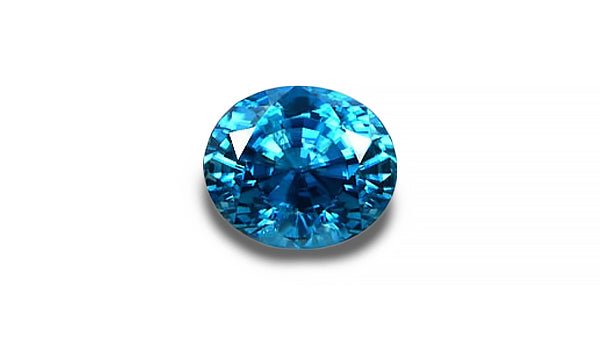
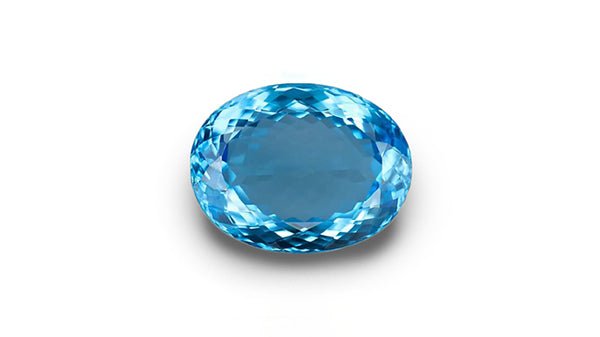
| Indicolite | Blue to greenish blue | Rare in fine, open color; often cut from dark material |
| Chrome tourmaline | Vivid green colored by chromium and vanadium | Small East African production, prized by connoisseurs |
| Verdelite (green) | Green in wide range | The workhorse of the family, attractive and attainable |
| Watermelon and parti-color | Two or more colors in one stone | Collector and designer favorites, judged on zone sharpness |
| Achroite | Colorless | A rarity for collectors more than for jewelry |
| Schorl (black) | Opaque black | Abundant; ornamental rather than fine gem use |
One of these names carries so much money that it earned its own rules. Copper-bearing tourmaline from Brazil's Paraiba state redefined the family in the late 1980s, and comparable copper-bearing stones later emerged from Mozambique and Nigeria, which is why laboratories today distinguish origin when the word Paraiba is on the table. The full story, from the discovery to the naming disputes and prices, is in our dedicated guide to Paraíba tourmaline; in this family overview it is enough to say that no other tourmaline, and few other gems of any kind, compete with fine copper neon.
The Electric Gem
Tourmaline's oddest property has nothing to do with color. The crystal is pyroelectric and piezoelectric: warm it or squeeze it and its ends develop opposite electrical charges. Dutch traders who brought the stone from Ceylon in the early 1700s discovered the effect practically, using warmed tourmalines to pull ash out of their meerschaum pipes, and called the stone aschentrekker, the ash puller. The habit survives in shop windows today, where tourmalines sitting under warm display lights quietly charge themselves and gather a coat of dust faster than their neighbors. The same piezoelectric behavior later gave tourmaline a brief scientific career in pressure gauges, one of the few gemstones with an engineering resume.
Where Tourmaline Comes From
Tourmaline crystallizes in pegmatites, the coarse-grained final flushes of granite magmas, which explains both the giant crystals the family produces and the way one pocket can yield several colors. Brazil is the historical and commercial heart of supply, source of the finest rubellite, parti-color material, and the original Paraiba pocket. Mozambique and Nigeria supply fine blues, greens, and copper-bearing stones; Afghanistan and Pakistan produce clean pinks and indicolite; Madagascar contributes across the palette; and East Africa is the home of chrome tourmaline.
The United States owns the family's best commercial story. California's pink tourmaline mines, above all the Himalaya mine at Mesa Grande, boomed at the turn of the twentieth century on the appetite of a single client: the Empress Dowager Cixi of China, who adored pink tourmaline and bought it by the ton for carvings and court jewelry, and who is said to rest on a tourmaline pillow. When the Qing dynasty fell in 1912, the American mines lost their best customer almost overnight, a reminder that gem markets have always been global and always fragile. Maine's historic pockets, discovered by schoolboys in 1820 at Mount Mica, gave America its first gemstone rush and still produce on occasion.
Treatments: What the Labels Should Say
The treatment conversation is where most tourmaline retail goes quiet, and it should not. Two treatments are common in the family. Heating is routinely used to lighten over-dark blues and greens and to brighten some material, a stable and accepted practice that must be disclosed. Irradiation is routinely used to intensify pinks and reds, turning pale material into saleable rubellite tones; the resulting color can be sensitive to strong heat and prolonged bright light, and under US disclosure rules the word to look for is exactly "irradiated," stated plainly rather than hidden in a euphemism. Copper-bearing stones are very often heated as a standard step. None of this makes a treated tourmaline artificial, but each step separates it in price from an untreated equivalent, and a laboratory report is the only reliable statement of which steps a stone received. The wider framework is covered in our guide to treated versus untreated gemstones.
Choosing a Tourmaline
Color leads, as everywhere, and in tourmaline it leads twice, because the pleochroism means a stone must be judged face-up and in motion: fine material shows saturated, open color across the face, while badly oriented dark material shows dead zones along one direction. In parti-color and watermelon stones, the market pays for sharp, clean boundaries between the zones and penalizes muddy transitions. Eye-clean clarity is the standard for most colors, with one traditional exception: rubellite is permitted inclusions the way emerald is, since fine red material rarely grows clean, and a lively, included rubellite outranks a clean stone of weak color. Origin matters mainly at the top of the family, where copper content and provenance meet laboratories, as explained in our guide to gemstone origins and rarity. Tourmaline is also an October birthstone, alongside opal, as covered in our guide to birthstones.
Care
At 7 to 7.5 on the Mohs scale, tourmaline wears well in all jewelry with ordinary sense. Its genuine sensitivities are thermal and sonic: sudden temperature changes can stress the crystal, many stones carry liquid inclusions, and irradiated colors dislike strong heat, so clean tourmaline with warm water, mild soap, and a soft brush, and keep it away from ultrasonic and steam cleaners, jewelers' torches, and long sessions in direct sun. Stored apart from harder stones, it keeps its polish indefinitely. What hardness does and does not protect against is explained in our guide to gemstone hardness.
Explore our tourmaline collection across the family's colors.
Frequently Asked Questions
Is tourmaline one gemstone or many?
It is a group of related borosilicate minerals rather than a single species. Nearly all gem tourmaline belongs to the species elbaite, and the trade names such as rubellite, indicolite, and verdelite are color labels within the family rather than separate gems.
Why does tourmaline come in so many colors?
Its crystal structure accepts an unusually wide range of elements, and each one paints differently: iron gives blues, greens, and black, manganese gives pinks and reds, copper gives the neon of Paraiba stones, and chromium with vanadium gives vivid green.
What is the most valuable tourmaline?
Copper-bearing Paraiba tourmaline, whose neon blue to green has no equivalent in any other gem. Fine rubellite and chrome tourmaline follow. In every variety, saturated, open color that stays alive in ordinary light carries the price.
Is tourmaline treated?
Often. Heating is commonly used to lighten dark blues and greens, and irradiation is commonly used to intensify pinks and reds; both must be disclosed, and under US rules irradiation should be stated plainly as "irradiated." A laboratory report is the reliable statement of a stone's treatment history.
What is watermelon tourmaline?
A crystal that grew with a pink core inside a green rim, sliced or cut to show both. Its value rests on the sharpness and cleanness of the color boundary and the liveliness of both zones.
Why do tourmalines in shop windows gather dust?
The crystal is pyroelectric: warming it, for example under display lights, charges its ends and attracts dust. Dutch traders in the 1700s used the same effect to pull ash from their pipes and named the stone the ash puller.
Is tourmaline durable enough for daily wear?
Yes. At 7 to 7.5 hardness it suits rings, earrings, and pendants with ordinary care. Avoid ultrasonic and steam cleaning, sudden temperature changes, and jeweler's heat during repairs, since many stones carry liquid inclusions and irradiated colors are heat-sensitive.
Which month is tourmaline the birthstone for?
October, together with opal. Pink tourmaline is the variety most often used for the month.