Fancy Sapphires: Every Color of Corundum Explained
Pure corundum is colorless. Everything the world calls sapphire is a chemical accident, a trace of some other element caught in the crystal as it grew, and the accidents come in every color except one, since red corundum carries its own name, ruby. The blue stone took the family name and most of the fame; the rest of the palette trades under the word "fancy," and inside it live some of the best values, strangest phenomena, and most quietly beautiful stones in the gem world.
This profile is the map of that palette: which element paints which color, where each hue stands in the market, and how the rarest trick in the family, the color change, actually works.
What "Fancy" Means, and Why the Name on the Label Matters
In the trade, a fancy sapphire is any gem corundum that is neither blue nor red. The convention carries a legal edge worth knowing: the word "sapphire" standing alone means the blue stone, and every other color must be named in full, pink sapphire, yellow sapphire, green sapphire. A listing that lets an unqualified "sapphire" describe a fancy-colored stone is being careless at best. The family's shared virtues apply across every color, hardness of 9 exceeded only by diamond, no cleavage, and a durability that makes any hue on this page an everyday ring stone.
One Mineral, a Dozen Recipes
| Color | The recipe | Where it leads |
|---|---|---|
| Blue | Iron and titanium working together | Blue sapphire profile |
| Pink | A light dose of chromium, ruby's element | Pink sapphire profile |
| Yellow | Ferric iron, occasionally fragile color centers | Yellow sapphire profile |
| Padparadscha | Pink and orange held in balance | Padparadscha profile |
| Green | Iron, often as microscopic blue and yellow zones blended by the eye | Green sapphire profile |
| Purple and violet | Chromium meeting the blue recipe | Covered below |
| Orange | Chromium with color centers | Covered below |
| Colorless (white) | Corundum with nothing to declare | Covered below |
| Black | Dense inclusions and iron saturation | Covered below |
| Color-change | Chromium and vanadium balanced between two lights | Covered below |
The table hides one of the family's best secrets in its green row. Much natural green sapphire is a pointillist painting: microscopic alternating zones of blue and yellow that the eye merges into green, one mineral impersonating a mixture of itself. How trace elements build gem colors in general is explained in our guide to understanding gemstone color.
The Undervalued Middle of the Palette
Between the famous colors sits the best value in corundum, and it deserves plain words.
Purple and violet sapphires are the connoisseur's quiet favorite: naturally saturated, frequently sold unheated because the material rarely needs help, and priced well below pink stones of comparable quality for no reason except fashion. A vivid, unheated violet sapphire is one of the strongest quality-per-dollar purchases in the entire species.
Green sapphire spent decades dismissed as inky and unsellable, and the market has changed its mind: the teal and mermaid blue-green stones, led by material from Montana and Australia, have become signature gems of contemporary and alternative bridal design, prized precisely for the moody, oceanic colors the old trade rejected. Montana's fancy production adds a documented American provenance that resonates with US buyers, and the full story of the color is told in our green sapphire profile.
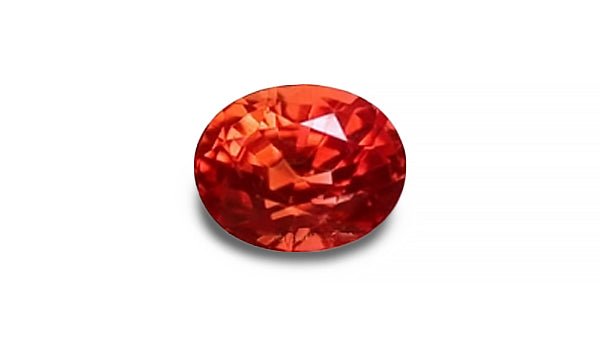
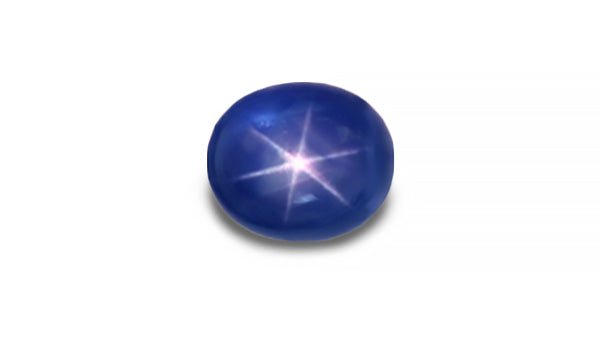
Orange sapphire runs from soft amber to vivid flame, with fine saturated stones genuinely scarce, and every orange near the pink boundary invites the padparadscha question and its premiums. Colorless sapphire, corundum with nothing to declare, serves as a durable diamond alternative in small sizes. And black sapphire, dense with inclusions, is an affordable design stone whose value is honest and modest. One phenomenon crosses several of these colors: stones with fine oriented silk can be cut as cabochons to show a floating star, a subject covered in our profiles of blue star sapphires and black star sapphires.
Color-Change Sapphire: The Family's Rarest Trick
A small fraction of corundum carries chromium and vanadium balanced so evenly that the light source decides the color: typically blue to violet-blue in daylight, shifting to purple or reddish purple under incandescent light. The mechanism is the same balancing act that powers alexandrite, absorption tuned between two transmission windows, and the evaluation follows the same two-part logic: how complete the change is, and whether each color stands on its own. Strong, clean changes between two attractive colors are rare and priced accordingly, while partial shifts between muddy hues are curiosities. Judge the stone under genuine daylight and true incandescent light, since many warm LED bulbs lack the wavelengths that trigger the second color.
The category also owns a wonderful historical irony. Synthetic color-change corundum, vanadium-doped sapphire grown by the ton since the early twentieth century, spent a hundred years being sold to tourists and set into heirlooms under a different gem's name, alexandrite. The full story of that impersonation, and of the genuine article it imitated, is told in our guide to choosing an alexandrite. The lesson transfers intact: any color-change stone of consequence deserves a laboratory report confirming natural corundum.
Treatments Across the Palette
The rules of the species apply to every color. Heating is the accepted, disclosed standard that improves color and clarity permanently; unheated stones carry premiums, steepest where demand concentrates. Beryllium diffusion manufactures vivid yellows and oranges from modest material, is detected reliably by laboratories, and must always be disclosed, a story told in depth in the yellow sapphire profile. Irradiated yellows fade and should be named plainly as irradiated. The wider framework, and what each treatment means for value, is covered in treated versus untreated gemstones. Across all of it, one sentence does the work of a paragraph: in fancy corundum, the certificate is the product description.
Buying and Wearing Fancy Sapphires
The practical sequence for evaluating any corundum, treatment first, carat last, is set out in how to choose a sapphire and applies to every color on this page. The fancy palette adds two notes of its own. First, saturation in ordinary light decides everything, and the undervalued colors are undervalued precisely because commercial material runs grayish or inky, so a vivid stone in a neglected hue is the find worth paying for. Second, pleochroism works overtime in fancy colors, purple stones showing violet and reddish faces, greens showing blue and yellow ones, so judge the stone face-up and in motion, where the cutter's orientation choices show. In wear, every color shares corundum's hardness of 9 and asks nothing beyond warm water, mild soap, and a soft brush. The celebrated sapphire lore, from the Gem of Heaven to royal talismans, belongs to the blue stone and lives in its profile; the fancy palette's story is chemistry, and it is a good one.
Explore our sapphire collection, where the full palette appears together.
Frequently Asked Questions
What is a fancy sapphire?
Any gem corundum that is neither blue nor red: pink, yellow, green, purple, orange, colorless, black, padparadscha, and the color-change stones. Red corundum is ruby, and the unqualified word sapphire means the blue stone, so every fancy color must be named in full.
What gives each sapphire color its hue?
Trace elements caught in an otherwise colorless crystal: iron with titanium builds blue, chromium builds pink, ferric iron builds yellow, chromium with the blue recipe builds purple, and chromium with vanadium in balance builds the color-change stones. Much green sapphire is microscopic blue and yellow zoning blended by the eye.
How does color-change sapphire work?
Chromium and vanadium tune the crystal's absorption so evenly between blue and red transmission that the light source casts the deciding vote: daylight typically shows blue to violet, incandescent light shows purple to reddish purple. Strong changes between two attractive colors are rare and command the category's prices.
What is the difference between color-change sapphire and alexandrite?
Different minerals with the same trick. Alexandrite is chrysoberyl and typically shifts green to red; color-change sapphire is corundum and typically shifts blue to purple. Synthetic color-change sapphire was sold as alexandrite for a century, which is why laboratory confirmation matters in both categories.
Are purple sapphires a good buy?
Among the best in the species. They are naturally saturated, frequently unheated because the material rarely needs help, and priced below comparable pink stones largely by fashion, which makes a vivid unheated violet one of the strongest values in corundum.
Is green sapphire valuable?
Increasingly. Long dismissed as inky, the teal and blue-green stones from Montana and Australia have become signature gems of contemporary bridal design, and vivid, well-cut examples now command respectable prices on their own terms.
Are fancy sapphires treated?
Most are heated, an accepted and disclosed standard, with unheated stones carrying premiums. Beryllium diffusion is common in vivid yellows and oranges and must always be disclosed, and irradiated yellows fade. A laboratory report is the reliable statement of any stone's treatment history.
Are fancy sapphires durable enough for engagement rings?
Yes, every color. Corundum measures 9 on the Mohs scale, harder than every gem except diamond, and handles daily wear for a lifetime with ordinary care.