


Ametrine

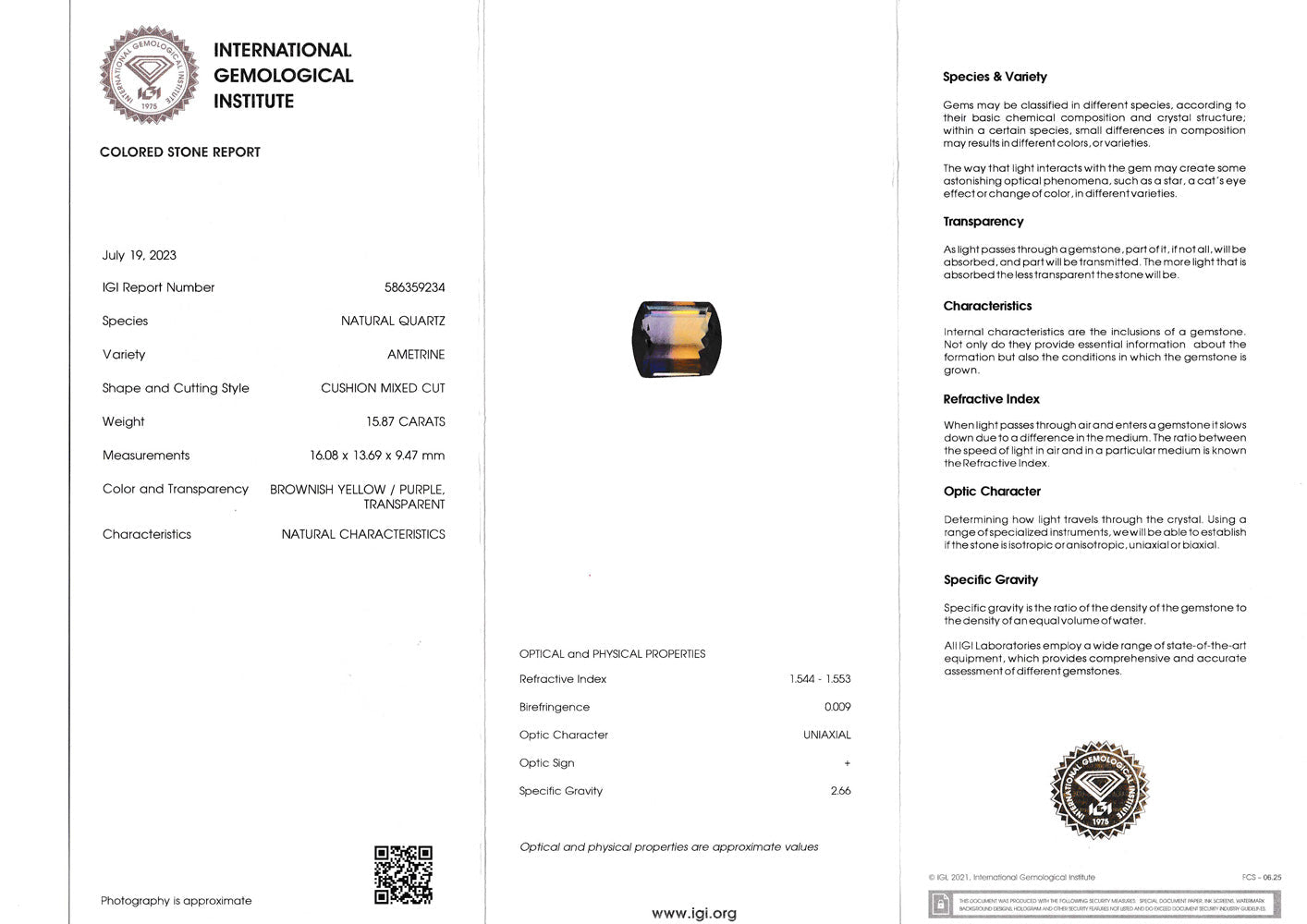
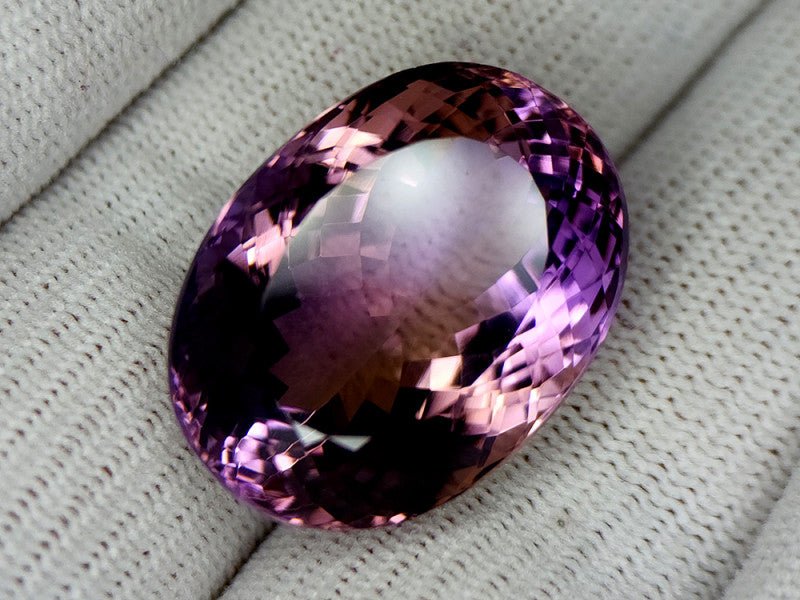
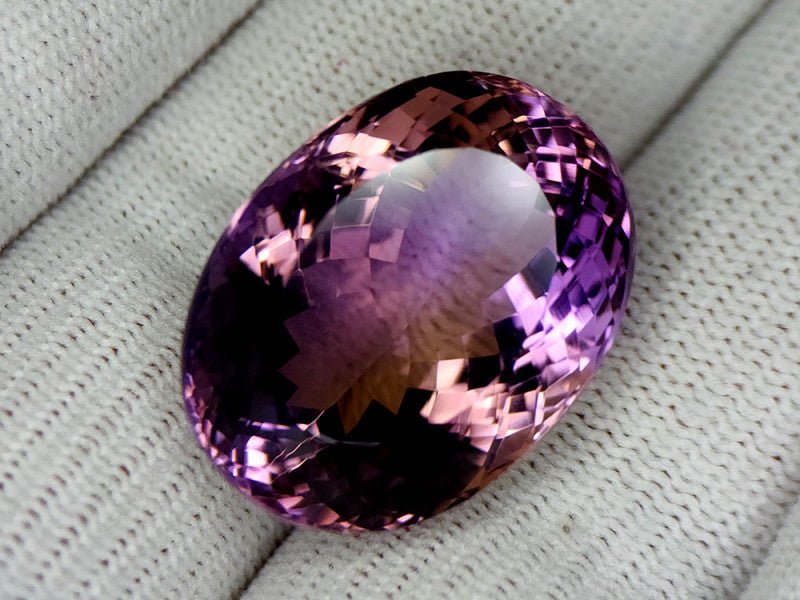
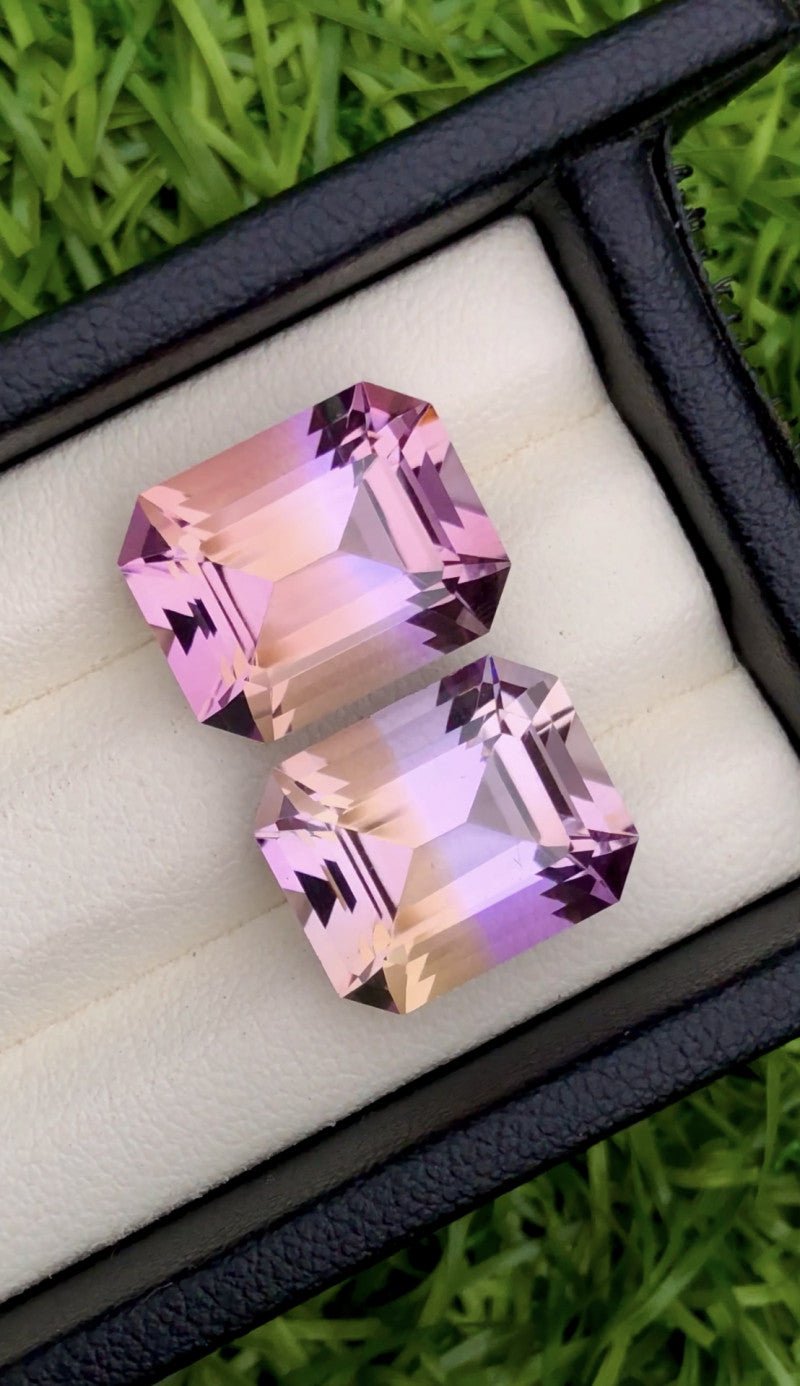




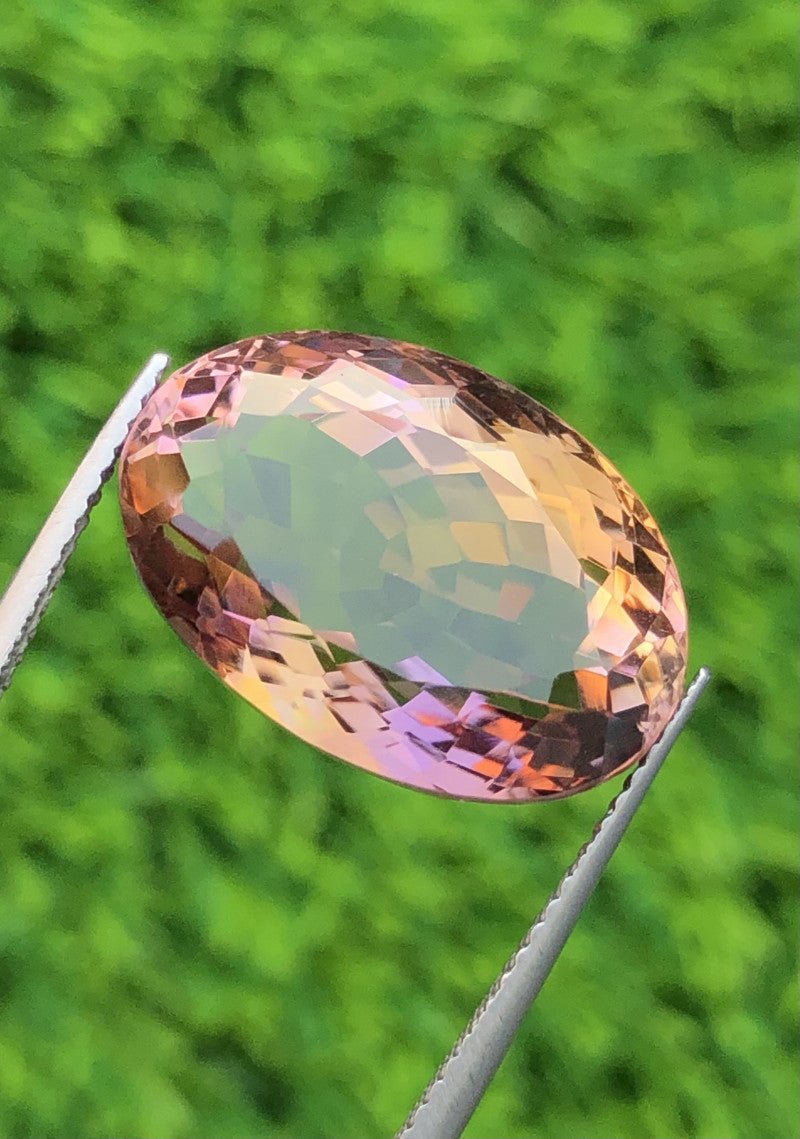

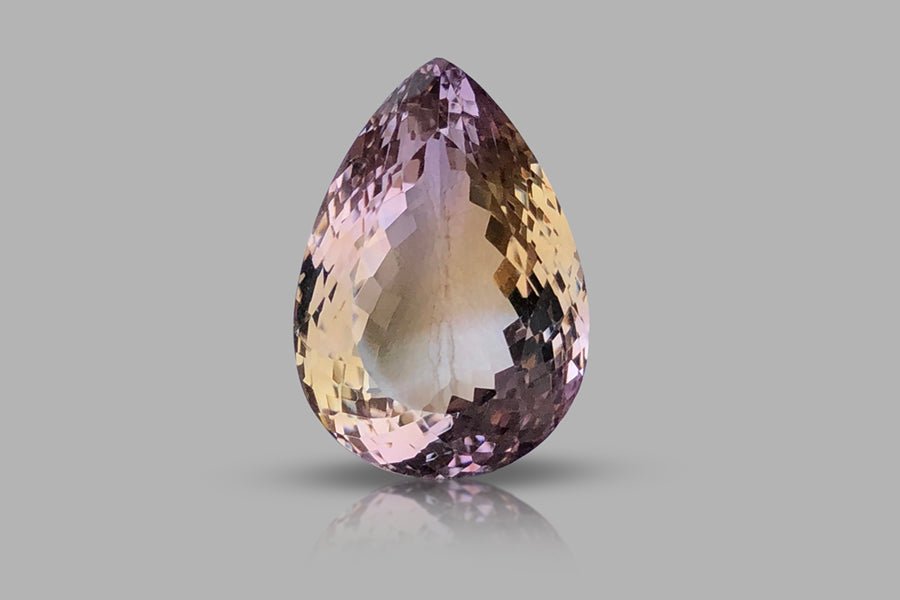
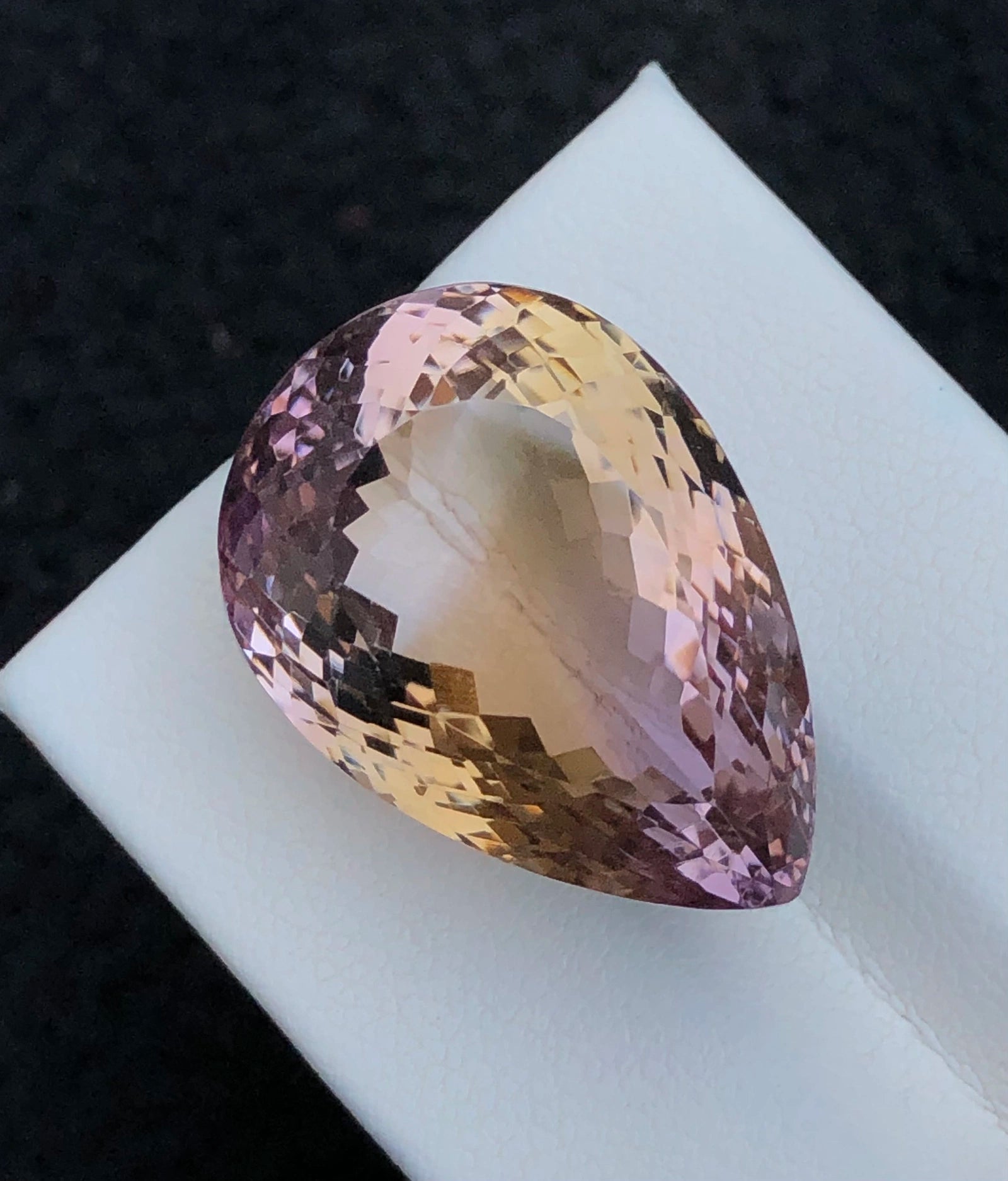
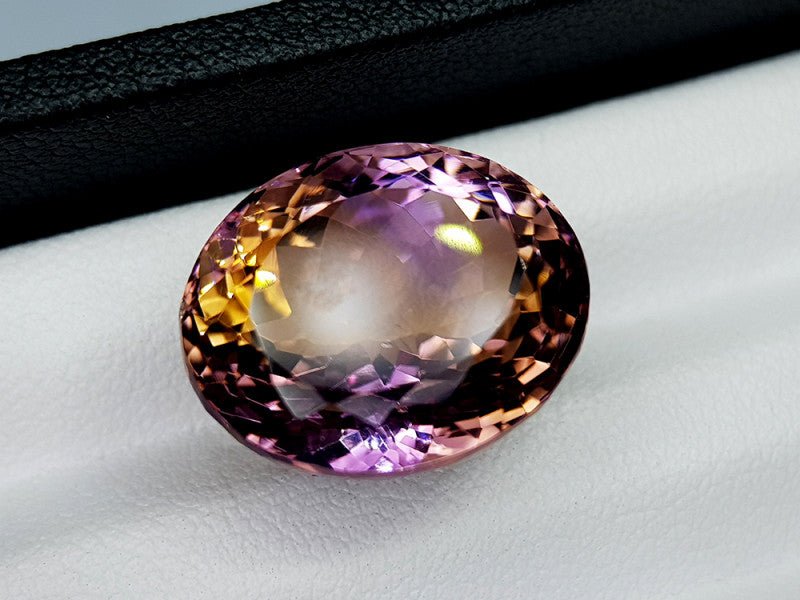
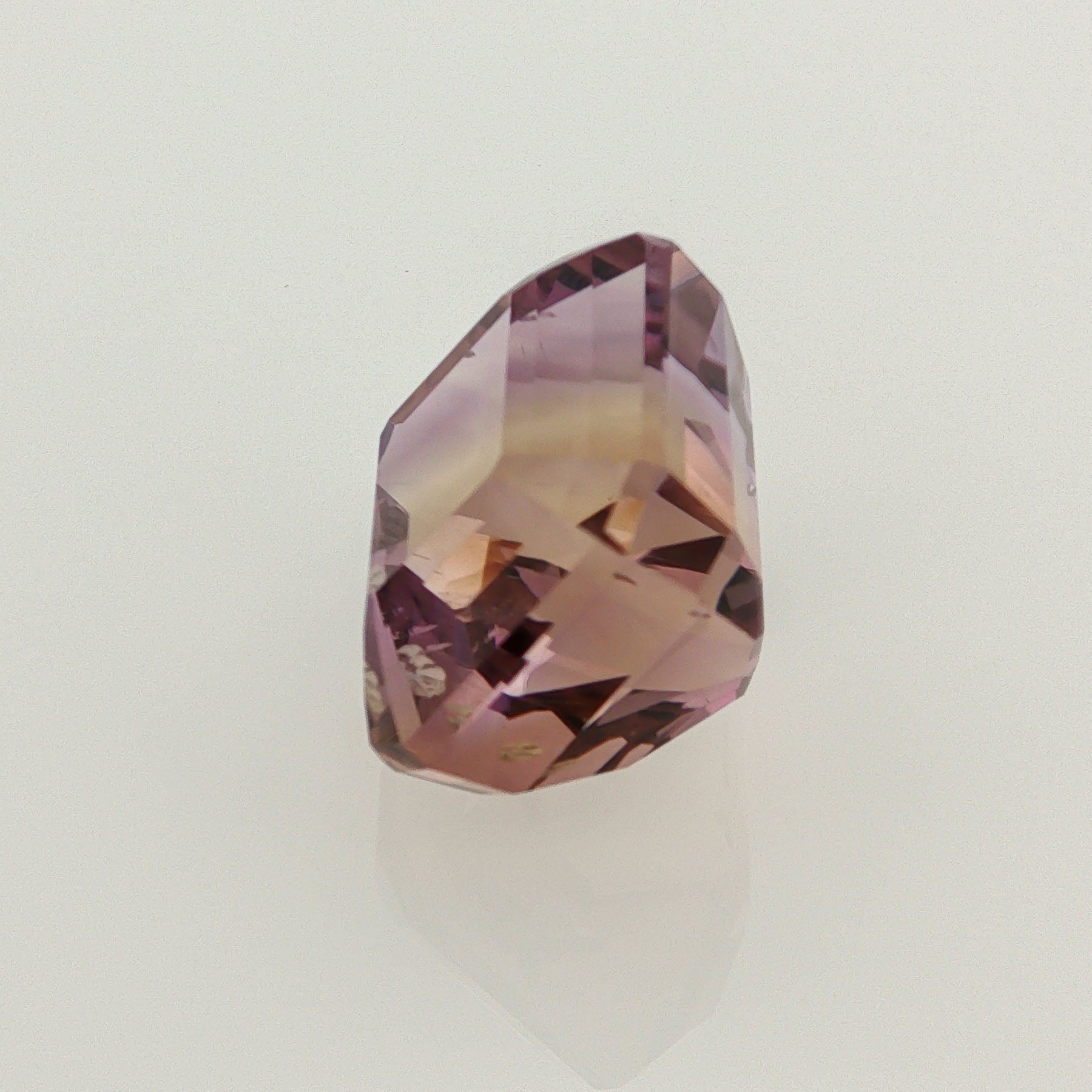
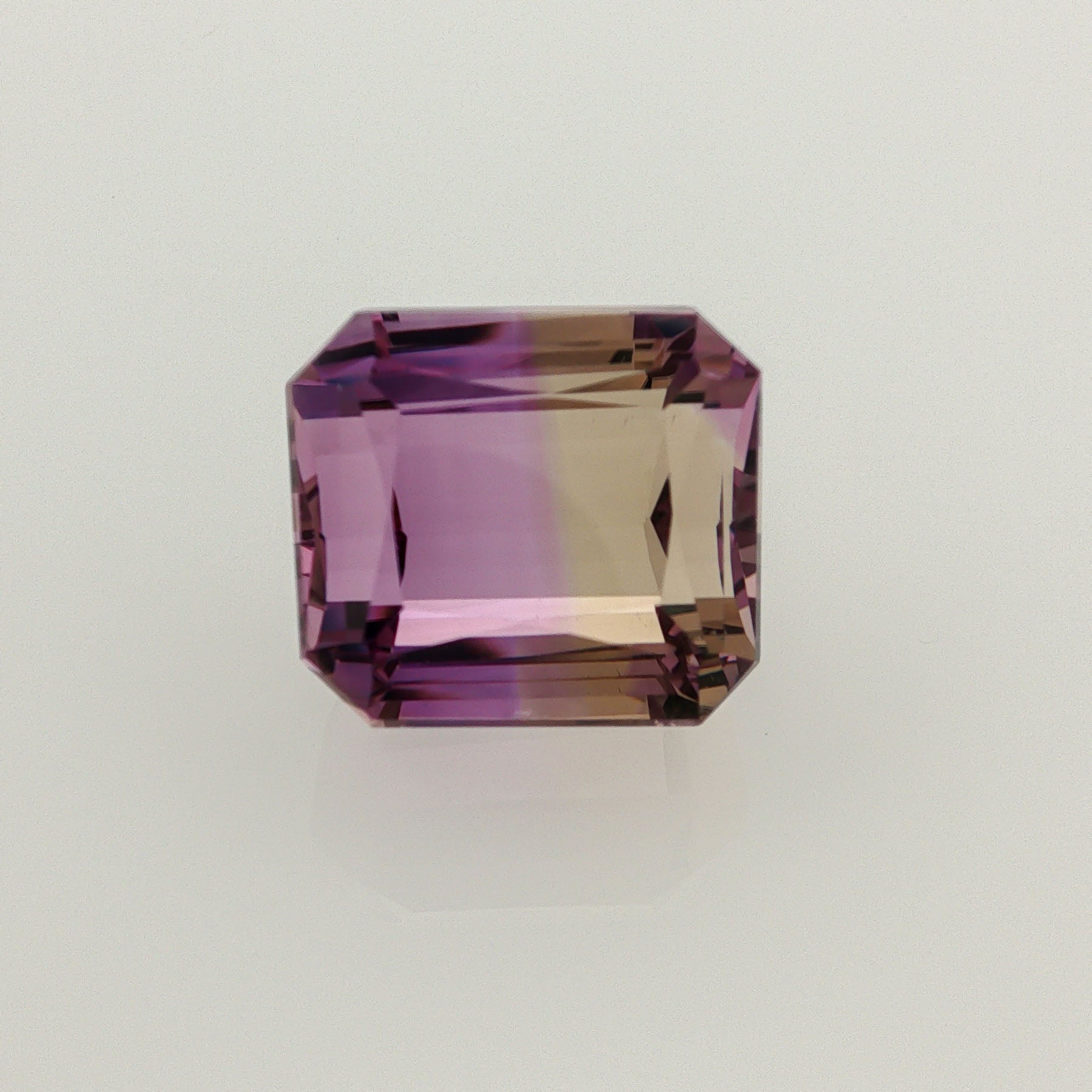
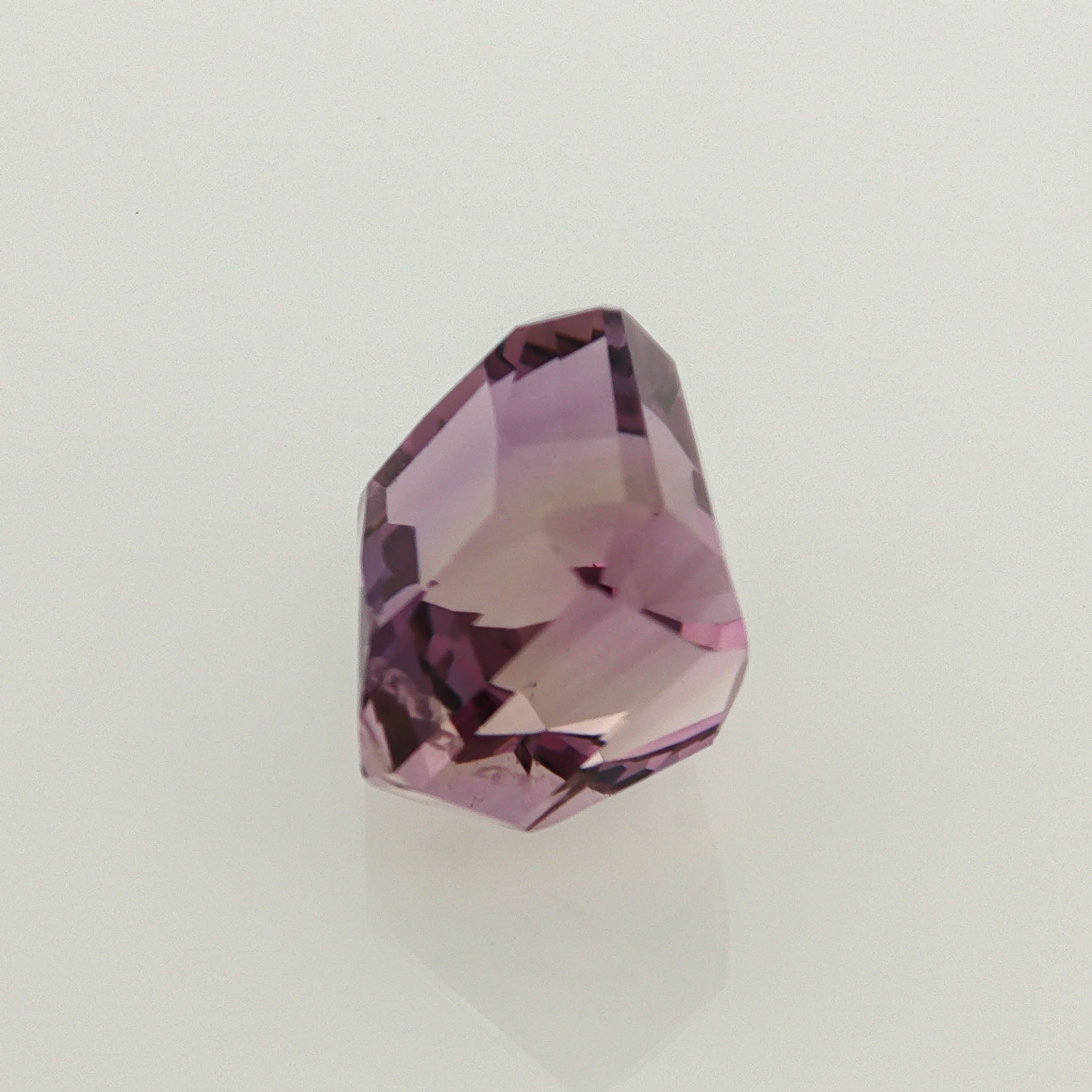
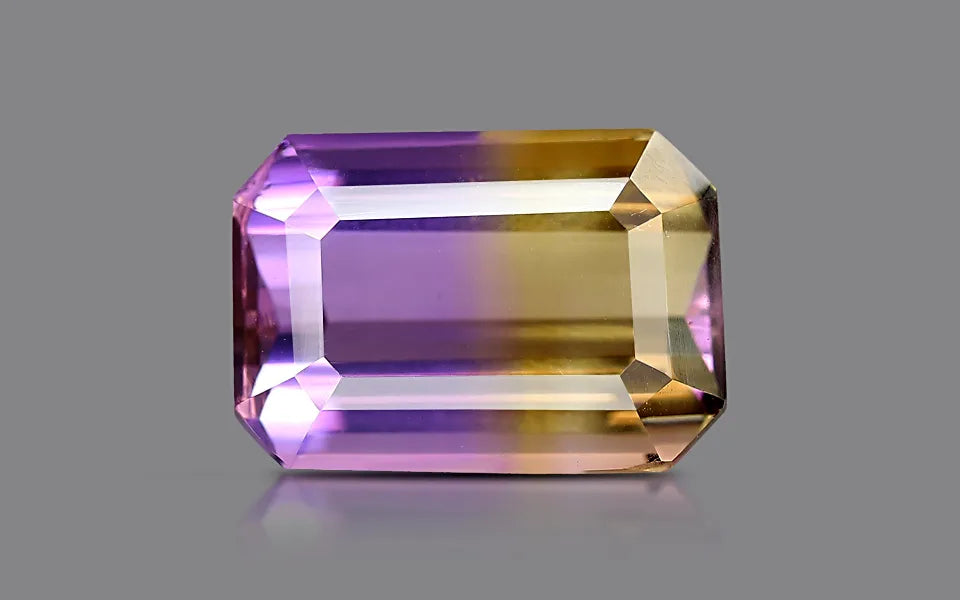
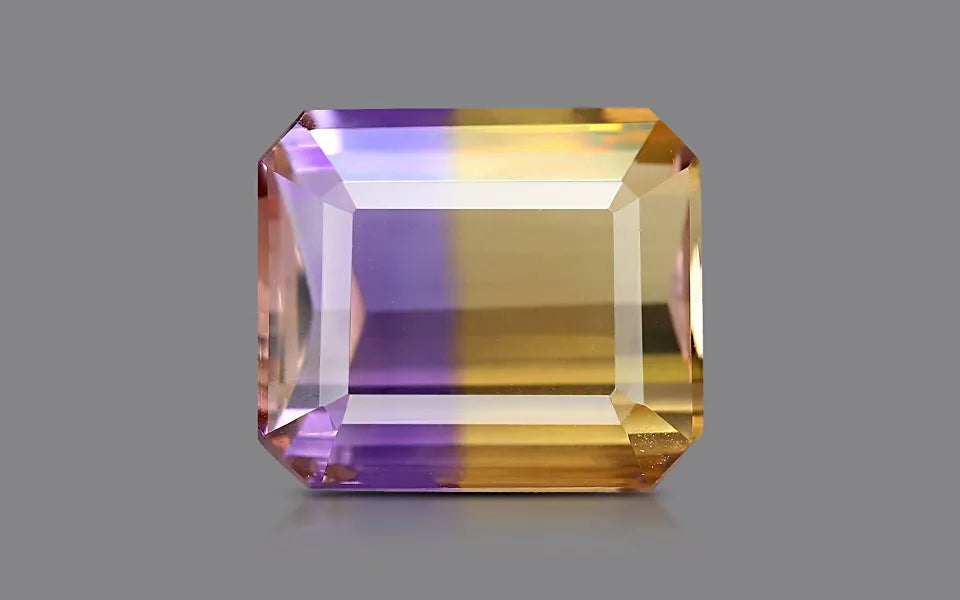
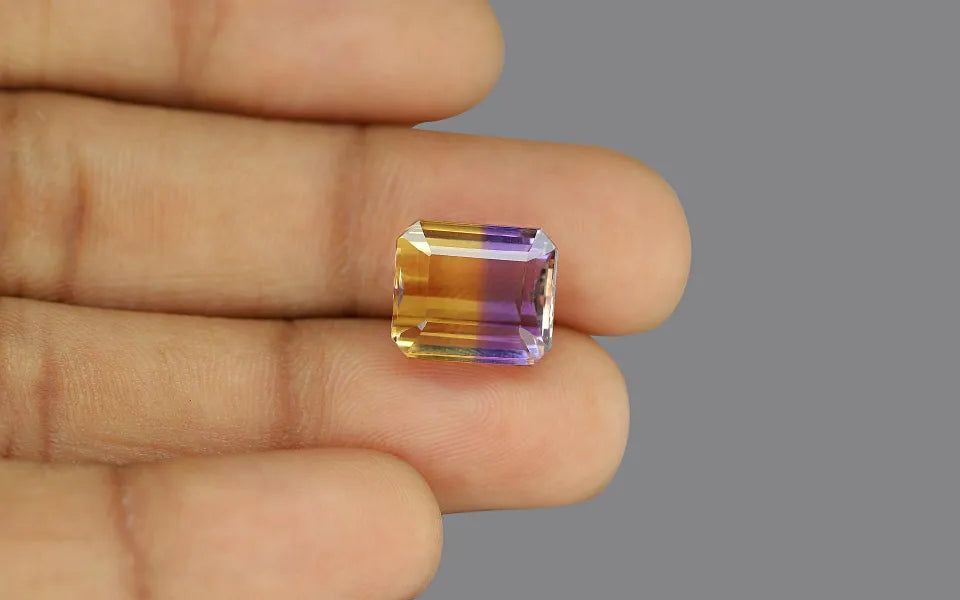
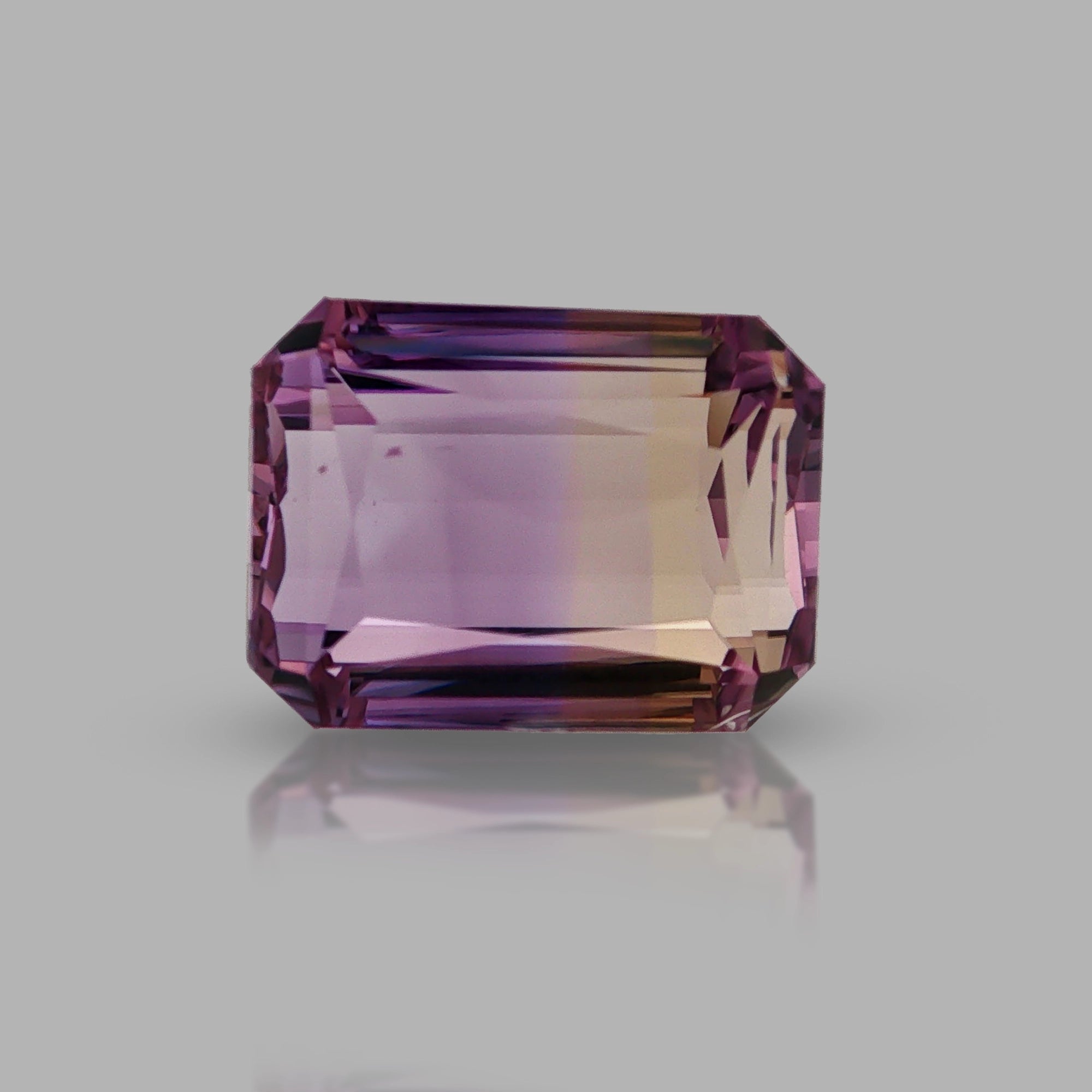
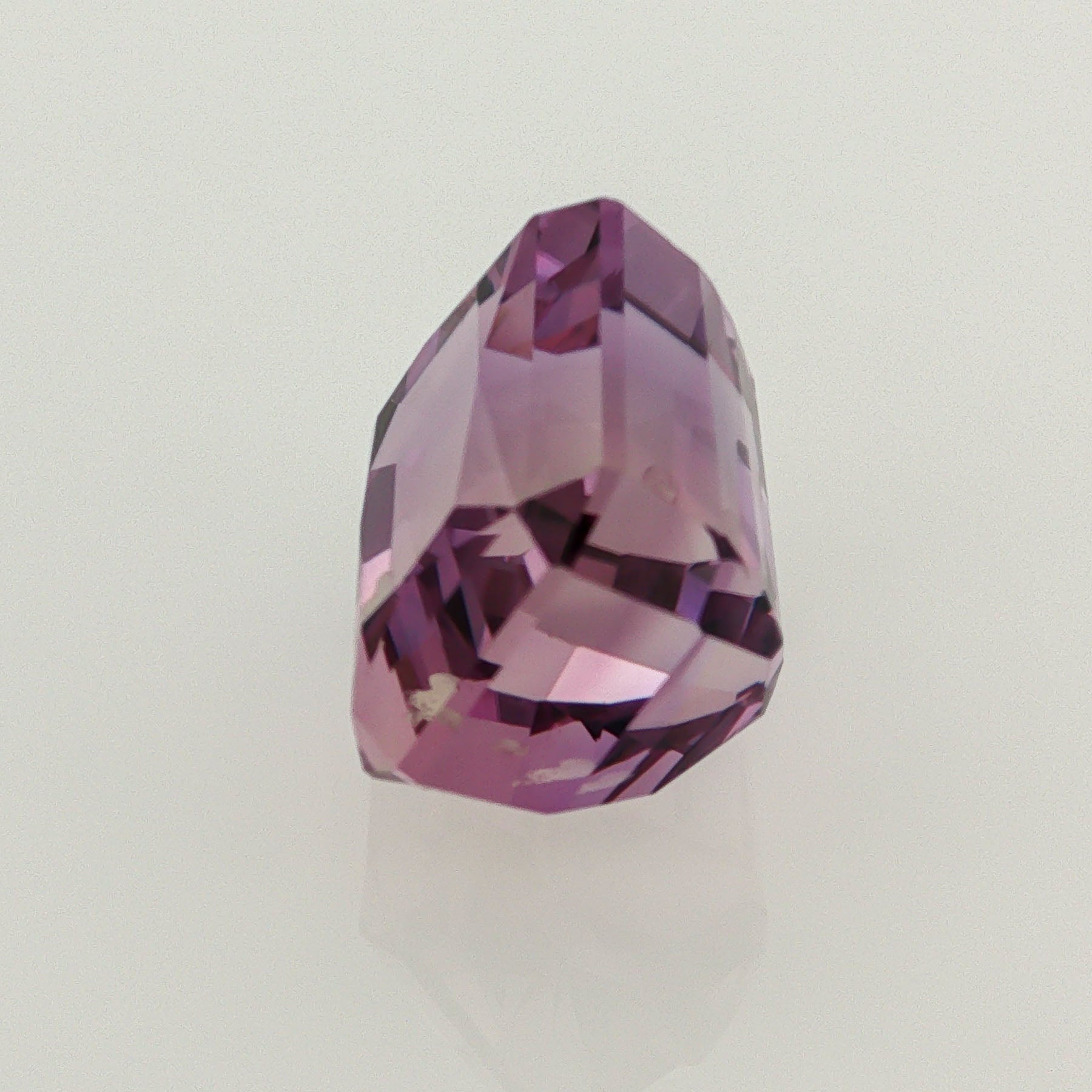
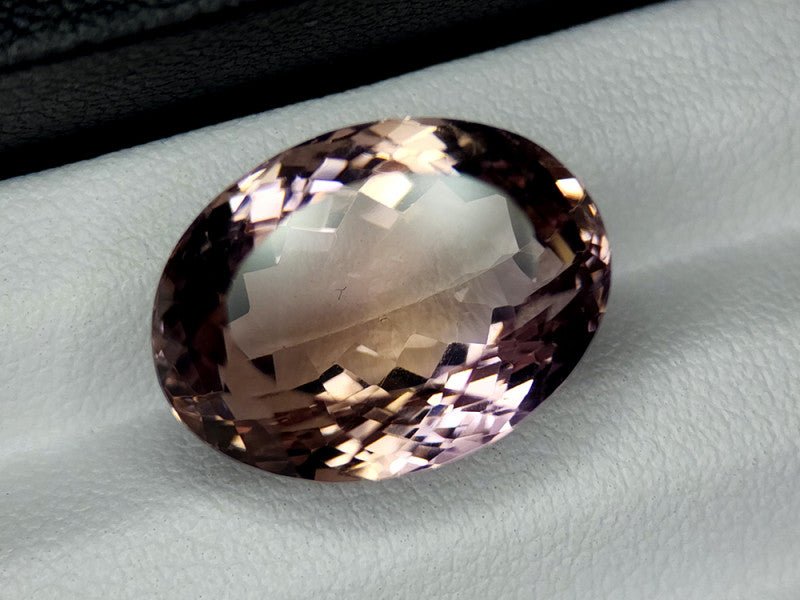
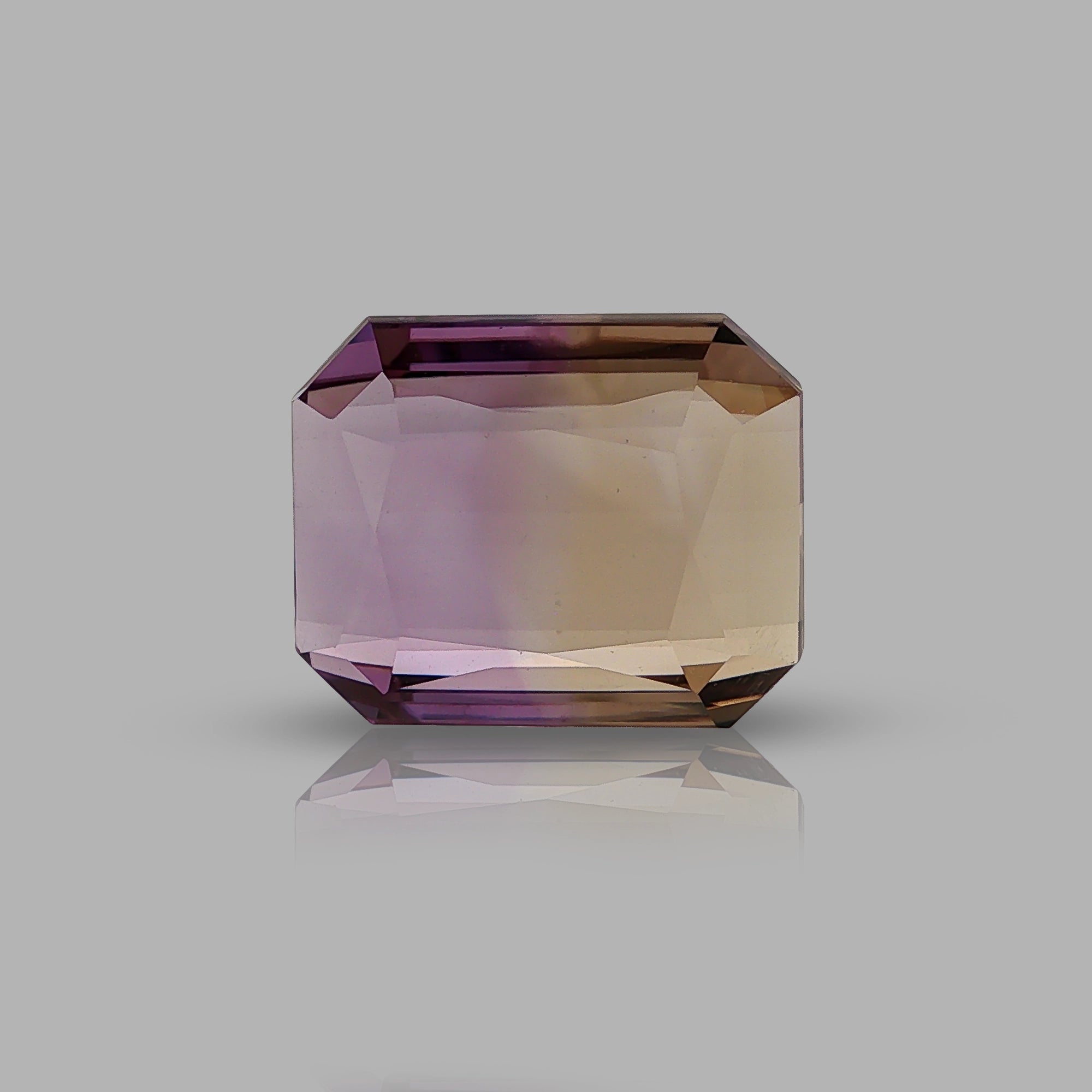
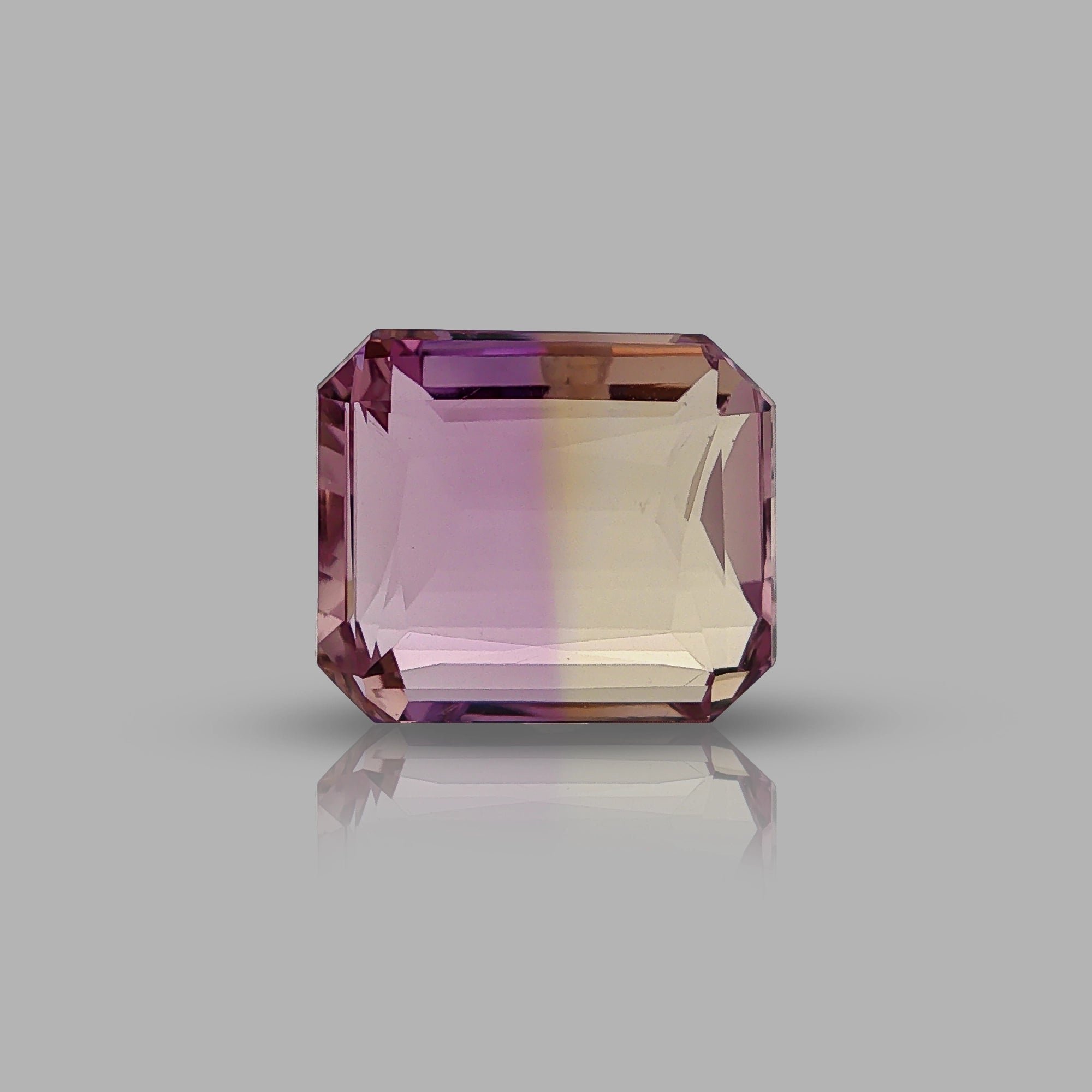
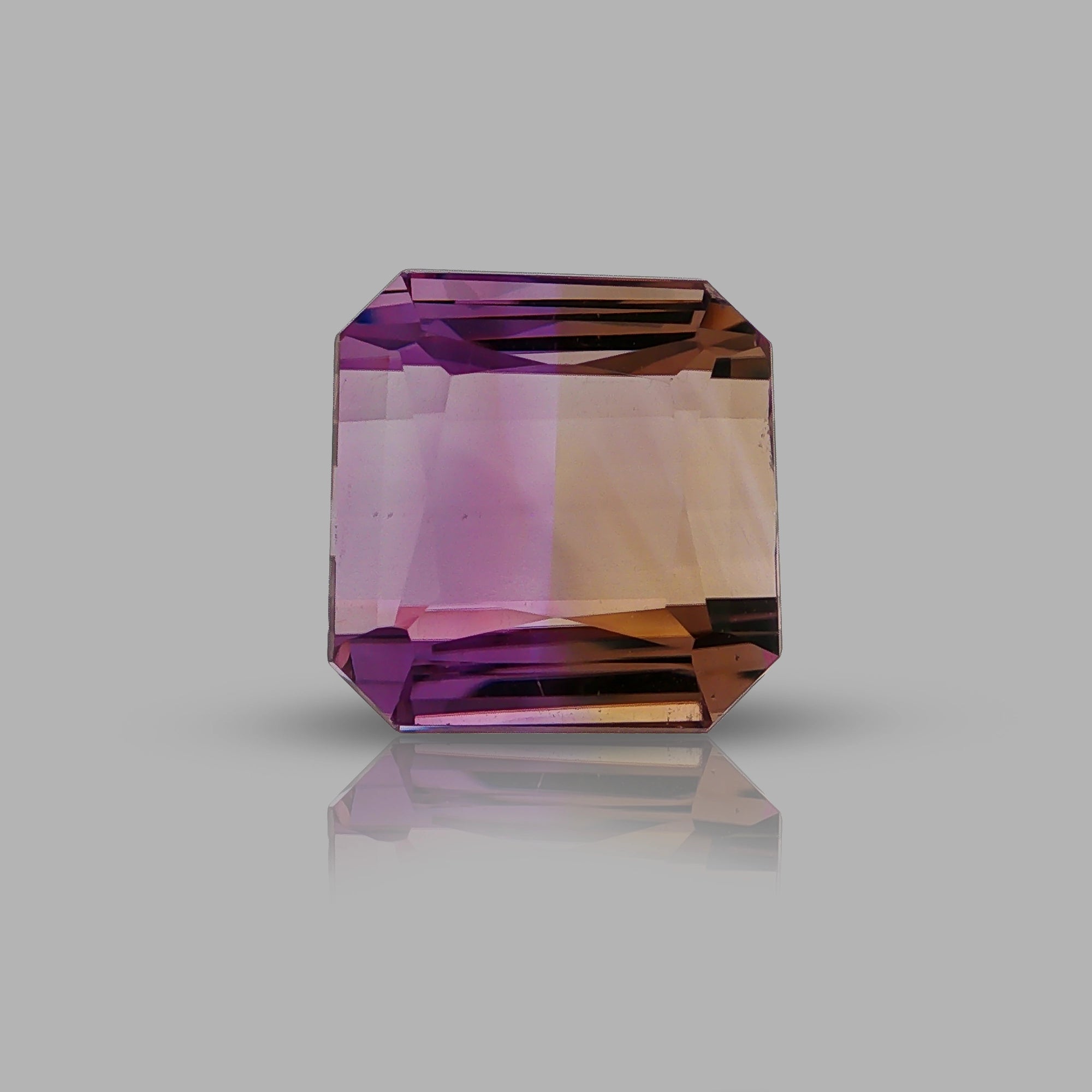
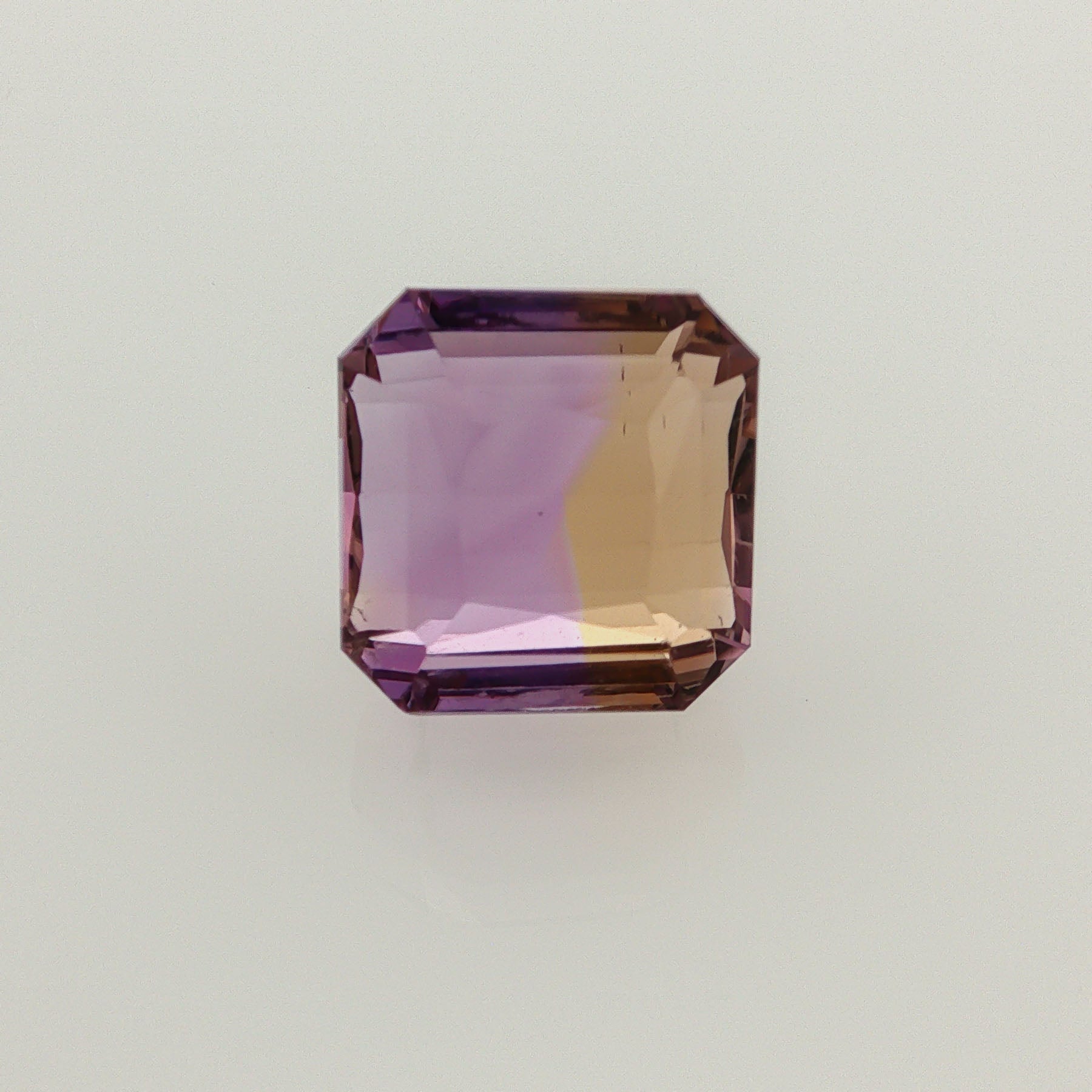
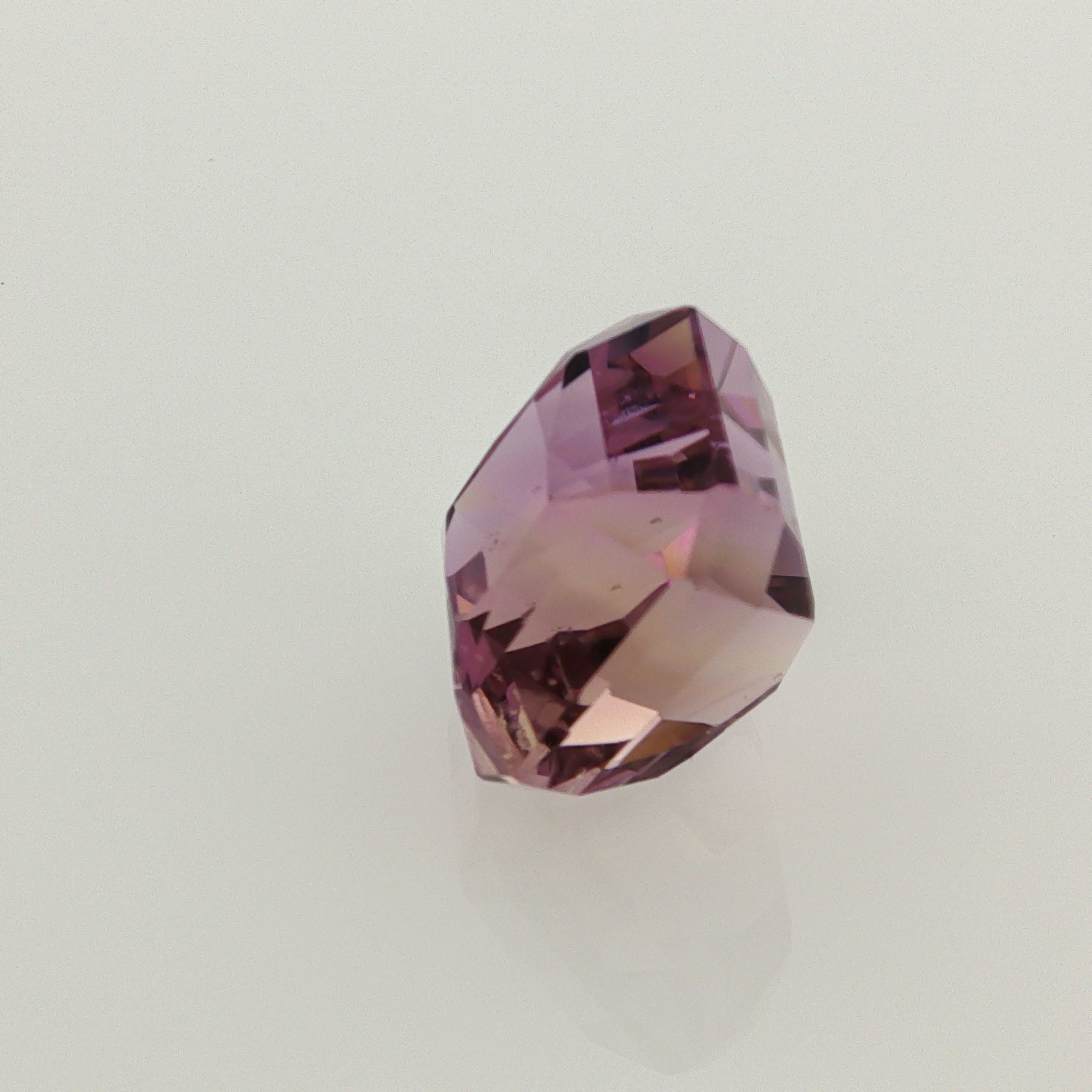
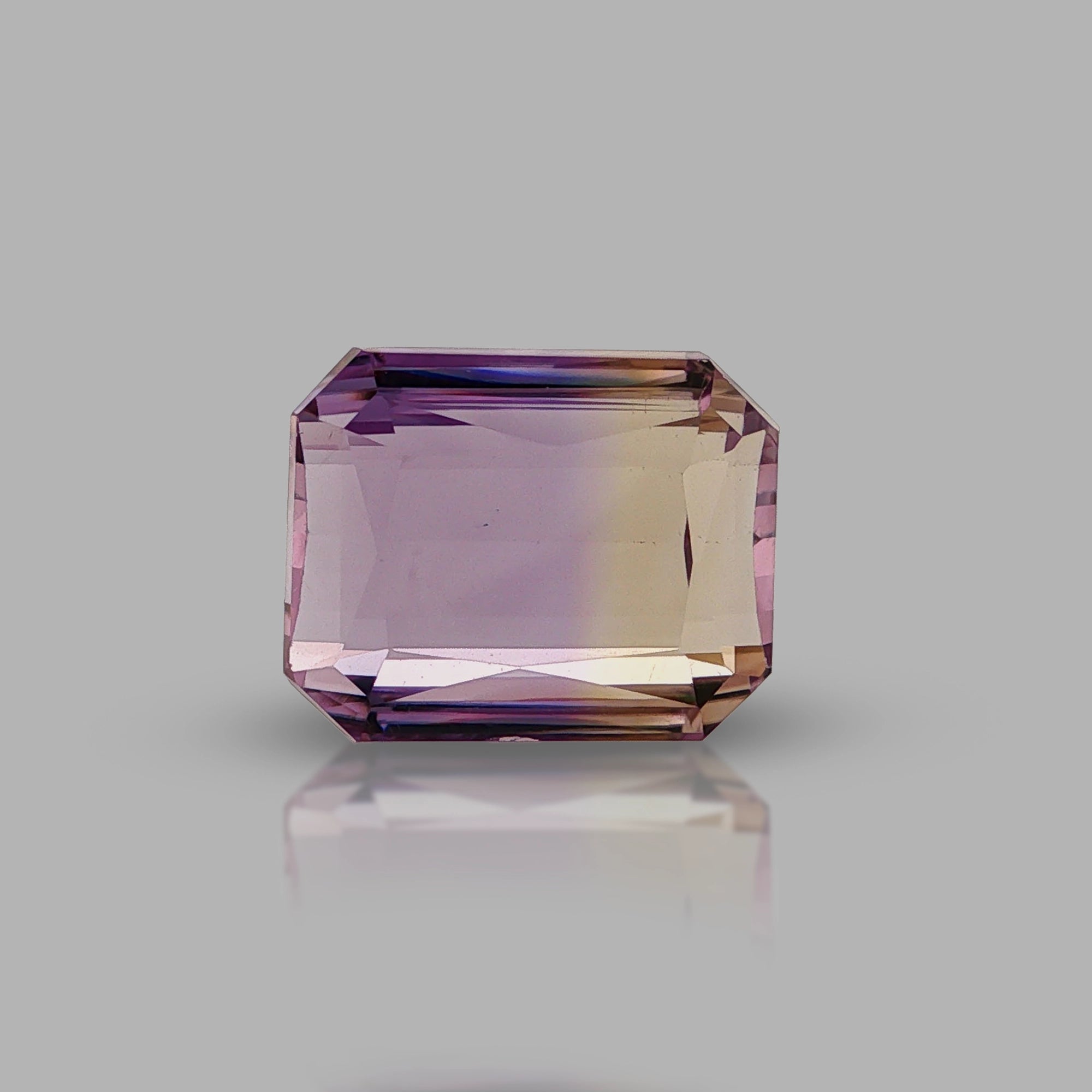
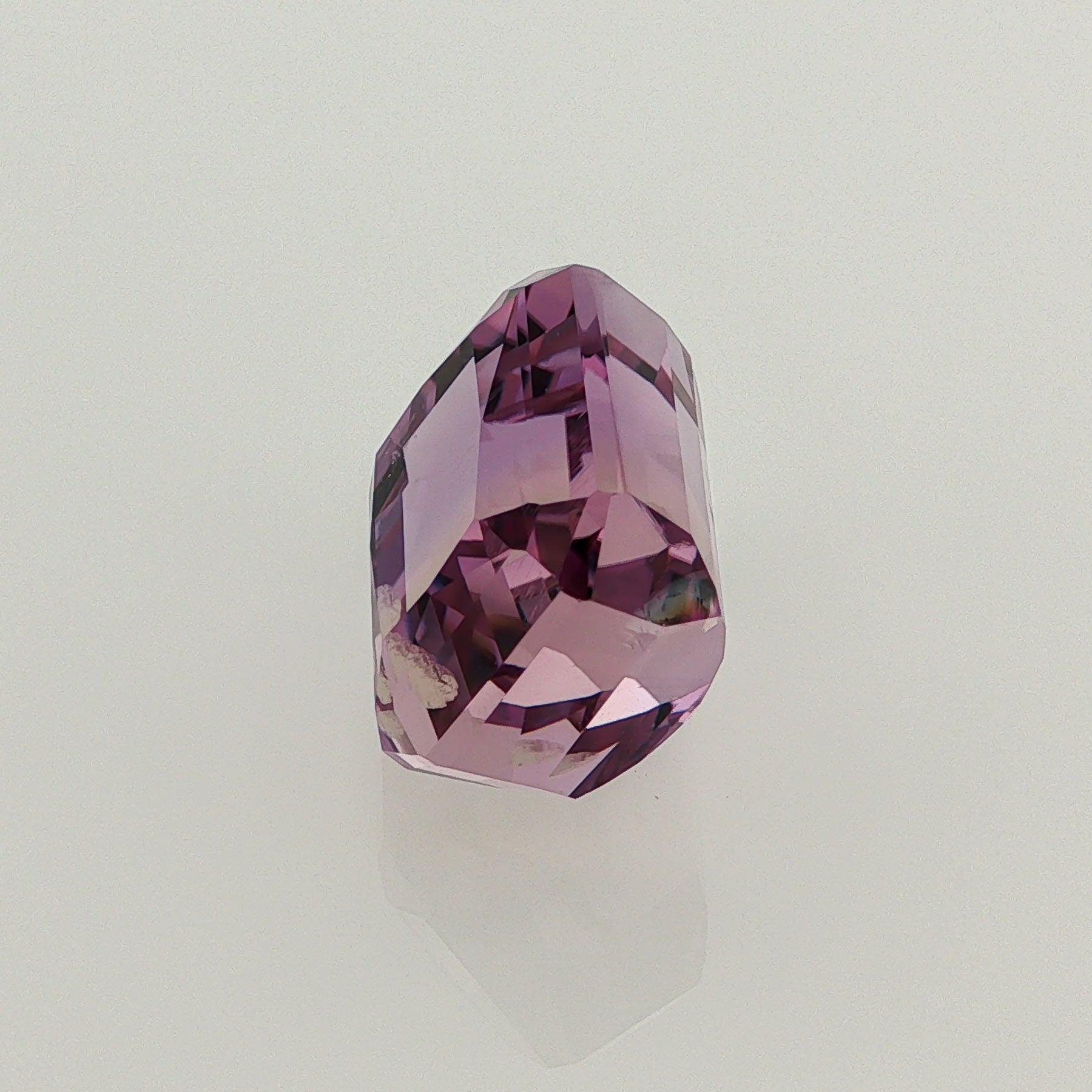
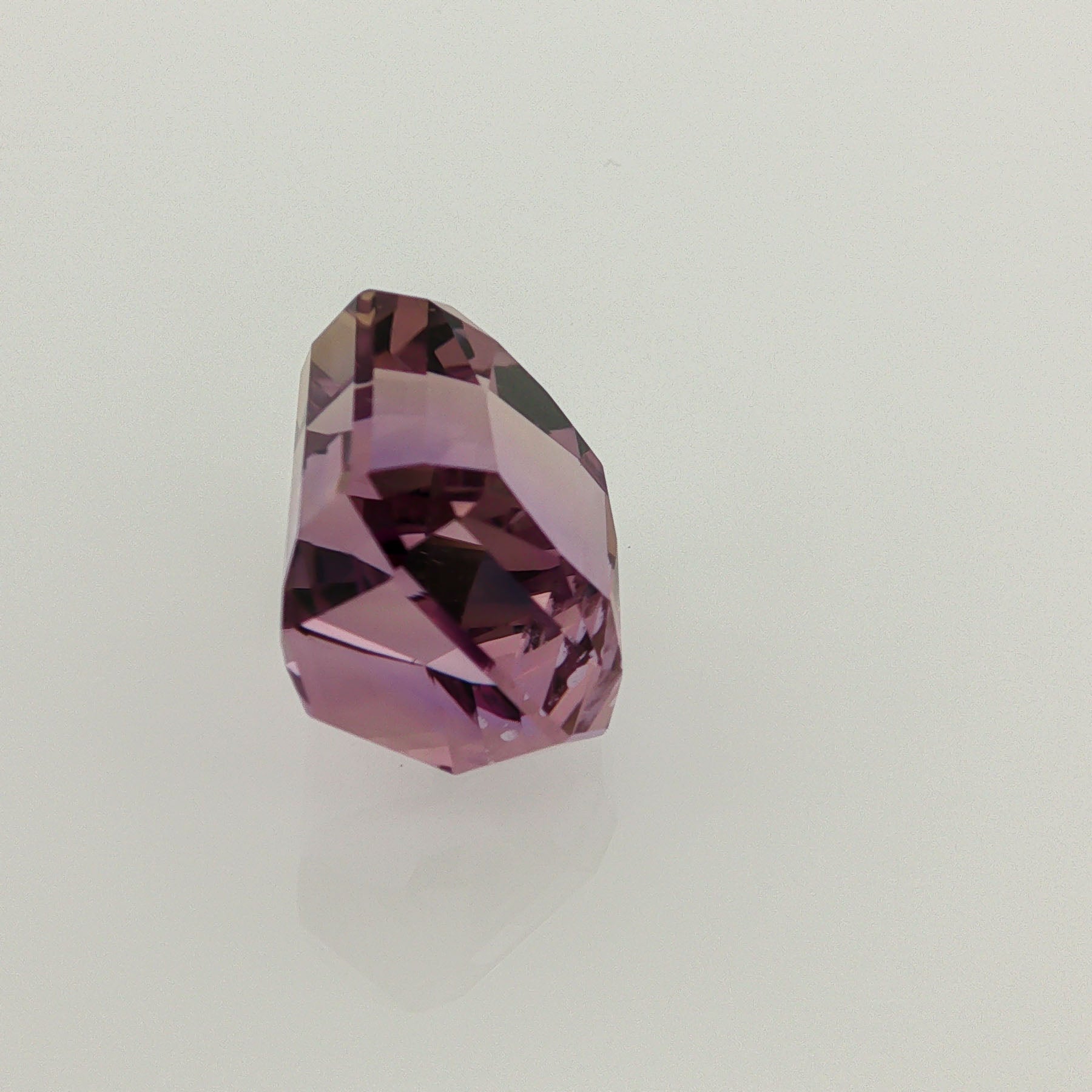
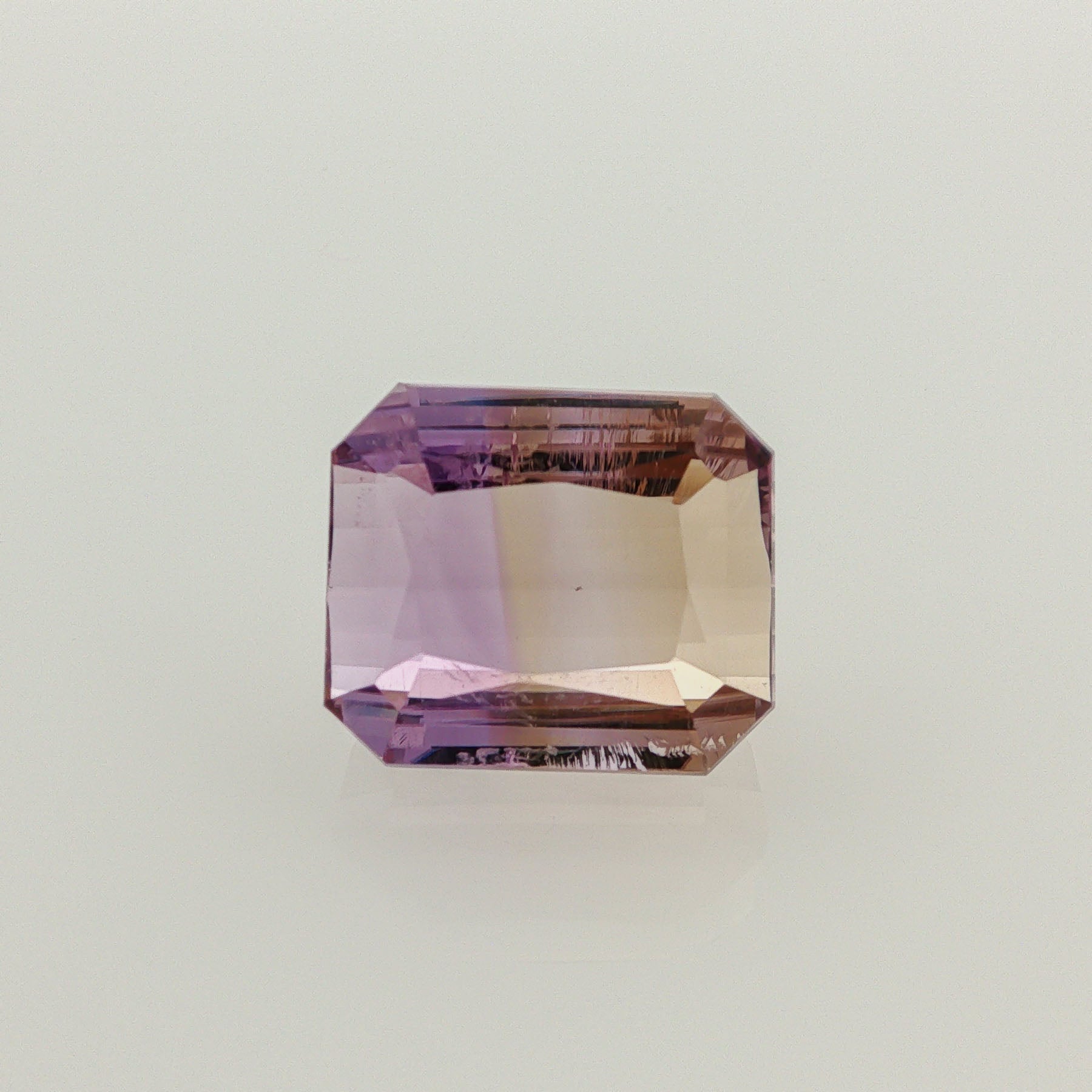
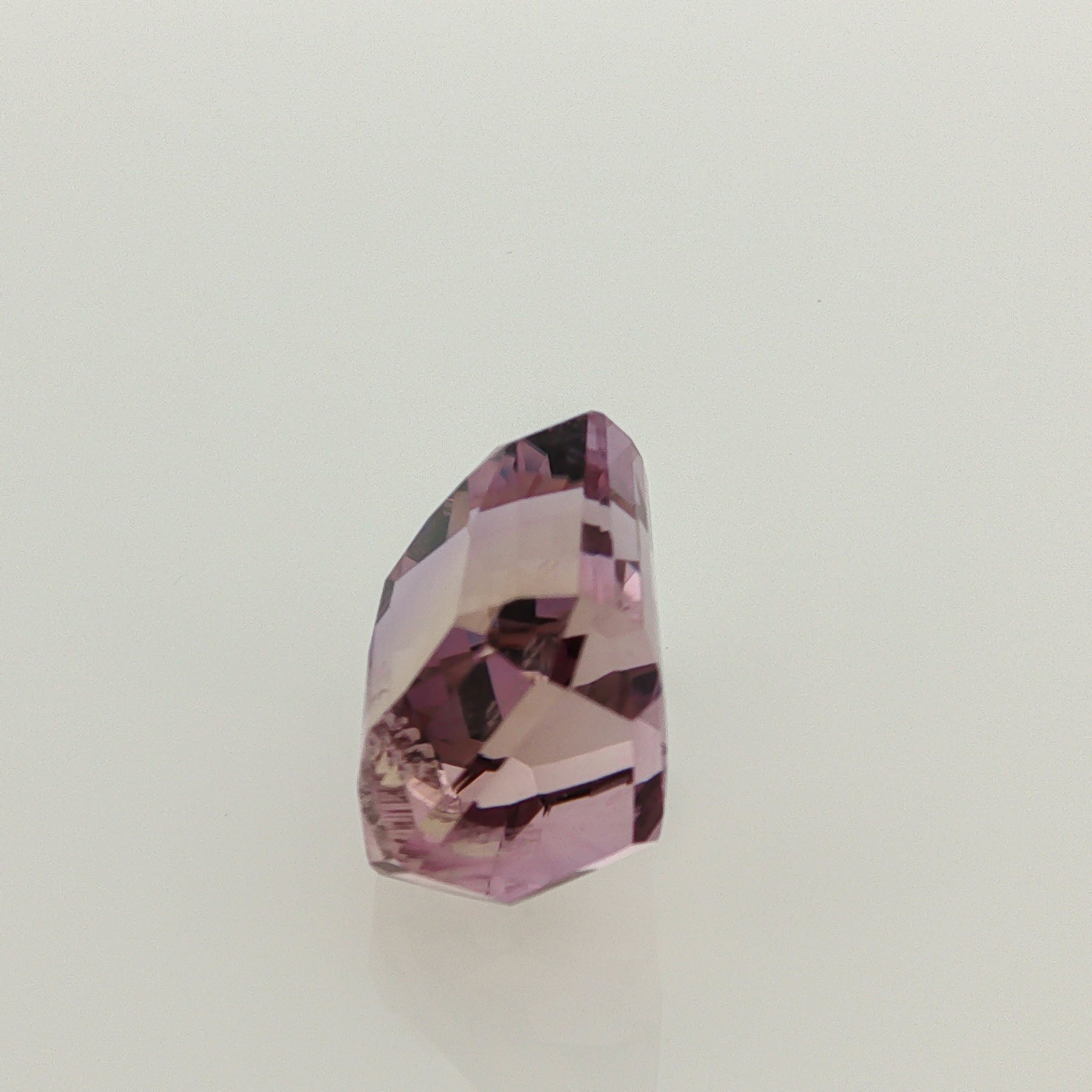
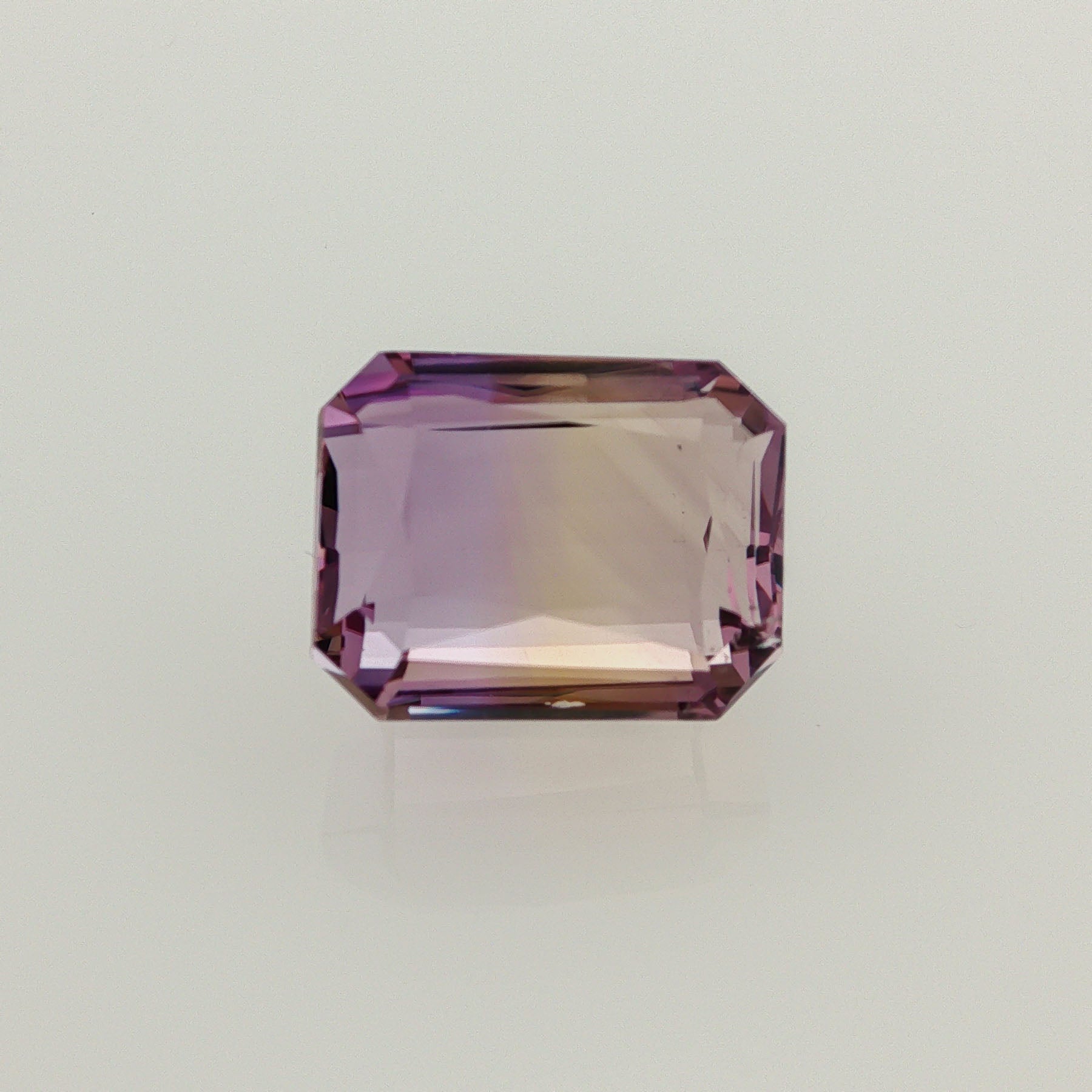
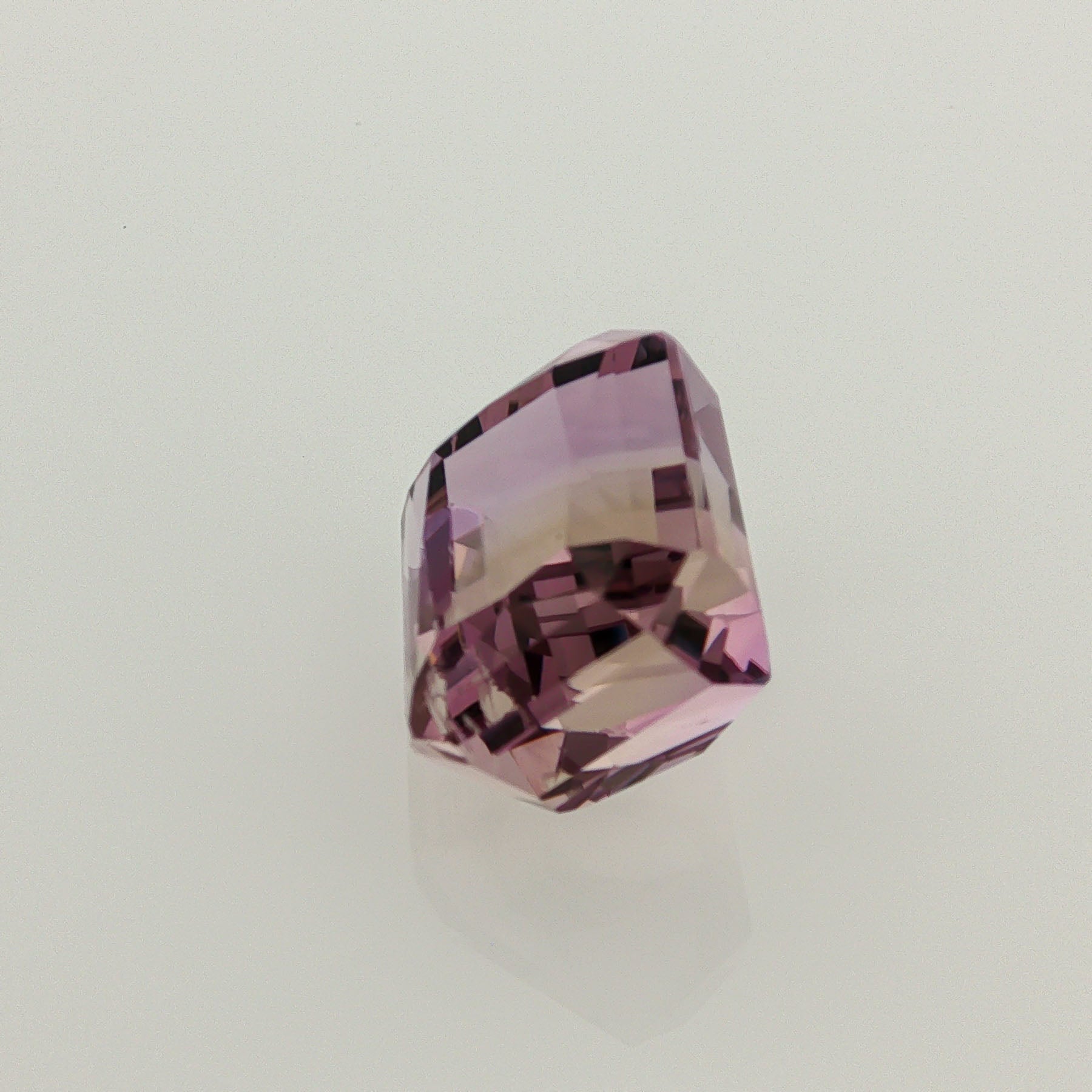
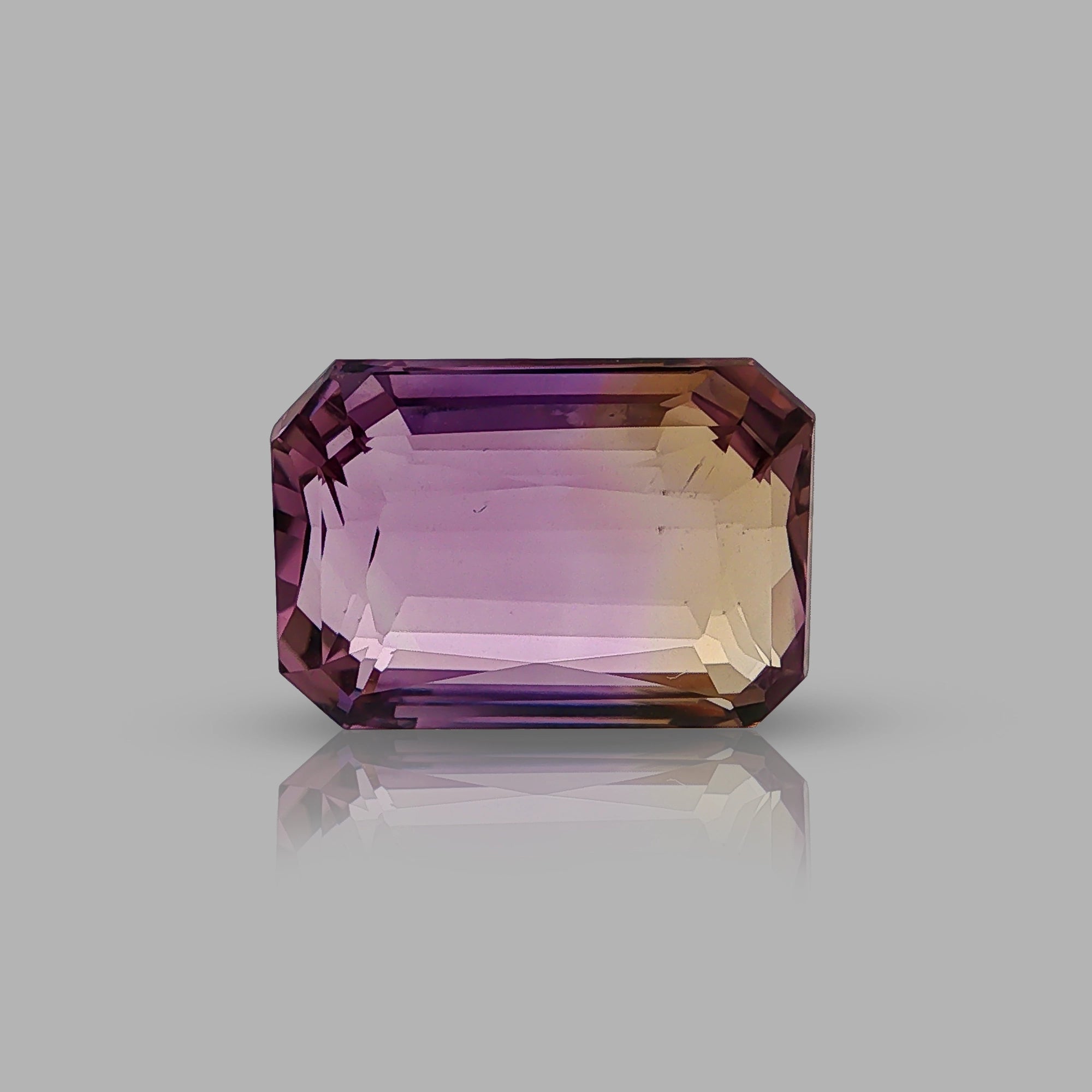
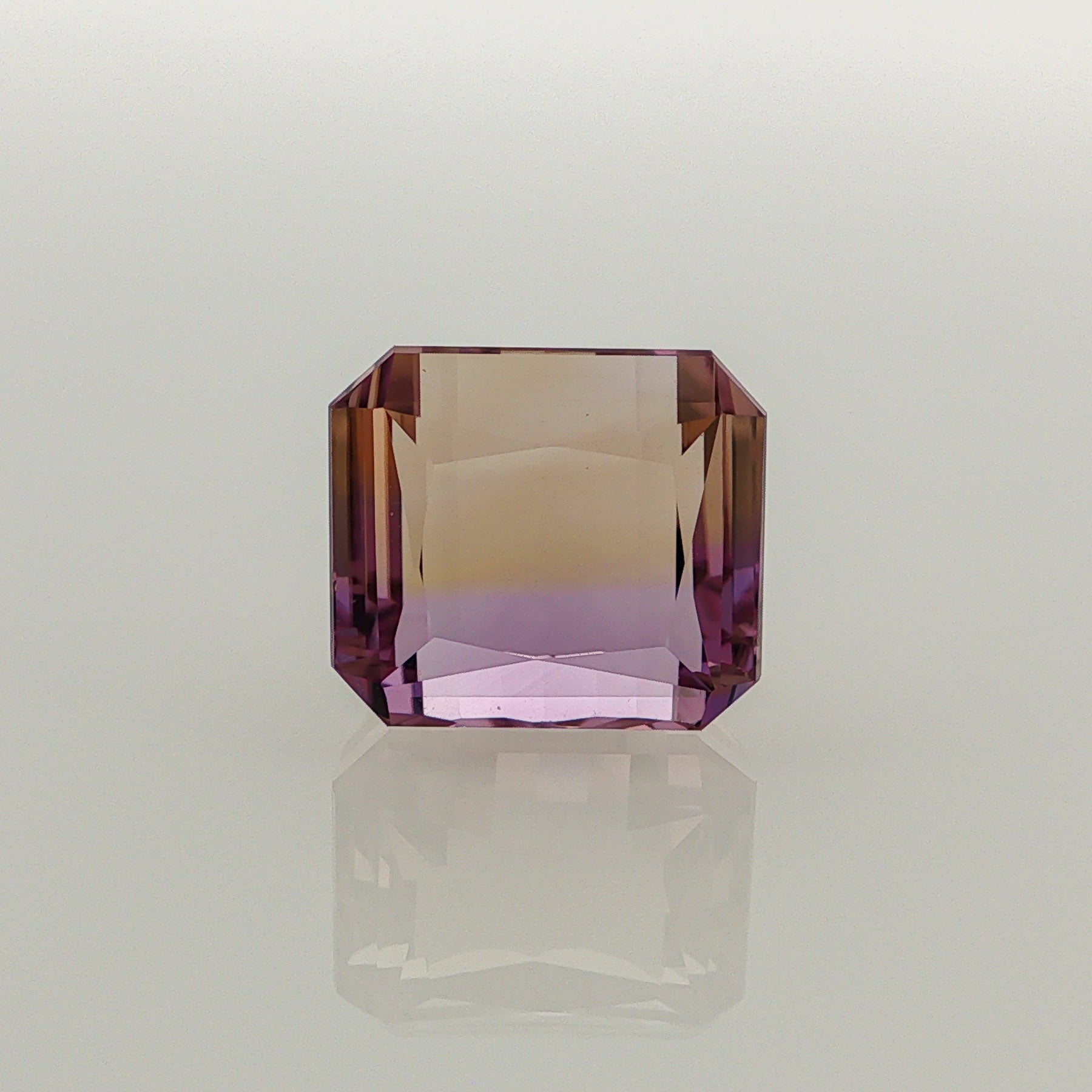
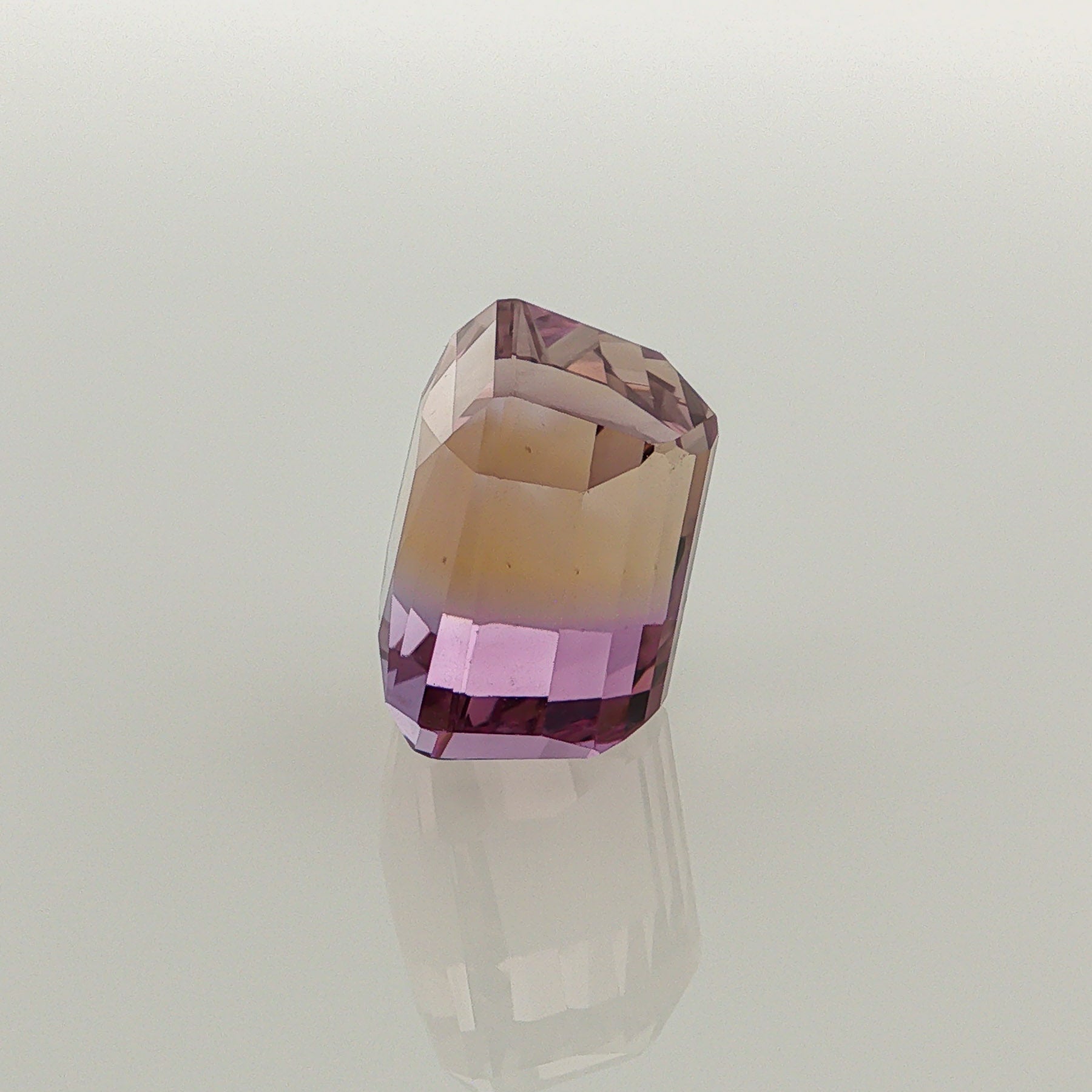
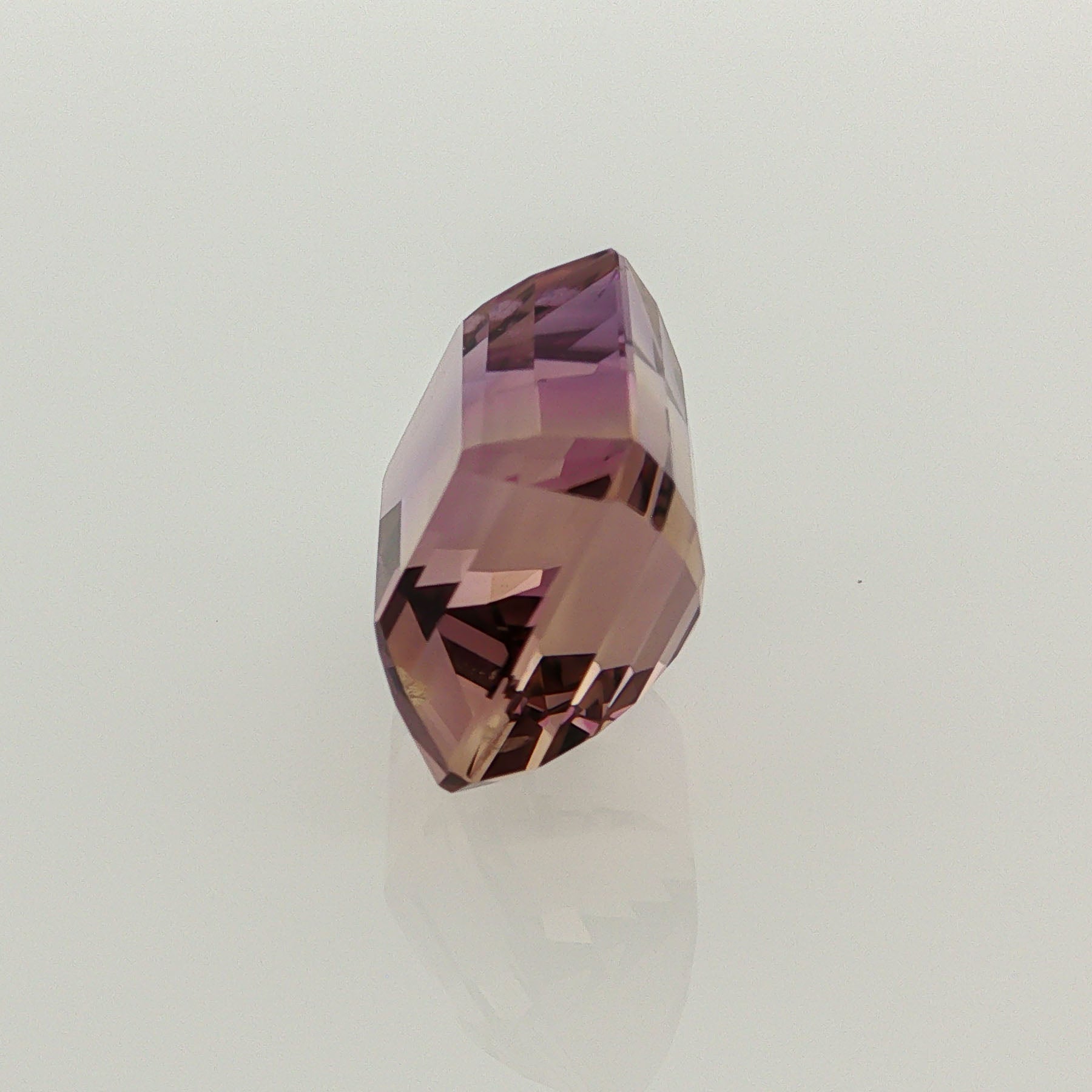
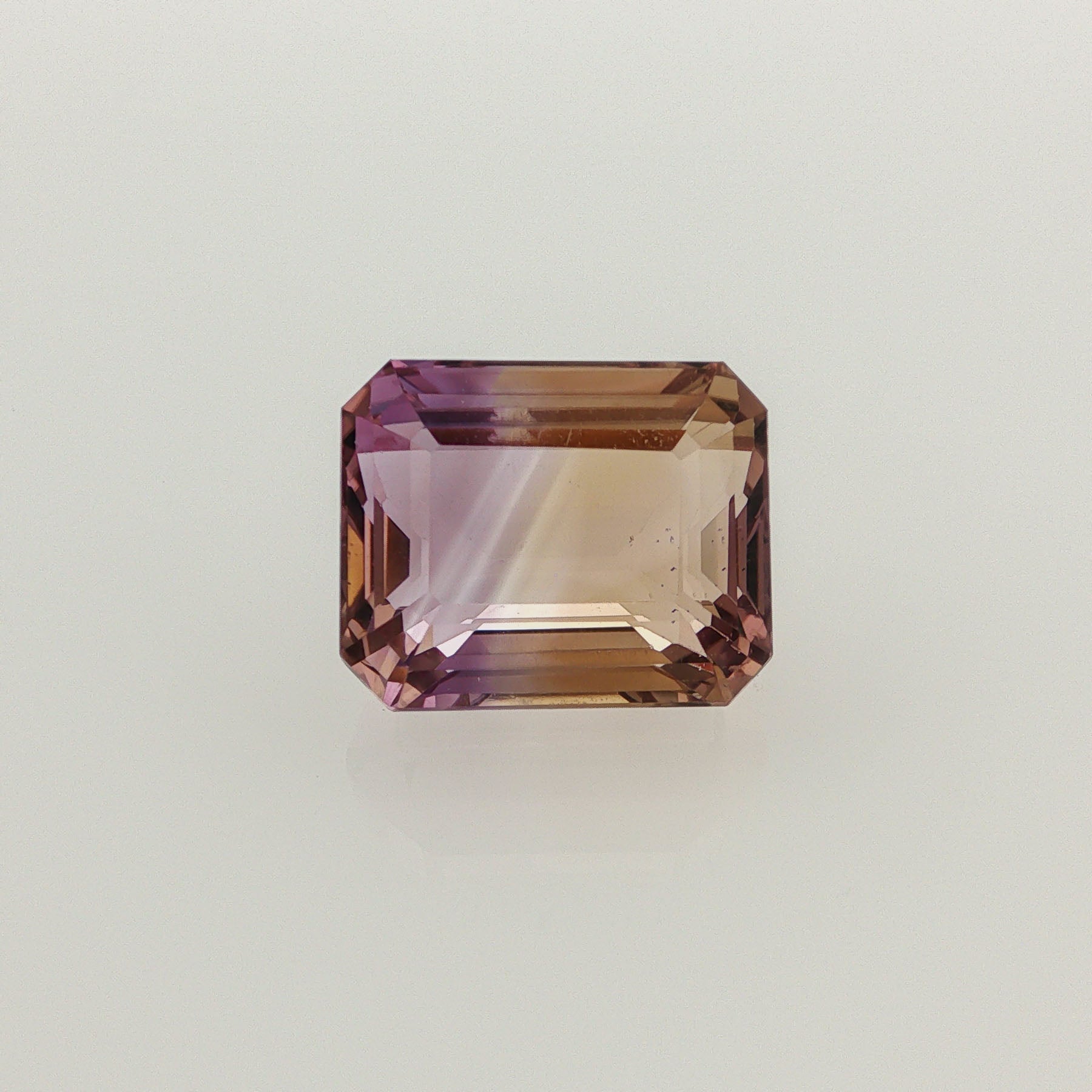
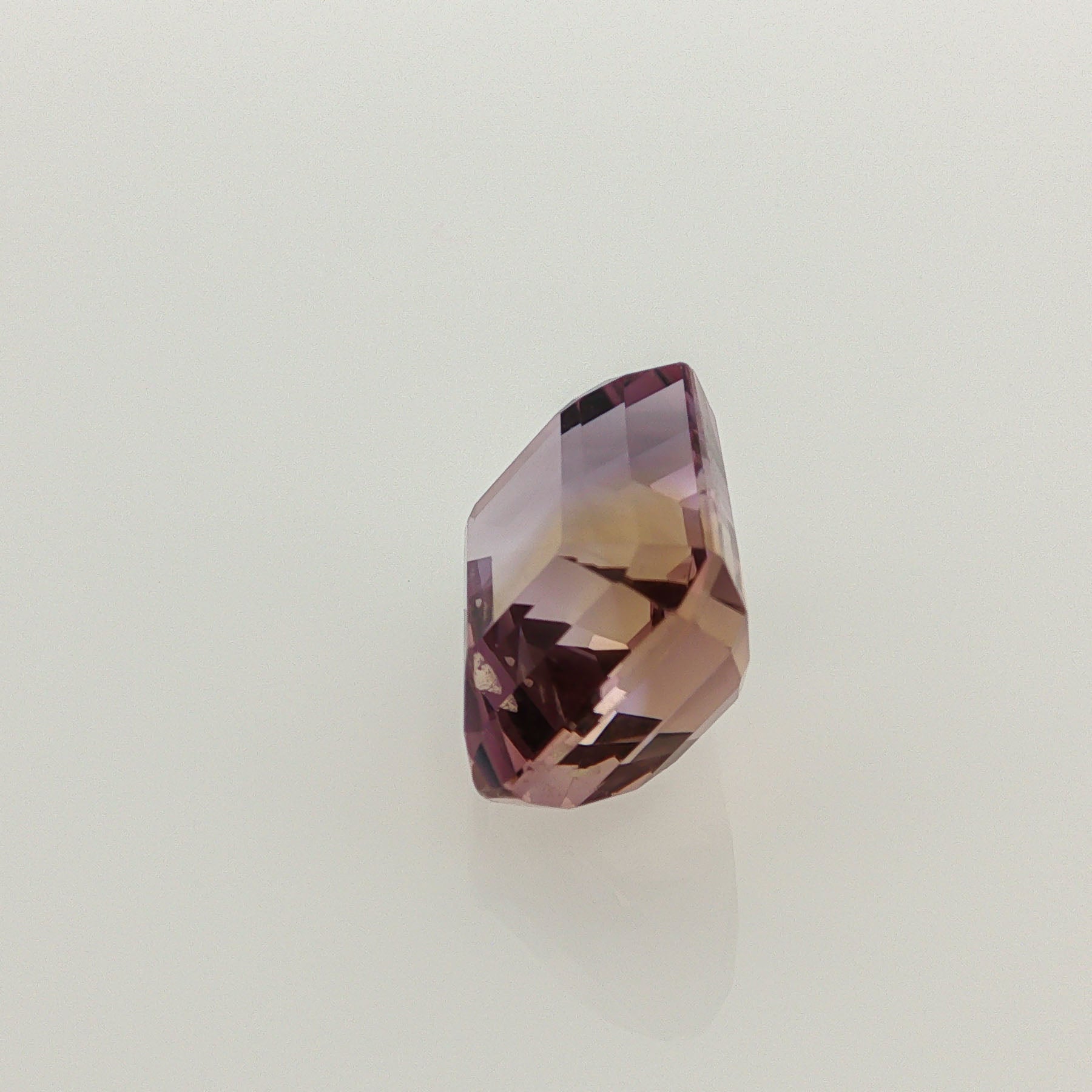
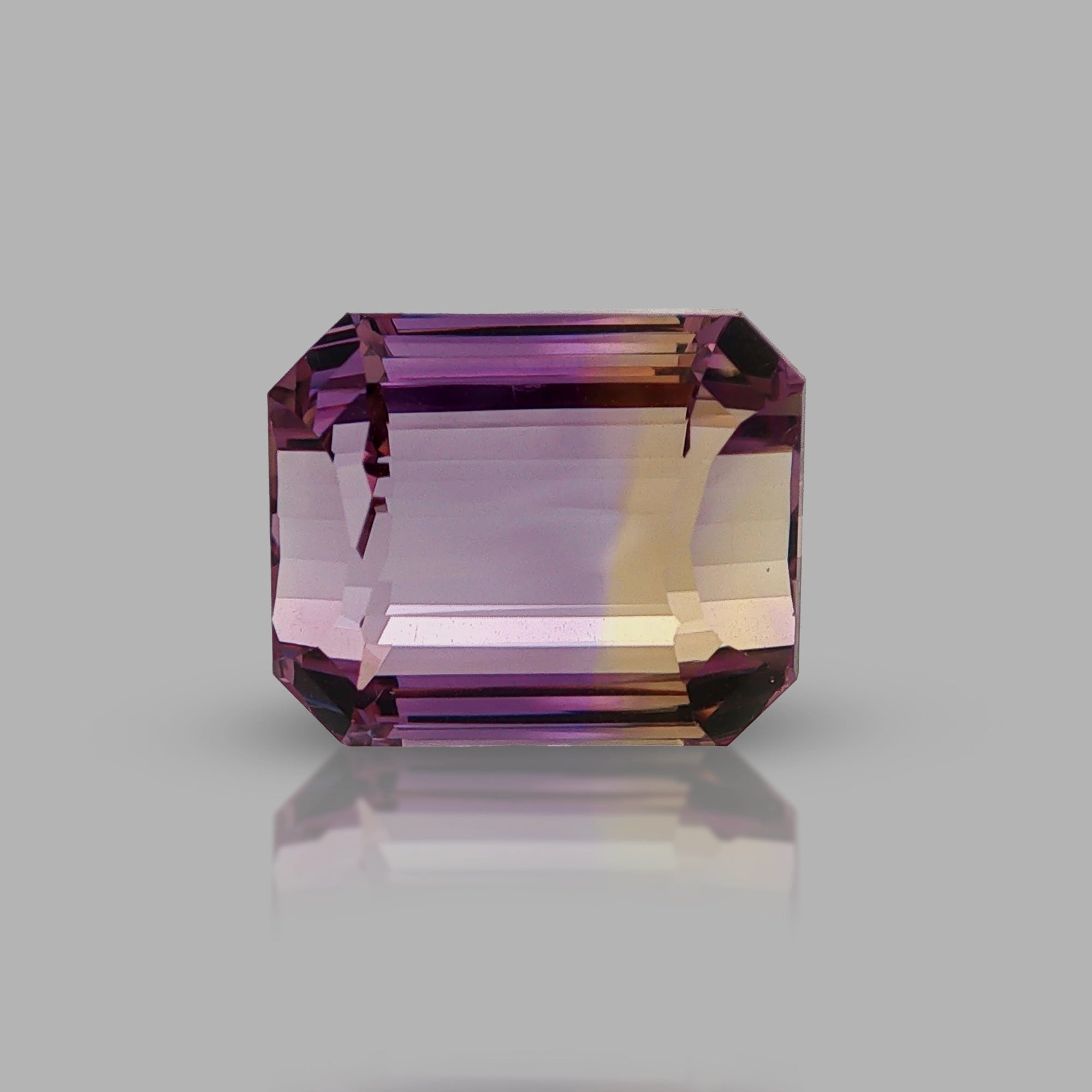
The online selection is only part of our sourcing reach.
Certain gemstones are acquired individually for clients and never appear in public collections.
Enquire about a stone you don’t see hereFrequently Asked Questions
What is ametrine?
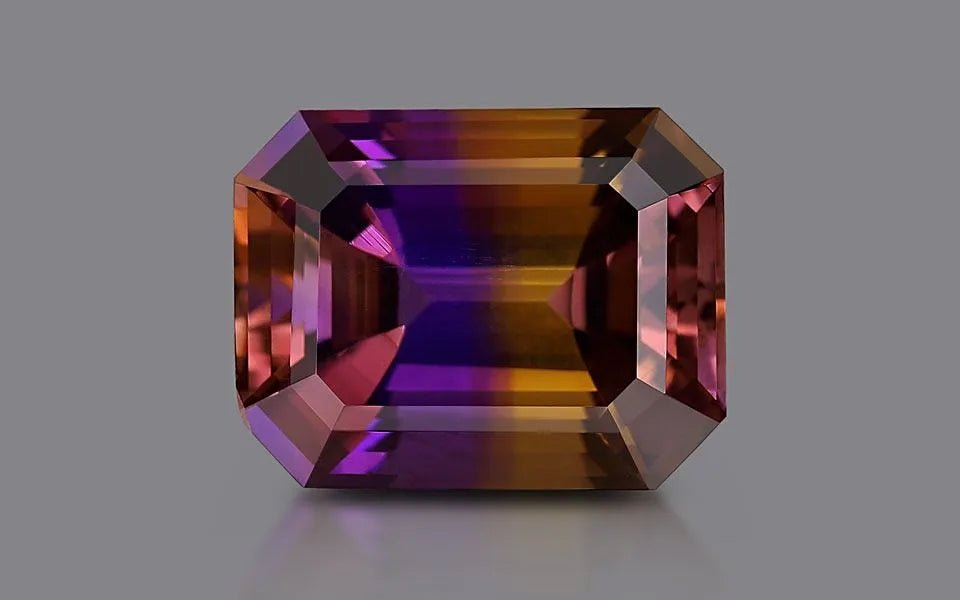
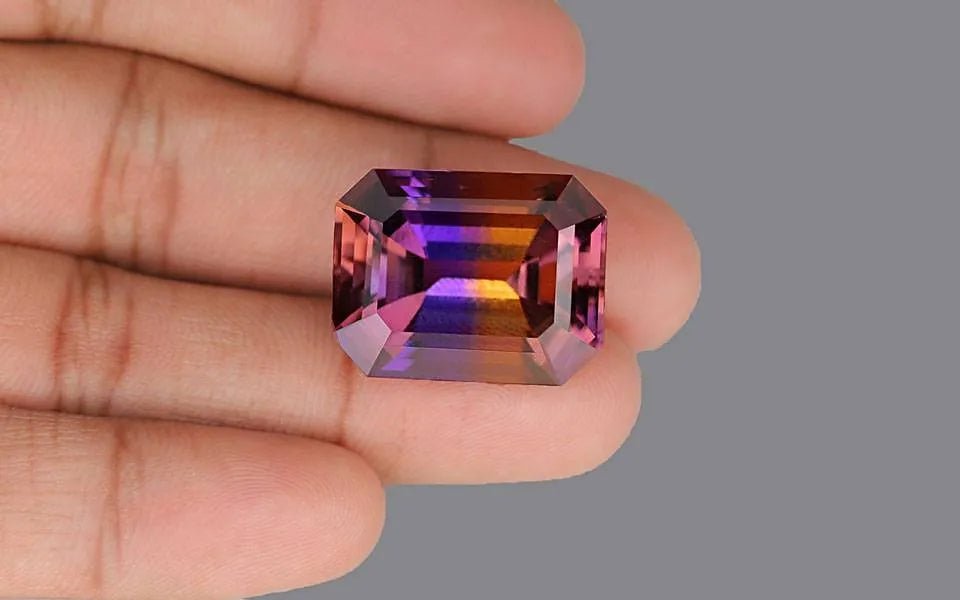
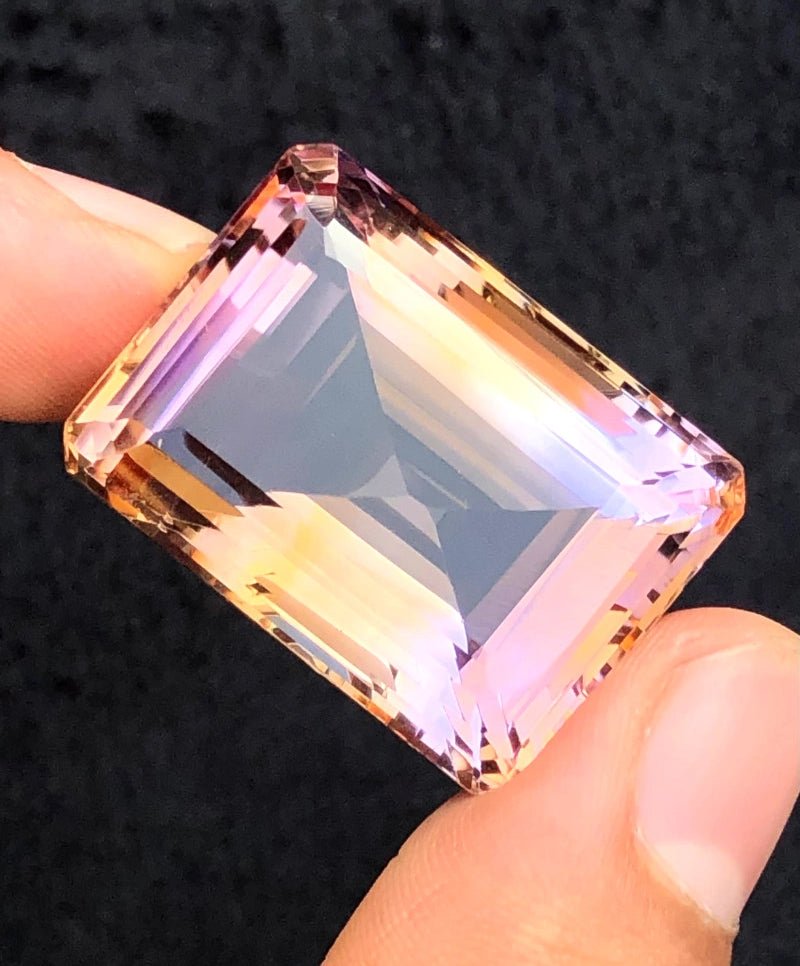
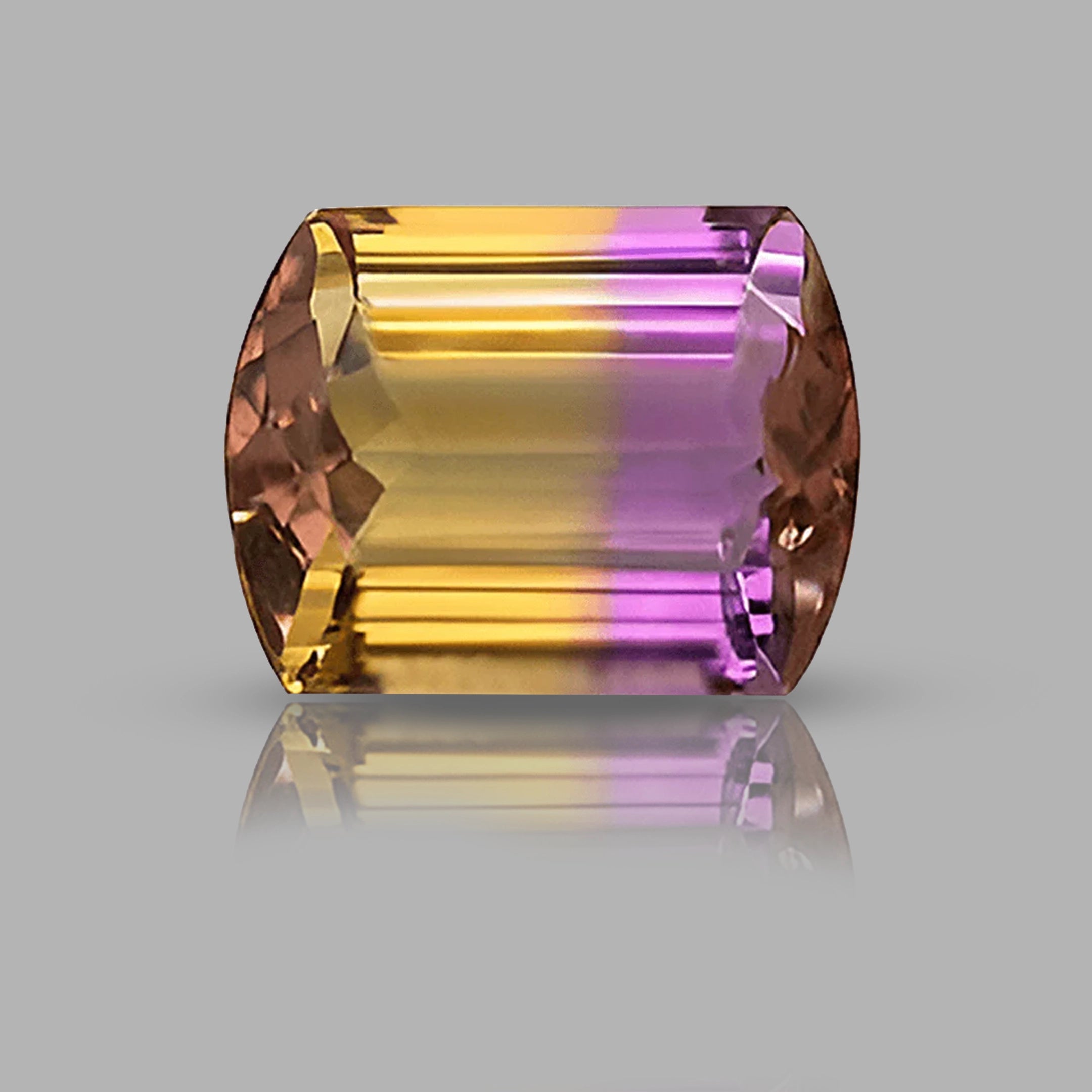
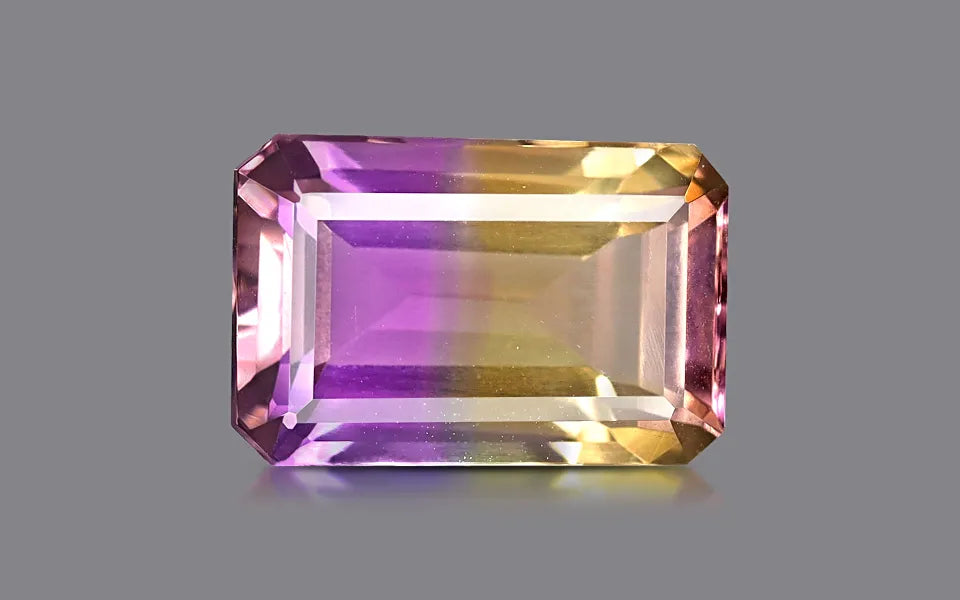
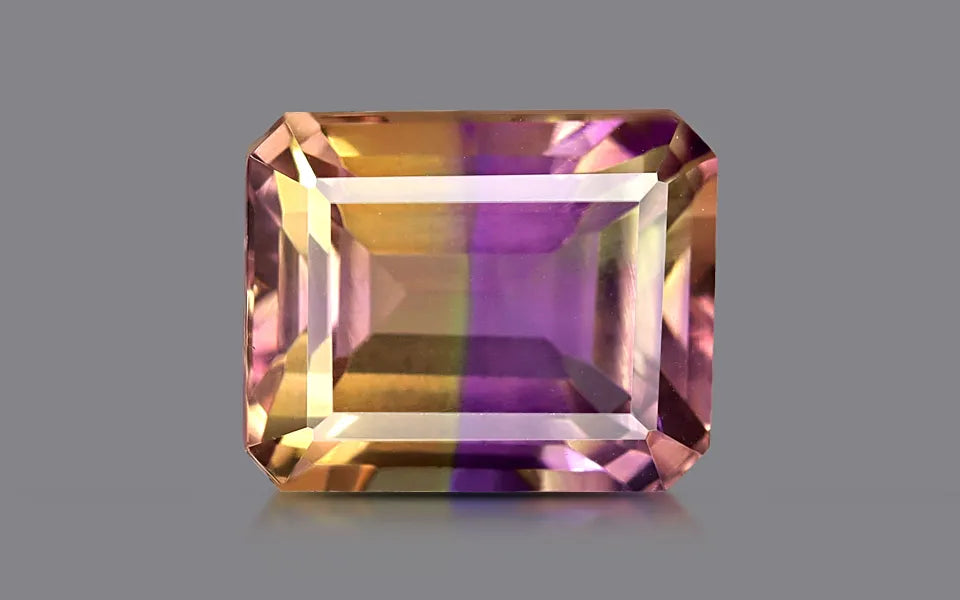
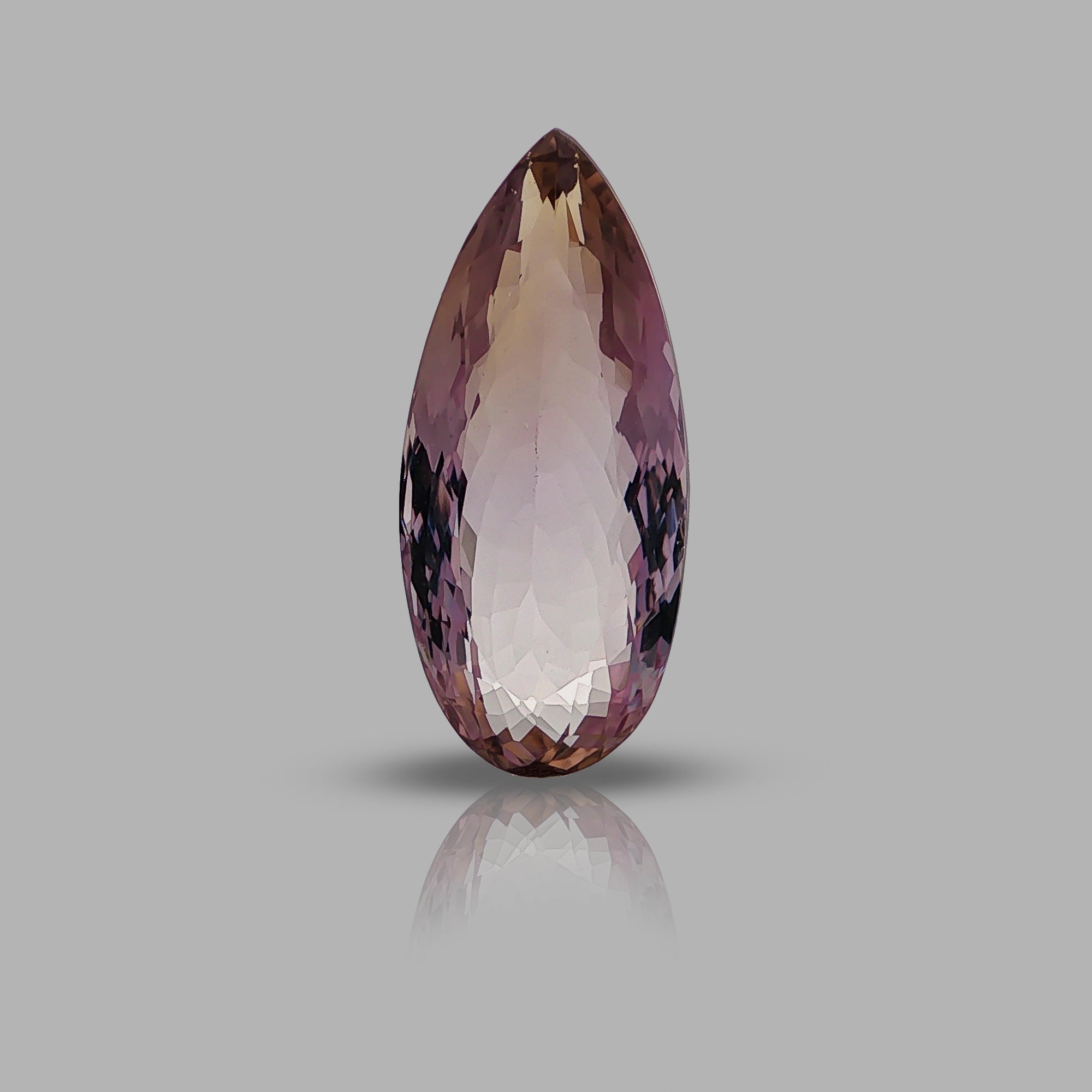
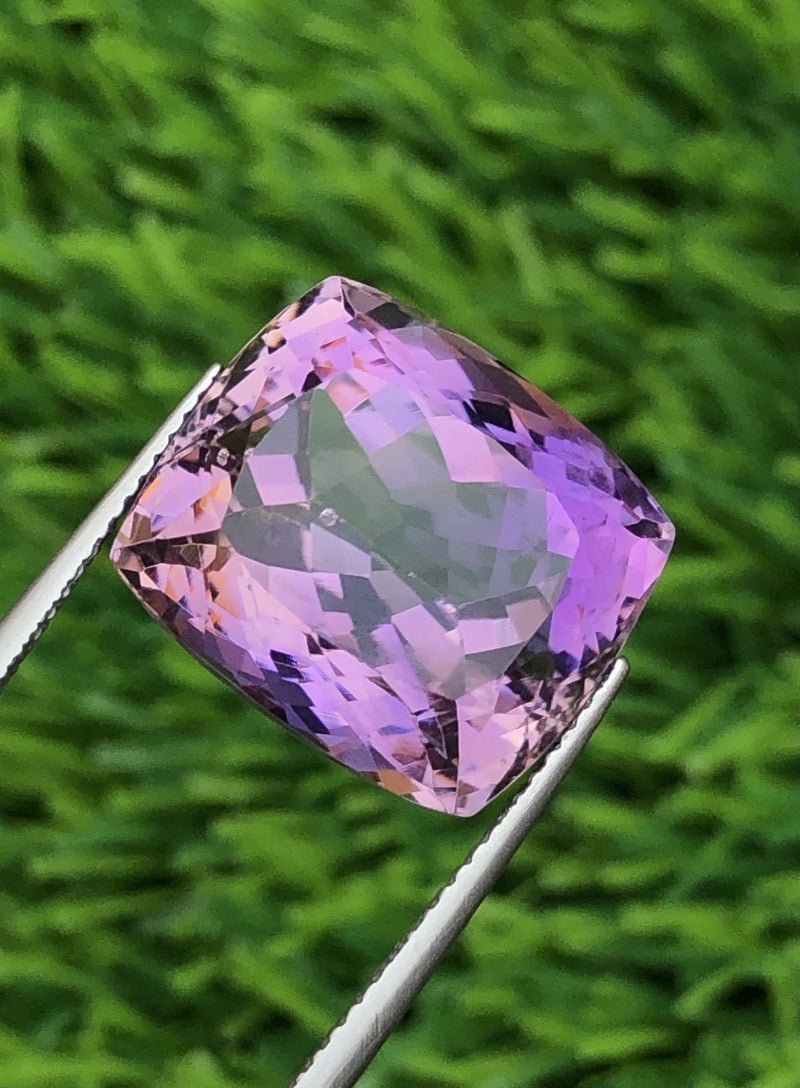
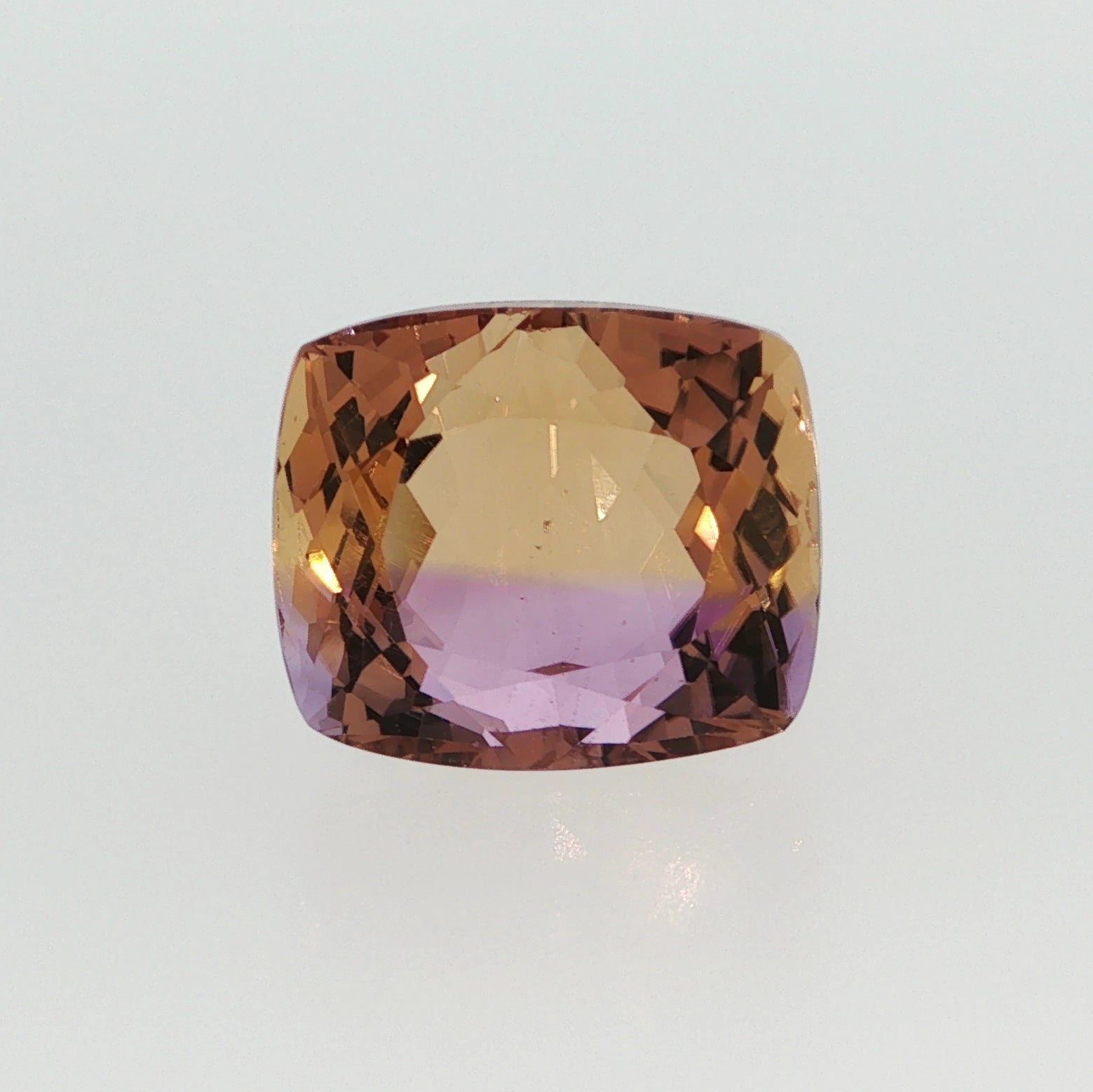
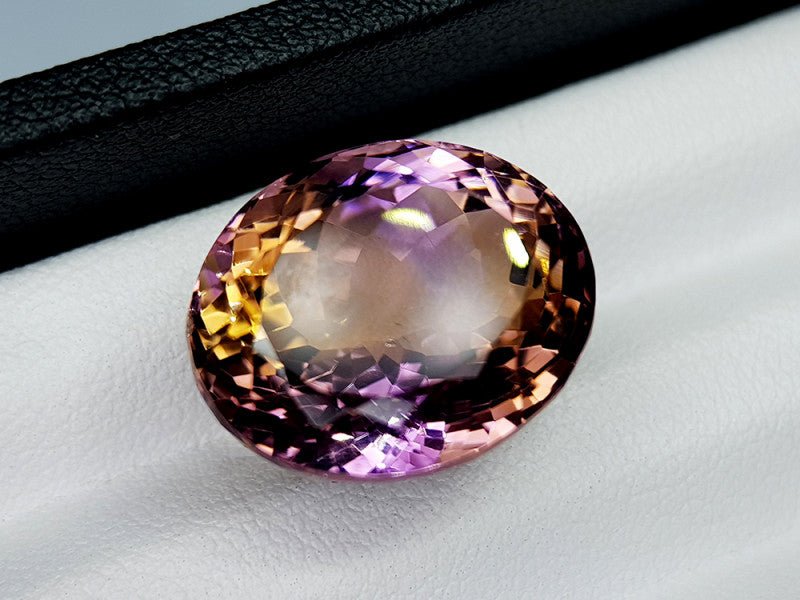
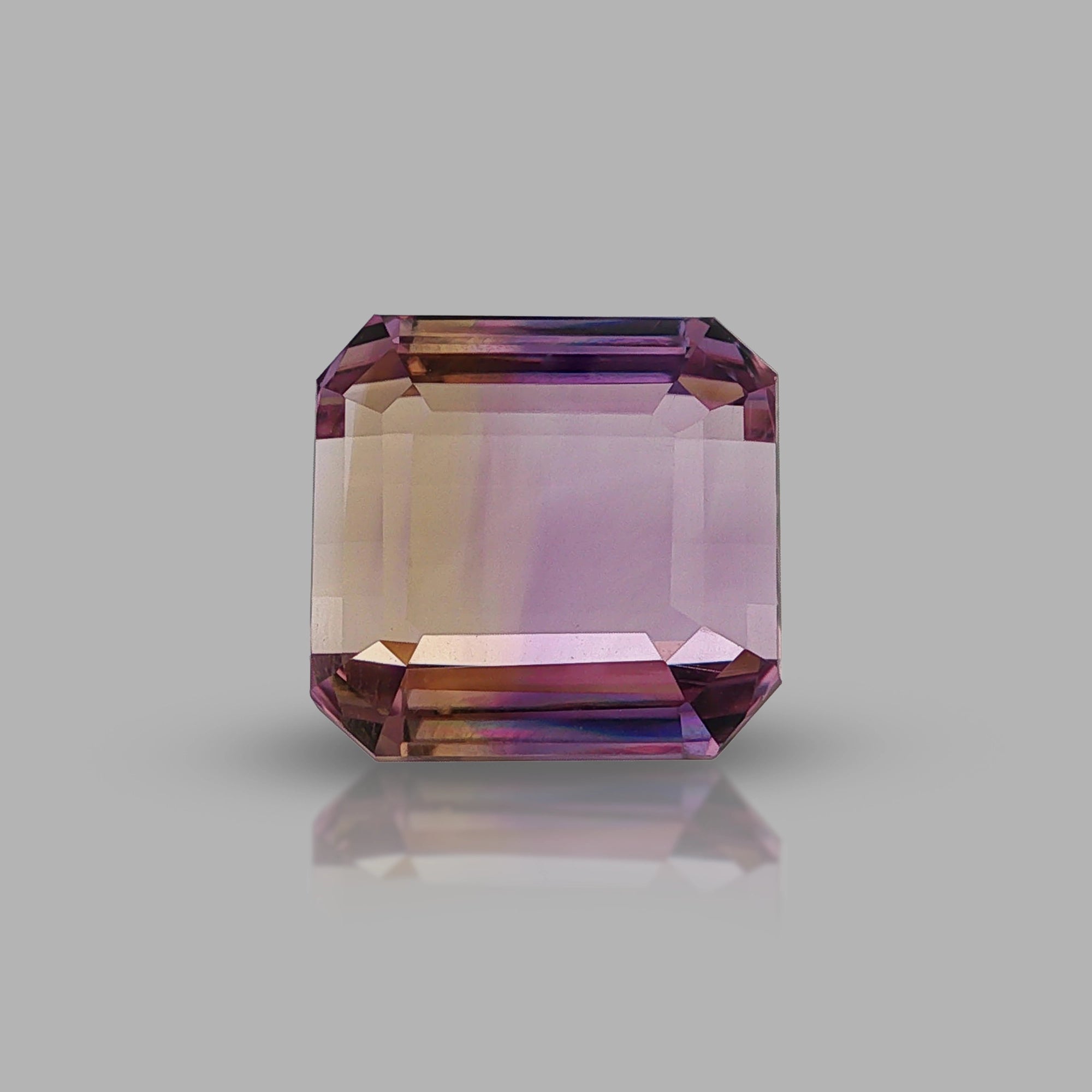
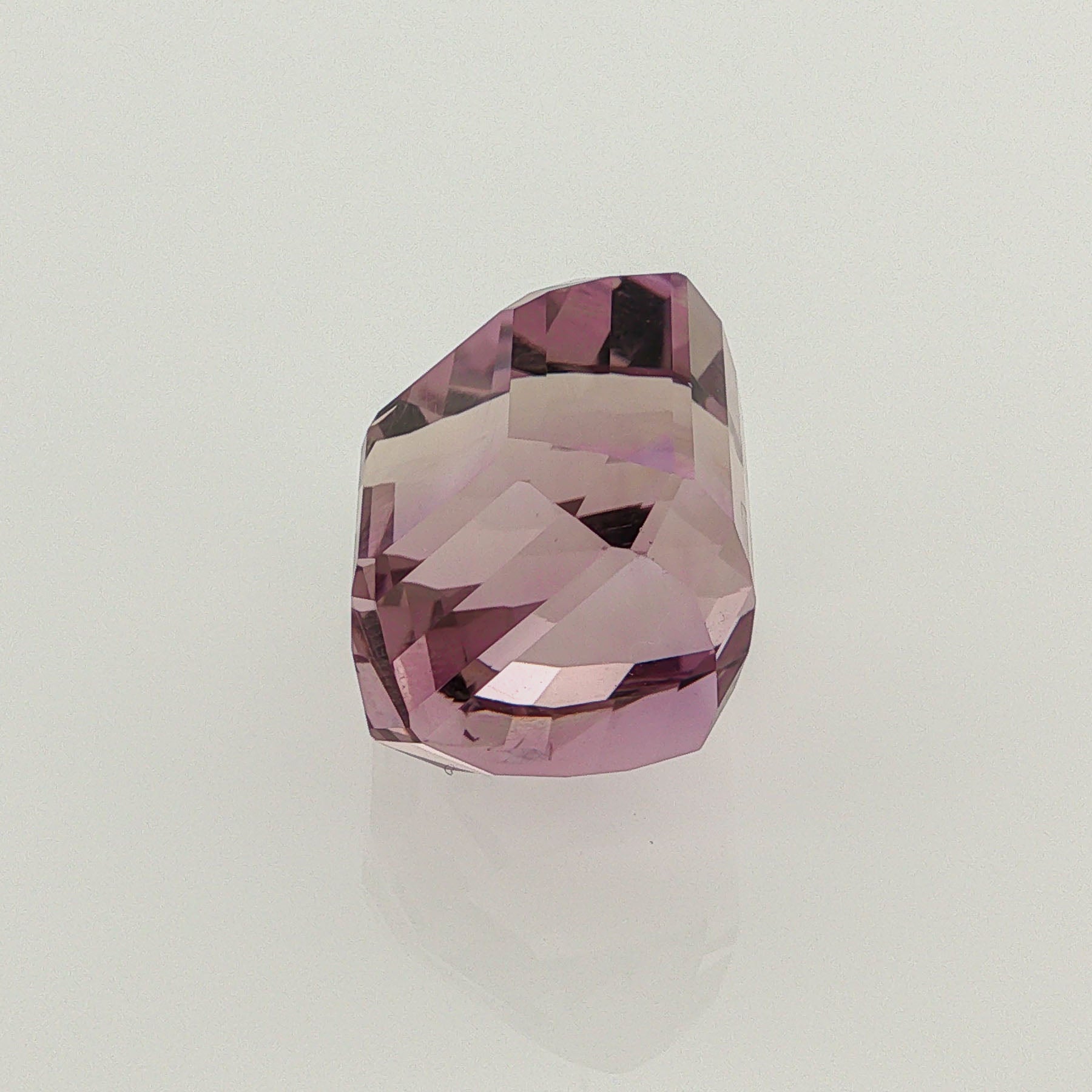
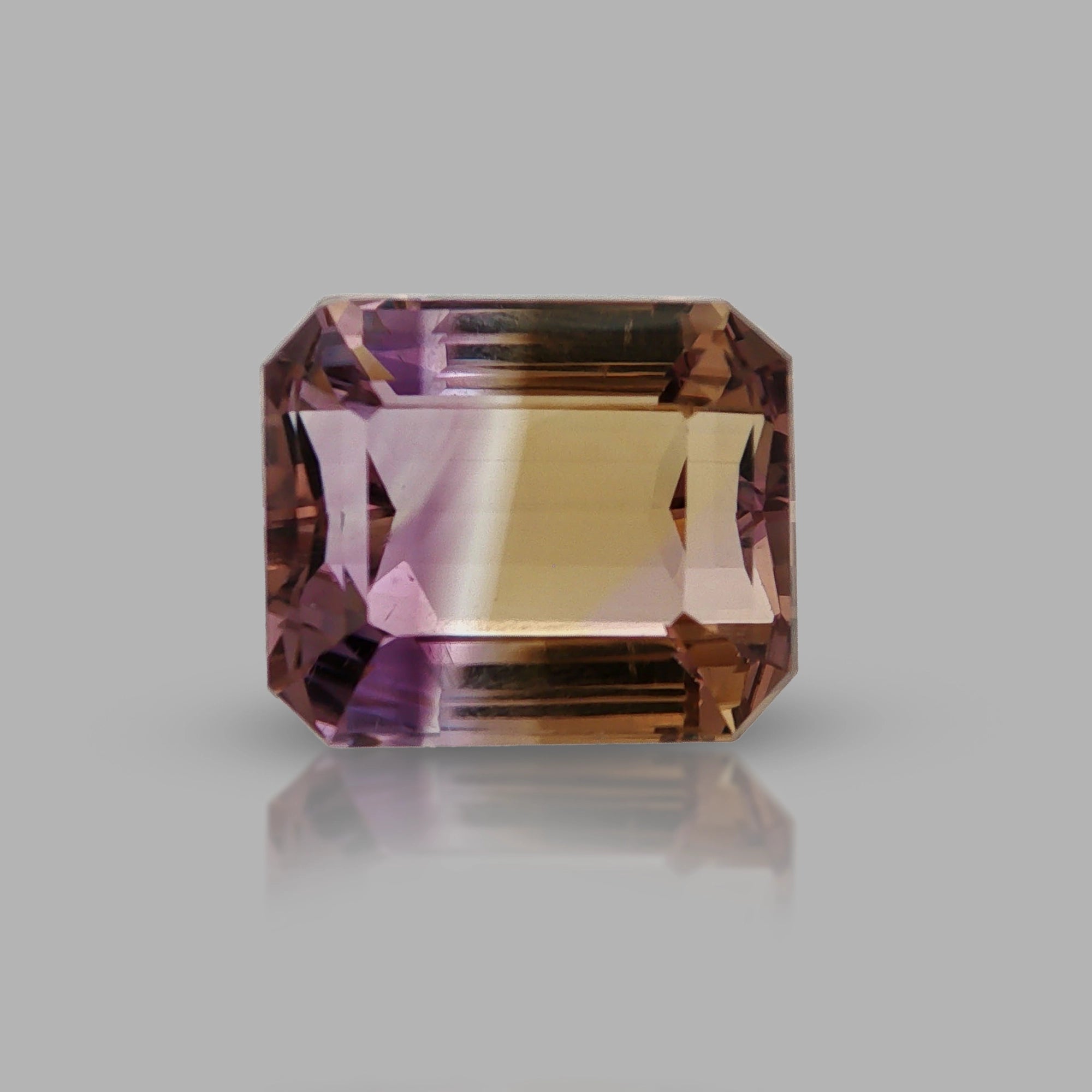
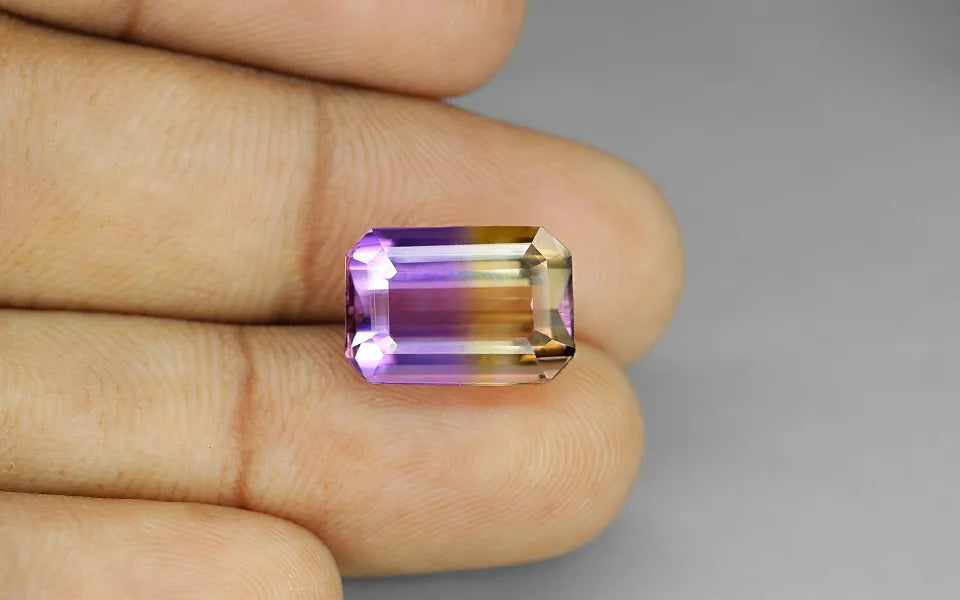
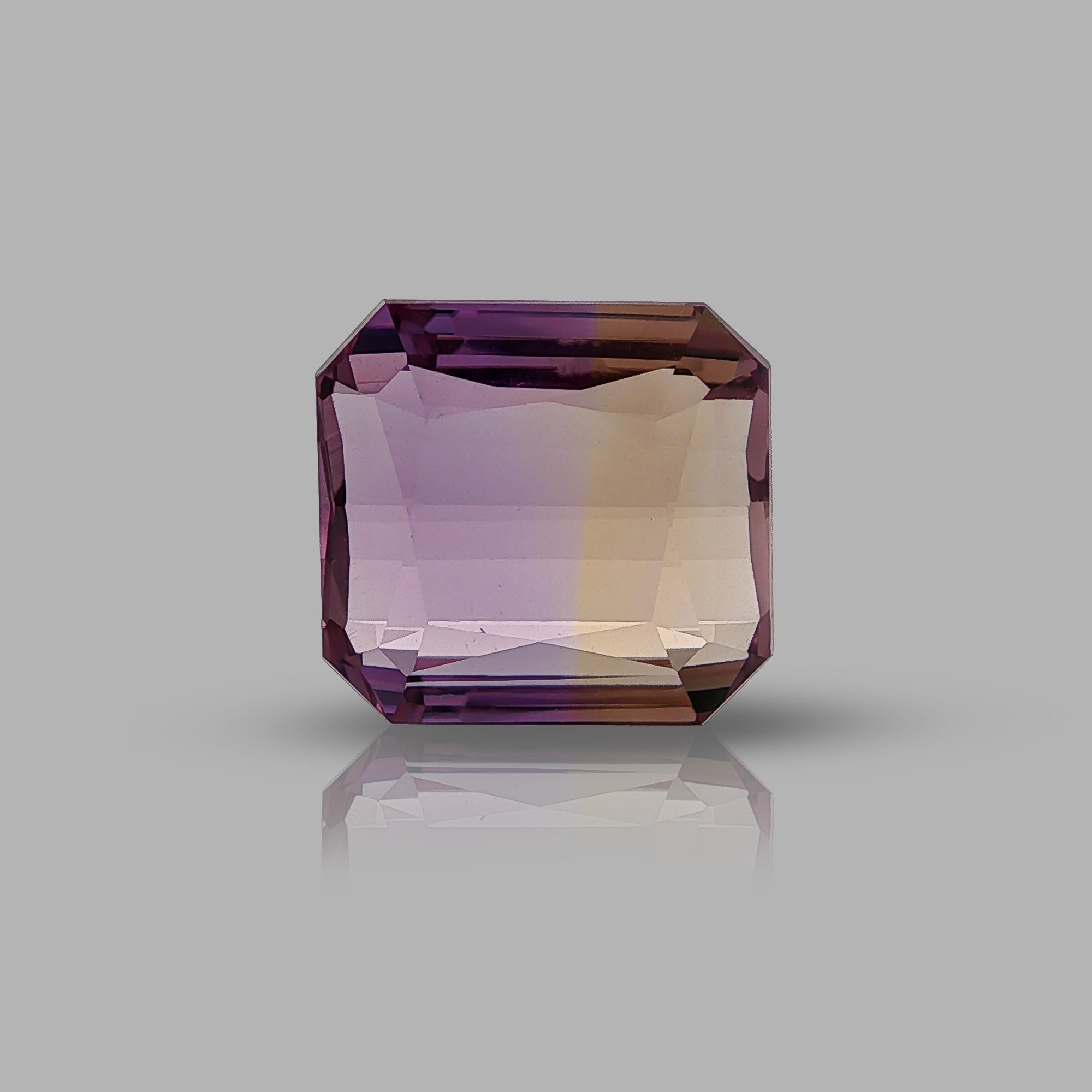
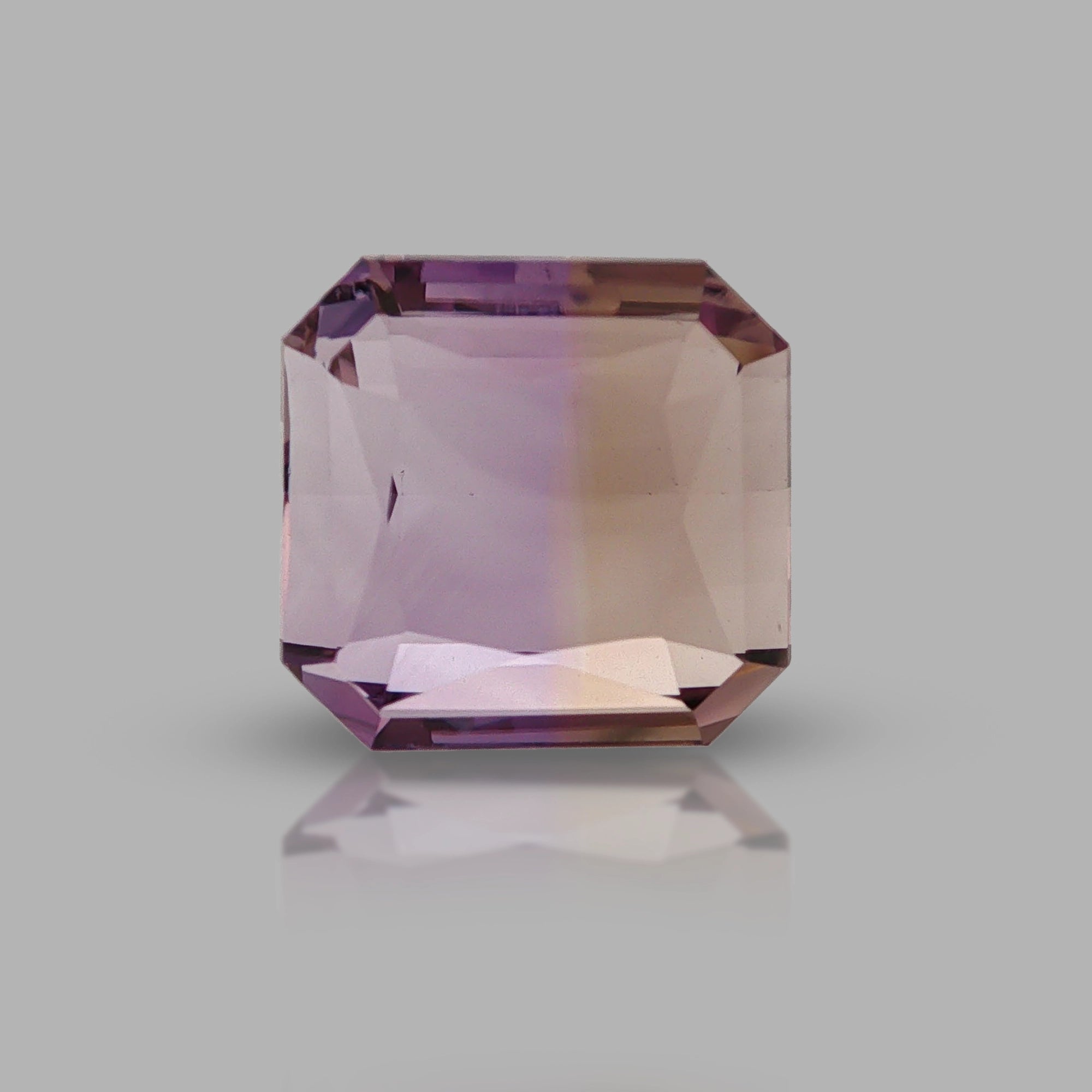
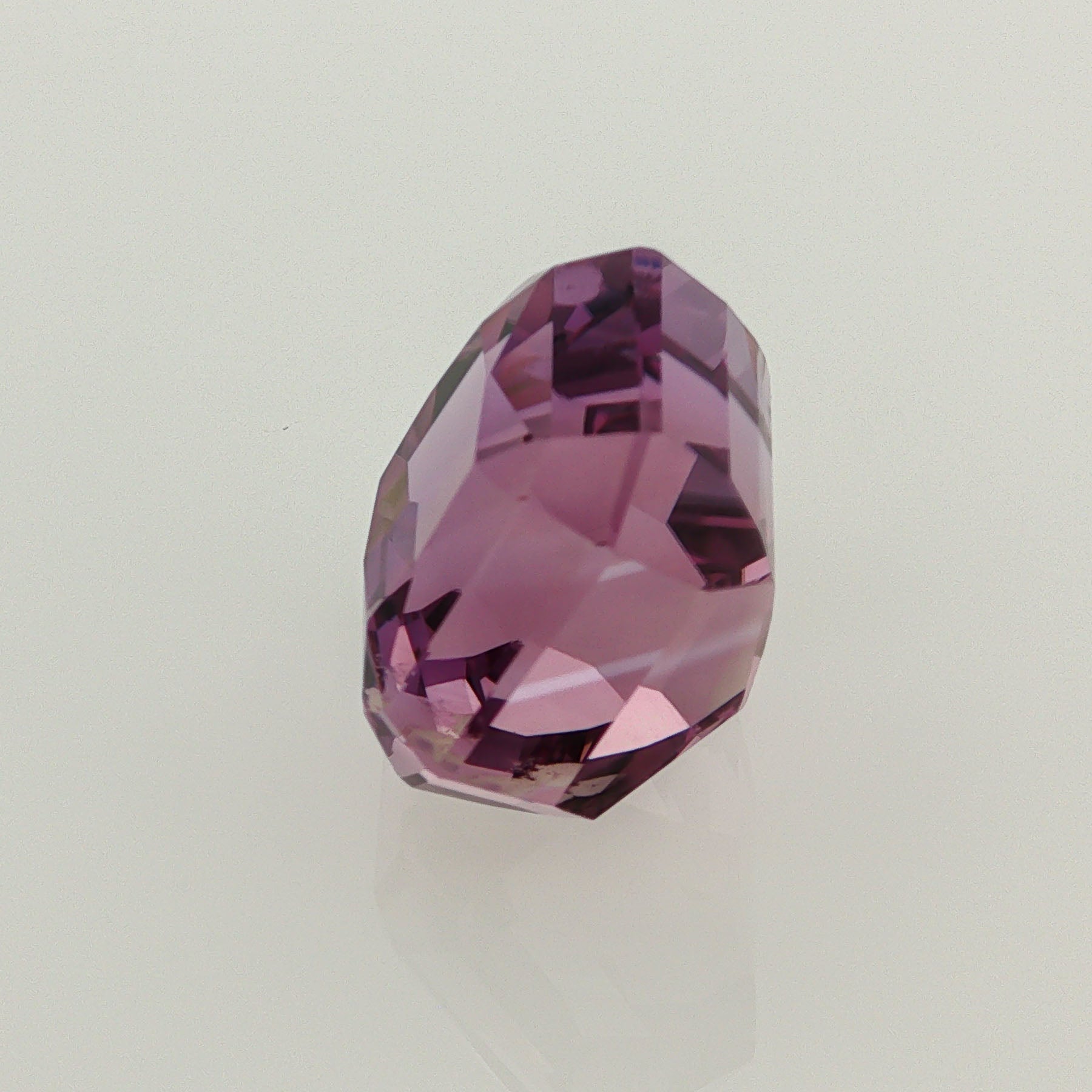
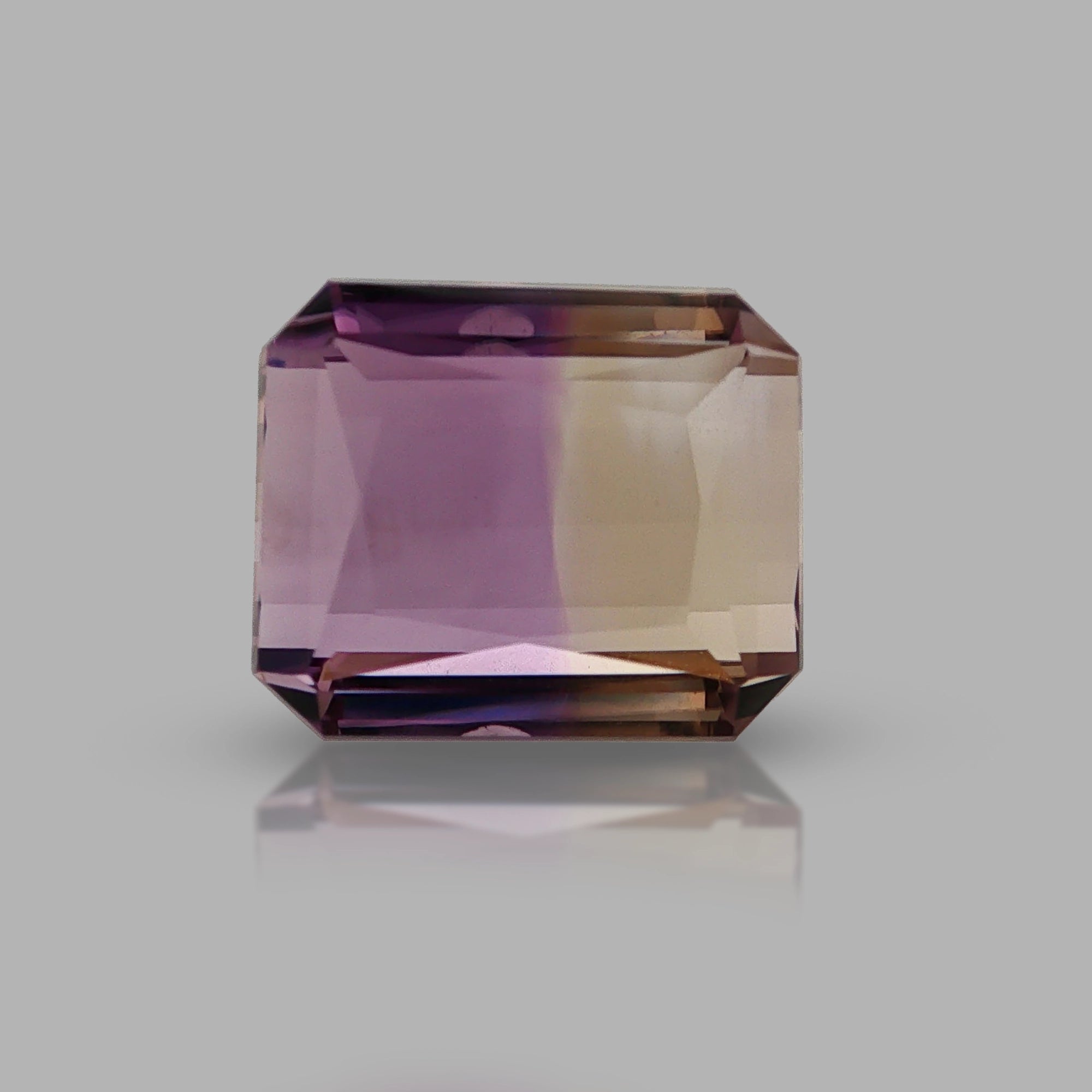
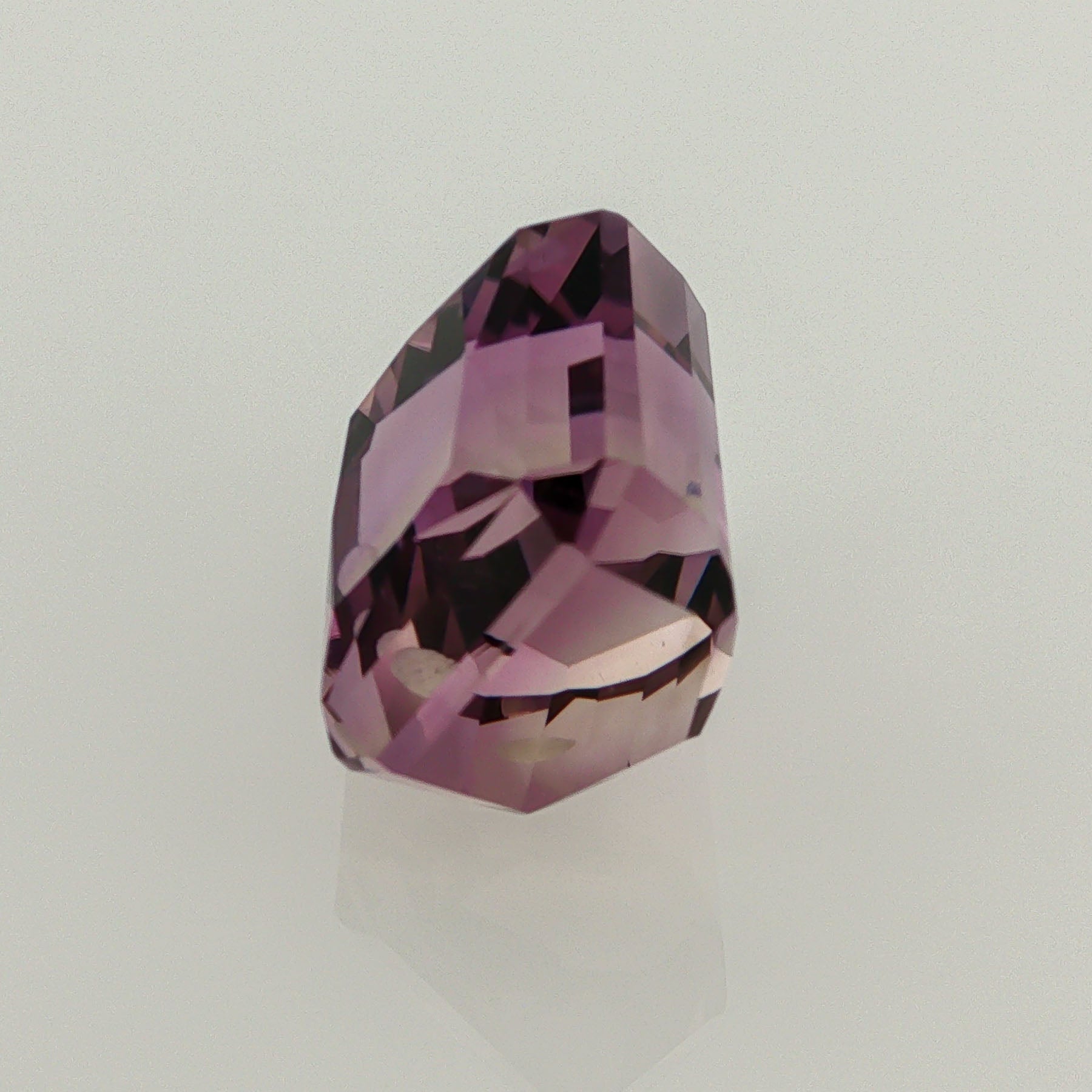
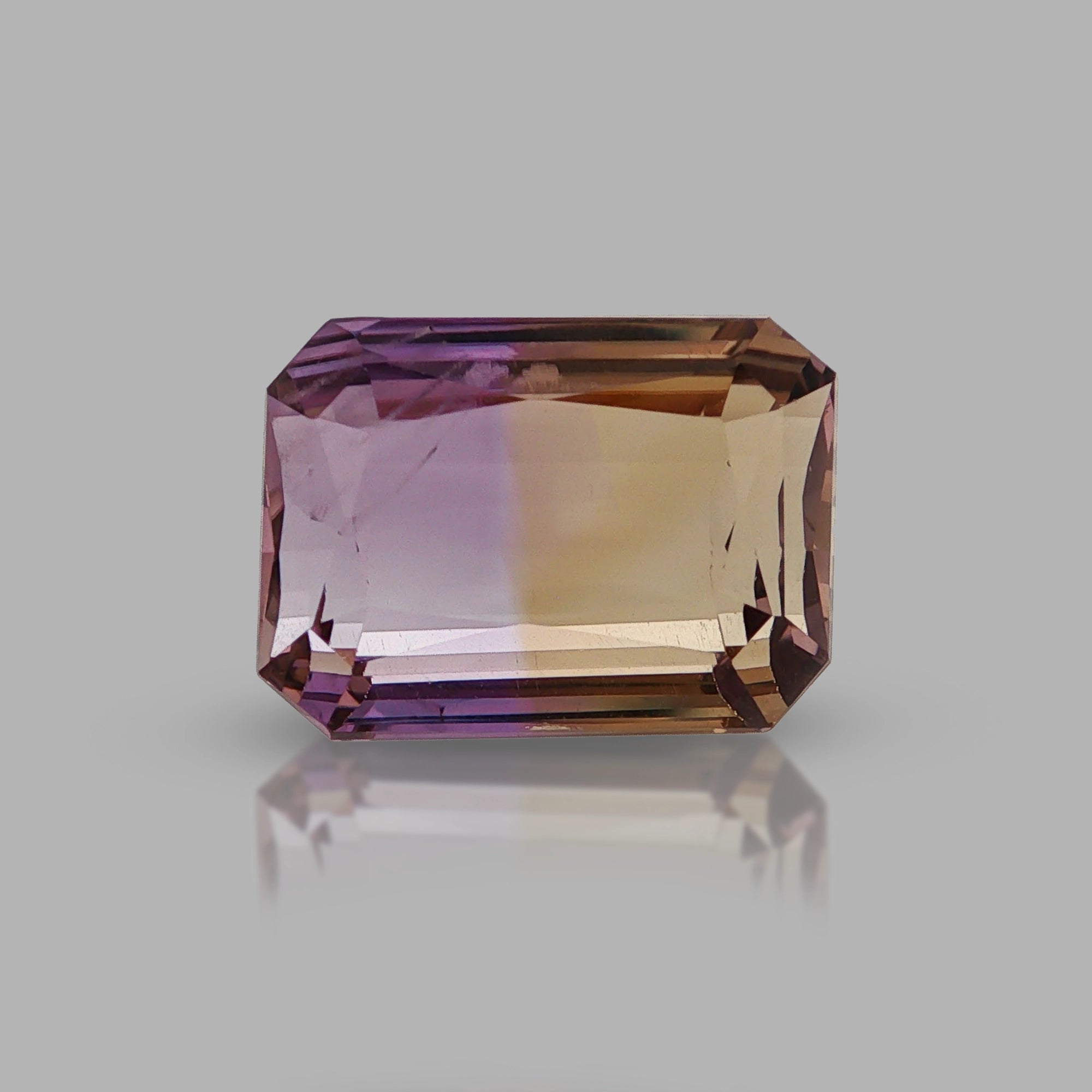
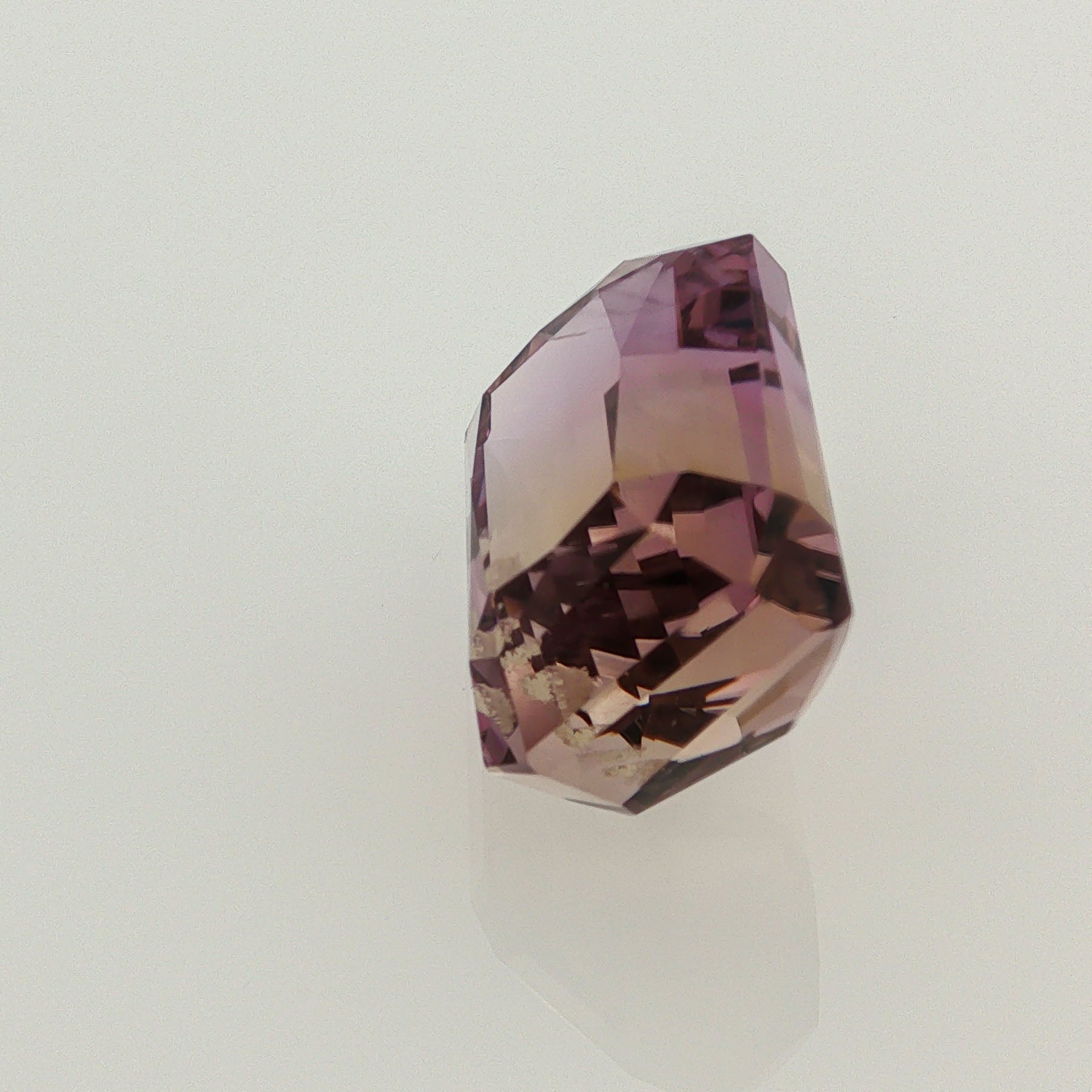
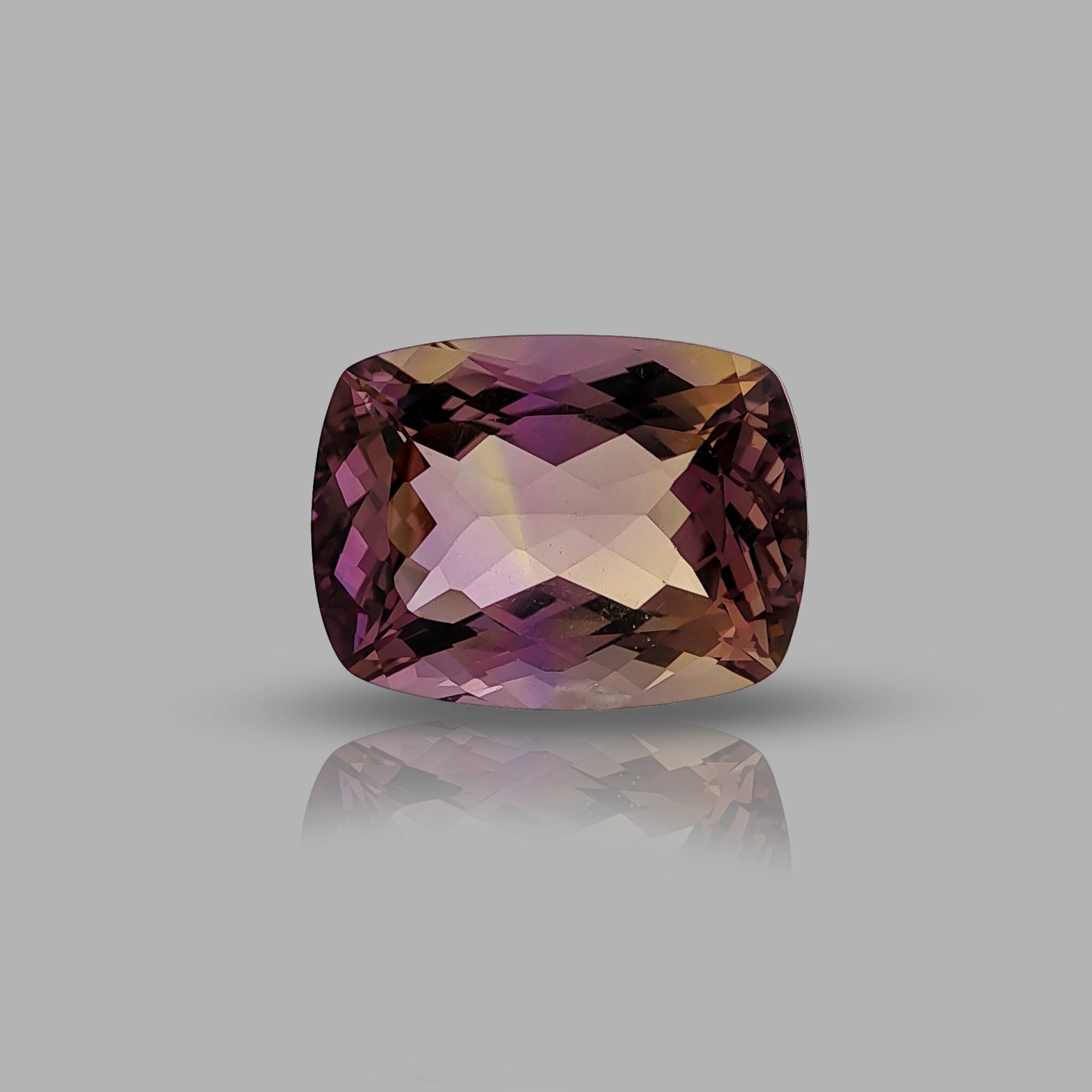
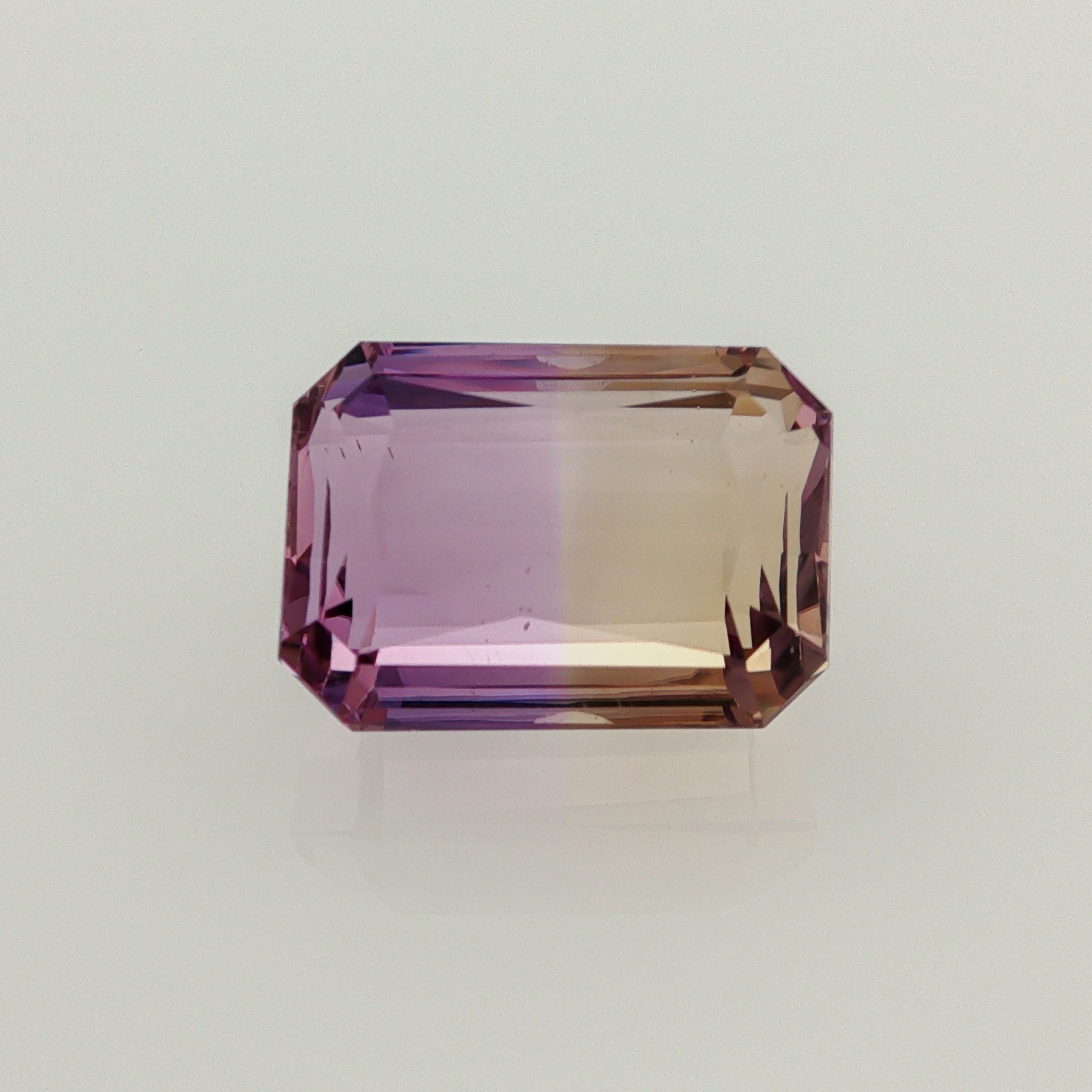
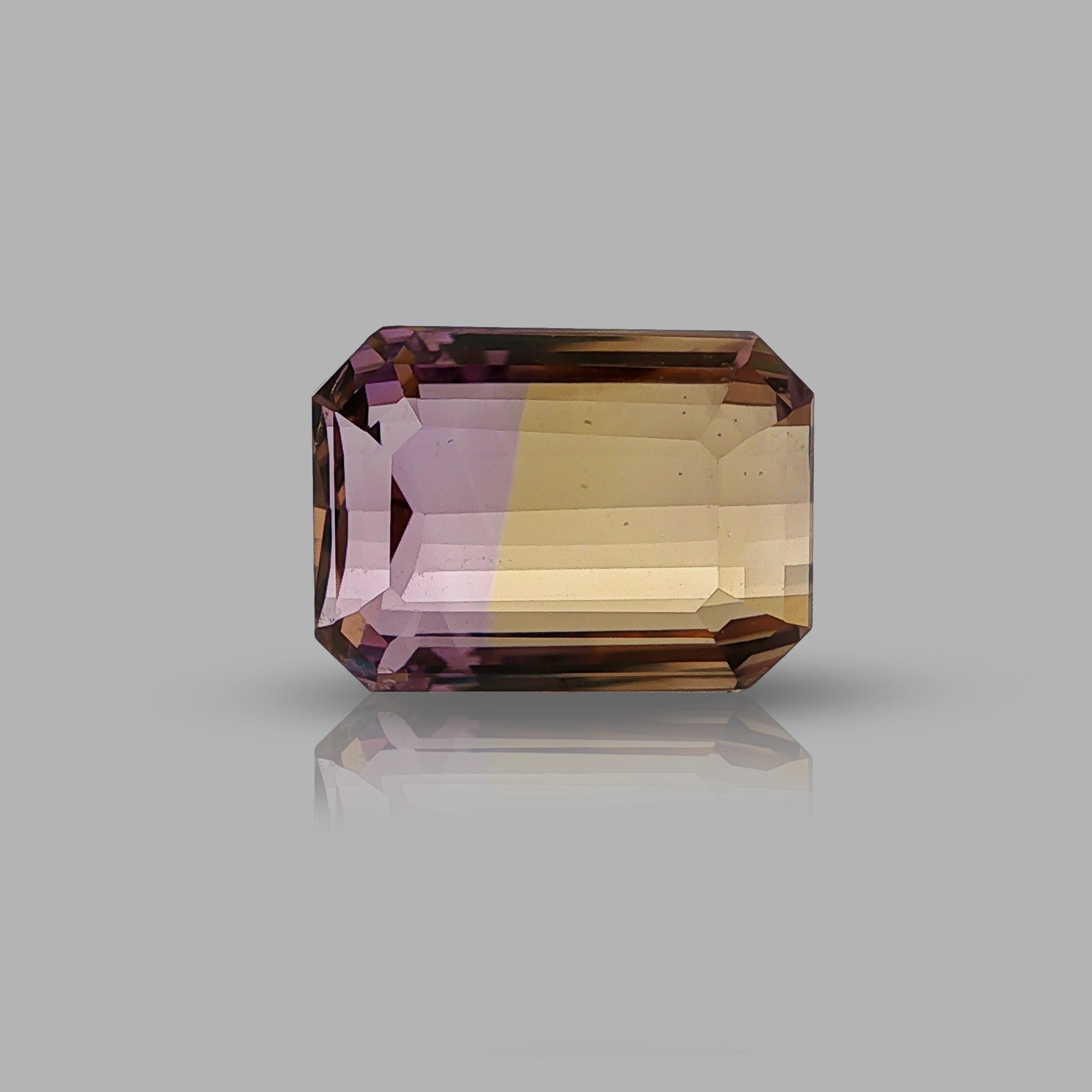
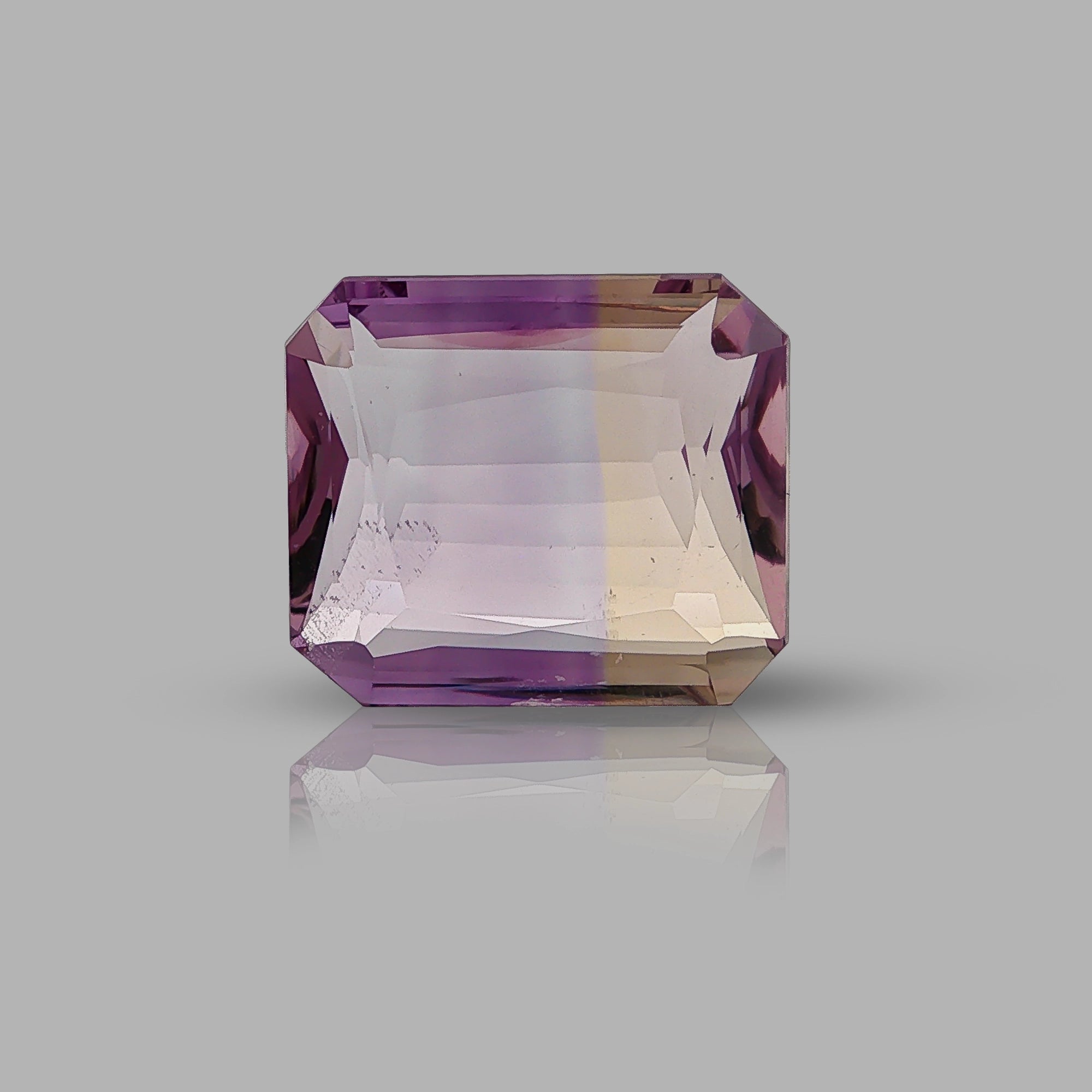
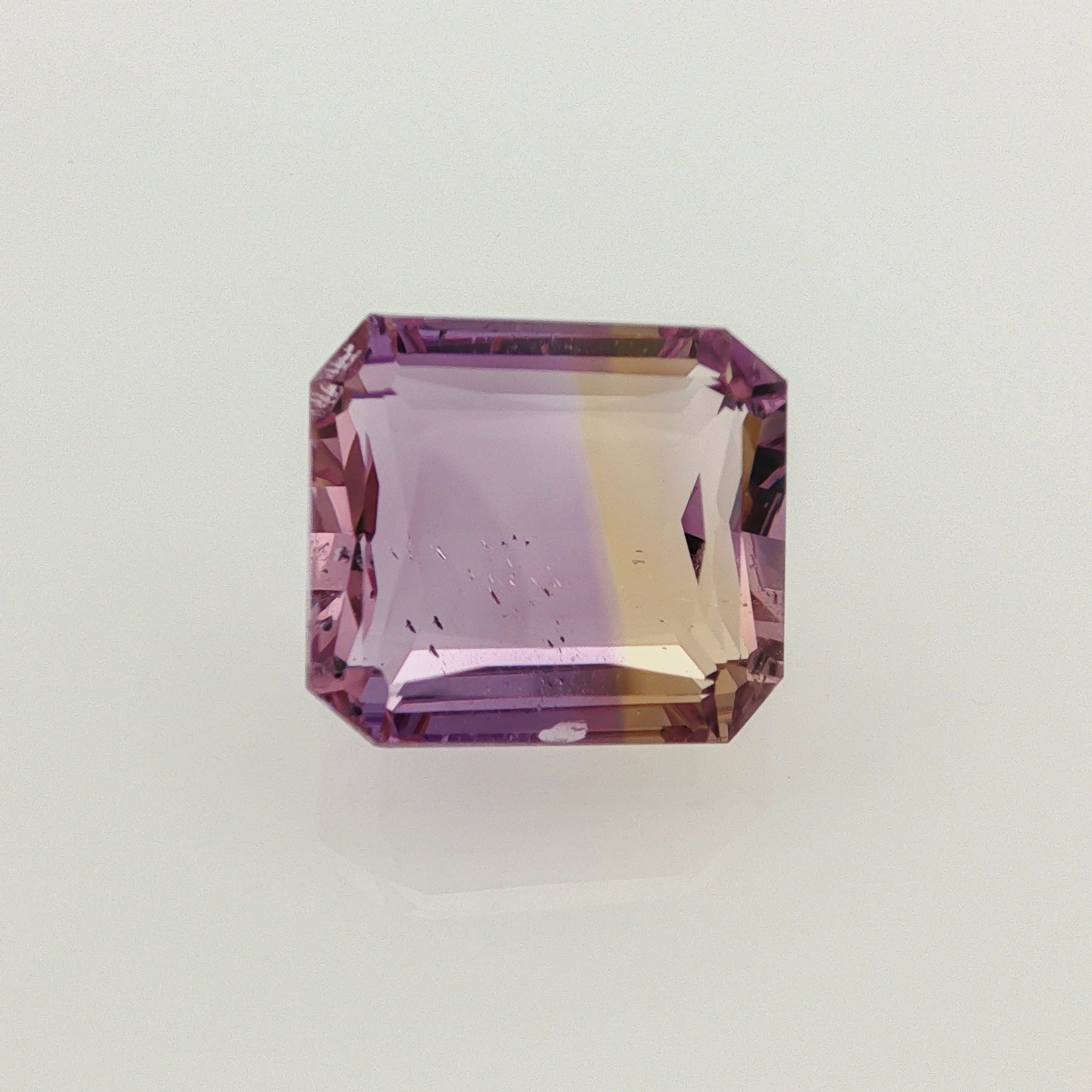
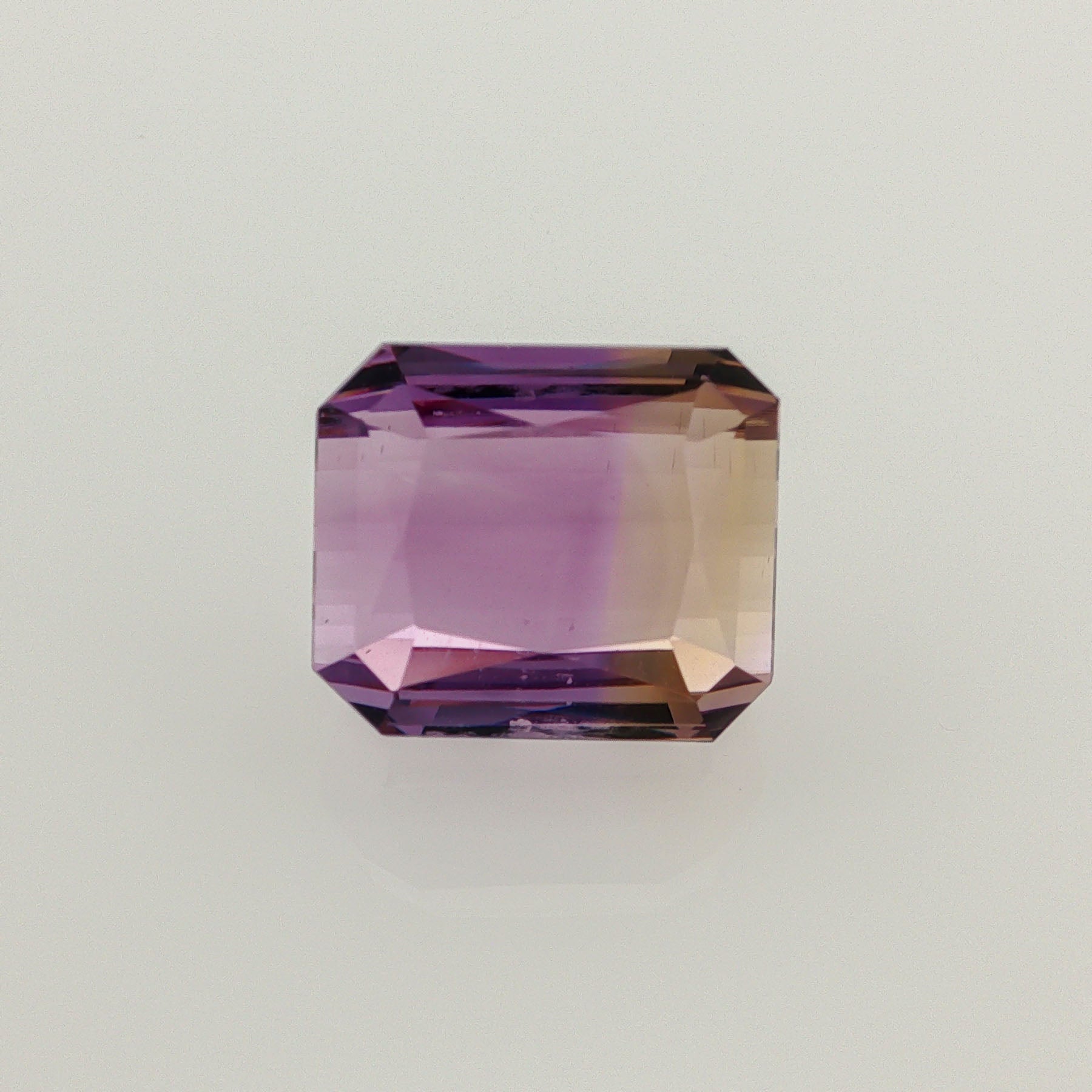
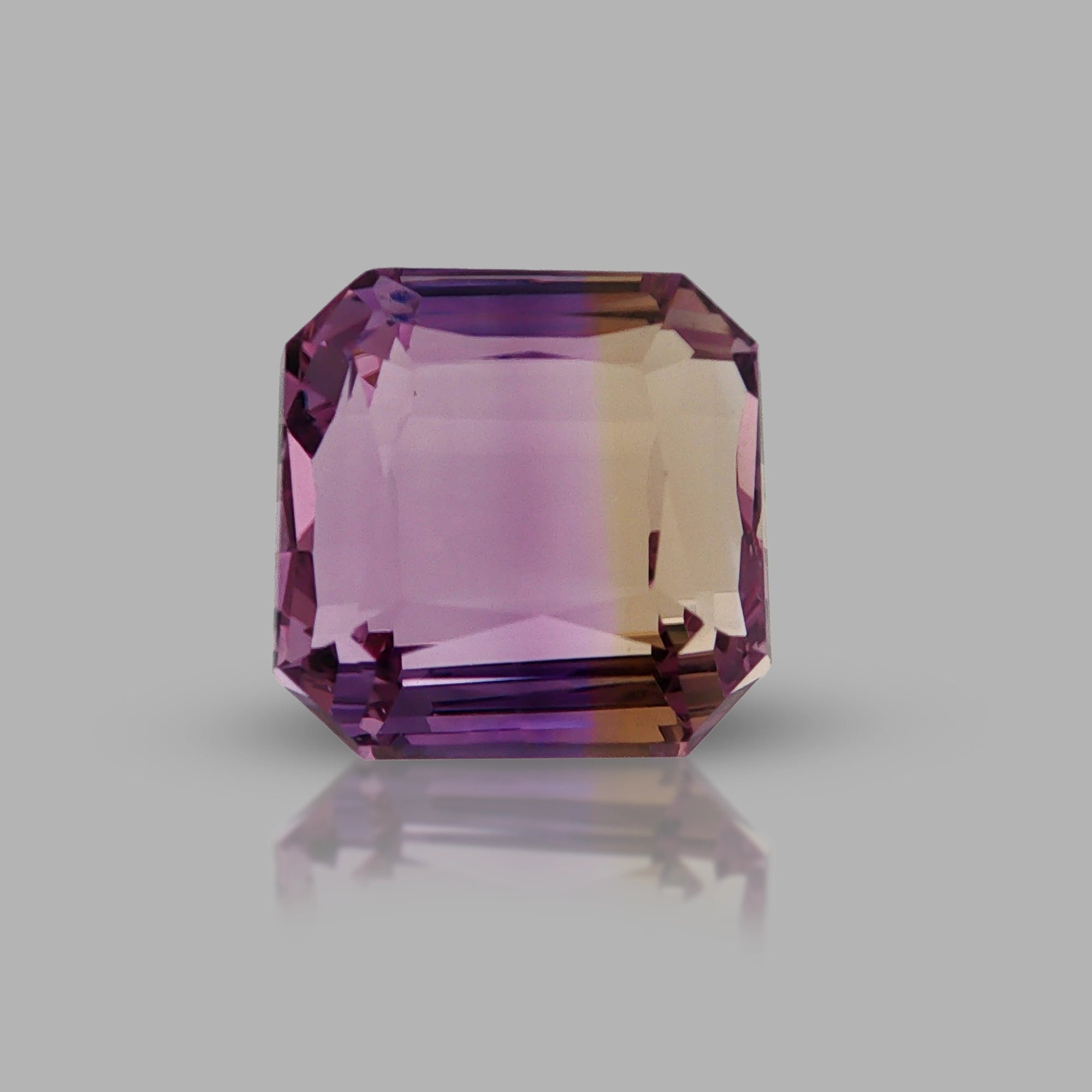
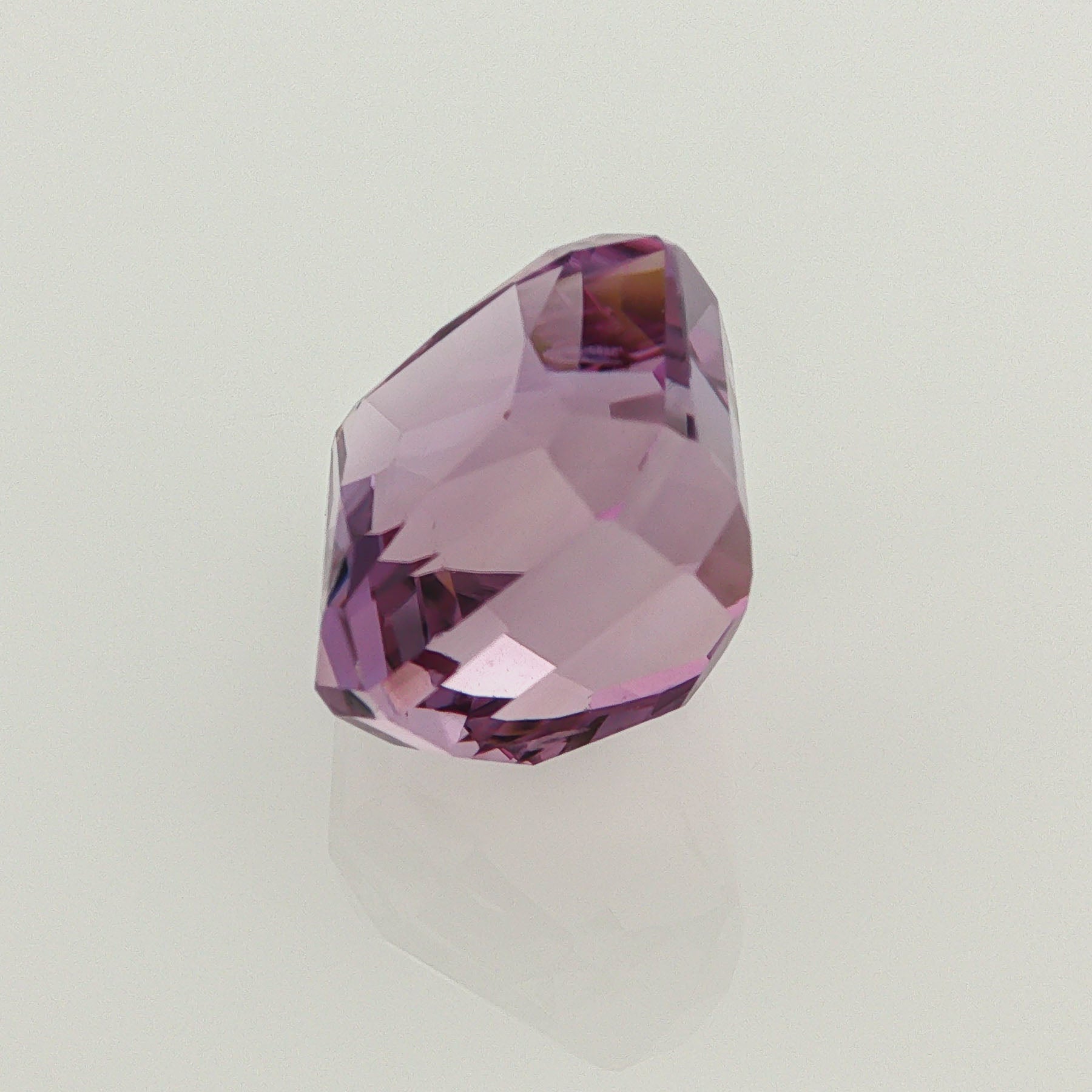
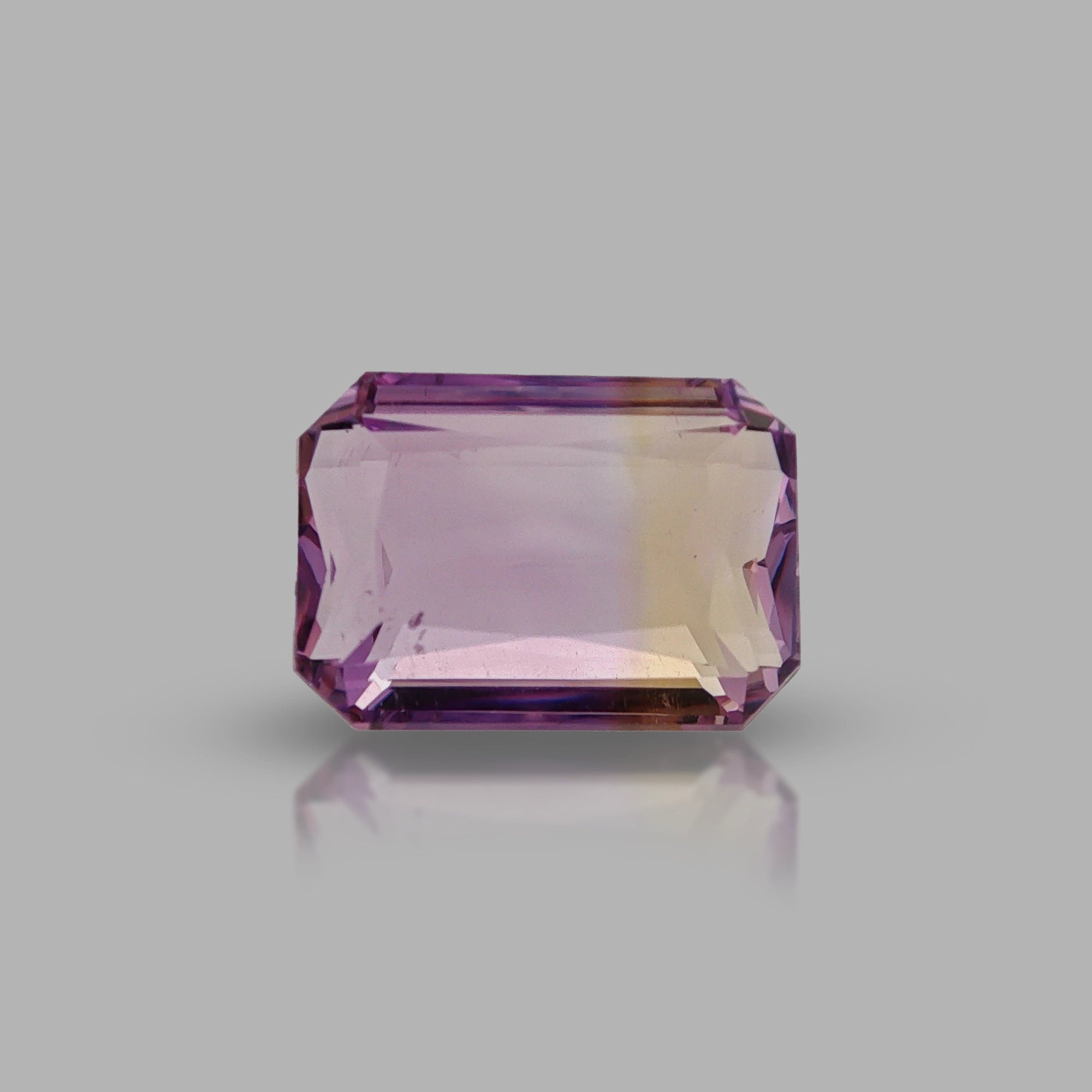
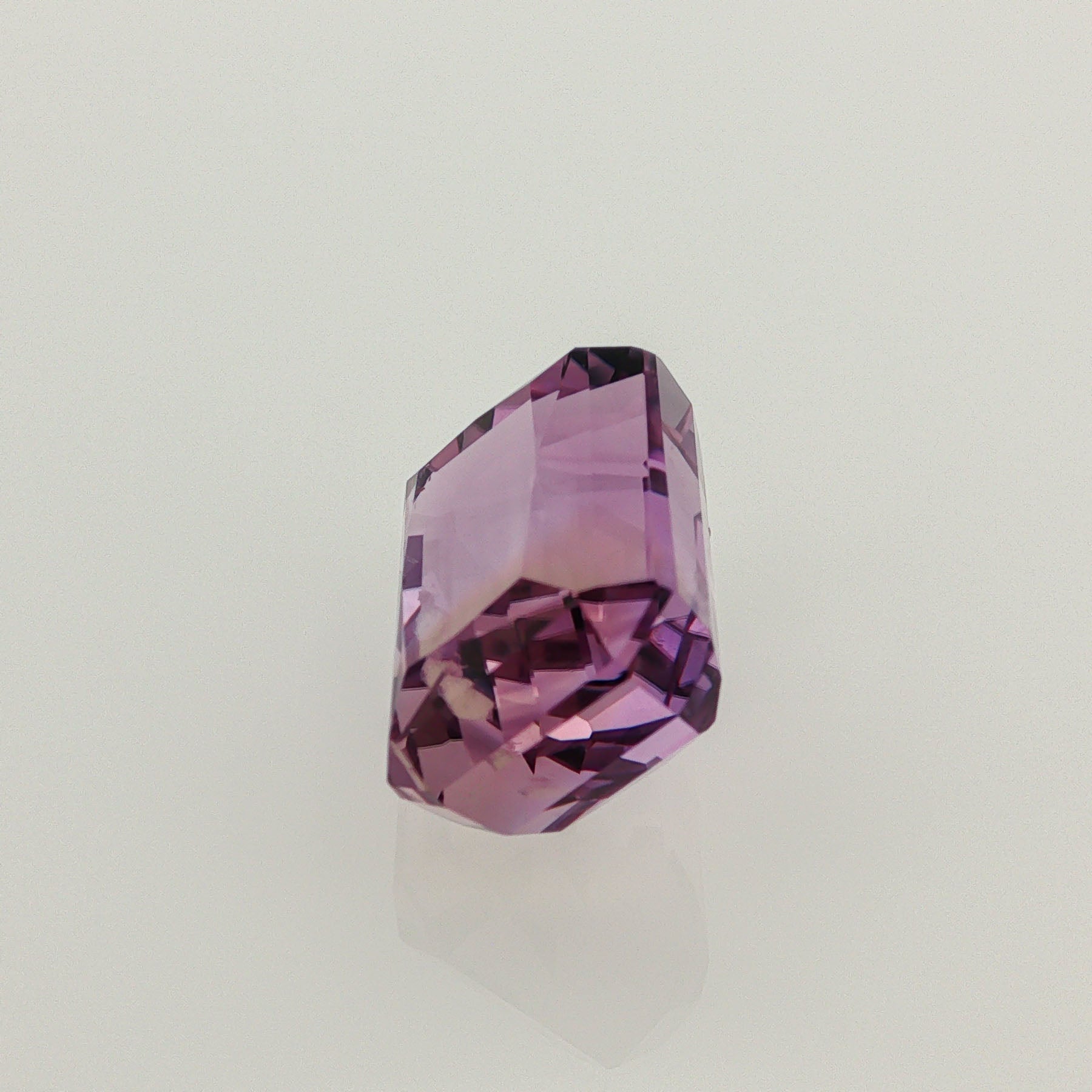
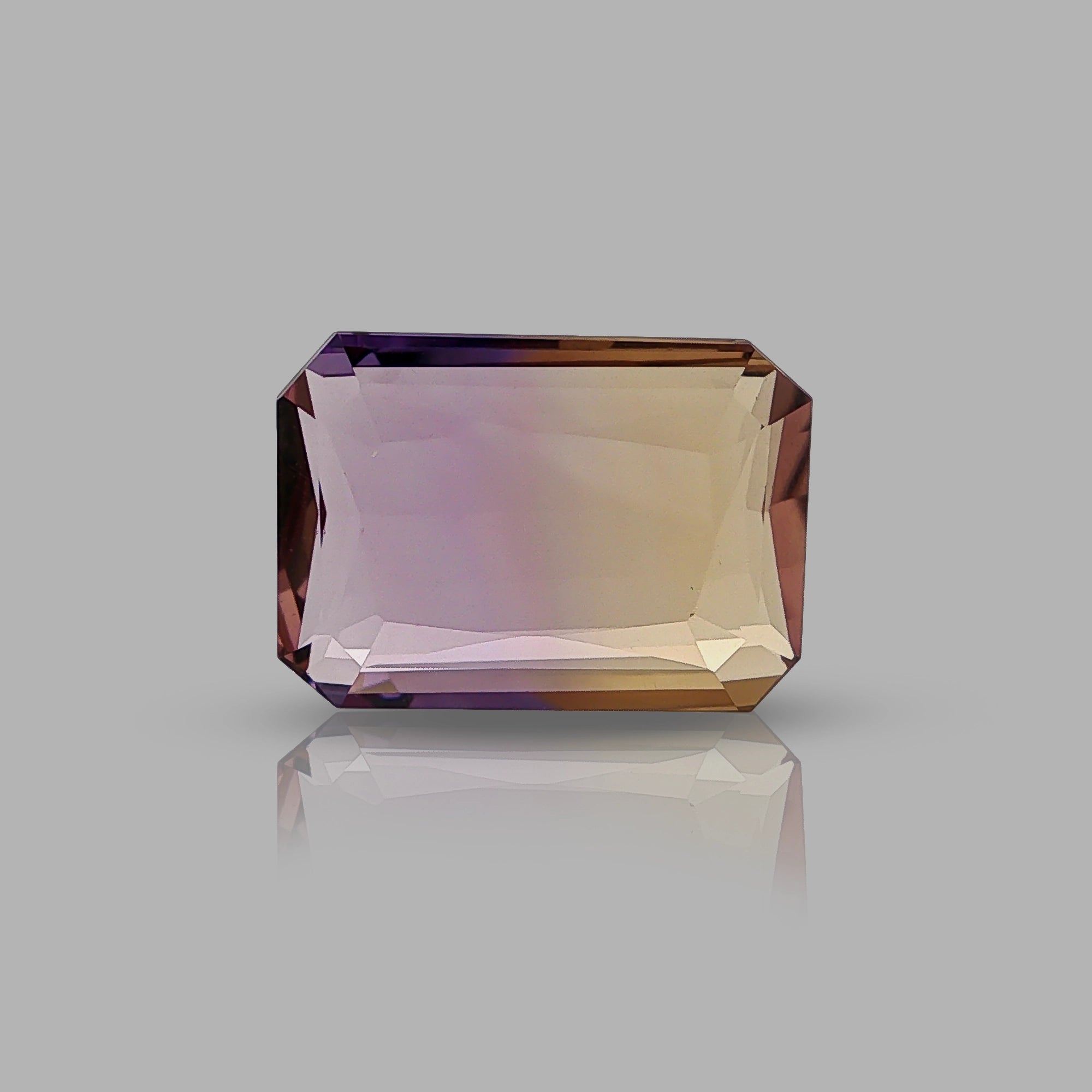
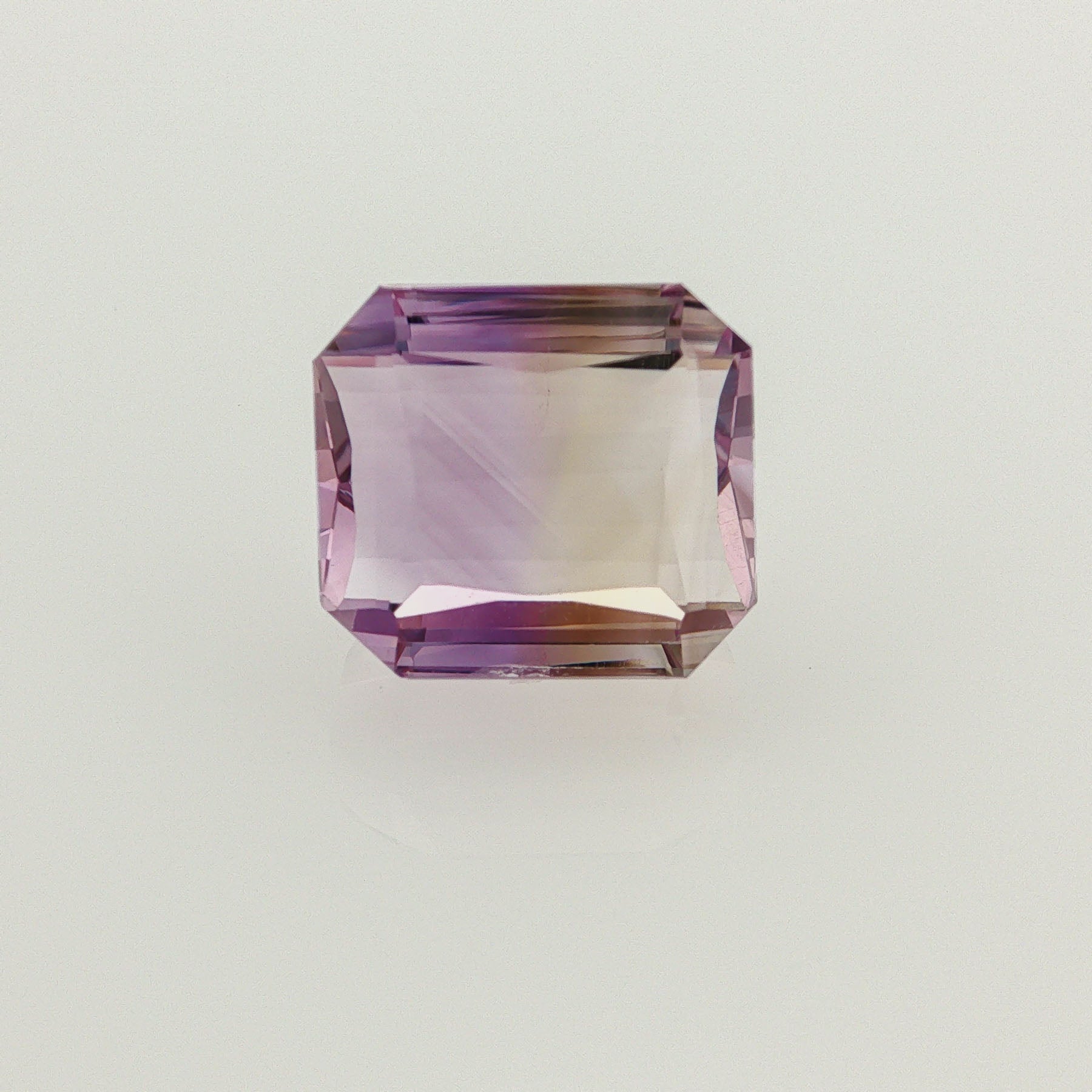
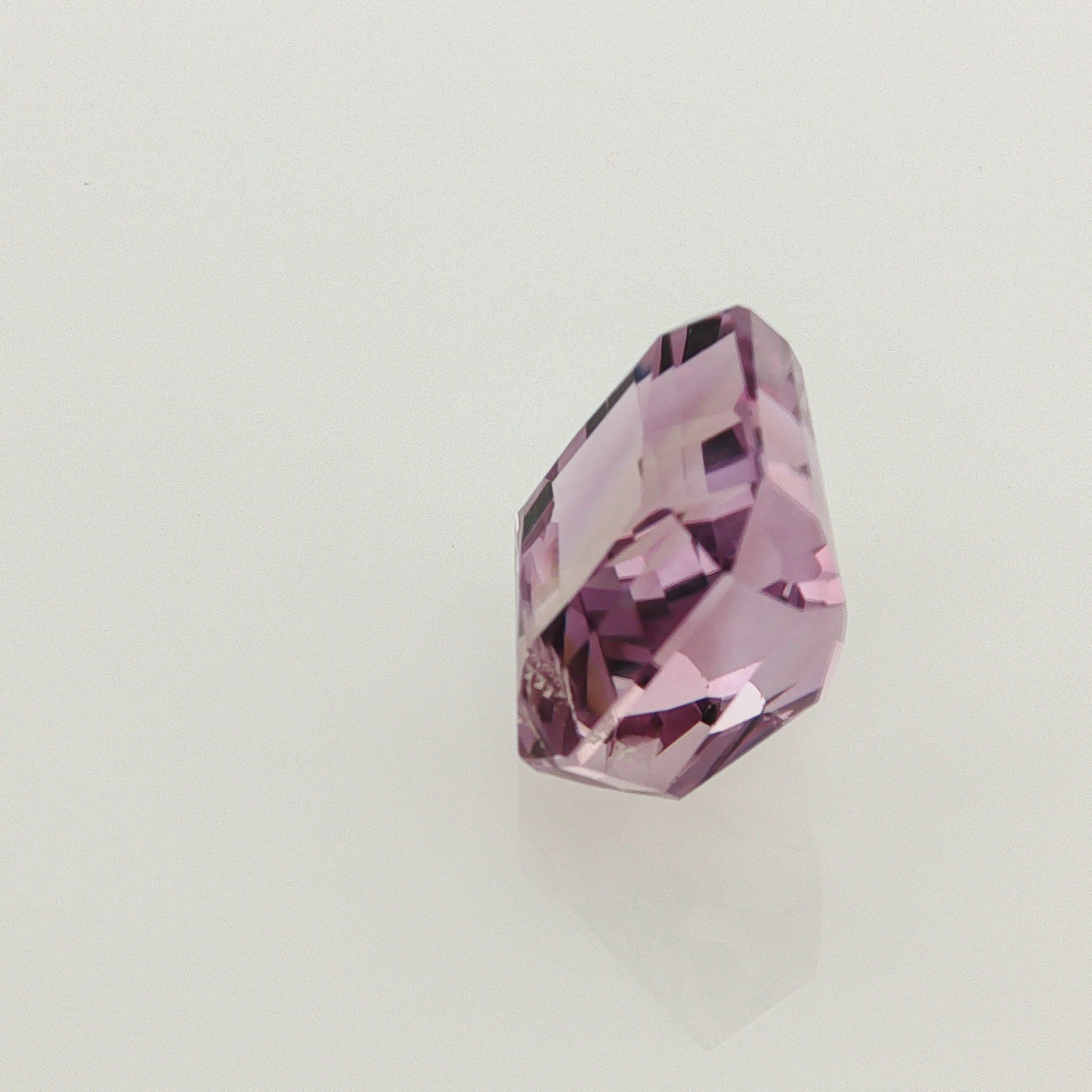
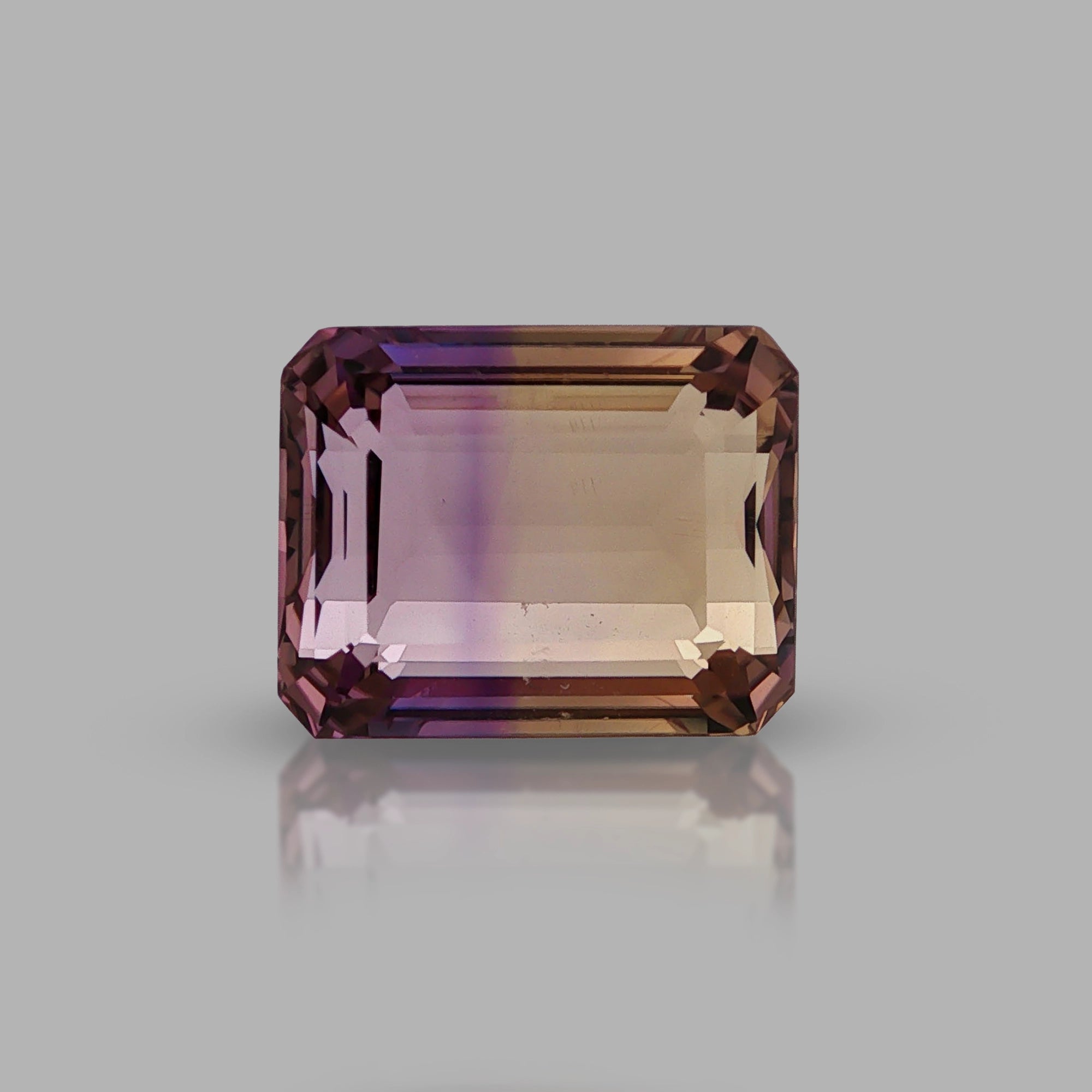
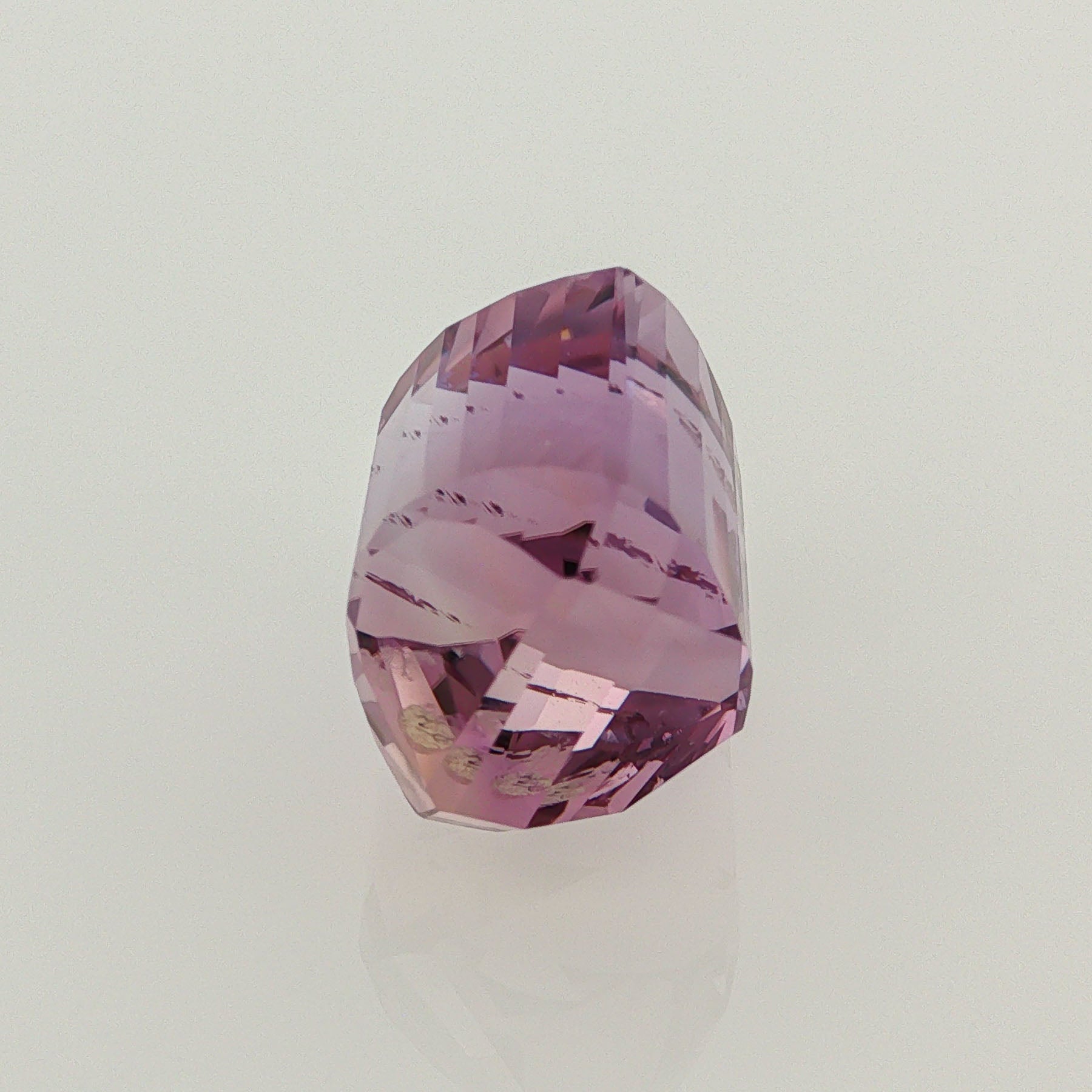
Ametrine is a bicolor variety of quartz that carries amethyst purple and citrine gold in a single crystal, separated by a natural boundary. It is one of very few gems whose two colors formed together in the ground.
Where does ametrine come from?
Virtually all natural ametrine comes from one source, the Anahi mine in eastern Bolivia. That single-source supply is a defining part of its rarity.
Is ametrine natural or treated?
Our ametrine is untreated as standard, with the status stated on every listing. Heated and synthetic bicolor quartz exists on the wider market under the same name, which is exactly why per-stone disclosure matters.
How is ametrine quality evaluated?
By the balance of the two zones: both colors saturated, neither dominating, and a boundary crisp enough to read across the stone. Zone contrast counts for more than carat weight.
Why are most fine ametrines rectangular?
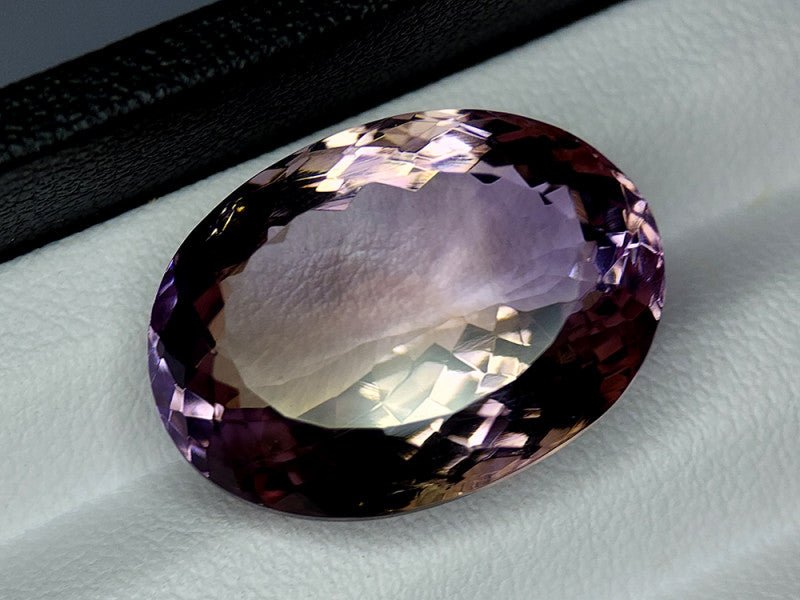
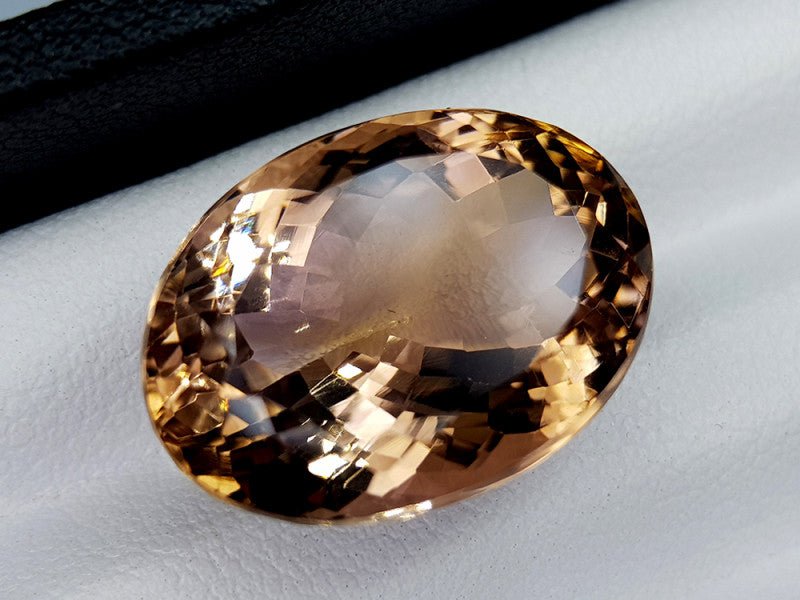
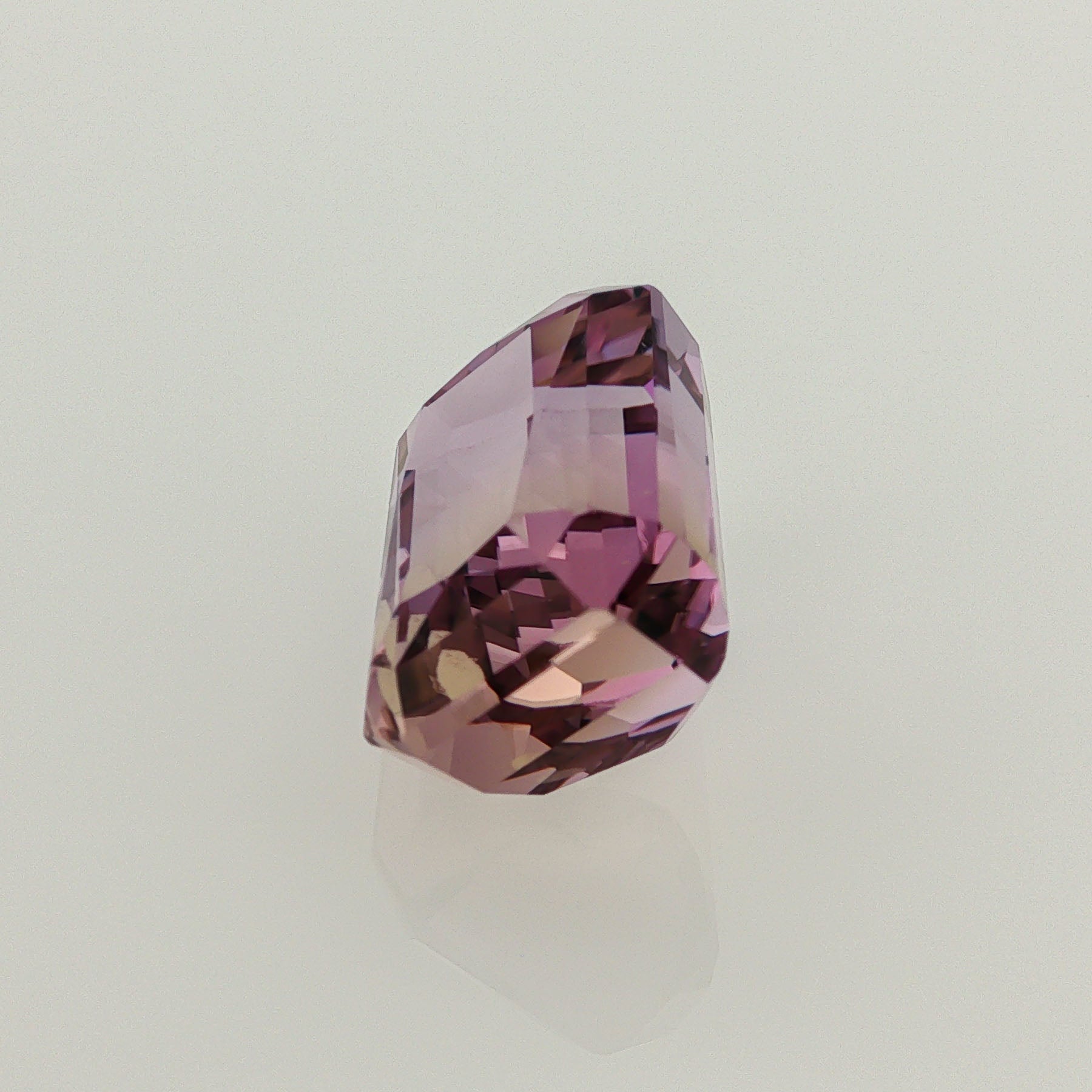
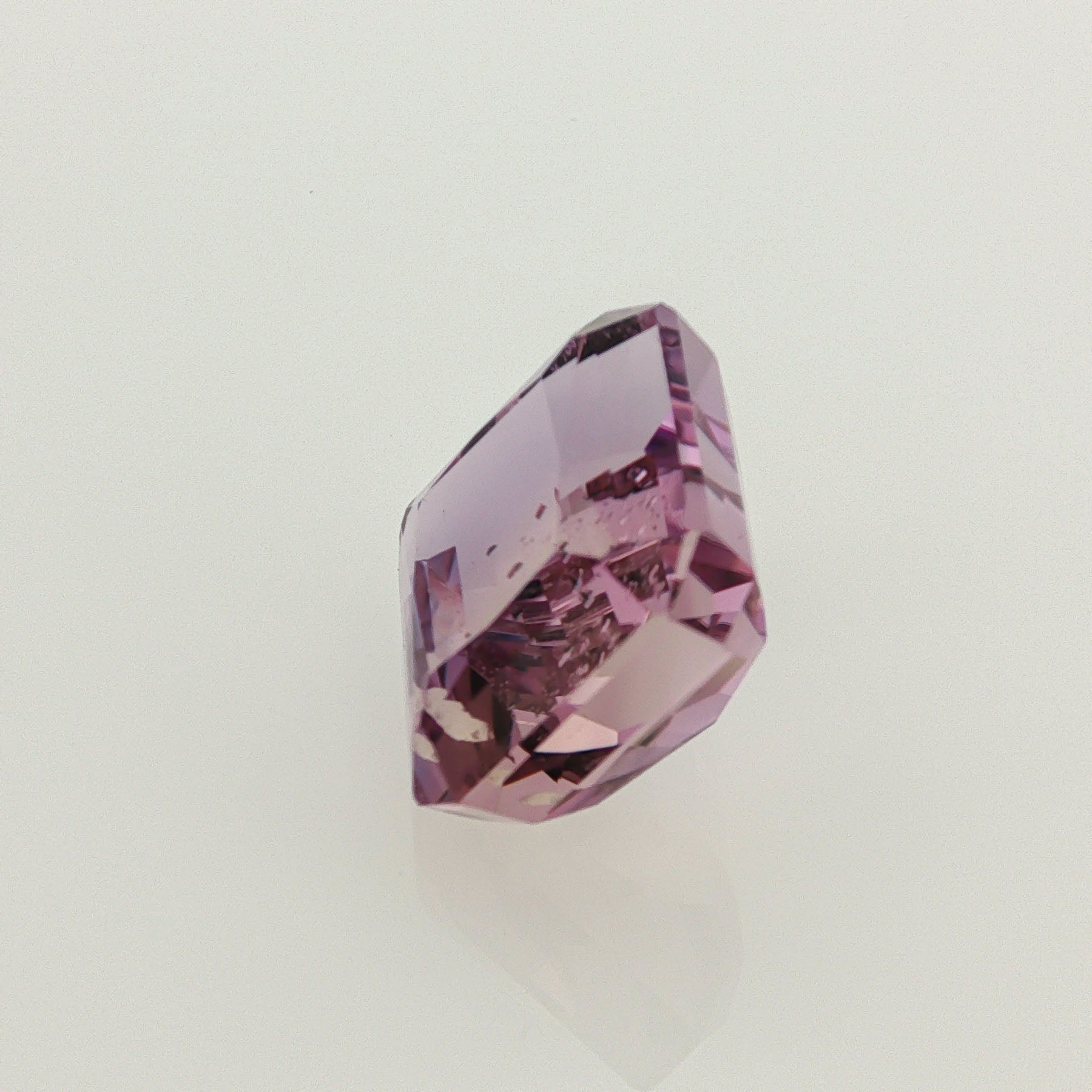
Because the cutter must display two colors at once. Rectangular and fancy cuts let the boundary run cleanly across the stone, while round cuts blend the zones and lose the effect.
Is ametrine durable enough for daily wear?
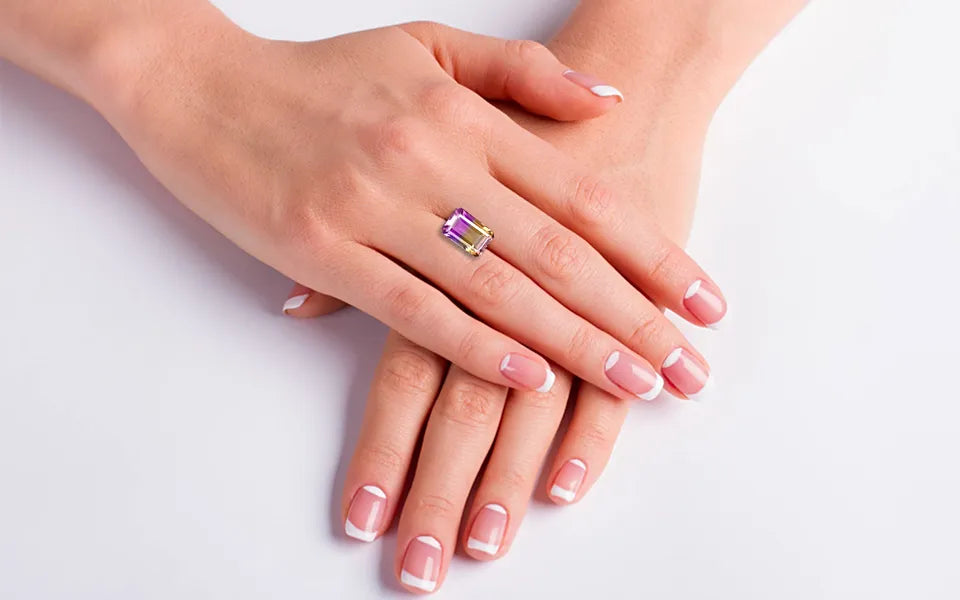
Ametrine measures 7 on the Mohs scale, the same as amethyst and citrine, and wears well in rings, pendants, and earrings. Avoid prolonged direct sunlight, which can soften the colors over time.
What documentation comes with a stone?
Every ametrine ships with the Sosna Gems Colored Stone Report, our internal documentation. Independent laboratory certification can be arranged on request for any stone.
Can you source an ametrine beyond the visible selection?
Yes. The online collection is only part of our sourcing reach. Contact us with your preferred size and zone balance and we will search individually.
How do I choose between two similar ametrines?
Look at the boundary first. A crisp, straight transition with both zones saturated is the mark of fine material, and a stone with one weak zone will always read as a compromise no matter its size.