


Tourmaline
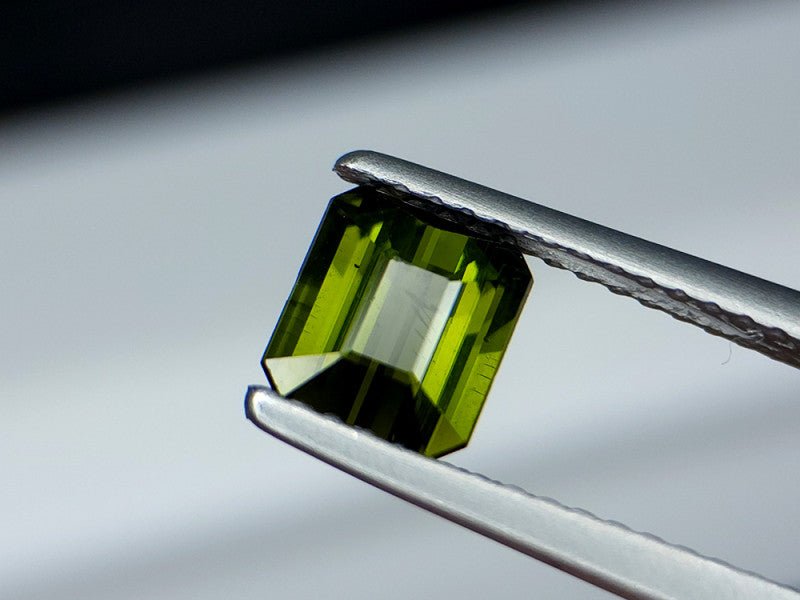
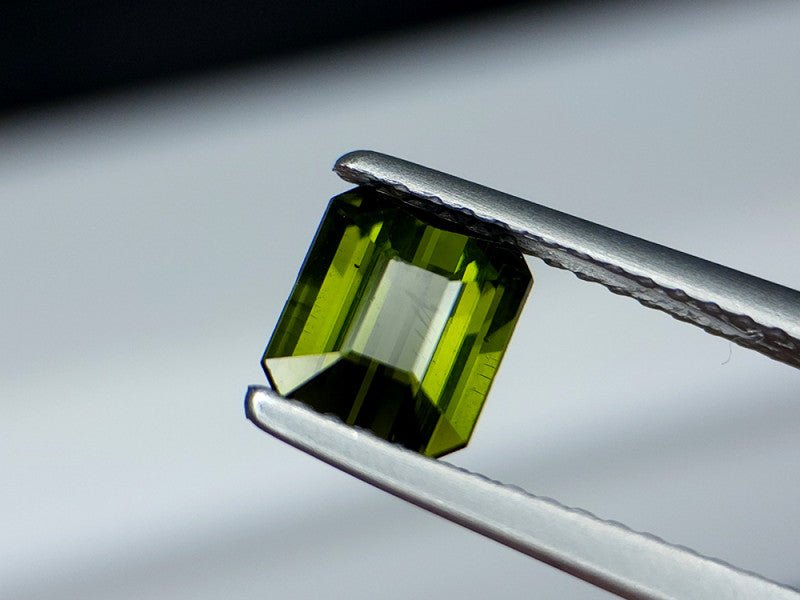
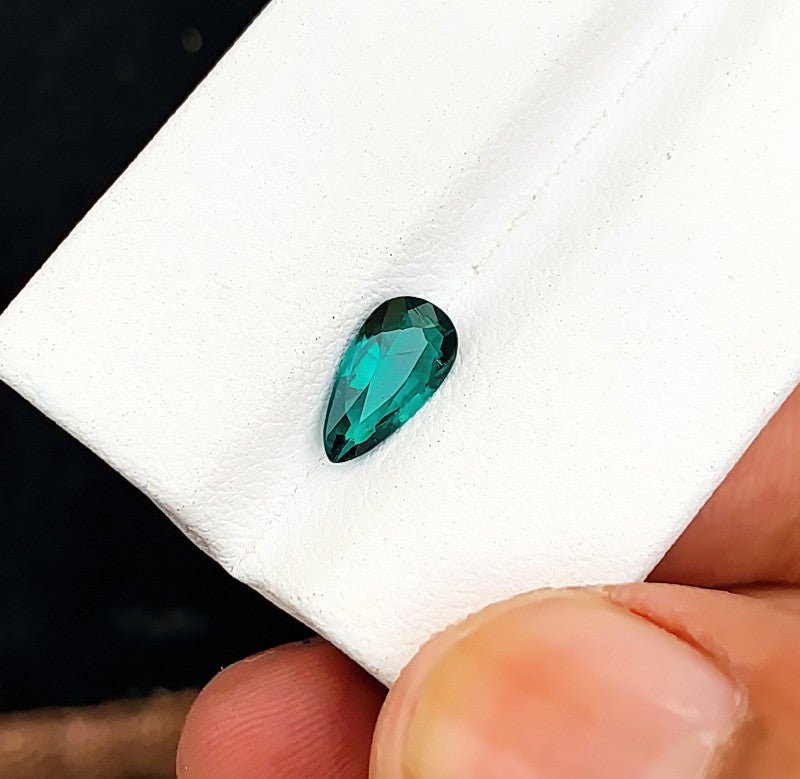
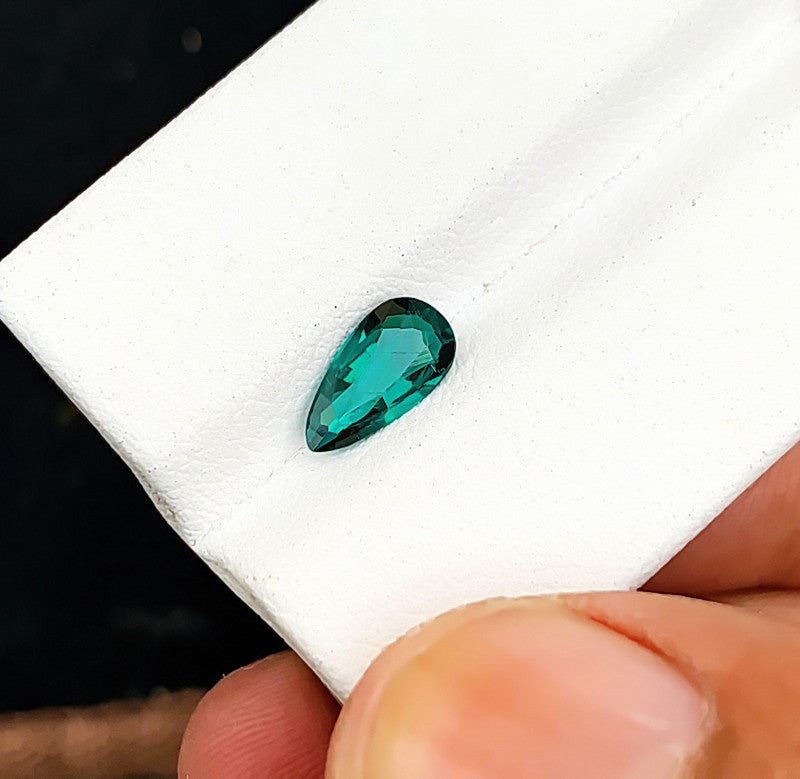
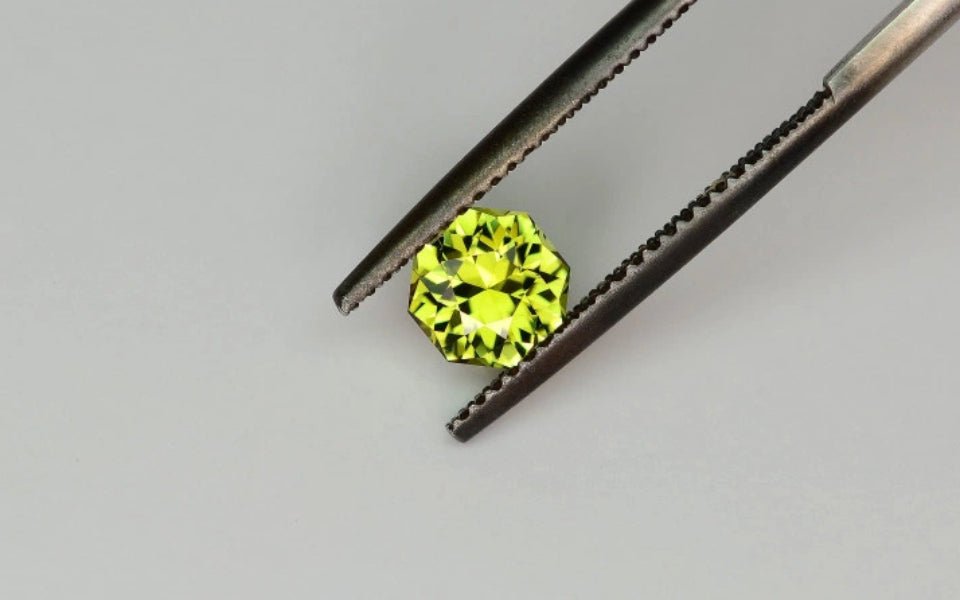
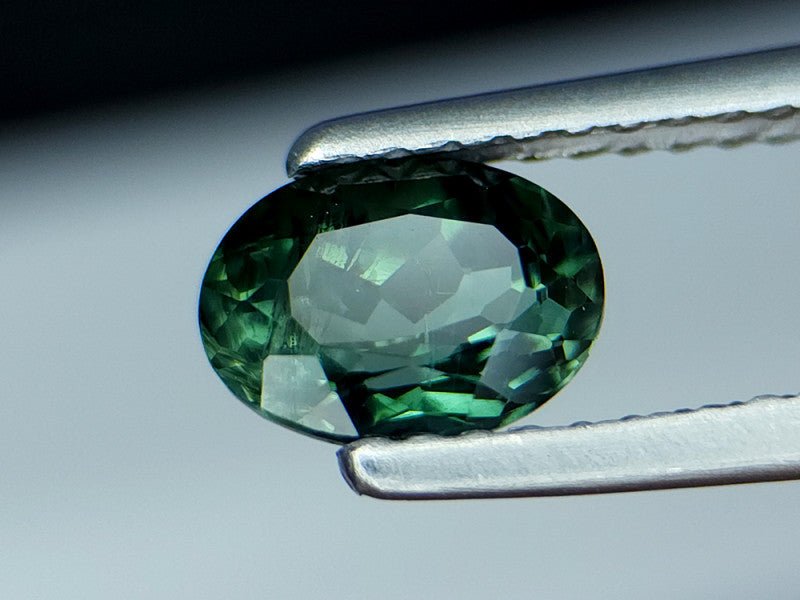
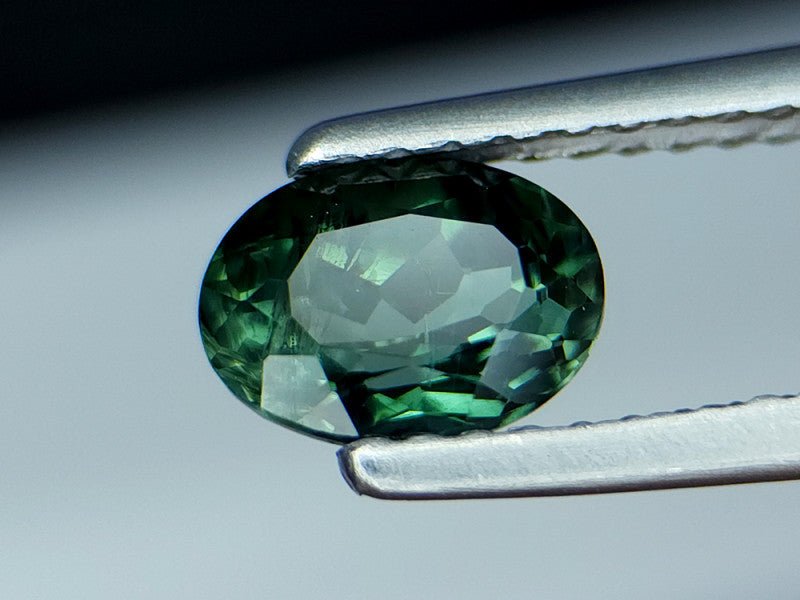
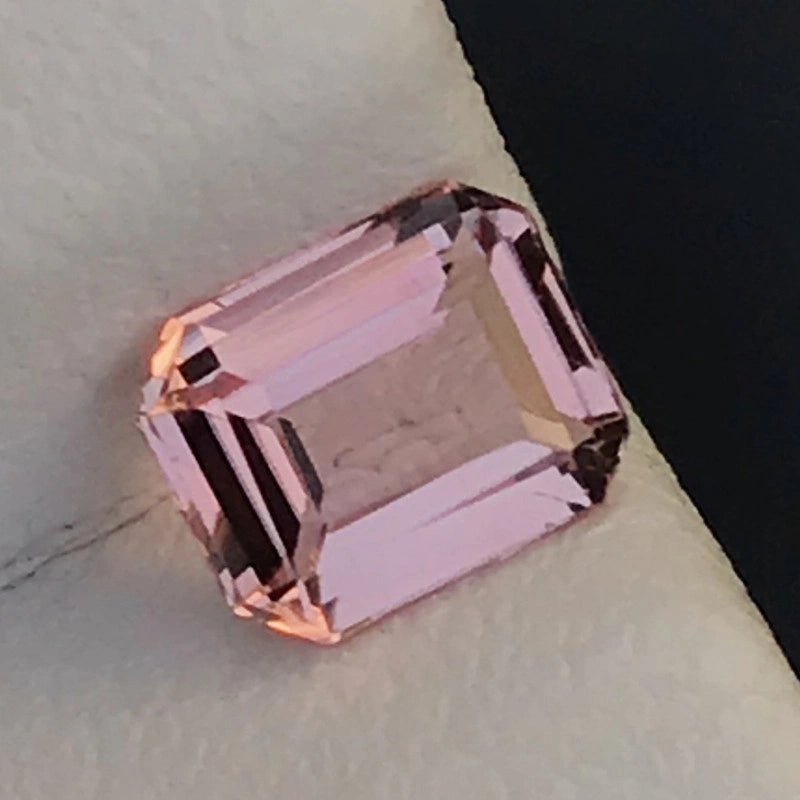
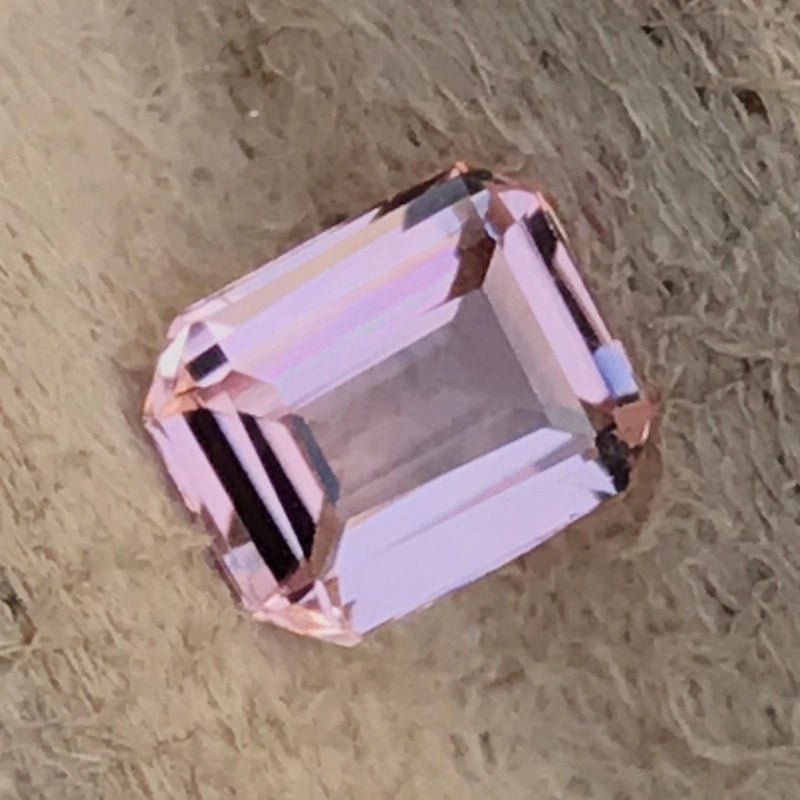
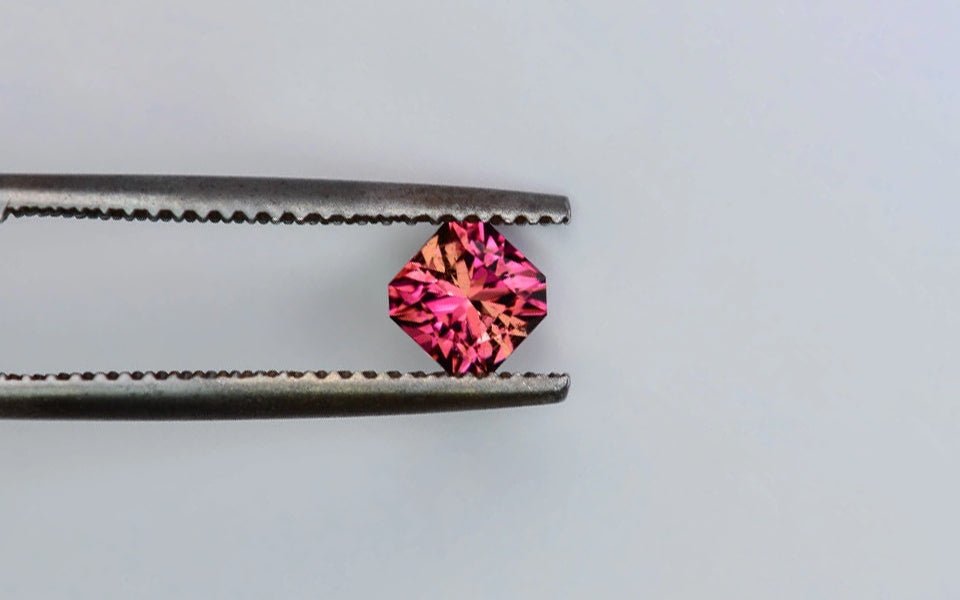
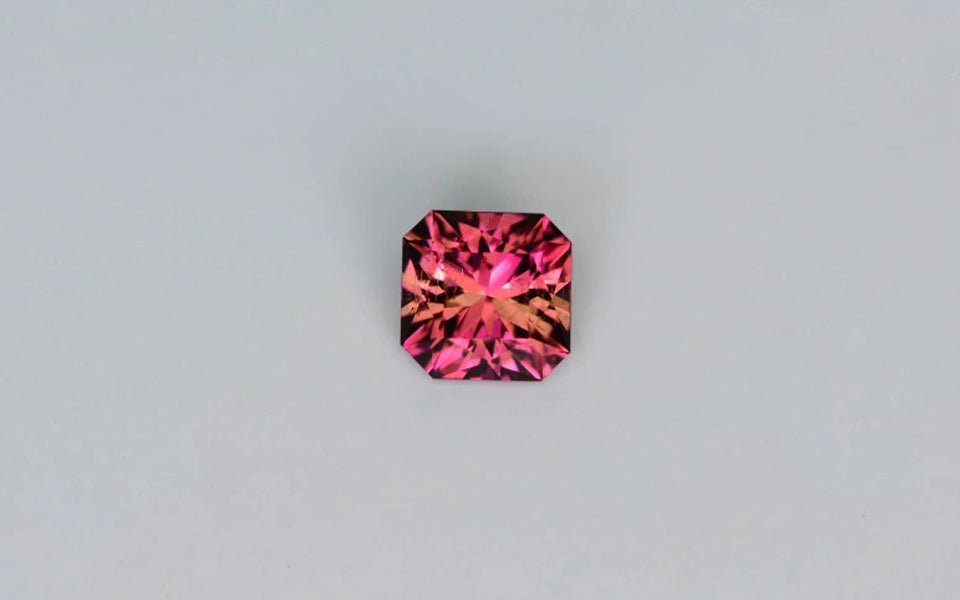
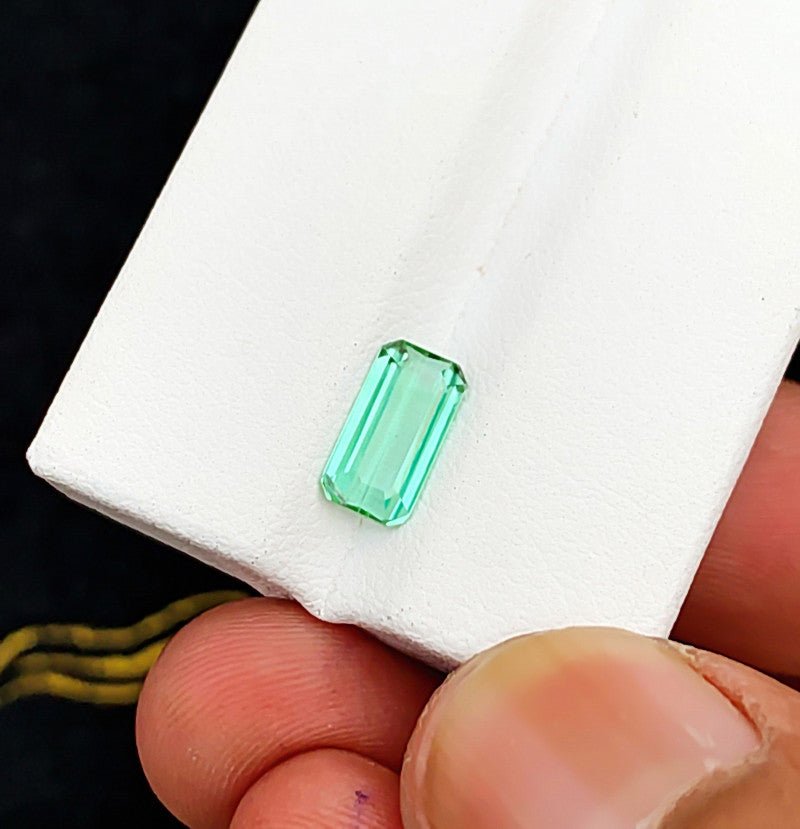
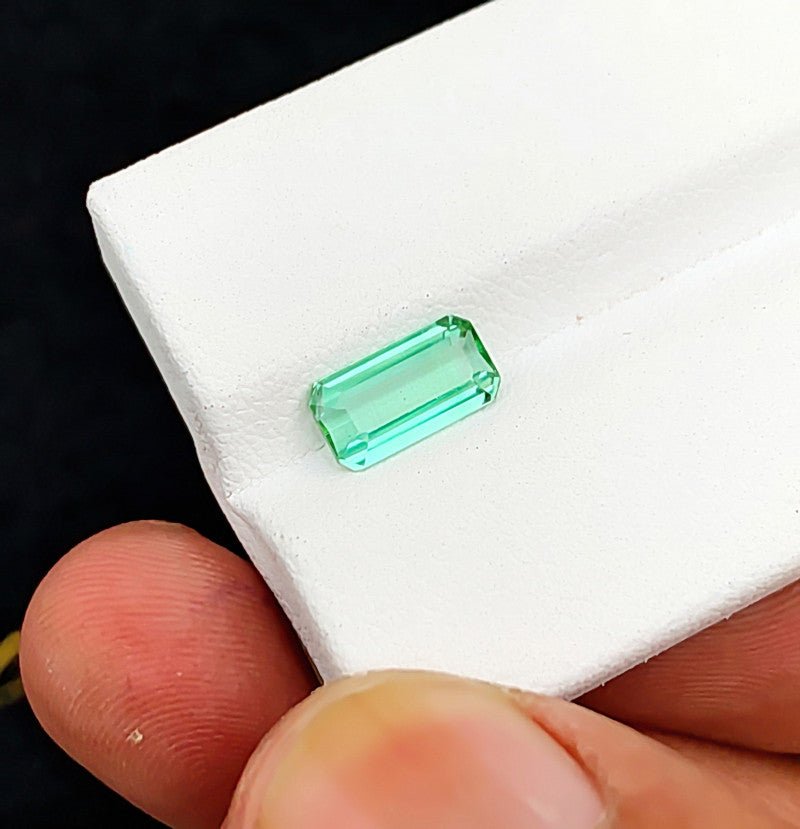
The online selection is only part of our sourcing reach.
Certain gemstones are acquired individually for clients and never appear in public collections.
Enquire about a stone you don’t see hereFrequently Asked Questions
What is tourmaline?
Tourmaline is a family of boron silicate minerals that produces gems in more colors than any other species, from greens and pinks to blues, reds, and bicolor crystals.
What is watermelon tourmaline?
A bicolor tourmaline with a pink core and green rim, or the two colors side by side in a cut stone. The best examples show saturated color in both zones with a clean transition.
What is Paraíba tourmaline?
A copper-bearing tourmaline with a neon blue-green glow, first found in the Brazilian state of Paraíba. It commands some of the highest per-carat prices in colored stones.
Is tourmaline treated?
It depends on the color. Some pinks and reds are gently heated or irradiated, many greens are untreated. We state treatment status individually on every listing instead of generalizing.
How is tourmaline quality evaluated?
Color character carries the value: saturation without darkness, and life in mixed lighting. Clarity expectations vary by color, with pinks forgiven more inclusions than greens. Cut orientation matters because tourmaline is strongly pleochroic.
Is tourmaline durable enough for daily wear?
Yes. At 7 to 7.5 on the Mohs scale, tourmaline suits rings, pendants, and earrings in regular wear, with the usual care against hard knocks.
What documentation comes with a stone?
Every tourmaline ships with the Sosna Gems Colored Stone Report, our internal documentation. Independent laboratory certification can be arranged on request for any stone.
Can you source a tourmaline beyond the visible selection?
Yes. The online collection is only part of our sourcing reach. Contact us with the color and size you are looking for and we will search individually.
How do I choose between two similar tourmalines?
Judge them in evening light, where tourmaline separates fast. Many stones look fine under shop lighting and go dark or gray at dusk, and the one that keeps its color is the better buy at equal price.