Proč v dlouhodobém investování záleží na emoční hodnotě
Investování není jen racionální
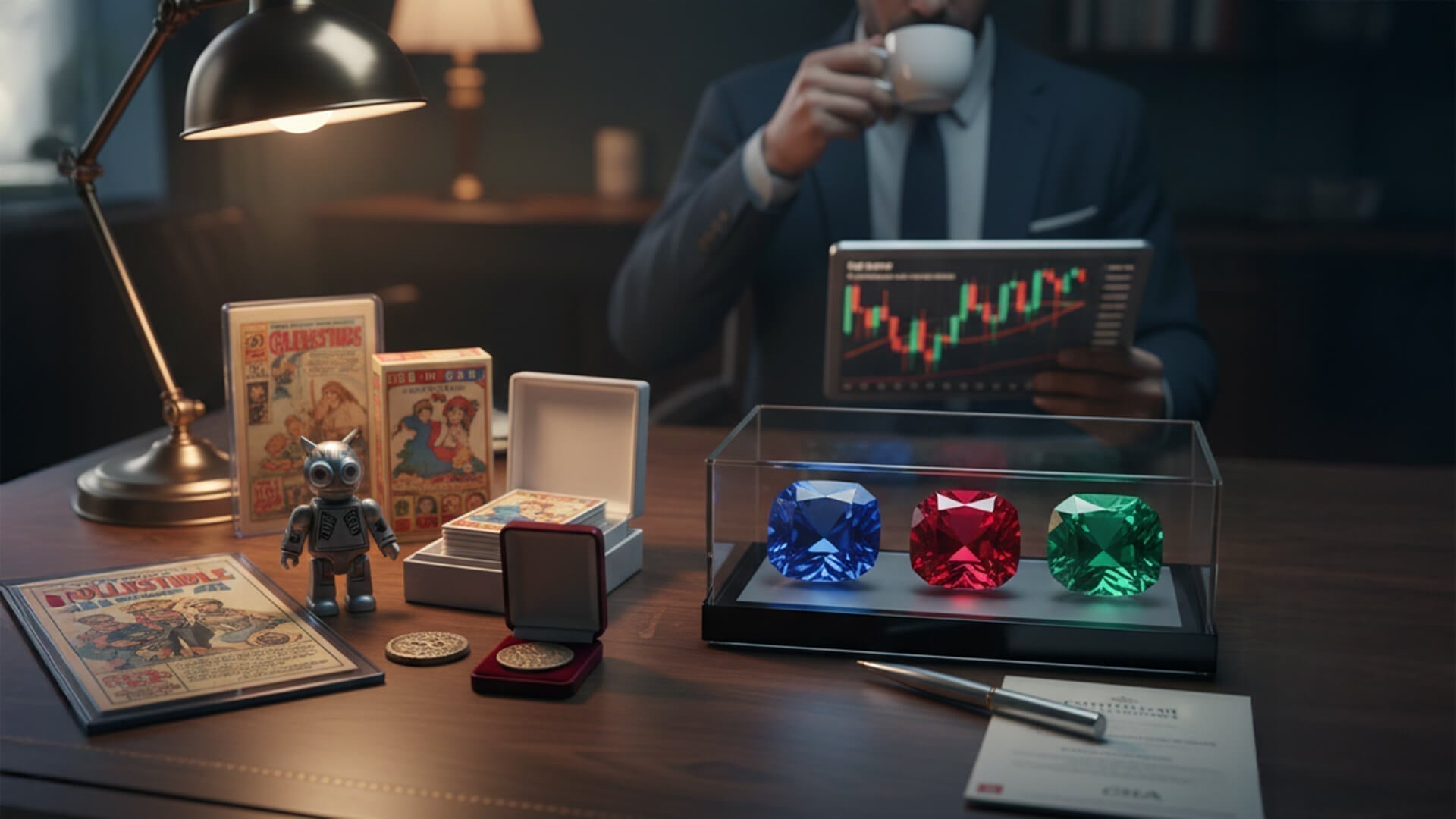
Klasická investiční teorie předpokládá, že investoři jednají racionálně: vyhodnotí riziko, porovnají očekávané výnosy a rozhodnou se podle dat. Ve skutečnosti většinu dlouhodobých výsledků netvaruje jen analýza, ale lidské chování. Emoce ovlivňují, kdy se věci kupují, jak dlouho se drží, a hlavně kdy se prodávají. Strach, lítost, sebedůvěra, citová vazba i význam hrají role, které tradiční modely neumějí kvantifikovat, a přitom je soustavně pozorují.
Není to vada vyhrazená nezkušeným. Emoční faktory ovlivňují i velmi zkušené lidi s přístupem k informacím, poradcům a analytickým nástrojům, zvlášť v obdobích napětí na trzích.
Porozumět emoční hodnotě neznamená vzdát se disciplíny. Znamená to uznat, že některé předměty nesou psychologické kotvy, které dlouhodobě ovlivňují chování majitele, a že když citová vazba posiluje trpělivost místo impulzu, pracuje s disciplínou, ne proti ní. Tento článek rozebírá, jak to funguje, kde to selhává a co z toho plyne pro každého, kdo vlastní drahokamy s dlouhým horizontem.
Stručná odpověď
Emoční hodnota ovlivňuje dlouhodobé výsledky, protože přímo působí na chování při držení. Předměty nesoucí význam, identitu nebo osobní důležitost se s menší pravděpodobností prodávají impulzivně během výkyvů a nejistoty.
Emoční hodnota sama o sobě výnosy nezvyšuje. Nemění fundamenty, nevytváří výnos a neodstraňuje riziko. Co změnit umí, je chování: panický prodej, krátkodobé přeobchodování a špatně načasované odchody, tedy přesně to, co behaviorální výzkum soustavně označuje za způsoby, jimiž si individuální investoři sami ničí výsledky.
V tomhle smyslu je emoční hodnota stabilizátor chování, ne motor hodnoty. To rozlišení prochází vším, co následuje: poznat, kdy citová vazba disciplínu chrání a kdy ji podkopává, je to, co odděluje kupující, kteří drží přes celé cykly, od těch, kdo opakovaně odcházejí ve špatnou chvíli.
Behaviorální finance: jak emoce tvarují rozhodnutí
Behaviorální finance vznikly z prostého pozorování: lidé se nechovají tak, jak racionální modely předpokládají. Rozhodnutí ovlivňují psychologické zkreslení, která systematicky deformují vnímání rizika, ztráty a nejistoty.
Averze ke ztrátě a panický prodej
Jednou z nejsilněji doložených sil je averze ke ztrátě: ztráty bolí intenzivněji než stejně velké zisky těší, což během poklesů spouští předčasný prodej. Reakci nepohání fundamenty, ale nepohodlí z pohledu na klesající čísla, a zamyká ztráty, kterým by další držení možná předešlo.
Lítost, načasování a přeobchodování
Souběžnou roli hraje strach z lítosti. Lidé prodávají příliš brzy, aby se vyhnuli možnosti další ztráty, nebo obchodují nadměrně ve snaze napravit minulá rozhodnutí. Časem to zvyšuje četnost transakcí, přidává náklady a odvádí chování od původního záměru. Přeobchodování výsledky zlepšuje zřídka; stres zesiluje spolehlivě.
Proč racionální modely v praxi selhávají
Trhy obývají lidé a lidská rozhodnutí reagují na emoce, kontext a příběh. Mezera mezi teorií a praxí je důvod, proč stejné informace vedou různé lidi k velmi různým výsledkům, a proč porozumět vlastním vzorcům chování znamená stejně mnoho jako porozumět kterékoli třídě aktiv.
Reaktivní emoce proti ukotvené emoci
Ne každá emoce působí na rozhodování stejně a užitečné rozlišení nevede mezi emocí a racionalitou.
Reaktivní emoce destabilizuje. Strach a chamtivost reagují na pohyb ceny, ne na hodnotu: strach zrychluje prodej v poklesech, chamtivost živí sebejistotu v růstech a spekulativní vzrušení jede na hybnosti, což ho dělá akutně citlivým na obraty.
Ukotvená emoce stabilizuje. Vazba zakořeněná ve významu, předmět spojený s identitou, milníky nebo rodinou, nezávisí na vzrušení trhu. Posiluje dlouhé držení a otupuje citlivost na krátkodobé cenové signály. Když takový vztah sedí na ověřené kvalitě, podporuje disciplinované vlastnictví, místo aby ho podkopával.
Reaktivní emoce odpovídá trhu. Ukotvená emoce odpovídá předmětu. Jen ta druhá má potenciál ustálit chování na horizontu měřeném v desetiletích.
Proč fyzické předměty kotví silněji
Citová vazba se snáz tvoří k věcem, které jsou hmatatelné. Předměty, které lze vidět, dotknout se jich, nosit je a předat dál, zapojují vnímání způsobem, jakým to abstraktní finanční pozice neumějí.
Fyzická přítomnost a vnímaná trvalost
Fyzický předmět existuje nezávisle na obrazovkách, platformách a výpisech z účtu a jeho vlastnictví nezprostředkovává denní přeceňování. Nepřítomnost neustálé kotace není vada; je to jeden z důvodů, proč majitelé fyzických předmětů uvažují v letech a generacích, ne ve dnech. Nic jim v devět ráno nebliká červeně na displeji.
Příběh, původ a osobní význam
Kotvy posiluje vyprávění. Odkud předmět pochází, jak byl získán a co v životě označuje, prohlubuje vazbu, a u jemných předmětů nese původ, řemeslo a historie stejnou psychologickou váhu jako kterékoli číslo. Z vlastnictví se stává vztah, ne pozice.
Behaviorální důsledek
Protože jsou takové předměty vetkané do identity, prodej vyžaduje rozvážné rozhodnutí, ne reflex. Obrat klesá, s ním klesá vystavení šumu a pozornost majitele se přesouvá od pohybu ceny k dlouhodobé relevanci. Fundamenty se nezměnily; změnilo se chování.
Drahokamy a emoční hodnota v čase
Mezi fyzickými předměty zaujímají drahokamy zvláštní postavení: fyzická trvalost spojená s osobním významem, ve formě dost kompaktní na to, aby se dala podat další generaci.
Šperk jako identita a paměť
Drahokamy se vpisují do okamžiků: zásnubní prsteny, výročí, milníky označené kamenem. Časem se drahokam stane neoddělitelným od příběhu, který nese, a majitelé impulzivně neprodávají předměty symbolizující vztahy a kontinuitu.
Dědictví a mezigenerační uvažování
Drahokamy se na dědění hodí neobyčejně dobře: jsou kompaktní, trvanlivé a kulturně srozumitelné. Když se něco pořizuje se záměrem předat to dál, časový horizont se posune sám od sebe a krátkodobé tržní ohledy ustoupí uchování a kontinuitě. Právě na tomhle horizontu, jak popisuje průvodce investičními drahokamy, záleží na dokumentaci a kvalitě nejvíc.
Stabilizátor, ne náhrada
Emoční hodnota hodnotu nevytváří. Nevynahradí slabou kvalitu, chybějící certifikaci ani zkreslenou vzácnost. Co dělá, když leží na vlastnostech investiční kvality, je stabilizace vlastnického chování kolem kamene: méně zbytečného obratu, méně panických odchodů. Strukturální stránku otázky, odkud se vzácnost drahokamů skutečně bere, rozebírá co dělá drahokam vzácným, a záznam doložené cenové historie po jednotlivých druzích které drahokamy rostou na hodnotě.
Kdy emoční hodnota pomáhá a kdy škodí
Emoční hodnota není ze své podstaty kladná. Její účinek závisí na tom, jak se potkává s kvalitou, dokumentací a disciplínou.
Zdravá vazba posiluje trpělivost. Podporuje dlouhé držení, tlumí impulzivní reakce a drží chování v souladu s původním záměrem.
Slepá vazba ignoruje důkazy. Když význam vede majitele k přehlížení změn v kvalitě, relevanci nebo dokumentaci, brání poctivému přehodnocení. Kámen, který nosila babička, si zaslouží lásku; nezaslouží si výjimku z laboratorního posudku.
Emoce nenahradí kvalitu. Žádná míra osobního významu nevyváží špatnou barvu, chybějící certifikaci nebo zkreslenou vzácnost. Ve vážném dlouhodobém vlastnictví leží emoční hodnota na fundamentech, nikdy místo nich. Když emoce nahradí ověření, riziko roste.
I ukotvené předměty si zaslouží občasné přehodnocení. Ne časté obchodování, ale poctivé posouzení, když se změní okolnosti. Nejodolnější majitelé drží obojí: cení si významu a zůstávají pozorní ke kvalitě a dokumentaci, což je to, co udržuje vazbu stabilizátorem místo zkreslení.
Jak zkušení kupující spojují emoci a disciplínu
Zkušení kupující se nesnaží emoci odstranit; počítají s ní. Disciplína dává strukturu: měřítka kvality, nezávislé ověření a vymezený cíl určují, co vůbec připadá v úvahu ke koupi. Emoce sladěná s těmi měřítky pak dělá to, co disciplína sama neumí: dodává trpělivost držet přes nejistotu, aniž by se vzdal úsudek.
Dělba práce je čistá. Disciplína řídí výběr a revizi. Emoční hodnota řídí závazek a výdrž. Cílem není citový odstup, ale citové sladění, tedy vazba, která disciplinovaná rozhodnutí posiluje, místo aby je přehlasovala.
Co si z toho odnést před nákupem
Behaviorální argument se dá stlačit do čtyř praktických pravidel pro každého, kdo stojí před kamenem s dlouhým horizontem v hlavě.
Kupte kámen, který byste chtěli vlastnit, i kdyby se nikdy neprodal. Význam je to, co vás pronese roky, kdy trh neříká nic zajímavého, a kámen koupený jen jako pozice vám nedá žádný důvod držet ho ve chvíli, kdy je držení nejtěžší.
Ale nechte ho projít stejnými zkouškami jako kámen kupovaný chladně. Barva, čistota, brus, stav úprav, nezávislá certifikace. Citová polovina rozhodnutí si své místo zaslouží až po vyřešení té doložené, nikdy místo ní.
Rozhodněte o důvodech k prodeji dřív, než koupíte. Změna v dokumentaci kamene nebo ve vašich okolnostech důvod je; červené číslo na obrazovce ne. Zapsat si to rozlišení v klidu je levná pojistka proti tomu rozhodovat ho ve strachu.
Uchovávejte dokumentaci stejně pečlivě jako kámen. Posudek, uvedení úprav, záznam o původu: to je to, co promění dědictví s příběhem v předmět, který si další majitel, nebo další generace, může ověřit, místo aby mu jen věřil.
Na konec patří jedna výhrada, tatáž, která uzavírá každou vážnou debatu o drahokamech a hodnotě: nic z toho nepředpovídá, jakou cenu bude mít jednotlivý kámen. Chování rozhoduje o tom, jestli majitel drží dost dlouho na to, aby kvalita hrála roli; hodnota konkrétního kamene pořád závisí na jeho vlastní kvalitě, dokumentaci a na trhu v době prodeje. Čím se sběratelství hnané vášní liší od výběru hnaného vzácností, rozebírá článek sběratelské předměty a drahokamy investiční kvality.
Časté dotazy
Škodí citová vazba investičním výsledkům?
Může, když vede k popírání, impulzivním rozhodnutím nebo odmítání přehodnotit kvalitu a dokumentaci. Když vazba podporuje trpělivost a leží na objektivních měřítkách kvality, disciplinované dlouhodobé držení posiluje, místo aby ho podkopávala.
Může emoční hodnota zlepšit dlouhodobé výsledky?
Ne přímým zvýšením výnosů. Mění chování: méně panického prodeje, méně krátkodobého přeobchodování, méně špatně načasovaných odchodů. Behaviorální výzkum právě tohle soustavně označuje za způsoby, jimiž si individuální investoři sami ničí výsledky, a proto stabilizátor chování znamená hodně, přestože sám žádnou hodnotu nevytváří.
Proč investoři prodávají příliš brzy?
Averze ke ztrátě, strach z dalších poklesů a tlak neustálého přeceňování. Ztráty bolí intenzivněji, než stejně velké zisky těší, a denní kotace mění každý pokles v rozhodovací bod. Předměty bez stálé cenové kotace tenhle spouštěč nemají, což je jeden z důvodů, proč se drží déle.
Proč fyzické předměty poutají silněji než finanční pozice?
Zapojují vnímání přímo: dají se vidět, nosit a předat dál, existují nezávisle na obrazovkách a výpisech a nesou příběh, původ a osobní historii. Z vlastnictví se stává vztah, ne pozice, a z prodeje rozvážné rozhodnutí, ne reflex.
Znamená citový význam, že se kámen hůř prodává?
Význam působí na majitele, ne na trh. O tom, jak se kámen obchoduje, rozhoduje jeho kvalita, dokumentace a přístup k poučeným kupcům, a proto certifikace a úplné uvedení úprav znamenají hodně ode dne nákupu, ne až ode dne prodeje. Citově významný kámen se silnou dokumentací stojí před stejným trhem jako shodný kámen bez příběhu.
Jak si cenit významu a nedělat přitom emoční chyby?
Oddělením reaktivní emoce, tedy strachu a chamtivosti reagujících na cenu, od ukotvené emoce, tedy významu spojeného s předmětem. Používejte objektivní výběrová kritéria, trvejte na nezávislém ověření a přehodnocujte občas, ne obchodováním. Význam pak dodává trpělivost, zatímco disciplína řídí každé rozhodnutí, a hodnota jednotlivého kamene pořád stojí na jeho vlastní kvalitě a dokumentaci.