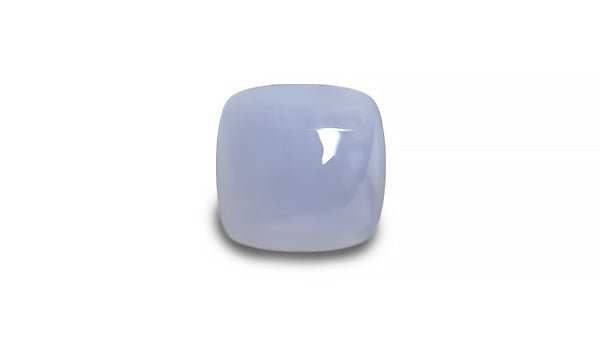
Green Quartz
Most gemstones are older than their names. Green quartz reverses the order: the quartz is ancient, but its green is usually younger than the person wearing it, created in an oven from Brazilian amethyst. That single fact organizes everything worth knowing about this gem, from what to call it to what to pay for it, and it makes green quartz an excellent test of any seller's honesty.
One Chemistry, Three Colors
Prasiolite, to give green quartz its proper name, belongs to the most openly interchangeable family in the gem world. Quartz colored by traces of iron is purple as amethyst, and heat changes the state of that iron: moderate heating turns most amethyst golden, producing the majority of commercial citrine, while amethyst from a few specific deposits, above all Montezuma in Brazil's Minas Gerais, turns a soft leek green instead. Nature occasionally performs half the trick herself, leaving purple and gold in one crystal as ametrine. Prasiolite is the third face of the same chemistry, and its name says exactly what it looks like: prason is Greek for leek.
- Mineral: quartz, SiO2
- Color: pale leek green to mint, translucent to transparent
- Mohs hardness: 7
- Refractive index: 1.544 to 1.553
- Specific gravity: approximately 2.66
- Treatment: almost universally heated or irradiated; natural stones are collector rarities
What the Names Mean, and the One to Avoid
The stone circulates under several names, and one of them is a problem. Prasiolite and green quartz are both correct. "Green amethyst," despite its popularity in catalogs, is misleading by definition, because amethyst means purple quartz and nothing else; US trade guidance has flagged the term for exactly this reason, and a seller still using it is telling you something about their standards. The rule of thumb is simple: the prettier-sounding name on the label, the closer to look at the paperwork.
Two neighbors cause honest confusion and deserve a sentence each. Green aventurine is a different material entirely, a sparkly quartz rock colored by embedded green mica flakes, opaque and glittery where prasiolite is glassy and calm. And chrysoprase, the finest green of the quartz family, is a nickel-colored chalcedony, more saturated, more valuable, and covered in its own profile. Prasiolite's own green is honest about its limits: a delicate, cool, pale leek to mint, never the deep green of emerald or chrome stones, and a "green quartz" with intense, saturated color is more likely dyed material or hydrothermally grown synthetic quartz, both common in inexpensive jewelry, than anything from the ground.
Treatment: The Whole Story, Told Plainly
Here is the part most listings skip. Virtually all prasiolite on the market is produced by treatment, either by heating amethyst from the few deposits whose chemistry cooperates, or by irradiating and then heating other quartz. Both routes are legitimate, both are stable in normal wear, and both must be disclosed; under US rules, irradiated material should be described plainly as "irradiated," with no euphemism doing the hiding. Genuinely natural prasiolite exists, colored underground when volcanic heat baked amethyst-bearing rock, but it comes from a handful of small finds, notably in Poland's Lower Silesia, and it trades as a mineral collector's rarity rather than as jewelry supply.
The practical consequence is refreshing rather than alarming: with prasiolite you are almost certainly buying a treated stone, the price already reflects it, and the only real sin available to a seller is pretending otherwise. The wider logic of what treatments mean for value sits in our guide to treated versus untreated gemstones.
Choosing a Prasiolite
The stone's virtues are clarity, size, and price, and the buying standards follow. A faceted prasiolite should be completely eye-clean, since quartz is abundant enough that visible inclusions have no excuse. Color should be even, with the finer stones showing a cool mint green free of gray or brown; judge it in daylight, where the delicacy either charms or disappears. Because clean rough is cheap in generous sizes, prasiolite has become a favorite of precision cutters, and concave-cut and designer-cut stones deliver a play of light far above the material's price, which is exactly the intelligent way to buy it: spend on the cut, since the material asks so little.
A Gem Too Young for Legends
Quartz as a family carries millennia of lore, beginning with the Greek krystallos, ice, from the ancient belief that rock crystal was water frozen too hard to melt; that inheritance belongs to the whole clan and is told in our quartz profile. Prasiolite itself has almost none of it, for the honest reason that the gem in commercial quantities simply did not exist before the treatment era of the twentieth century. There is something refreshing in a stone with no legends to embroider: its entire story is chemistry, craft, and disclosure, and it wears that modernity well in the clean, architectural jewelry designs it suits best.
Care
At hardness 7, prasiolite handles everyday jewelry comfortably, stored apart from harder stones that could scratch it. Its one genuine sensitivity is the same force that created it: heat and strong light. Prolonged direct sun or a jeweler's torch can shift or fade the treated color, so clean the stone with warm water, mild soap, and a soft brush, skip steam cleaning, and keep it out of the display window at noon. Treated this sensibly, the color is stable for a lifetime of normal wear.
You will find our prasiolite pieces in the amethyst collection, at home beside the purple stone they began as.
Frequently Asked Questions
What is prasiolite?
The leek-green variety of quartz, named from the Greek word for leek. Nearly all of it is produced by heating amethyst from specific Brazilian deposits or by irradiating and heating other quartz, and it is correctly sold as prasiolite or green quartz.
Is green amethyst a real gemstone name?
No. Amethyst means purple quartz by definition, so "green amethyst" is a misleading label that US trade guidance has flagged. The correct names are prasiolite or green quartz, with the treatment disclosed.
Is green quartz natural?
The quartz is natural; the green almost never is. Virtually all commercial prasiolite owes its color to heating or irradiation, both legitimate when disclosed. Naturally colored prasiolite exists only from a few small finds and trades as a collector rarity.
How is prasiolite different from green aventurine and chrysoprase?
Prasiolite is transparent, glassy, pale leek green. Green aventurine is an opaque, glittery quartz rock colored by mica flakes. Chrysoprase is a nickel-colored chalcedony with far more saturated green and higher value. All three are quartz family, none is interchangeable.
Can prasiolite fade?
Yes, under the same forces that created it. Prolonged direct sunlight and strong heat, including a jeweler's torch, can shift or fade the color. Normal daily wear is harmless.
Why are deeply saturated green quartz stones suspicious?
Because prasiolite's honest range is pale leek to mint. Intense, vivid green material sold as green quartz is more often dyed or hydrothermally grown synthetic quartz, both common in inexpensive jewelry, and worth a direct question to the seller.
Is prasiolite durable enough for daily wear?
Yes. At 7 on the Mohs scale it suits rings, earrings, and pendants with ordinary care: mild soap and warm water for cleaning, no steam, and storage away from harder gems.